If You Were a Kid in the 2000s, You Definitely Ate These 10 Cafeteria Classics
The cafeteria lunch line was basically the social event of the day for any 2000s kid. You’d grab that beige plastic tray, survey the steam table options, and make choices that would define your next hour. By 2005, approximately a quarter of U.S. schools offered fast food in their cafeterias, creating a unique blend of convenience foods and government-issued nutrition standards. The decade marked a turning point where school lunches faced increasing scrutiny and reform efforts aimed at improving their nutritional quality. Let’s dive into those unforgettable cafeteria classics that defined lunchtime for an entire generation.
Rectangle Pizza with Its Unforgettable Grease Layer
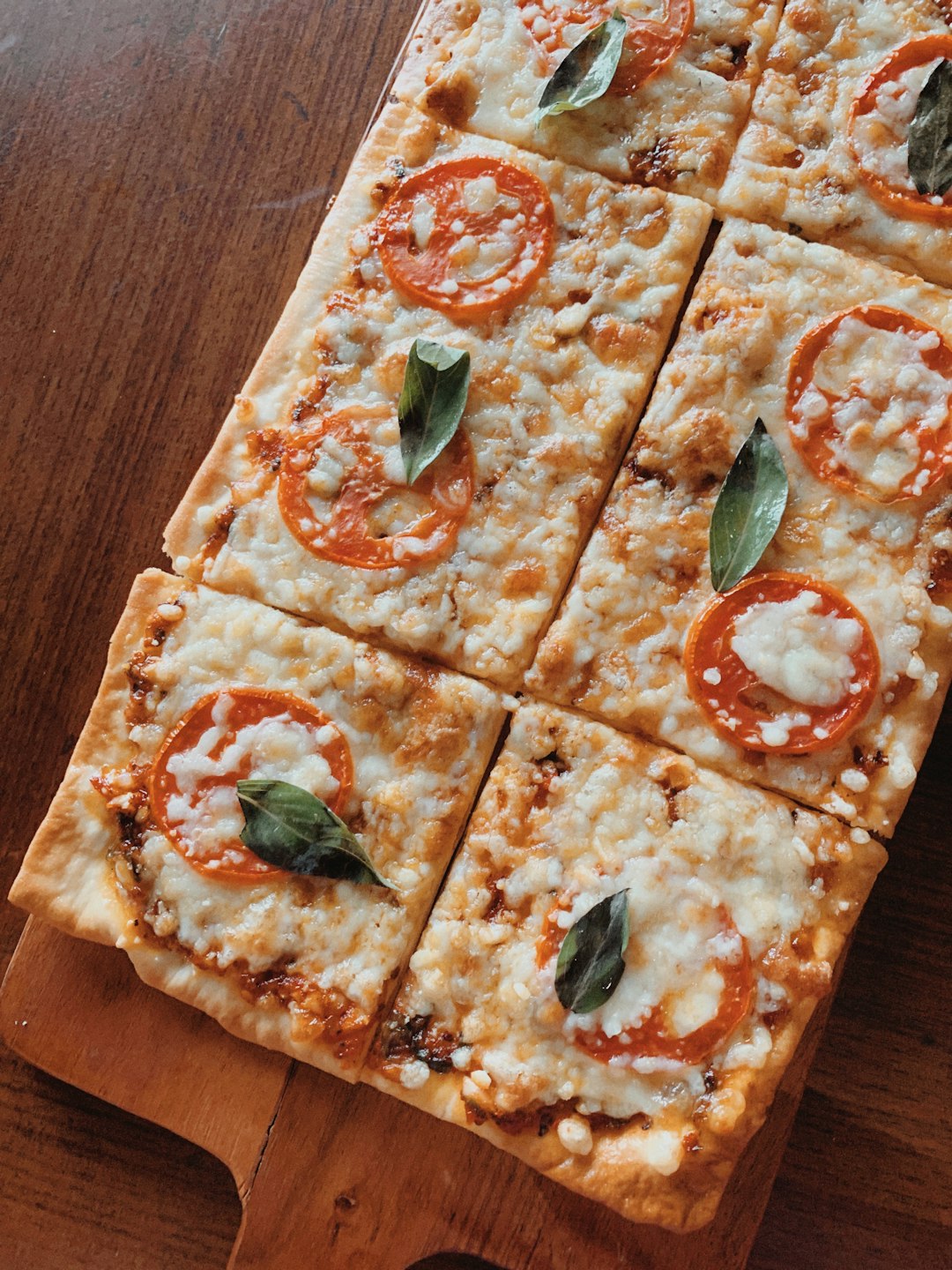
The iconic rectangular pizza was a staple in nearly every school cafeteria during the 2000s. With its thick, doughy crust and rubbery cheese, it was more about convenience than flavor. That pizza wasn’t trying to be gourmet. It had one job: feed hundreds of kids efficiently on Friday afternoons. Pizza Friday became everyone looked forward to, despite the fact that the rectangular slices bore little resemblance to actual pizza. The cheese would often separate into that shiny grease layer on top, and somehow that made it even better.
Chicken Nuggets That Defied Physics
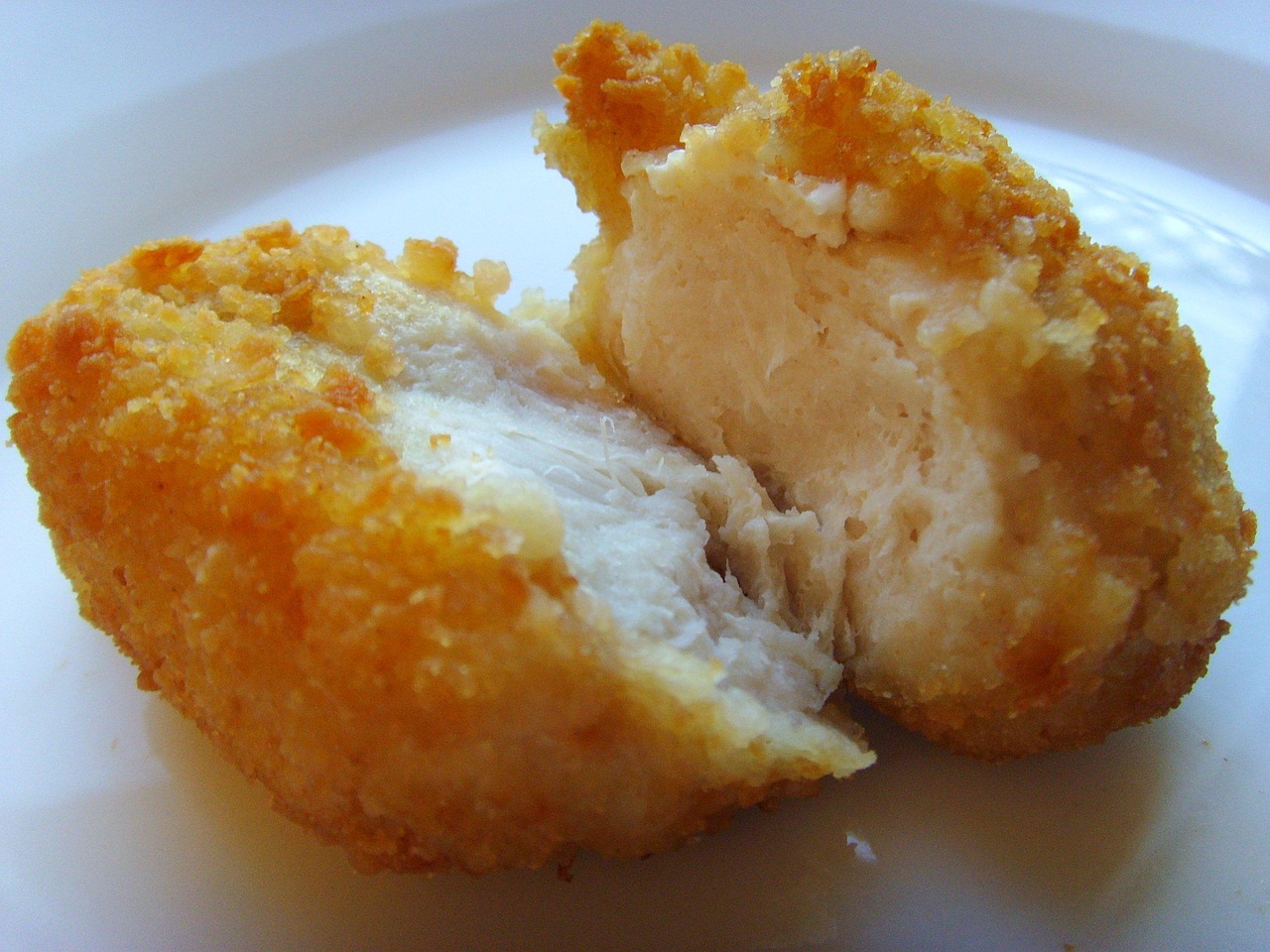
Chicken nuggets so rubbery you swear they’d bounce if you threw one on the floor were the gold standard of cafeteria protein. Items that were on the menu consistently included: chicken nuggets, cheeseburgers, rectangular pizza, chocolate pudding, and Jello-O. These weren’t your McDonald’s nuggets though. They had this mysterious ability to stay piping hot on the outside while remaining somehow cold in the center. The texture was unlike anything you’d find in nature, yet kids would trade their fruit cups for extra nuggets without hesitation.
Sloppy Joes with Mystery Meat
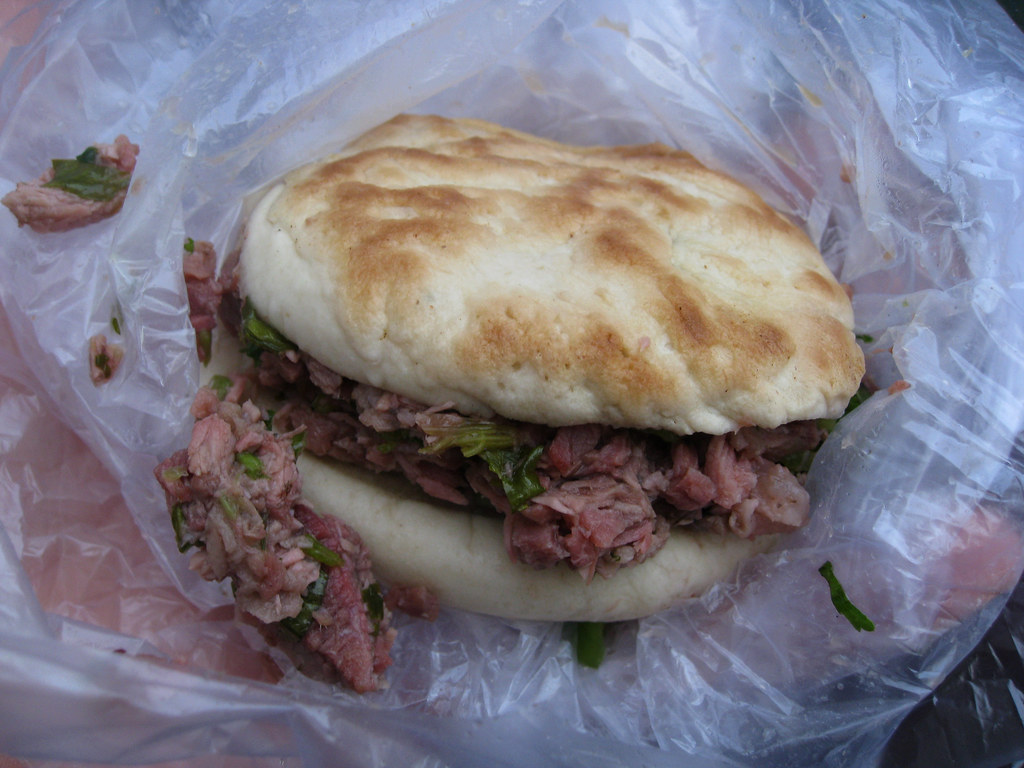
Sloppy Joes were a messy, saucy favorite, but the meat was often a mystery. The overly sweet sauce and questionable texture made it a hit-or-miss experience, even back then. You knew it was Sloppy Joe day because the entire cafeteria smelled like that distinctive sweet tomato sauce. Pizza, sloppy joes, burgers, and the rise of the lunch lady, all of which contributed to some criticism over the quality of school lunches, specifically because of processed foods with high sugar and sodium levels. Still, there was something deeply satisfying about that saucy, drippy mess on a hamburger bun.
Chocolate Milk That Was More Sugar Than Dairy
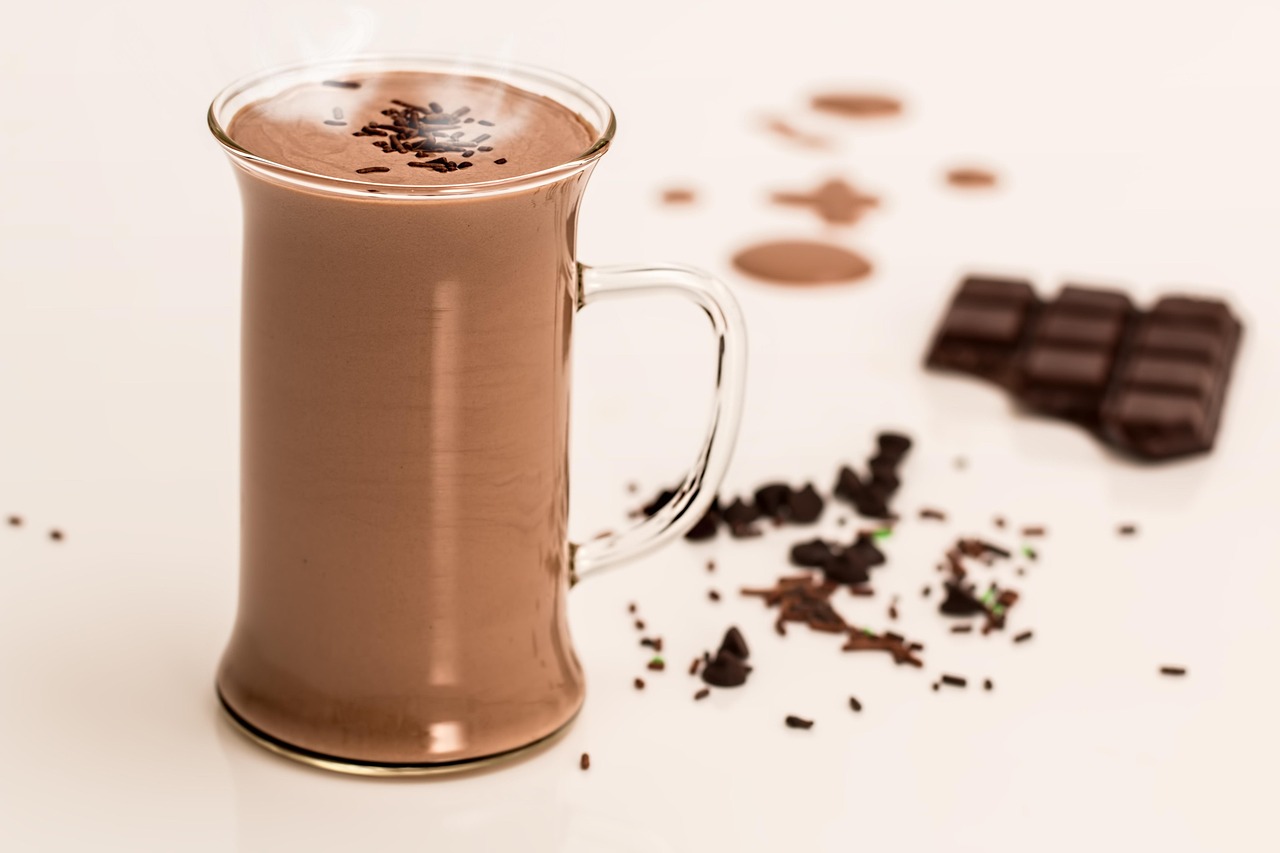
Once upon a time, cafeterias served thick, ultra-sweet chocolate milk that tasted like pure sugar and nostalgia. Often made from powder and mixed onsite, the chocolate milk came in small cartons and paired perfectly with every meal from turkey burgers to sloppy joes. That chocolate milk was legendary. It was so sweet that regular milk seemed like water in comparison. The little cartons were currency in the cafeteria economy. Kids would hoard them, trade them, and sometimes sneak seconds when the lunch ladies weren’t looking. Many school districts eliminated flavored milk entirely due to high sugar content, replacing it with fat-free or reduced-sugar options that never capture the same carefree flavor of childhood.
Corn Dog Nuggets for Maximum Convenience
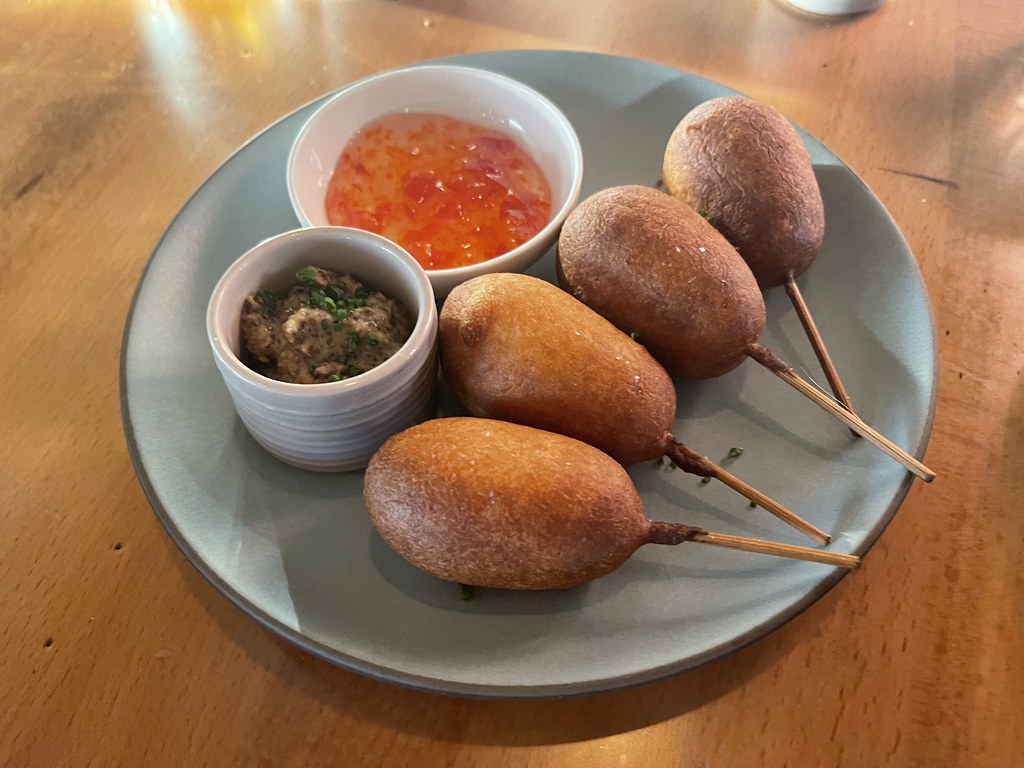
Corn dog nuggets were bite-sized, easy to eat, and undeniably fun. But the combination of processed meat and fried batter doesn’t align with today’s focus on healthier eating. These little golden nuggets were basically corn dogs without the stick, making them perfect for mass production and easy eating. You could pop them in your mouth like popcorn, dip them in ketchup or mustard, or just eat them plain. They represented everything that was both wonderful and questionable about 2000s school food.
Crinkle-Cut Fries That Somehow Always Hit Different
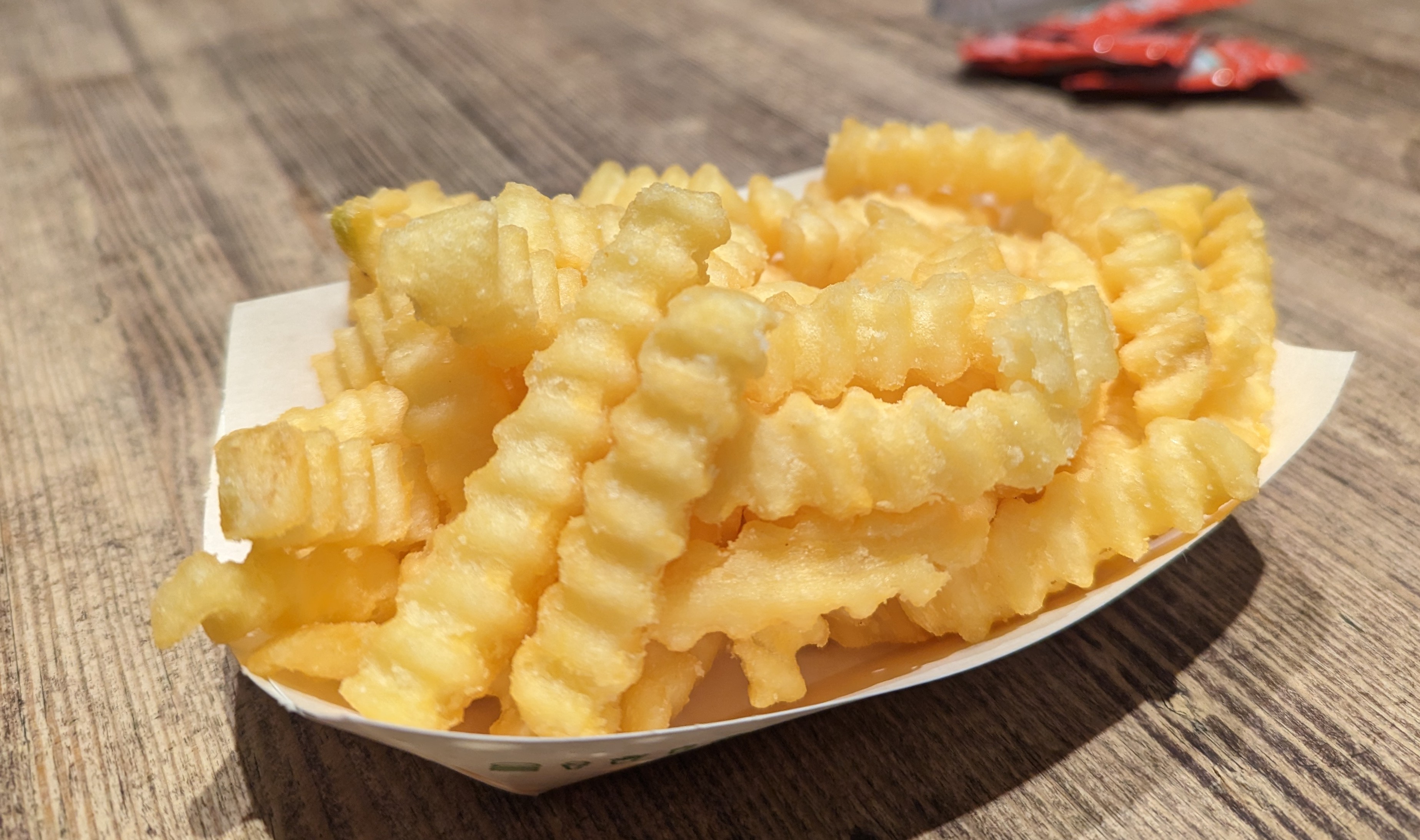
No cafeteria lunch felt complete without a pile of hot crinkle-cut fries beside your burger or sloppy joe. Crispy on the outside and fluffy inside, they were perfect dipped into ketchup or, for the adventurous, mixed with nacho cheese. Those crinkle-cut fries had more surface area for maximum crunch and grease absorption. They weren’t fancy, but they didn’t need to be. Most schools have removed deep fryers and shifted to baked potato wedges or seasoned sweet potatoes, leaving classic crinkle fries relegated to memory. The cafeteria fryer produced a specific kind of magic that home ovens just couldn’t replicate.
Popcorn Chicken That Felt Like Fast Food
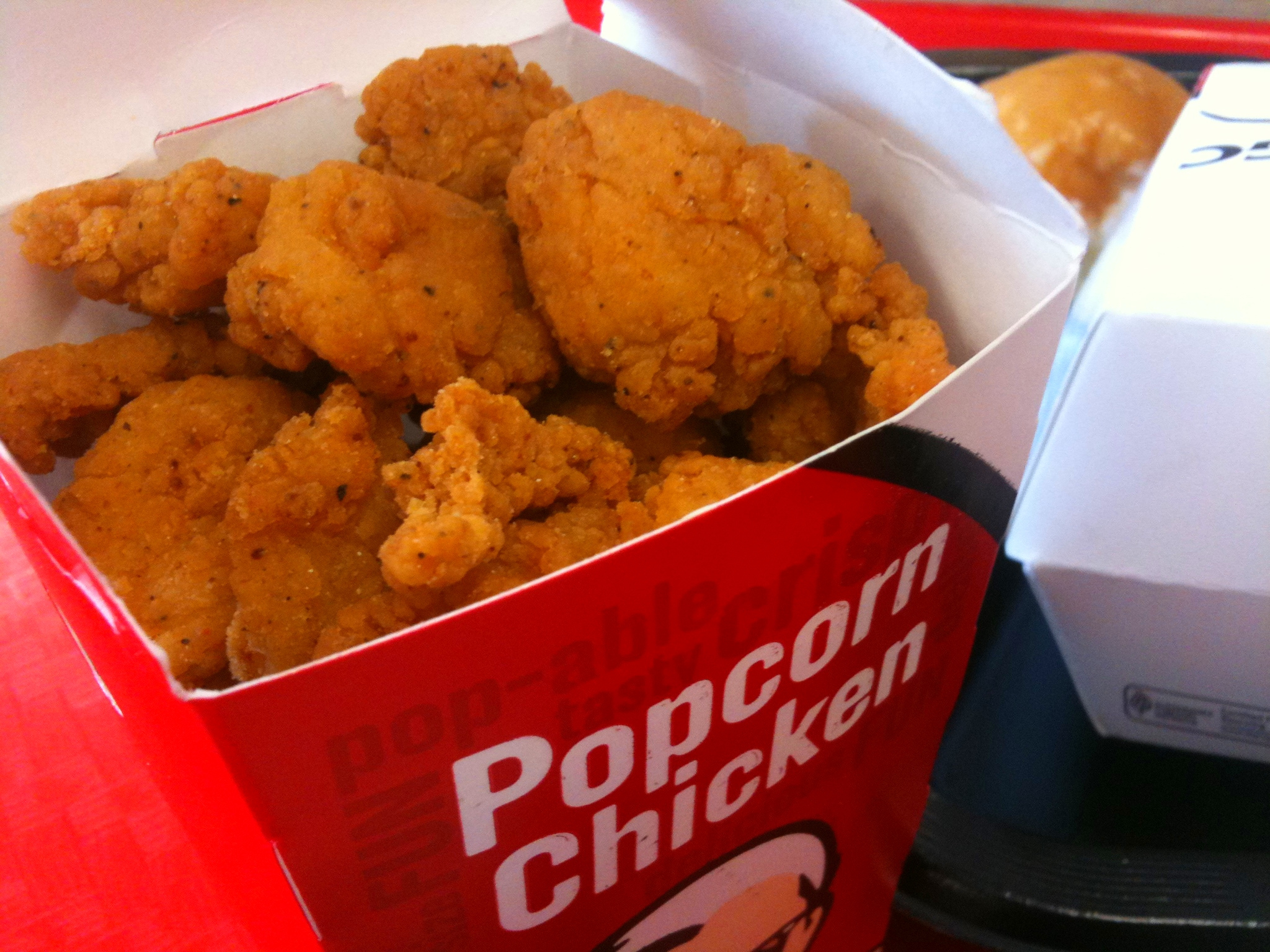
When popcorn chicken hit cafeteria menus in the 90s and early 2000s, it was an immediate hit. Bite-sized, crispy, and dunkable in ranch or barbecue sauce, it felt more like fast food than school lunch. These little nuggets were like chicken nuggets’ cooler, crunchier cousin. Later, districts switched to baked, whole-muscle chicken options in an effort to reduce fried and heavily processed foods. While healthier, those newer versions never quite captured the joy of eating a pile of crunchy little chicken nuggets with your friends.
Chocolate Pudding Cups with That Plastic Film
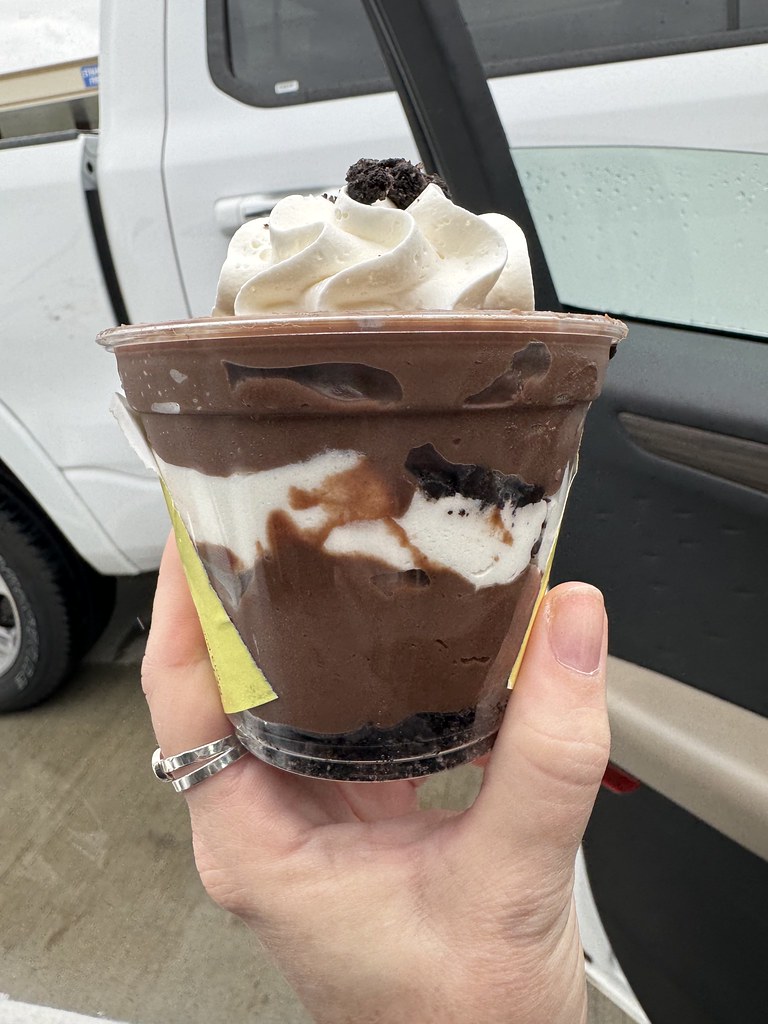
Chocolate pudding cups were a go-to dessert, but they were packed with sugar and artificial flavors. Today’s students are more likely to opt for yogurt, fruit, or even granola bars as their dessert. Those little plastic cups of chocolate pudding were basically edible happiness. Everyone had their technique for removing the thin film that formed on top. Some people would carefully lift it off in one piece, others would just stir it in. The emphasis on reducing added sugars in school lunches means that pudding cups are no longer a regular treat. Kids now expect desserts that are both tasty and nutritious, making the old pudding cup a tough sell.
Fruit Cocktail Swimming in Syrup
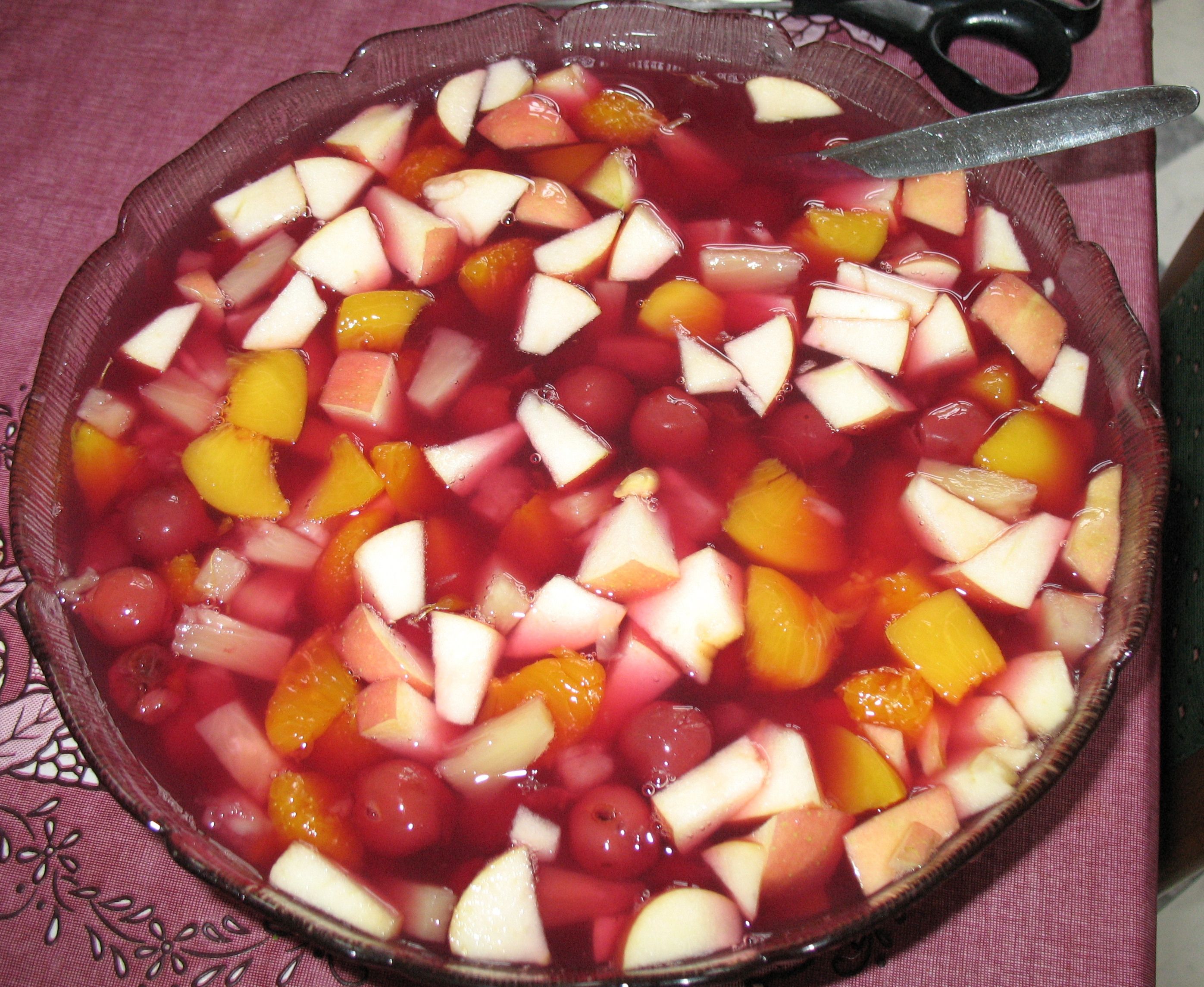
A scoop of syrupy fruit cocktail was a typical side dish, but it was more sugar than fruit. This wasn’t fresh fruit by any stretch of the imagination. It was chunks of pears, peaches, grapes, and those mysterious red cherries all floating in thick, sweet syrup. The fruit itself was soft and squishy, but somehow it still counted as one of your daily servings. You’d fish around looking for the cherries first because they were the prize at the bottom of the bowl.
Salisbury Steak with Questionable Gravy
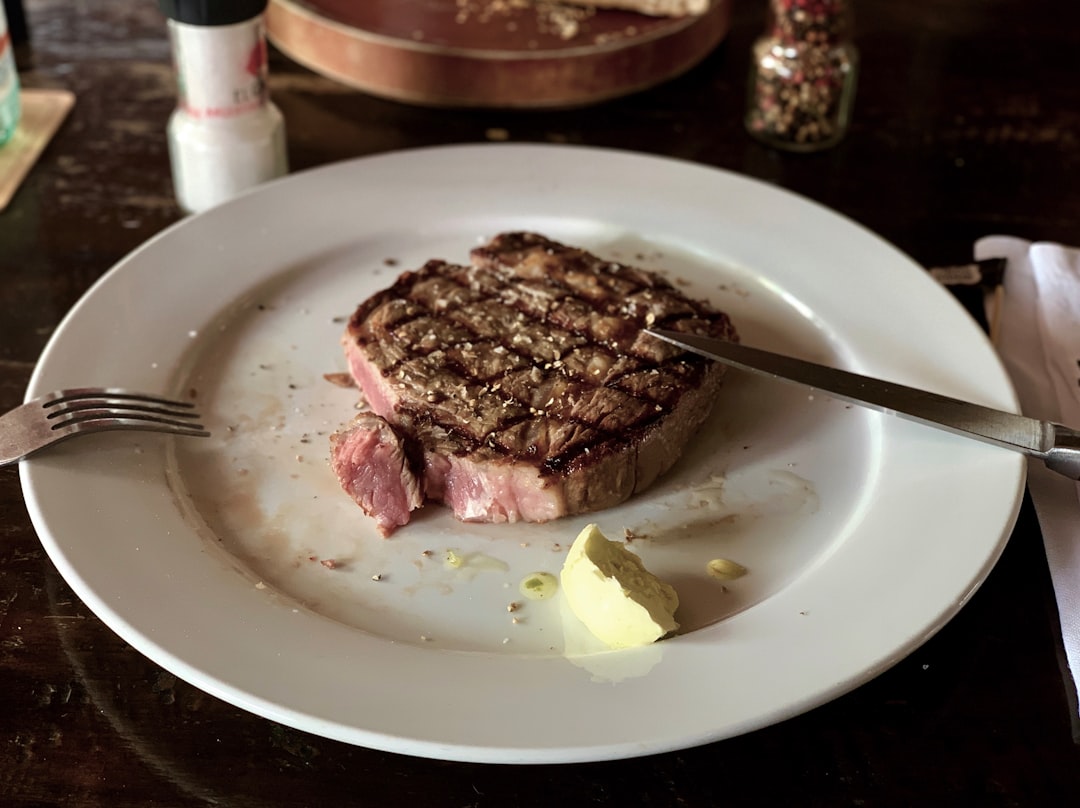
Salisbury steak was meant to be a hearty, comforting meal, but the cafeteria version was often a gray, rubbery patty swimming in salty brown gravy. The flavor was unmemorable, and the texture fell short of expectations. This was cafeteria food trying to be fancy restaurant food, and it usually failed spectacularly. The “steak” looked suspiciously like a hamburger patty that had been overcooked and then drowned in mystery gravy. Kids today, who are used to seeing real beef or plant-based alternatives, would probably pass on this dish. The move toward transparency in school lunch programs means that mystery meats, such as Salisbury steak, are becoming a thing of the past. Yet somehow, when you were really hungry and it was the only hot option, it didn’t taste half bad.
Those cafeteria classics from the 2000s weren’t gourmet by any standard, but they created shared experiences that defined childhood for millions of kids. This shift is significant because it underscores the constant evolution of our approach to food, health, and even nostalgia. Whether you loved them or barely tolerated them, these foods were part of growing up in that unique decade between Y2K fears and smartphone domination. They represented a time when nutrition took a backseat to convenience, and somehow that greasy rectangle of pizza felt like the best part of your day.