10 Tricks Restaurants Use to Get You to Spend More
Every time you walk into a restaurant, you’re entering a carefully crafted psychological battlefield. Those casual decisions about what to order and how much to spend aren’t as random as they seem. Behind the scenes, menu engineers and restaurant consultants spend countless hours designing strategies to influence your choices before you even realize what’s happening.
Today’s restaurant industry operates on razor-thin profit margins, with average margins typically between 3-5 percent. This reality forces restaurateurs to use every psychological trick they can to maximize revenue from each customer who walks through their doors.
Removing Dollar Signs Makes Prices Disappear
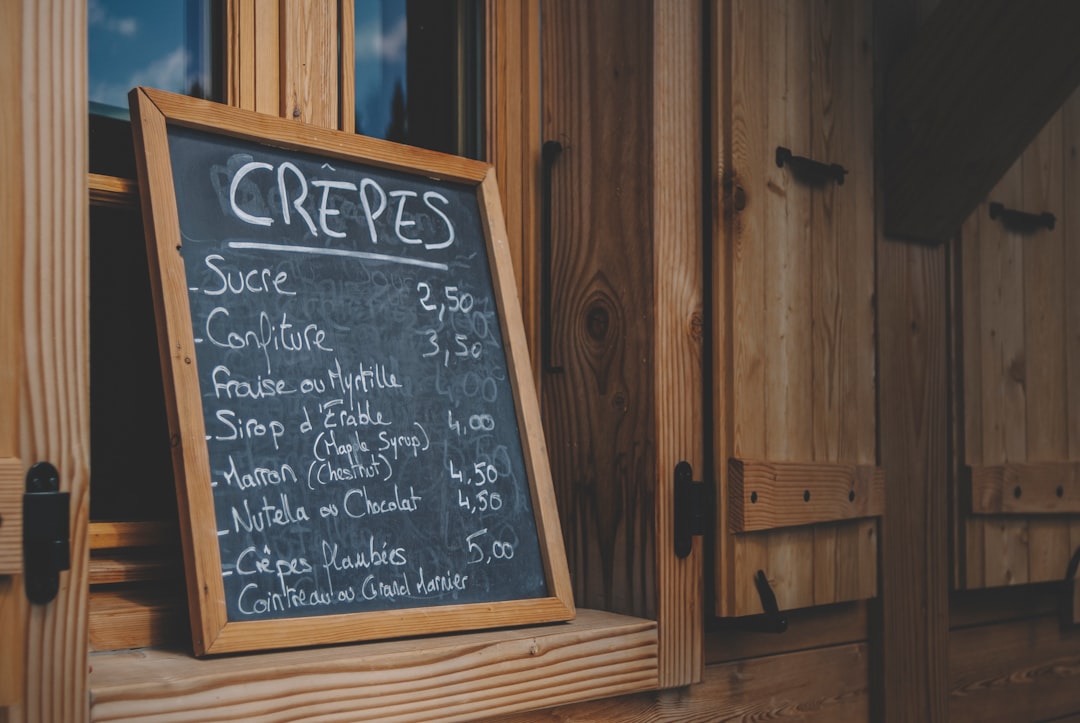
Restaurants remove currency signs from their menus, which can result in people spending up to 30% more. This seemingly minor change has a powerful psychological impact on how your brain processes price information.
Research from Cornell University shows that eliminating the dollar sign makes it psychologically easier for you to order costlier dishes. When you see “$25” versus just “25,” your brain processes these numbers differently. When you see dollar signs, you think of money. They don’t want you to think of money. They want you to think of food.
Writing menu prices out in letters instead of figures has been shown to increase spending by up to 15%. Instead of seeing “12,” you might find “twelve” listed next to that appetizer, making the cost feel even more abstract and less painful.
Strategic Menu Layout Guides Your Eyes
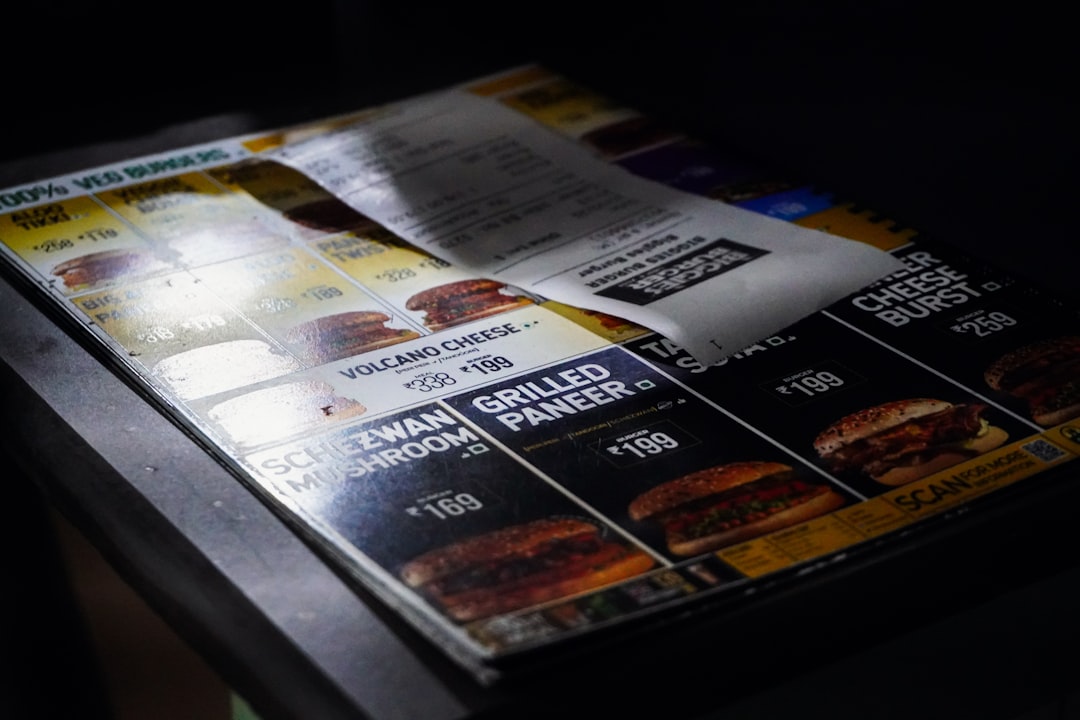
Menu design operates on the principle that the middle of the page and its top corners are the areas that draw your eye most consistently, so you’ll see high-dollar or high-margin items placed there prominently. Restaurants don’t randomly scatter their offerings across the page.
“The upper right is where a person will go on a blank sheet of paper or in a magazine,” said menu engineer Gregg Rapp. This is where a smart designer puts the most profitable items. These prime real estate spots on your menu aren’t accidents.
Adding space around an item also draws attention to it, another great way to sell a profitable item. That expensive steak dinner surrounded by white space isn’t just good design – it’s psychological manipulation designed to catch your attention.
Anchor Pricing Makes Everything Else Seem Reasonable
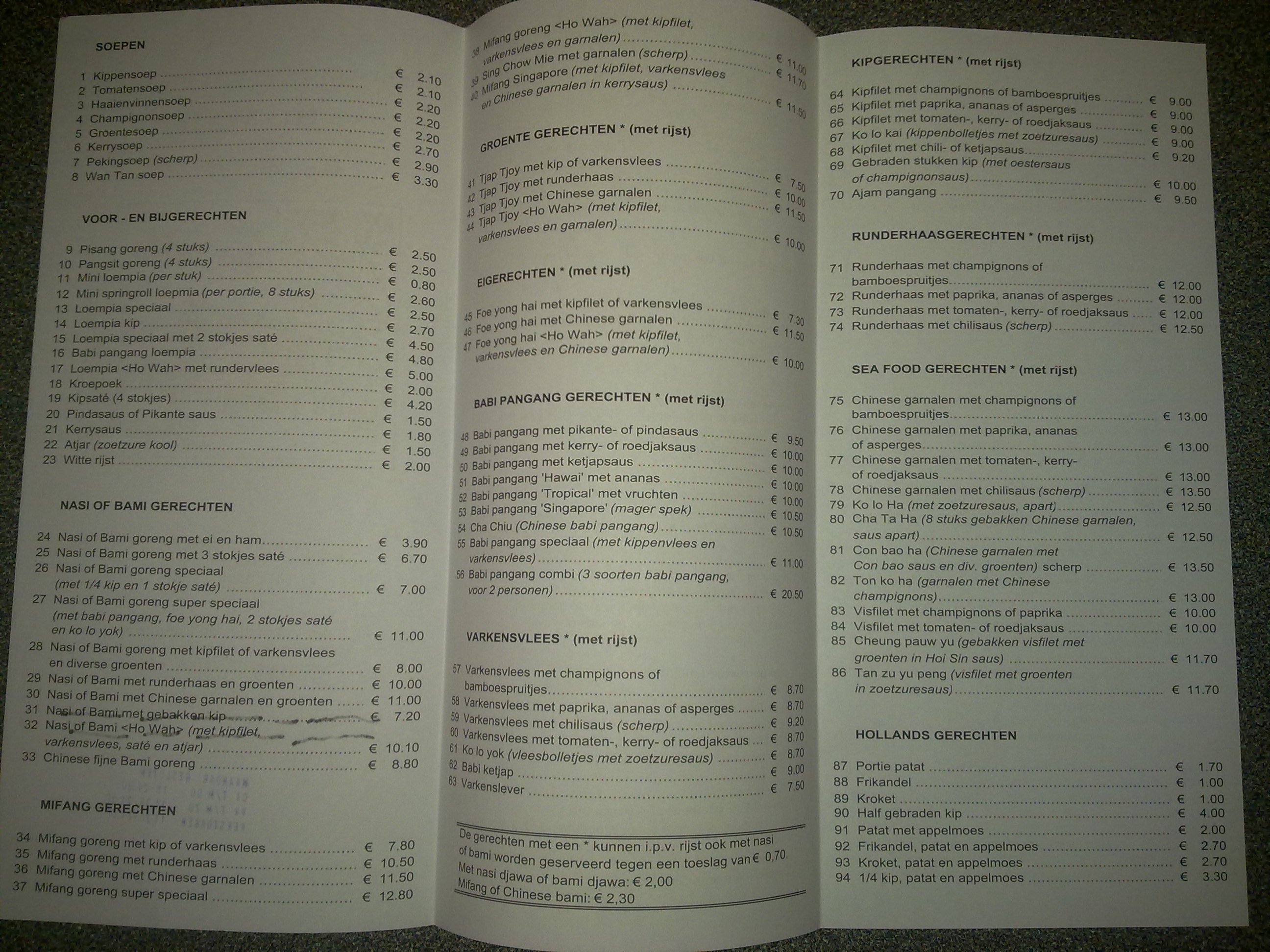
In well-run restaurants, and especially big-money chains that can afford to use consultants, you may notice that the first item in many of those sections is the costliest. Why would they lead with an item that might make many of us whip out our phones to double-check the balance in our account?
In truth, it’s clever psychology and one of the ways restaurants trick you into ordering expensive items. You’ll almost always look at that top item on the list, even if you skim the rest of the section; and it’s that item that now sets your mental benchmark for the other dishes.
If you see a $32 steak on a menu next to a $22 chicken dish, the latter will appear to be a good value for money even though it might not be the cheapest option overall. This anchoring effect makes moderately priced items feel like bargains by comparison.
Background Music Controls Your Spending Speed
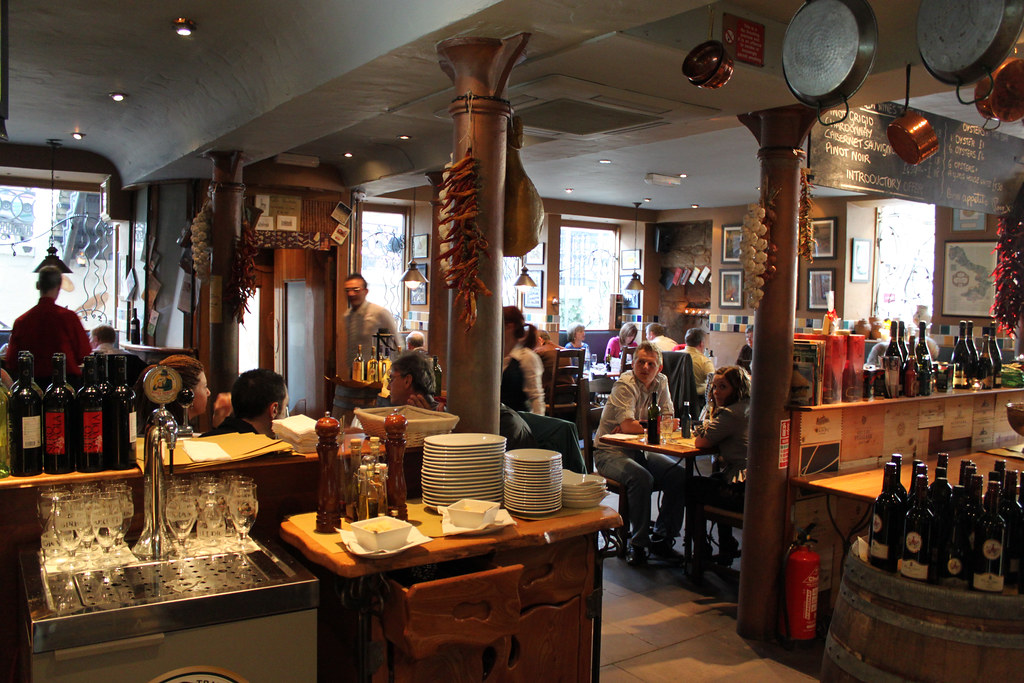
The tempo of background music directly influences how much time you spend in restaurants and how much money you part with. The results of experiments indicate that a slow music tempo increases time spent in the restaurant (longer time).
Researchers found that faster music led to customers eating faster while slower music led to more time spent at the table, which increased how much alcohol the diners purchased. The connection between music tempo and spending behavior is remarkably consistent.
Studies show that jazz and lounge music increases the amount of money consumers spend. Interestingly, classical music leads to the purchase of more expensive selections in wine stores. Restaurants carefully select genres that match their target demographic and desired spending patterns.
Flowery Menu Descriptions Make Everything Irresistible
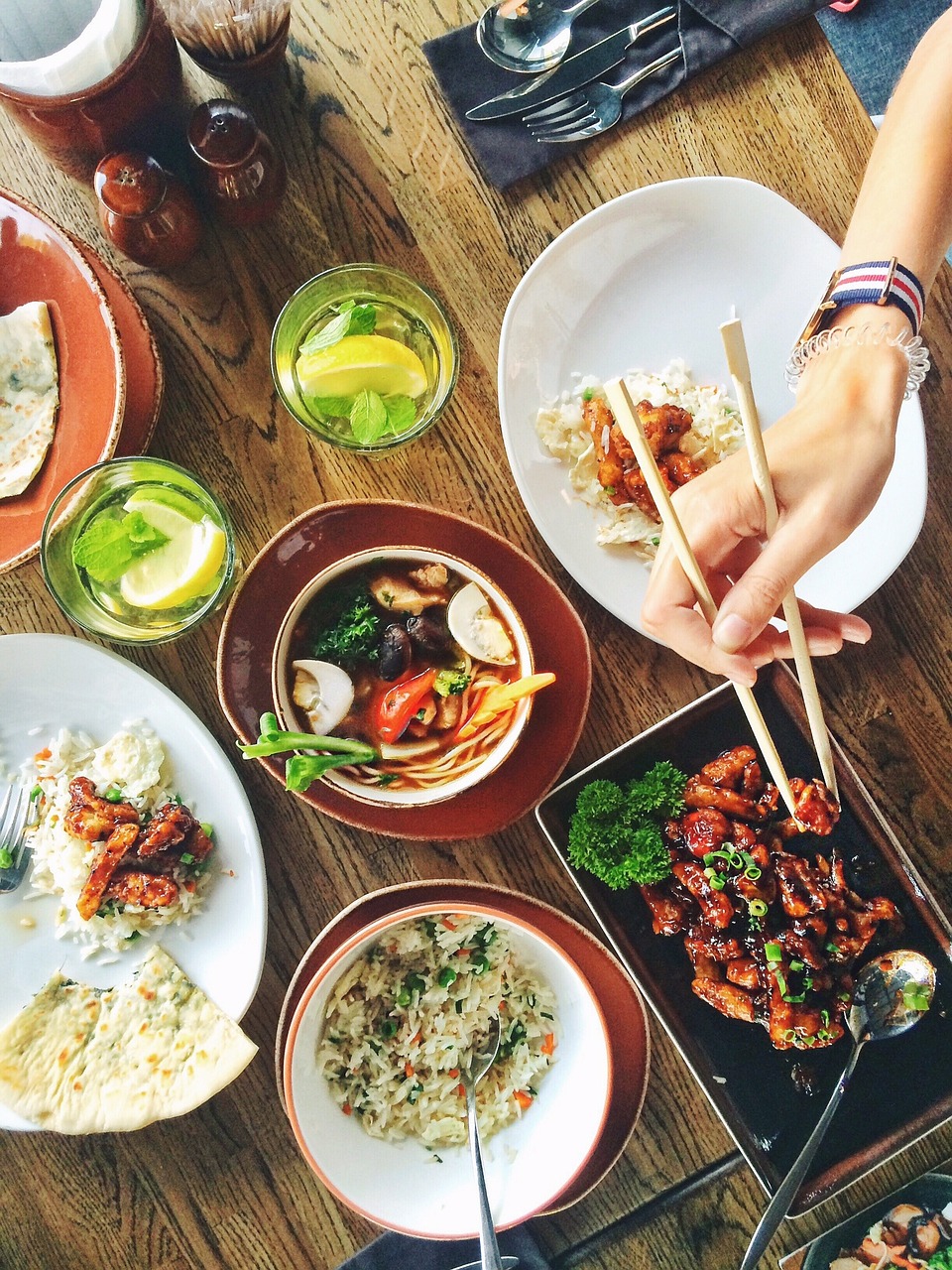
Flowery language used on menus–terms like “handcrafted, triple-basted, slow-cooked, golden-brown, hand-selected”–makes a dish seem more enticing. These descriptive words trigger emotional responses that go far beyond simple hunger.
The ice cream is always “sweet and creamy,” buffalo wings may be “tender, juicy, and drenched in a delicious, tangy sauce.” Restaurants go through a great deal to make each dish sound as delicious as humanly possible.
When you’re hungry for ice cream, you imagine that cold, creamy, and sweet treat and your mouth just waters. Restaurants want your mouth to water because it’s money in their pocket. These sensory descriptions create vivid mental images that increase your desire to order.
Limited-Time Offers Create Artificial Urgency
Research shows that 64% of consumers act on a limited-time offer when they otherwise would not buy anything. This scarcity principle taps into our fear of missing out on something special.
The fact that these items are only offered for a limited time is a huge draw and it capitalizes on consumers’ FOMO – Fear of Missing Out. Studies show that 91% of people are more inclined to visit a restaurant with new items on the menu.
Indicating that certain items are available for a limited time can create a fear of missing out (FOMO), prompting guests to act quickly. However, restaurants must use this tactic carefully to maintain its effectiveness over time.
Bundle Deals Make You Spend More for “Value”
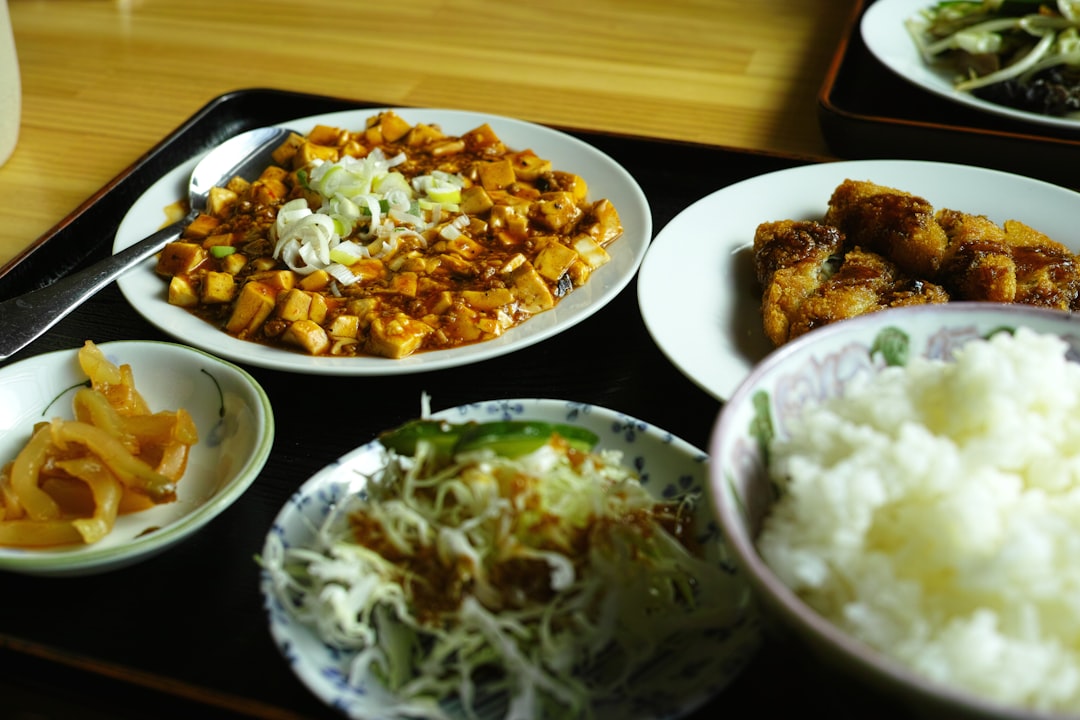
One of the most universal tricks of the restaurant trade is bundling menu items. It’s psychologically a clear winner, offering what appears to be much better value for a relatively small increase in spending.
Bundling a flight of multiple wines with a meal or a bottle rather than a glass, drives up the total revenue from your table quite nicely. So do those wonderful pairings restaurants promote, where you’ll get to try special dishes matched with specific wines, spirits or craft beers.
Like servers who sell really well, this trick works by helping you rationalize doing something you’d already like to do. The bundle makes you feel smart about your purchase while actually increasing your total spend.
Small Plates Trick You Into Ordering More
We’ve all eaten our body weight in appetizers or charcuterie at parties, right? These “small plates” menus harness the same psychological quirk. Sure, there’s some added labor cost involved in cranking them out, but they make it back on food costs.
One serving of filet mignon might become three or four thin-sliced carpaccio, for example, and three small cookies use less dough than one large one. The portion control isn’t about health – it’s about maximizing profit margins.
It’s worthwhile for the restaurant if it means we’ll keep ordering tapas all night. Multiple small plates often add up to significantly more than a single large entrée would have cost.
Servers Use Psychological Sales Techniques
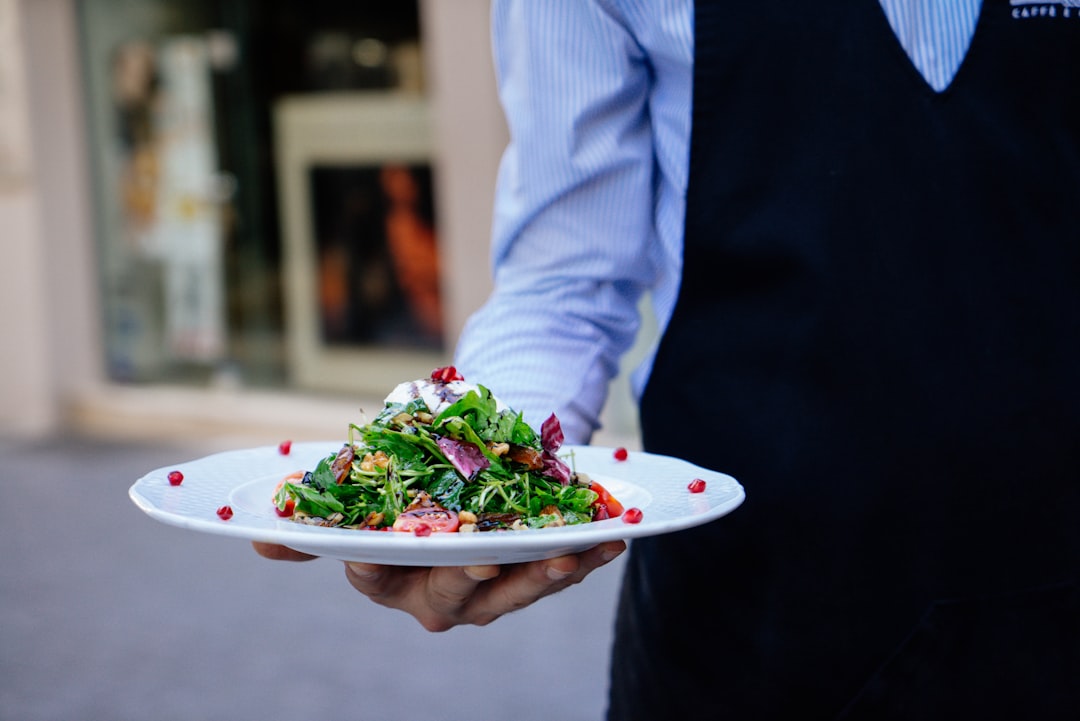
The study mentions the familiar list of psychological tricks employed by wait staff everywhere: “briefly touching one’s customers, squatting during the initial contact, making additional non-task visits, and displaying a maximal smile when introducing oneself to one’s customers”.
Servers will often subtly down-sell a customer as a form of reverse psychology – especially if the customer is “someone who flaunts that they have money.” If a server mentions an expensive wine option briefly and then pushes another bottle that’s a “better value,” many times the person will buy the more expensive wine to show that they don’t need a “better value”.
Even if servers haven’t actually tried everything on the menu some will tell you their favorite meal is one of the pricier ones. This personal recommendation carries significant psychological weight in your decision-making process.
Table Positioning and Environmental Design
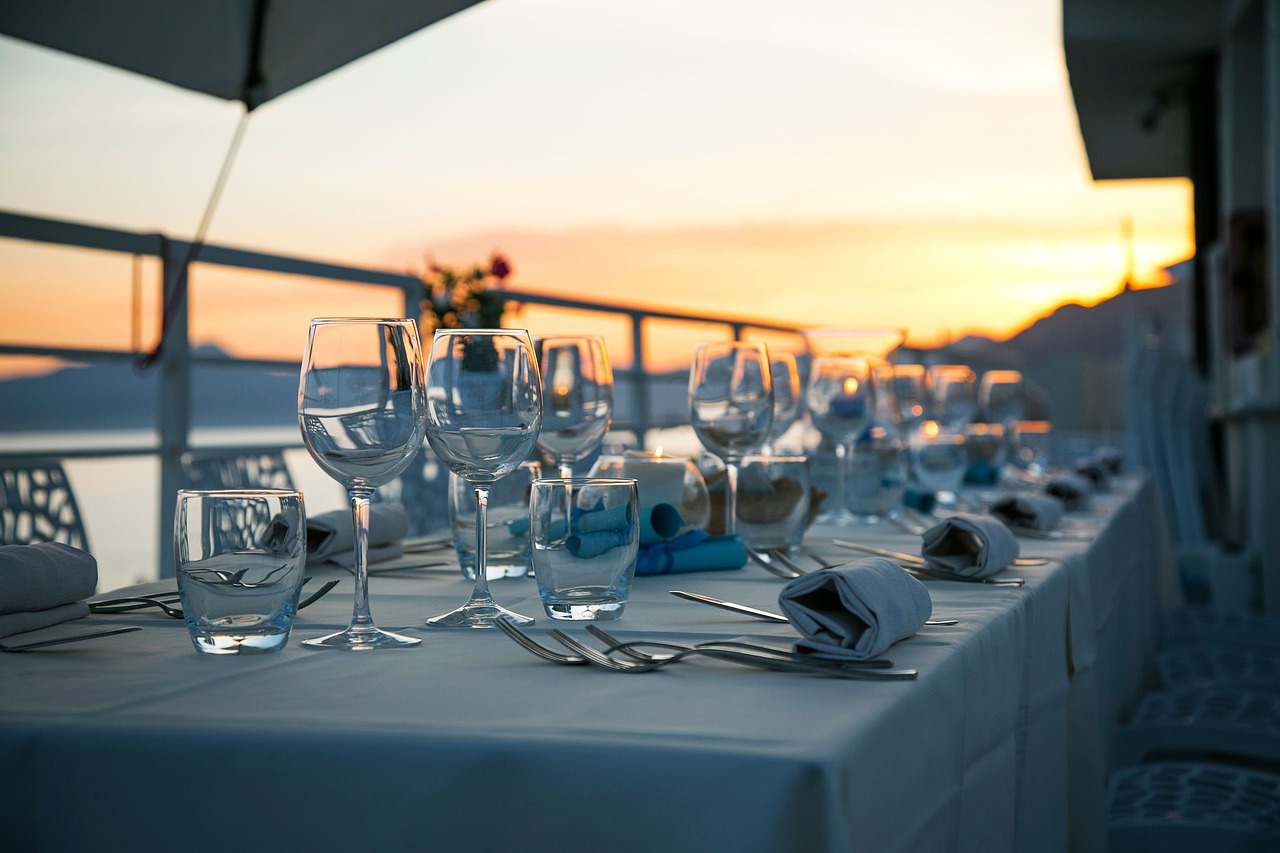
Table talkers are a sort of secondary menu – they’re the stands and flip-cards that stay on the table all day and draw both your gaze and hands as you wait for your server or your food. They’re the eating-out equivalent of the impulse items at the supermarket checkout line, designed to take advantage of idle moments.
Research has found that store owners can create spaces that appeal to the pleasure centers of the customer’s brain (specifically to release “feel-good” hormones like oxytocin, dopamine, and serotonin), and the arousal centers of the brain (for hormones like adrenaline and cortisol) make shoppers behave in different ways.
People respond to colours in emotional, subconscious ways, so restaurants often use them wisely to make you spend more. Warm colours like red, yellow, and orange capture attention and trigger appetite. These are often used to attract attention to specific areas of a menu and make you hungrier.
Understanding these psychological tactics doesn’t mean you have to avoid dining out entirely. Instead, awareness gives you the power to make more conscious decisions about your restaurant spending. Set a budget before you arrive, take time to read the full menu rather than focusing on highlighted items, and remember that servers are trained salespeople whose recommendations might be motivated by profit margins rather than your genuine preferences.
The restaurant industry will continue using these proven psychological techniques because they work effectively. However, now that you know what to look for, you can enjoy your dining experience while making choices that align with your actual desires and budget rather than falling victim to carefully crafted manipulation. What tricks have you noticed during your recent restaurant visits?