12 Nations Spending the Most on Dining Out
Where does your money go when hunger strikes? For millions worldwide, the answer is increasingly clear: restaurants, cafes, and eateries that transform dining into an experience worth paying for. From bustling street food markets to white-tablecloth establishments, eating out has become more than sustenance. It’s culture, convenience, and sometimes pure indulgence rolled into one delicious package.
The geography of dining out tells a fascinating story about wealth, lifestyle, and shifting cultural priorities. Some nations pour staggering amounts into restaurants while others keep their kitchens humming at home. Let’s explore which countries are leading this culinary charge and what drives their appetite for dining beyond domestic walls.
United States
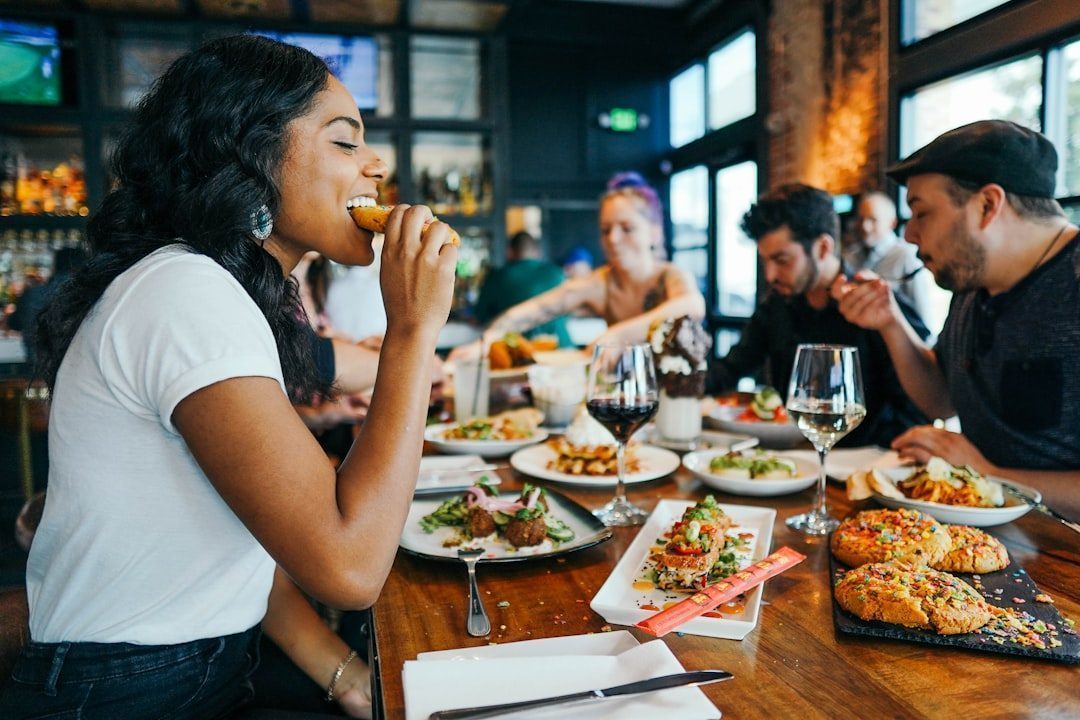
The United States dominates global restaurant spending, with consumers shelling out 1.4 trillion U.S. dollars on restaurants and hotels in 2023. This astronomical figure isn’t just about population size. In 2023, Americans spent just 41.5 percent of their food budget on food at home, an all-time low, while their spending on food away from home reached an all-time high of 58.5 percent. Think about that for a moment: more than half of every food dollar now goes to meals prepared outside the home.
In 2024, nominal food expenditures by U.S. consumers, businesses, and government entities reached 2.58 trillion dollars, up from 2.48 trillion in 2023, with this increase mainly driven by growth in food-away-from-home spending, climbing from 1.45 trillion in 2023 to 1.52 trillion in 2024. Americans spend approximately 3,000 to 4,000 dollars per capita annually . The shift represents something deeper than just convenience; it reflects changing work patterns, urbanization, and honestly, a culture that increasingly values experiences over home cooking.
China
China follows the United States in restaurant and hotel spending, recording 884.3 billion U.S. dollars. This massive expenditure reflects rapid urbanization and a burgeoning middle class with disposable income to spare. Asian markets show lower per capita spending but much faster growth rates, with urban consumers in China rapidly increasing their restaurant expenditure as incomes rise and dining out becomes more socially normalized.
The Chinese dining landscape has transformed dramatically over recent decades. Coffee shop culture alone tells part of this story, with international chains expanding aggressively across major cities. The foodservice sector represents not just consumption but status, socialization, and participation in modern urban life.
Japan
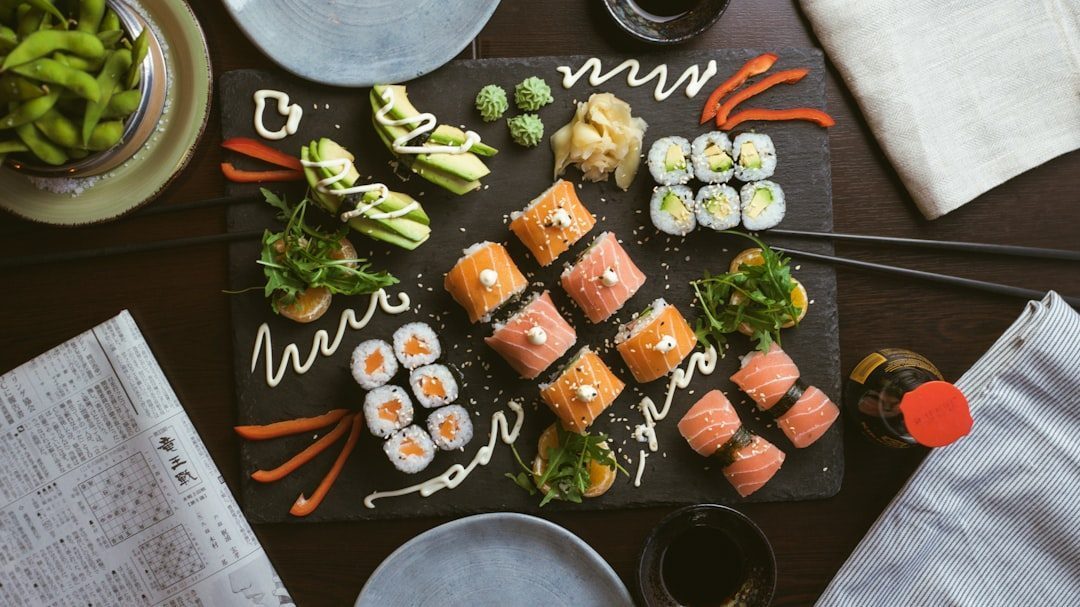
Japan’s dining culture balances tradition with innovation in ways few countries match. While specific recent spending figures vary, the nation’s restaurant industry remains robust and sophisticated. Japanese consumers demonstrate remarkable willingness to pay premium prices for quality dining experiences, whether at neighborhood ramen shops or Michelin-starred establishments.
The country’s approach to dining out reflects deep cultural values around food presentation, seasonal ingredients, and meticulous preparation. Restaurant spending here isn’t merely about filling stomachs; it’s about honoring craftsmanship and culinary heritage that spans centuries.
United Kingdom
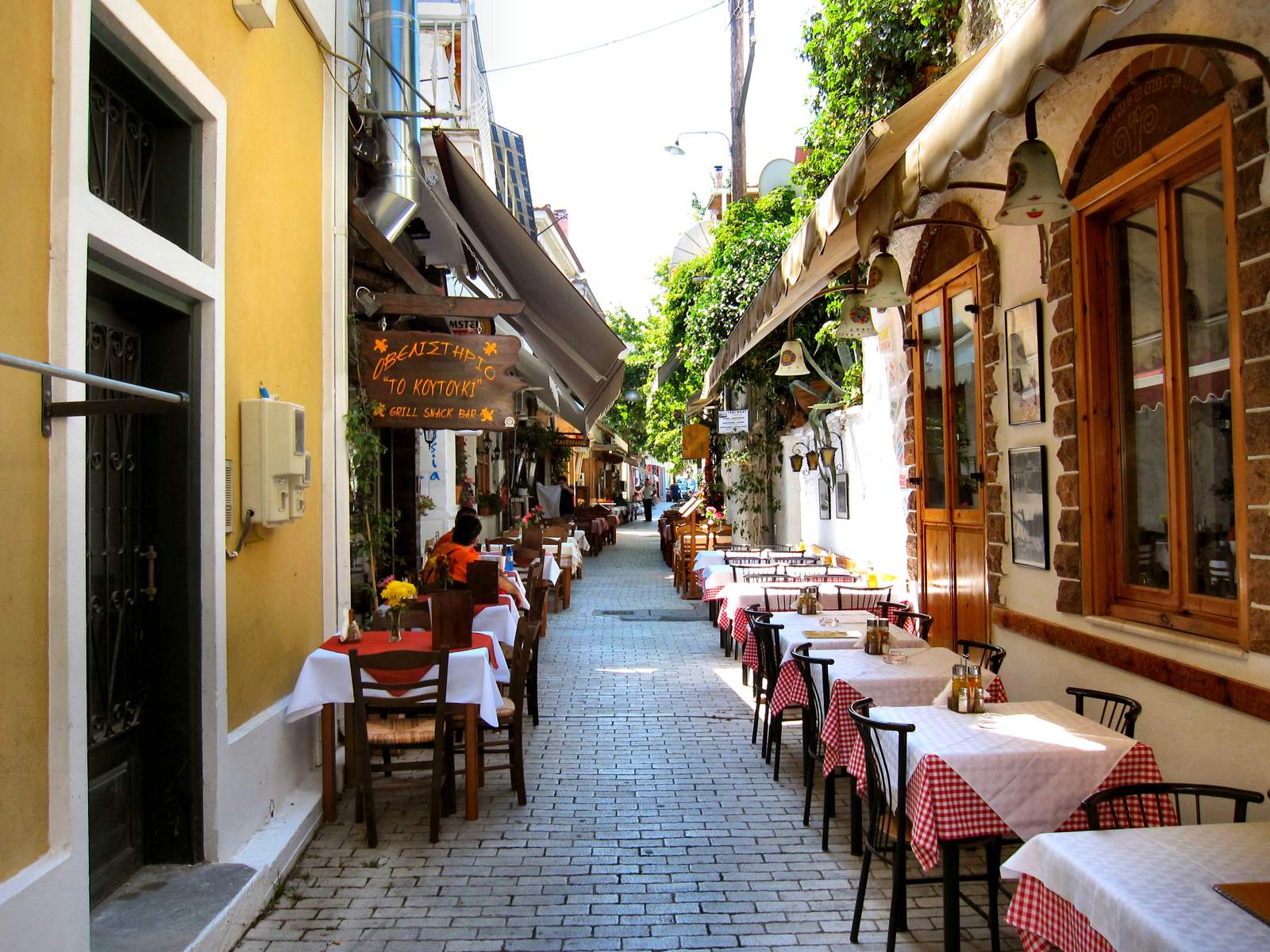
In the U.K., consumers are willing to spend up to 50 pounds per person for a meal out. In 2023, household consumption expenditure in the EU increased the most for restaurants and accommodation services at 4.6 percent compared with 2022. British dining habits have evolved considerably, with Londoners particularly enthusiastic about restaurant experiences.
The UK ranks third globally at 8.2 percent of household income spent on food. This relatively low percentage compared to developing nations actually indicates prosperity; wealthier populations spend smaller portions of their income on food overall but allocate more to dining out experiences. The British restaurant scene thrives on diversity, from Indian curry houses to trendy gastro-pubs.
Germany
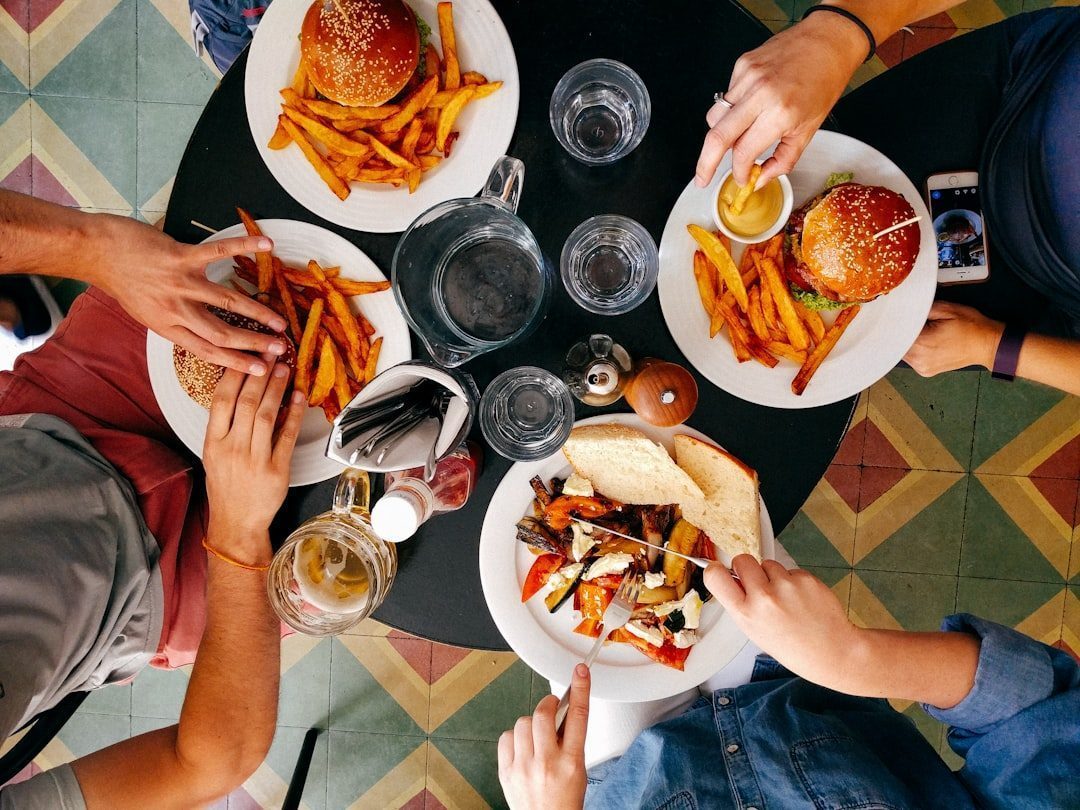
Germany represents Europe’s largest economy and maintains substantial restaurant spending despite cultural preferences for home cooking in some regions. The nation’s dining landscape blends traditional beer gardens, international cuisines, and modern fusion concepts that attract both locals and the country’s significant tourist population.
German consumers exhibit selectivity in their dining choices, often favoring establishments that offer perceived value alongside quality. The country’s restaurant market has grown steadily, particularly in urban centers like Berlin, Munich, and Hamburg where cosmopolitan populations seek diverse culinary experiences beyond bratwurst and schnitzel.
France
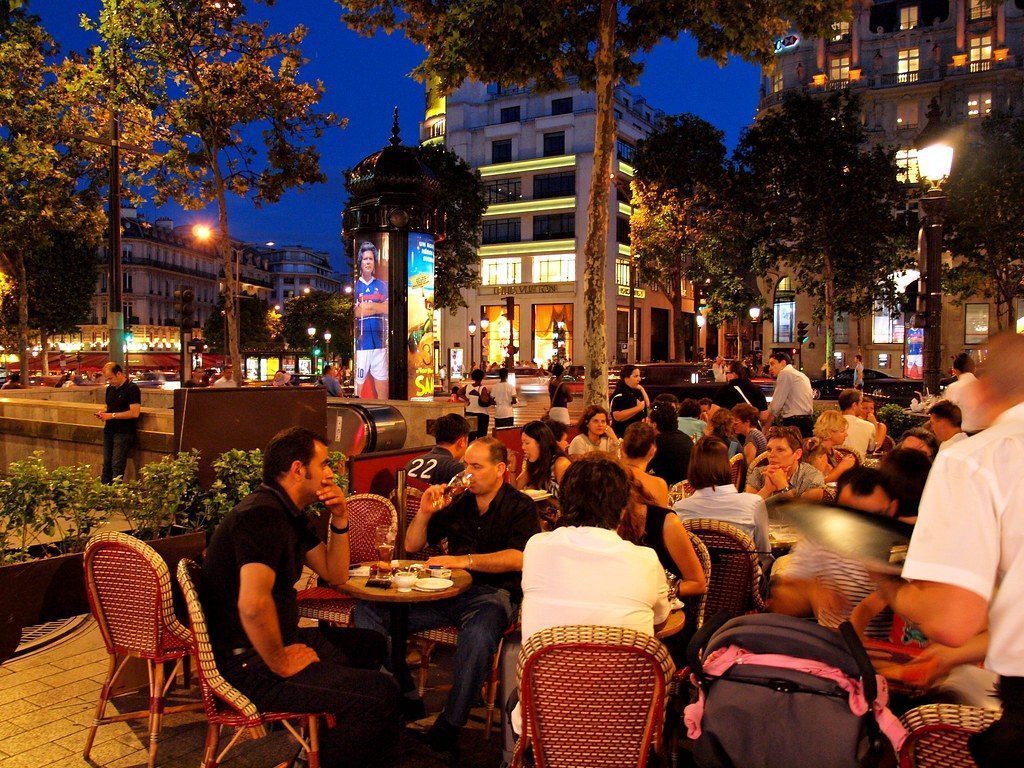
France maintains its reputation as a gastronomic powerhouse where dining out transcends mere eating to become art form and social ritual. The French allocate significant portions of their budgets to restaurant experiences, from neighborhood bistros to haute cuisine temples that draw global pilgrims.
What sets French dining expenditure apart isn’t just volume but cultural importance. Meals stretch across hours, wine flows generously, and conversation matters as much as cuisine. This approach to dining naturally commands higher spending, with consumers viewing restaurant meals as investments in quality of life rather than simple conveniences. The tradition runs deep, shaping how the nation approaches food, community, and leisure time.
Australia
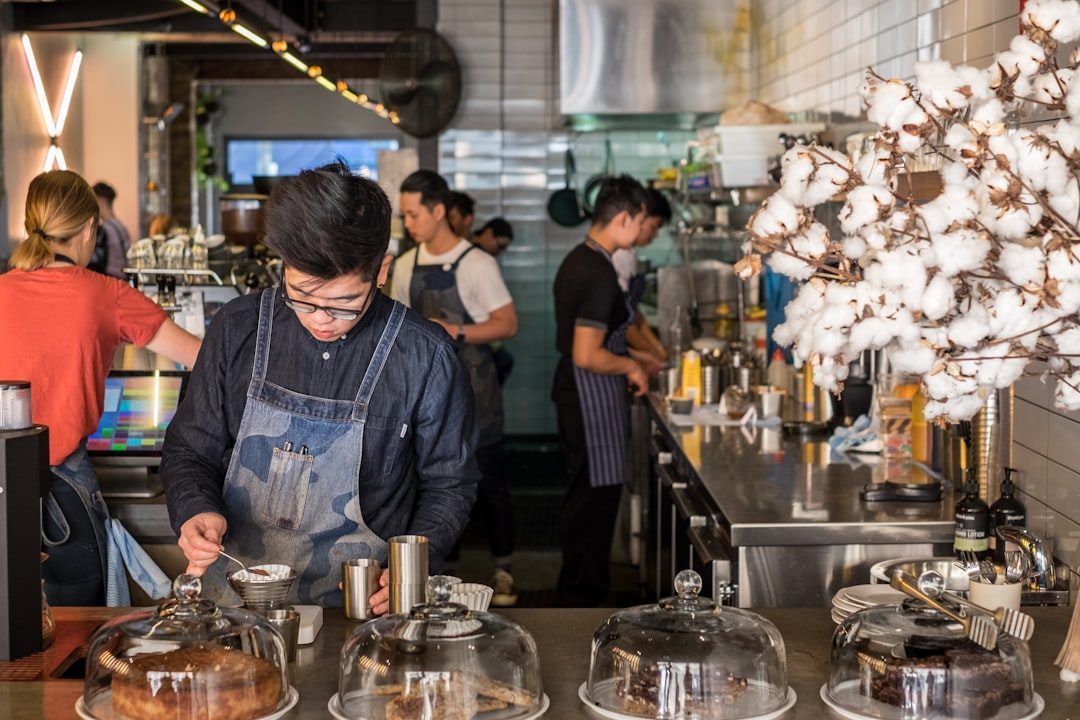
In Australia, consumers are willing to spend as much as 97 dollars per person for dining out. Australia spends 9.8 percent of household income on food. The nation’s vibrant cafe culture, particularly in cities like Melbourne and Sydney, drives significant restaurant expenditure as coffee and brunch have achieved almost religious status.
Australian dining habits reflect the country’s multicultural population and outdoor lifestyle. Coastal restaurants, wine country experiences, and urban food scenes all contribute to healthy spending levels. The willingness to pay premium prices for quality dining experiences, combined with strong wages and relatively high living standards, keeps Australia’s restaurant industry thriving.
Canada
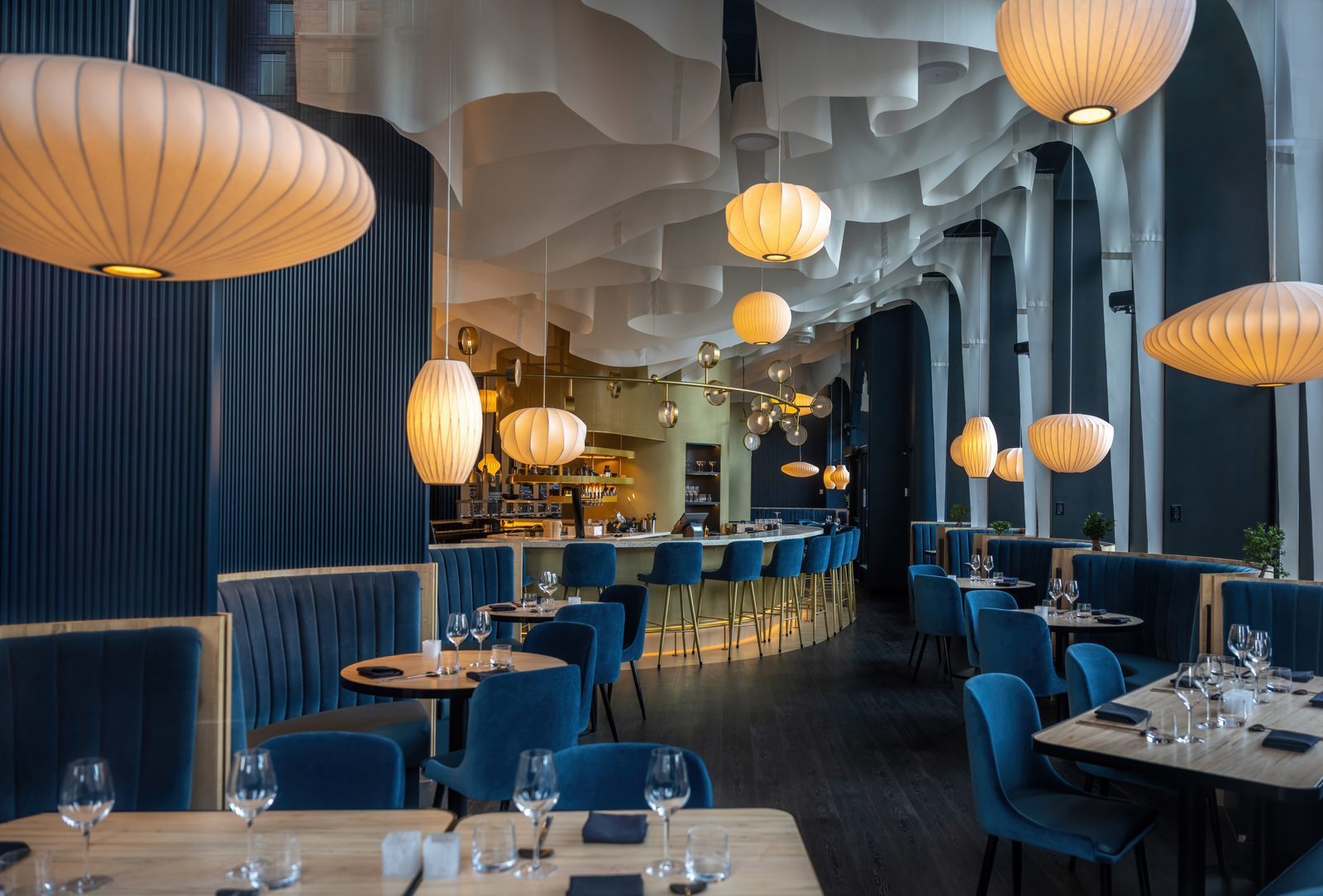
Canada spends 9.1 percent of household income on food overall, with dining out representing a growing portion of that expenditure. Canadian restaurant spending mirrors patterns seen in the United States, though at slightly lower per capita levels. Urban centers like Toronto, Vancouver, and Montreal drive much of the country’s restaurant economy with diverse immigrant populations creating demand for authentic global cuisines.
The Canadian market shows steady growth in both casual and upscale dining segments. Cold winters might keep people indoors, yet they certainly don’t keep them home; restaurants remain social hubs year-round. The rise of food delivery platforms has further boosted overall spending on meals prepared outside the home.
Italy
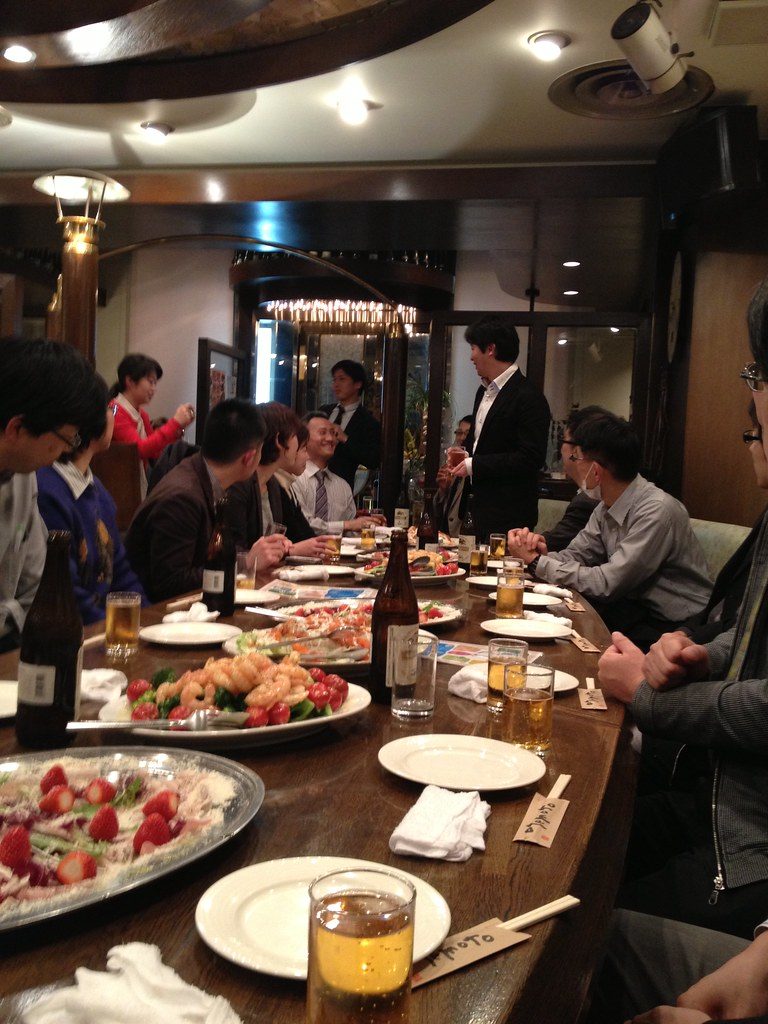
Italy presents an interesting paradox in dining expenditure. As the birthplace of countless beloved dishes, Italians maintain strong home cooking traditions yet also spend substantially on restaurant experiences. The culture celebrates food in all contexts, whether nonna’s kitchen or the neighborhood trattoria.
Italian restaurant spending reflects both tourism impact and domestic appreciation for regional specialties. Visitors flock to Italian eateries, inflating total expenditure figures, while locals frequent restaurants for celebrations, business meals, and simple pleasures like morning espresso at the bar. The combination of tourist dollars and domestic tradition creates a robust dining economy that shows little sign of slowing.
Spain
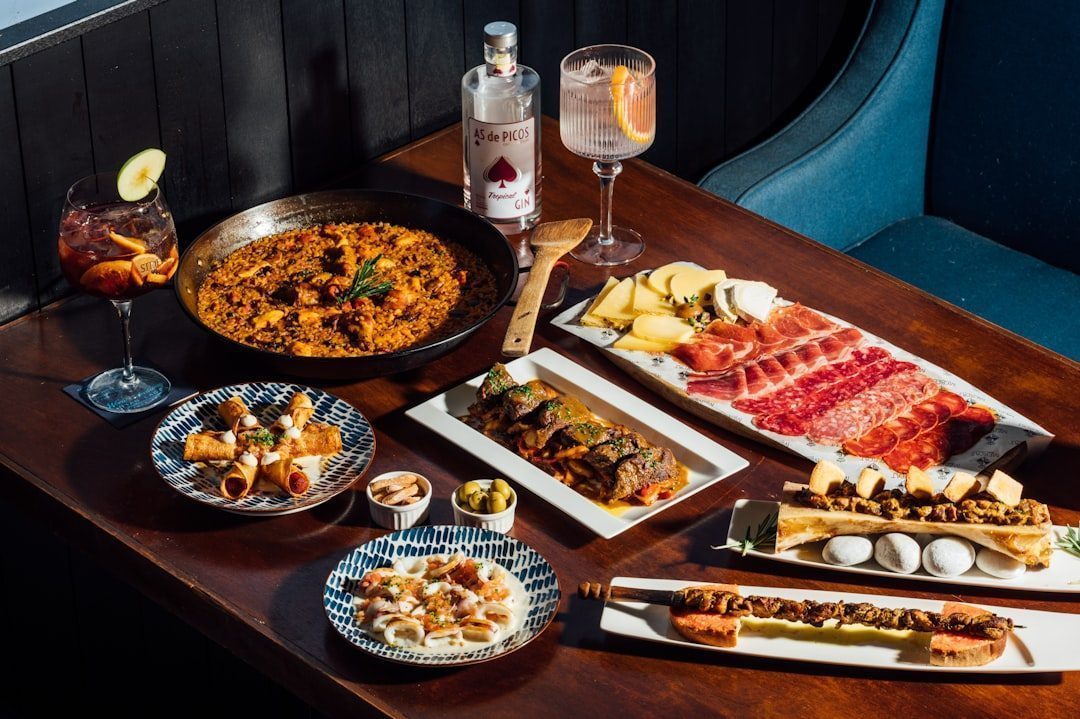
Spain’s tapas culture and late dining hours create unique patterns in restaurant spending. Spaniards socialize extensively in bars and restaurants, often hopping between multiple establishments in a single evening. This grazing approach to dining out means frequent, if smaller, expenditures that add up substantially over time.
The Spanish restaurant scene benefits from both strong domestic participation and massive tourism, particularly in Barcelona, Madrid, and coastal regions. Economic challenges in recent years haven’t dampened the cultural imperative to gather over food and drink. If anything, the social aspect of dining out remains deeply embedded in Spanish daily life, making it resilient even during tougher economic periods.
South Korea
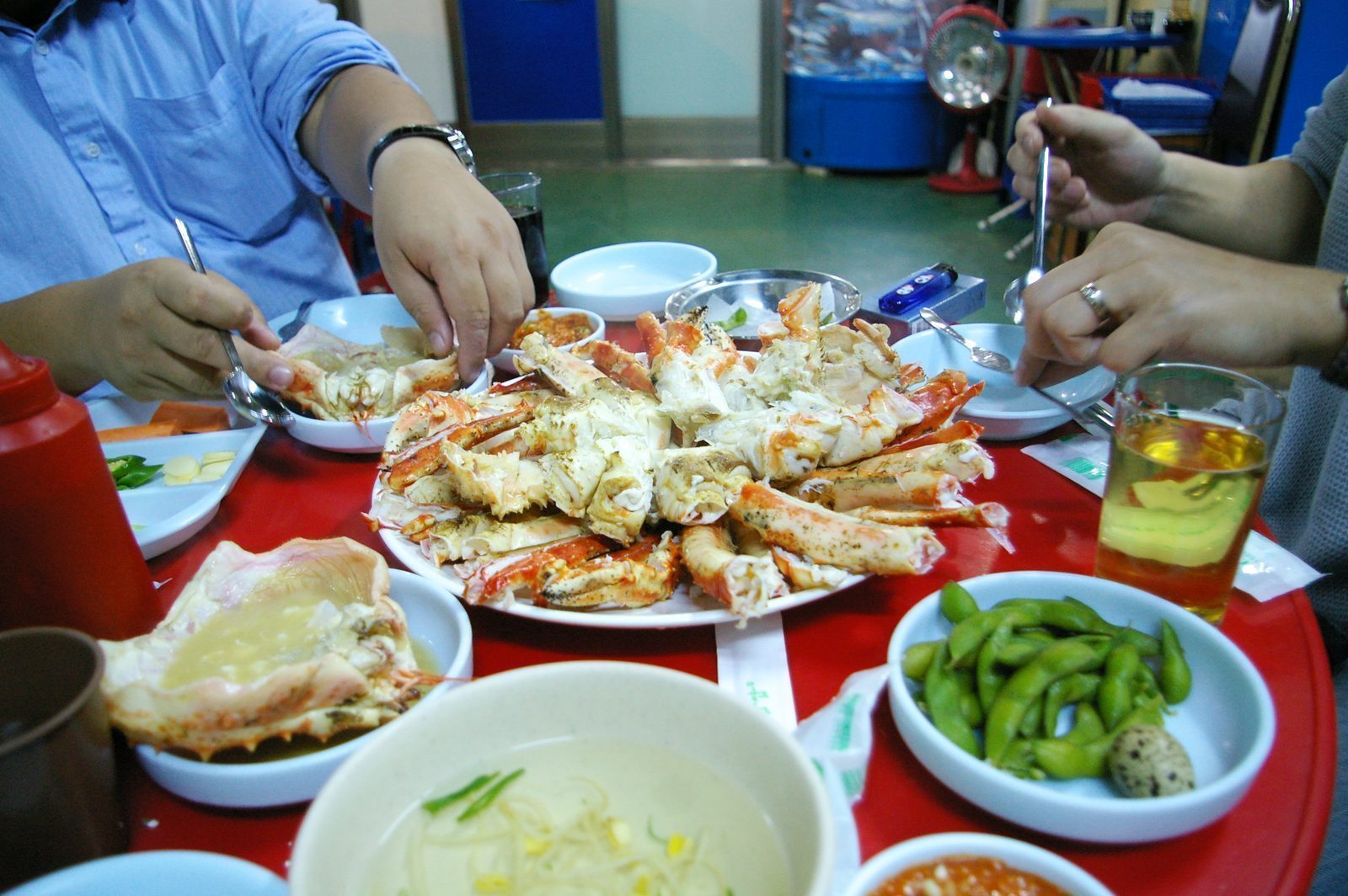
South Korea’s dining out culture has exploded alongside economic development and urbanization. Seoul in particular boasts an incredible density of restaurants, from street food stalls to upscale establishments. Koreans frequently eat out, driven by long work hours, vibrant social culture, and appreciation for diverse culinary offerings.
The Korean approach to dining emphasizes sharing, variety, and experience. Restaurant meals often involve multiple dishes, creating higher average spending per visit. The rise of Korean food culture globally, from K-BBQ to fried chicken and beyond, reflects domestic enthusiasm that translates into substantial restaurant expenditure. Late-night dining and drinking culture further boost spending levels.
Singapore
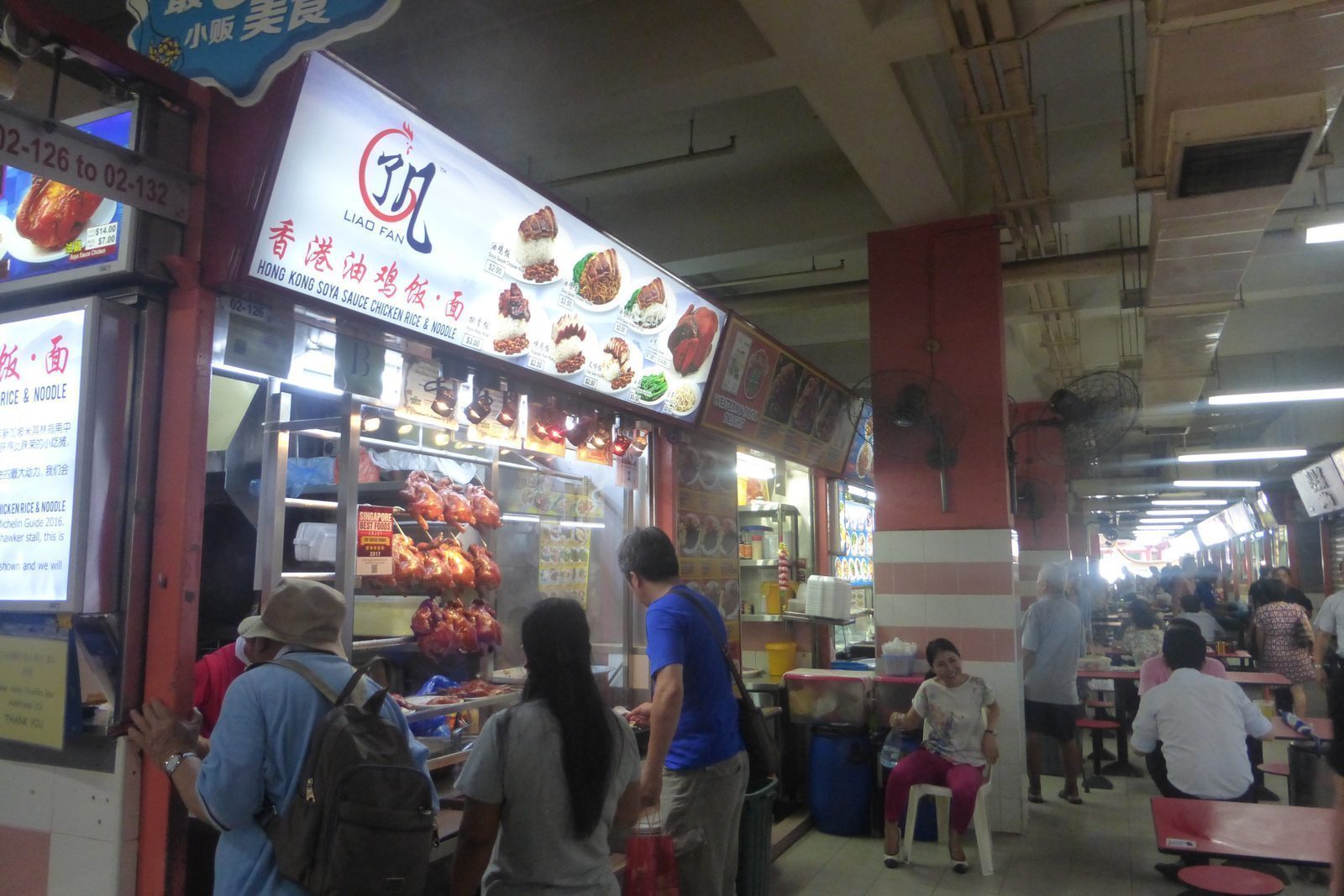
Singapore spends the second lowest amount globally at 6.7 percent of household income on food, yet this masks substantial absolute spending . The city-state’s hawker centers and restaurant scene create a culture where eating out often costs less than cooking at home, particularly given small living spaces and high grocery prices.
Singaporeans eat out frequently, creating high volume even if individual meal costs remain moderate. The combination of affordable hawker fare and upscale dining options means spending spans all economic levels. Tourism adds significantly to overall restaurant revenue, with visitors drawn to the city’s reputation as a food paradise. The government actively promotes food culture as part of national identity, ensuring dining out remains central to Singaporean life.