12 Countries Where Eating Out Costs Less Than Buying Groceries
Ever walked past a restaurant and thought grabbing a meal might actually be cheaper than buying all the ingredients yourself? In several countries around the world, this isn’t just wishful thinking. It’s reality. In Asia, street food and small restaurants are everywhere, and meals are often cheaper than buying groceries and cooking at home. The economics of eating out in these places completely flips what we’re used to in the West, where cooking at home is typically the budget option.
Because ingredients are bought in large quantities and at the cheapest markets, the cost of a single serving is quite competitive with home cooking and often less expensive because vendors cater for numerous consumers. Let’s dive into twelve fascinating countries where your wallet might actually prefer a street stall to a supermarket.
Vietnam
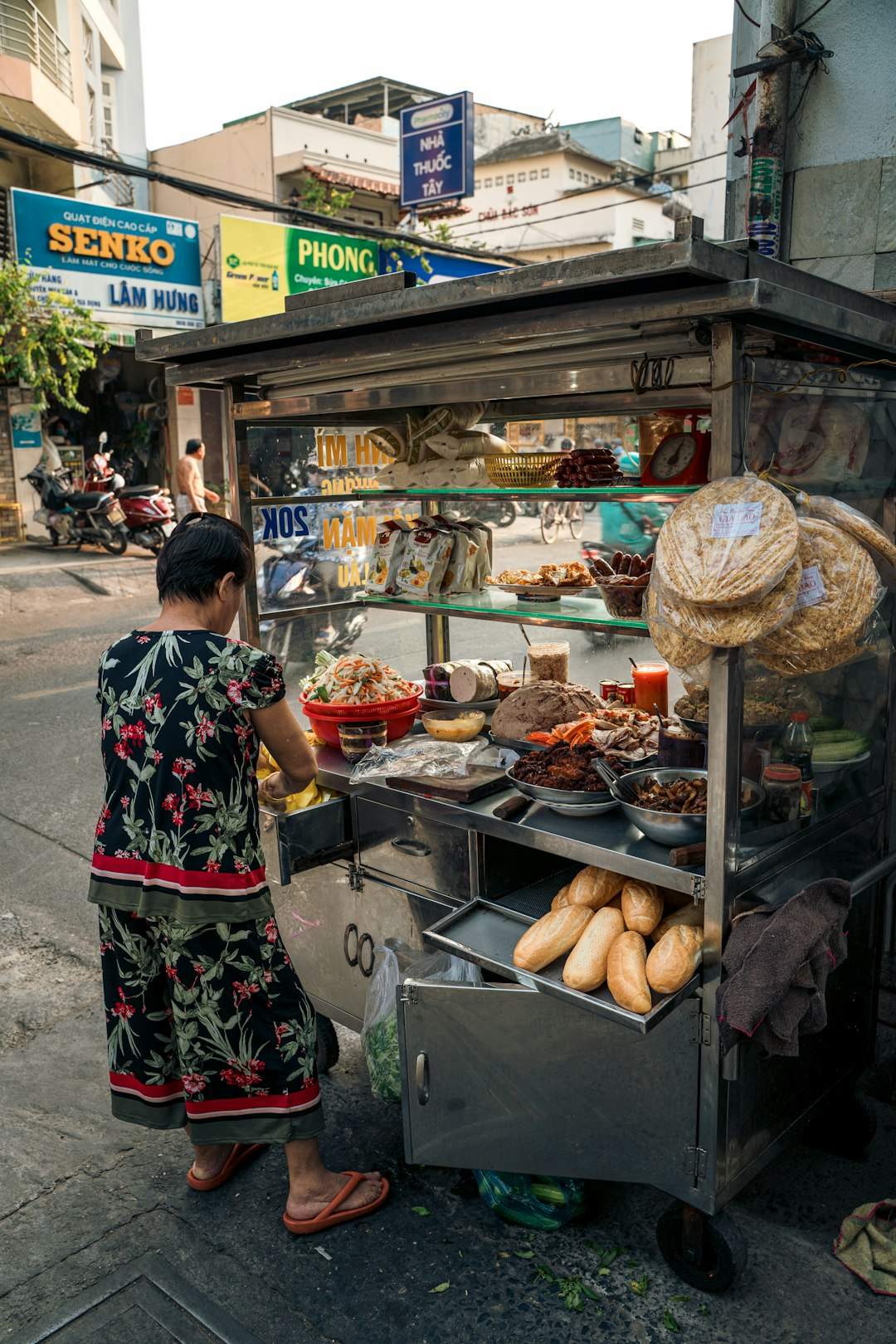
Typically, the cost of food in Vietnam for street eats ranges from 1 to 4 USD per dish, making it an attractive choice for those looking to minimize their cost of food in Vietnam per day. A bowl of pho, one of the country’s signature dishes, can be had for as little as one and a half dollars, while a banh mi sandwich runs between one and two bucks. If you stick to street food, you can easily enjoy three full meals for around 5 to 10 USD per day, with this budget often including extras like iced coffee or fresh fruit smoothies, which typically cost under 1.50 USD each. Meanwhile, grocery shopping for imported items like butter can cost nearly five dollars for a small portion, according to recent price surveys in Da Nang.
Thailand
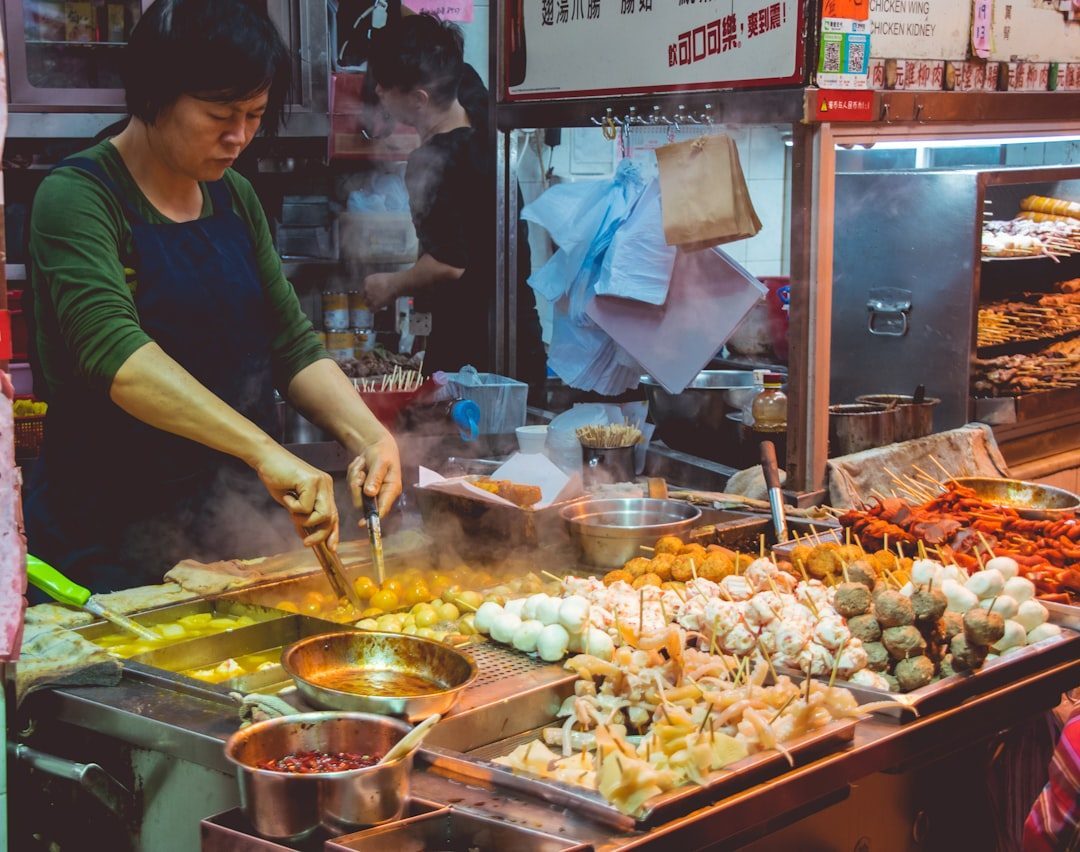
Street vendors dominate the food landscape throughout Thailand, and the prices reflect an economy built around eating out rather than cooking at home. In Thailand, food in markets and street food and even most restaurant food is cheaper than buying all the ingredients yourself. A typical street food meal runs around fifty baht, which is less than two dollars, while a meal at an inexpensive restaurant might set you back just over that. The culture here has been shaped by street food for decades. Street food did not become popular among native Thai people until the early 1960s, when the rapid urban population growth stimulated the street food culture, and by the 1970s it had “displaced home-cooking.”
India
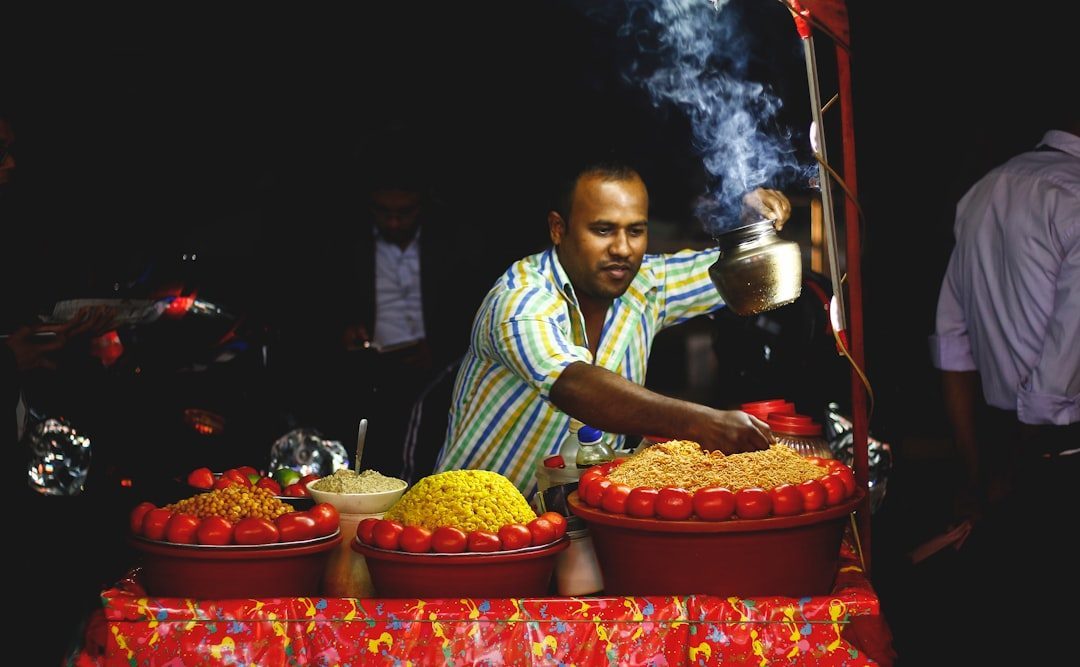
The sheer affordability of eating out in India makes home cooking almost unnecessary for budget travelers. Records show eating for under $15 per day for 2 persons, including many restaurant meals, with food prices in India being incredibly affordable for slow budget travelers. Street food thalis, which are complete meals with rice, bread, vegetables, and sometimes meat, can cost as little as one to two dollars. In Kolkata, thali costs around 80 to 100 rupees, idly costs 30 to 40 rupees for two pieces, and samosas cost just 5 to 7 rupees in wayside eating places. The price of cooking from scratch often exceeds the cost of a meal prepared by vendors who buy in bulk.
Indonesia
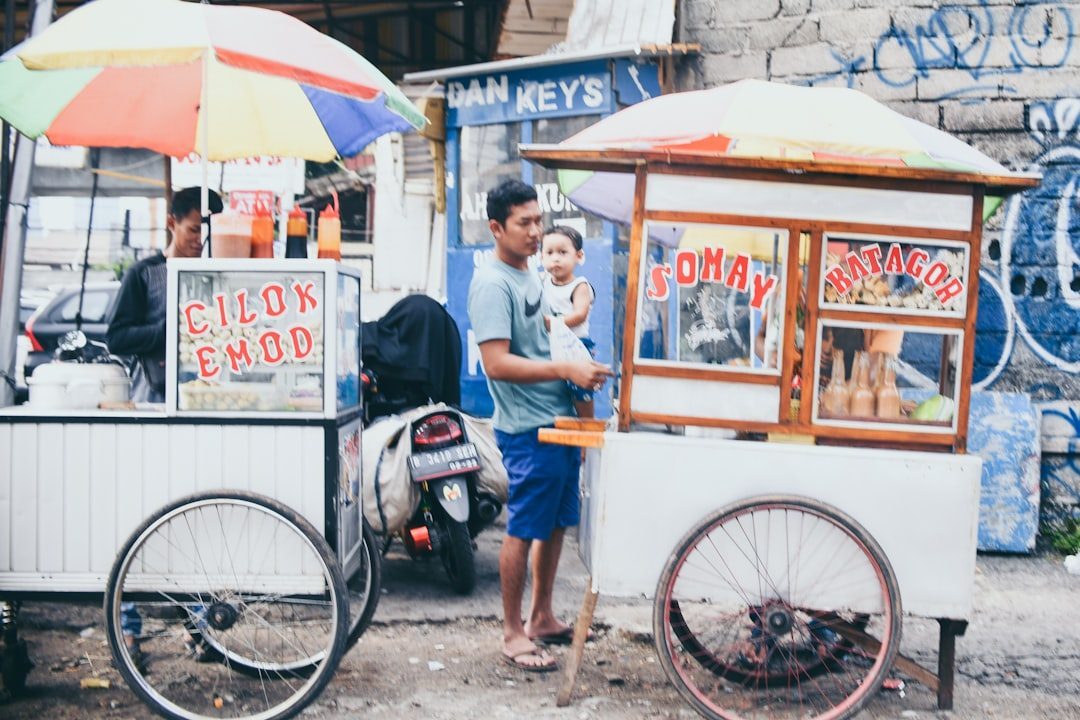
Indonesian street food culture thrives in cities like Jakarta, where vendors have perfected the art of affordable, delicious meals. Local favorites like nasi goreng, the country’s beloved fried rice dish, typically cost between one and three dollars from street carts and local warungs. The street food culture in much of Southeast Asia was established by coolie workers imported from China during the late 19th century. Grocery stores, particularly in tourist areas, charge significantly more for basic ingredients, making the math work in favor of eating out. The tradition of street vending runs so deep that many locals never bother with extensive home cooking.
Malaysia
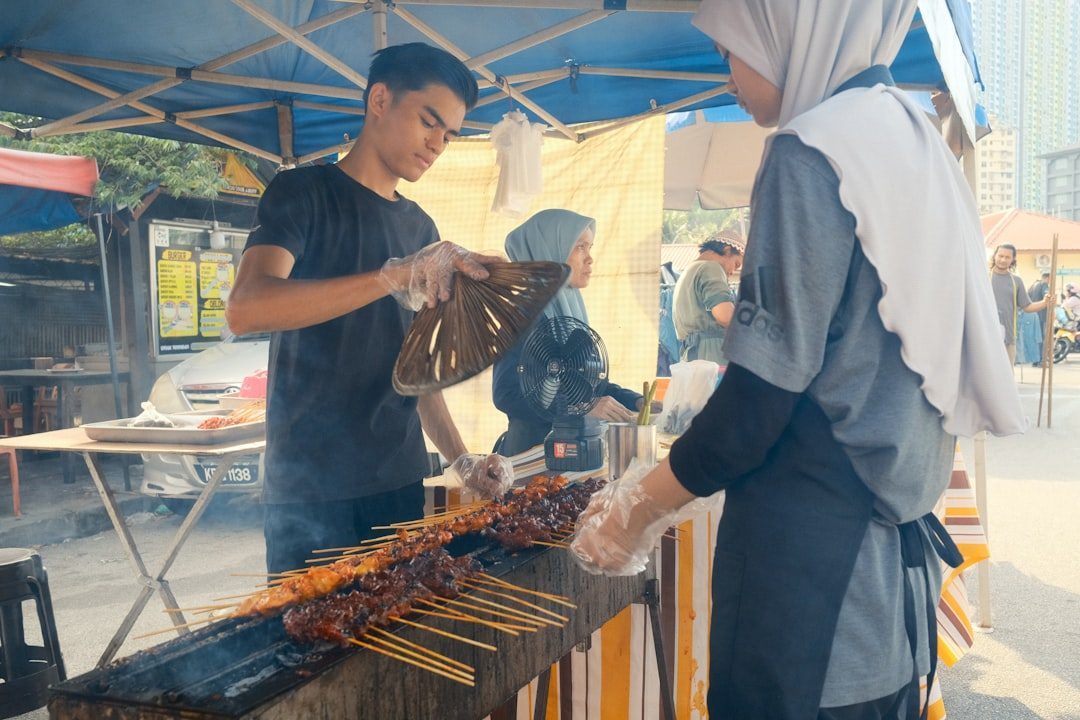
From hawker centers in Penang to night markets in Kuala Lumpur, Malaysia’s food scene revolves around eating out at rock-bottom prices. Nasi lemak, coconut rice served with anchovies, peanuts, and spicy sambal, costs roughly two dollars at most stalls. Roti canai, the flaky flatbread served with curry, runs even cheaper at around a dollar. In Malaysia, grocery bills dropped by probably 20 to 25 percent compared to East Asia, with tropical Malaysia being a comparative bargain, especially on fruits and vegetables. Yet prepared meals from hawker stalls remain even more economical than cooking, especially when you factor in time and fuel costs.
Philippines
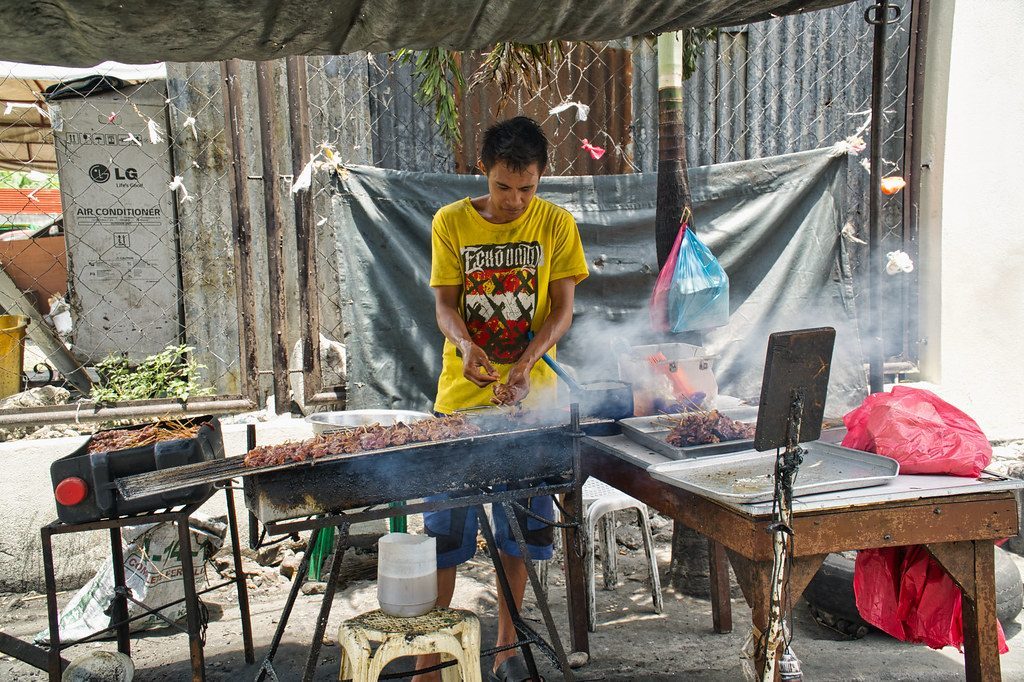
Filipino street food vendors and small eateries called carinderias serve complete meals for prices that make grocery shopping seem extravagant. A plate of rice with adobo, the country’s signature chicken or pork dish, typically costs two to three dollars. Pancit, stir-fried noodles loaded with vegetables and meat, runs about the same. Surveys have found women to be involved in 90 percent of street food enterprises in the Philippines. Local markets sell fresh produce, but the effort and fuel required to cook often surpass the cost of simply grabbing a meal from the nearest carinderia, where portions are generous and flavors are homestyle authentic.
Cambodia
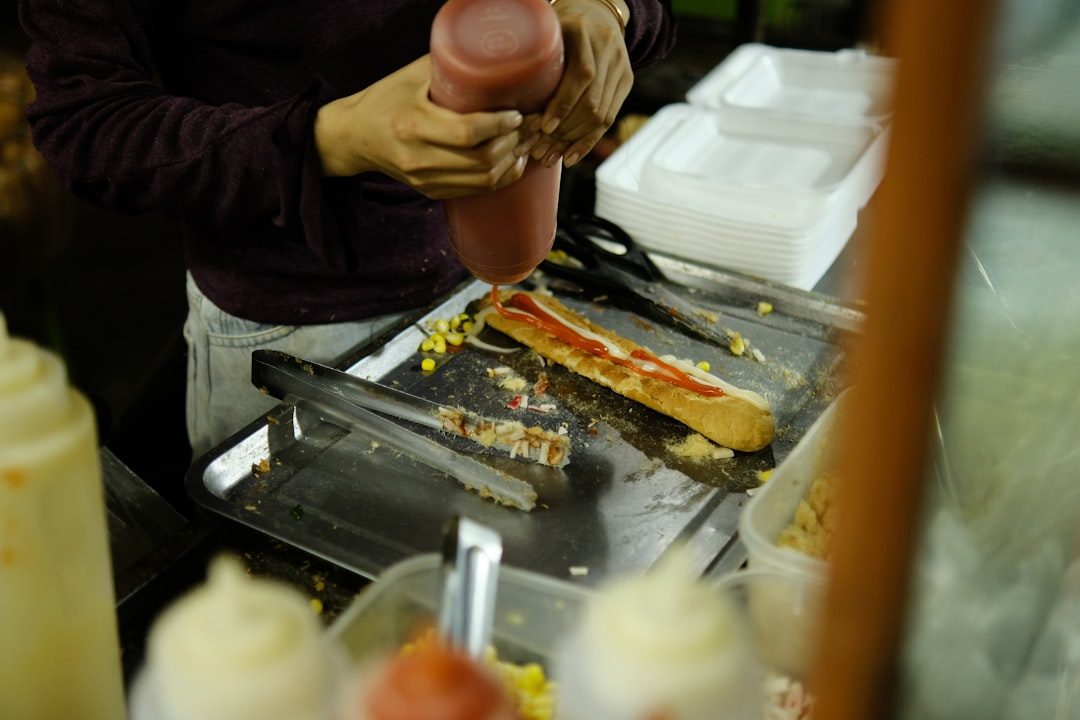
Phnom Penh and Siem Reap overflow with street vendors selling everything from rice porridge to grilled meats at prices that seem almost too good to be true. A complete meal of lok lak, stir-fried beef with rice and vegetables, costs around two to three dollars at local restaurants. Street vendors selling bai sach chrouk, pork over rice with pickled vegetables, charge even less for a filling breakfast. The cost of purchasing meat, vegetables, and rice separately from markets, then factoring in cooking fuel and time, makes eating out the more economical option for both locals and visitors.
Laos
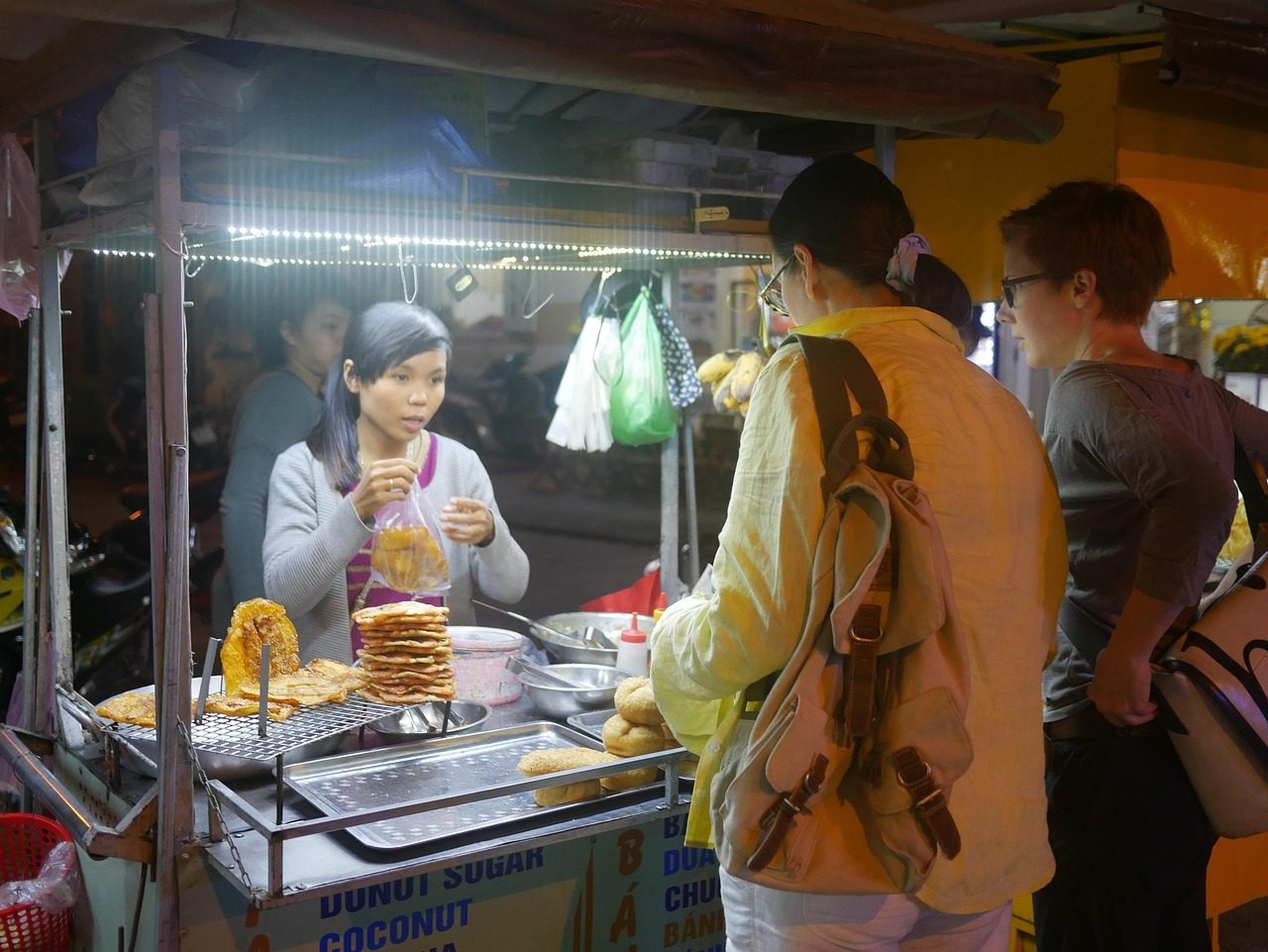
This landlocked Southeast Asian nation maintains a vibrant street food tradition where meals cost less than assembling ingredients from scratch. A steaming bowl of khao piak sen, the Lao noodle soup, runs about one to two dollars from street vendors. Sticky rice, the staple accompaniment to most meals, costs pennies when purchased prepared rather than cooked at home. Markets in Vientiane and Luang Prabang sell groceries, but imported items carry hefty price tags while local prepared food remains astonishingly cheap, following the regional pattern where eating out beats cooking at home.
Pakistan
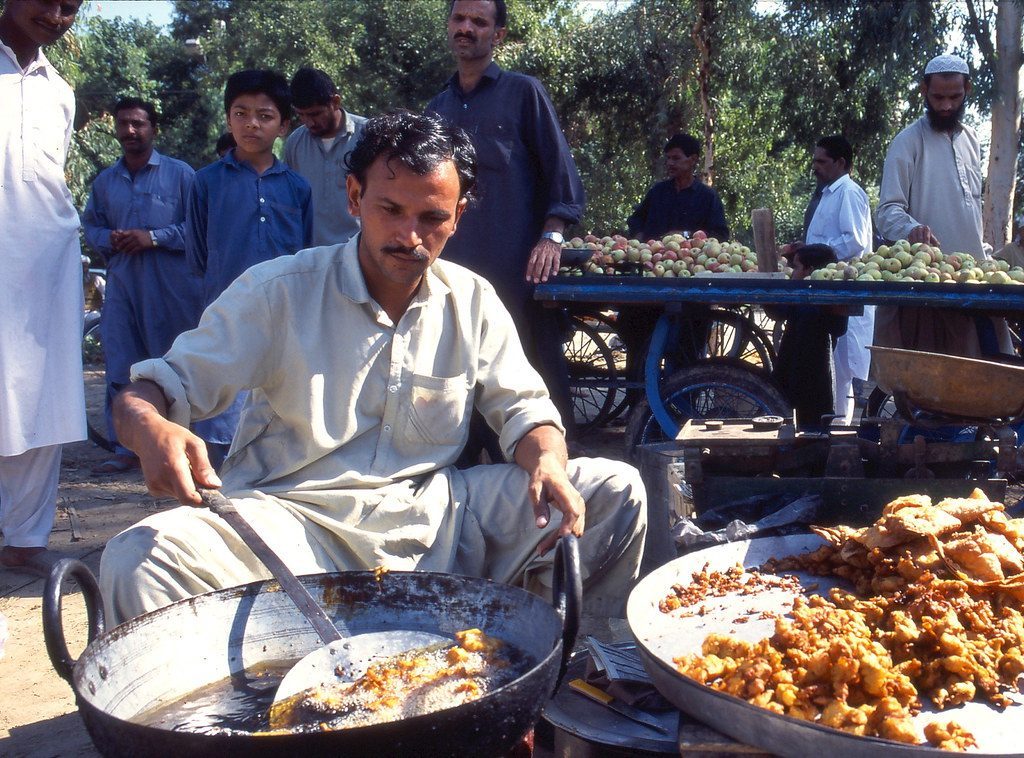
Pakistani street food vendors and small dhabas serve enormous portions at prices that make home cooking seem inefficient. In Pakistan, the price of a kilogram of biryani, a seasoned rice dish, costs about 400 Pakistani rupees (about $1.40). A plate of chicken karahi, curry cooked in a wok with tomatoes and spices, runs about three dollars at roadside restaurants. Chapati bread costs mere cents when bought fresh from tandoor ovens. Grocery shopping for spices, meat, and flour to recreate these dishes at home would cost considerably more, especially when accounting for the gas or coal needed for cooking.
Bangladesh
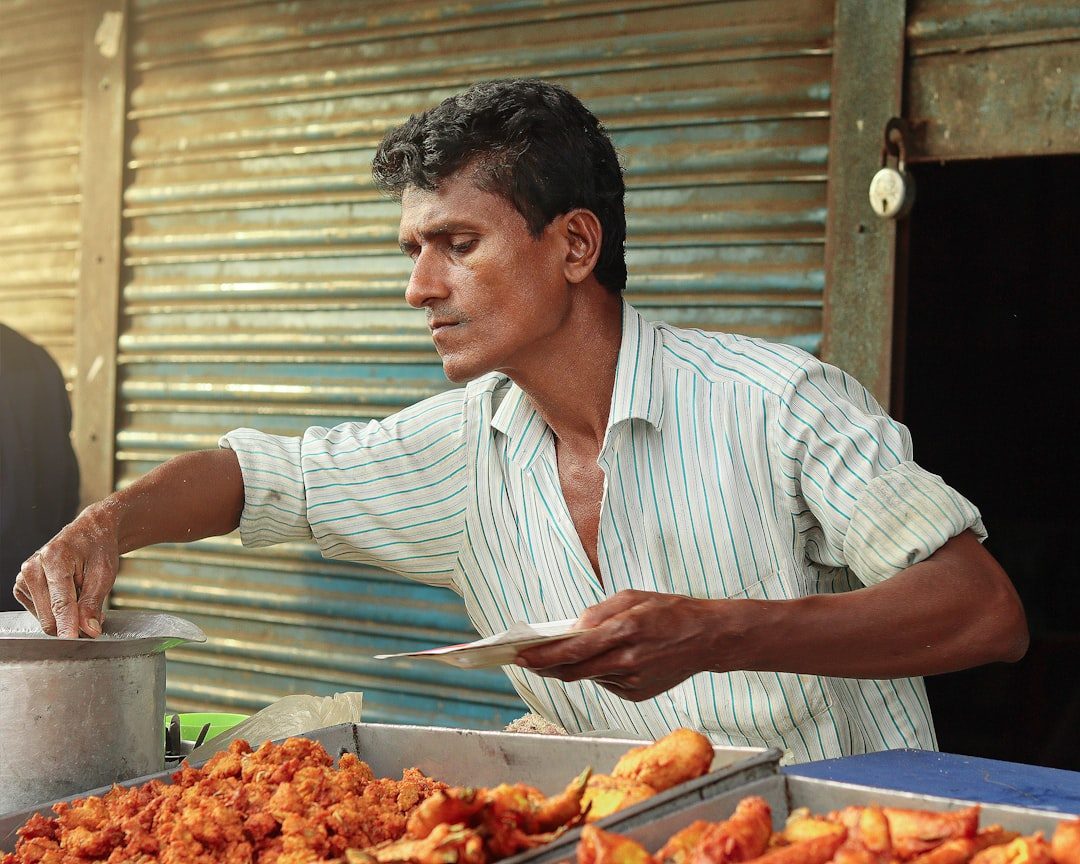
Dhaka’s bustling streets teem with food vendors offering rice, curry, and dal combinations for less than two dollars. The tradition of eating at small restaurants and roadside stalls runs deep here, where labor costs remain low and vendors operate on thin margins. A full meal of rice with fish curry and vegetables costs around one hundred taka, roughly a dollar. Fresh vegetables at markets might seem cheap, but purchasing cooking oil, spices, and fuel to prepare a comparable meal often exceeds the cost of simply buying it ready-made from a vendor who’s been perfecting the same dishes for years.
Myanmar
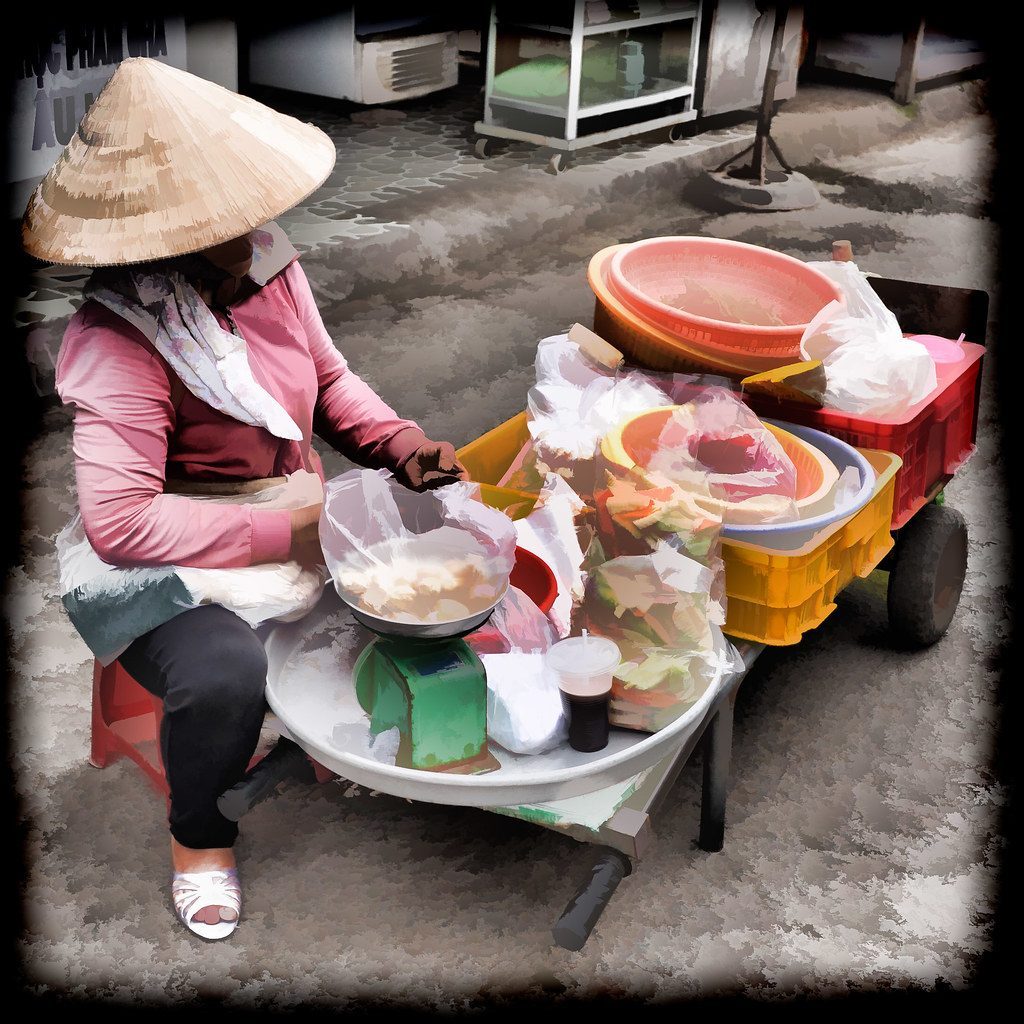
Street food stalls dot the streets of Yangon and Mandalay, serving mohinga, the national breakfast soup, for less than a dollar per bowl. Tea shops throughout the country offer full meals of rice, curry, and sides for around two dollars. In Southeast Asia, the average earnings of a vendor may be three to ten times more than the minimum wage and are often comparable to the wages of skilled laborers employed in the formal sector. Despite earning decent incomes, vendors keep prices remarkably low through bulk purchasing and minimal overhead. Cooking the same dishes at home requires buying multiple spices and ingredients that would take weeks to use up, making small portions from vendors the smarter financial choice.
Nepal
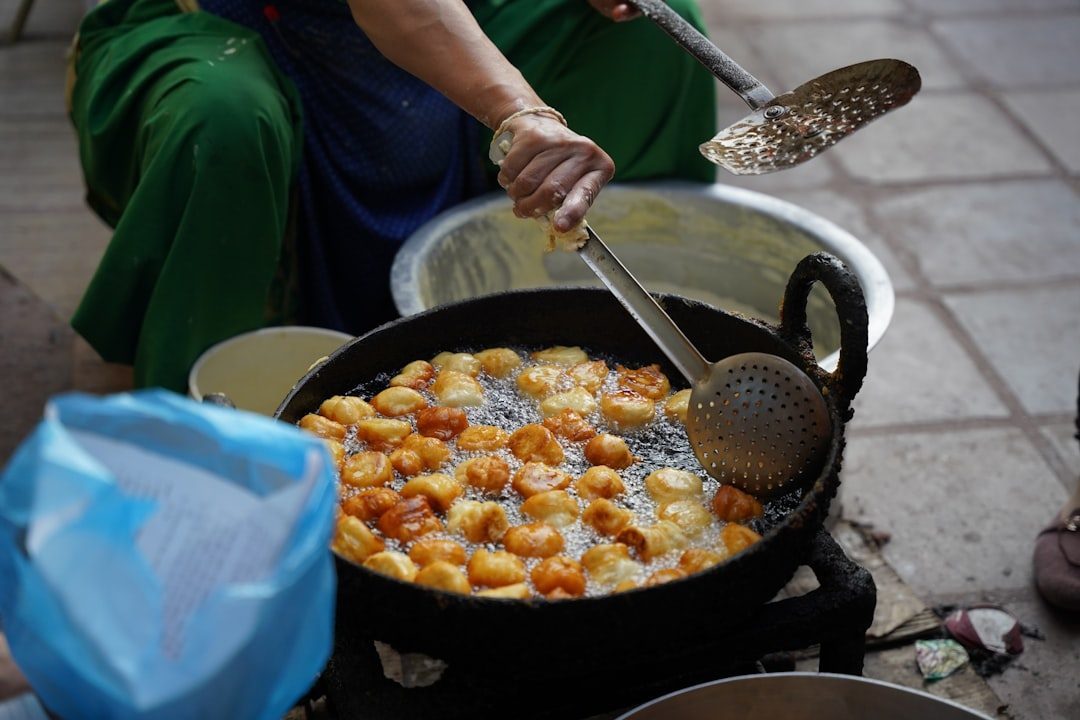
Dal bhat, the traditional Nepali meal of lentil soup, rice, and vegetable curry, costs between two and three dollars at local restaurants throughout Kathmandu and beyond. Street vendors sell momos, the beloved dumplings, for less than a dollar per generous serving. While fresh vegetables and rice appear affordable at markets, the reality of cooking in Nepal involves expensive cooking gas and time-intensive preparation. Street foods are a bargain for customers when the demands of time and costs of food, fuel, cooking equipment and transportation are taken into account. For both locals and trekkers, eating at simple restaurants proves more economical than attempting to cook meals from scratch.
The phenomenon of eating out being cheaper than cooking at home reveals fascinating economic realities in these countries. Low labor costs, bulk purchasing power, and deeply embedded street food cultures create conditions where vendors can offer complete meals for less than the sum of their parts. Most street foods are classified as both finger food and fast food, and are generally cheaper than restaurant meals.
Next time you’re traveling and debating whether to cook or eat out, remember that in these twelve countries, your taste buds and your wallet might actually agree for once. What surprises you most about these street food prices? Would you be willing to skip the kitchen and eat out for every meal?