7 Foods That Turn Risky If Stored Wrong – Experts Warn
Think you know food safety? The truth might shock you. Recent reports suggest hospitalizations and deaths from foodborne illness have increased significantly, largely due to improper food storage. What’s even more alarming is that 48 million Americans fall ill from foodborne diseases annually, with many cases directly linked to storage mistakes anyone could make.
The stakes couldn’t be higher. Let’s explore seven foods that transform from kitchen staples to health hazards when stored incorrectly.
Raw Eggs – The Hidden Salmonella Time Bomb
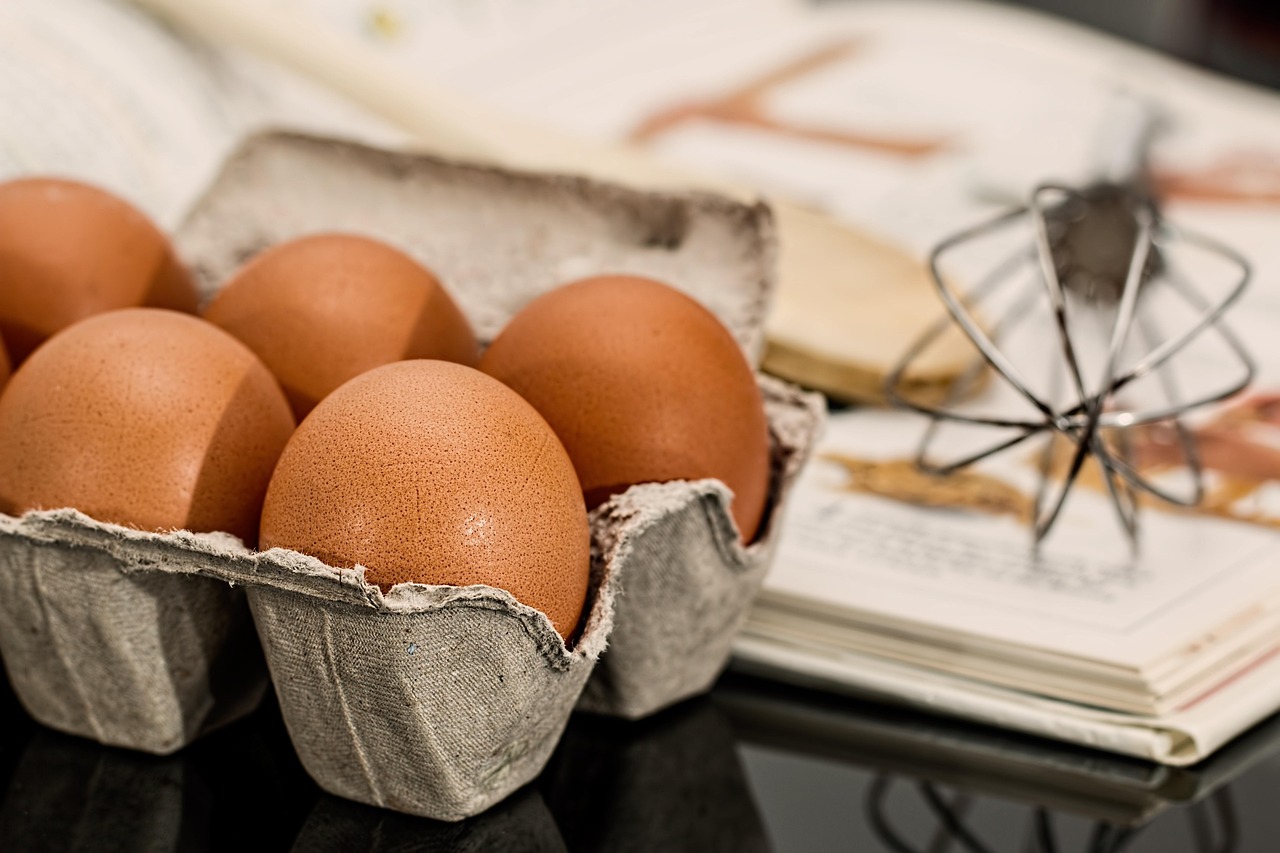
Raw eggs might seem harmless sitting on your counter, yet they harbor one of the most dangerous food safety threats in your kitchen. Improper storage or handling, like using cracked eggs, can amplify the risk. Pooling eggs in large batches for storage provides an ideal breeding ground for bacteria.
The danger zone is critical here. Eggs must be kept at or below 41°F (5°C) to prevent Salmonella from multiplying. Uncooked and partially cooked eggs are susceptible to Salmonella growth if they exceed the maximum cold-holding temperature. What makes this particularly frightening is that bacteria can penetrate even intact shells, meaning your eggs could be contaminated without any visible signs.
Store eggs in their original carton in the main body of your refrigerator, never in the door where temperatures fluctuate. Always inspect shells for cracks and ensure refrigerated delivery when purchasing.
Dairy Products – When Cold Storage Fails
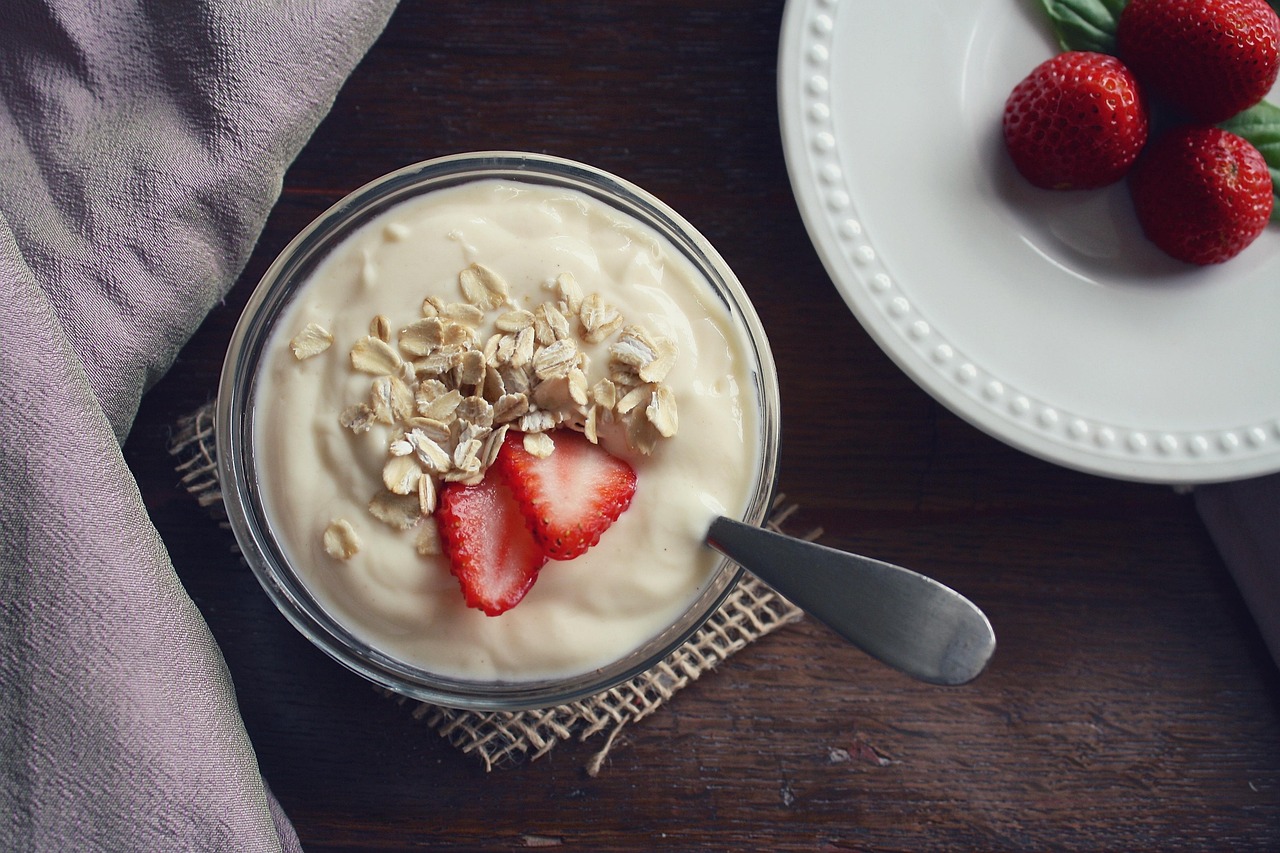
The neutral pH and high nutrient content in milk and dairy support the rapid growth of harmful bacteria like Listeria and Salmonella. This creates a perfect storm when storage temperatures aren’t maintained properly.
Here’s what experts want you to know: Milk, cheese, yogurt, and cream can harbor Listeria if stored above the maximum cold holding temperature. Even more concerning, Listeria monocytogenes can still multiply at refrigeration temperatures, making strict temperature control absolutely essential.
Dairy must arrive at or below 41°F (5°C) and should be stored tightly sealed to prevent contamination and odors from other foods. Never leave dairy products on counters, even briefly, as temperature abuse happens faster than most people realize.
Ground Meat and Poultry – The Temperature Race Against Bacteria
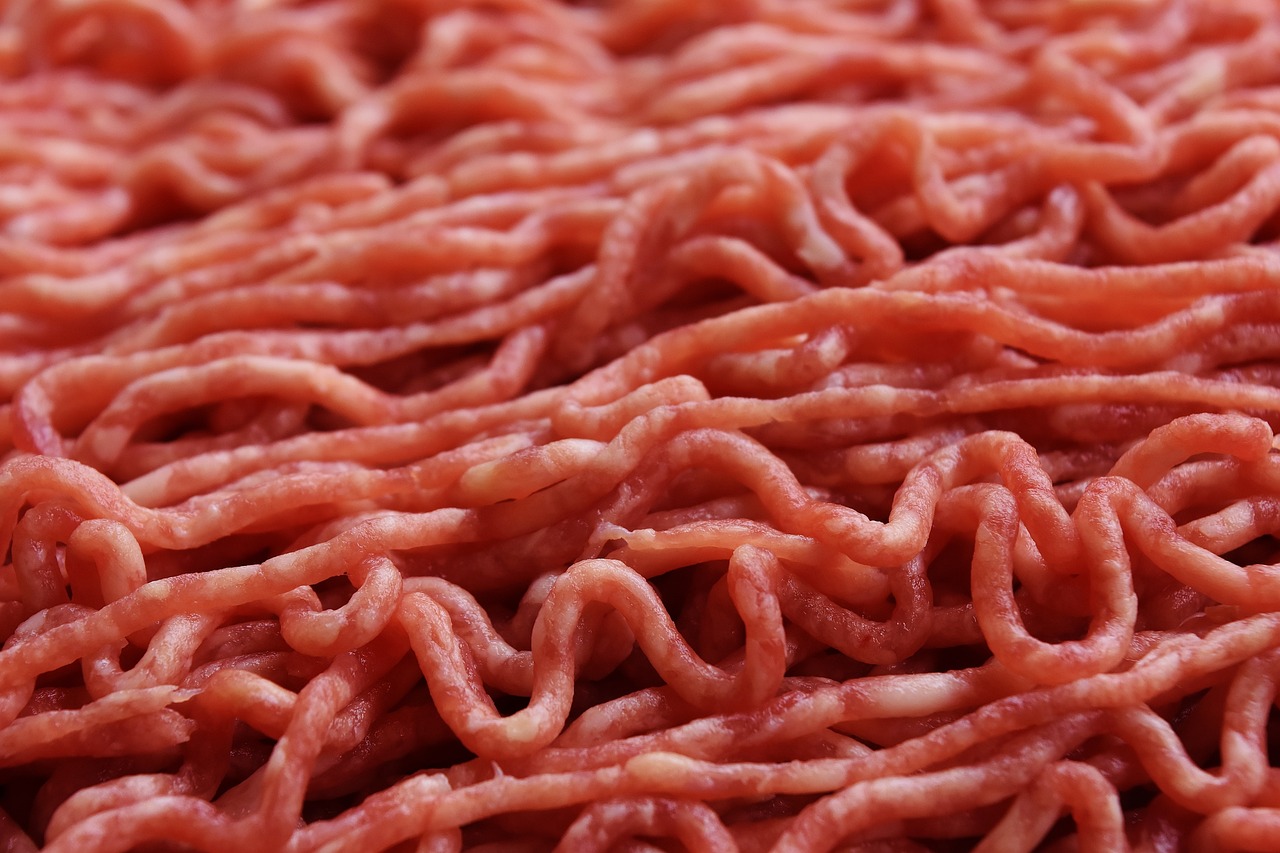
Ground meat represents one of the highest-risk categories because grinding exposes more surface area to potential contamination. If raw meats have been mishandled (left in the “Danger Zone” too long), bacteria may grow and produce toxins which can cause foodborne illness.
The temperature danger zone between 40° and 140°F allows bacteria to double in number in as little as 20 minutes. This rapid multiplication means that what starts as safe meat can become dangerous incredibly quickly if storage fails.
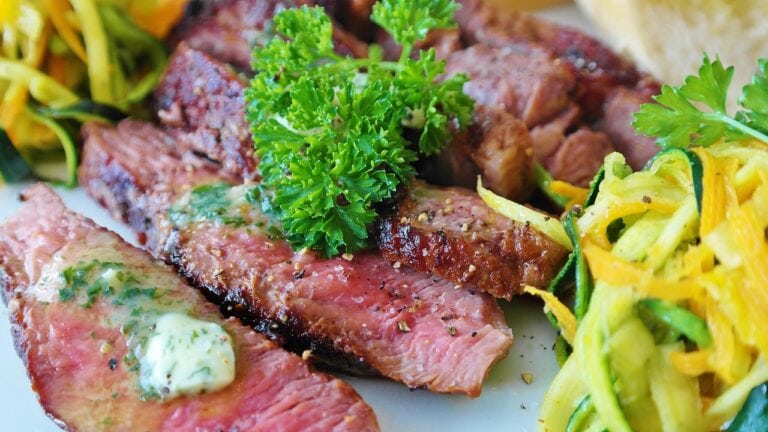
Keep raw meat in leak-proof containers on lower shelves to prevent cross-contamination. Use separate cutting boards and clean surfaces immediately. Cook poultry to 165°F (74°C) and beef to at least 145°F (63°C) with a rest time. Never trust meat that’s been left out longer than two hours at room temperature.
Pre-Cut Leafy Greens – Fresh Yet Fragile
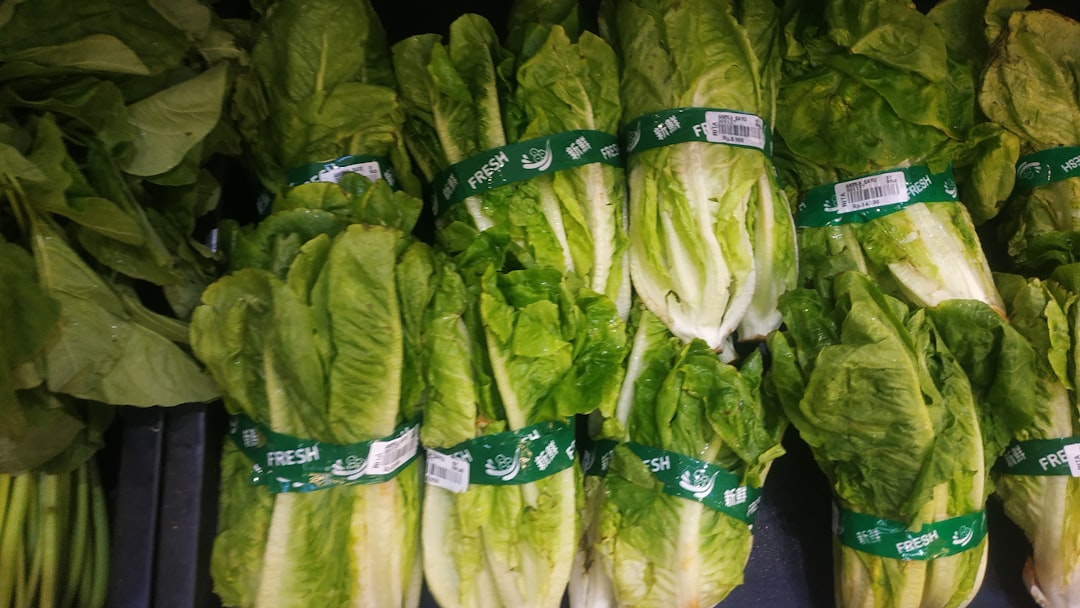
The moment lettuce, spinach, or any leafy green gets cut, it transforms from a relatively safe whole vegetable into a high-risk food requiring careful temperature management. Once leafy greens are cut, they become a TCS food. The part of the leaf that is cut or torn becomes an entryway for bacteria or microbes to contaminate the lettuce.
Recent recalls highlight this danger. An outbreak of E. coli linked to leafy greens in the U.S. led to dozens of illnesses across multiple states in 2024. Investigations tracked the pollution back to a specific farm that failed to stick to safety standards during gathering and processing.
All cut leafy greens should be stored at 40 degrees Fahrenheit or below to prevent the growth of pathogens. Pre-cut greens should be received at 40 degrees Fahrenheit or below and stored at the same temperature. Whole heads of lettuce are safer and can be stored at room temperature until cutting.
Cooked Rice and Pasta – The Bacillus Cereus Threat
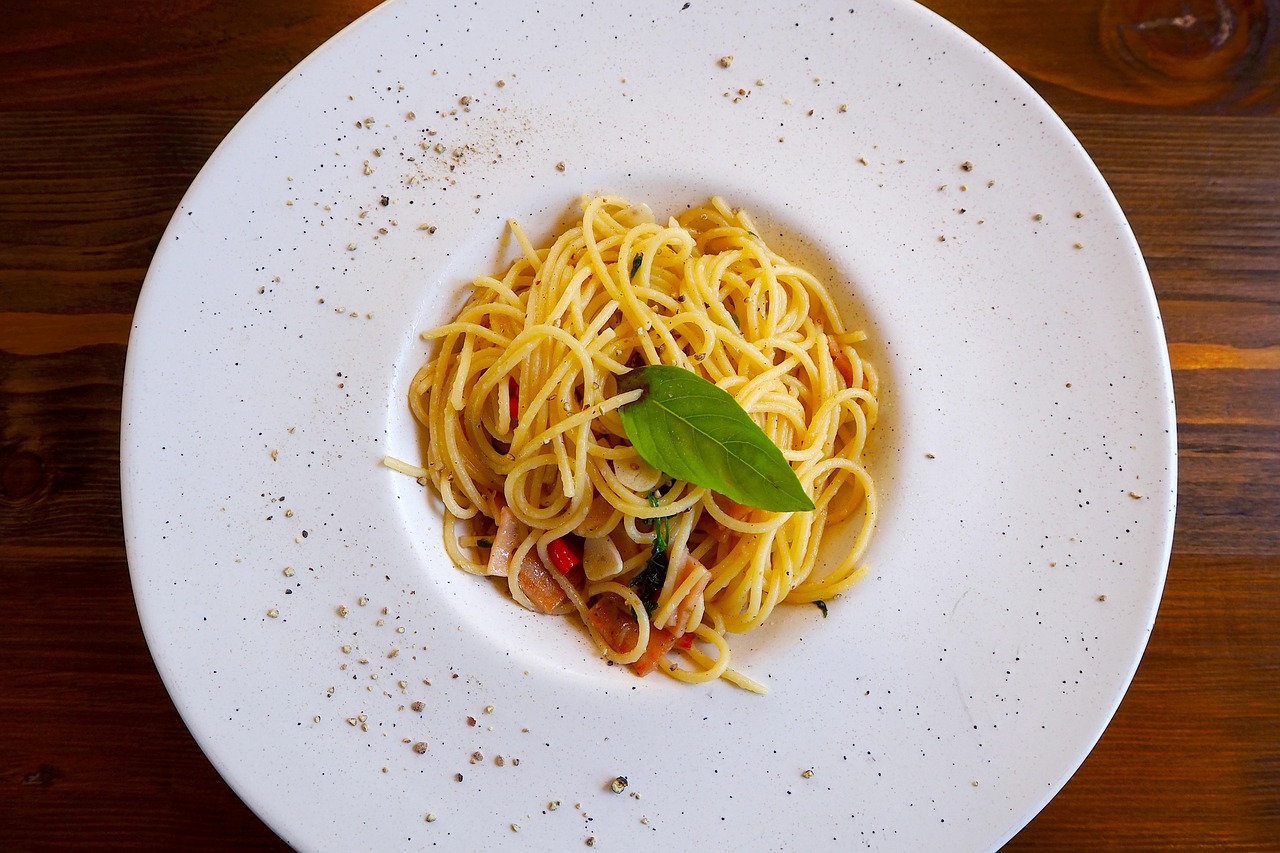
Cooked starches like rice and pasta present a unique danger that many home cooks overlook. Starch-heavy foods can grow Bacillus cereus, a bacteria known to cause food poisoning if stored improperly. This bacterium produces toxins that can survive reheating, making proper initial storage crucial.
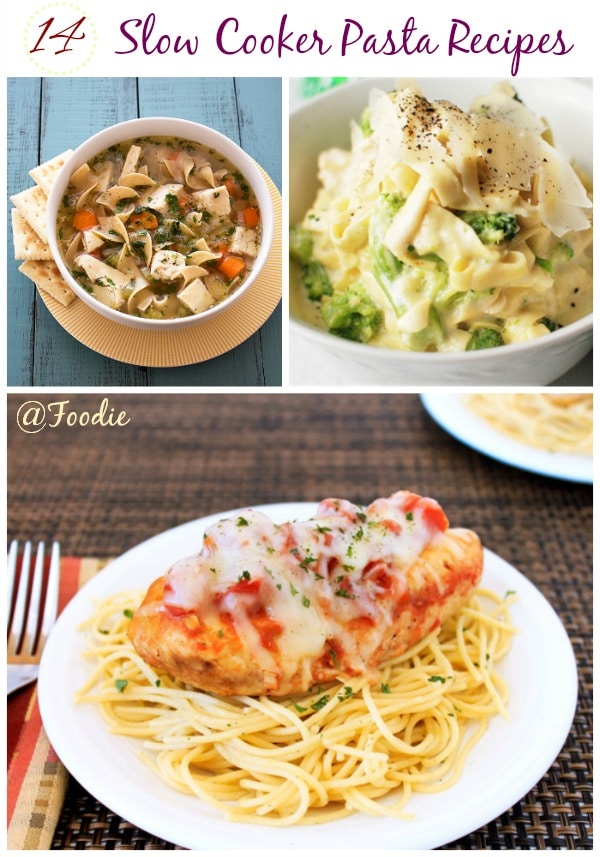
The key danger occurs when cooked rice or pasta sits at room temperature. One of the most common causes of foodborne illness is improper cooling of cooked foods. Because bacteria are everywhere, even after food is cooked to a safe internal temperature, they can be reintroduced to the food and then reproduce. For this reason leftovers must be put in shallow containers for quick cooling and refrigerated within 2 hours.
Cool cooked grains rapidly in shallow containers and refrigerate immediately. Never leave rice or pasta dishes sitting out during parties or gatherings, regardless of how delicious they smell.
Cut Tomatoes and Melons – Sweet Spots for Salmonella
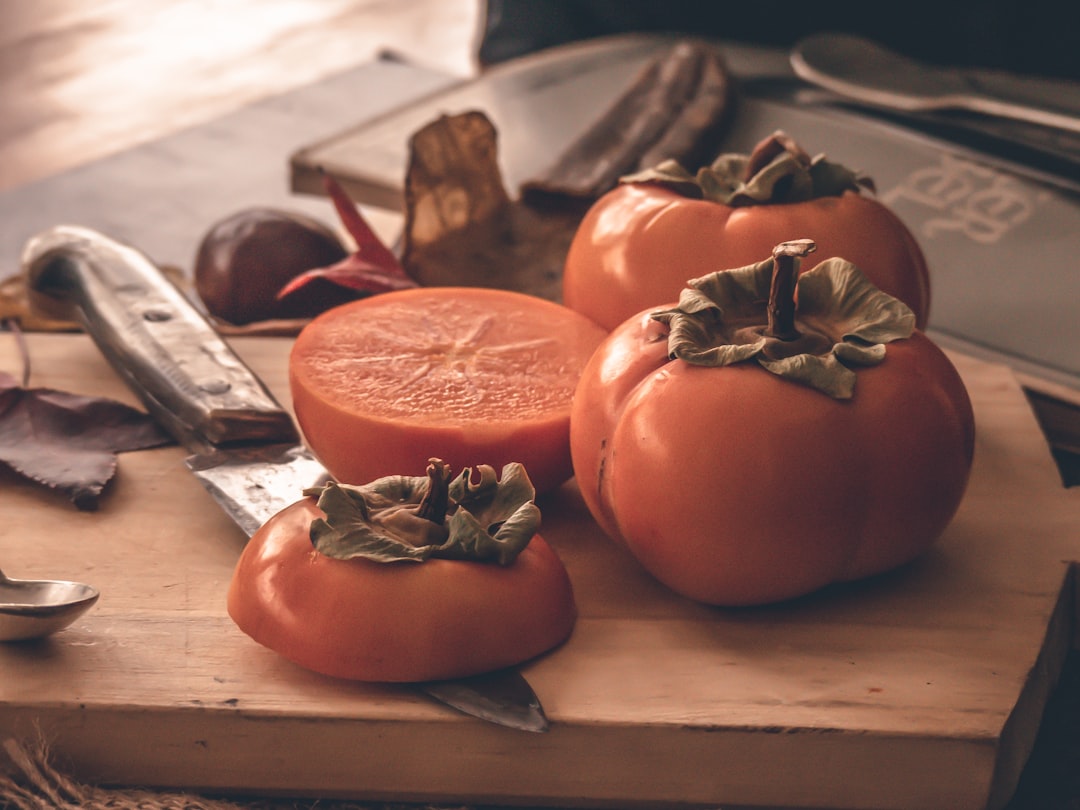
Cut tomatoes and melons are considered TCS foods. The intact skin and rind of these foods prevent bacteria growth, but once the flesh is exposed by being sliced or cut, it becomes vulnerable. Salmonella, in particular, grows quickly on cut tomatoes and cantaloupe.
This reality became deadly clear in recent outbreaks. Contaminated whole and precut cantaloupe were recalled in November 2023, with those sickened including children at childcare centers and older people in long-term-care facilities. The tragedy is that proper storage could have prevented these illnesses.
Store cut tomatoes and melons at 40 degrees Fahrenheit or below. The greatest risk occurs when cut tomatoes and melons are left out of cold storage and allowed to enter the temperature danger zone. Picnics, barbecues, and outdoor catered events spell trouble for TCS foods that aren’t held with cold storage. Keep melons and tomatoes chilled and perform temperature checks every two hours.
Fresh Seafood – Racing Against Rapid Deterioration
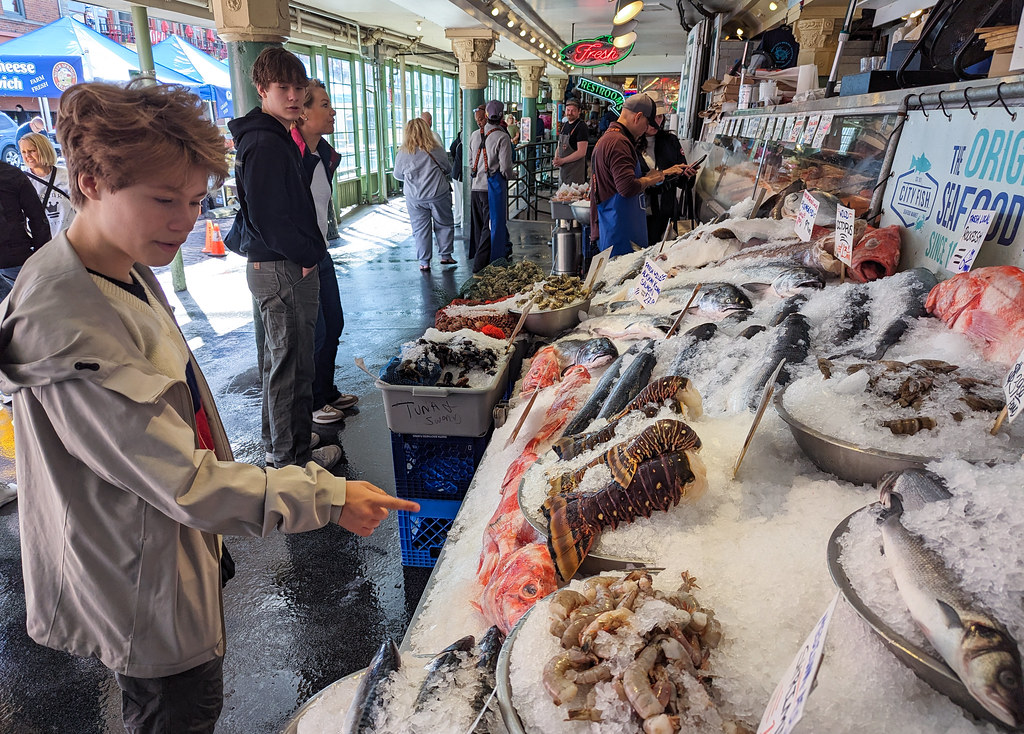
Seafood is highly perishable due to its natural enzymes and high protein content, which can accelerate bacterial and toxin growth. Pathogens like Vibrio and Clostridium botulinum thrive if temperature controls are ignored. Additionally, toxins in fish like tuna can form even without spoilage if improperly handled.
The window for safe storage is remarkably narrow. Seafood must be kept below 40°F (4°C) and consumed within 1–2 days. What makes seafood particularly dangerous is that harmful toxins can develop even when the fish doesn’t smell or appear spoiled.
Ensure fish is delivered on crushed ice and smells fresh, not fishy. Avoid leaving fish out for more than 2 hours and use clean utensils. Cook fish to 145°F (63°C) and ensure shellfish shells open when fully cooked. Never trust seafood that’s been sitting at room temperature, even if it looks perfect.
The sobering reality is that food recalls have increased significantly in recent years. While technology helps detect problems faster, the fundamental issue remains the same: improper storage transforms everyday foods into health hazards. Understanding these seven high-risk foods and their specific storage requirements isn’t just about following rules – it’s about protecting your family from preventable illness. The next time you’re tempted to leave that cut melon on the counter or ignore the temperature of your refrigerator, remember that proper storage can literally be the difference between a healthy meal and a hospital visit. What changes will you make to your food storage habits starting today?