8 Hidden Dangers Lurking In “Healthy” Processed Foods
You might think that protein bar in your gym bag or that whole grain cereal on your breakfast table are healthy choices. After all, they boast impressive claims about nutrients, fiber, and vitamins. Yet beneath those appealing labels lies a troubling reality that most people never consider.
Even foods marketed as nutritious can harbor surprising threats to your wellbeing. These products often contain industrial additives and processing techniques that transform what appears wholesome into something potentially harmful. Let’s dive into the shocking truth about what’s really hiding in your supposedly healthy processed foods.
Sugar Disguised as Health Foods
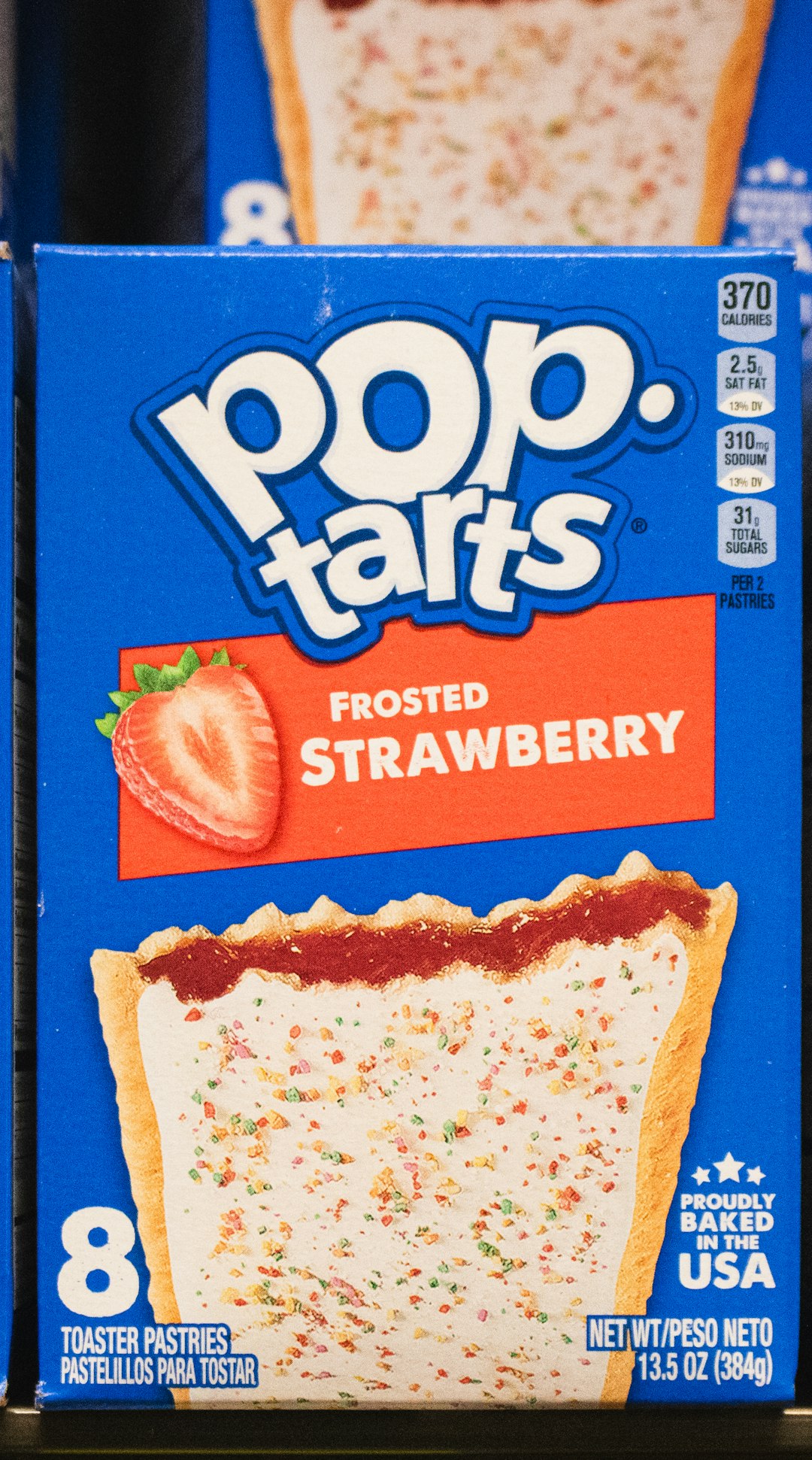
One of the most deceptive dangers lurking in processed foods is hidden sugar masquerading under different names. Processed foods tend to contain added sugar and, often, high fructose corn syrup. Added sugar contains no essential nutrients but is high in calories and is linked with health conditions such as obesity, metabolic syndrome, type 2 diabetes, and inflammatory diseases.
What makes this particularly alarming is how food manufacturers disguise these sweeteners. Many processed foods are loaded with added sugars, contributing to health issues like obesity, diabetes, and dental problems. Even products labeled as “healthy” like granola bars, flavored yogurts, and whole grain cereals can contain shocking amounts of sugar.
Processed foods and beverages are among the major sources of added sugar in the diet, with sweetened beverages being a particularly significant source; people tend to consume much more sugar than they realize in soft drinks. The hidden nature of these sugars makes it nearly impossible for consumers to track their actual intake.
Emulsifiers Disrupting Your Gut Health
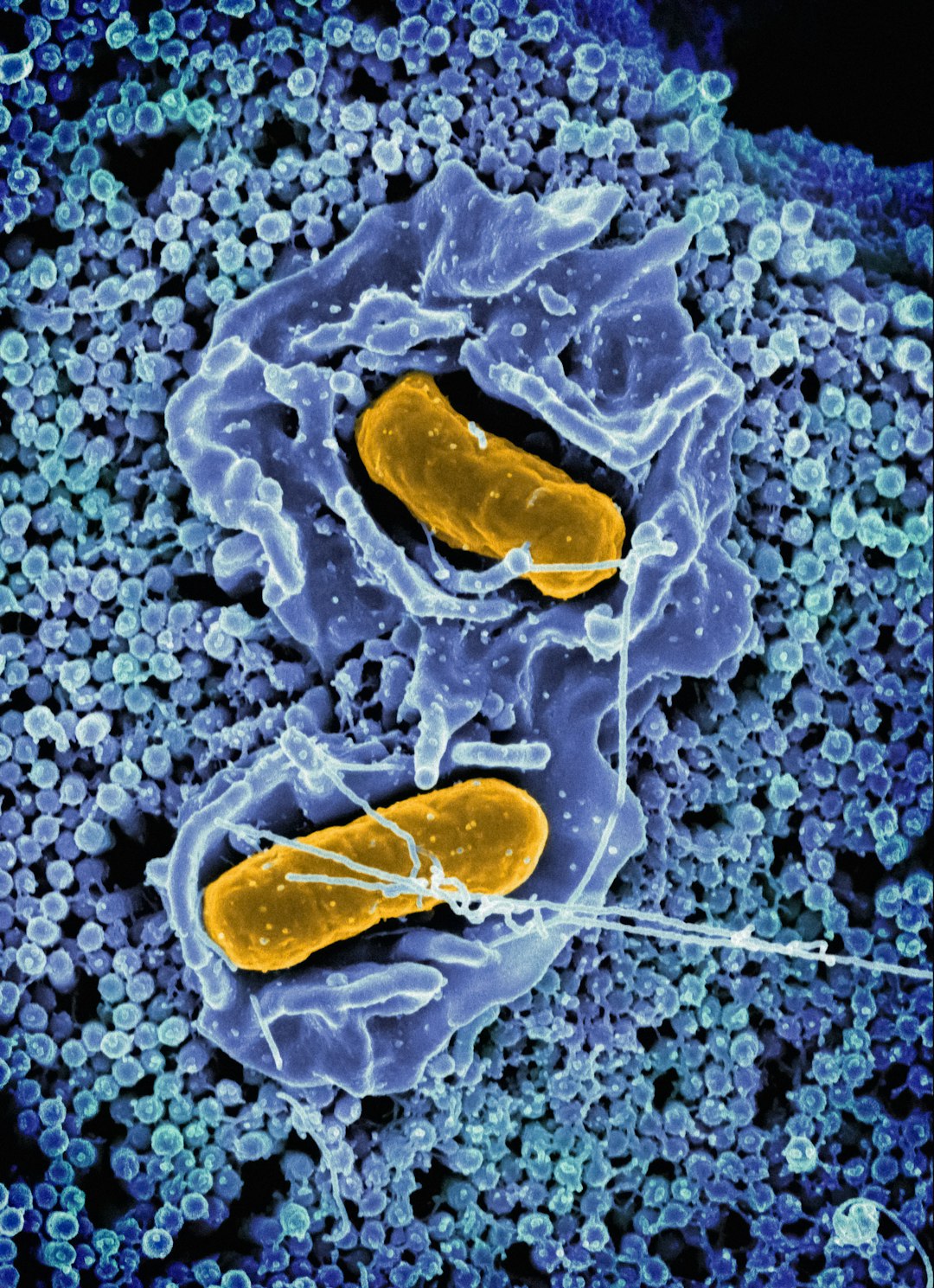
Food emulsifiers represent one of the most concerning yet overlooked dangers in processed foods. Emulsifiers, which are used in food manufacturing to combine substances that would normally separate, can disrupt the gut microbiome and weaken the intestinal barrier. Studies have found that emulsifiers can alter the mix of bacteria in the gut, damage the lining of the gastrointestinal tract, and trigger inflammation.
Recent research reveals the widespread presence of these additives. Research has found emulsifiers to be present in a significant portion of food products in the UK food supply, with particularly high concentrations in pastries, buns, cakes, milk-based drinks and industrial desserts. A study published in January by the Journal of Crohn’s and Colitis concluded that a diet low in emulsifiers is an effective treatment for mild or moderate Crohn’s disease, with an eight-week clinical trial tracking 154 patients in the United Kingdom focusing on carrageenan, carboxymethyl cellulose, and polysorbate 80.
Dietary emulsifiers, specifically the synthetic compounds carboxymethylcellulose and polysorbate 80, directly detrimentally impact the intestinal microbiota in ways suggested to promote various inflammatory diseases. These invisible additives are transforming your gut environment in ways that could have lasting health consequences.
Artificial Sweeteners Creating Metabolic Chaos

The promise of zero calories from artificial sweeteners might seem appealing, but these synthetic compounds pose their own unique health risks. Artificial sweeteners have been shown to impact various functions of the gastrointestinal system, while other studies have demonstrated an association with neurologic symptoms such as headache and taste alteration. Studies published in the British Medical Journal have linked consumption of artificial sweeteners to increased risk of cardiovascular disease and stroke.
The metabolic effects are particularly concerning. Various animal studies have shown that feeding artificial sweeteners to rats led to notable changes in gut bacteria ratios and that artificial sweeteners have been noted to alter the metabolism of amino acids by gut flora, resulting in the generation of carcinogenic substances. Many studies have connected artificial sweeteners to weight gain, with some experts classifying them as obesogens, and because they are 180 to 20,000 times sweeter than sugar, they can increase a preference for sweeter food and drinks.
Perhaps most troubling is their pervasive presence. Artificial sweeteners can be found in more than 23,000 products, including highly processed foods like yogurt, as well as foods that also contain sugar. The market continues expanding rapidly, with the market for artificial sweeteners projected to grow substantially through 2033.
Excessive Sodium Loading Your System

Processed foods are often loaded with sodium (salt) to enhance flavor and preservation, with excessive sodium intake leading to high blood pressure, fluid retention, kidney damage, and cardiovascular problems. Processed foods, especially fast food and packaged snacks, tend to be high in sodium, which can lead to high blood pressure and heart disease.
The sodium content in seemingly healthy processed foods can be shockingly high. Products like canned soups, frozen meals, and even whole grain breads often contain far more sodium than you’d expect. Food manufacturers may also include sodium to processed meals including bread and soup. This hidden sodium accumulates throughout the day, often pushing people well beyond recommended daily limits without them realizing it.
What makes this particularly dangerous is that many consumers remain unaware of their actual sodium intake. The cumulative effect of multiple processed food choices throughout the day can quickly exceed healthy limits, putting strain on cardiovascular and kidney systems even when individual products don’t seem excessively salty.
Trans Fats and Unhealthy Fat Combinations
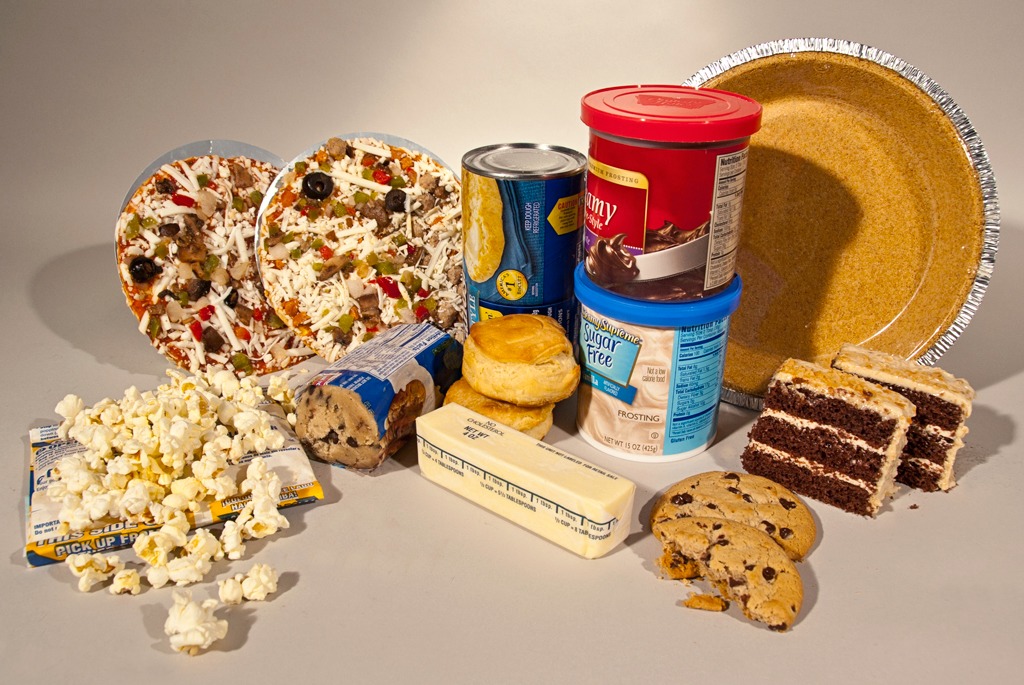
Many processed foods contain artificial trans fats, which are created during hydrogenation processes used to solidify liquid oils. Trans fats raise LDL (bad) cholesterol levels and increase the risk of heart disease, stroke, and inflammation, and their consumption should be minimized or avoided altogether. Trans fats and saturated fats, often found in processed foods, can raise bad cholesterol levels and increase the risk of heart disease.
Many processed foods are high in unhealthy fats, such as saturated fats and omega-6 fatty acids from refined vegetable oils, which can contribute to inflammation, insulin resistance, and an increased risk of chronic diseases like heart disease, diabetes, and cancer. Even products that claim to be “healthy” or “natural” may contain these problematic fat combinations.
The concern extends beyond just trans fats to include the overall quality and balance of fats used in processing. Many manufacturers use cheap, highly processed vegetable oils that can promote inflammation throughout the body when consumed regularly. This creates a cascade of health problems that consumers don’t associate with their food choices.
Chemical Additives and Preservatives

Processed foods may contain a variety of chemical additives such as preservatives, artificial colors, flavors, and sweeteners, which can have adverse effects on health, including allergic reactions, digestive issues, hyperactivity in children, and long-term health risks. Many processed foods contain artificial additives, colors, and preservatives, some of which may have adverse health effects.
Most food manufacturers prepare foods for packaging through a different type of processing that involves adding preservatives, or additives, with these often-artificial ingredients enhancing flavor, texture or shelf life. Exposure to these additives has been shown to impact the gastrointestinal tract by altering the gut microbiome, reducing the intestinal mucus layer, impairing barrier function, and triggering abnormal immune responses.
The sheer number and complexity of these chemical compounds creates a concerning situation. The ingredients list on the back of processed food packaging is often full of unrecognizable substances. These additives work together in ways that haven’t been fully studied, potentially creating unexpected interactions within your body.
Nutrient Depletion and Empty Calories

Ultra-processed foods are very low in essential nutrients, compared with whole or minimally processed foods, while whole foods provide additional healthful compounds that ultra-processed foods do not. Processed foods are often low in essential nutrients like vitamins, minerals, fiber, and antioxidants, providing empty calories devoid of nutritional value, leading to nutrient deficiencies, poor immune function, and increased susceptibility to illnesses.
Ultra-processed foods undergo heavy changes and can contain artificial colors and flavors and high levels of added sugar, high-fructose corn syrup, salt and unhealthy fats, while ultra processing also removes essential nutrients like fiber, vitamins and minerals. Processing often strips away essential nutrients, leaving processed foods lacking in vitamins, minerals, and fiber.
This nutritional depletion creates a vicious cycle. People consuming large amounts of processed foods may feel hungry more often because their bodies aren’t receiving the nutrients they need. In some cases, manufacturers add synthetic vitamins and minerals to replace nutrients lost during processing, but these synthetic alternatives don’t provide the same benefits as nutrients found naturally in whole foods.
Addictive Properties and Cravings

Processed foods are engineered to be highly palatable and addictive, leading to cravings, overeating, and poor food choices, with the addictive nature of processed foods contributing to weight gain, obesity, and difficulties in maintaining a healthy diet. Scientists working on formulations for highly processed foods are really good at their jobs, creating products specifically designed to trigger overconsumption.
Ultra-processed foods have “industrial formulations, chemicals, refined oils, fats, starches, and proteins,” which make them last longer and are highly palatable, making people eat more of them as they are more calorie-dense, meaning people are consuming more calories even when they are eating smaller amounts of food. Some processed foods, particularly those with high sugar and fat content, can be very tasty, leading to overconsumption and cravings.
This engineered palatability creates a psychological and physiological dependency that’s difficult to break. The combination of sugar, salt, fat, and specific textures triggers reward pathways in the brain similar to addictive substances. Once established, these cravings can override natural hunger and satiety signals, leading to chronic overconsumption even when people are trying to eat healthily.
The hidden dangers in processed foods reveal a troubling reality about our modern food system. Even products marketed as healthy choices can undermine your wellbeing through industrial additives, nutrient depletion, and engineered palatability. Such food now accounts for a majority of U.S. adults’ calorie consumption, with an even higher portion among American children. The path forward requires reading labels carefully, choosing whole foods whenever possible, and understanding that convenience often comes at a significant cost to your health. What surprised you most about these hidden dangers?
Tell us in the comments.