10 1950s Food Innovations That Changed America Forever
The 1950s transformed American kitchens in ways that still shape how we eat today. This decade witnessed a remarkable revolution in food technology, convenience products, and eating habits that fundamentally altered the nation’s relationship with cooking and dining. From frozen dinners that liberated busy families to powdered drinks that journeyed to space, these innovations weren’t just culinary curiosities – they became cornerstones of modern American food culture.
TV Dinners: The Ultimate Convenience Revolution
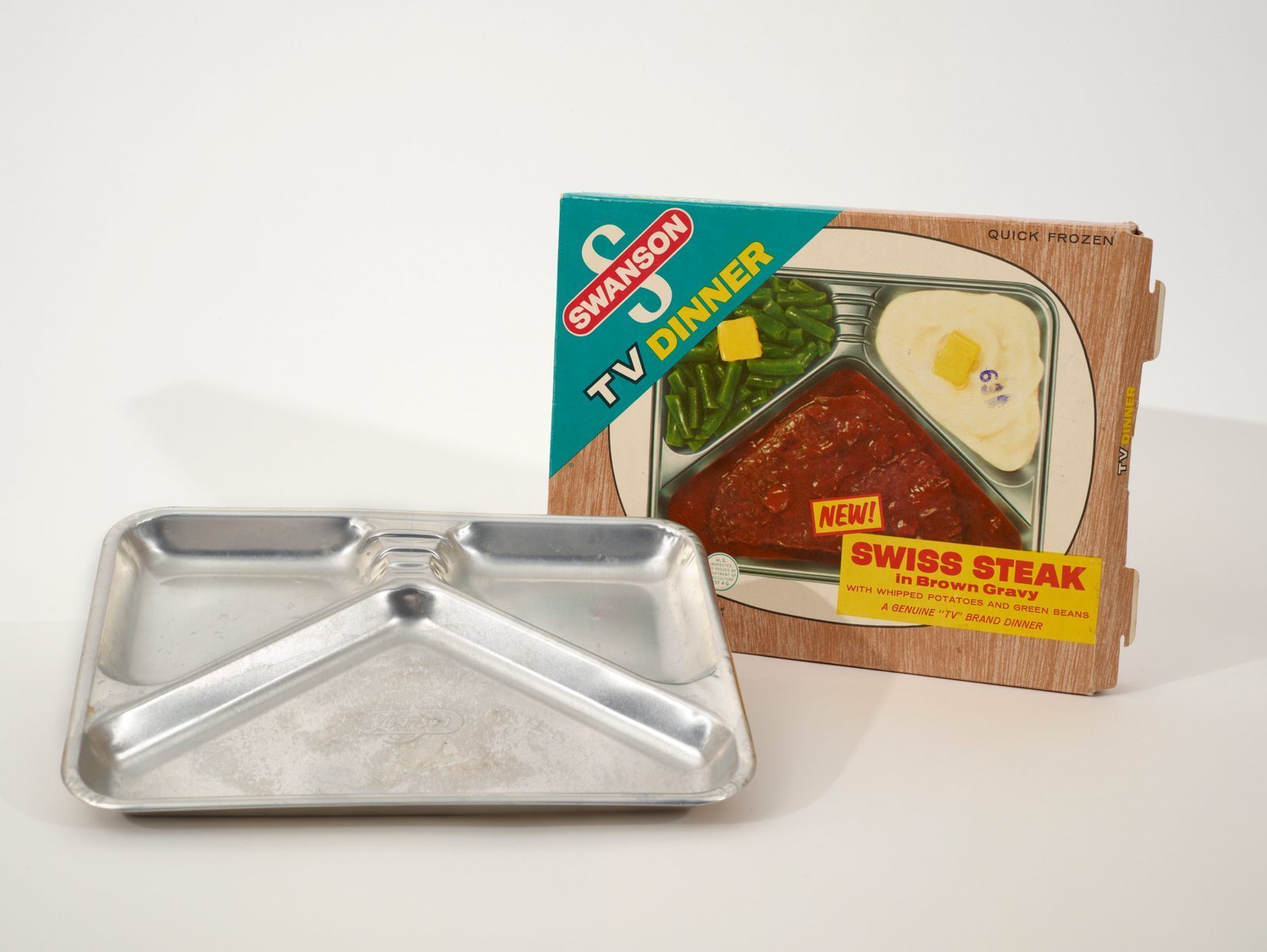
In 1953, when the first TV dinner was produced, Swanson went on to sell ten million trays in the first full year of production. The TV dinner represented more than just convenience – it symbolized a complete shift in American family life. As millions of white women entered the workforce in the early 1950s, Mom was no longer always at home to cook elaborate meals – but now the question of what to eat for dinner had a prepared answer.
The first Swanson-brand TV Dinner was produced in the United States and consisted of a Thanksgiving meal of turkey, cornbread stuffing, frozen peas and sweet potatoes packaged in a tray like those used at the time for airline food service. By 1959, Americans were spending $2.7 billion annually on frozen foods. Half-a-billion of that was spent on ready-prepared meals like the TV Dinner.
Fish Sticks: Making Seafood Kid-Friendly
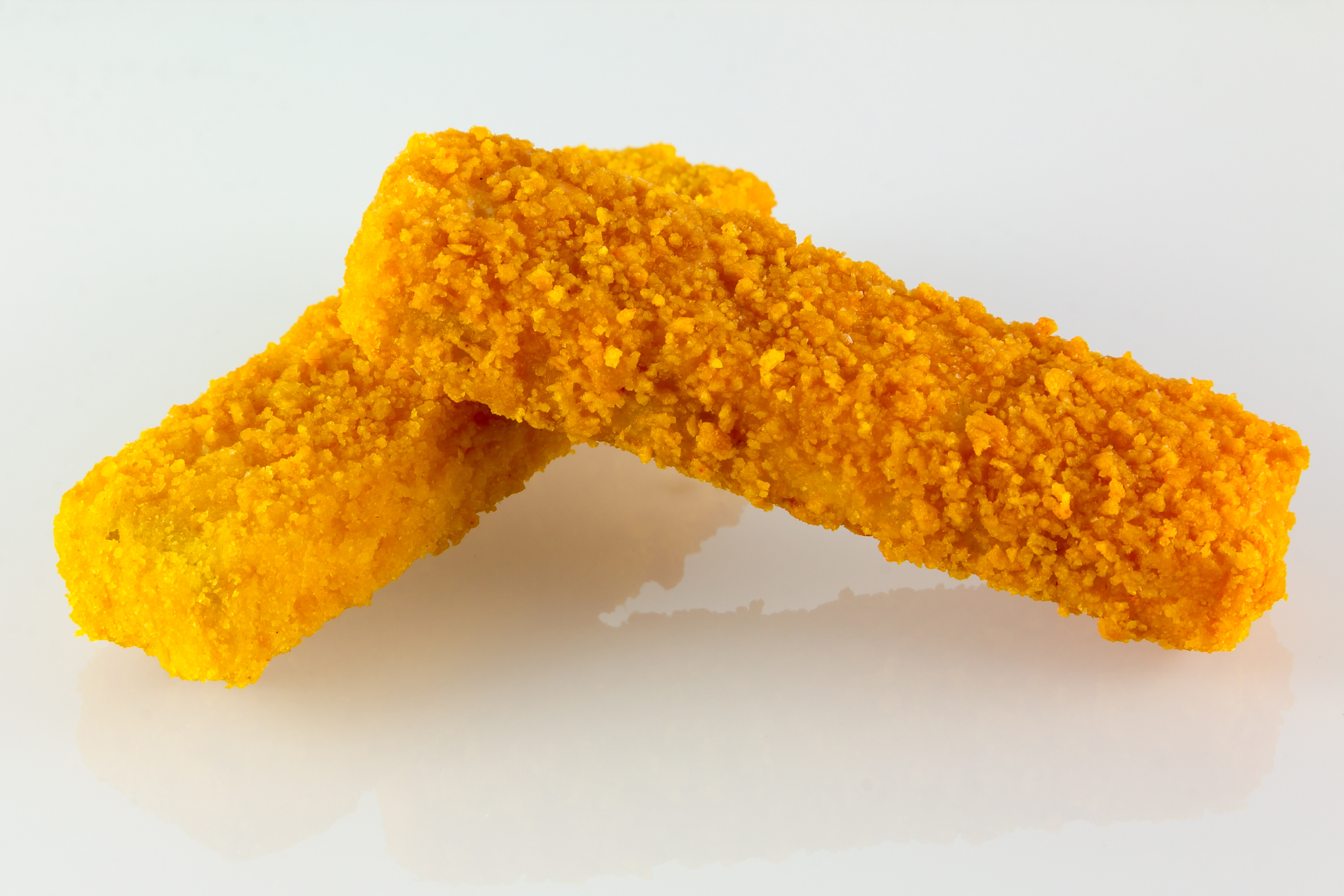
The first frozen fish sticks are test-marketed in 1952 and produced nationally by General Foods under the Birds Eye label in 1953, fundamentally changing how Americans approached seafood. Birds Eye introduced fish sticks to national fanfare on 2 October 1953. A newspaper article even claimed that that this was “the most outstanding event” in seafood since the early 1930s.
Those crusty breaded oblongs filled with nondescript white fish have an unlikely origin story that begins with a glut of seafood and some 1950s “future of food” ingenuity. After World War II, the US fishing industry expanded at a rapid clip. Larger boats with onboard refrigeration and processing allowed fleets to catch a lot more fish. However, consumers weren’t initially interested, as fish had a reputation for being difficult to prepare and smelly.
Tang: The Space Age Drink Mix

Tang is an American drink mix brand that was formulated by General Foods Corporation food scientist William A. Mitchell and chemist William Bruce James in 1957, and first marketed in powdered form in 1959. In 1957, Mitchell came out with a powdered fruit-flavored vitamin-enhanced drink mix. The glowing orange concoction was called Tang Flavor Crystals.
In 1962, NASA began sending Tang into space to disguise the metallic taste of the water onboard the spaceship (dehydrated orange juice was too grainy), giving the powder an indestructible aura of Space Age chic, though astronauts like John Glenn reportedly disliked it. The space association turned Tang into a cultural phenomenon that parents embraced as a healthy, vitamin-packed alternative to traditional breakfast drinks.
Instant Mashed Potatoes: Convenience in a Box
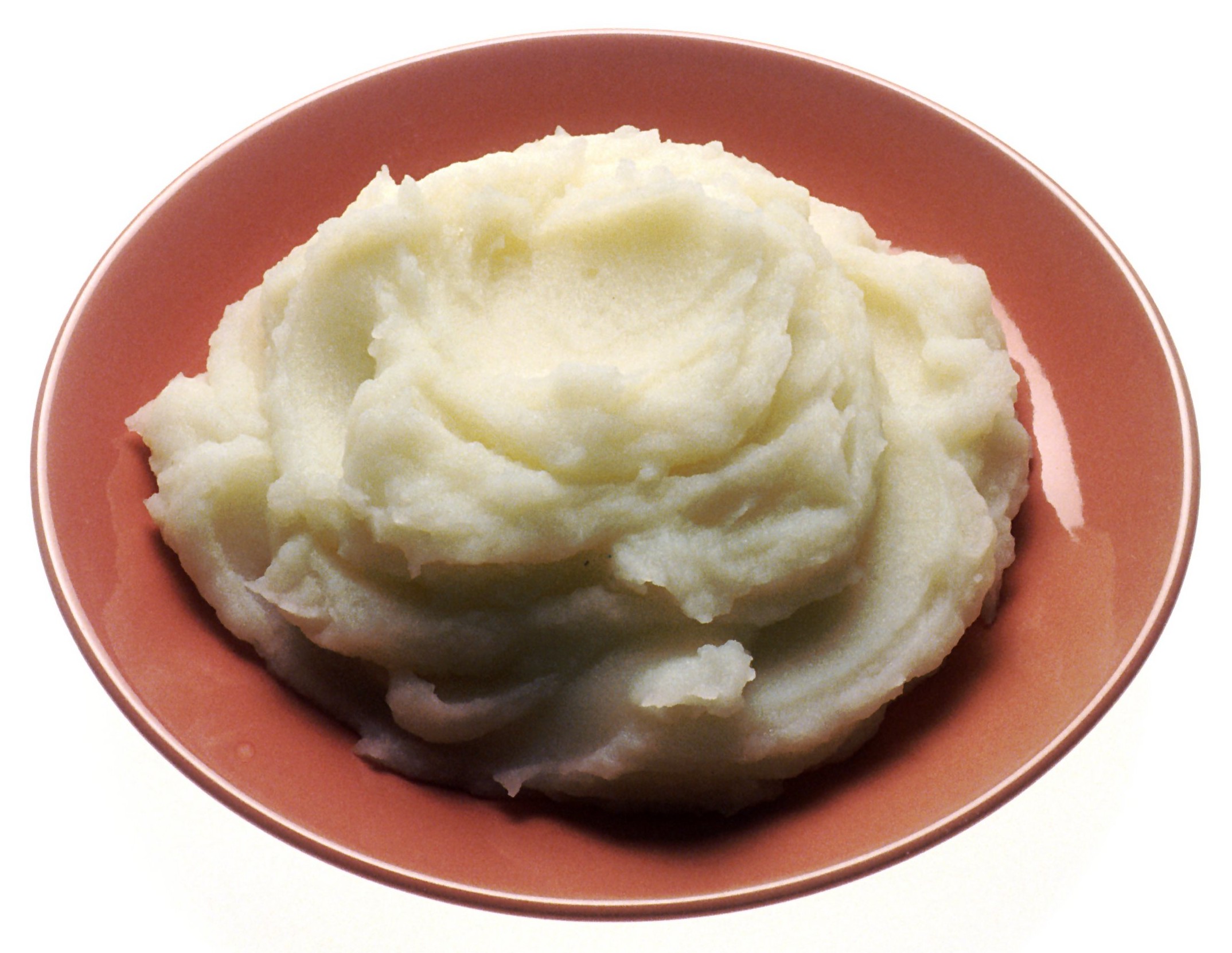
It wasn’t until the mid-1950s that RT French Company, then a subsidiary of the British firm Reckitt & Colman, successfully launched instant mashed potatoes onto the retail market. This innovation built upon earlier attempts dating back to 1905, but the 1950s version finally achieved mass market success.
Its process for making the instant spuds was based on a British patent for the product developed during the war by Theodore Rendle. The patent was for “improvements in and relating to the preparation of cooked starchy vegetables in powdered form,” such as mashed potatoes. This product was available on Ottawa’s supermarket shelves by the late 1950s.
Cake Mixes: Democratizing Dessert Making
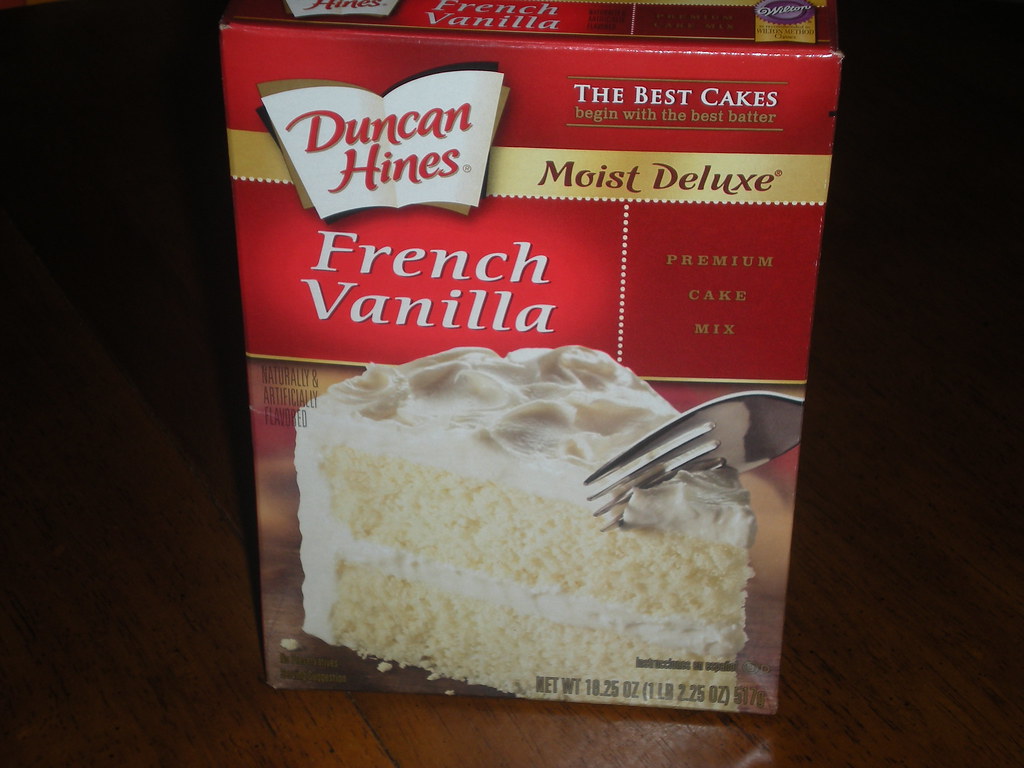
While some of these mixes had been around before, it was the now found prevalence of cake mixes that normalized using instant products to make dessert in the 1950s. While many women prided themselves on making everything from scratch, the labor that these mixes saved enticed many women to turn to convenience foods.
Many of these recipes evolved from the appeal of new “convenience” foods ranging from canned soups to boxed cake mixes. By the 1950s and 1960s, the cake was at the peak of its popularity perhaps because of the ease of using boxed cake mixes, which were increasingly available in the post WWII years, particularly for popular desserts like pineapple upside-down cake.
Frozen Waffles: Breakfast Gets Instant

If the home cook in question really wanted to up the convenience factor, she used frozen waffles, which came out in 1953 and were affectionately known as “froffles.” These breakfast innovations represented a fundamental shift in morning routines, allowing families to enjoy what appeared to be homemade waffles with minimal effort.
The introduction of frozen waffles coincided perfectly with the rise of convenience culture in 1950s America. Families could now have restaurant-quality breakfast items at home without the time-consuming process of mixing batter and cooking from scratch, fitting perfectly into the decade’s emphasis on efficiency and modern living.
Jell-O Salads: The Molded Marvel
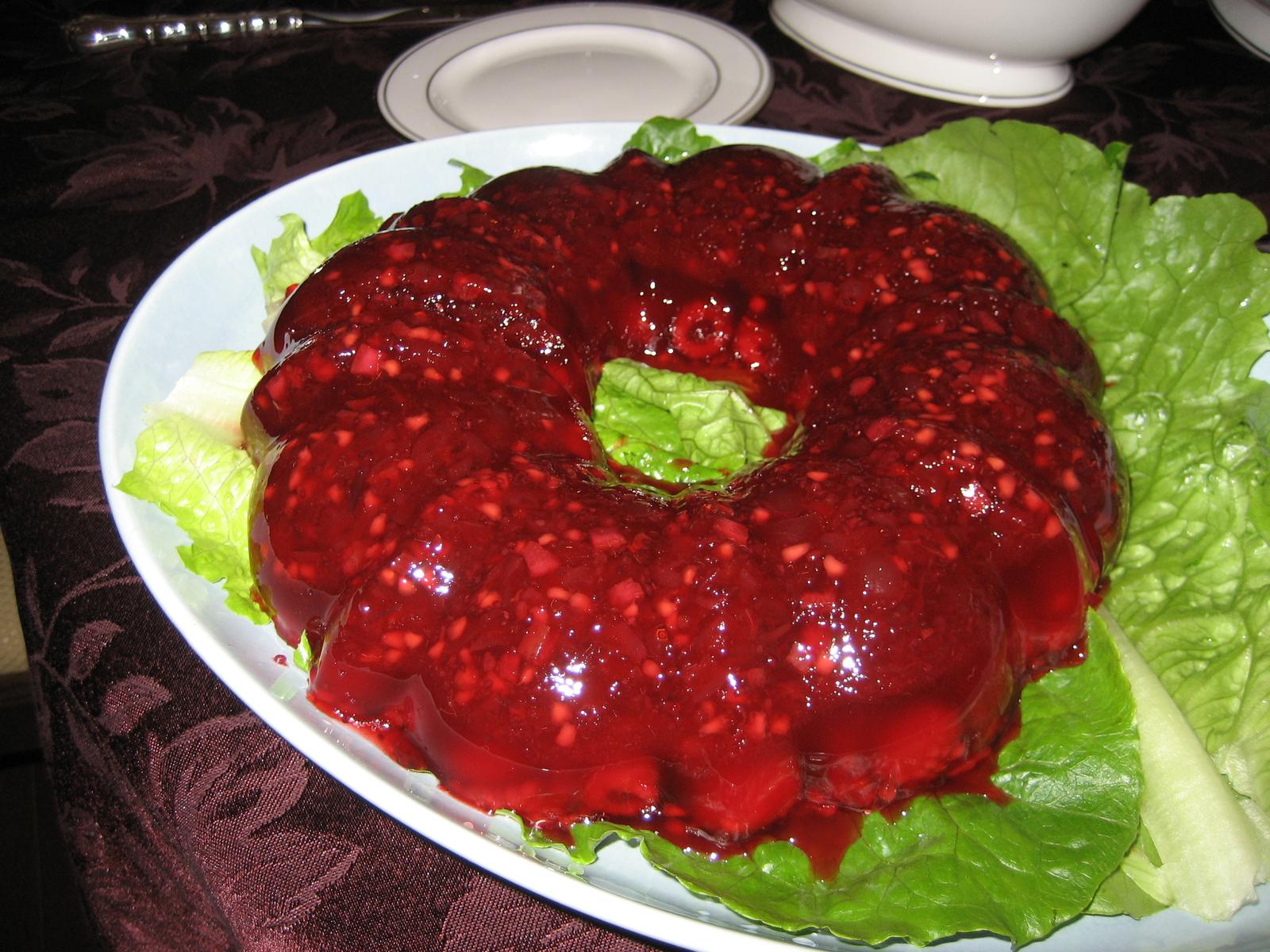
No special occasion was complete without something served in a gelatin mold. According to the Jell-O Gallery, the lime flavor was introduced in 1930. It became the basis for many molds in the ’50s and ’60s, showcasing a cook’s creativity.
Jell-O salads first found their place on American tables with the advent of instant gelatin back at the beginning of the 20th century, though it wasn’t until the post-War rise in popularity of convenience foods that Jell-O molds and Jell-O salads truly got their time to shine. In the ’50s, decorative dishes blending sweet marshmallows and fruit with savory vegetable garnishes, cheese, mayonnaise, and olives were featured on many a dinner table.
Casserole Culture: One-Dish Wonder
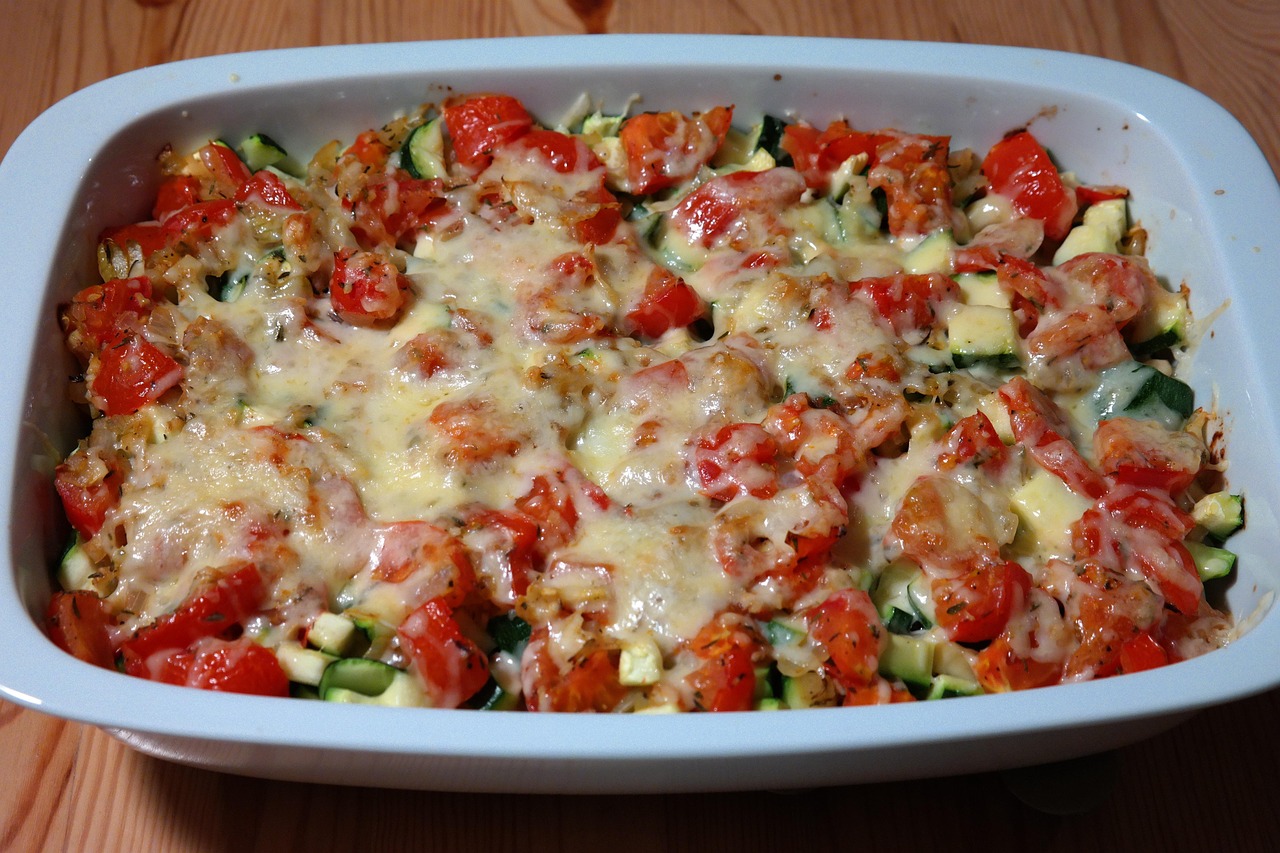
Casseroles first rose to popularity in the ’50s, thanks in large part to recipes printed right on the backs of cans and bags of then-novel convenience foods. Potato chip tuna noodle casserole, for example, first appeared on cans of Jay’s potato chips. Green bean casserole, meanwhile, was developed in 1955 for Campbell’s Soup.
Much-maligned because it doesn’t take much skill (other than using a can opener), this dish was a staple of the 1950s and 1960s dinner table. It contains canned tuna, canned mushroom soup, and various seasonings that ranged from curry powder to grated American cheese. The 1962 standard Favorite Recipes of American Home Economics Teachers: Meats lists page after page of this casserole including versions with potato chips, whole slices of stale bread, or cashews.
Canned Soup Innovation: Beyond the Bowl
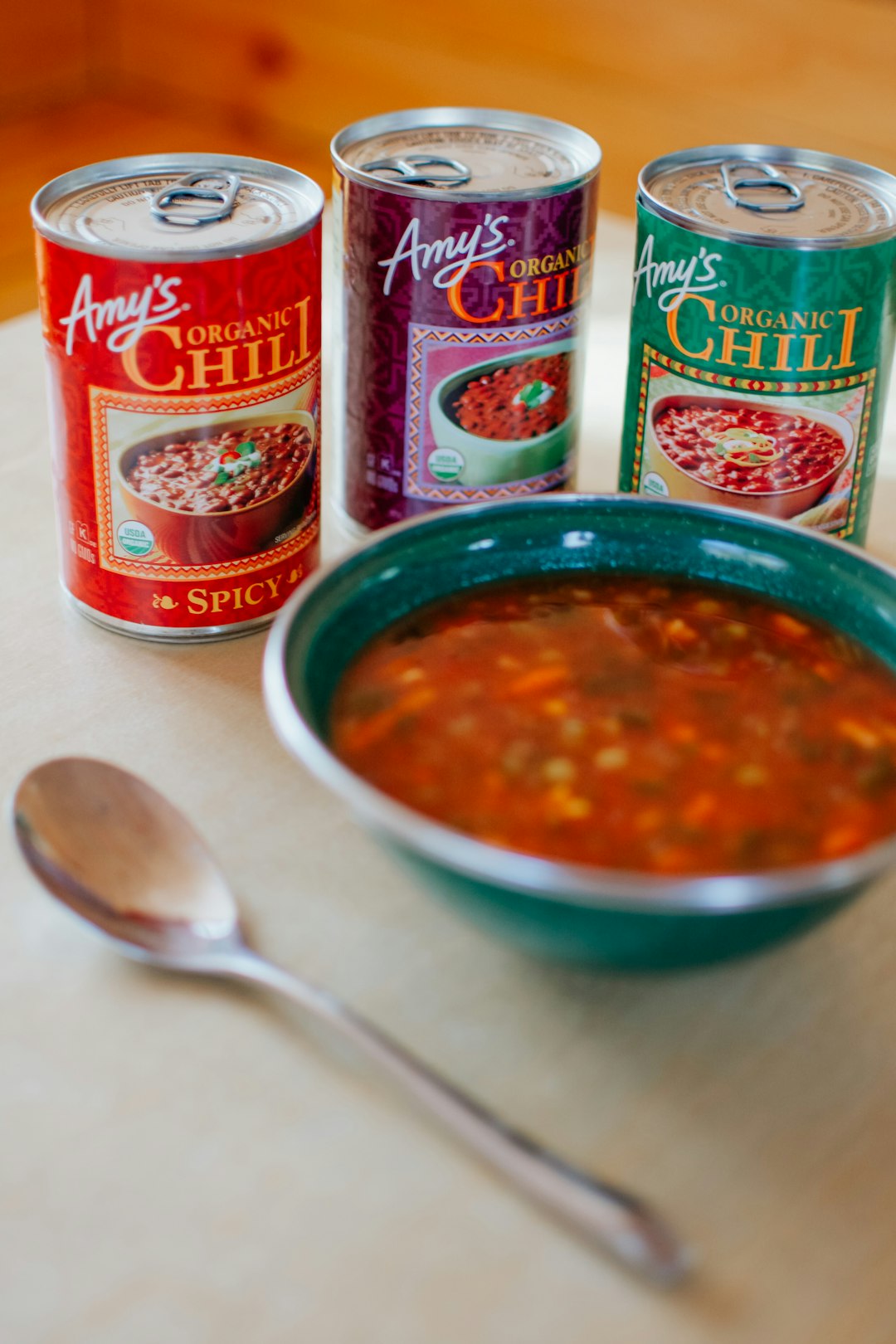
In recipes designed as much to sell canned soup as to result in tasty meals, canned tomato soup found its way into a cake, and condensed milk was used in a smoothie-like beverage called Carnation Fruit Flip. The Steak Stroganoff wouldn’t have been complete without a can of condensed mushroom soup, and the base of a mock Hollandaise sauce was condensed cream of chicken soup.
The 1950s saw canned soups transcend their traditional role, becoming essential ingredients in countless recipes. This innovation transformed these products from simple meals into versatile cooking components that enabled busy homemakers to create elaborate dishes with minimal preparation time.
Fruit Cocktail: Canned Convenience Dessert
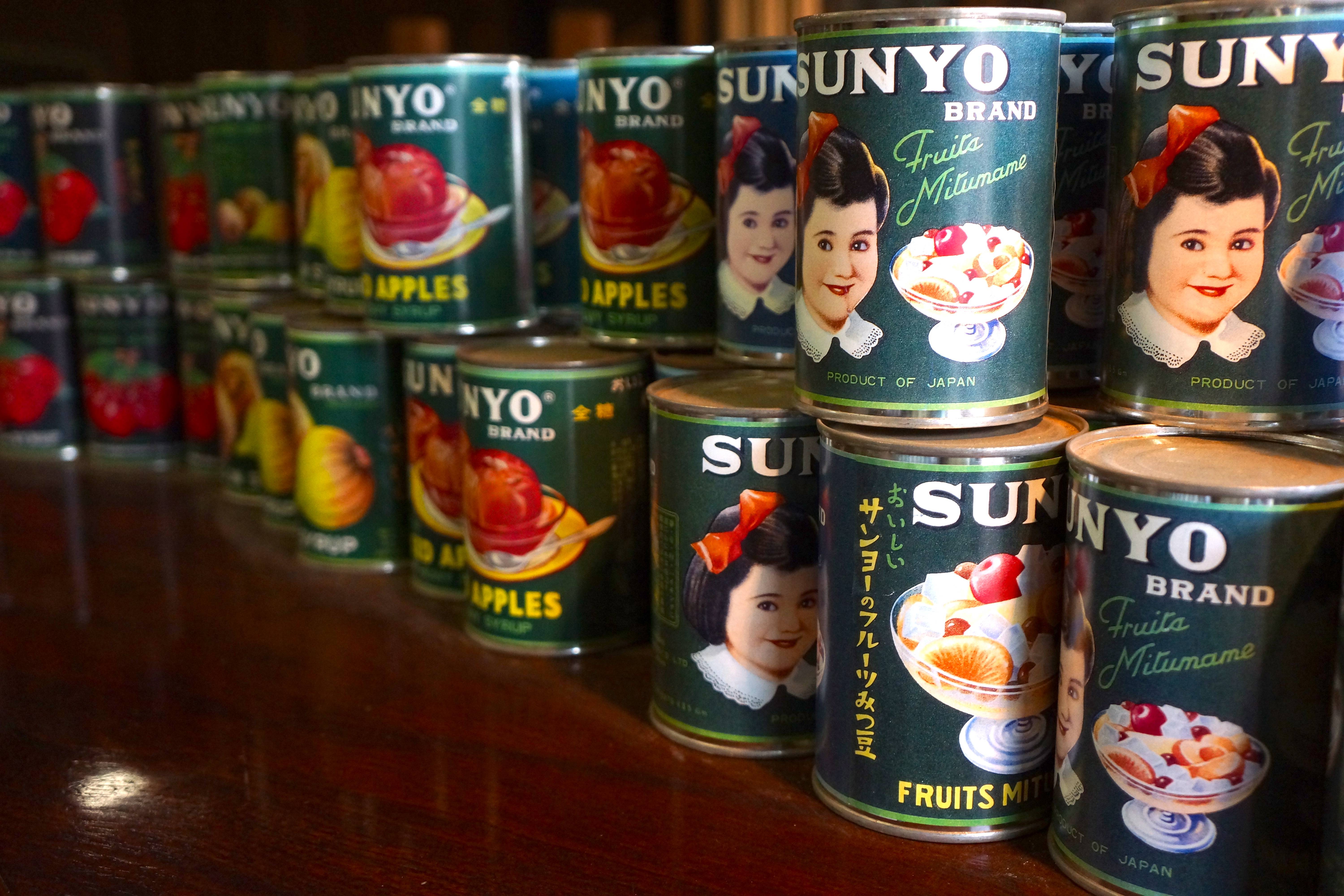
Fruit cocktail was created to use up tiny pieces of fruit chunks left over from processing, but it quickly became a mealtime convenience and staple for families. This canned delicacy became a household mainstay for busy families and made recipes like fruit cocktail cake and frozen fruit salad into common desserts. But, it also was served on its own or with ice cream as the signature dessert of the era – one which required zero cooking at all.
The popularity of fruit cocktail represented the decade’s embrace of processed convenience foods that promised consistent quality and year-round availability, regardless of seasonal fruit limitations.
The 1950s food revolution wasn’t just about convenience – it represented a fundamental transformation in American lifestyle, work patterns, and family dynamics. These innovations freed up time for working mothers, simplified entertaining, and introduced a generation to flavors and textures that would define comfort food for decades to come. While some of these products faced criticism for their processed nature, their lasting impact on American food culture remains undeniable. Today’s meal delivery services, frozen food aisles, and instant everything can trace their roots directly back to these pioneering 1950s innovations.