8 Forgotten Vegetables That Beat Whole Foods’ Best
The grocery store aisles flood us with perfect, uniform produce that looks the same week after week. Yet tucked away in seed catalogs and farmers’ markets, a different story unfolds. We’ve lost approximately 75% of our vegetable seed diversity in the past century, but the remaining forgotten heirloom varieties pack nutritional punches that make modern hybrids look pale in comparison.
Studies have shown that it takes twice the amount of hybrid produce to equal one serving of heirloom produce, revealing just how diluted our current food supply has become. These heritage vegetables didn’t survive centuries of cultivation by accident. They thrived because they delivered exceptional nutrition, flavor, and resilience that put today’s supermarket staples to shame.
Purple Dragon Carrots: The Antioxidant Powerhouse
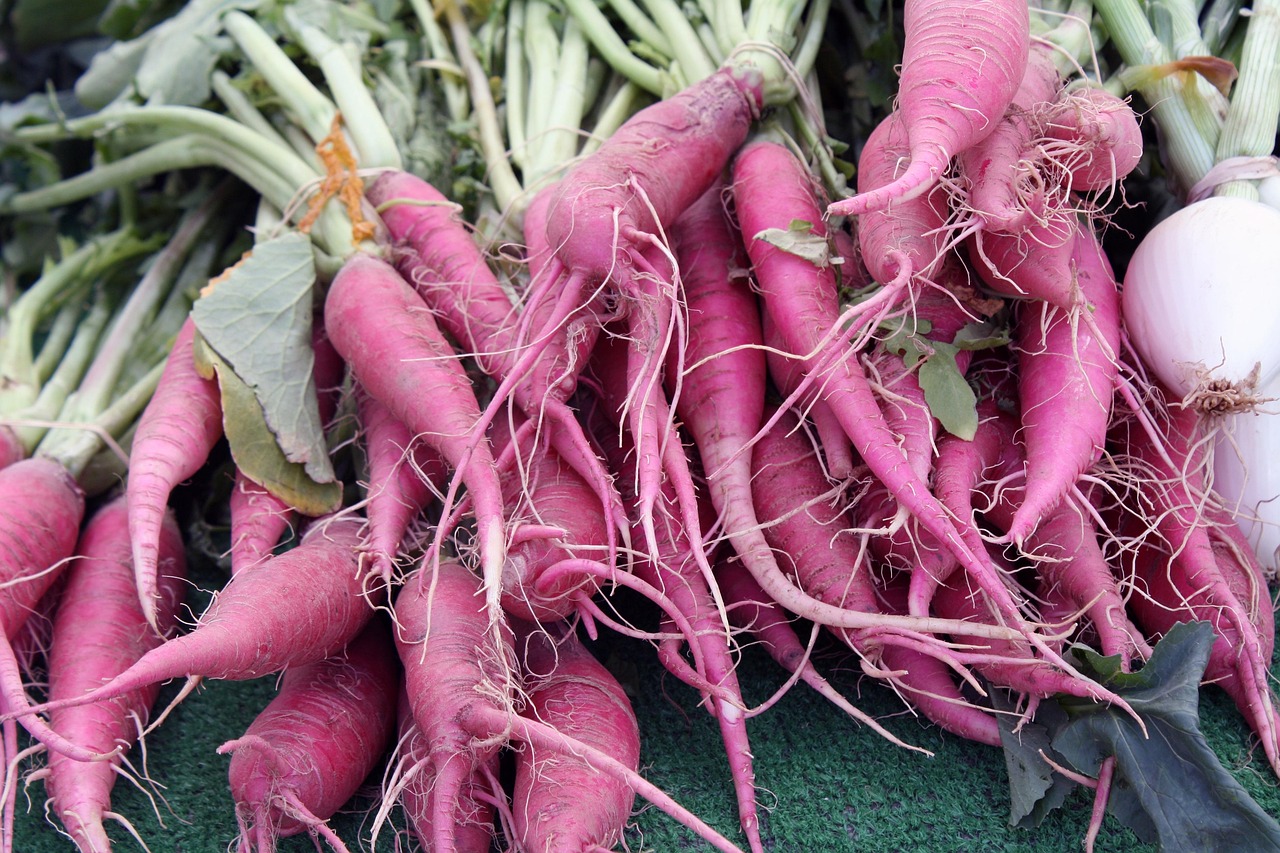
The Dragon Carrot stands out with its vibrant purple skin and orange interior, known for its sweet, spicy taste, transforming the humble carrot into something extraordinary. Heirloom carrots can have up to six times the antioxidant levels of standard orange carrots, making these purple beauties nutritional champions. The oldest records of carrots (pre 900AD) is from Afghanistan and was anything but orange, as orange carrots were developed by Dutch growers in the 1600s-1700s through selective breeding, though the connection to honoring the royal House of Orange is likely mythical.
These ancient varieties contain anthocyanins, the same powerful antioxidants found in blueberries and red wine. The deeper the purple color, the more concentrated these compounds become, offering protection against inflammation and cellular damage that standard orange carrots simply cannot match.
Glass Gem Corn: Nature’s Jeweled Superfood
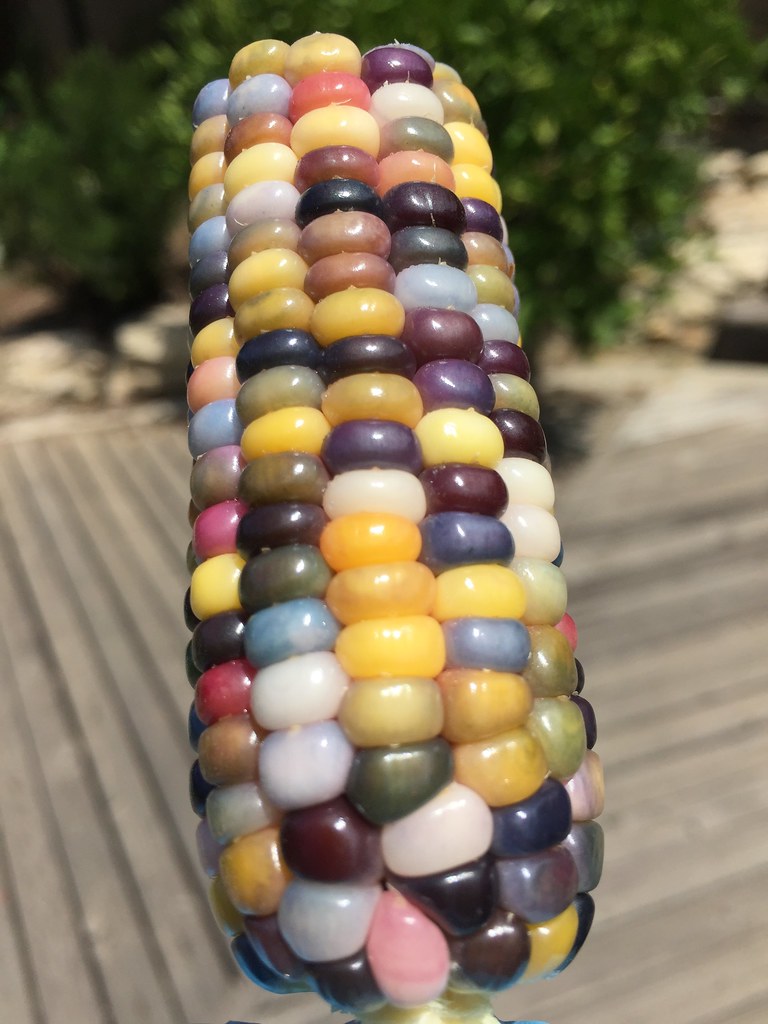
Glass Gem Corn is a strikingly beautiful addition with Cherokee roots and its glass-bead-looking rainbow colors that seems almost too gorgeous to be real. This stunning multicolored corn looks like strings of jewels when dried and makes exceptional cornmeal with a nutty flavor. Blue heirloom corn contains anthocyanins, a type of antioxidant that gives the corn its distinctive color and has anti-inflammatory properties.
Each kernel tells a nutritional story through its color. The blues and purples signal anthocyanins, the reds indicate carotenoids, and the yellows reveal lutein and zeaxanthin. It also makes delicious popcorn, offering a rainbow of nutrients that modern yellow corn varieties can’t touch.
Black Spanish Radishes: Winter’s Hidden Vitamin Vault
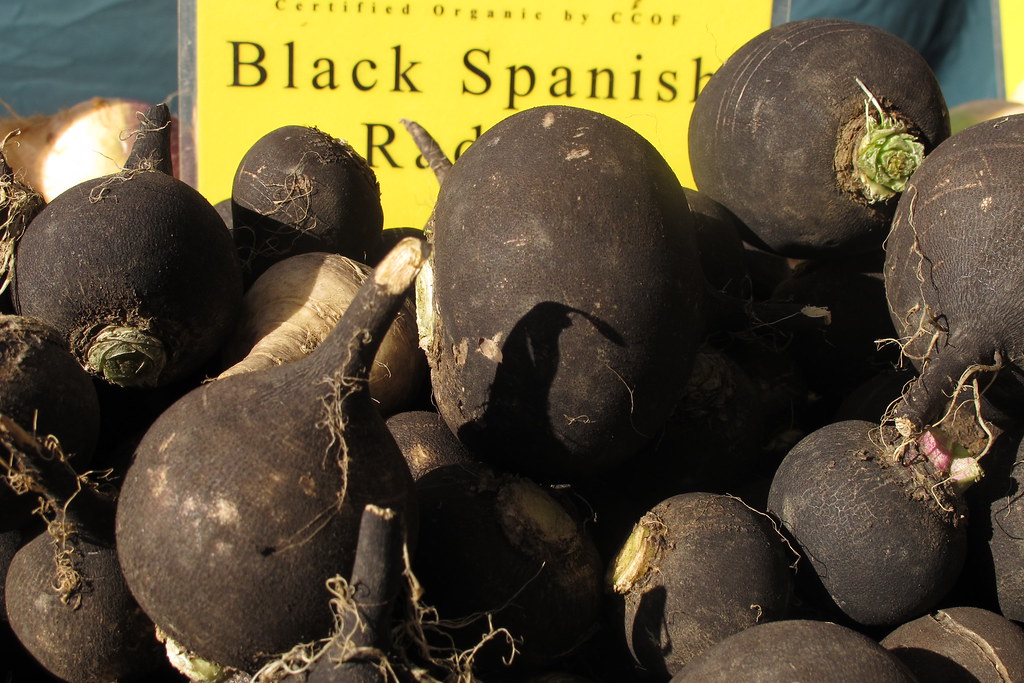
Dating back to 16th century Europe, these coal-black radishes fell from favor due to their strong flavor and rough appearance, with crisp white interior providing stark contrast to the charcoal exterior. These storage radishes pack a nutritional wallop that puts their mild spring cousins to shame. Forgotten vegetables cultivated and eaten in rural Africa are shown to be rich in iron, zinc, and β-carotene, following the same pattern of enhanced mineral content found in heritage varieties worldwide.
During winter months when fresh greens are scarce, these storage radishes have become a go-to for adding zip to salads and are surprisingly versatile – grated into slaws or roasted until sweet. Their intense flavor signals a concentration of sulfur compounds and vitamin C that makes grocery store radishes seem nutritionally vacant.
Paris Market Carrots: Petite Nutrient Bombs
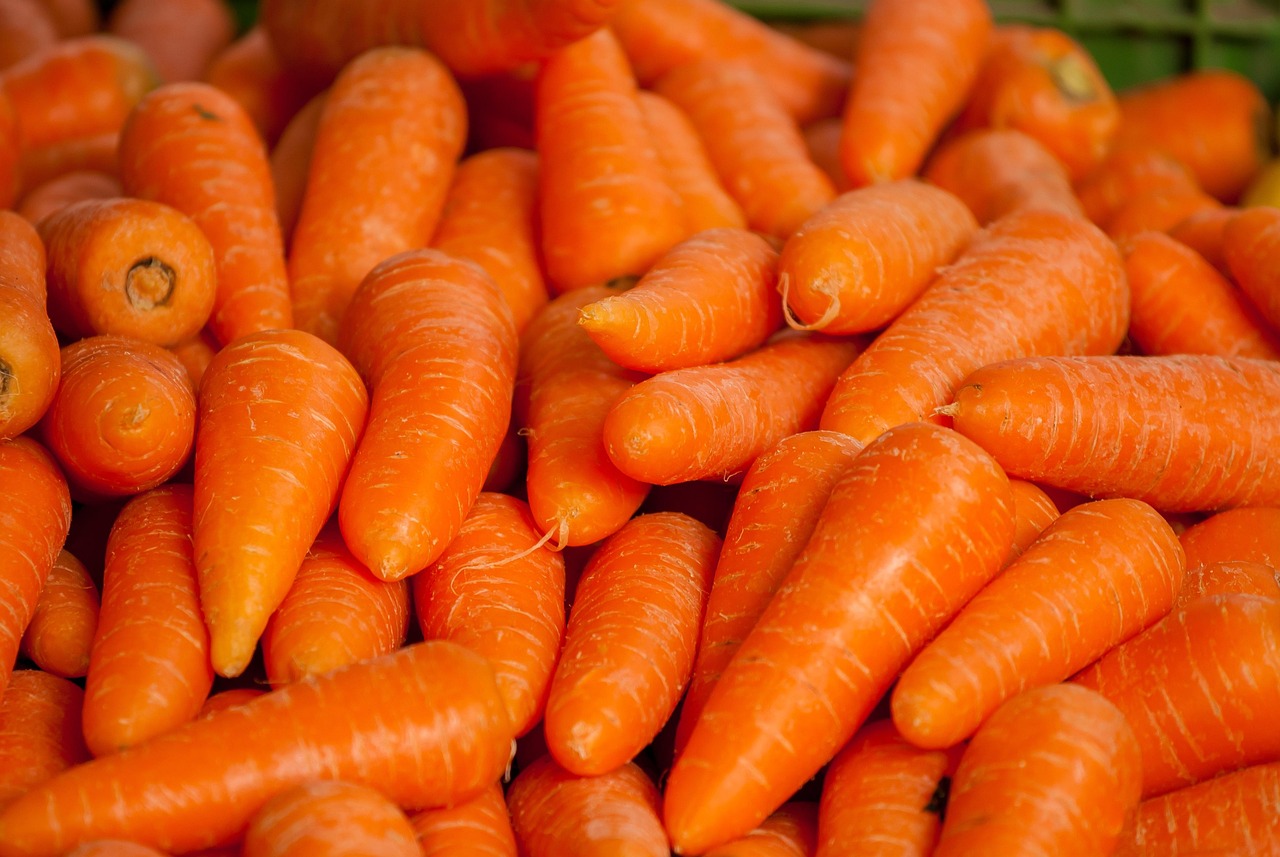
The Paris Market Carrot, also known as Tonda di Parigi, is a small, round heirloom carrot from France with a sweet, crisp flavor perfect for snacking, salads, and roasting. Don’t let their golf ball size fool you. Paris Market carrots are small, round and sweet, but their concentrated growing pattern produces remarkably dense nutrition.
This variety is particularly well-suited for shallow soils and container gardening, making them accessible to urban gardeners who want maximum nutrition in minimal space. Gourmet chefs use this French heirloom, adding its old-world charm to the menu.
Brandywine Tomatoes: The Flavor and Nutrition Legend
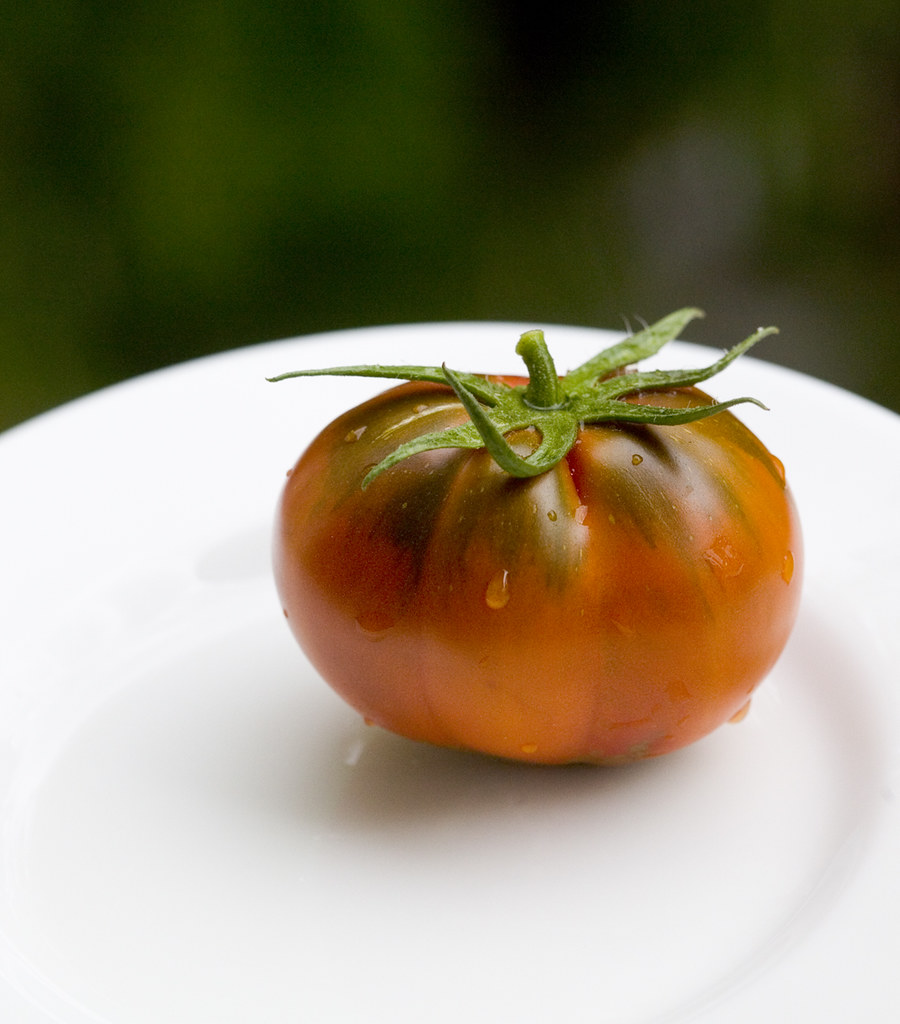
Renowned for its exceptional flavor, the Brandywine Tomato is a favorite among gardeners, producing large, beefsteak tomatoes with a perfect balance of sweetness and acidity. During the Great Depression, a radiator repairman bred these massive tomatoes and sold the plants for $1 each – eventually making enough to pay off his mortgage, with pink-red fruits weighing up to two pounds each.
After years of growing perfectly round hybrid tomatoes, the irregular shapes might not win beauty contests, but the rich, sweet-tart flavor made growers question why they’d ever grown anything else. These tomatoes can fetch up to $4 per pound at farmers’ markets, reflecting their superior taste and nutritional density compared to supermarket varieties.
Mortgage Lifter Tomatoes: Depression-Era Nutritional Powerhouse
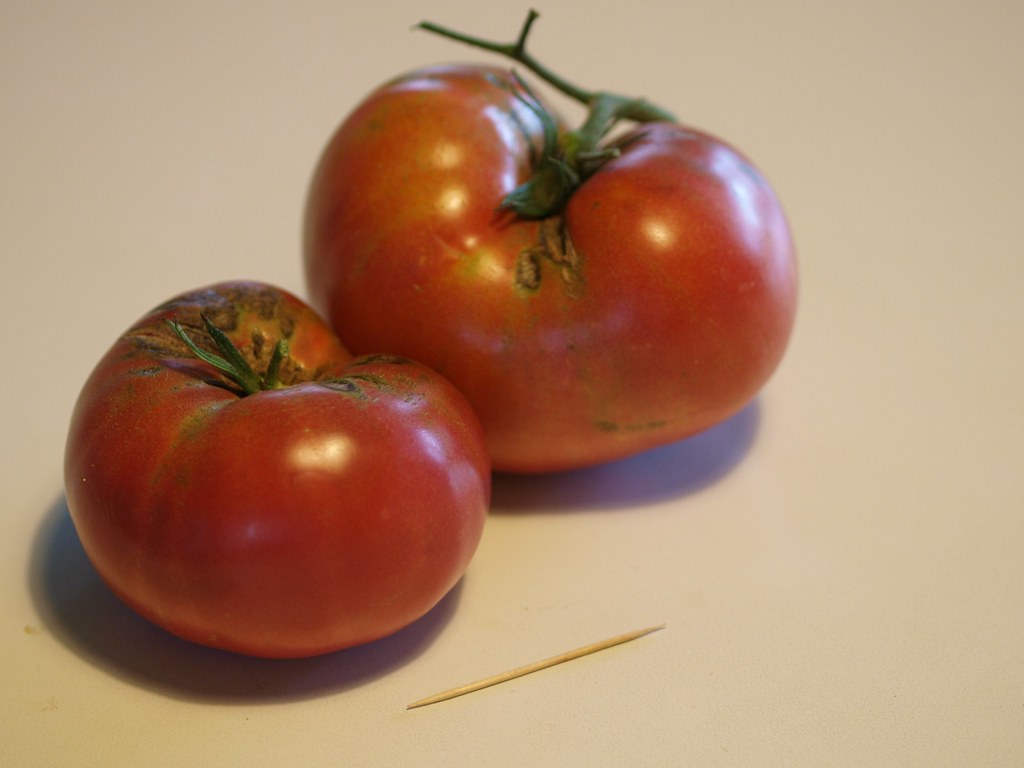
The Mortgage Lifter was developed during the Great Depression by a guy named “Radiator Charlie,” who through careful cross-pollination, had developed a huge, meaty tomato that bred true. He sold starts of these tomatoes for $1.00 and in a few years, sold enough tomato plants to pay off his largest debt: a $6,000 mortgage.
These massive tomatoes represent the pinnacle of what selective breeding for nutrition and flavor can achieve. While modern hybrids focus on shipping ability and shelf life, Mortgage Lifters were bred purely for superior taste and substance. Their success story proves that when nutrition and flavor take priority over commercial considerations, vegetables can become legendary.
Armenian Cucumber: The Forgotten Summer Refresher
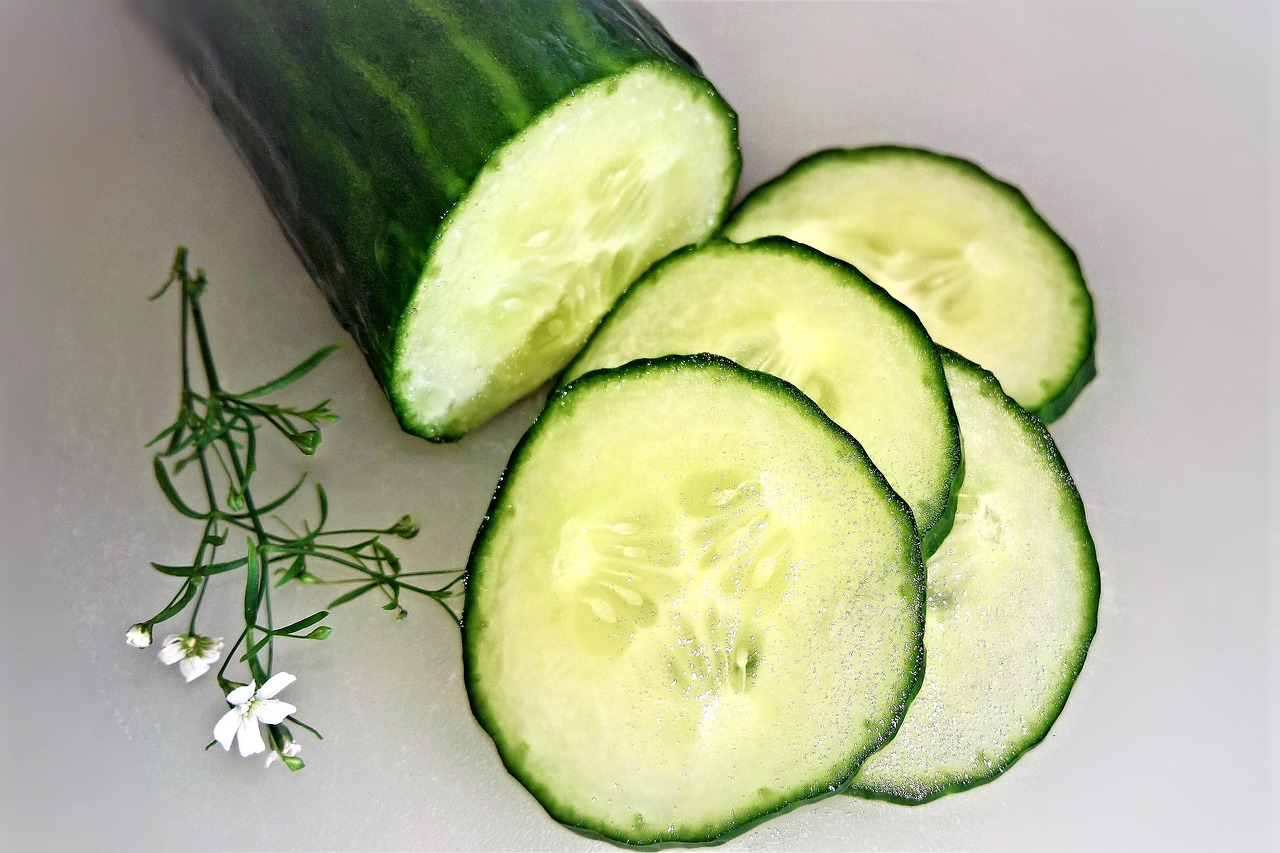
Buckwheat, sowthistle, Armenian cucumber, and some neglected but more nutritionally valuable varieties of certain species such as tomato, grass pea, eggplant, and lentils are used as examples to demonstrate the health-promoting properties of various forgotten plants. These plants were chosen to represent underutilized species because they meet criteria including water-energy efficiency, high nutritional value, antioxidant richness, and protein richness.
Armenian cucumbers aren’t actually cucumbers at all, but rather a melon variety that tastes remarkably similar to cucumbers while offering superior nutrition. Their twisted, ribbed appearance might look unusual compared to grocery store cucumbers, but their mineral content and digestibility far exceed conventional varieties. These heat-tolerant plants thrive in conditions where regular cucumbers fail, producing continuously throughout the hottest months.
Blue Kuri Squash: The Mineral-Rich Winter Keeper
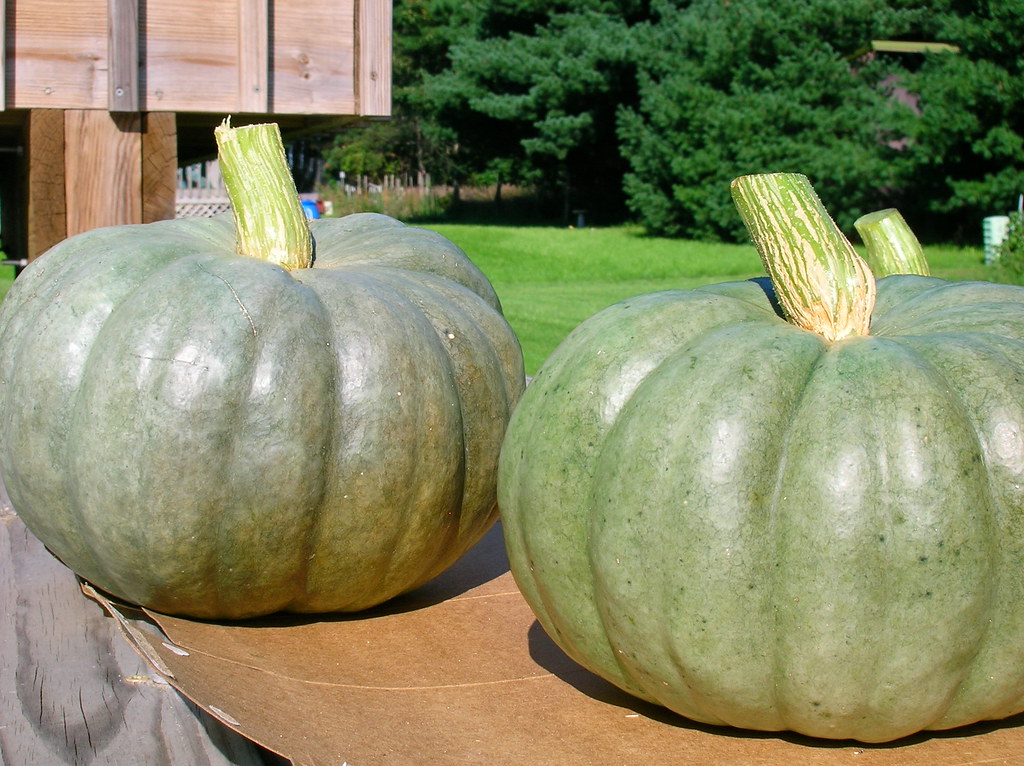
Blue pumpkins have been around for a long time, with Jarrahdale pumpkins offering a delicious treat and ornamental value, featuring heirloom blue pumpkins with sweet orange flesh that can be used in favorite recipes. Heirloom pumpkins with warts-aka sugar clusters are sweeter with better texture for pies, indicating that unusual appearances often signal superior nutrition.
Blue Kuri squash represents the pinnacle of winter nutrition storage. Their blue-gray skin protects flesh packed with beta-carotene, potassium, and complex carbohydrates that sustained families through harsh winters. Many heirloom vegetables, such as beans and root vegetables, are excellent sources of soluble and insoluble fiber, and these winter squashes exemplify this trait while offering mineral profiles that modern butternut squash varieties simply cannot match.
These forgotten vegetables remind us that nutrition wasn’t always an afterthought in food production. Recent research has revealed that in many cases, newer vegetables and grains are significantly less nutritious than heirlooms, showing us exactly what we’ve lost in our pursuit of uniformity and shelf life. What do you think about rediscovering these nutritional powerhouses? Tell us in the comments.