9 Grocery Items So Overpriced You Should Stop Buying Them
Those grocery bills seem to hit differently these days, and it’s not your imagination. Grocery prices have climbed 23.6% since 2020, and a typical cart that cost $100 in 2019 would run about $123.40 today. While inflation plays its part, some items carry markups so outrageous they’d make a highway robber blush.
The truth is, certain products on your shopping list are padding store profits far more than others. Smart shoppers are learning to spot these overpriced culprits and finding better alternatives. Let’s dive into the ten grocery items that deserve a permanent spot on your “avoid” list.
Bottled Water: The Ultimate Markup Scam

Bottled water takes the crown as the most overpriced grocery item, costing roughly 3,000% more per gallon than tap water. This staggering markup means you’re essentially paying premium prices for something that flows freely from your kitchen faucet.
Harvard research debunks the safety myth too: “Bottled water generally is no cleaner, or safer, or healthier than tap water,” with municipal water actually requiring more rigorous safety testing. Americans purchase about 50 billion water bottles annually, which adds up to serious money for basically no benefit.
That case of bottled water can cost more per unit than gasoline, especially when you consider it takes about five bottles worth of water just to manufacture one plastic bottle. A quality water filter and reusable bottle will save you hundreds while delivering cleaner, better tasting water.
Pre-Cut Vegetables and Fruits: Convenience Costs Big
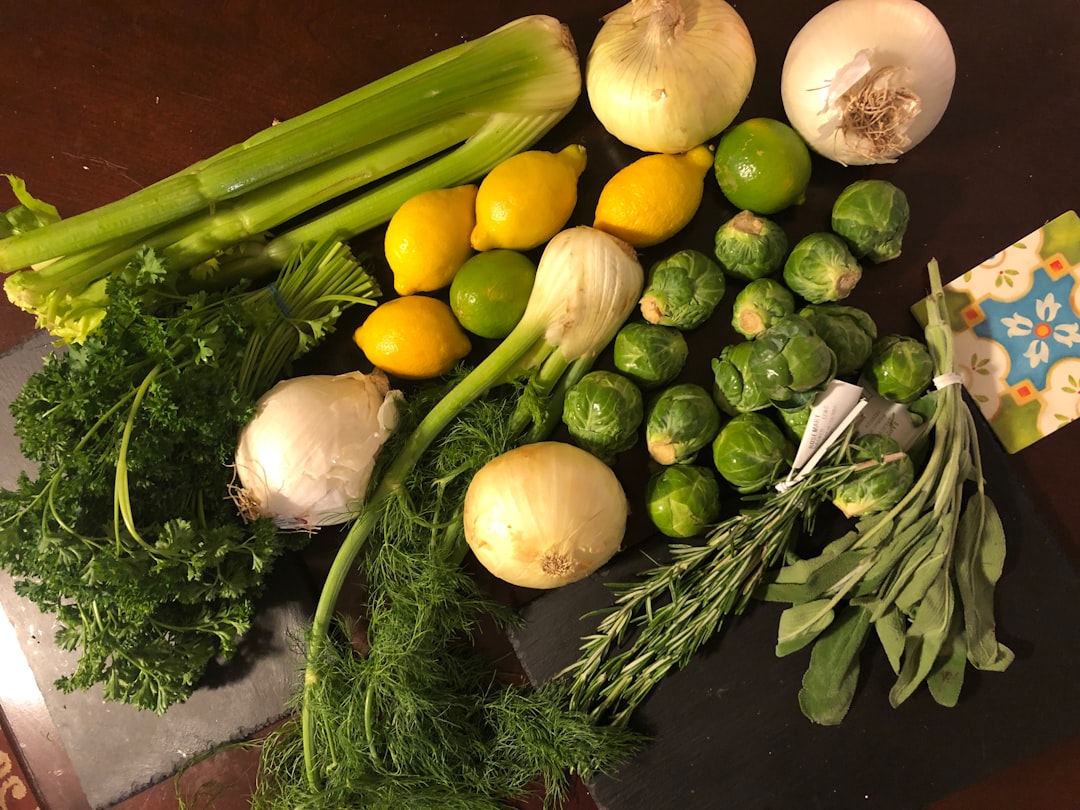
Those convenient bags of pre-washed, pre-cut vegetables come with an average 40% markup, turning simple produce preparation into a luxury service. Fresh broccoli costs $1.69 per pound, while pre-cut florets jump to $4.67 per pound.
The markup gets even more ridiculous with specialty cuts. Whole carrots cost 69 cents per pound, baby carrots run $1.50, and organic baby carrots hit a whopping $2.29. Pre-cut apple slices cost about 75 cents more per apple than buying whole apples.
The math is simple: you’re paying premium labor costs for about five minutes of knife work. Spending a few minutes on meal prep can slash your produce costs dramatically while often delivering fresher, better quality results.
Store Bakery Items: The Sensory Trap
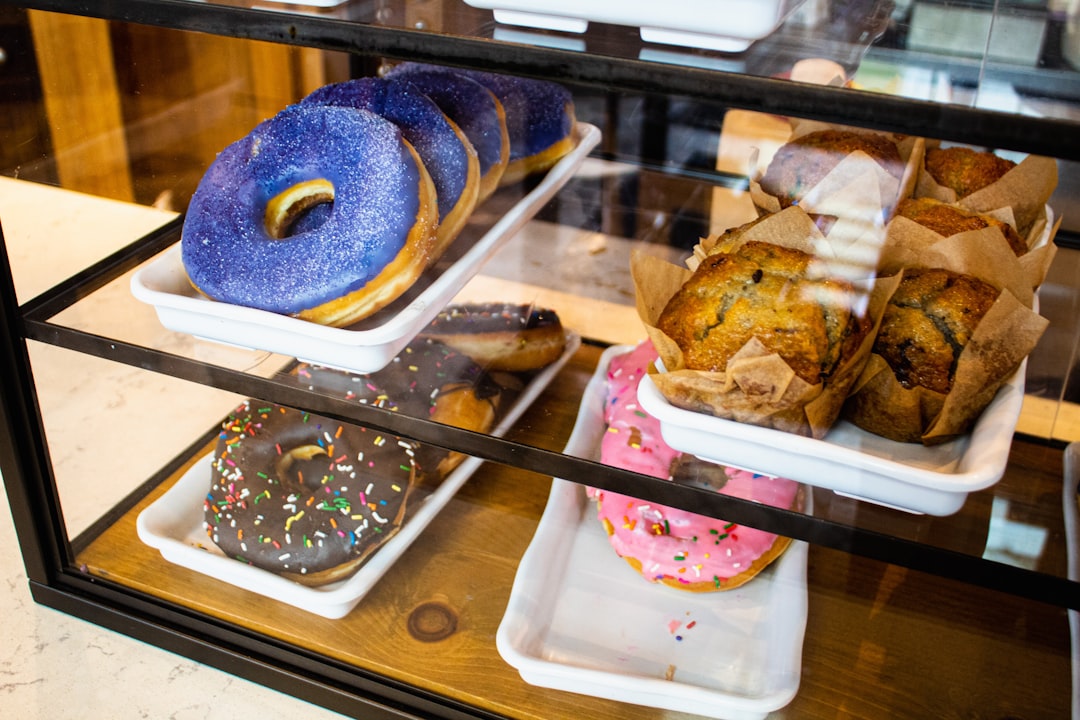
Fresh-baked grocery store items carry gross profit margins of nearly 60%, making that tempting bakery section one of the store’s biggest money makers. Those aromatic croissants and decorated cupcakes are designed to trigger impulse purchases at inflated prices.
The sensory marketing works perfectly – the smell draws you in, creating what experts call a “siren’s call” effect that makes a simple baked good feel like a well-deserved treat. The reality is these items are essentially convenience traps designed to extract maximum profit from busy shoppers.
Homemade alternatives cost a fraction of the price and often taste better. Even boxed mixes deliver superior value compared to those overpriced bakery counter temptations that prey on your senses and schedule.
Non-Alcoholic Beverages: Liquid Gold Markup

Non-alcoholic beverages carry a whopping 72% markup, with production costs being minimal compared to packaging and distribution expenses. Profit margins on these drinks jumped from nearly 50% in 2023 to around 57% in 2024.
Coffee, soft drinks, and other beverages saw prices jump more than 2% in January 2025 alone. Coffee prices have jumped significantly in recent periods, partly due to weather issues in growing countries like Brazil and Vietnam.
These beverages offer little nutritional value while commanding premium prices. Water, homemade coffee, and simple alternatives can dramatically reduce your grocery bill while often providing better health benefits.
Organic Produce: Premium Price Without Premium Value
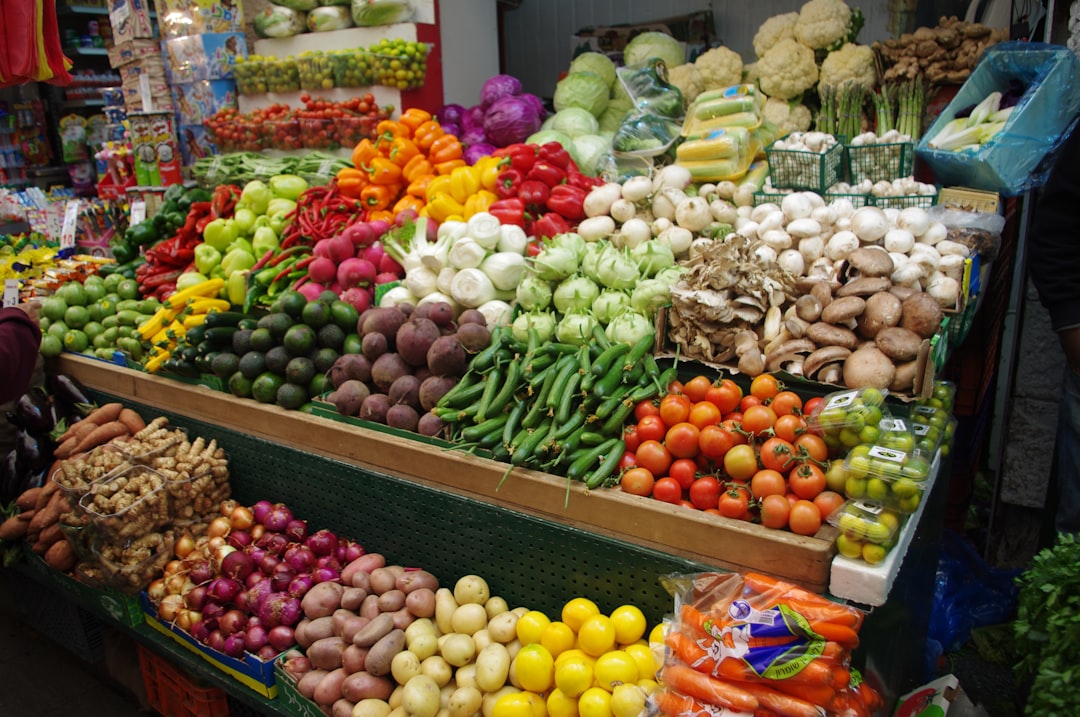
Organic foods represent a multi-billion dollar industry with nearly 20% markups across the board, generating over $52 billion in retail sales. Organic produce markups range from 30% to 50%, with some items like milk and meat hitting 100% markups.
Many consumers struggle to understand the actual differences between “natural” and “organic” labels, questioning whether the premium prices justify the benefits. The reality is that organic standards allow natural pesticides as a last resort, making the “pesticide-free” assumption incorrect.
Local farmers markets often provide organic options at lower prices, cutting out retail markup while supporting community agriculture. Focus your organic dollars on items where it truly matters rather than paying premium prices across the board.
Eggs: From Staple to Luxury Item

Eggs have transformed into luxury items, averaging $6 per dozen in many areas due to ongoing avian flu outbreaks that decimated poultry farms. Egg prices have increased significantly due to ongoing avian flu outbreaks, staying close to record levels from previous avian flu outbreaks.
Consumer surveys reveal eggs are now “most frequently mentioned” as overpriced, with many shoppers treating them as luxury items and waiting for sales or seeking alternatives. Recent data shows egg prices have experienced significant volatility, with substantial increases during avian flu outbreaks.
Analysis suggests factors beyond avian flu contribute to high prices, including rising feed costs and a highly consolidated egg industry. Shopping around at warehouse clubs and local sources can help, but eggs remain a budget-buster for many families.
Fresh-Cut Meat and Premium Cuts: Protein at a Premium
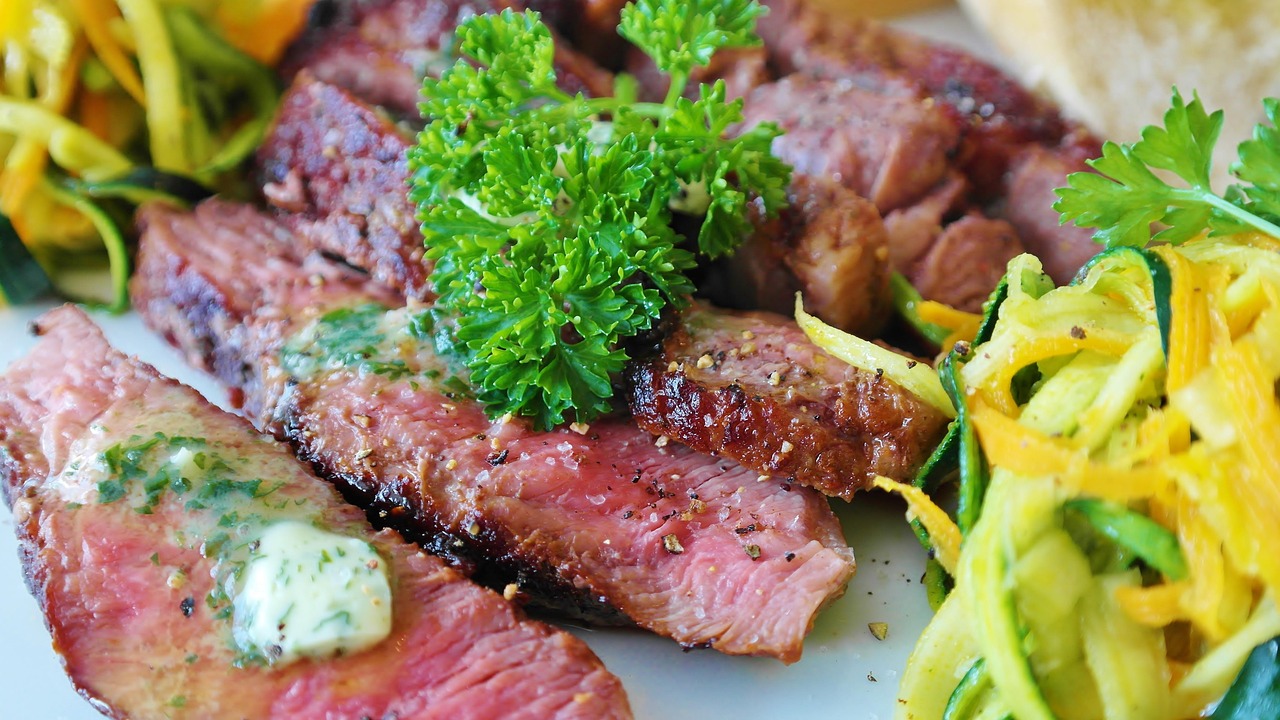
Beef prices hit record highs with prime cuts exceeding $25 per pound in some regions, while even leaner cuts see rising costs. Reduced cattle supply and strong demand have pushed beef prices significantly higher.
Beef and veal prices have increased substantially year-over-year in recent periods, with the U.S. cattle herd shrinking since 2019. Specialty cuts and pre-marinated options carry even steeper markups for minimal added value.
Less expensive cuts often deliver superior flavor when prepared properly. Buying whole pieces and cutting them yourself, or choosing alternative proteins, can dramatically reduce your protein costs without sacrificing nutrition or taste.
Specialty Coffee and Premium Brands: Brewing Trouble
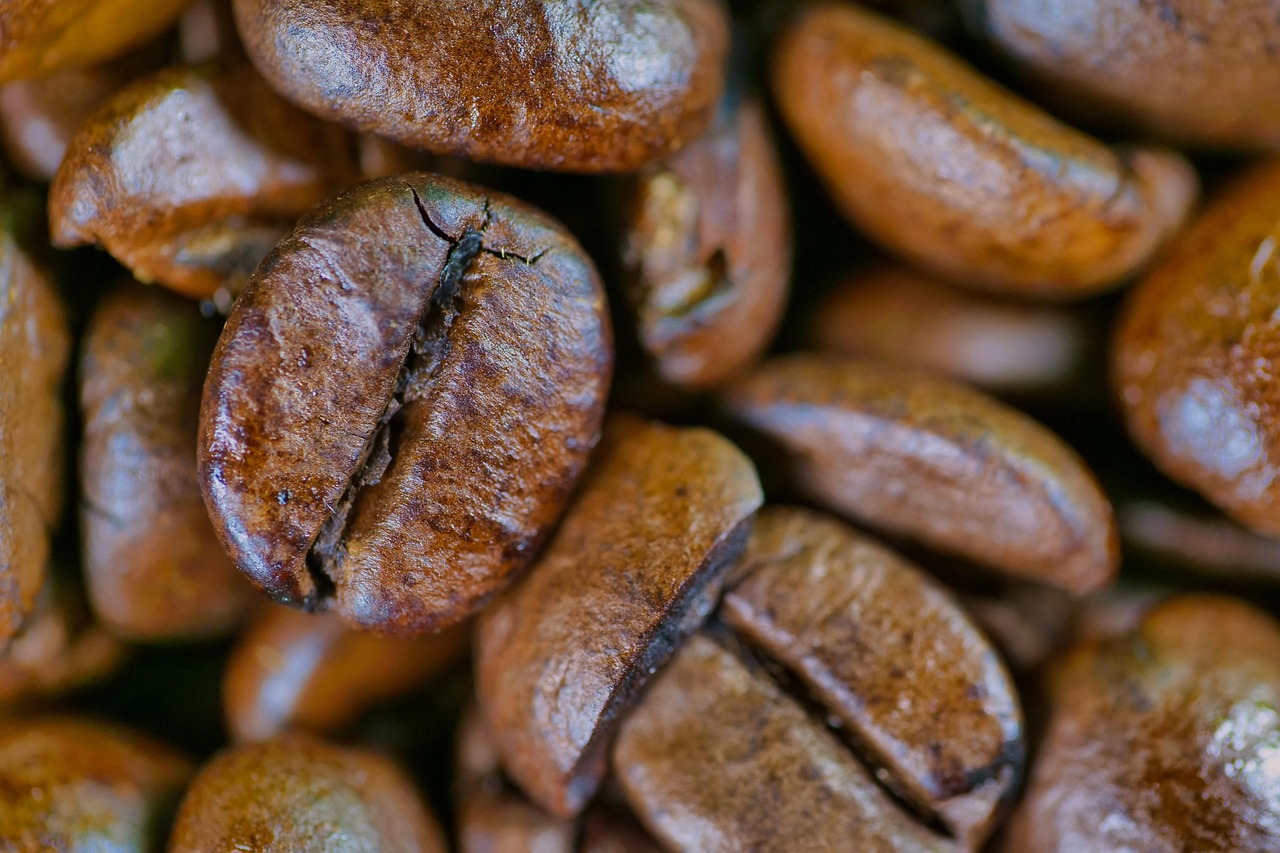
Specialty coffee bags often exceed $25, while poor harvests in Brazil and Colombia coupled with supply chain challenges tighten availability. Even basic coffee shop visits average $5 to $7 per cup for specialty drinks, costs that add up quickly for frequent consumers.
Coffee prices are extremely sensitive to temperature changes and weather patterns, with climate change making severe weather and rising temperatures increasingly common. Extreme weather and droughts in major producing countries like Brazil, Colombia, and Vietnam have reduced bean yields globally, with tariffs adding additional cost pressures.
Store brands and bulk purchases can deliver significant savings without major quality compromises. Home brewing remains far more economical than premium retail options, especially when factoring in the mounting environmental costs.
Packaged Spices and Seasonings: Small Bottles, Big Markups
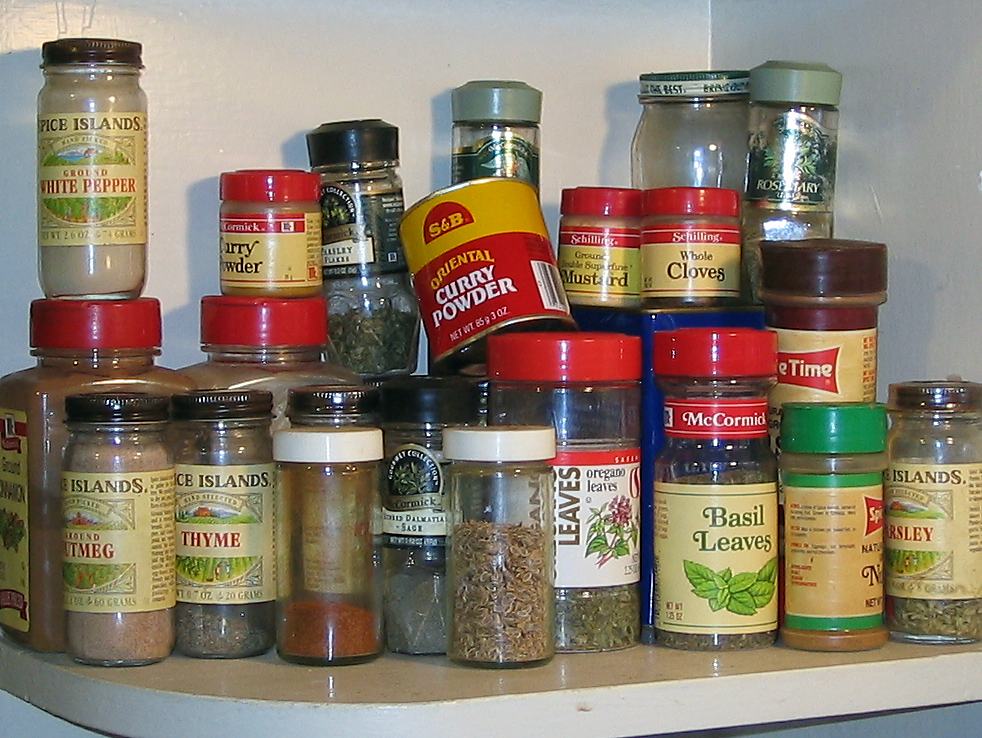
Those tiny spice jars carry some of the highest per-ounce markups in the entire grocery store, often costing more than premium cuts of meat when calculated by weight. The convenience of pre-packaged spices comes with premium pricing that can shock budget-conscious shoppers.
Ethnic markets and bulk stores offer identical spices at a fraction of retail grocery prices. Many spices lose potency sitting on shelves anyway, making frequent small purchases from specialty sources both fresher and more economical.
Growing your own herbs or buying larger quantities to share with neighbors can slash spice costs dramatically. These tiny purchases add up to major savings over time when you source smarter.
The Smart Shopping Conclusion
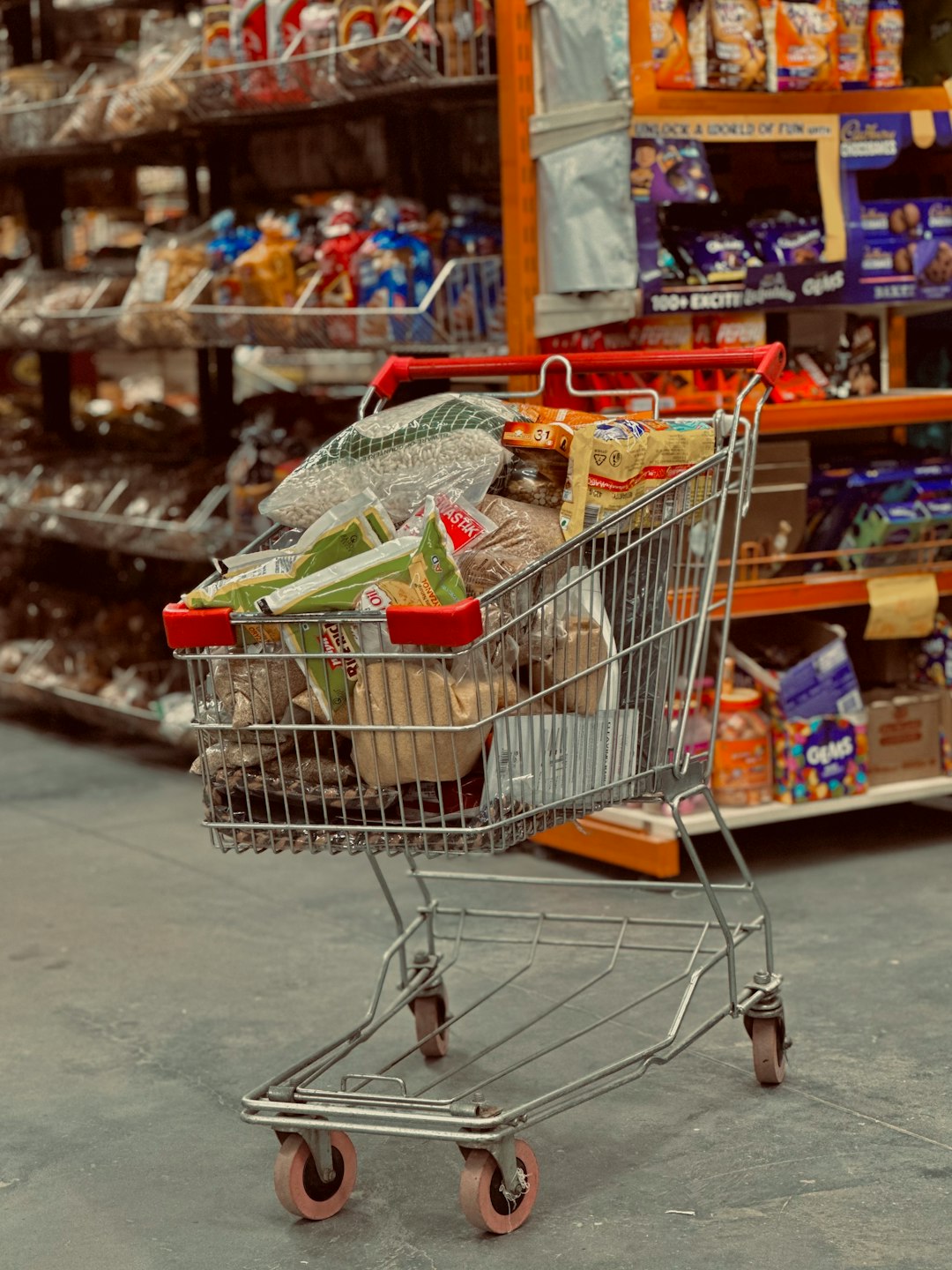
These overpriced grocery items share a few common traits: steep convenience markups, premium branding, and clever psychological marketing designed to make you spend more. Consumer surveys show that 75.2% of shoppers now prioritize price when choosing where to shop, with 36% switching to discount stores in 2024 as inflation-weary consumers sought better value.
The key lies in recognizing these markup traps and making strategic choices. Simple preparation, smart sourcing, and questioning convenience premiums can slice hundreds from your annual grocery budget without sacrificing quality or nutrition.
Smart shoppers are voting with their wallets, avoiding these overpriced categories while finding better alternatives. The grocery industry counts on impulse purchases and convenience premiums, but informed consumers can beat the system with minimal effort.