8 Holiday Dishes Many Americans Have Entirely Forgotten
The holiday table tells the story of America’s evolving tastes, yet some beloved dishes have quietly slipped from memory. These culinary casualties once anchored celebrations from Thanksgiving through New Year’s, bringing families together over shared traditions that spanned generations. Each forgotten dish represents more than just a recipe lost to time.
Picture the elaborate Victorian dinner tables or your grandmother’s holiday spread from decades past. You’ll notice these missing pieces from today’s celebrations carry fascinating histories that reveal how American dining culture has transformed over the years.
Wassail: The Communal Holiday Punch That Built Neighborhoods
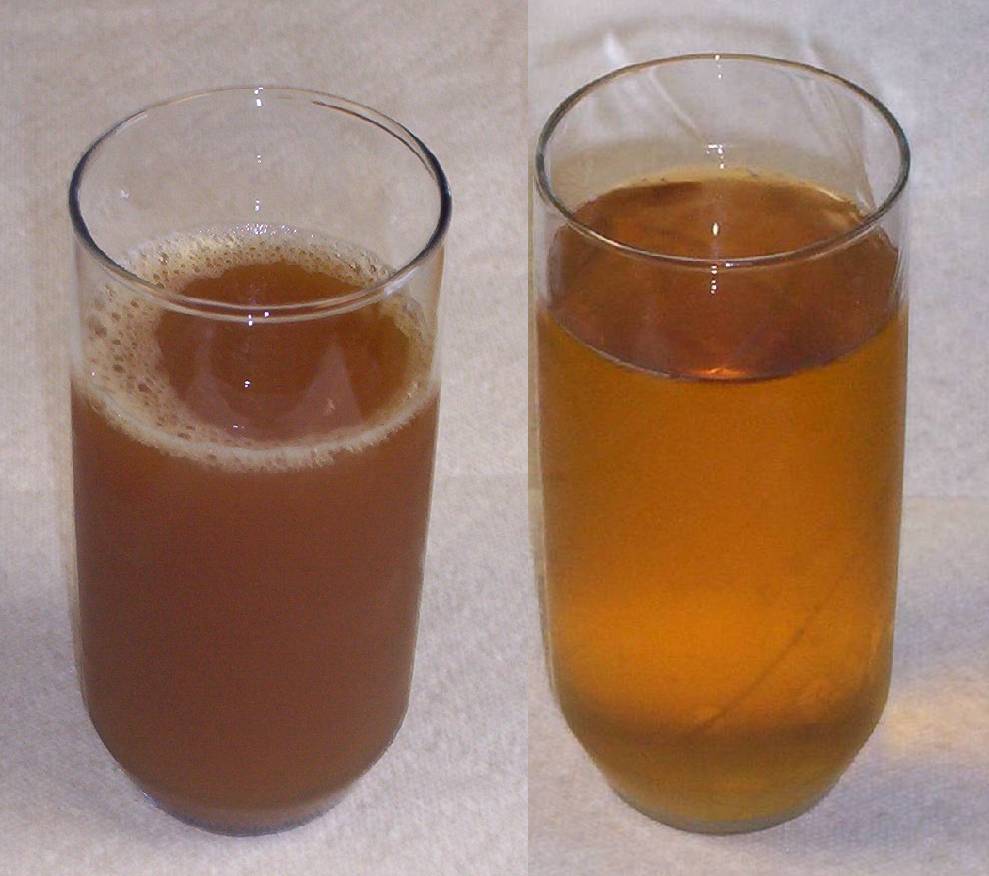
This Anglo-Saxon drink tradition created communal experiences that modern holiday celebrations rarely replicate. The warming punch combined ale or cider with spices, sugar, and roasted apples, appearing on formal holiday menus as early as the 1770s alongside traditional Christmas fare. The tradition of wassailing orchards and sharing the drink door-to-door created bonds within communities that have largely disappeared from modern holiday celebrations. A 19th century recipe from 1890 was very sugary because the price of sugar had greatly reduced by then with beet sugar availability.
Jellied Salad Molds: The Shimmering Stars of Mid-Century Tables
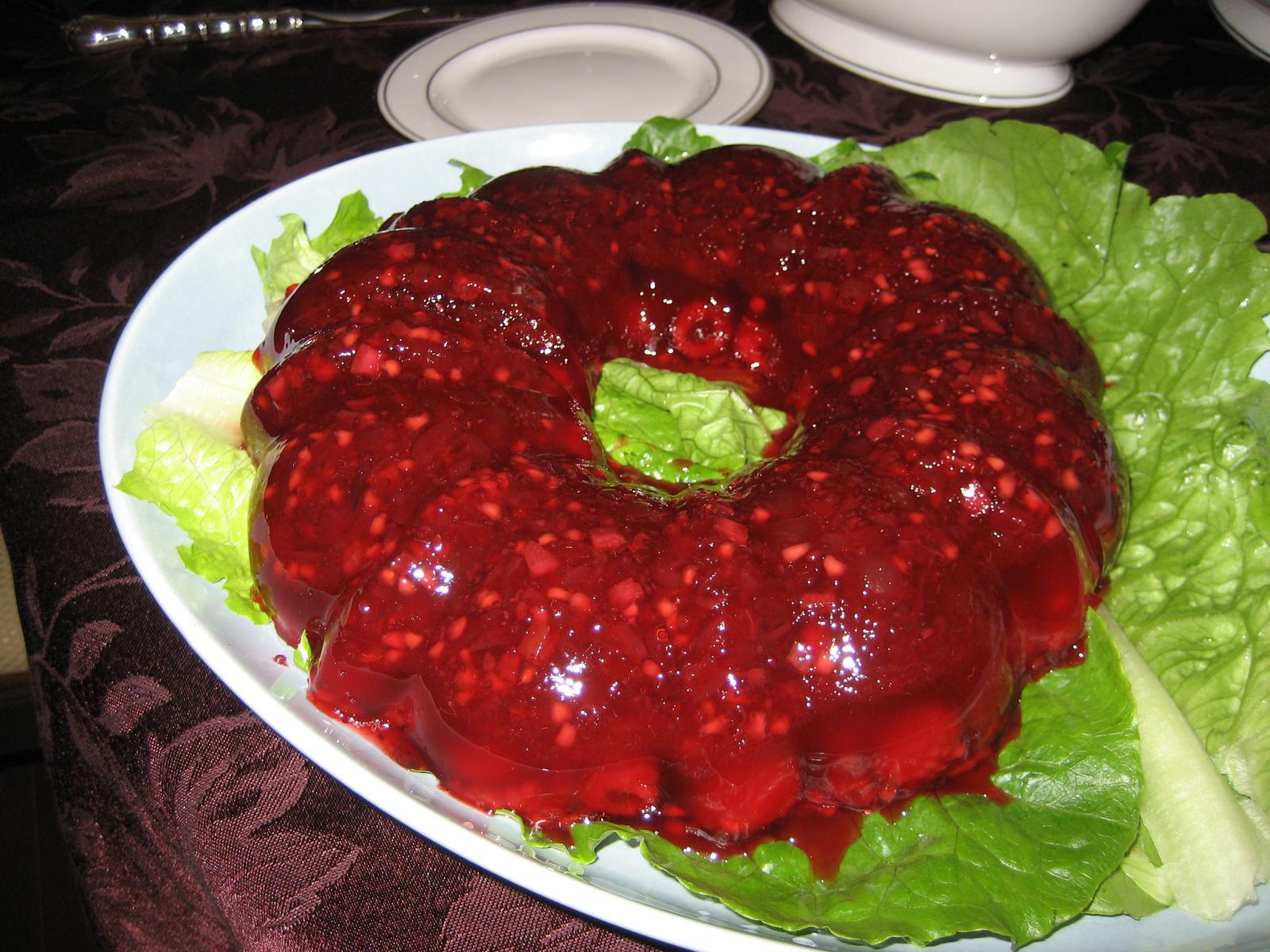
The jello salad’s swift rise in popularity in the 20th century came with an equally fast fall from grace, as gelatin is not as popular as it once was due to changing culinary tastes and an aversion to jiggly molds. Before the invention of gelatin convenience products like Knox and Jell-O, these dishes were so labor-intensive that serving them pretty much proved you had a large kitchen of servants, but Jell-O democratized gelatin and made this previously high-end-only dessert available to the masses. Women in early 20th century America were willing to take on perfecting cold jellied salads because molded salads embraced the efficiency, cleanliness and order that women were seeking in that Progressive Era.
Traditional Mincemeat Pie: When Holiday Desserts Actually Contained Meat
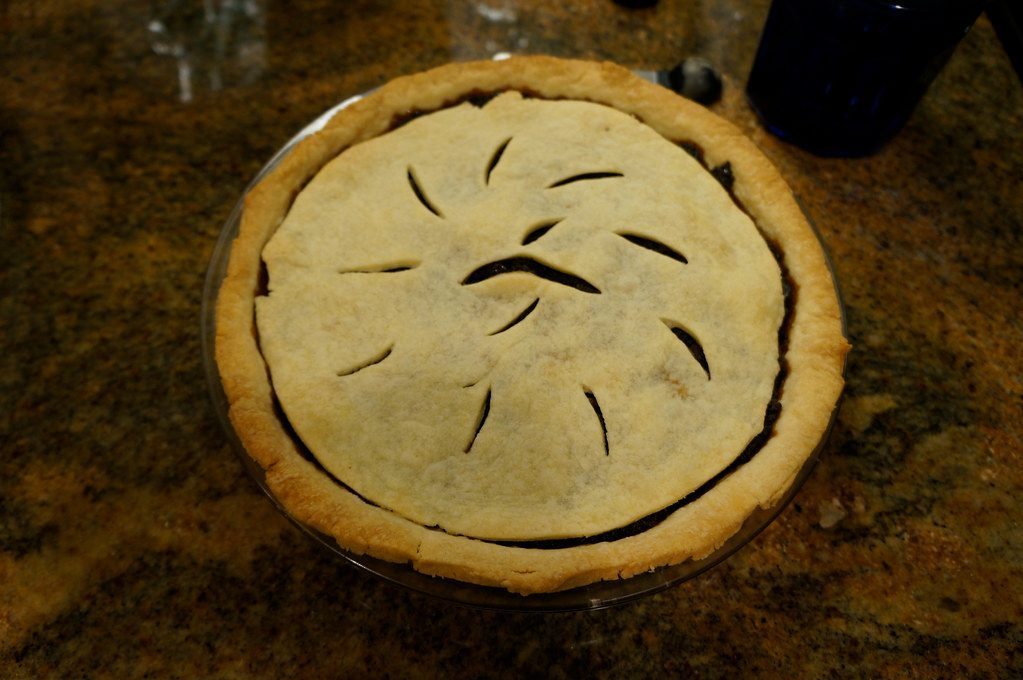
Unlike today’s fruit-filled versions, traditional mincemeat actually contained minced meat, typically beef or venison, mixed with suet, fruits, and spices, with original recipes calling for lengthy preparation processes where the meat was preserved through the mixture of alcohol, sugar, and spices, creating a dense, rich filling that could last through the winter months without refrigeration. While spiked desserts like boozy ice cream have gained popularity in recent years, mincemeat pie has turned from holiday classic to forgotten dessert, with a big factor in its ultimate exclusion from party appearances being the confusing moniker. The labor-intensive nature of true mincemeat production and changing tastes toward lighter desserts led to its gradual replacement with vegetarian versions.
Oyster Stew: Christmas Eve’s Forgotten Irish-American Tradition
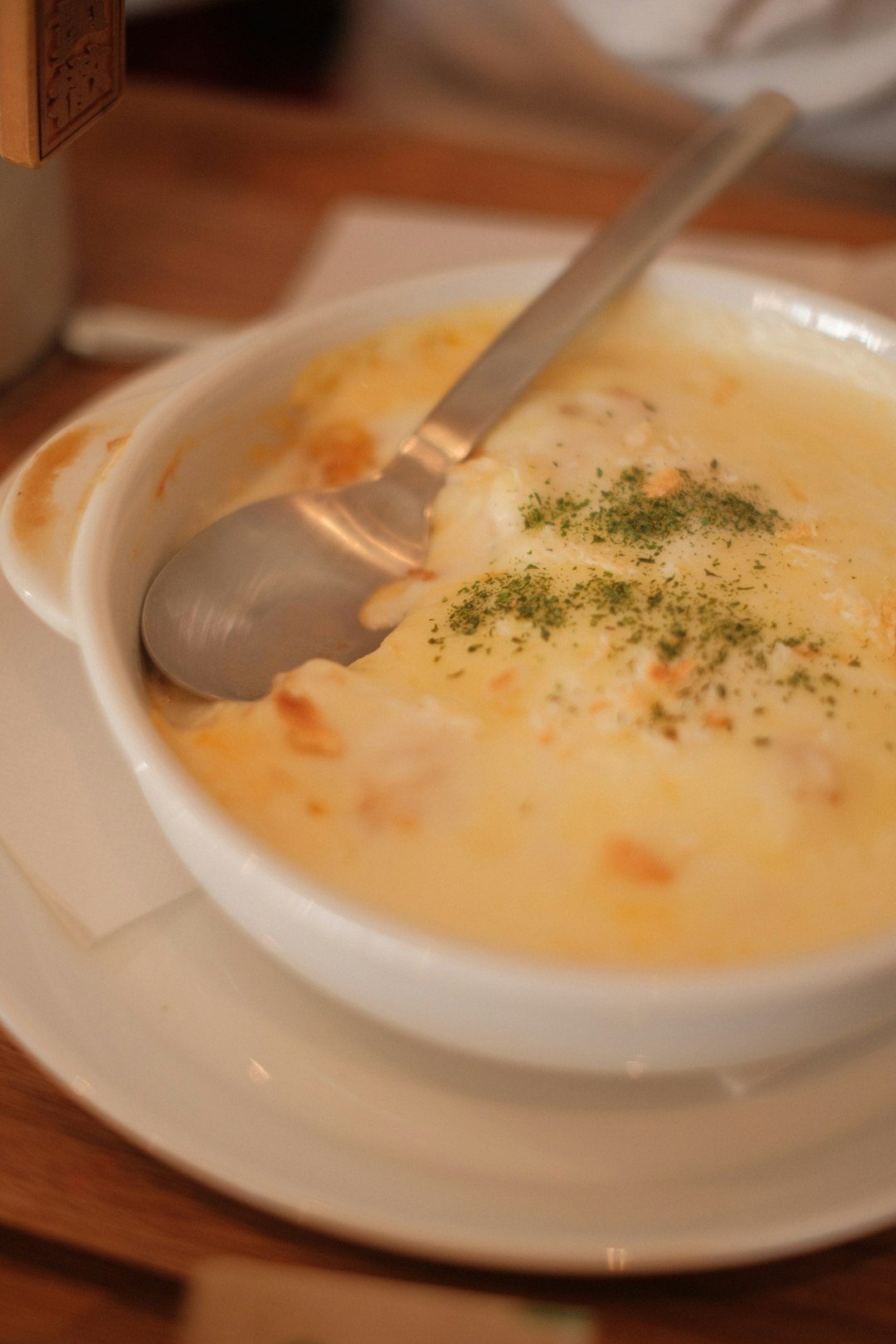
This tradition came over with the Irish immigrants in the mid-1800s and was particularly popular on Christmas Eve in Southern United States cuisine, with Irish Catholic immigrants adapting their traditional dried ling stew recipe for oysters. The colonists had a ready source of oysters from Chesapeake Bay, with this rich, creamy casserole being a special dish from Colonial Williamsburg’s holiday recipe collection. The dish provided families with a lighter alternative to heavy meat dishes while maintaining holiday elegance. Though shellfish remains expensive, the communal aspect of sharing warm bowls on cold December nights created intimate moments that modern rushed holidays often miss.
Boiled Custard: The Southern Holiday Beverage That Required Patience
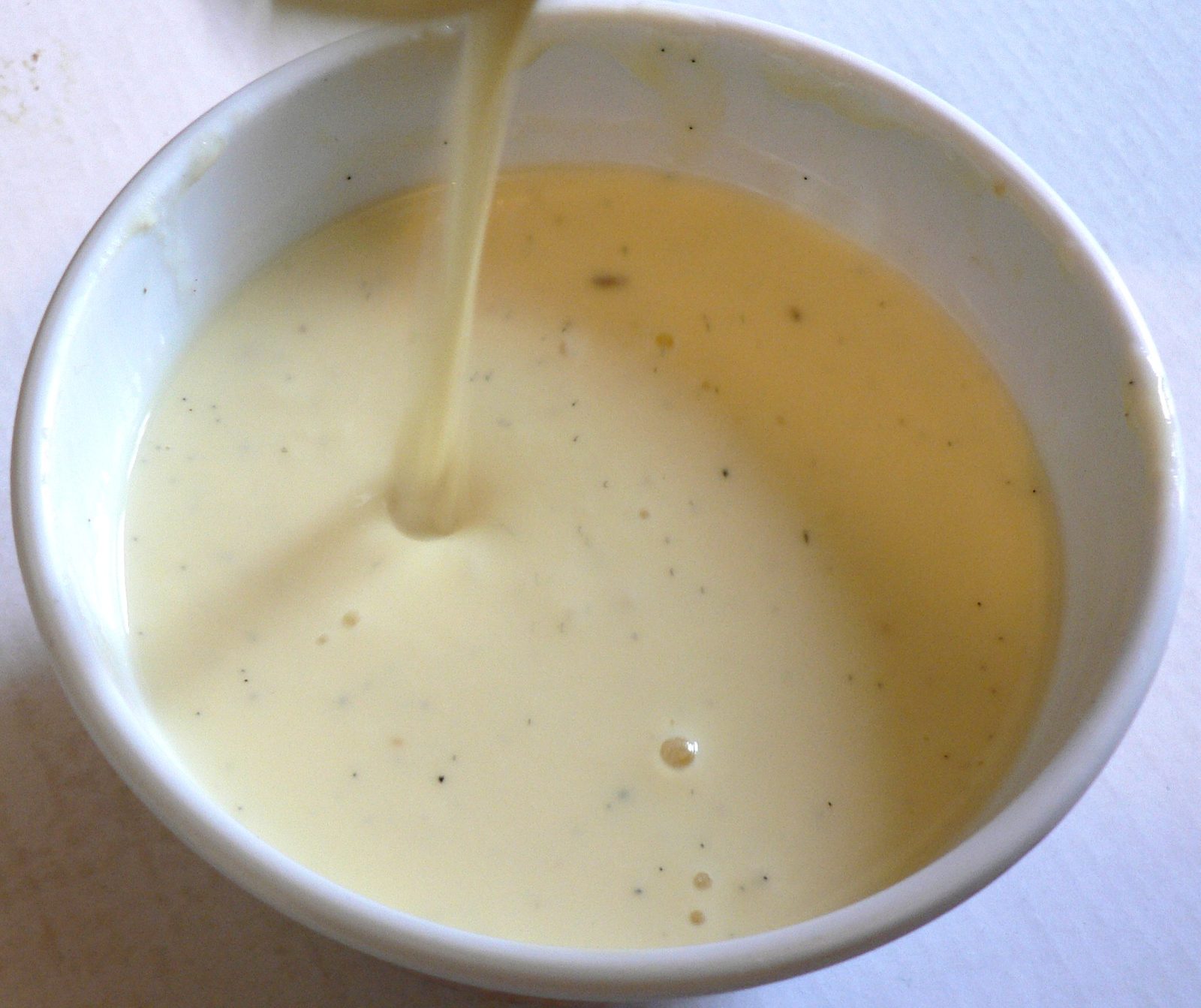
Homemade boiled custard was traditional in Southern families, served alongside other desserts like fresh coconut cake and ambrosia, occupying a special place between drink and dessert, offering creamy comfort during cold winter evenings, with the process involving whole families gathering in kitchens to take turns stirring the pot, creating memories alongside the custard itself. The process demanded attention and skill, qualities that became less appealing as convenience foods gained popularity, with its disappearance representing more than just a lost recipe but symbolizing the decline of time-intensive holiday preparations that once brought generations together.
Turnip Mash: The Original Holiday Starch Before Potatoes Ruled
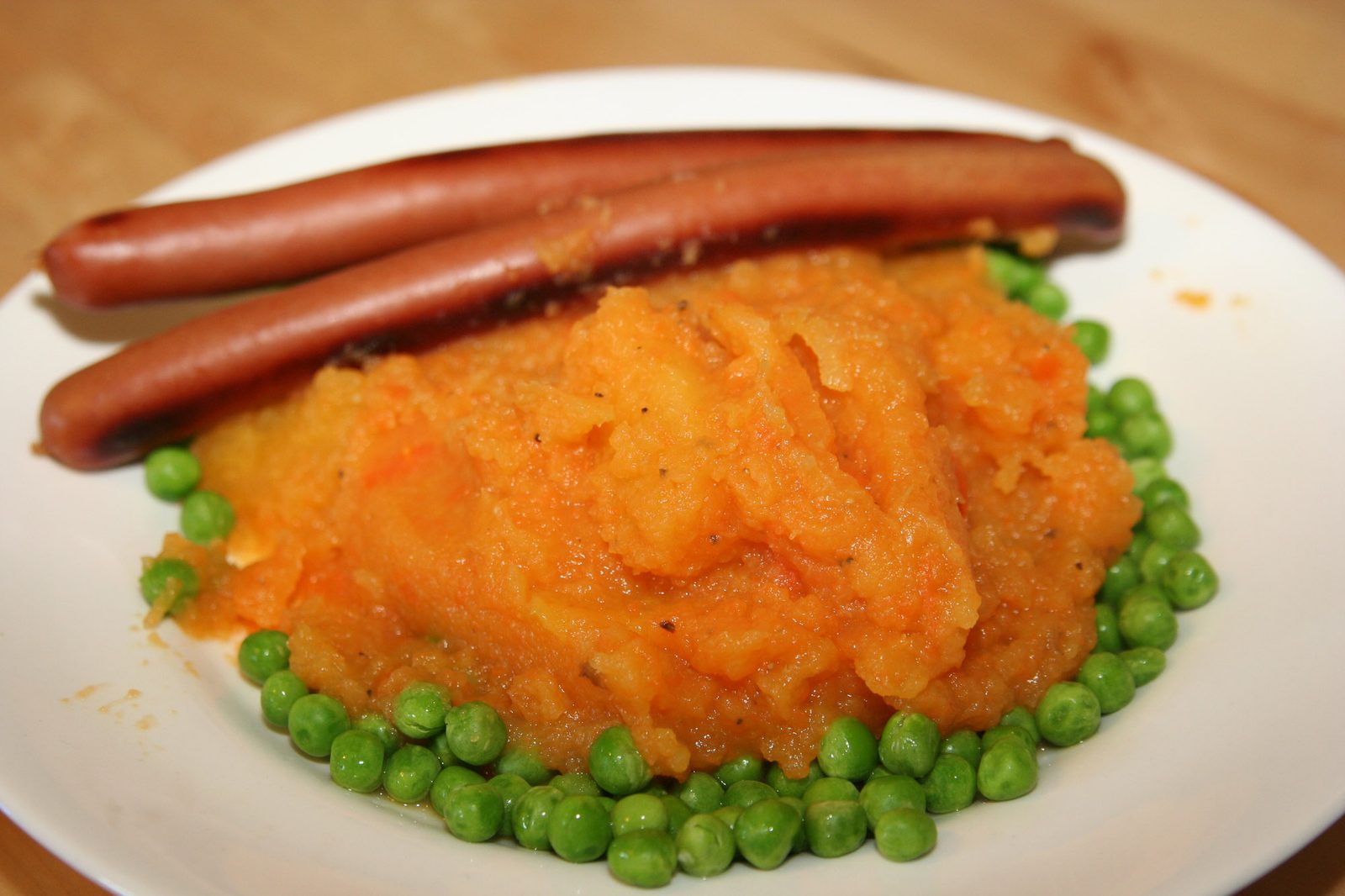
Thanksgiving menus from the 1860s often list mashed turnips just as much as mashed potatoes, as turnips were more cultivated in many regions at the time, especially in the Midwest and Northeast, with many families sticking with the veggie as the preferred mashed side even after potatoes emerged as the star companion to turkey. While turnips have a pungent flavor similar to cabbage or radish, they become milder and even a tad sweet after cooking, serving as a lighter, lower-carb alternative to potatoes, yet you’ll be hard-pressed to find them at even a health-conscious Thanksgiving dinner these days. Turnips developed a reputation as a food for poor, rural families as potatoes grew in favor.
Creamed Peas with Pearl Onions: The Side Dish That Made Fathers Happy
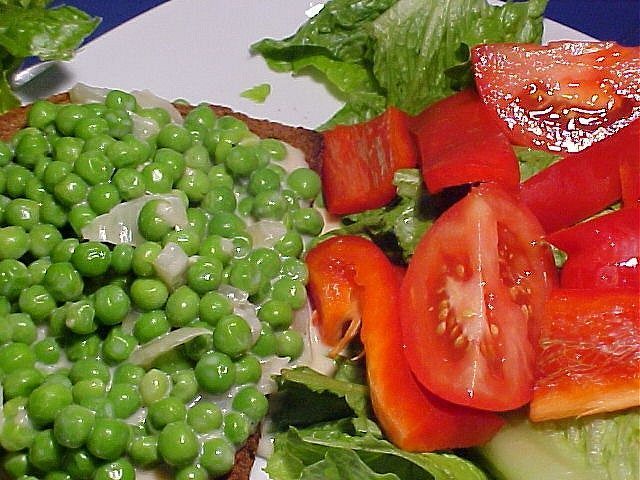
While growing up, it was a family tradition to make creamed peas with pearl onions for every Thanksgiving and Christmas dinner, with one father who was not a happy camper if he didn’t see this dish on the table as it was his favorite, continuing as a tradition where the mother made it for her own family while the kids were growing up, and now her daughter makes this dish for her family. This elegant vegetable preparation required careful timing to achieve the perfect balance of tender peas suspended in rich cream sauce. The dish represented the era when vegetables received the same thoughtful preparation as main courses, rather than being quickly steamed or roasted as afterthoughts.
Christmas Goose: The Holiday Bird That Predated Turkey’s Dominance
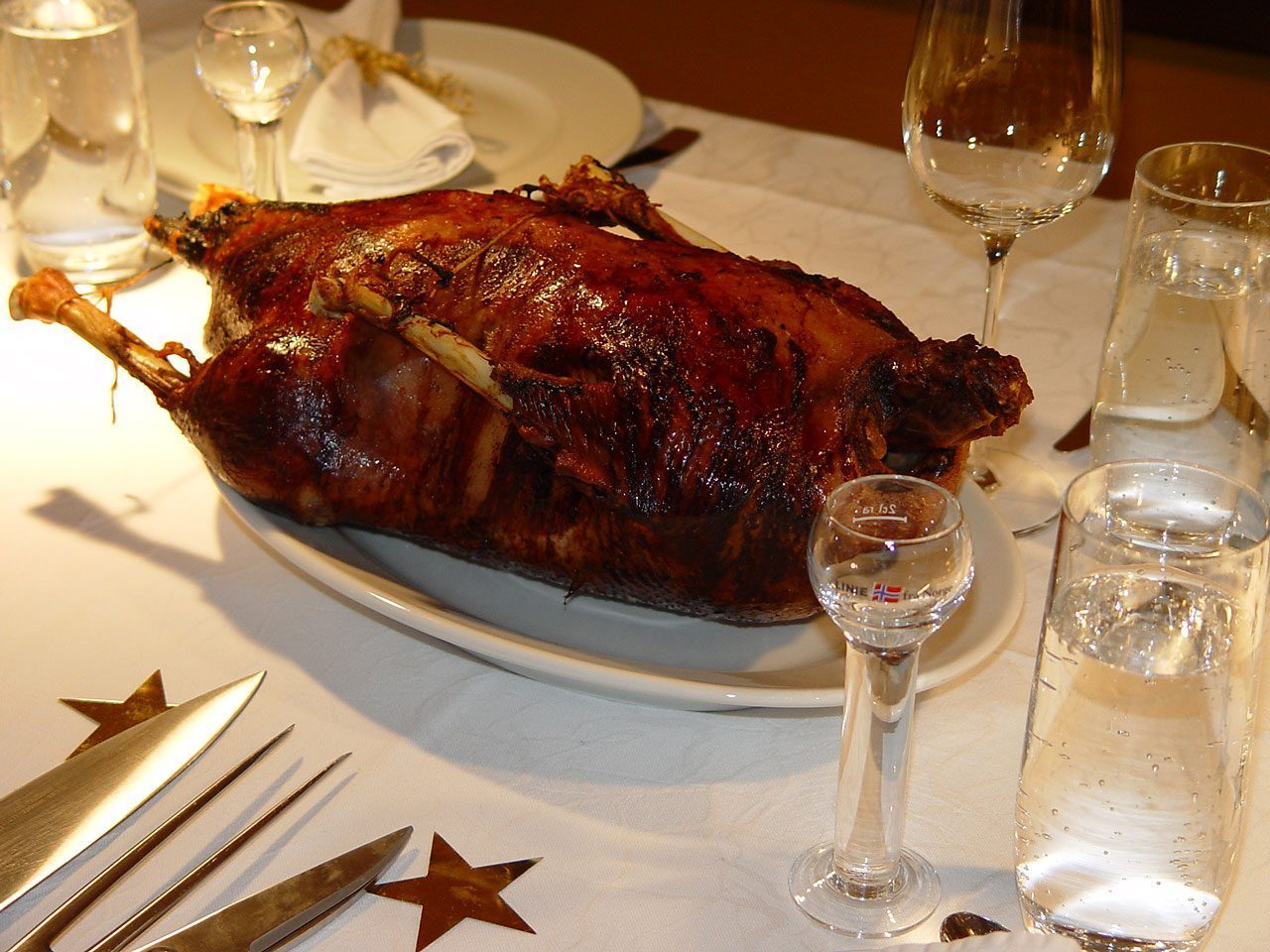
Christmas dinner memories include a golden brown Christmas goose, with the meat flavored by stuffing the bird with peeled and quartered fruit that’s discarded after baking. Turkey became established as the nation’s favorite Thanksgiving food well before the mid-1800s for many reasons, while the exact details of the first Thanksgiving menu are debated, they’re native to North America and were a regular part of the pilgrims’ diet, with most turkeys being large enough to feed a crowd. The preparation of goose required different cooking techniques than turkey, creating richer, more complex flavors that paired beautifully with traditional winter vegetables and hearty stuffings.
These forgotten dishes reveal how dramatically American holiday traditions have shifted over generations. Americans are changing their habits and routines around holiday dining, with these changes occurring rapidly. Some disappeared due to changing tastes, others because modern lifestyles couldn’t accommodate their labor-intensive preparation. What do you think caused these particular dishes to fade from our tables while others endured?