Classic Diner Staples That Are Growing Increasingly Hard to Find
You walk into a modern diner expecting the comforting familiarity of classic American food. Yet look closer at today’s menus, and you’ll notice something peculiar happening. Many of the dishes that once anchored diner culture are quietly slipping away. The content of comfort food has changed considerably over the years, with options like Jello salads, liverwurst, and milk toast looking totally out of place on any modern diner menu. This culinary vanishing act reflects broader changes in American dining habits and food safety concerns that are reshaping what we consider acceptable diner fare.
Liverwurst Sandwiches Hit a Dead End

The humble liverwurst sandwich has become a casualty of both changing tastes and food safety concerns. The meat, which is a German sausage made with liver, was popular in the 20th century largely because it was cheap. However, that affordability couldn’t save it from extinction. In 2024, Boar’s Head, one of the biggest U.S. suppliers of deli meats like liverwurst, ended its production of the processed meat entirely after a major Listeria outbreak at one of its plants. The disappearance of liverwurst represents more than just one company’s troubles. You’re unlikely to frequently come across liverwurst sandwiches on menus today, as it hasn’t stood the test of time.
Modern health consciousness and younger diners’ preference for cleaner, more recognizable ingredients have made organ meat products less appealing. The German-influenced sausage that once represented economical protein is now viewed with suspicion by diners who prefer grass-fed beef and free-range chicken.
Chicken à la King Loses Its Crown
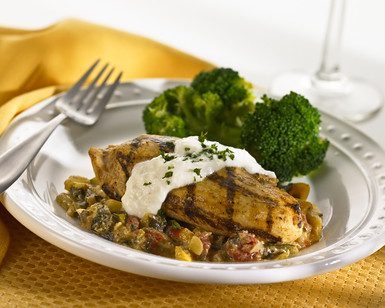
Chicken à la King sounds fancy, but it’s actually just chicken and mushrooms in a white sauce, usually served over toast, and this simplicity didn’t hold it back from popularity in the 1950s and 1960s when it appeared on household dining tables and restaurant and diner menus all over the country. Often, diners would put their own spin on the dish, with a 1963 diner menu listing one of the specials as chicken à la King with toast points. The dish represented mid-century comfort food at its peak.
Yet this creamy staple has all but vanished from contemporary diner menus. Chicken a la King was a common brunch item in the 1970s, being served for the “lunch” portion of brunch. Today’s diners favor more globally influenced flavors and lighter preparations that don’t rely heavily on cream sauces. The dish’s association with institutional cafeteria food has further damaged its reputation among younger consumers seeking authentic dining experiences.
Sardine Sandwiches Swim Away from Menus
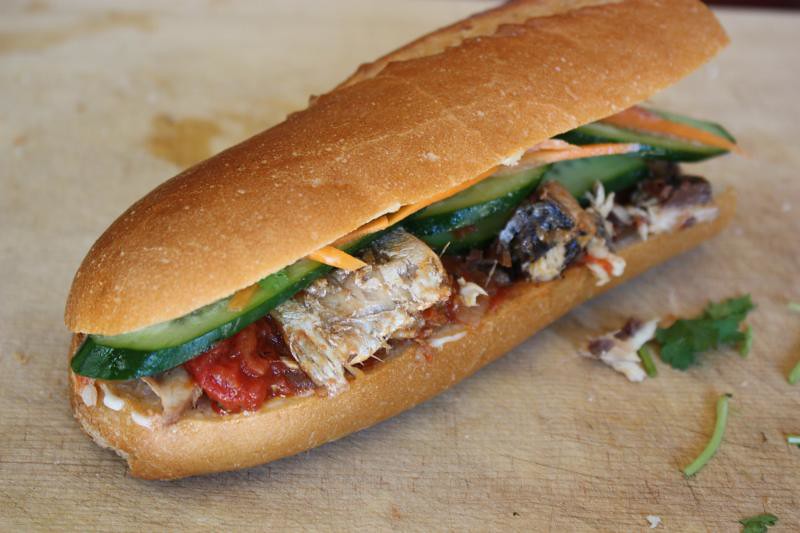
In 2023, one poll found that nearly 70% of Americans believe they could live on nothing but sandwiches all week, yet one particular sandwich has virtually disappeared from diner counters. In the 1930s and 1940s, demand for sardines was massive, with thousands of people working in California’s sardine industry even during the Depression, and during this time, many eateries, including diners, had sardine sandwiches on the menu. They usually consisted of sardines, maybe a little mustard and some onions or lettuce for extra texture, but today when it comes to seafood sandwiches, people are far more likely to see tuna on the menu.
The decline of sardine sandwiches reflects America’s move away from canned fish beyond tuna. Modern diners prefer fresh seafood preparations, and the strong, oily flavor of sardines doesn’t align with contemporary preferences for milder tastes. Environmental concerns about overfishing and mercury levels have also shifted consumer behavior toward different protein choices.
Jello Salads Lose Their Wiggle

For some, Jello salad elicits a warm feeling of nostalgia for a childhood full of church potlucks and holiday gatherings, but for others, the thought of tuna fish and cucumber suspended in lime-flavored gelatin has them reaching for a trash can instead of a fork, with most people today likely falling into the latter camp. Unless they live in the Midwest, where locals continue to make the salads, Lime Jell-O and tuna in hand, despite a downward trend in popularity.
The era of molded gelatin salads containing everything from vegetables to seafood has largely passed. These colorful creations were once centerpieces at diner buffets and lunch counters. However, modern food culture emphasizes fresh, unprocessed ingredients, making artificially colored gelatin with suspended mystery ingredients seem unappetizing rather than inventive.
Tuna Casserole Bakes Its Way Out

Few dishes evoke mid-century diner comfort like tuna casserole, yet this once-ubiquitous dish is becoming increasingly rare on diner menus. As oyster populations dwindled and prices climbed, and as diners shifted toward pancakes, burgers, and fries, oyster stew quietly disappeared – and tuna casserole appears to be following a similar path. The dish represented economical protein and comfort food values that resonated with post-war America.
Modern diners prefer individual portions rather than casserole-style presentations. The association with institutional cooking and the heavy use of canned ingredients makes tuna casserole seem outdated. Contemporary food culture favors fresh preparations and customizable options, leaving little room for pre-made casseroles that sit under heat lamps.
Creamed Spinach Wilts Under Scrutiny
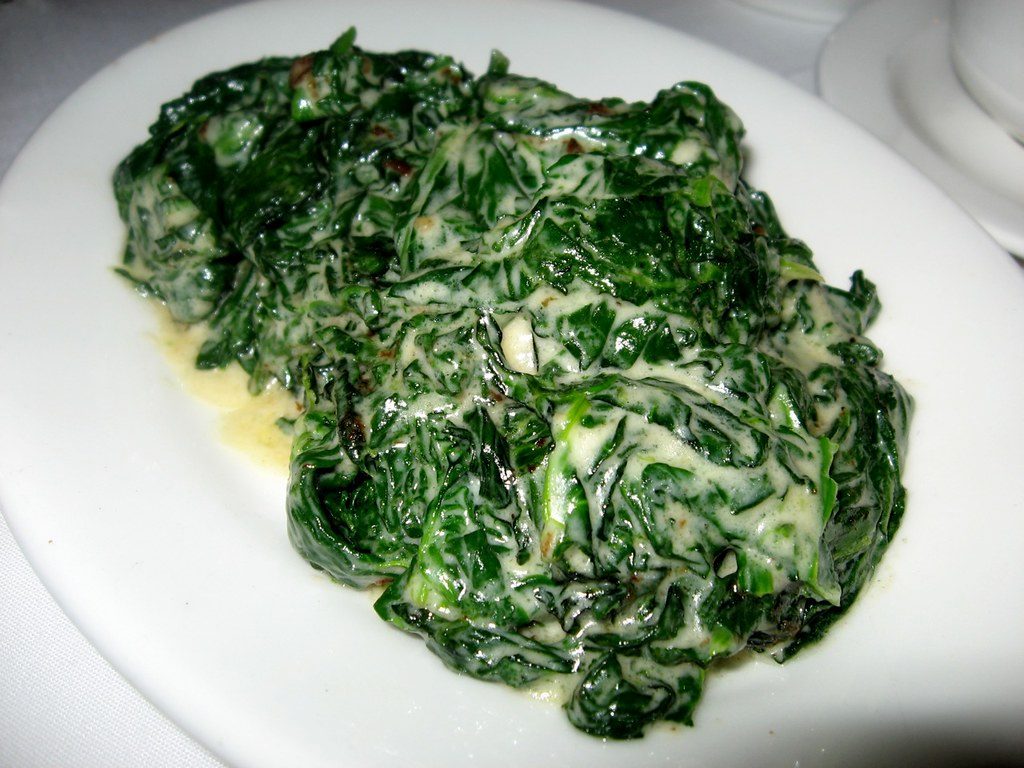
Once a steakhouse and diner standard, creamed spinach is disappearing from casual dining establishments. Creamed spinach is arguably one of the most popular steakhouse sides and a fabulous side dish for a steak or your favorite steakhouse main dish, yet its presence in diners is waning. The heavy, rich preparation doesn’t align with contemporary health consciousness and lighter eating preferences.
Modern diners increasingly offer sautéed or steamed vegetables instead of cream-based preparations. The younger demographic’s preference for plant-based eating and clean ingredients has made heavy cream sauces less appealing. Fresh spinach salads and lightly dressed greens have replaced the rich, indulgent creamed version that once satisfied different nutritional expectations.
Milk Toast Crumbles Away
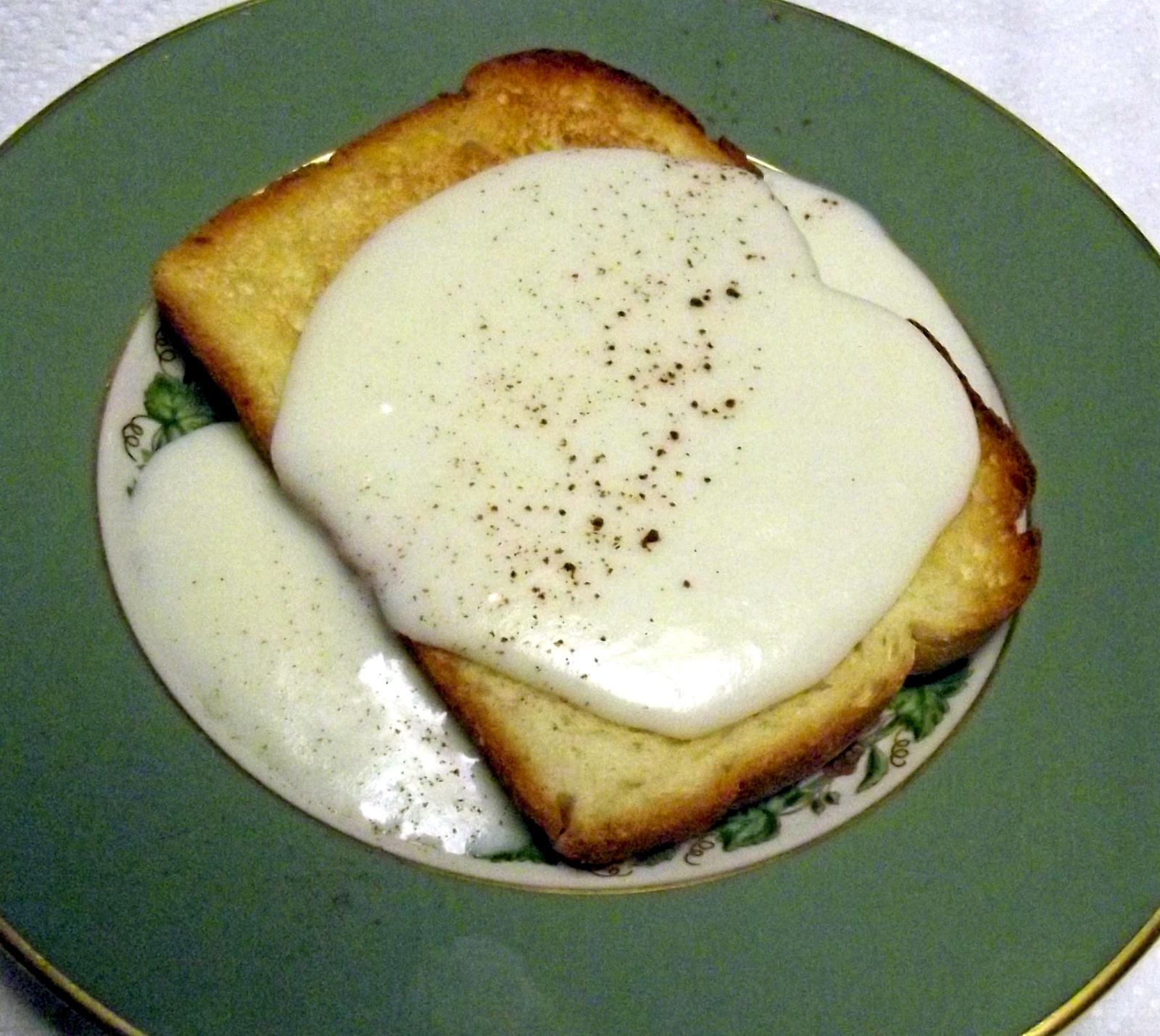
Perhaps no dish better represents the vanishing world of simple diner comfort food than milk toast. This Depression-era staple consisted of toasted bread served in warm milk, sometimes with a bit of butter and sugar. It represented ultimate comfort food for an earlier generation that valued simplicity and economy over complexity and flavor adventure.
Milk toast disappeared as American palates became more sophisticated and global. The bland, nursery-food quality that once provided comfort now seems unappetizing to diners seeking bold flavors and Instagram-worthy presentations. Its association with invalid food and its lack of visual appeal have relegated it to historical curiosity rather than menu staple.
Hash and Eggs Lose Their Morning Glory
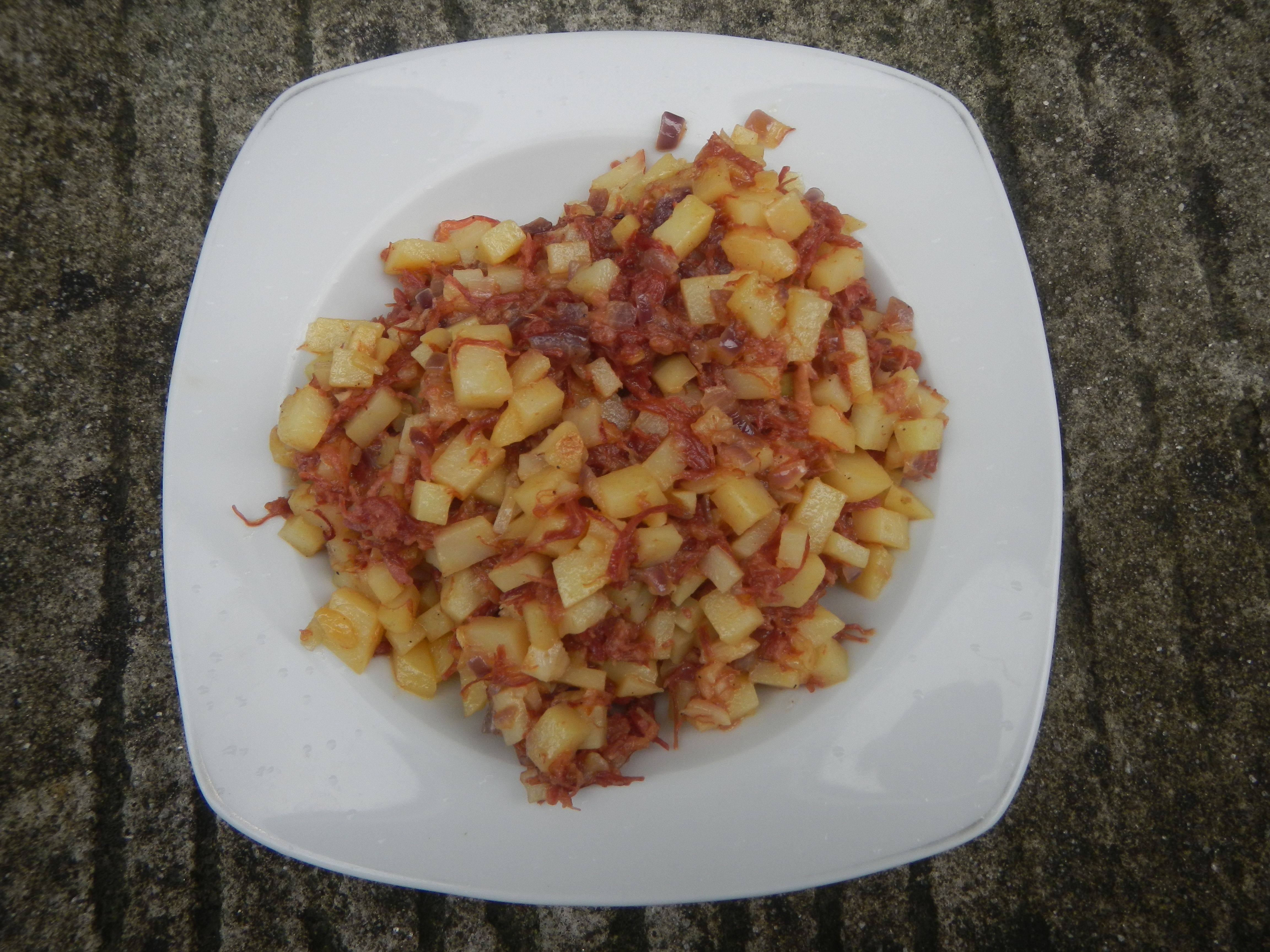
Traditional corned beef hash, once a diner breakfast cornerstone, is becoming harder to find in its authentic form. Many establishments have replaced time-intensive, made-from-scratch hash with pre-made versions or eliminated it entirely. The dish required skilled cooks who could properly brown the potatoes and balance the meat-to-vegetable ratio.
Labor costs and the demand for faster service have made elaborate breakfast preparations less viable. Modern diners often prefer customizable egg dishes and avocado-based options that photograph well for social media. The rustic appearance of traditional hash doesn’t compete with Instagram-friendly breakfast bowls and colorful smoothie bowls that attract younger customers.
Oyster Stew Disappears from Warming Kettles
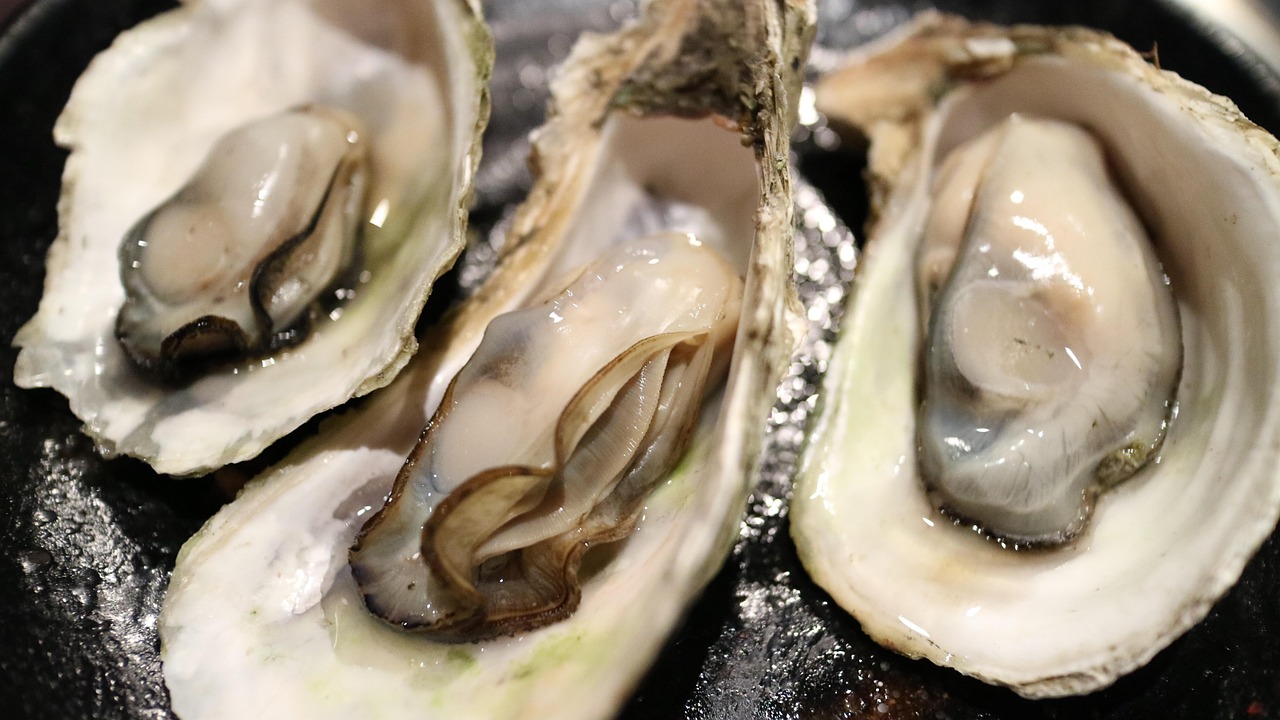
As oyster populations dwindled and prices climbed, and as diners shifted toward pancakes, burgers, and fries, oyster stew quietly disappeared. This once-popular soup was a staple during colder months, offering a warming, protein-rich meal that satisfied both taste and budget constraints. Oyster stew represented coastal America’s influence on inland diner culture.
Environmental factors and cost considerations have made oyster stew economically unviable for most diners. Fresh oysters require careful handling and have short shelf lives, making them impractical for establishments focused on efficiency and cost control. The acquired taste for oysters also limits the dish’s appeal to contemporary diners who prefer more familiar flavors.
Welsh Rarebit Melts Into Memory

Welsh rarebit, the cheese sauce served over toast that once graced diner menus as a sophisticated lunch option, has virtually disappeared. This dish represented diners’ attempts to offer European-inspired comfort food that elevated simple ingredients into something special. The rich cheese sauce required skill to prepare properly without breaking or becoming grainy.
Modern food safety regulations and the complexity of maintaining proper cheese sauces have made Welsh rarebit impractical for most diner operations. Contemporary preferences for lighter, less rich foods have also contributed to its decline. The dish’s unfamiliar name and heavy nature don’t appeal to health-conscious diners seeking cleaner eating options.