Chefs Explain Why Greek Yogurt Has Become a Popular Choice in Tuna Recipes
Professional chefs have revolutionized the way we think about tuna salad, swapping traditional mayonnaise for Greek yogurt. This transformation represents much more than just a health trend. Greek yogurt offers significant nutritional advantages with less fat and calories than mayonnaise while maintaining the creamy texture that makes tuna salad appealing. What started as a simple substitution has evolved into a culinary movement that combines taste, nutrition, and versatility in ways home cooks are embracing worldwide.
High Protein Content Makes Greek Yogurt an Athletic Recovery Powerhouse
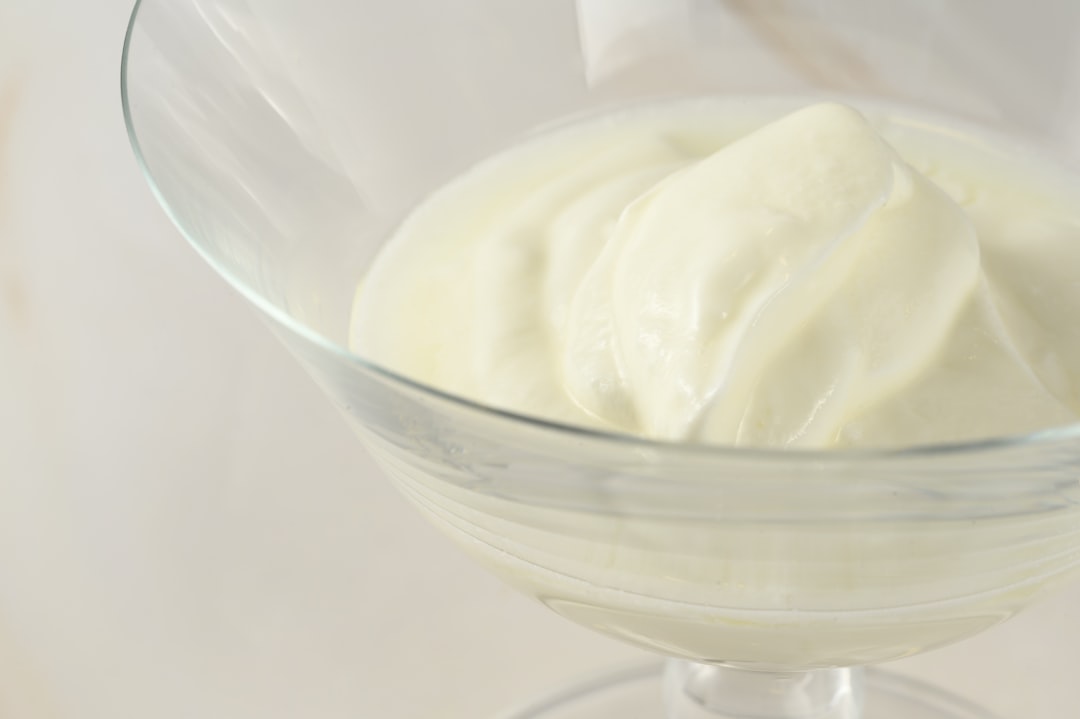
Greek yogurt is protein-rich, helping people feel fuller for longer, with research suggesting that people may eat less throughout the day after consuming high-protein meals. The average Greek yogurt contains around fifteen to twenty grams of protein for a six-ounce serving, or roughly thirty percent of your recommended daily value, helping carry oxygen throughout the body while building and maintaining muscle mass. Greek yogurt is rich in an amino acid called leucine, which is required for optimal muscle repair and recovery, while carbs can help replace muscle glycogen but don’t provide the essential amino acid building blocks needed for muscle recovery.
Nutritionists Champion the Health Benefits Over Traditional Mayonnaise
As a Registered Dietitian, Greek yogurt makes tuna salad more nutrient-dense by using protein-packed Greek yogurt instead of mayonnaise, which has significantly less fat and calories than mayonnaise. Nonfat plain Greek yogurt has far fewer calories than mayo with similar consistency, making it a great substitute – one cup of mayo contains approximately 1440-1600 calories and have over twenty-four grams of fat while one cup of nonfat Greek yogurt contains approximately 130-150 calories with approximately seventeen grams of protein. Yogurt is typically lower in calories and fat compared to mayonnaise, making it a lighter option for those watching calorie intake, while containing beneficial probiotics that support gut health and digestion, potentially enhancing overall immune function.
Culinary Professionals Embrace the Texture and Flavor Profile
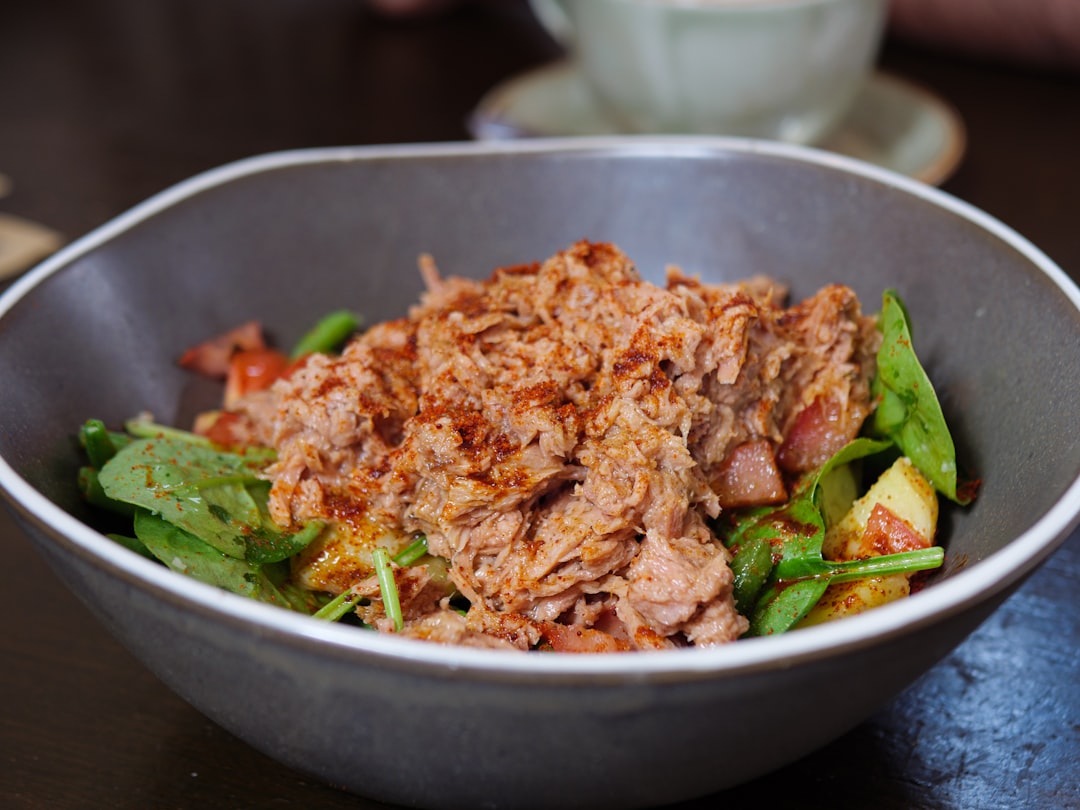
Greek yogurt is similar in texture to mayonnaise, making for a moist and creamy tuna salad, and when paired with Dijon mustard, finely chopped dill and dill pickle, creates a wonderful flavor profile. Tangy and protein-packed, Greek yogurt can lighten up tuna salad while adding a flavorful kick, with the thick consistency of Greek yogurt mimicking the creaminess of mayo, making it an ideal substitute. Using Greek yogurt in tuna salad adds protein and gives it a tangy edge, while mayonnaise is heavier and tends to weigh down the tuna so you won’t be able to appreciate the taste of the fish as much.
Professional Recipe Testing Reveals Superior Ingredient Performance
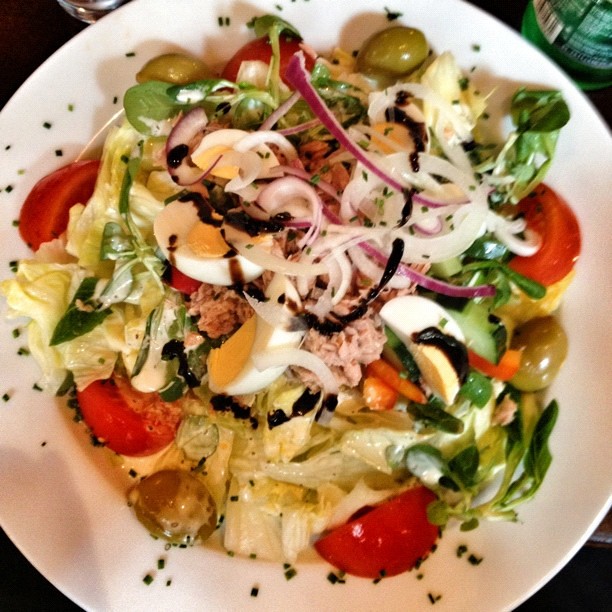
Through many rounds of recipe testing, culinary professionals have successfully figured out how to eliminate mayo from tuna salad while increasing protein and fiber without sacrificing flavor. Chefs develop recipes with unsweetened Greek yogurt for a creamy tang and protein boost instead of mayo, recommending higher fat percentages like two percent or whole for better taste. Pairing tuna with fresh vegetables lightens it up and makes it taste less fishy, while making it a few hours before serving allows the flavors to develop and taste even better.
Celebrity Chefs and Food Influencers Drive Social Media Adoption
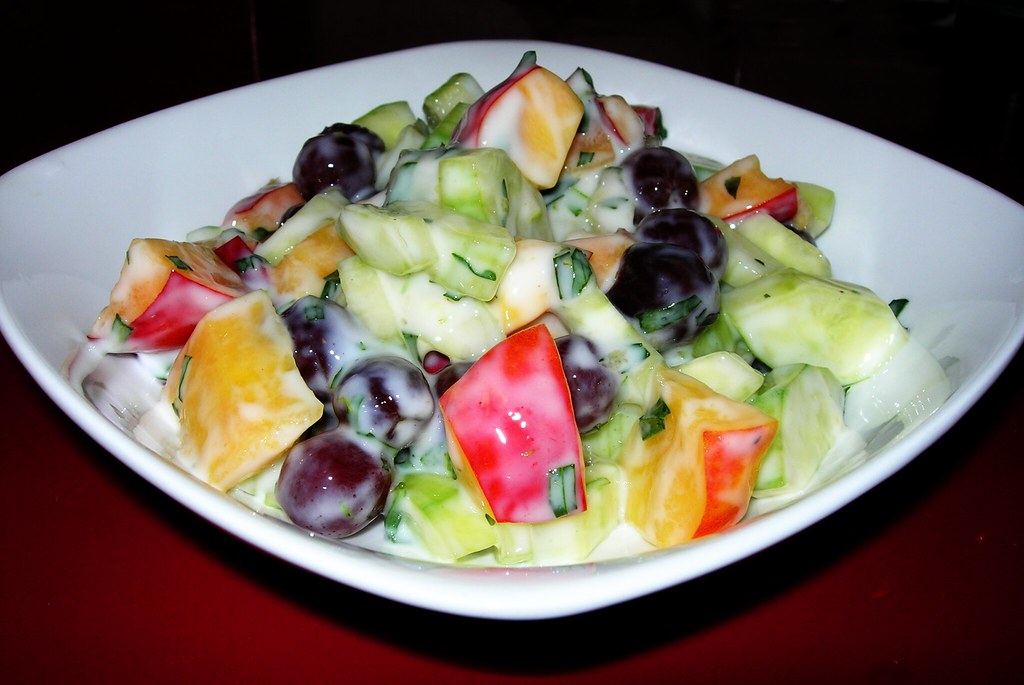
Social media platforms showcase high-protein meals featuring Greek yogurt tuna salad, with recipes containing four hundred sixty-eight calories, seven and a half grams of carbs, zero grams of fat, and approximately eighty-four grams of protein. Certified clinical nutritionists and cookbook authors recommend Greek yogurt’s protein content as an ideal post-workout snack, stating that protein is the primary nutrient needed to recover from a workout. Los Angeles recipe developers and chefs create sponsored collaborations using Greek yogurt because it’s thick, creamy, and delicious, keeping it in their fridges at all times due to its versatility for everything from tuna melts to baked goods to salad dressings.
Research-Backed Evidence Shows Post-Workout Benefits

New research suggests that Greek yogurt offers benefits beyond just protein intake, with Canadian researchers monitoring resistance training of thirty healthy young adult men and finding that adding Greek yogurt to diets lowered certain inflammation markers more effectively than carbohydrates alone. After twelve weeks of training with Greek yogurt consumption, groups gained more total strength, biceps brachii muscular thickness, fat-free mass, and reduced body fat percentage compared to placebo groups. The study suggests that post-workout Greek yogurt not only supports muscle growth but may also help regulate inflammation, which occurs through soreness, stiffness and swelling as muscle fibers develop small tears during strength training.
Versatility in Professional Kitchen Applications

Chefs substitute mayonnaise with yogurt in dishes such as potato salad, dips, macaroni salad or coleslaw for a healthier twist. Greek yogurt can be used instead of mayonnaise in egg salad and other similar applications, offering easy substitution methods for professional kitchens. Mediterranean tuna salad with Greek yogurt base provides higher protein content while maintaining similar texture and consistency to mayonnaise, with the main difference being just a tiny bit of tanginess.
Cost Effectiveness Appeals to Commercial Food Operations
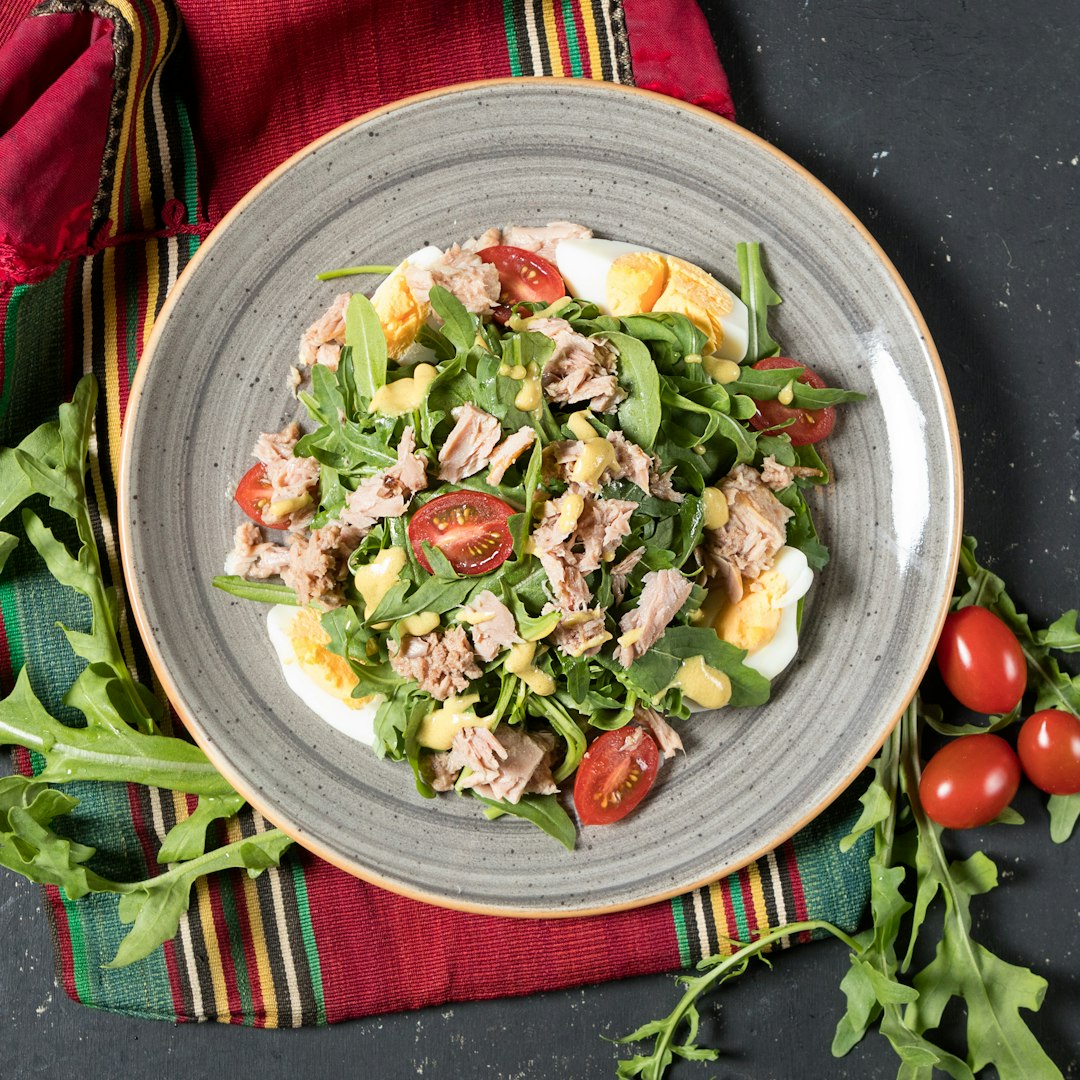
Some nutrition professionals report cost savings by making their own Greek yogurt instead of purchasing pre-made versions. In an age where grocery costs are higher than ever, tuna is a life-changing ingredient that’s incredibly cheap while packed with protein and healthy fats to keep people feeling fuller longer. A typical tuna salad recipe contains approximately three hundred seventy-five calories per cup, but by omitting mayo and using Greek yogurt, the calories drop to approximately one hundred ninety-five per serving.
Food Safety and Storage Advantages
Tuna salad with Greek yogurt can be prepared up to three days in advance and stored in airtight containers, requiring only a stir before serving once removed from the refrigerator. Professional kitchens appreciate that Greek yogurt tuna salad can be prepared up to three days in advance, stored in tupperware or airtight containers, and given a stir before serving. While it’s safe to freeze tuna salad, both Greek yogurt and mayonnaise tend to separate when frozen, causing the salad to be mushy and watery after defrosting, making fresh preparation preferable.
Professional Adaptations Create Signature Dishes
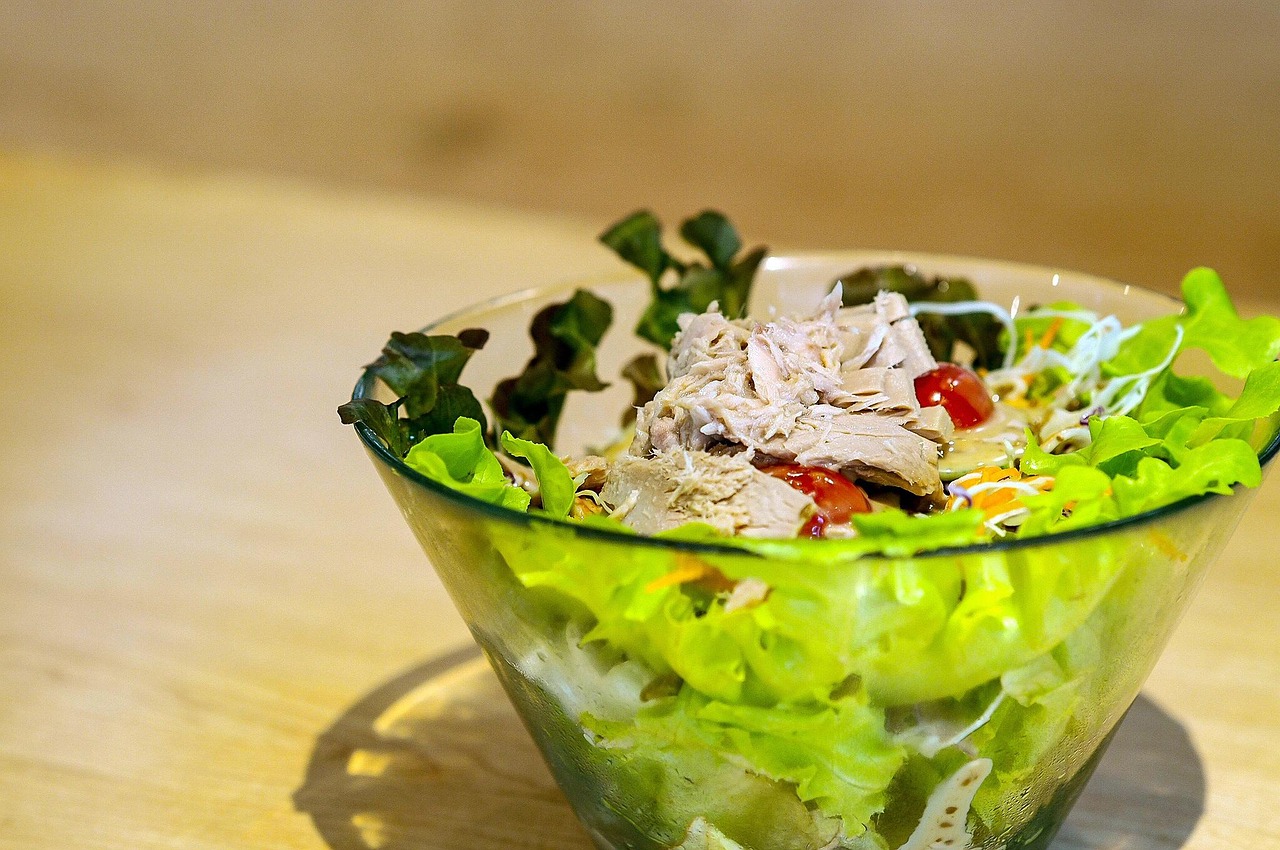
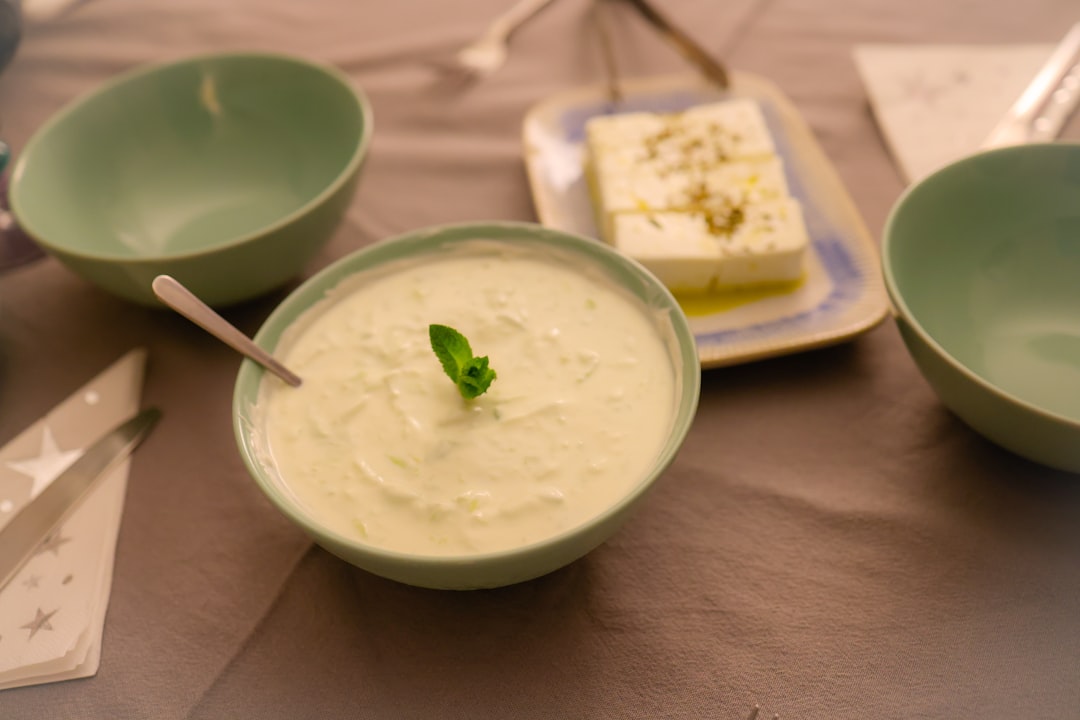
Chefs use tzatziki sauce as a stellar substitute for mayo in tuna salad, with this refreshing Greek yogurt-based sauce taking dishes to the next level. Experienced chefs and culinary advisors explain that pesto infuses tuna salad with vibrant and aromatic herby, nutty flavors made from pine nuts, garlic, Parmesan cheese, and basil, transforming simple tuna salad into gourmet dishes with minimal effort. Mediterranean-style variations simply add capers, Greek olives, red onion, and chopped red bell peppers to Greek yogurt tuna salad for creative Mediterranean twists.
The culinary world’s embrace of Greek yogurt in tuna recipes represents more than just a health-conscious trend. Professional chefs have discovered that this substitution delivers superior nutrition, enhanced flavor profiles, and increased versatility while maintaining the creamy satisfaction that makes tuna salad a beloved dish. From social media influencers to registered dietitians, the evidence consistently points to Greek yogurt as a game-changing ingredient that elevates both home cooking and professional kitchen applications.
What do you think about this shift toward healthier tuna preparations? Tell us in the comments.