5 Nations Where Tipping Is Discouraged – or Expected, Guides Report
Tipping customs across the globe vary dramatically, creating confusion for travelers who don’t want to commit cultural faux pas. While some countries practically mandate hefty gratuities, others find the practice downright offensive. Recent travel guides and cultural research from 2024 and 2025 reveal fascinating patterns about how different nations approach this delicate social custom.
Japan: Where Tipping Is Actually Offensive
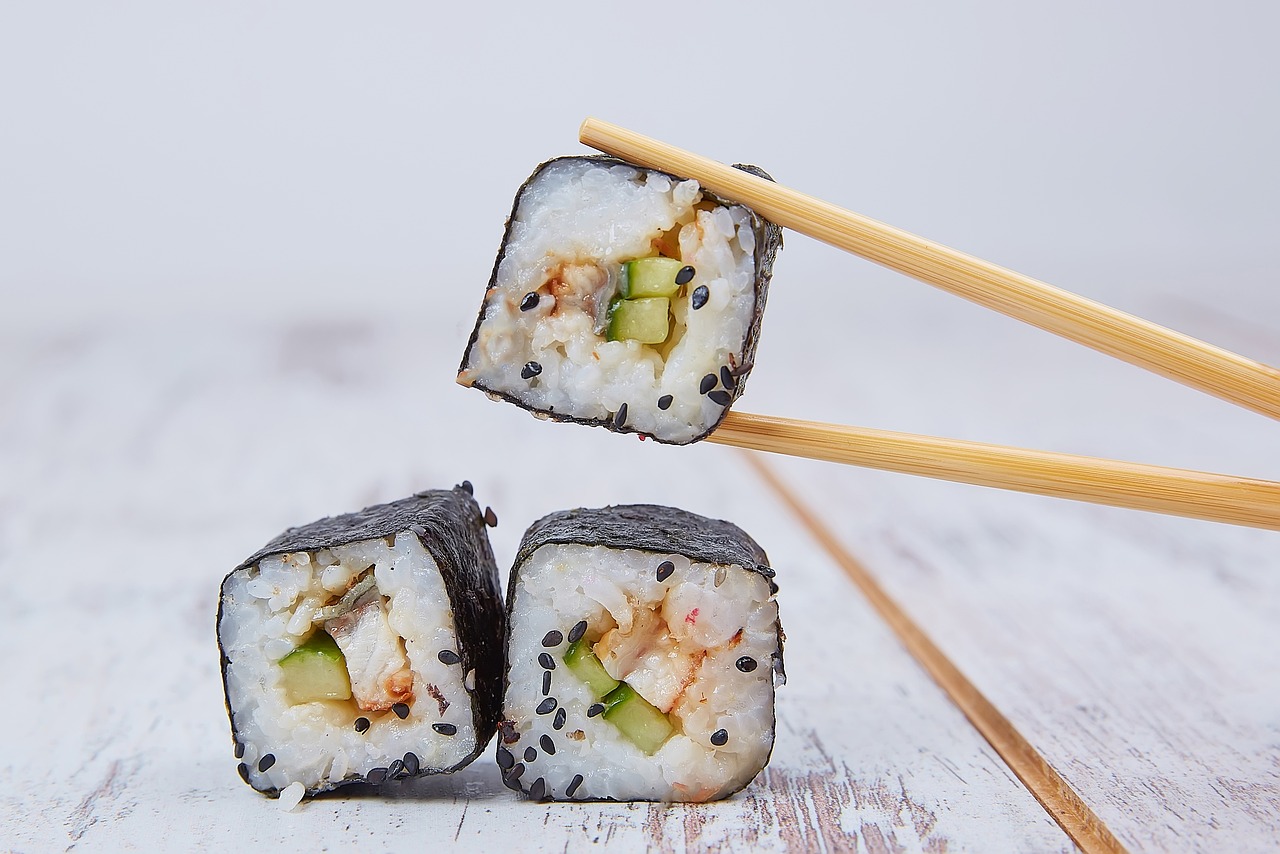
In Japan, tipping is seen as a violation and is thought to imply that an employer does not value their employees enough to offer sufficient pay. Service workers don’t expect tips and may return them to you or refuse to accept them. If you round up the bill, they will give you the exact change in return. While servers and bartenders in the United States depend on tips to supplement wages, tipping at a restaurant could be considered an insult in Japan, where employers include higher service standards as part of wages and the wait staff is paid a regular wage.
South Korea: A Nation That Finds Tips Tacky
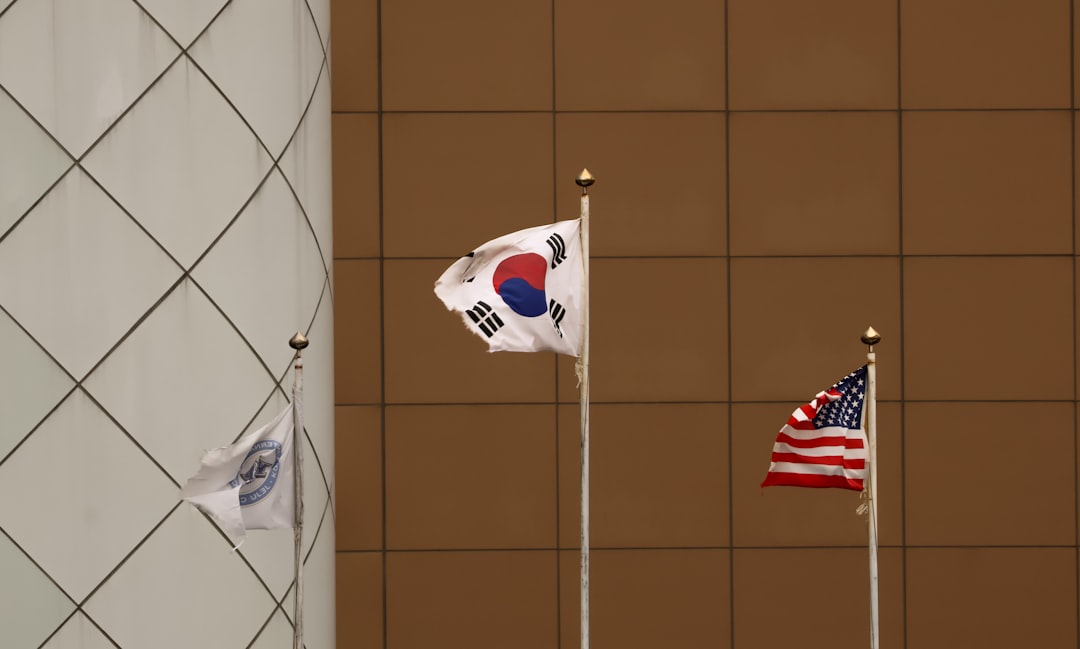
South Korean service workers don’t expect tips, and tipping isn’t considered culturally appropriate. Large tips may even be seen as tacky or mildly offensive. But some workers, like taxi drivers and waiters, will keep a small tip if you round up the bill and tell them to keep the change. The concept of service excellence is built into the culture rather than rewarded through additional payments.
Iceland: The Firm No-Tipping Culture
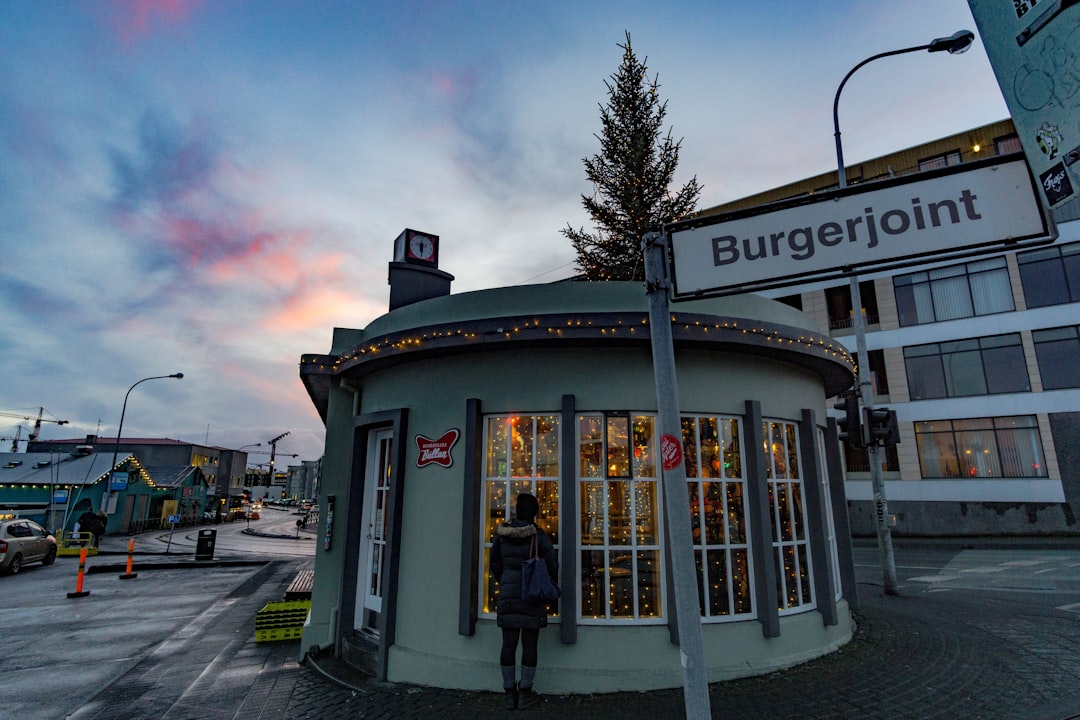
Iceland is the big exception to that rule. It has a firm no-tipping culture, and restaurant staff are well paid. In fact, you likely won’t even see a line for a tip on the credit card bill. Tipping in Iceland is not a common practice. Icelanders receive fair wages, and service charges are often included in bills. While tipping is not expected, it’s still appreciated. Tourism has slightly influenced local customs, but the fundamental no-tip philosophy remains strong.
Norway: Where Labor Unions Actually Discourage Tipping
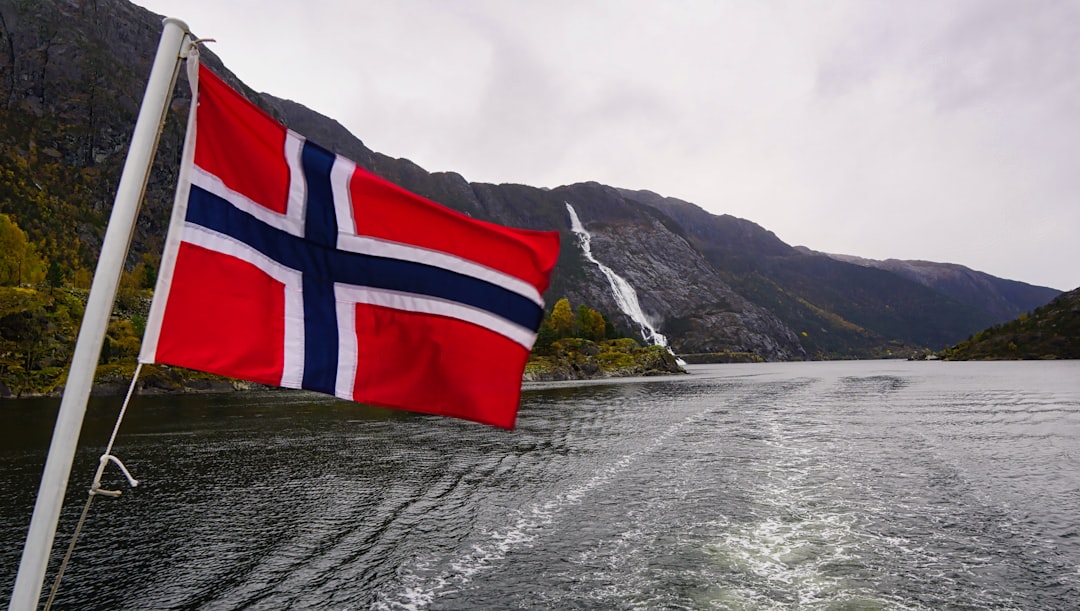
Norwegian labor organizations reportedly discourage tipping, except for extraordinary service, because it makes salaries decrease over time, makes it harder to negotiate salaries and does not count towards pensions, unemployment insurance, loans and other benefits. Norway is one of the most expensive countries in the world, and this is reflected in its service sector. Tipping isn’t a big part of the culture here, largely because workers are compensated well. However, in higher-end restaurants or for exceptional service, a tip of 5-10% might be appreciated but never expected.
Australia: The Changing Landscape of Tipping Culture
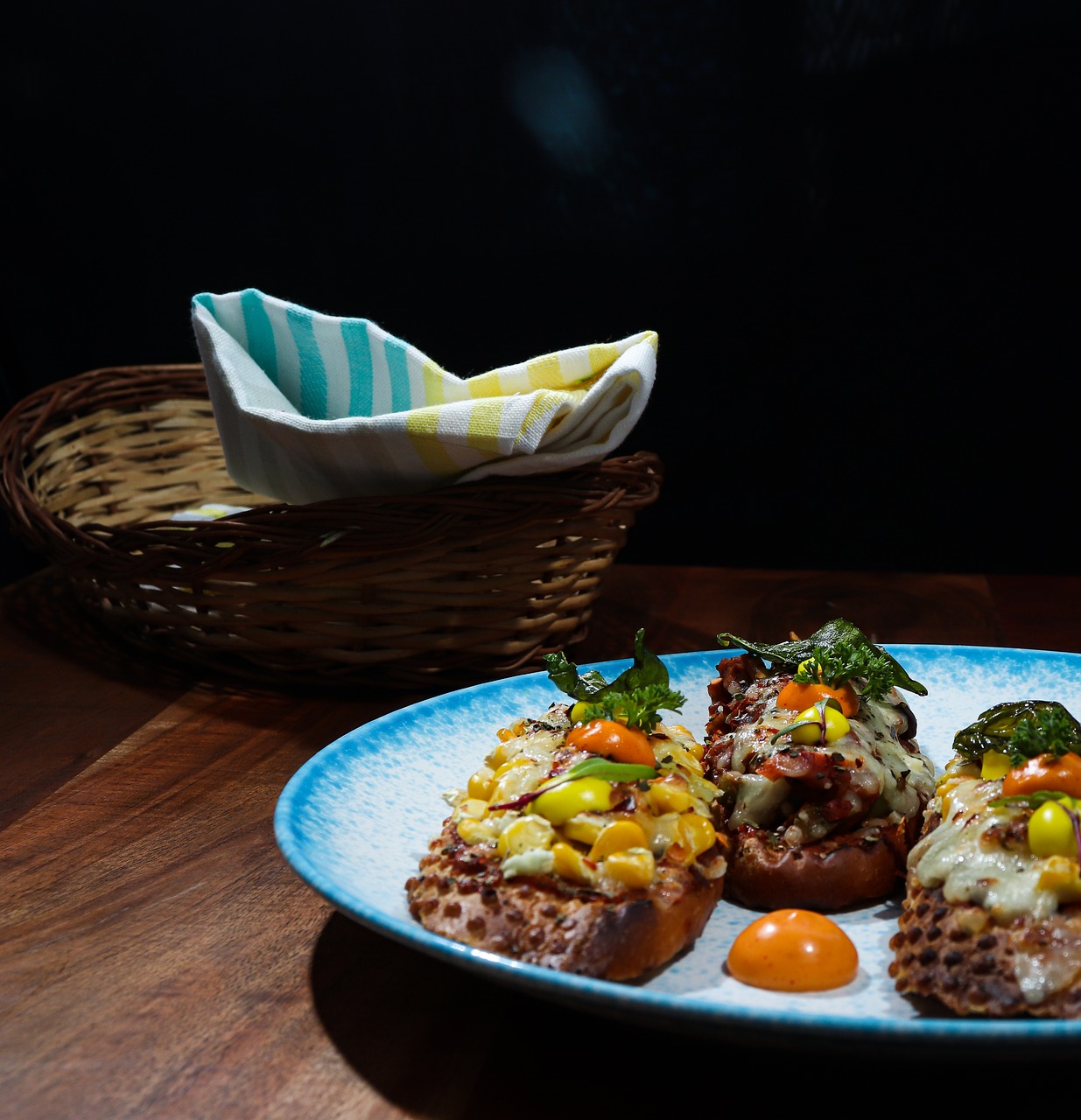
Tipping is not expected or required in Australia. The minimum wage in Australia is reviewed yearly, and is regularly reviewed and set at competitive rates and this is fairly standard across all types of venues. However, recent data shows interesting shifts. Recent research suggests a growing willingness among Australians to leave tips when dining out, representing a shift in attitudes towards tipping culture. Recent data indicates growing tip values among those who choose to tip. This growth highlights an increasing willingness among Australians to reward exceptional service, even in a challenging economic environment.
Understanding these cultural nuances can save travelers from embarrassing situations while ensuring they respect local customs. Whether you’re visiting a country where tipping is forbidden or expected, knowing the local etiquette helps create positive interactions with service workers everywhere. What do you think about these different tipping cultures? Tell us in the comments.