Why Eating Alone Is Normal in Some Nations – and Rare in Others, Study Shows
Across the globe, the simple act of sharing a meal reveals profound cultural differences. Where some societies embrace solo dining as a form of self-care and independence, others still regard it with suspicion or sadness. Recent research has illuminated these striking contrasts, showing how cultural backgrounds shape our most basic human behaviors around food and companionship.
The American Solo Revolution

In 2023, roughly 1 in 4 Americans reported eating all of their meals alone the previous day – an increase of 53% since 2003. This dramatic shift represents more than changing lifestyles; it signals a fundamental transformation in American social fabric. Dining alone has become more prevalent for every age group, but especially for young people. Increase in Solo Dining: In 2023, about one in four Americans ate all of their meals alone the previous day, a 53 percent increase since 2003. Prevalence Across Age Groups: Solo dining has become more common in all age groups, but the increase is most significant among those under 35 (a 180 percent increase over the past two decades).
European Solo Patterns: A Continental Divide
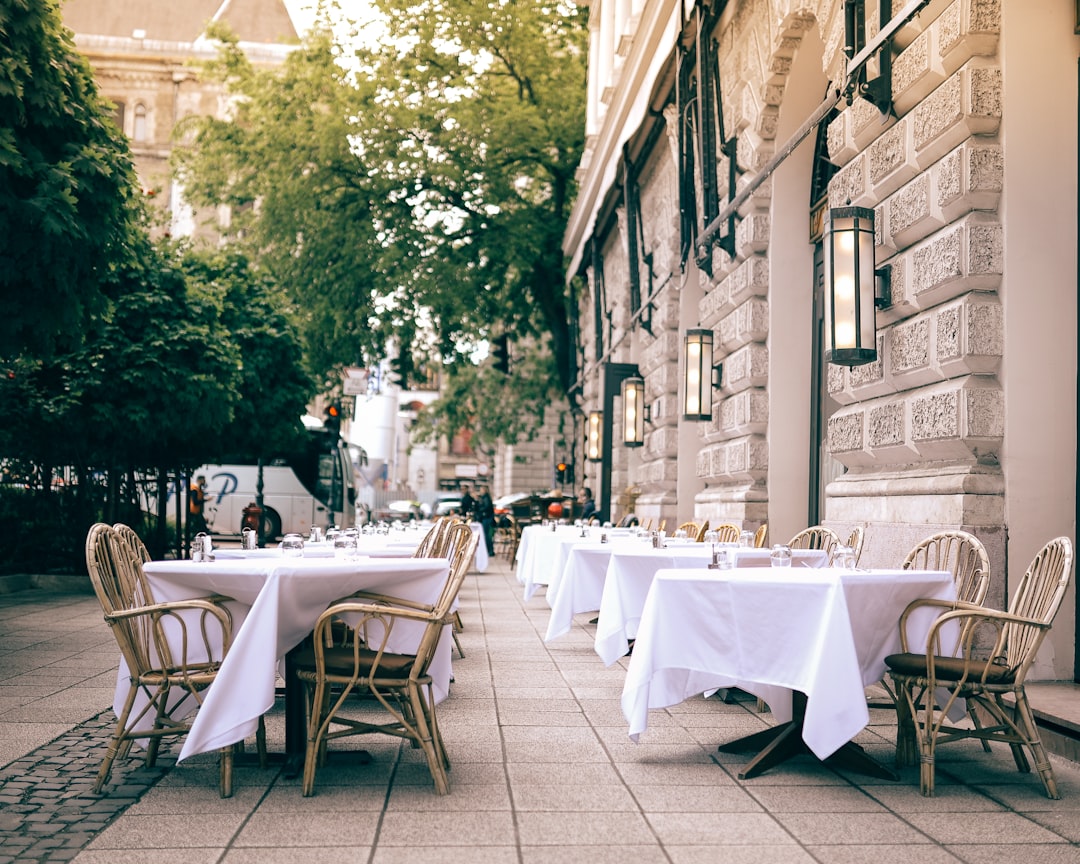
Surveys have shown that almost half of all adult American meals are consumed alone, while one-third of Europeans eat all their meals alone. Yet Europe itself shows remarkable variation in dining habits. One report by a global market research company documented that 30% of all total European restaurant guests were solo diners. This same report further indicated that although numbers of restaurant guests in Europe dropped by three percent over the most recent five-year timeline, numbers of solo diners increased by nine percent, representing 138 million more solo restaurant visits. However, traditional family dining cultures remain particularly strong in Mediterranean countries like Italy and France, where communal meals still anchor daily life.
South Korea’s Honbap Revolution
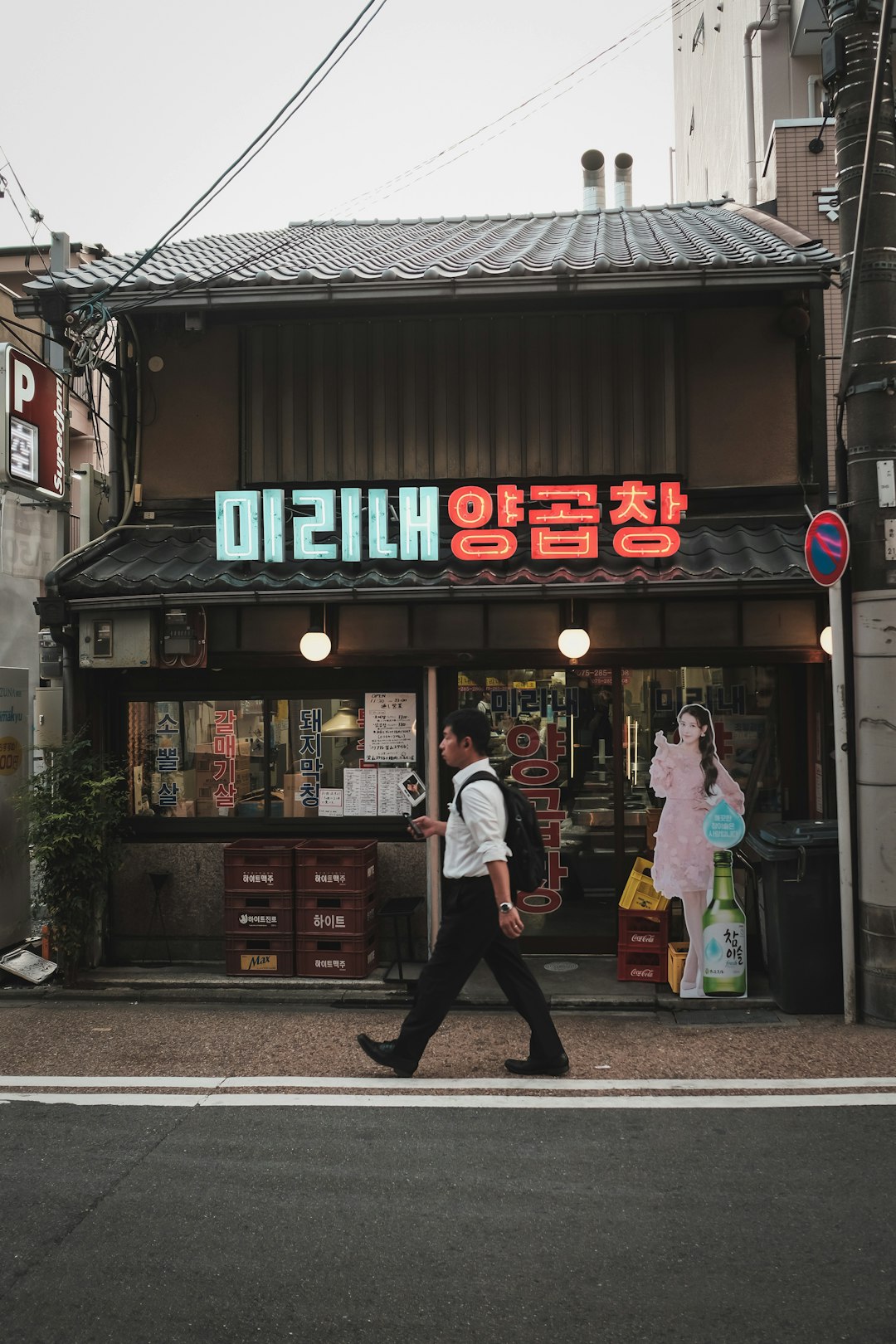
The word honjok – a portmanteau of honja (alone) and jok (tribe) – captures a sweeping cultural shift in South Korea, where nearly 35.5 per cent of households were single-person homes in 2023. The practice of eating alone, called honbap, has become normalised. According to reports, about 70 to 80 per cent of Koreans have tried it, and over half expressed a preference for solo dining. The Korea Rural Economic Institute recently conducted a national consumer behavior food survey involving interviews with 5,983 residents and reported that 89.2% of all respondents dined out alone during 2017. Another survey conducted by the state-run Korea Agro-Fisheries & Food Trade Corporation validated the rising trend in solo dining based on statistical data obtained from 3,014 South Koreans. Results of this survey reported that consumers dine out 13.7 times each month, with solo dining representing about 26% of these occasions.
Japan’s Ohitorisama Culture
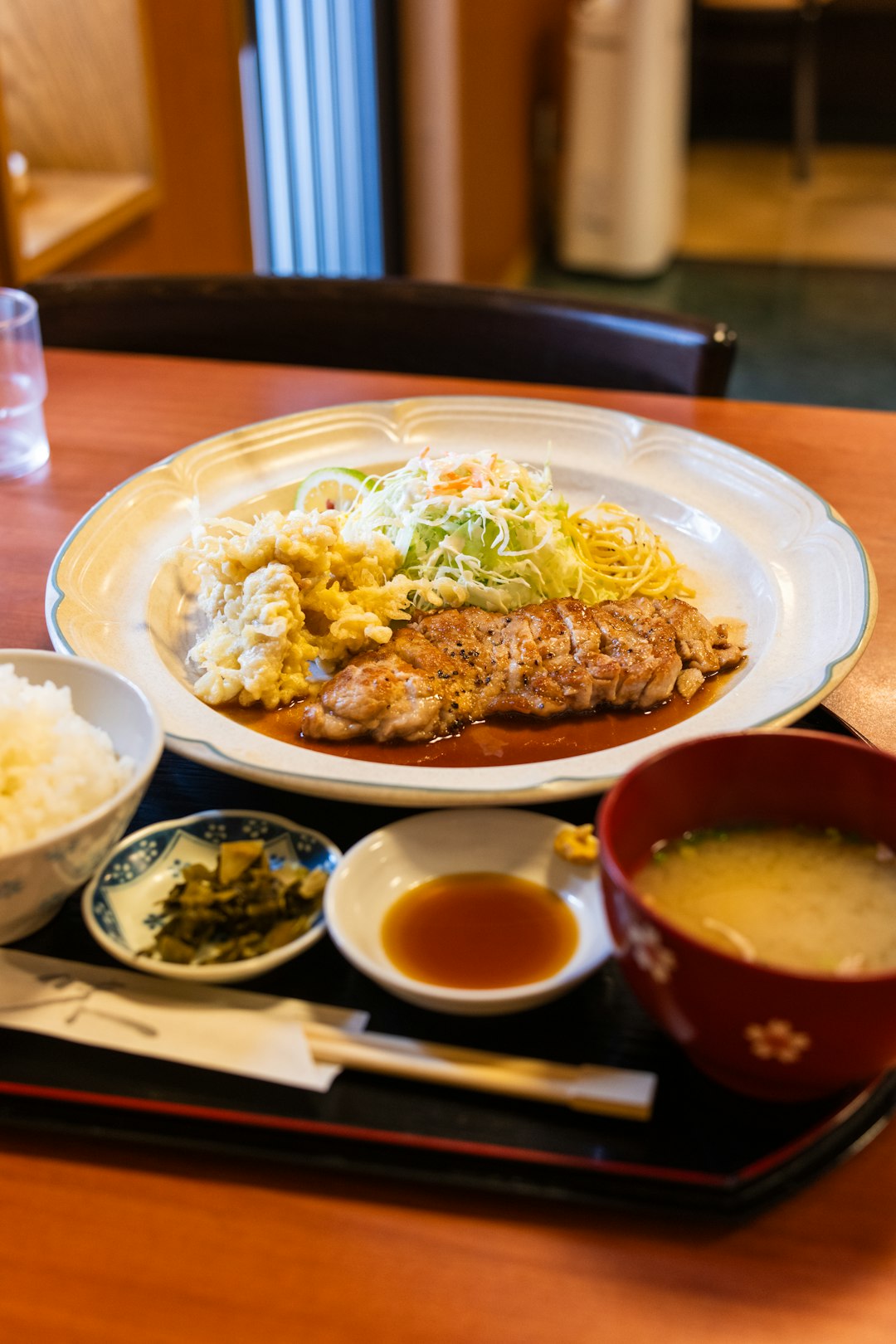
Japan has long been the bellwether of solo culture, with ohitorisama (literally, “party of one”) becoming an everyday practice rather than a stigma. Japan has long been the bellwether of solo culture, with ohitorisama (literally, “party of one”) becoming an everyday practice rather than a stigma. The shift is organic: over one-third of Japan’s approximately 53 million households are single-person, with projections nearing 40 per cent by 2040. The restaurant industry has fully embraced this trend. At Ichiran, the famed ramen chain, diners order via vending machine and eat in partitioned booths designed to eliminate distraction. The experience becomes a form of culinary meditation, where taste, not table chatter, takes centre stage.
The Italian Family Table Fortress
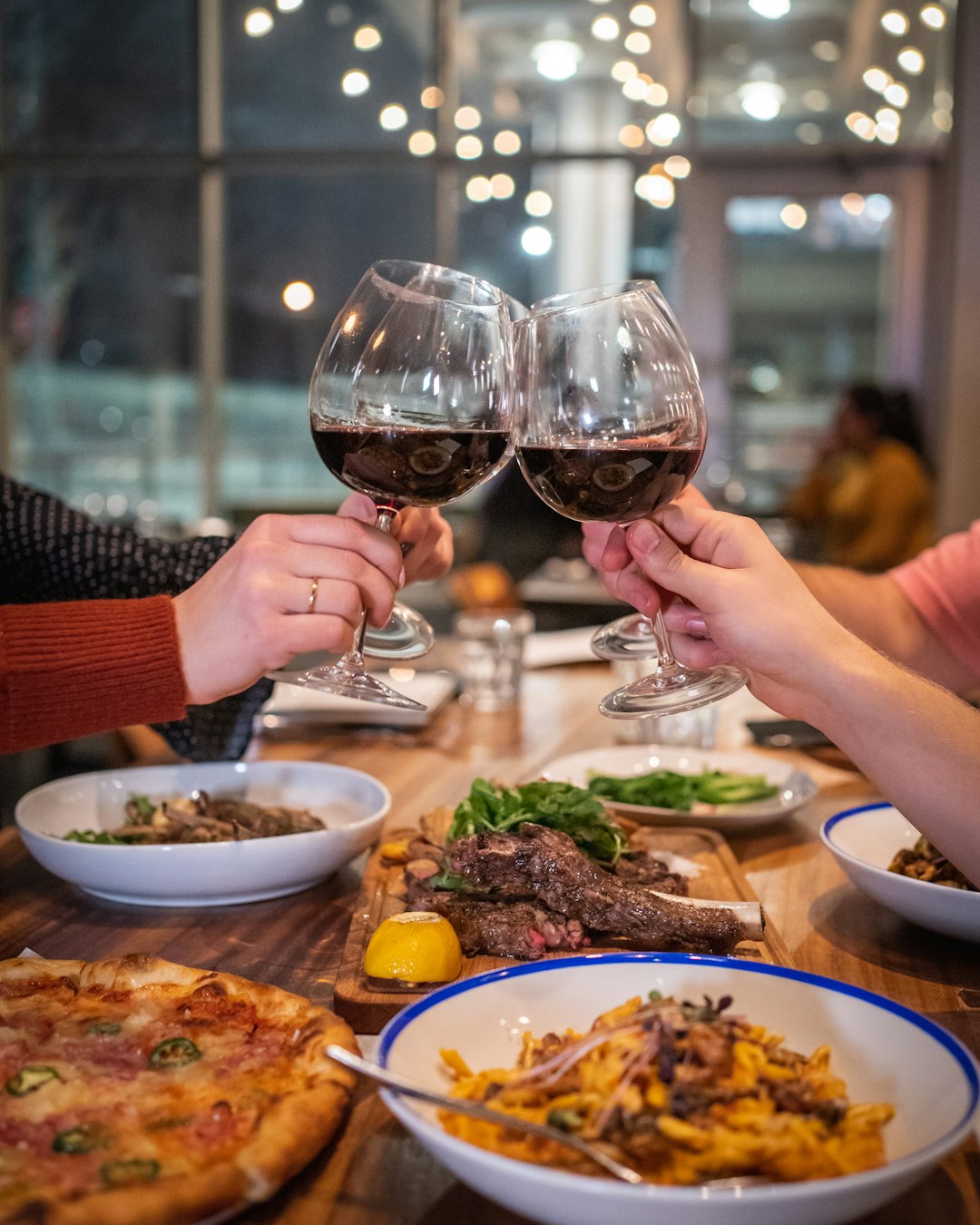
The Italians weren’t first to eat with company at a table (the Ancient Egyptians were the earliest recorded originators, eating around tables made of stones), but they do it best and more regularly than any other country in the world. They prioritise it because they understand its importance. The OECD Better Life Index, that brings together internationally comparable measures of well-being, includes statistics of “Time spent eating and drinking”. And Italy is second only to France, with an average of 2h 05m spent daily. We are followed by Greece and Spain, while Canada and the United States halve the time spent (1h 04 m for Canada and 1h 01m for the USA). While people around the world, especially some people in England and North America, develop family traditions based on “home delivery” or “eating out”, home-cooked meals shared with the rest of the family remain a sacred, irreplaceable event in Italy.
Cultural Stigma Versus Self-Empowerment
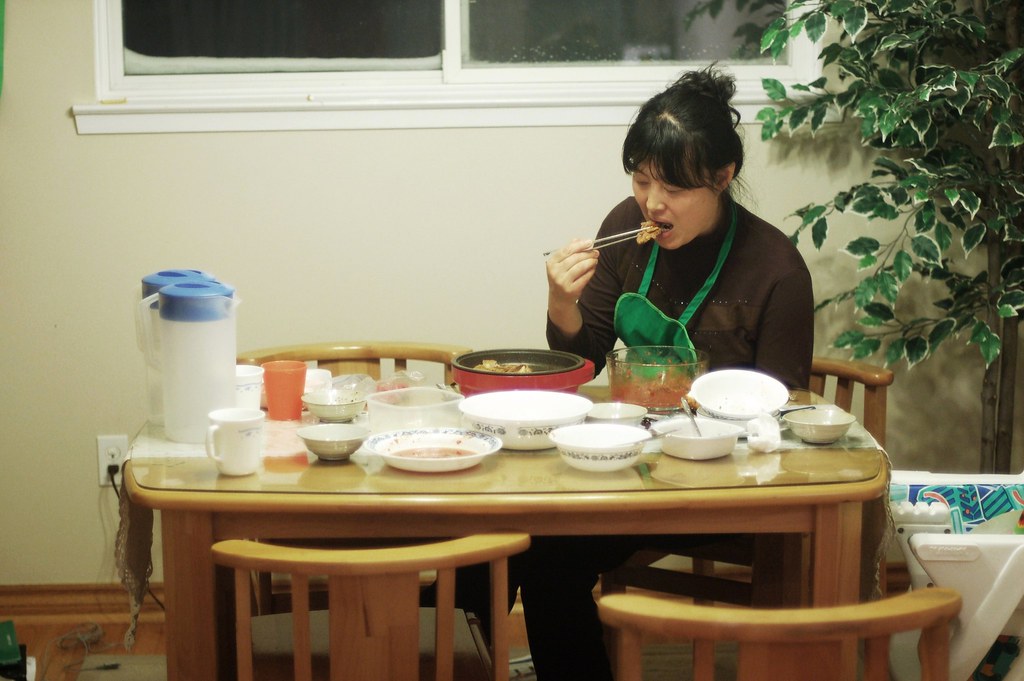
The stress and loneliness reported in solo dining literature could be explained by the enduring social stigma that associates a public display of aloneness with negative connotations. The social stigma was reported to amplify in collectivist cultures. In places like South Korea, these cultural norms dictate that eating together is a key part of social interaction, leading to negative perceptions of solo dining. In places like South Korea, these cultural norms dictate that eating together is a key part of social interaction, leading to negative perceptions of solo dining. Yet attitudes are rapidly evolving. Currently, people in their 20s and 30s hold more positive attitudes about eating alone compared to those in their 40s and 50s in South Korea.
Latin America’s Social Dining Dominance
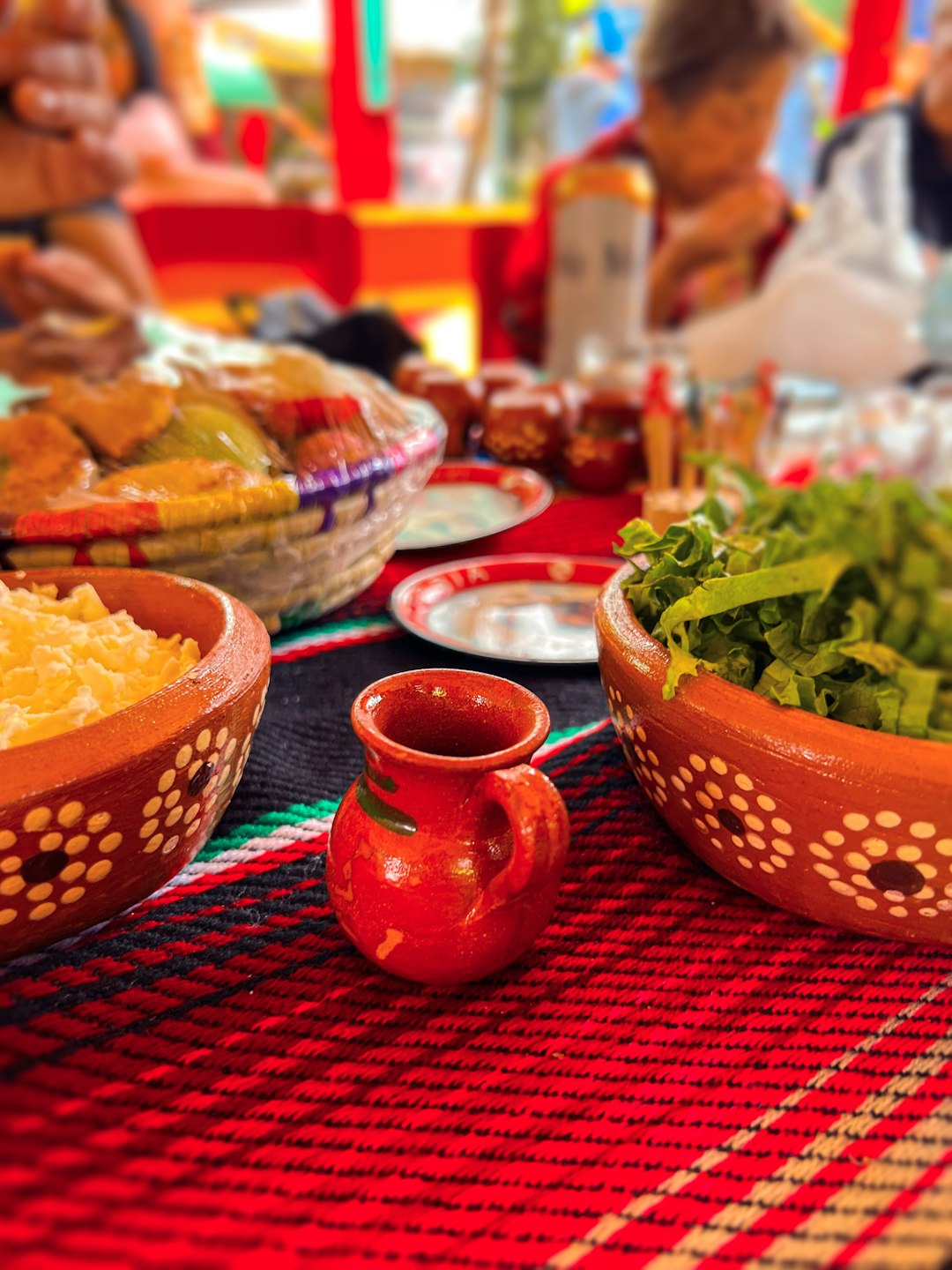
Globally, meal-sharing varies: Latin America leads in social dining, averaging nine shared meals weekly, while South Asia ranks lowest with fewer than four, highlighting cultural and regional differences. Latin American cultures maintain some of the world’s strongest communal dining traditions, where family gatherings around food remain central to social identity and daily rhythms. This stands in stark contrast to individualistic societies where solo dining has gained acceptance as personal freedom rather than social isolation.
The Mental Health Connection
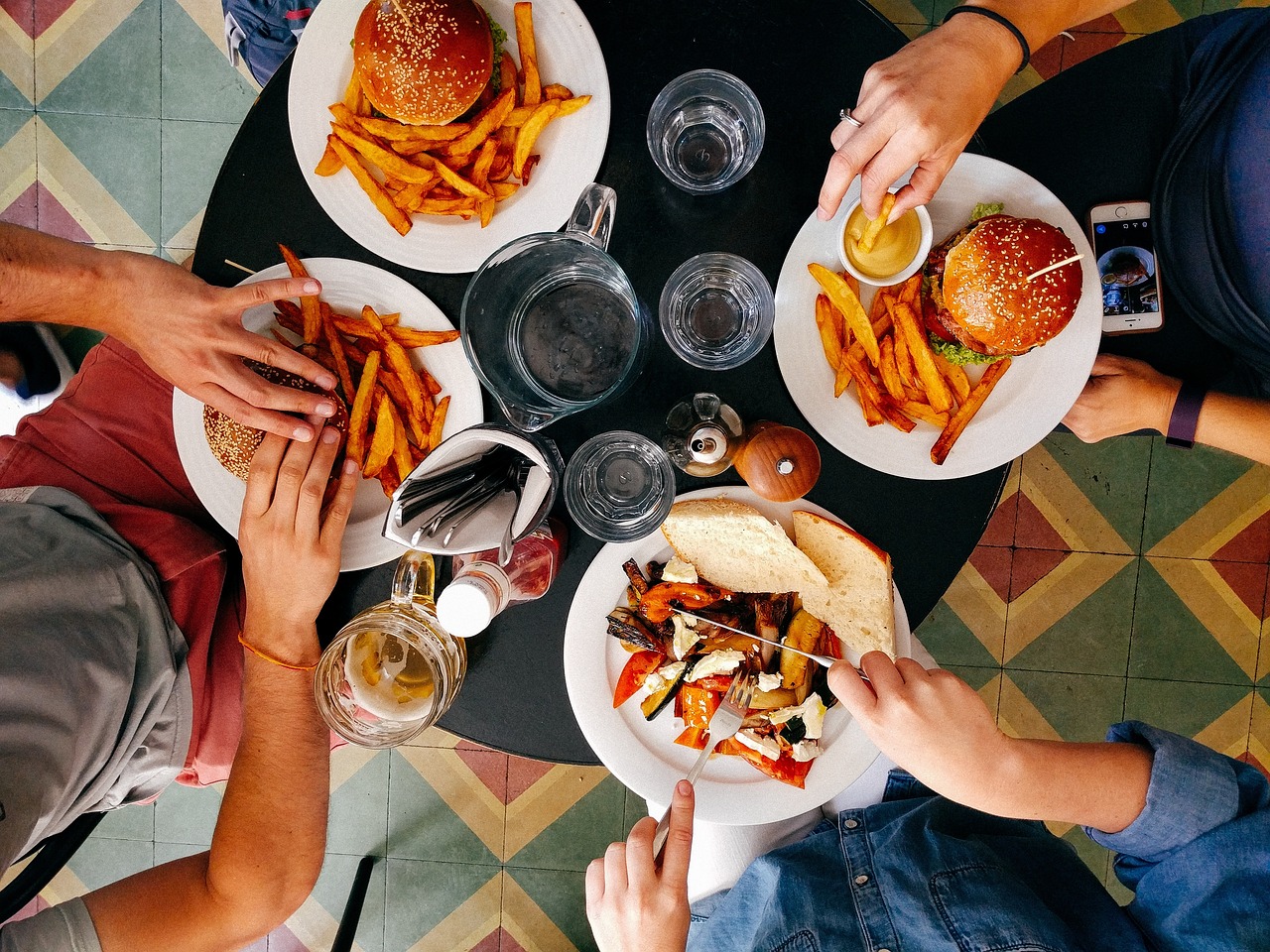
Those who share more meals with others report significantly higher levels of life satisfaction and positive affect, and lower levels of negative affect. This is true across ages, genders, countries, cultures, and regions. However, the relationship is more complex than simple correlation. This means that even young adults can enjoy healthy solo dining if they are motivated by SDS; however, having to eat alone as a daily routine without being motivated by SDS may provoke feelings of depression and lead to unhealthy solo dining. Unlike in the past, solo dining is now being considered a valuable and meaningful activity that should be performed by individuals to add value to their hectic daily lives. Currently, solo diners are fostering a new dining culture by enjoying their time alone.
The Business World Adapts

Restaurants worldwide are recognizing these cultural shifts and adapting accordingly. Restaurants are adapting quickly, providing single-person booths and vending-machine ordering. Chains like Lotteria and Pizza Hut have redesigned menus and seating, including installing more bar counters and single-serving options, to better accommodate solo visitors. An Australian-based market research company specializing in the restaurant industry reported that 40 percent of online restaurant bookings reflected solo diners. This business evolution reflects deeper societal changes in how different cultures view independence, privacy, and social connection.
Why Geography Shapes Our Plates
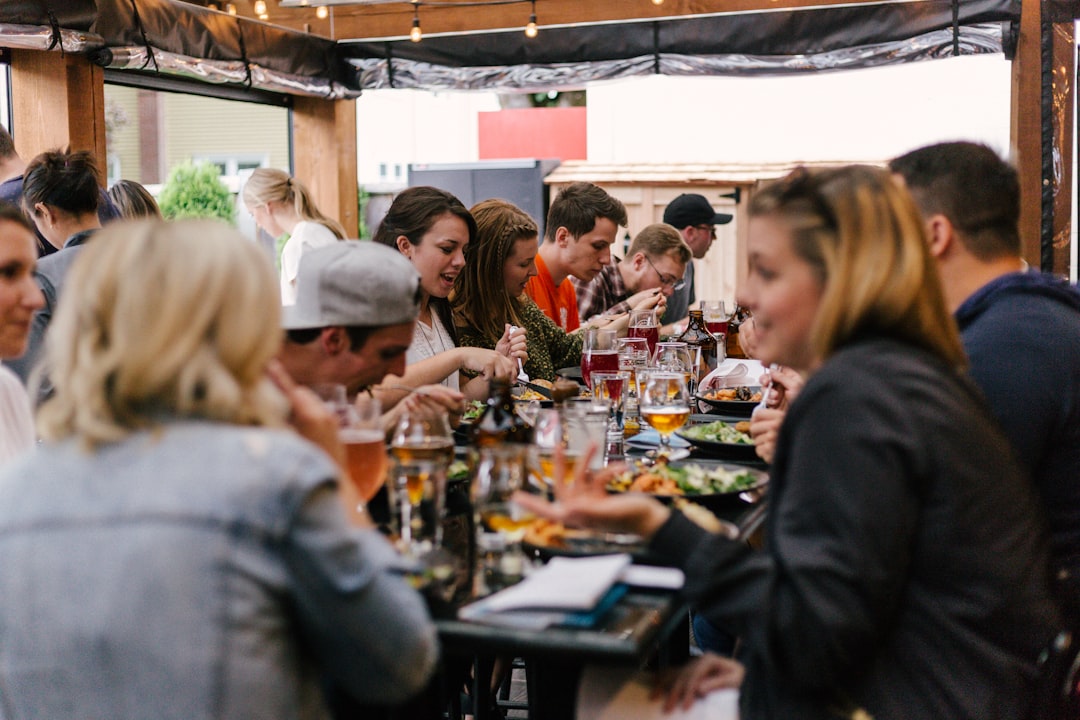
While residents of some countries share almost all of their meals with other people, residents of other countries eat almost all of their meals alone. These differences are not fully explained by differences in income, education, or employment. Cultural values around collectivism versus individualism play a fundamental role. In many cultures, eating together with other people is very common and highly preferred, whereas eating alone is often strongly stigmatized and viewed as a sign of loneliness. These deeply rooted cultural frameworks influence how societies interpret the meaning behind solo dining – whether it represents empowerment, necessity, or social failure.
The global landscape of dining habits continues evolving as urbanization, technology, and changing family structures reshape our relationship with food and companionship. Understanding these cultural differences helps us appreciate not just what we eat, but how the simple act of sharing – or not sharing – a meal reflects our deepest values about community, independence, and human connection. What fascinates most is how something as universal as eating can reveal such profound differences in how we see ourselves and our place in society.