Why Bread Remains the World’s Most Shared Food, Study Finds
Across cultures, continents, and centuries, one food item stands quietly at the heart of human connection: bread. Recent research reveals fascinating insights about why this humble staple continues to be the world’s most universally shared food, transcending boundaries and bringing people together in ways that no other ingredient can match.
The Astronomical Scale of Global Bread Consumption
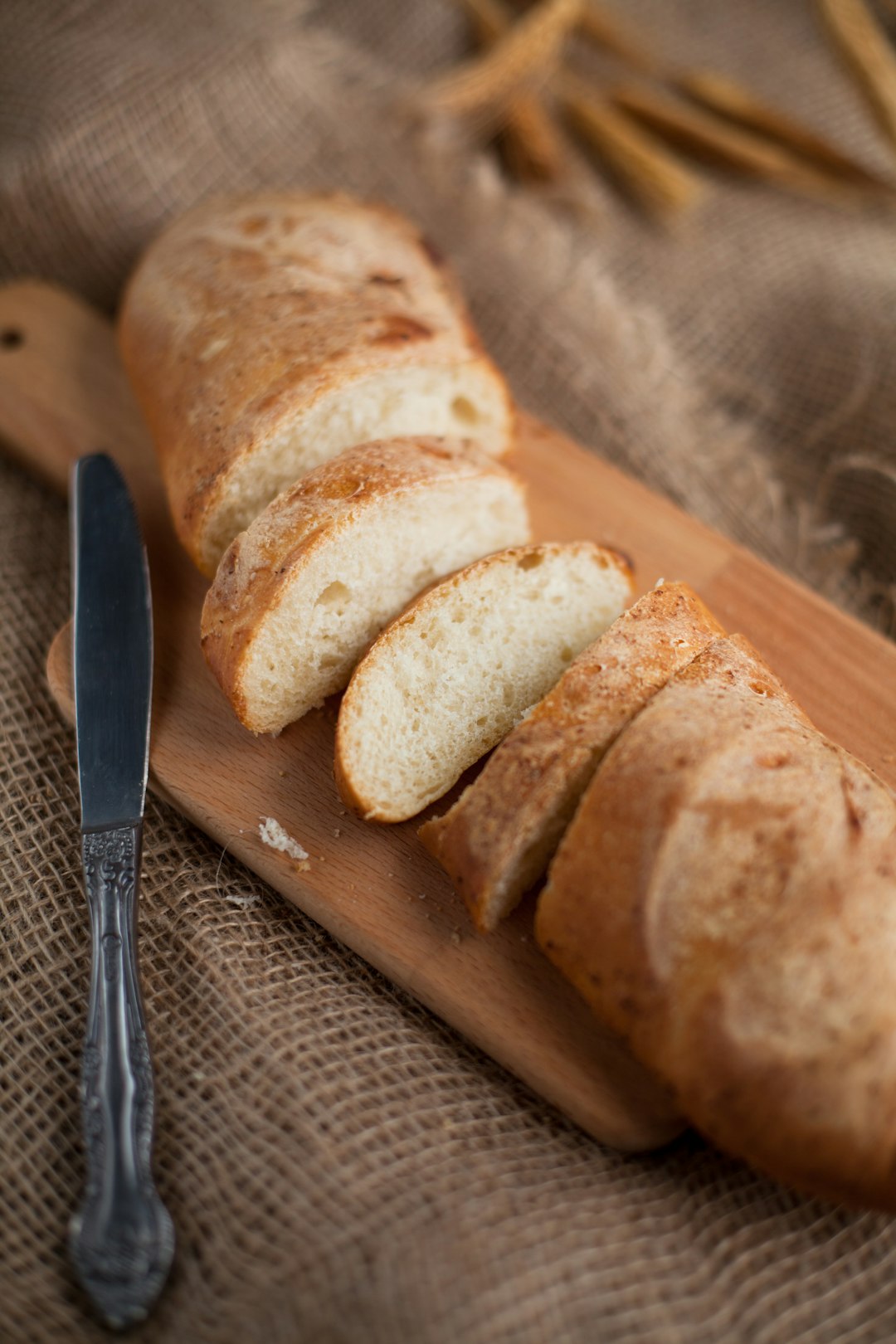
The global bread market represents a multi-billion dollar industry with continued growth projections. This massive industry reflects an even more impressive reality about human food habits.
Cereals are the cornerstone of global diets, with massive annual consumption measured in billions of metric tons. Within this category, bread products dominate households worldwide, with significant bread consumption across American households.
The scale varies dramatically by region. This variation is visible in European countries, with the UK and Turkey exemplifying contrasting consumption patterns: the UK and Turkey show notably different consumption patterns, with Turkey among the highest bread-consuming nations globally.
Ancient Roots That Still Bind Us Today
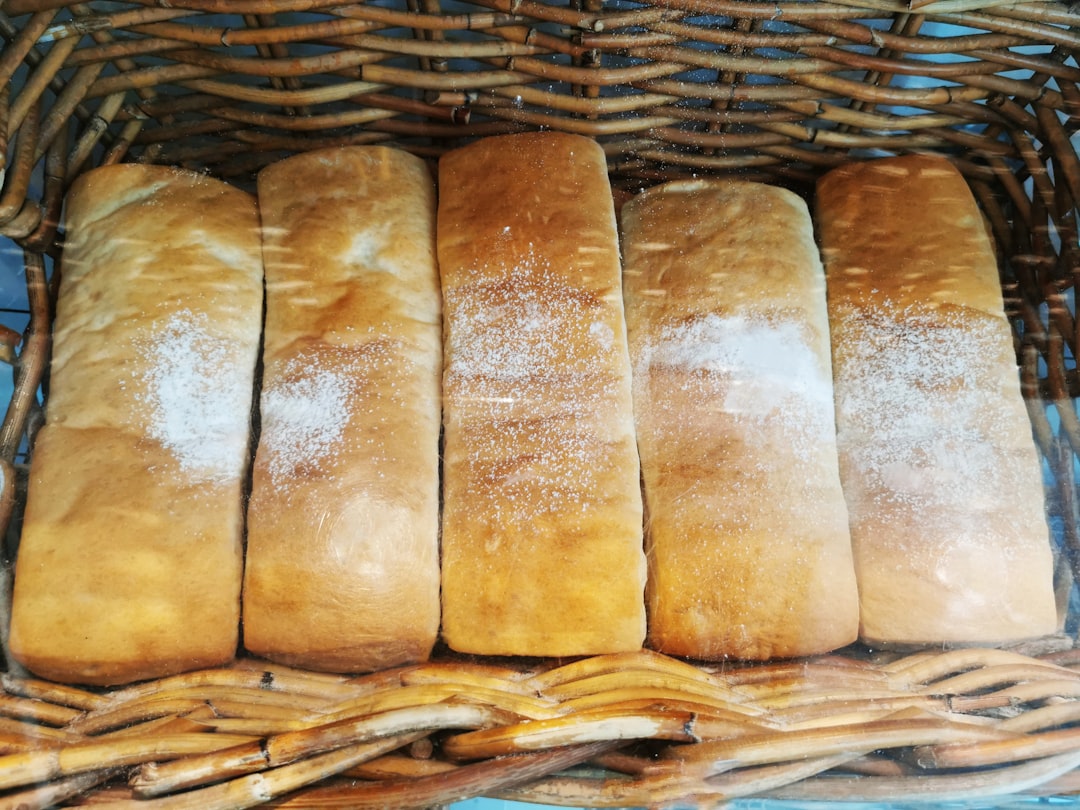
Throughout history, bread has been a staple food for countless cultures due to its affordability, ease of preparation, versatility, and high nutritional value. Bread consumption dates back thousands of years, making it one of the oldest and most widespread food sources worldwide.
Archaeological evidence tells a remarkable story. In Mesopotamia, considered one of the centres of civilization development, sourdough was used in the baking process of bread over 4000 years ago. Archaeological discoveries indicate the presence of bread ovens and various types of bread, which proves the developed practice of baking.
From the Middle East, where traces of the first flatbread were discovered, to Europe then the Americas, the bread culture spread around the world via trade, exploration, and colonization. Today, from baguettes in France and tortillas in Mexico, to pita in the Middle East and chapati in India, bread holds cultural significance and continues to be a dietary mainstay in many countries around the world.
The Science Behind Food Sharing and Social Connection

Recent academic research provides compelling evidence for why bread specifically functions as a social connector. Greater enjoyment and frequency of ethnic food consumption were significantly associated with lower perceptions of immigrants as cultural and economic threats and with decreased likelihood of voting for anti-immigrant politicians.
We conducted two studies to investigate the influence of food sharing on people’s social evaluation. In Study 1, the results of an online survey revealed that Chinese adults expected voluntary food sharing to influence the recipient’s social evaluation of the sharer. When the participants could choose whom to share food with, they rated the selected person as being more prosocial than the person they did not choose. These results demonstrate the influence of voluntary food sharing with choice on people’s social evaluation of unacquainted individuals.
Why Bread Beats Other Foods in Social Settings
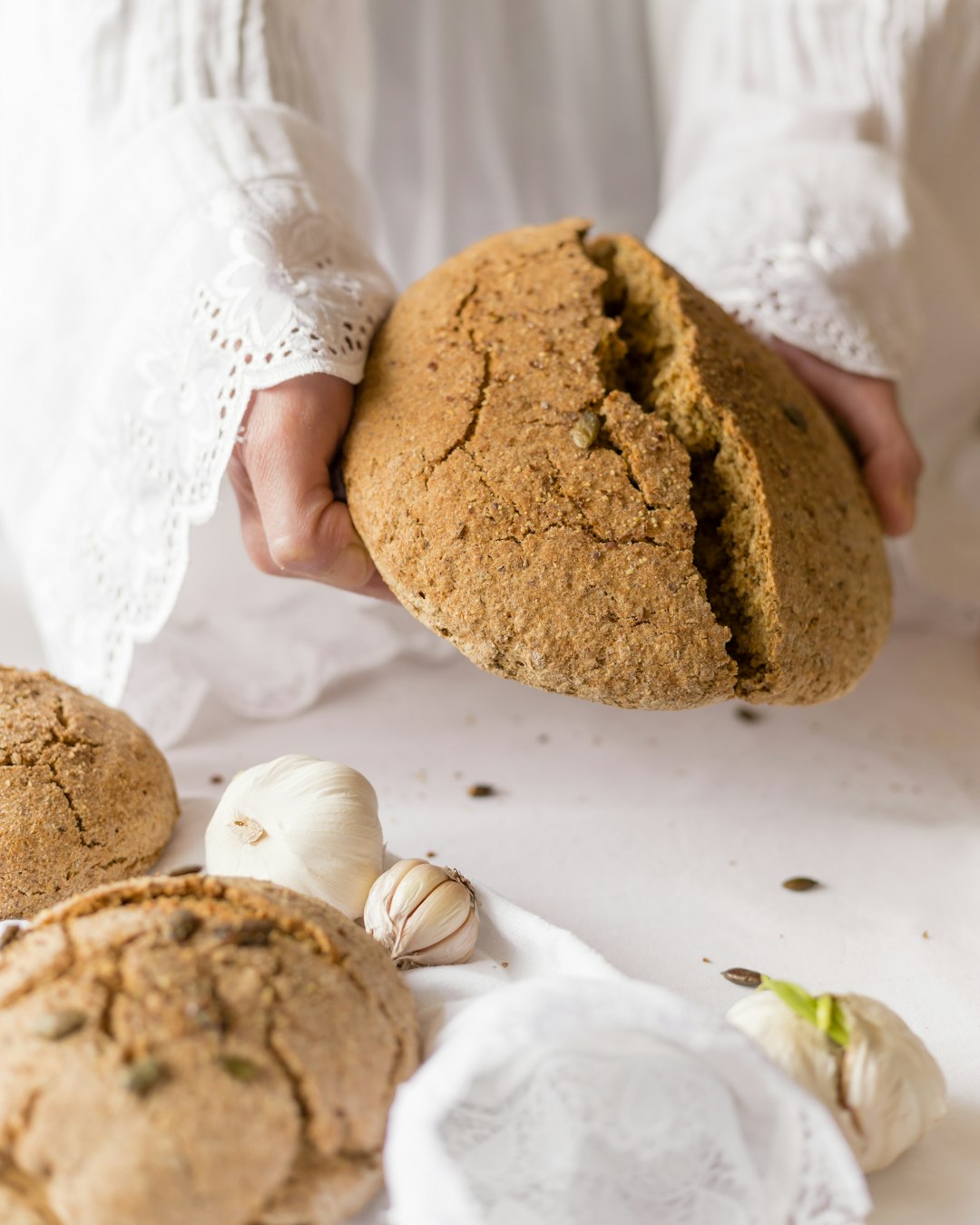
Based on the consideration of easiness to eat, split, and distribute, it is very likely that solid foods (such as bread and steamed rice) are considered to be more appropriate for sharing than liquid foods (such as soup and porridge).
Across cultures, breaking bread together signifies trust, friendship, and cooperation. In many Middle Eastern households, for example, guests are welcomed with tea and sweets before moving on to a full-course dinner. This universal gesture transcends language barriers and cultural differences.
Researchers have discovered that rituals involving food can build connections among people of different ages, lifestyles, ethnicities, religious beliefs, and socio-economic backgrounds. As such, food connects us “to each other”.
The Religious and Cultural Significance Factor
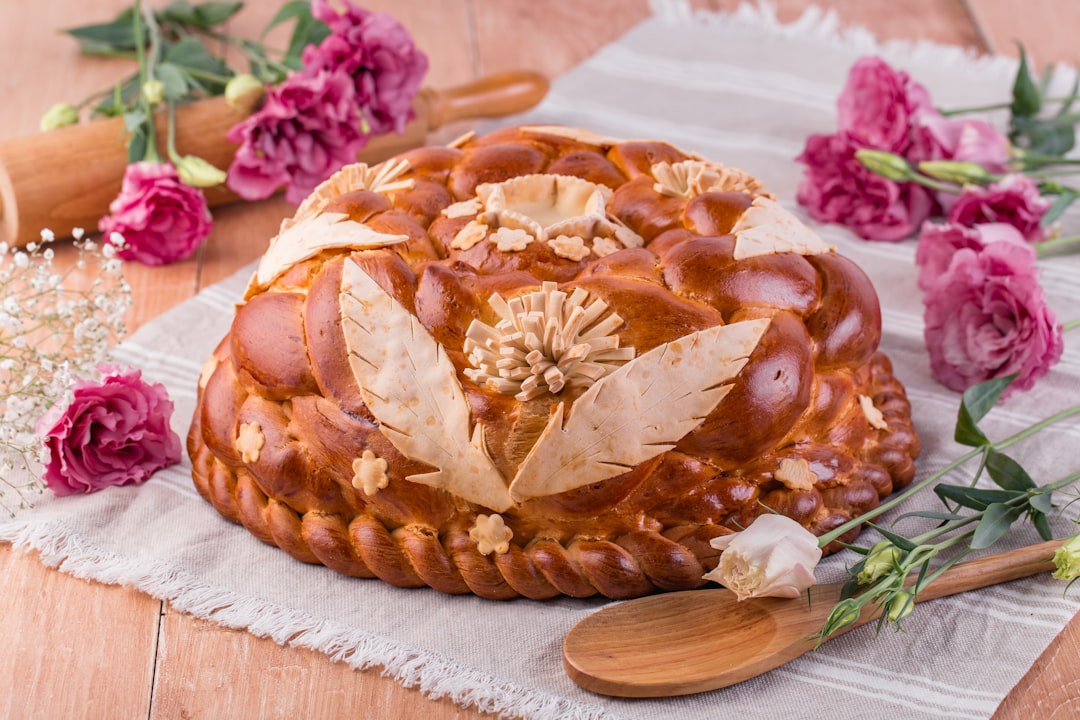
In Polish culture, bread is not only a food product but also a tradition. Bread has traditionally been treated with respect and even reverence, serving as a symbol of prosperity. Bread also plays an important role in the Christian religion, symbolizing the connection between God and people.
This spiritual dimension extends far beyond Christianity. Many cultures have developed reverent relationships with bread that go beyond mere nutrition, creating shared meaning systems that naturally encourage communal consumption and sharing practices.
Economic Accessibility Drives Universal Appeal
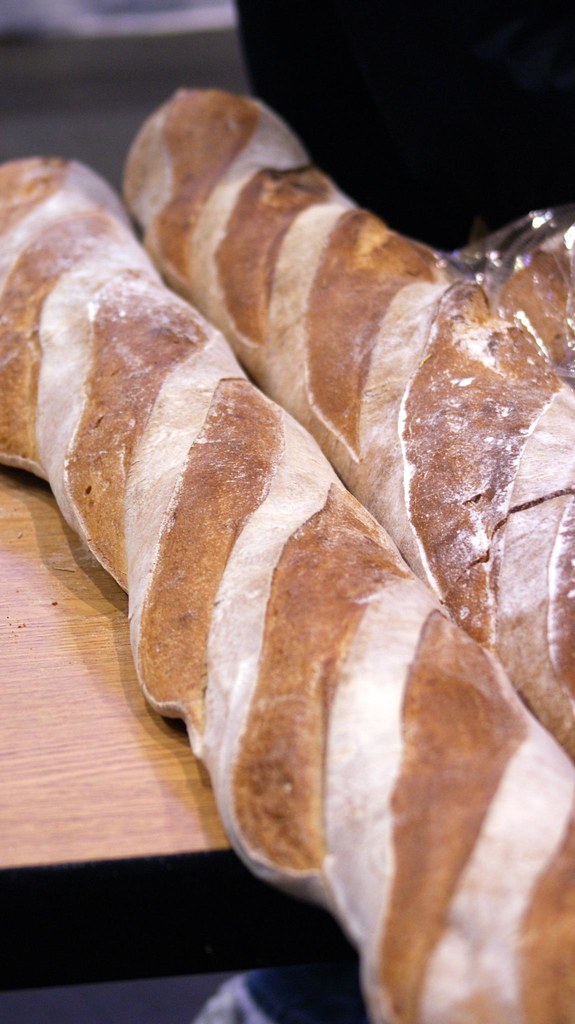
Throughout history, bread has been a staple food for countless cultures due to its affordability, ease of preparation, versatility, and high nutritional value. This economic accessibility makes bread the great equalizer among food options.
The global bread market is a thriving industry, fueled by factors such as population growth, changing dietary habits, and the convenience and versatility of bread as a food item. With a market value of approximately USD 208.7 billion in and a compound annual growth rate of around 3.6%, the bread market continues to expand steadily. This growth is attributed to rising urbanization, increased disposable incomes, and the growing popularity of convenience foods.
Versatility Across Global Cuisines
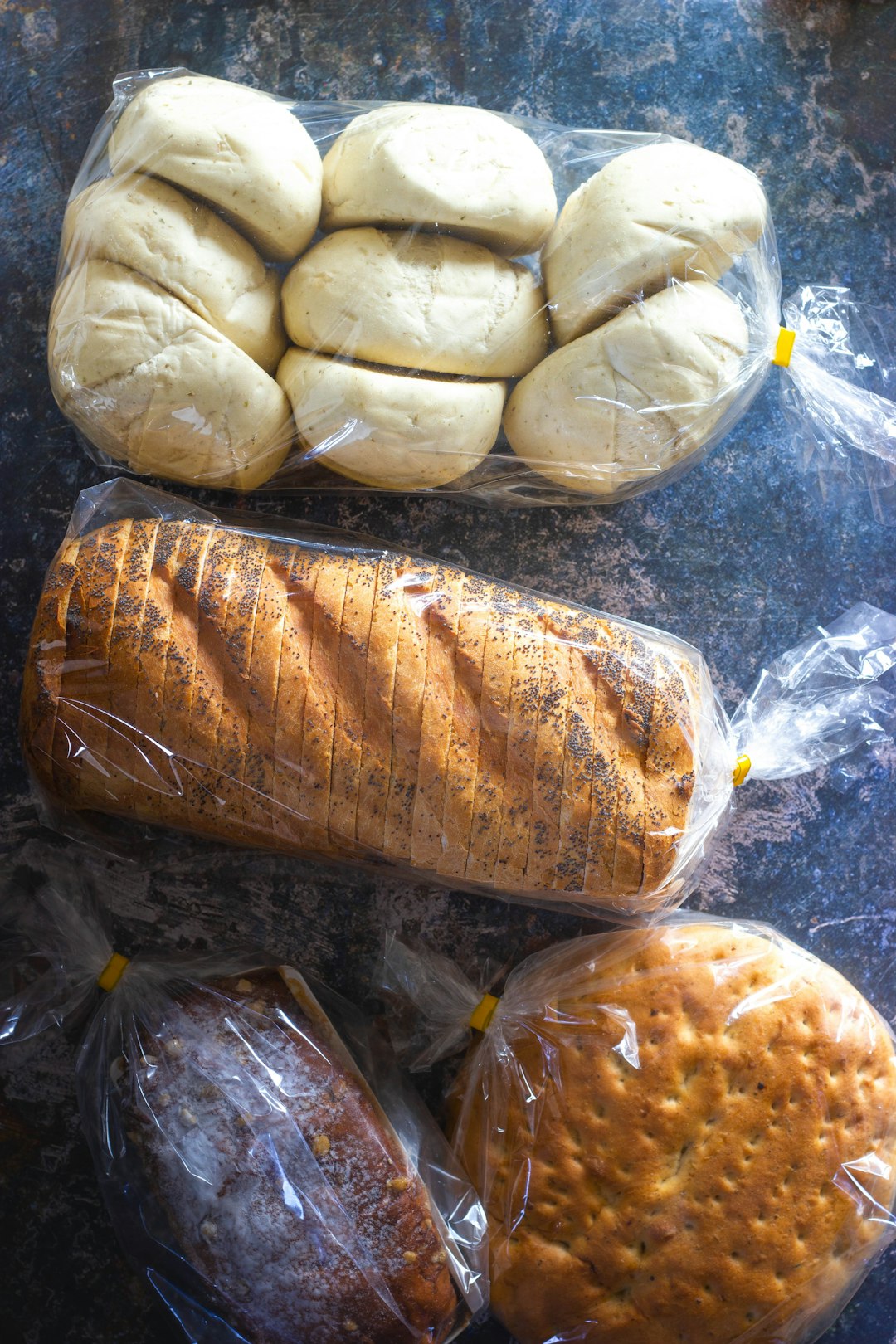
As American palates diversify, there is a rising appetite for ethnic breads like naan, pita, lavash, and tortillas. Both leavened and unleavened types resonate with multicultural dining. This adaptability allows bread to serve as a cultural bridge.
Conventional breads find a prominent place in quick-service restaurants. Establishments like sandwich shops, taco joints, Mediterranean eateries, and fusion restaurants rely on bread for appetizers, main dishes, and sides.
The remarkable ability of bread to transform across cultures while maintaining its essential sharing function makes it uniquely positioned as humanity’s most connective food.
The Psychology of Breaking Bread Together
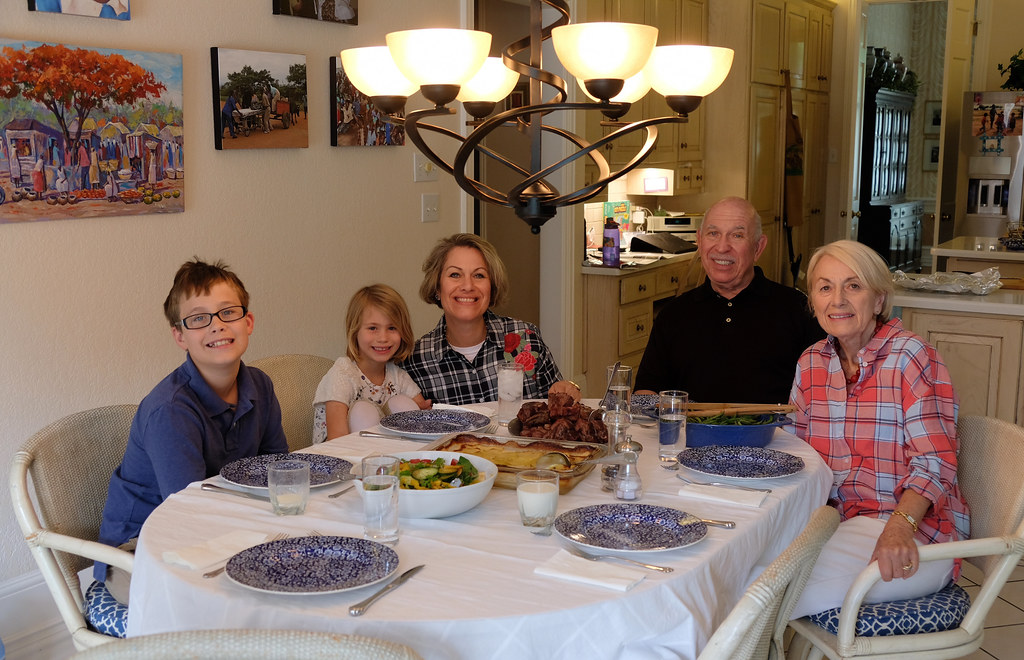
The familial connections forged via Family Dinner Night and its direct relation to food was also evidenced by shared birthdays, weddings, and holidays among neighbors. In this way, the sharing of a weekly meal led to additional opportunities to break bread together, giving individuals a way to use food as a communicator: “Food is a product and mirror of the organization… a prism that absorbs and reflects a host of cultural phenomena”.
However, researchers have also discovered important nuances. Sharing food may lead to negative outcomes when food is scarce, or when there is a threat of disease. We found that sharing food (compared with sharing pencils) led to reduced cooperation with an experiment partner and that perceived scarcity partially mediated a negative association between zero-sum orientation and perceived interdependence with people involved in a recently shared meal. Our results suggest that scarcity and disgust can interfere with the positive feelings people might otherwise experience when eating together.
Modern Trends Reinforcing Bread’s Social Role
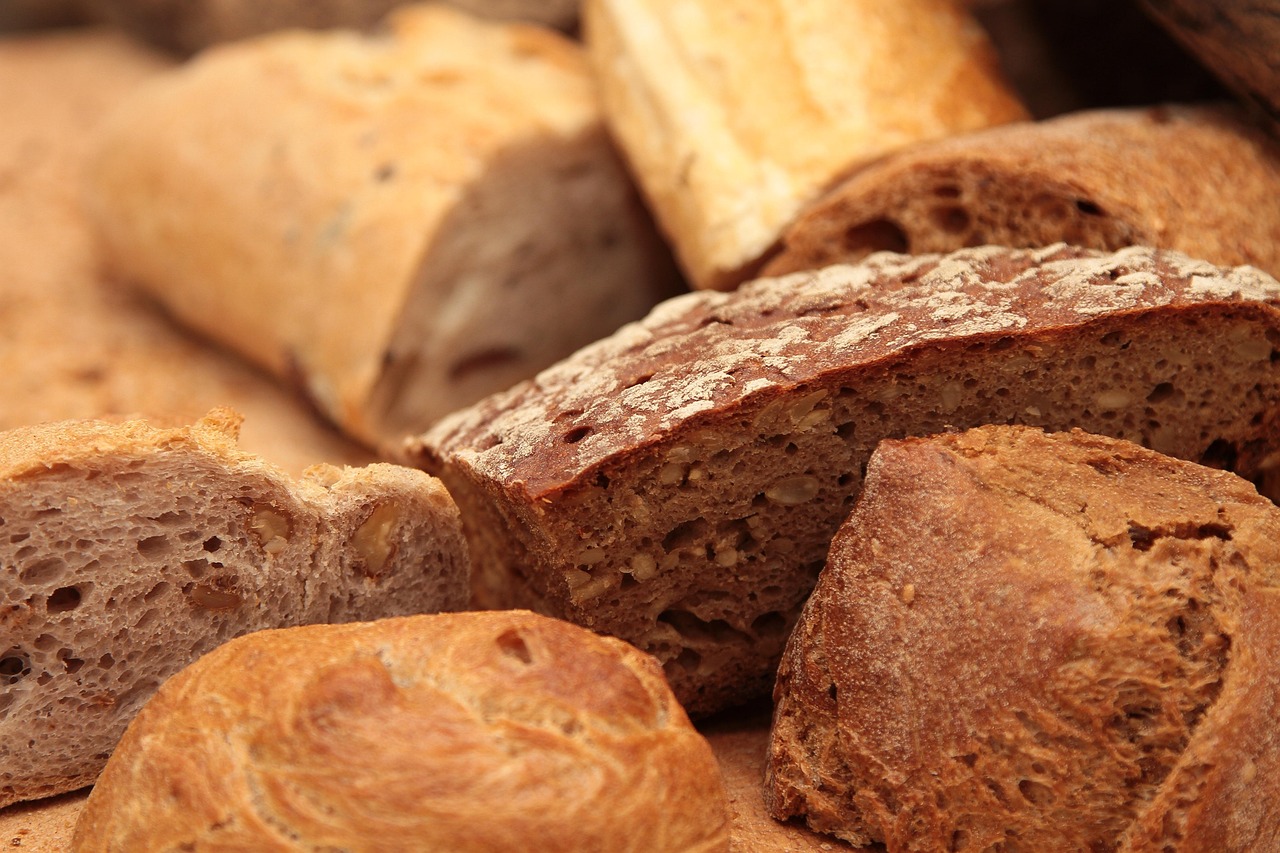
Europe anchors demand with deeply rooted consumption habits, while Asia represents the fastest-growing geography as urban households purchase more packaged toast and single-serve rolls. This expansion into new markets demonstrates bread’s continued relevance in modern social contexts.
Despite wheat bread commanding a dominant market share, gluten-free bread is making significant inroads with strong projected growth rates. This surge is driven by a combination of medical necessity, such as celiac disease and gluten intolerance, and lifestyle preferences, as more consumers perceive gluten-free products as healthier alternatives. Studies by the University of Nebraska reveal that around 25% of Americans are now embracing gluten-free diets.
The Conclusion That Binds Us All
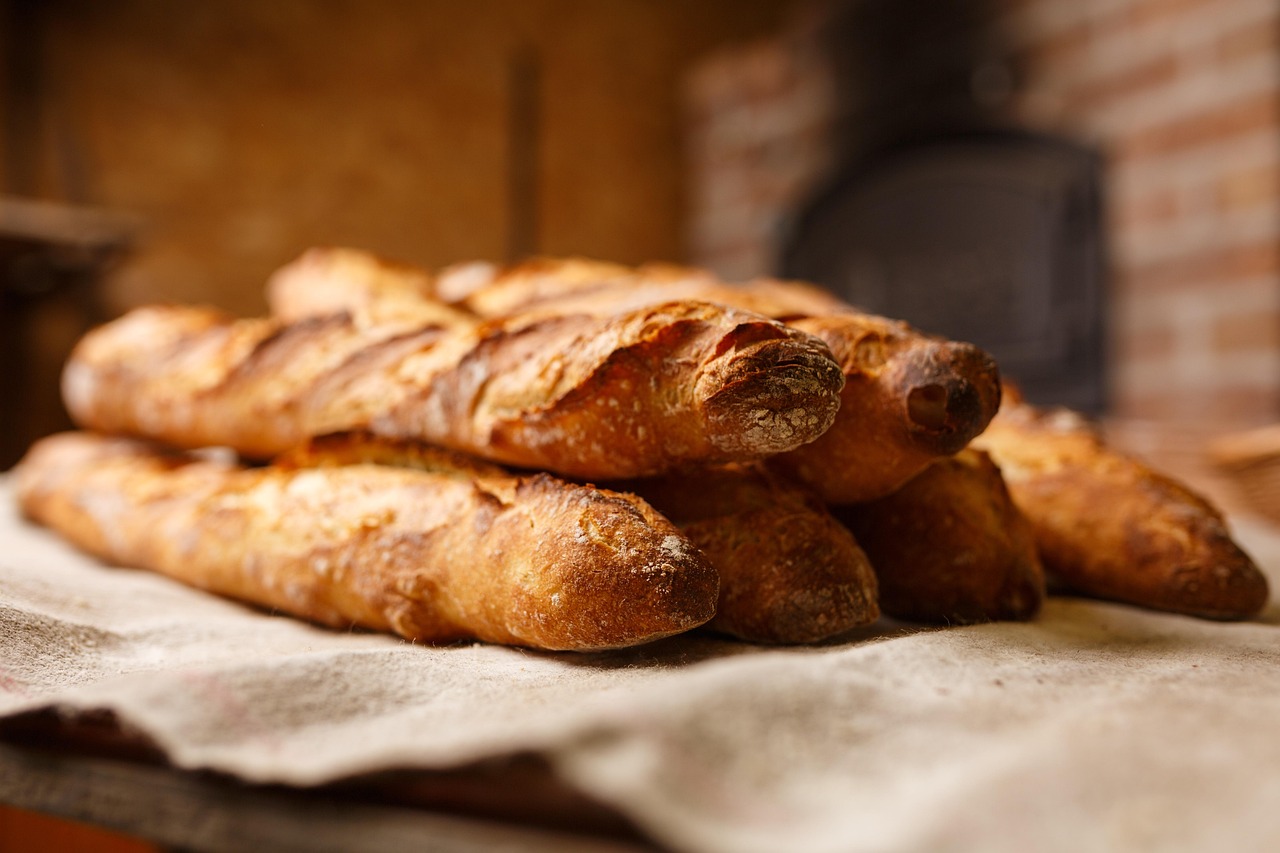
In a world that often feels divided, the simple act of breaking bread together remains a powerful unifying force. Whether it’s a family dinner, a potluck with neighbors, or a feast celebrating a cultural tradition, these shared meals do more than fill our stomachs. They feed our souls, strengthen our bonds, and remind us of our common humanity.
The research makes clear that bread’s position as the world’s most shared food isn’t accidental. Its unique combination of cultural significance, economic accessibility, social functionality, and universal appeal creates the perfect conditions for human connection. As we continue to navigate an increasingly complex world, perhaps the simple act of sharing bread offers us a timeless reminder of what truly brings us together.
What role does bread play in your own family traditions and social connections? The science suggests it’s probably more significant than you might think.