7 Core Recipes Every Home Cook Should Master
There is something deeply satisfying about making a real meal from scratch. Not reheating, not unboxing, not ordering in. Actually cooking. And yet, in a world where convenience is king and delivery apps are just a tap away, the art of home cooking is becoming rarer than it should be.
A striking 93% of Americans expect to cook as much as last year or more in the next twelve months. That tells you something important: people want to cook. They just don’t always know where to start. The good news? You don’t need fifty recipes. You need seven. Master these, and everything else falls into place. Let’s dive in.
1. Scrambled Eggs: The Technique That Reveals Everything
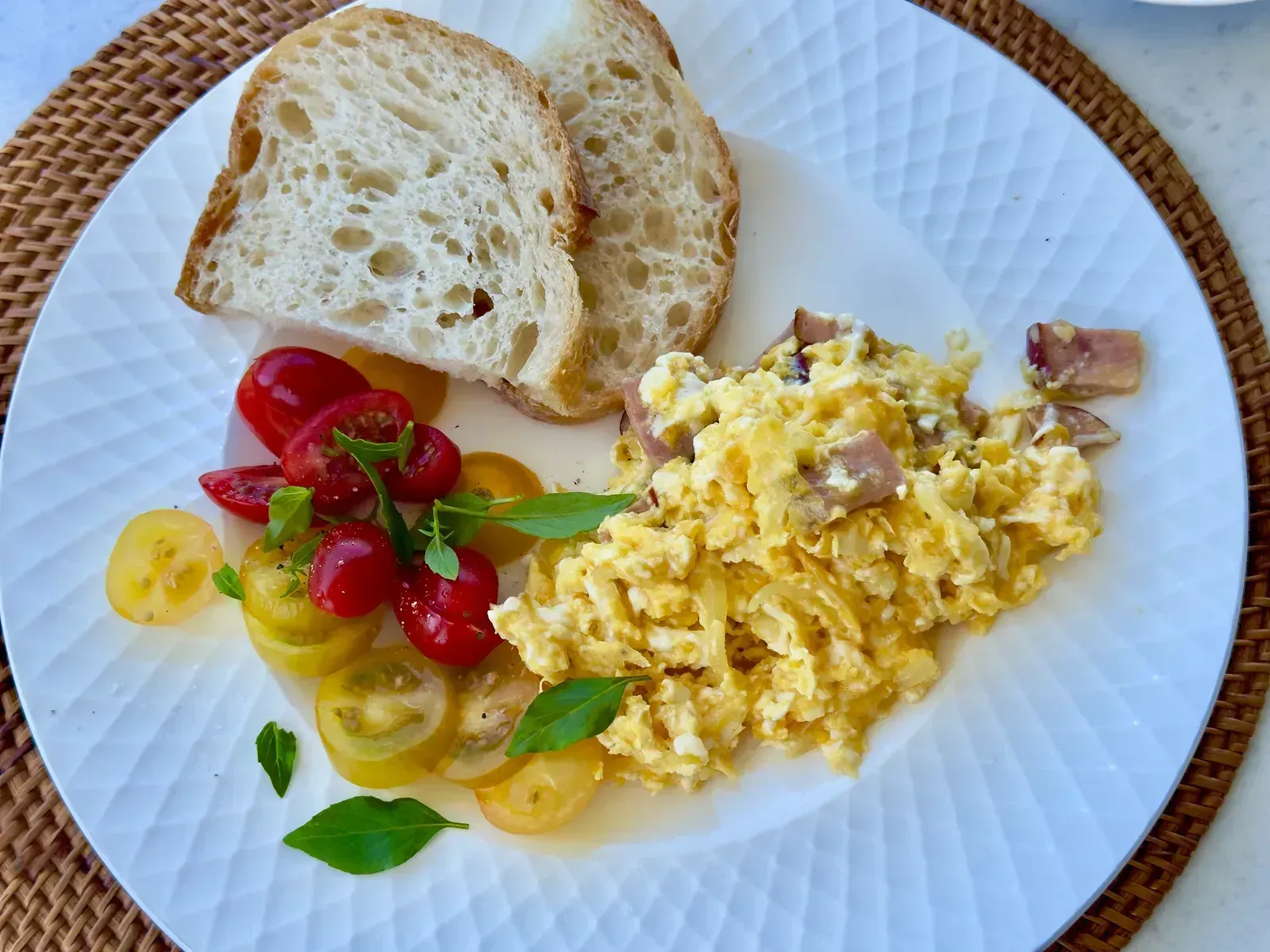
Scrambled eggs sound almost embarrassingly simple. They are not. Not all scrambled eggs are created equal, and the secret lies in cooking them low and slow with just eggs, salt, and butter until they’re super soft and decadent. Most people rush it. The pan is too hot, the eggs go rubbery, and the moment is gone.
Cooking over low heat ensures soft and luscious scrambled eggs. Think of it like warming up wax rather than melting it with a blowtorch. The difference in texture is extraordinary. Once you truly understand how heat works through this one dish, you’ll apply that instinct to everything else you cook.
An egg is as versatile as pasta when it comes to the different ways it can be prepared. You can boil it, scramble it, or make a good old omelet out of it. Mastering the scrambled egg is really about mastering control over heat, and that skill will follow you around the kitchen for life. Honestly, I’d argue this is where every serious home cook begins.
2. A Simple Tomato Pasta Sauce: The Foundation of a Thousand Meals
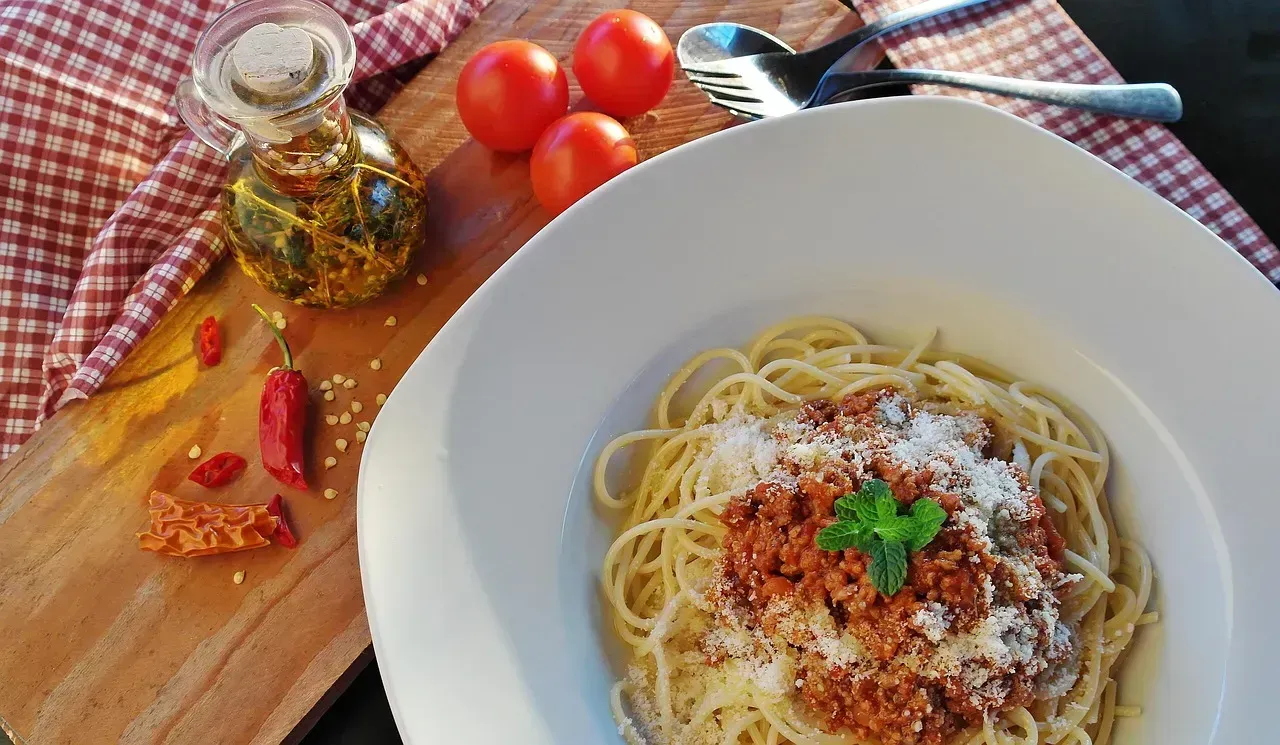
Of the 54% of people cooking more at home, roughly three quarters are preparing more pasta and rice than usual, the biggest percentage of any food group. That’s not a coincidence. Pasta is fast, affordable, and endlessly adaptable. The secret, though, is in the sauce you make from scratch.
Having a tomato sauce ready in the fridge or freezer is incredibly handy and couldn’t be easier to make. Gently cook a chopped onion and two crushed garlic cloves in olive oil for five minutes, then add chopped tomatoes with a pinch of oregano and seasoning, and simmer on a very low heat until thick and reduced. The result humbles every jar on the supermarket shelf.
Try an easy go-to tomato sauce recipe and you’ll never buy jarred sauce again. Look for canned San Marzano plum tomatoes since they are slightly sweeter and less acidic than other varieties. A good tomato sauce also doubles as a pizza base, a braising liquid, and the soul of shakshuka. One recipe, infinite possibilities.
3. Roast Chicken: The Pinnacle of Sunday Cooking
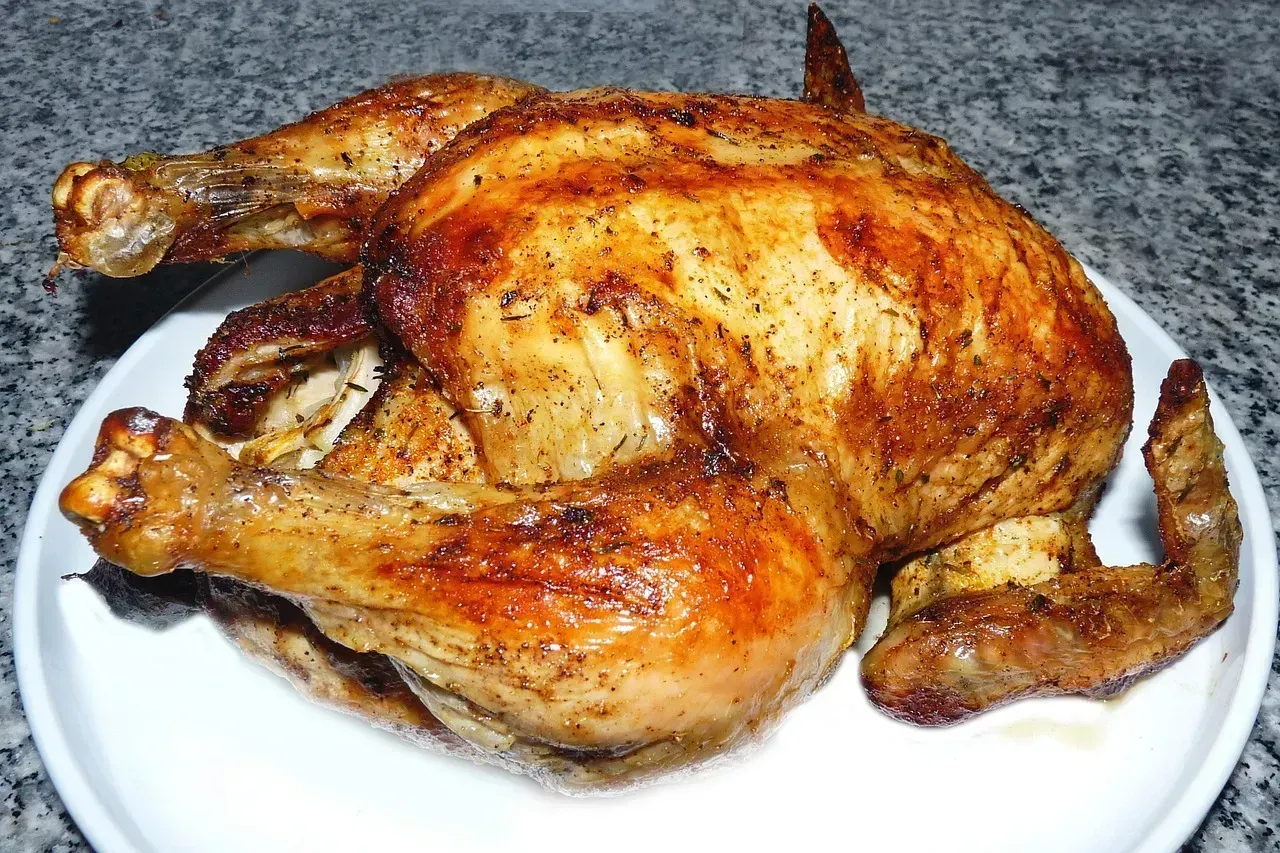
Roasted chicken is the ultimate dinner recipe, and despite its popularity, roasting a whole chicken is surprisingly simple, making it a foundational cooking skill. There’s something almost ceremonial about pulling a golden bird from the oven. It’s also one of the most economically smart things you can cook.
A Sunday roast chicken becomes chicken sandwiches on Monday and chicken soup on Tuesday. That single cook gives you three meals. In an era of rising food costs and tightening budgets, that kind of yield is powerful. The leftover meat can be added to soups, salads, or chicken salad, stretching the value even further.
Simply sprinkle salt and black pepper on the chicken and pour olive oil on both sides, spread it with your hands, preheat the oven to 400°F and place the whole chicken in breast side up on a roasting pan, roast for 30 minutes, then lower the heat to 375°F for another 20 minutes. That’s the blueprint. Simple, reliable, and deeply delicious every single time.
4. Homemade Soup: The Ultimate Skill-Builder
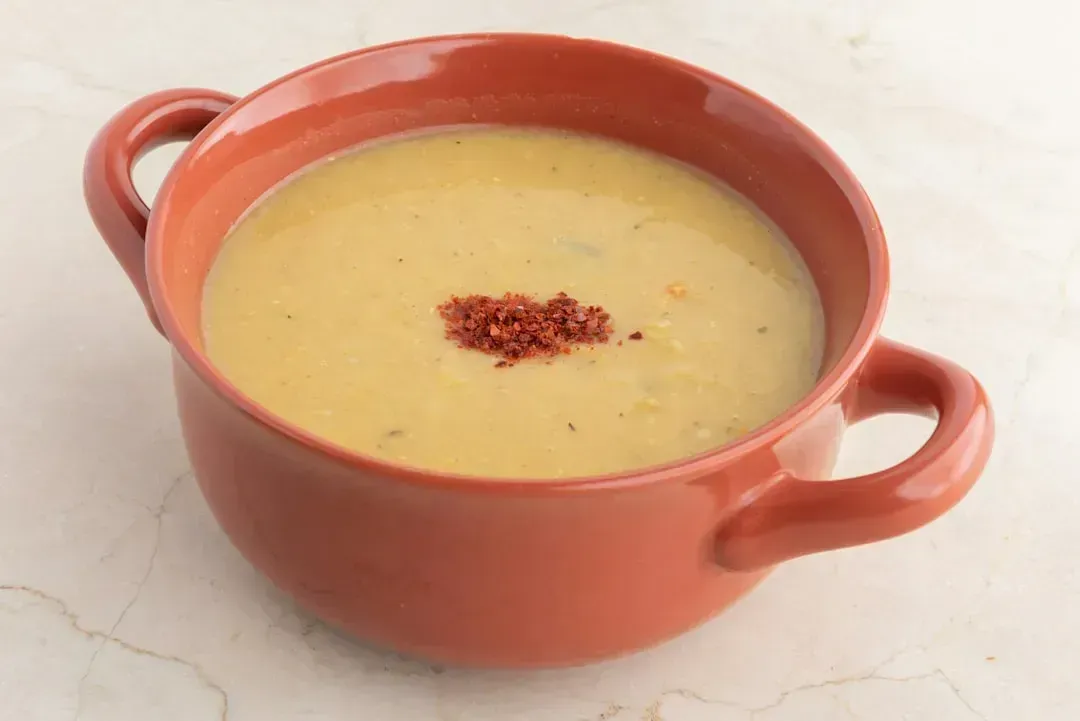
Homemade soup is a doddle to make and so much better, and cheaper, than buying ready-made. Think of soup as the kitchen’s great equalizer. Got half a head of celery, some onions, leftover chicken, a can of tomatoes? You have soup. It is, in my view, the most forgiving recipe in the world.
Stock is the basis of many dishes, including soups, stews, and sauces. Learning to make stock using chicken, beef, fish, and even vegetables is essential for any home chef, and even though it is a simple process, it helps you transition to more complex recipes later on. Consider soup the gateway to braising, stewing, and everything deeply comforting in cooking.
The health argument for making soup yourself is also hard to ignore. Home food preparation can be an affordable method for improving diet quality and reducing intake of ultraprocessed foods, two important drivers of diet-related chronic diseases. Ultraprocessed foods make up more than half the calories consumed by most U.S. adults, accounting for more than 50% of total calorie intake in a typical American diet. A pot of homemade vegetable soup directly confronts that statistic.
5. A Classic Stir-Fry: Fast, Flexible, and Practically Unbeatable
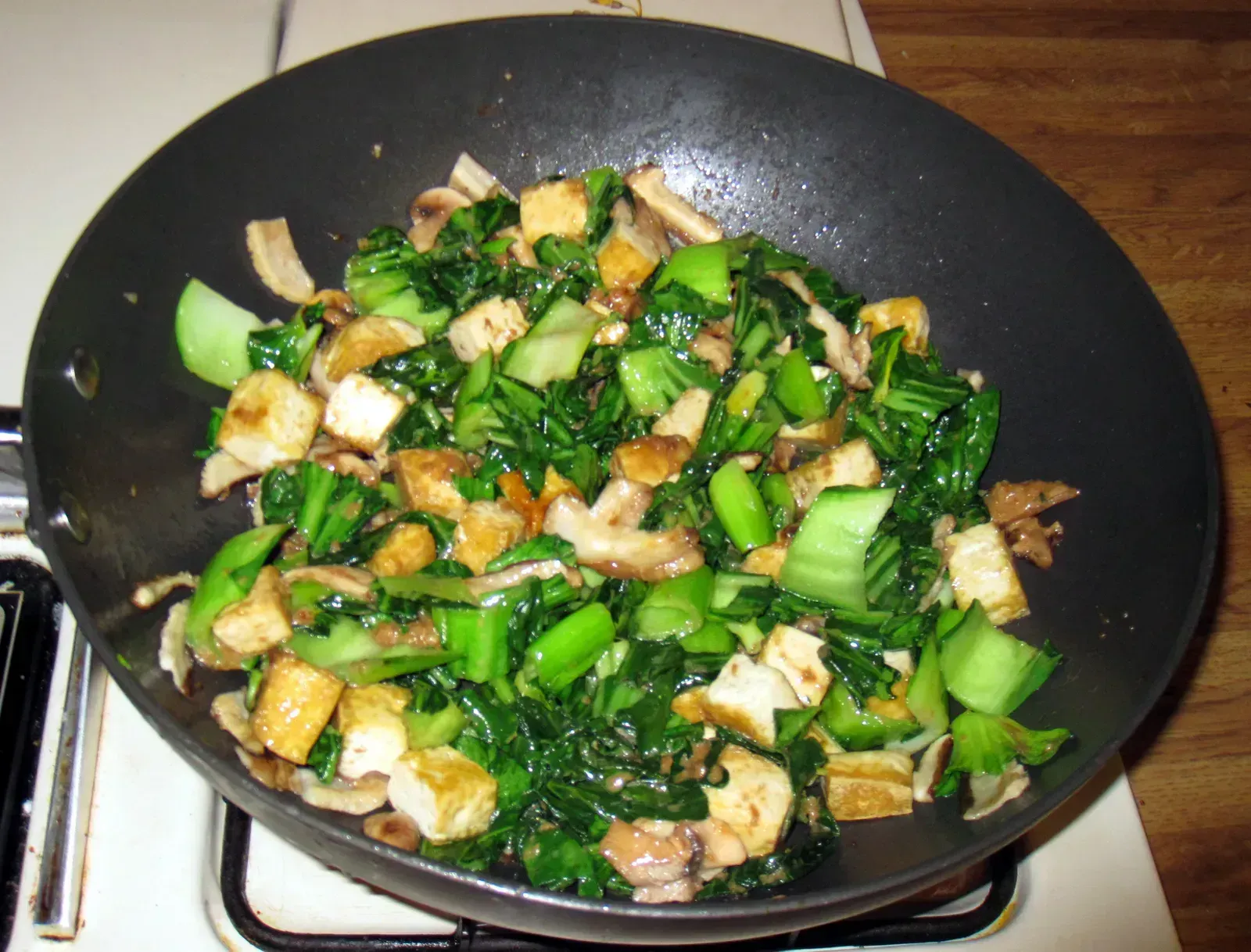
Here’s the thing about a stir-fry. It sounds like a midweek compromise, a meal you make when there is nothing else. In reality, it’s one of the most technically rich dishes in everyday cooking. Speed, high heat, sequencing ingredients correctly – all of it matters. Stir-frying is used for a wide range of recipes, and perfecting the art of stir-frying vegetables is a mark of a genuine home cook.
It’s always worth having a simple stir-fry sauce in your repertoire which doesn’t need lots of ingredients. Use soy sauce, toasted sesame oil, and oyster sauce for fish, or teriyaki sauce for meat and poultry, then heat the wok and add a little oil before frying your chosen protein. Once you have that sauce ratio committed to memory, you can put almost anything in that wok.
The biggest portion of home cooks focus on “quick/time-saving” and “low-effort/high-reward” cooking. The stir-fry nails both of those priorities. Once you’ve prepped a handful of ingredients, a stir-fry can be done in under 10 minutes, the kitchen stays cool, and dinner is delicious. It’s speed cooking elevated to art.
6. Bread Baking: The Skill That Changes How You Think About Food
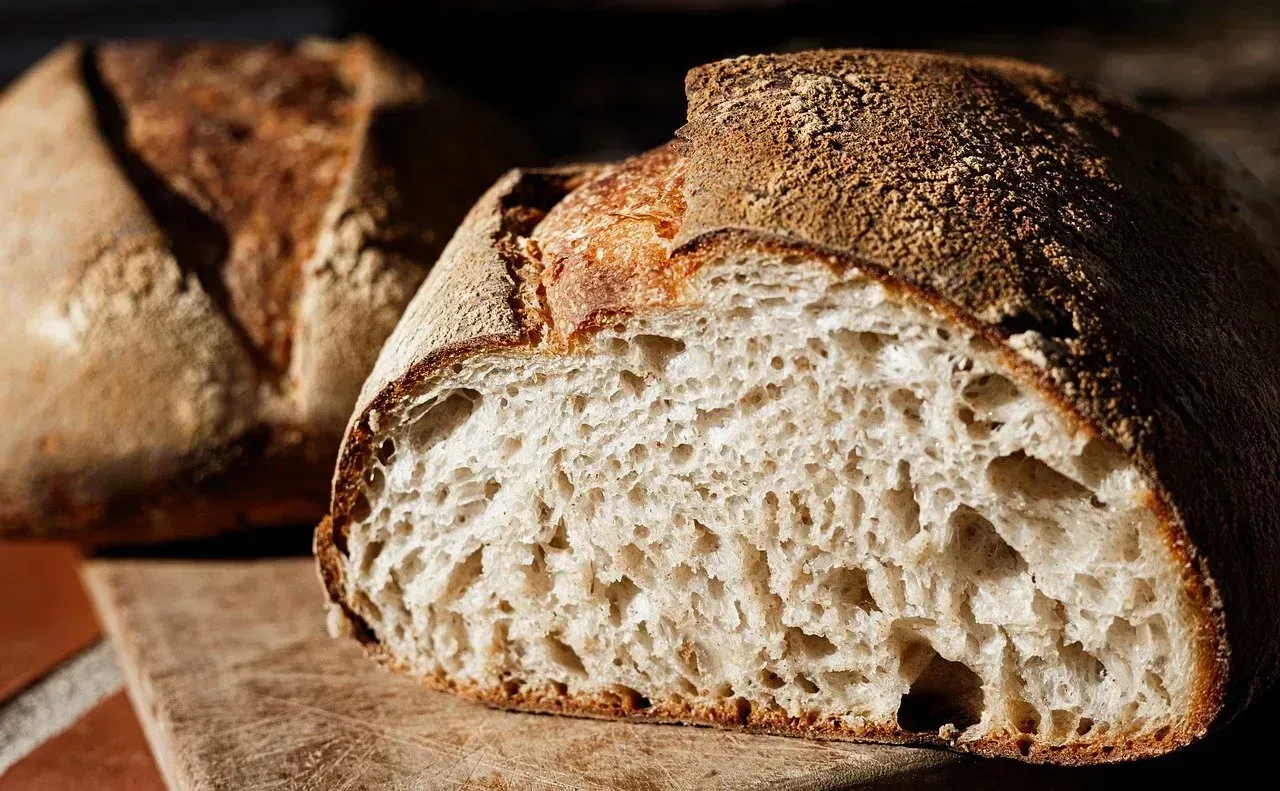
Unless you’re a seasoned baker, making bread from scratch can sound like a serious challenge, but a no-knead recipe is the perfect way to hone your baking skills and develop real confidence. There is genuinely nothing like cutting into a loaf you made yourself. It feels almost magical the first time. Then it starts to feel inevitable.
Bread baking teaches patience and ratio in a way no other recipe can. Flour, water, salt, yeast. That’s it. Yet the variables of temperature, time, and technique produce wildly different results. Getting started making your own bread doesn’t sound so off-limits when you’re told not to knead, but to simply fold. Start there. One fold, one loaf, one revelation.
In the wake of the 2020 pandemic, many people rediscovered home cooking as a mindful ritual that fosters connection, creativity, and well-being. Now, five years later, mealtime continues to evolve as Americans adapt to shifting lifestyles and ongoing economic pressures. Bread baking sits at the intersection of all of that. It’s economical, meditative, and the results are deeply personal. It’s hard to say for sure, but I think it’s the one recipe that changes a home cook’s self-image the most.
7. A One-Pan Dinner: The Weeknight Hero You Always Needed
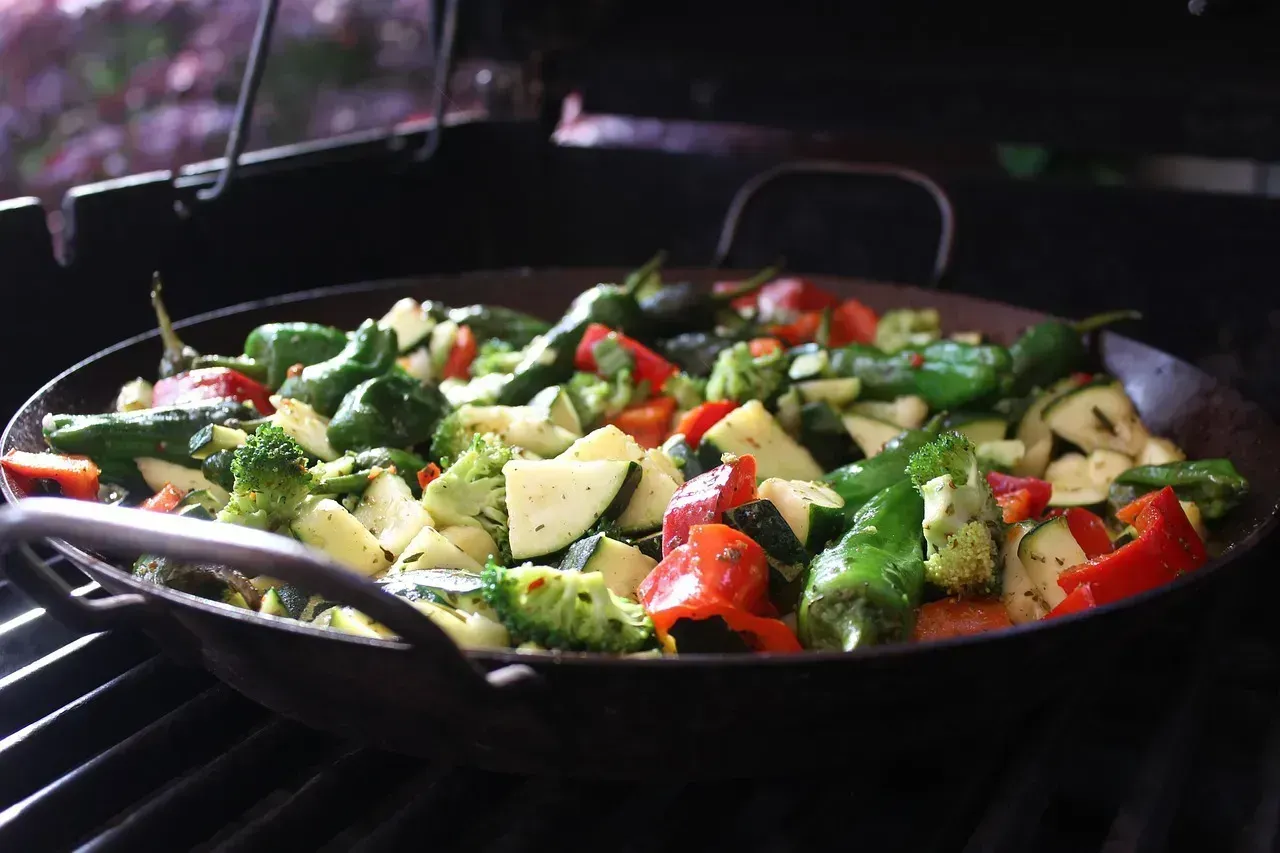
The biggest portion of home cooks consider a “quick and easy” recipe to be one that takes 30 minutes or less. Life is busy. Weeknights are short. A one-pan dinner – think chicken thighs roasted over vegetables, sheet pan salmon with greens, or a quick skillet pasta – delivers maximum flavor for minimum washing up. Let’s be real: that last part matters as much as the food itself.
A striking quarter of adults skip preparing specific foods because they are not confident using a knife. One-pan meals sidestep a lot of that anxiety. You’re not julienning or making complex knife cuts. You’re chopping things roughly, laying them on a tray, and letting the oven do the work. Arrange chicken, potatoes, and vegetables on a baking sheet, season and roast for a hands-off meal.
Over 62% of Americans say they are “very” or “extremely” confident in the kitchen. Mastering a one-pan recipe is one of the fastest routes to that confidence. The method is forgiving, the cleanup is easy, and the result always impresses. Once you’ve made it a few times, you stop following the recipe entirely. You start improvising. And that, ultimately, is the whole point.