Oil Refinery Erupts In Flames In Cuba Amid Worsening Fuel Shortages
Cuba’s already dire energy situation took another dramatic turn when thick black smoke billowed across the skies of Havana on February 13, 2026. A large plume of smoke was seen rising above Havana Bay from the Nico Lopez refinery on Friday, drawing the attention of the capital’s residents before fading as fire crews fought to bring the situation under control. The incident at one of the island’s most critical fuel processing facilities came at a moment when the Caribbean nation was grappling with unprecedented fuel scarcity, plunging millions into darkness and desperation.
Cuba’s Ministry of Energy and Mines said the fire, which erupted in a warehouse at the refinery, was eventually extinguished and that “the cause is under investigation”. There were no injuries and the fire did not spread to nearby areas, the ministry said in a post on social media. While firefighters managed to contain the blaze quickly, the symbolic weight of flames at such a vital installation could hardly be ignored. The Nico Lopez refinery, situated along Havana’s harbor, processes imported crude oil into fuel products that power the island’s electrical grid and transportation systems.
The Growing Energy Stranglehold
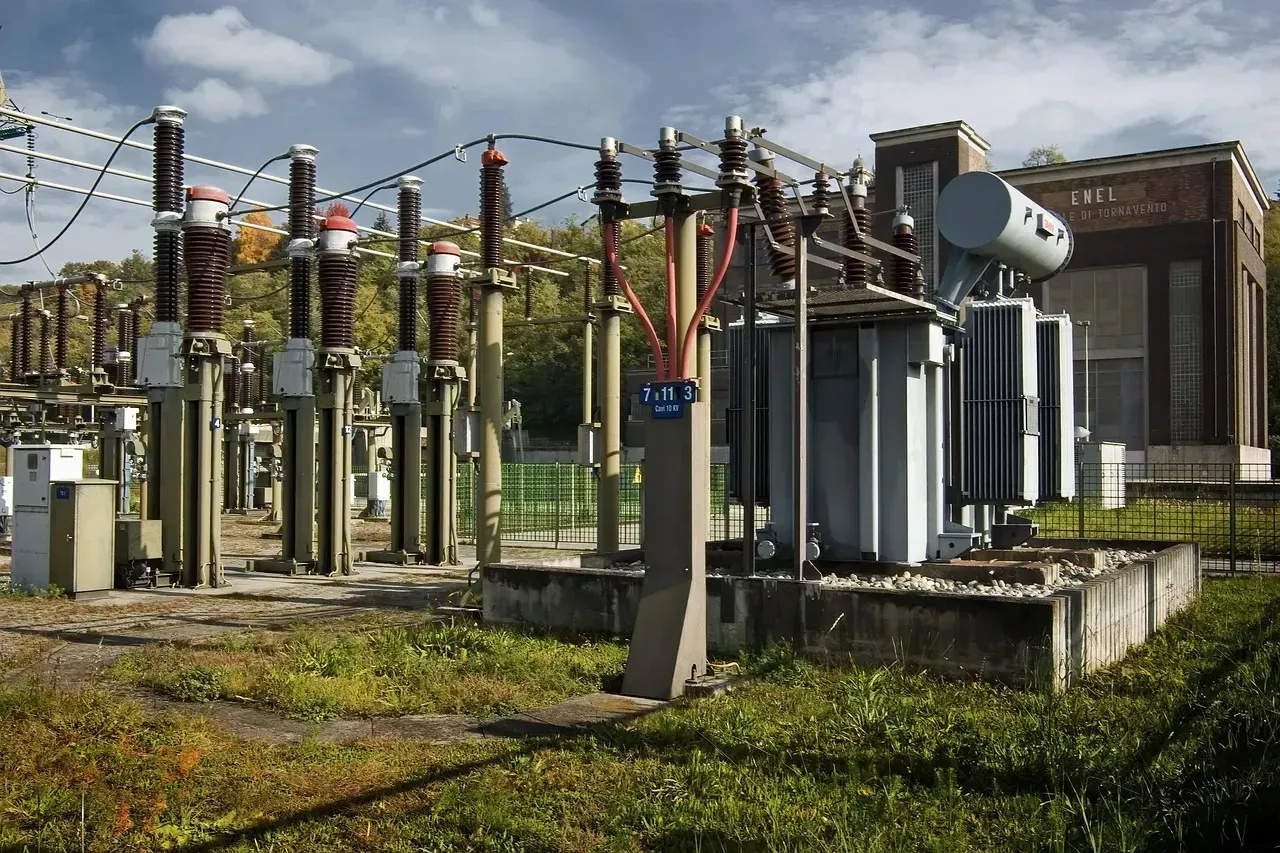
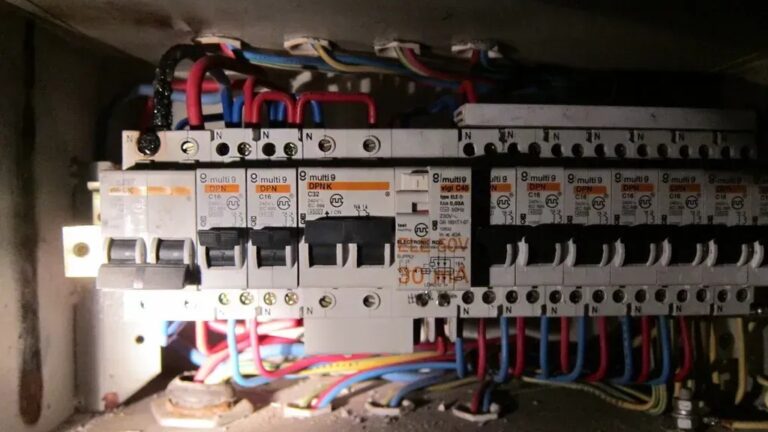
The refinery fire occurred against a backdrop of mounting pressure on Cuba’s energy infrastructure. Experts in maritime transport tracking told the AFP news agency that no foreign fuel or oil tankers have arrived in Cuba in weeks. This absence of new shipments has left the nation scrambling to preserve its dwindling reserves. Cuba can only produce about one-third of its total fuel requirements. The remaining two thirds must come from abroad, making the island heavily dependent on foreign suppliers for its basic energy needs.
The situation has deteriorated rapidly since January 2026, when Washington intensified its economic pressure following intervention in Venezuela. In December 2025, as part of the escalation that ended with the United States intervention in Venezuela, the United States seized tankers with Venezuelan oil destined for Cuba and declared a blockade on exports of Venezuelan oil. Venezuelan crude had been Cuba’s lifeline for decades, with the Caribbean ally providing roughly 35,000 barrels per day before the supply was severed. U.S. President Donald Trump has since vowed that Cuba would receive no more oil from Venezuela and signed an executive order on Jan. 29, placing sanctions on countries that sell it fuel.
Daily Life Under Darkness
The fuel shortage has transformed everyday existence for Cuba’s population of nearly ten million people. The country has seen widespread power outages due to the lack of fuel. Bus and train services have been cut, some hotels have closed, schools and universities have been restricted, and public sector workers are on a four-day work week. Hospitals, struggling to maintain essential services, have reduced staffing levels. The government has been forced to implement emergency rationing measures to preserve what little fuel remains in storage tanks.
On 9 February, Cuba stated that it would not refuel other planes at airports due to a lack of fuel. Air Canada suspended flights to the country on the same day, while Rossiya and Nordwind did so two days later, all citing ongoing fuel shortages in the island as a reason. The suspension of international flights has further isolated Cuba, cutting off tourism revenue and leaving stranded travelers scrambling for alternative routes home. The aviation fuel shortage represents just one facet of a broader collapse affecting every sector of Cuban society.
The Numbers Behind the Crisis
According to a recent Reuters report, which draws from maritime traffic data and official documents from state enterprises, Cuba’s imports of oil and its derivatives have dropped by 35% from January to October compared to the same period in 2024. The decline has been precipitous and unrelenting. Between January and October of 2025, Cuba imported approximately 45,400 barrels per day (bpd) of crude oil, liquefied gas, and other fuels. This starkly contrasts with the 69,400 bpd received during the same timeframe in 2024. The reduction of 24,000 bpd equates to a drop of over a third of the supply, directly affecting the country’s already struggling electrical system.
The electrical grid has been pushed to breaking point by the shortage. Reports from Cuba’s state utility, echoed in international coverage, noted that generation shortfalls in 2025 often exceeded 1,300 to 1,700 megawatts during peak demand. With such massive deficits, authorities have resorted to rolling blackouts lasting up to 18 hours in some provinces. A total nationwide power outage began at around 11:00 local time on 18 October, after the Antonio Guiteras Power Plant in Matanzas, the country’s largest, went offline, resulting in the loss of 1.64 gigawatts at peak hours, equivalent to half the total consumer demand. The October 2024 blackout was only the beginning of a cascade of grid failures that continued throughout 2025 and into 2026.
International Responses and Humanitarian Concerns

As the crisis deepened, international voices expressed alarm about the humanitarian implications. “The Secretary-General is extremely concerned about the humanitarian situation in Cuba, which will worsen, and if not collapse, if its oil needs go unmet,” said UN spokesperson Stéphane Dujarric. The United Nations has warned that the blockade threatens Cuba’s food supply, water systems, and healthcare facilities. According to the United Nations Human Rights Office, the blockade and ensuing fuel shortage has threatened Cuba’s food supply and disrupted the country’s water systems and hospitals. The fuel shortage has prevented the harvesting of crops and undermined efforts toward food sovereignty.
Mexico has emerged as one of the few nations willing to provide assistance despite American pressure. On Thursday, two Mexican navy vessels carrying more than 800 tonnes of humanitarian aid arrived in Havana, underscoring the nation’s growing need for humanitarian assistance amid the tightening US stranglehold on fuel. Yet humanitarian aid alone cannot solve the structural energy deficit. After the ouster of Maduro, the United States began increasing its pressure on Mexico to reduce its oil sales to Cuba with President Donald Trump threatening tariffs against any country supplying Cuba with oil. Mexico temporarily halted shipments of oil to Cuba by 27 January and Mexican President Claudia Sheinbaum said that the decision to halt oil deliveries was “a sovereign decision”.
A Crisis Years in the Making
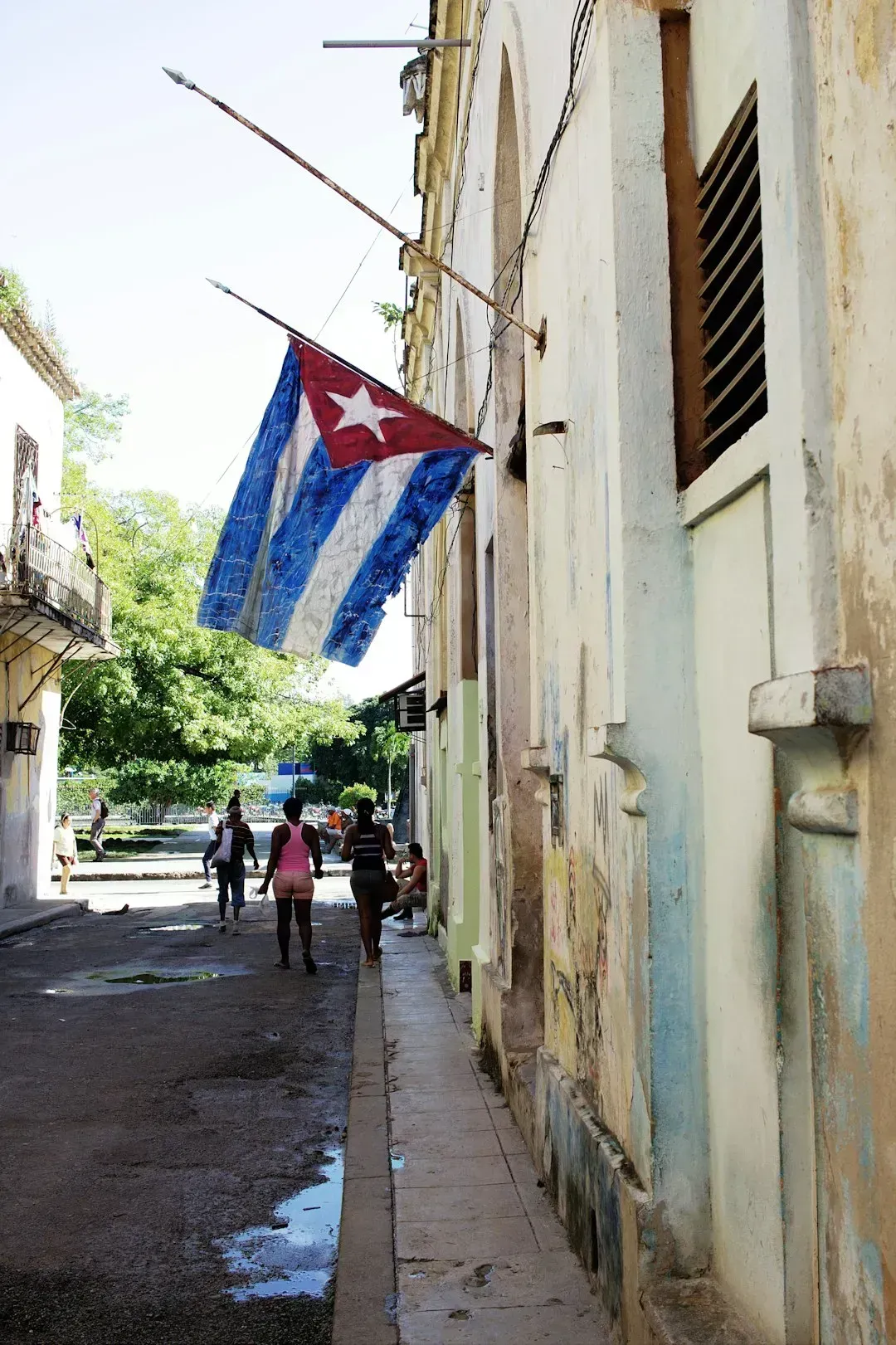
While the 2026 crisis reached unprecedented levels, Cuba’s energy troubles have deep roots stretching back years. Recent but persistent issues with Cuba’s economy and electrical grid triggered the March 2024 Cuban protests and 2024–2025 Cuba blackouts. The island’s electrical infrastructure relies on aging oil-fired thermal plants built decades ago, many operating well below capacity due to corrosion and deferred maintenance. Cuba’s aging thermal power plants – the backbone of the system, nearly all of which run on crude oil or fuel oil – are becoming less reliable, and must operate well below capacity because of fuel shortages and corrosion.
The economic model underlying Cuba’s energy dependence has proven fundamentally unsustainable without external subsidies. The minimum annual oil bill for Cuba – ranging from $2.5 to $3 billion – far exceeds what its economy generates in real dollars. Without subsidies from the Soviet Union, Venezuela, or another external benefactor, the Cuban economic model is unsustainable by any arithmetic measure. This structural vulnerability has left the island exposed when geopolitical winds shift, as they did dramatically in late 2025 and early 2026.
The Path Forward Remains Uncertain
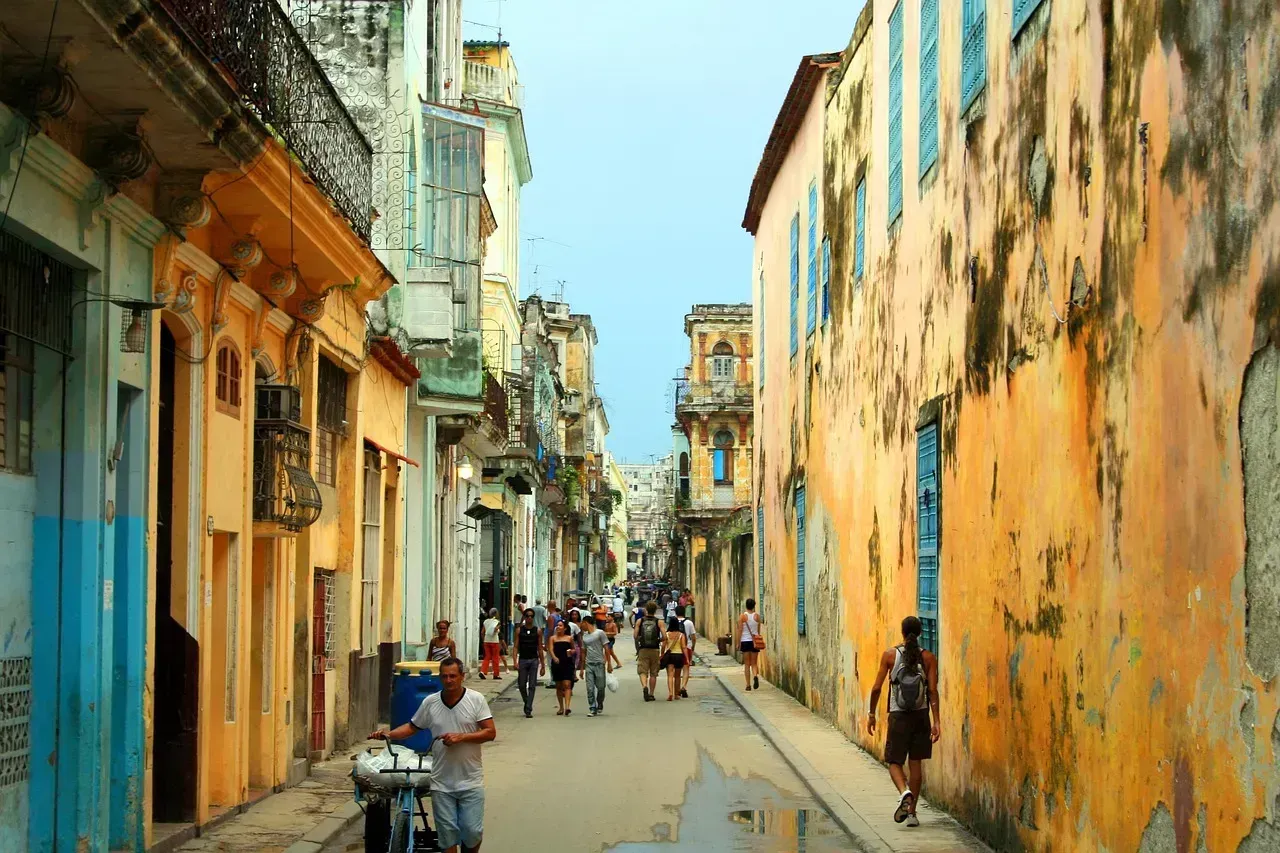
Cuba’s government has responded to the crisis with a mix of emergency measures and calls for dialogue. On 6 February, his rhetoric became milder after blackout, when he declared that “Cuba is ready for a talk with Washington for every topic without prerequisites”, while rejecting negotiations on cases that he viewed as internal Cuban affairs. However, the United States has shown little interest in easing pressure, with regime change openly discussed as a policy goal. The United States confirmed that regime change in Cuba is a goal by the end of the year, asking the government of Miguel Díaz-Canel to “make a deal before it’s too late”.
On February 17, 2026, The United States-imposed fuel crisis in Cuba is also turning into a waste and health crisis, as many collection trucks have been left with empty fuel tanks, causing refuse to pile up on the streets of the capital, Havana, and other cities and towns. Only 44 of Havana’s 106 rubbish trucks (approximately 41.5% of them) been able to keep operating due to the fuel shortages, slowing rubbish collection, as waste piles up on Havana’s street corners, the Reuters news agency reported on Monday, citing state-run news outlet Cubadebate. The cascading effects now extend beyond electricity to basic sanitation, creating public health risks in urban centers already strained by years of economic decline.