8 Everyday Cooking Mistakes That Can Contaminate Your Meals
We’ve all been there before. You follow a recipe perfectly and yet your family ends up with upset stomachs. The issue might not be what you cooked, but how you cooked it. Hidden contamination lurks in even the most careful kitchens, often from simple mistakes that many home cooks make daily.
Food safety has become more critical than ever. While food recalls were expected to decrease, preliminary data suggests recalls actually increased in 2024 compared to 2023, the number of foodborne illnesses increased, with comprehensive 2024 data still being compiled by health authorities. Understanding these common contamination mistakes can protect you and your loved ones from dangerous foodborne pathogens.
Washing Raw Chicken Before Cooking
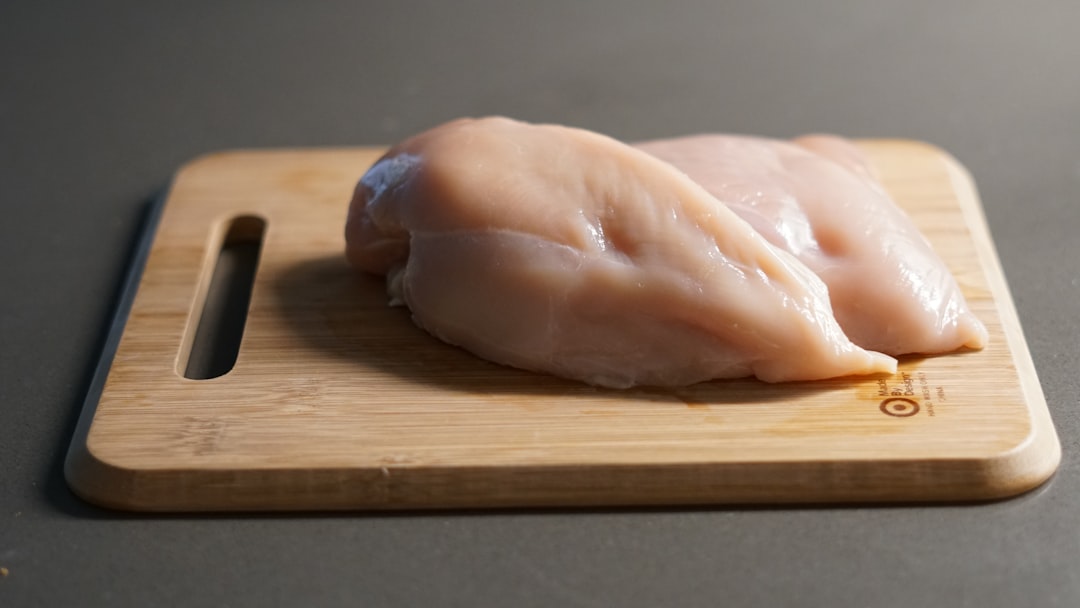
Believe it or not, that splash of water you see when rinsing chicken is exactly what health experts worry about. Raw chicken is ready to cook and doesn’t need to be washed first. The Centers for Disease Control and Prevention has been clear on this point for years, yet many home cooks continue this dangerous practice.
According to a USDA study, 1 in 7 people who cleaned their sink after washing chicken still had germs in the sink. The research gets even more concerning when you dive deeper. Results from an observational study of 300 people in test kitchens showed that of the people who washed chicken, 60% had bacteria in their sink afterward. In addition, 26% still had bacteria in their sinks even after cleaning them.
Scientific studies now confirm that washing raw chicken does risk pathogen transfer and cross-contamination through droplet ejection, and that changing washing conditions can increase or decrease the risk of splashing. Use a food thermometer to make sure chicken is cooked to a safe internal temperature of 165°F.
Using Visual Cues Instead of a Food Thermometer
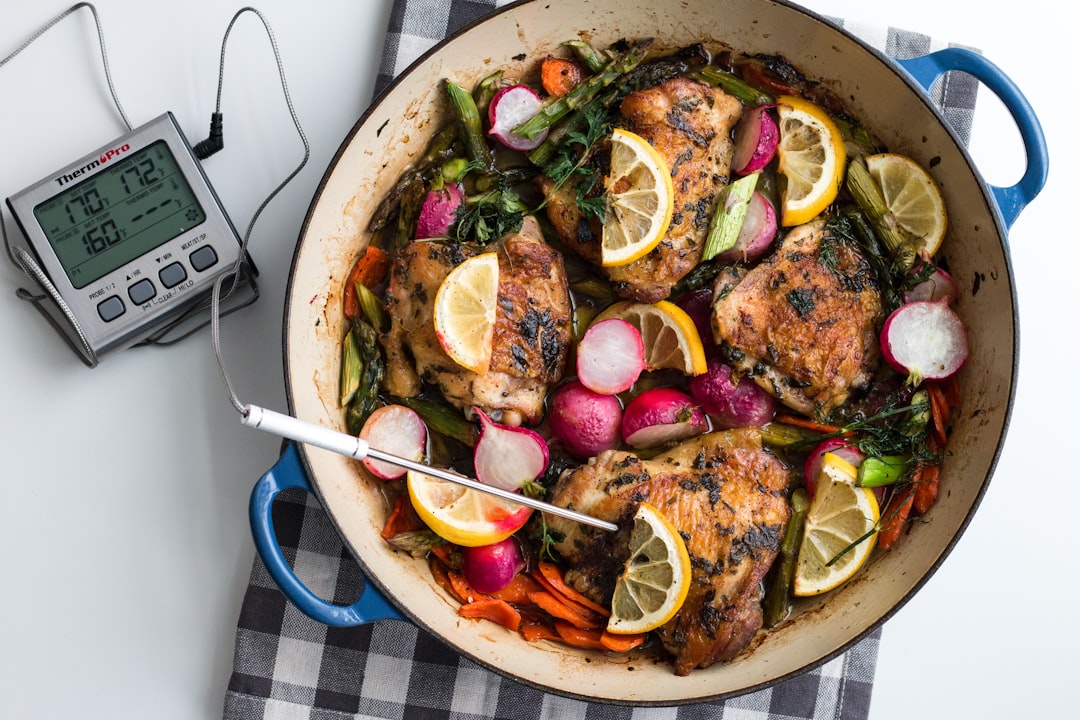
That golden-brown exterior might look perfect, but appearances deceive when it comes to food safety. In a USDA study, 21% of participants relied on visual cues such as color and grill marks to determine if their hamburger patties were fully cooked. Color and grill marks are not indicators that food is safe to eat and could put you at risk for foodborne illness if dangerous bacteria are still present in your food.
The only way to know food has been cooked to a safe internal temperature is to use a food thermometer. This is especially important since some foods like ground beef may turn brown on the outside when cooking before they reach a safe internal temperature that destroys foodborne illness causing bacteria. A hamburger cooked to 160 degrees F, as measured with a food thermometer, regardless of color, is safe.
Most pathogens are destroyed between 140 degrees F and 165 degrees F. Modern technology has made this even easier with chicken breast cooked at 150°F for about 3 minutes being just as safe as chicken cooked all the way to 165°F, but it’s fork-tender and juicy, not dry and overcooked.
Cross-Contaminating Cutting Boards and Surfaces
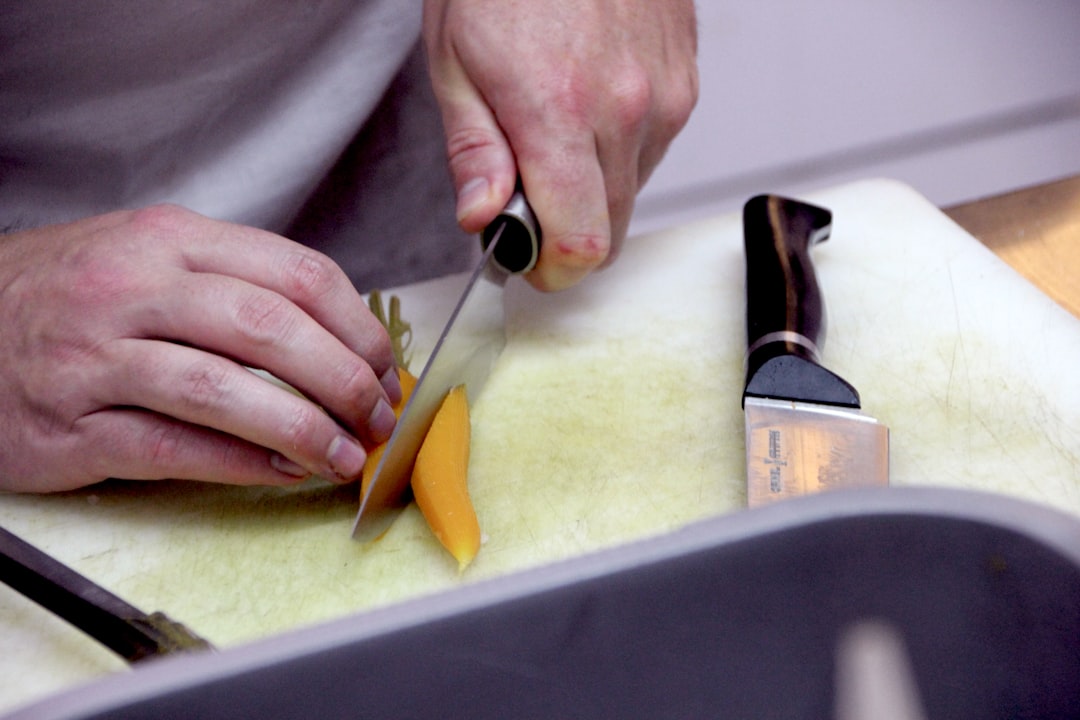
Cross-contamination is what happens when bacteria or other microorganisms are unintentionally transferred from one object to another. The most common example is the transfer of bacteria between raw and cooked food. This is thought to be the cause of most foodborne infections.
Professional kitchens have solved this problem with color-coded systems, and you should too. You can take this a step further and indulge in color-coded cutting boards! A lot of restaurants use the color-coded cutting board strategy as a best practice. The simple solution is having dedicated boards for different food types.
Never place cooked food or fresh produce on a plate, cutting board, or other surface that previously held raw chicken. Wash cutting boards, utensils, dishes, and countertops with hot, soapy water after preparing chicken and before you prepare the next item. Even a momentary lapse in judgment can spread dangerous pathogens throughout your kitchen.
Improper Food Storage and Temperature Control
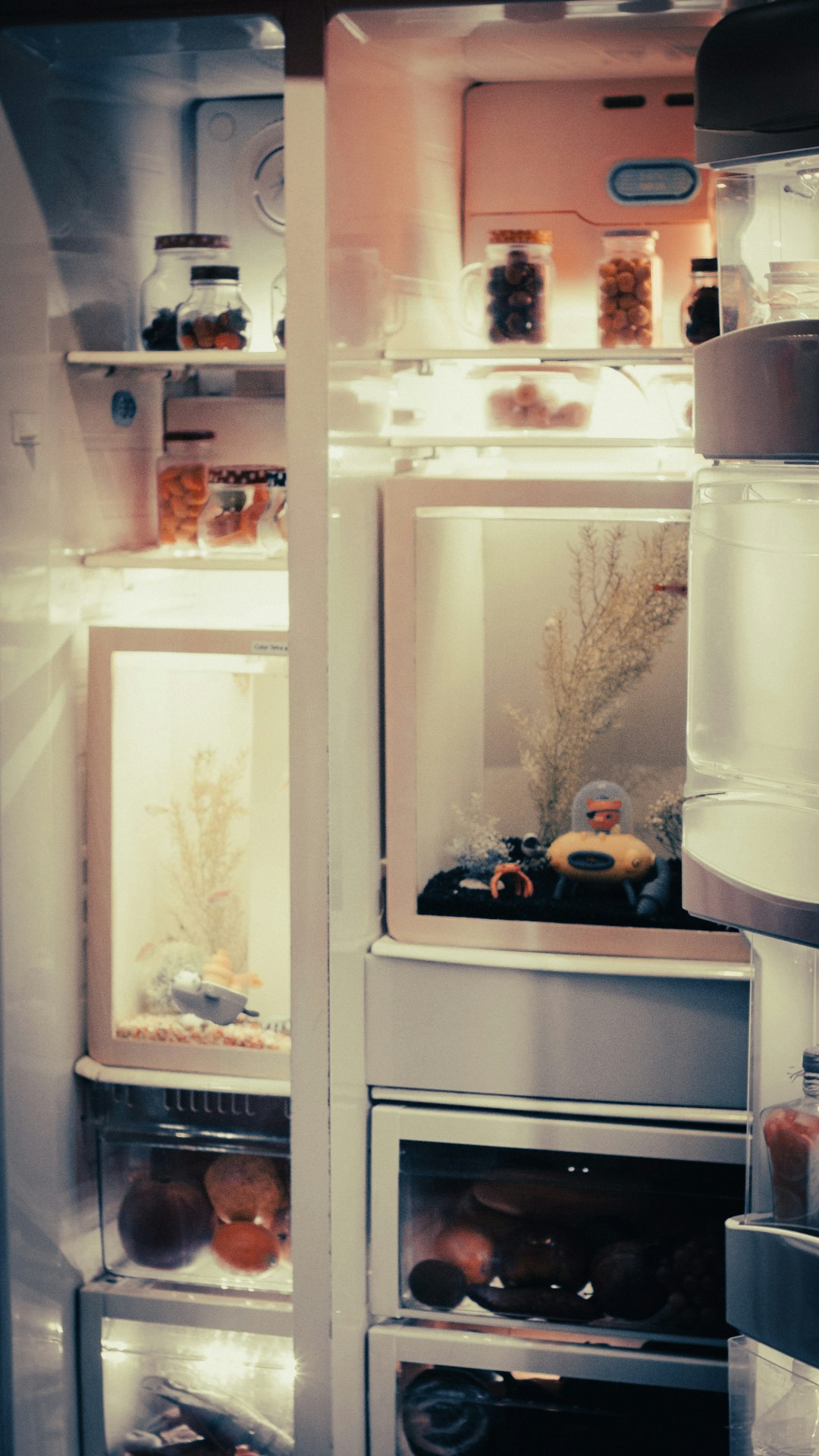
Your refrigerator isn’t just a cold box, it’s a carefully organized defense system against bacterial growth. Bacteria grow most rapidly when food is between 40 and 140 Fahrenheit, doubling in as little as 20 minutes. This temperature range, known as the danger zone, turns your kitchen into a breeding ground for harmful microorganisms.
Strategic refrigerator organization prevents contamination from spreading. Some of the most important storage practices you should use include covering raw food (such as meat) and keeping it separate from ready-to-eat food in the refrigerator, and storing raw meat, shellfish, poultry and fish on the bottom shelf of your refrigerator, so you’re not in any danger of stray juices dripping onto lower shelves.
The temperature “danger zone” for perishable foods is between 40 degrees and 140 degrees Fahrenheit. Perishable foods are no longer safe to eat if they have been in this danger zone for more than two hours (one hour in 90°F or above). Time becomes your enemy when food sits at unsafe temperatures.
Neglecting Hand Hygiene During Food Preparation
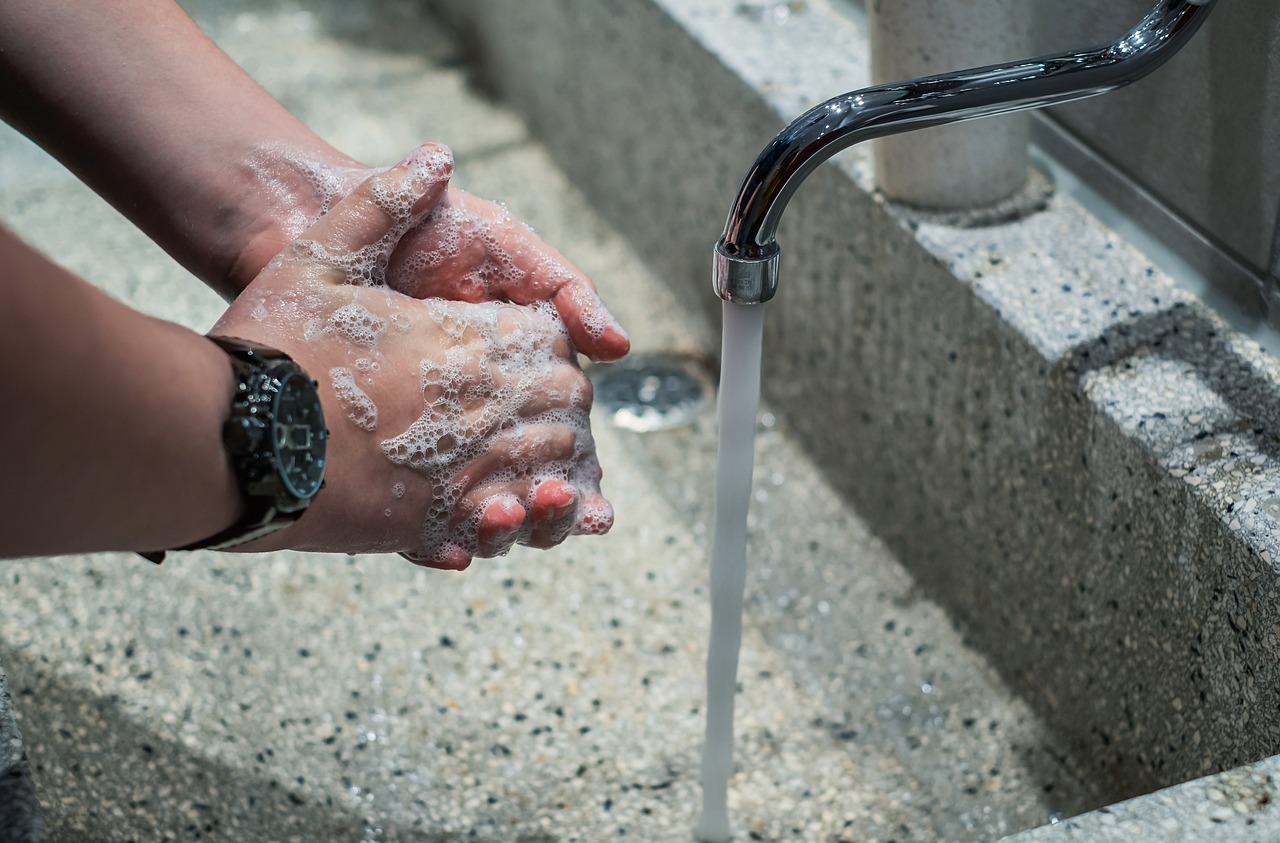
Your hands are the primary vehicle for spreading contamination throughout your kitchen, yet many cooks fail to wash them properly or frequently enough. Hand hygiene is another critical aspect of kitchen cleanliness. Hands can easily transfer bacteria from surfaces or raw foods to cooked foods, increasing the risk of foodborne illness.
The timing of handwashing matters as much as the technique. Wash your hands for 20 seconds. This simple action becomes crucial when you consider how easily contamination spreads. Wash your hands in between preparing different types of food to avoid transferring bacteria.
Recent data shows the real consequences of poor hand hygiene. The onset of symptoms often occurs within minutes to weeks, with symptoms that could include nausea, vomiting, diarrhea or fever. Each year, it’s estimated that foodborne illness results in roughly 48 million people getting sick, 128,000 hospitalizations and 3,000 deaths within the U.S.
Reusing Marinades and Sauces After Contact with Raw Meat
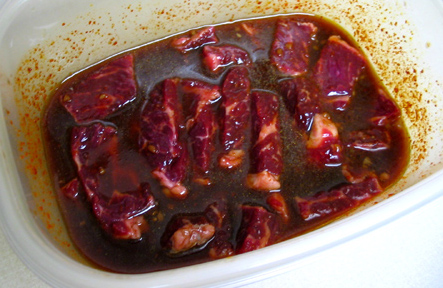
That delicious marinade that made your meat so flavorful has now become a contamination risk. Don’t reuse marinades used on raw foods unless you bring them to a boil first. Many home cooks unknowingly create cross-contamination by brushing leftover marinade on cooked meat or using it as a sauce.
The same principle applies to any utensil or container that touches raw meat. Never place cooked food on a plate that previously held raw meat, poultry, seafood, or eggs unless the plate has been washed in hot, soapy water. This mistake happens frequently during grilling season when cooks use the same plate for raw and cooked meats.
Professional food safety protocols treat any surface that contacts raw meat as contaminated. Refrain from reusing packaging that was used for raw meat or poultry to store other food items. The bacteria from raw meat creates an invisible contamination field that can persist even after the meat is removed.
Inadequate Cleaning of Kitchen Surfaces and Equipment
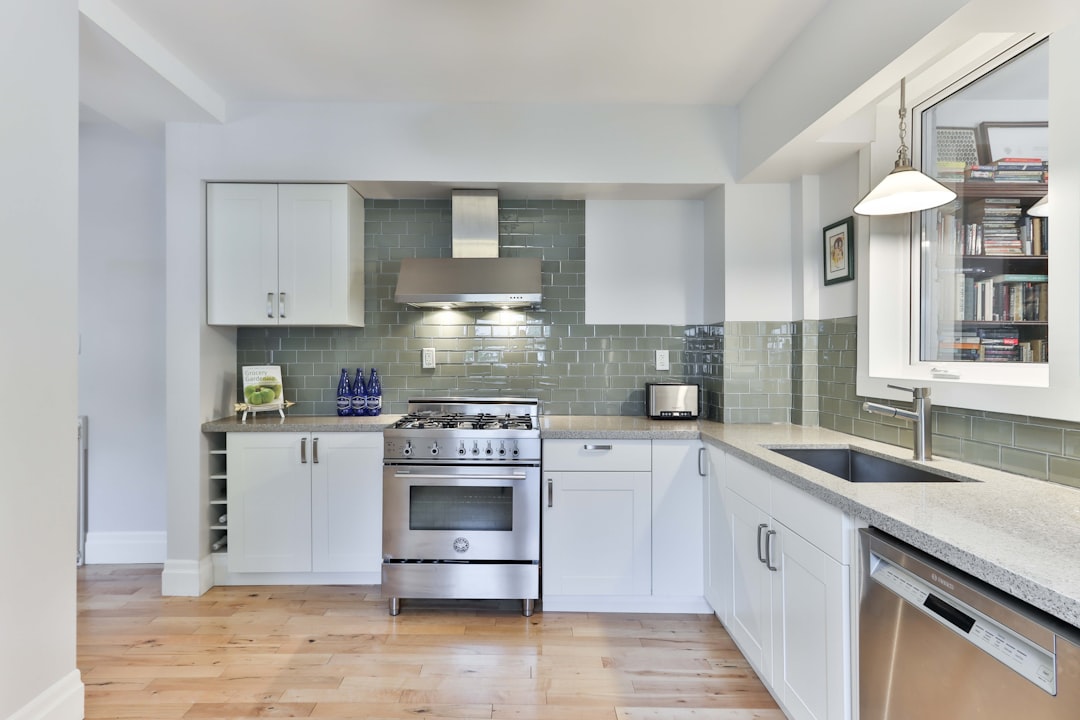
Maintaining a clean kitchen isn’t just about appearances; it’s a fundamental aspect of food safety and overall health. Beyond the aesthetic appeal of a sparkling countertop or gleaming stove, regular cleaning plays a crucial role in eliminating potentially harmful bacteria and preventing foodborne illnesses.
One of the primary areas where bacteria can thrive in the kitchen is on surfaces that come into contact with food. Countertops and utensils can harbor a variety of bacteria. Regular cleaning with hot, soapy water can effectively remove dirt, grease, and bacteria, reducing the risk of contamination.
The cleaning process requires more than just wiping down surfaces. Wash kitchen surfaces with soap and water before placing food on them. Make sure you thoroughly rinse and dry all surfaces after washing to remove any traces of soap. Soap residue can create its own health hazards when it comes into contact with food.
Thawing Food at Room Temperature
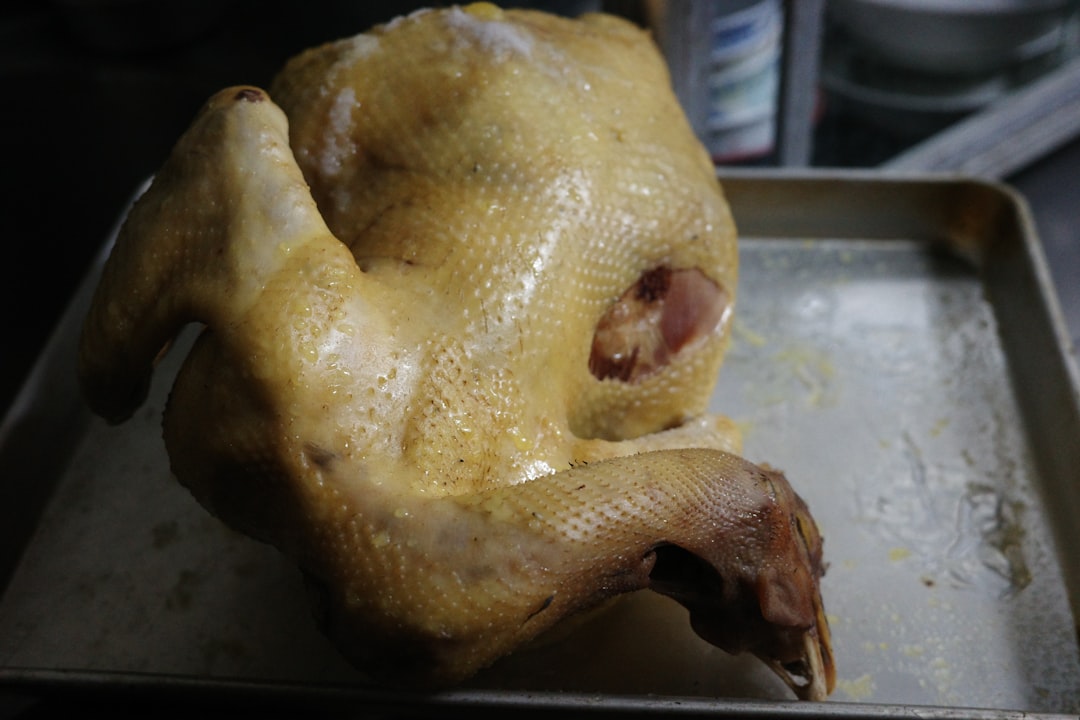
That frozen chicken sitting on your counter is creating a perfect breeding ground for bacteria. Never thaw food at room temperature, such as on the counter top. There are three safe ways to defrost food: in the refrigerator, in cold water, and in the microwave. Food thawed in cold water or in the microwave should be cooked immediately.
The danger lies in the temperature gradient that develops during thawing. While the center remains frozen, the outer layers enter the danger zone where bacteria multiply rapidly. Eating perishable foods that sat out at temperatures between 40 degrees F and 140 degrees F for more than 2 hours increases your risk of foodborne illness dramatically.
Professional kitchens never take shortcuts with thawing because they understand the science behind bacterial growth. Divide large amounts of leftovers into shallow containers for quicker cooling in the refrigerator. The same principle applies to thawing, where controlling temperature and time prevents dangerous bacterial multiplication.
Each of these mistakes might seem minor on their own, but together they create a web of contamination risks that can turn your kitchen into a health hazard. The recent increases in foodborne illnesses remind us that home food safety has never been more important. What do you think about these common mistakes? Are there any that surprised you?