6 Affordable Steaks Chefs Swear Taste Like Prime Cuts
When ribeye costs upwards of forty-five dollars per pound and filet mignon breaks the bank faster than a Vegas weekend, smart home cooks are learning what professional chefs have known for years. The secret isn’t always splurging on premium cuts. Sometimes the most incredible steaks are hiding in plain sight, masquerading as humble shoulder muscles or forgotten butcher favorites. These budget-friendly alternatives deliver the same rich, beefy satisfaction as their expensive cousins, often at half the price or less.
Chuck Eye: The Poor Man’s Ribeye That Fooled Everyone
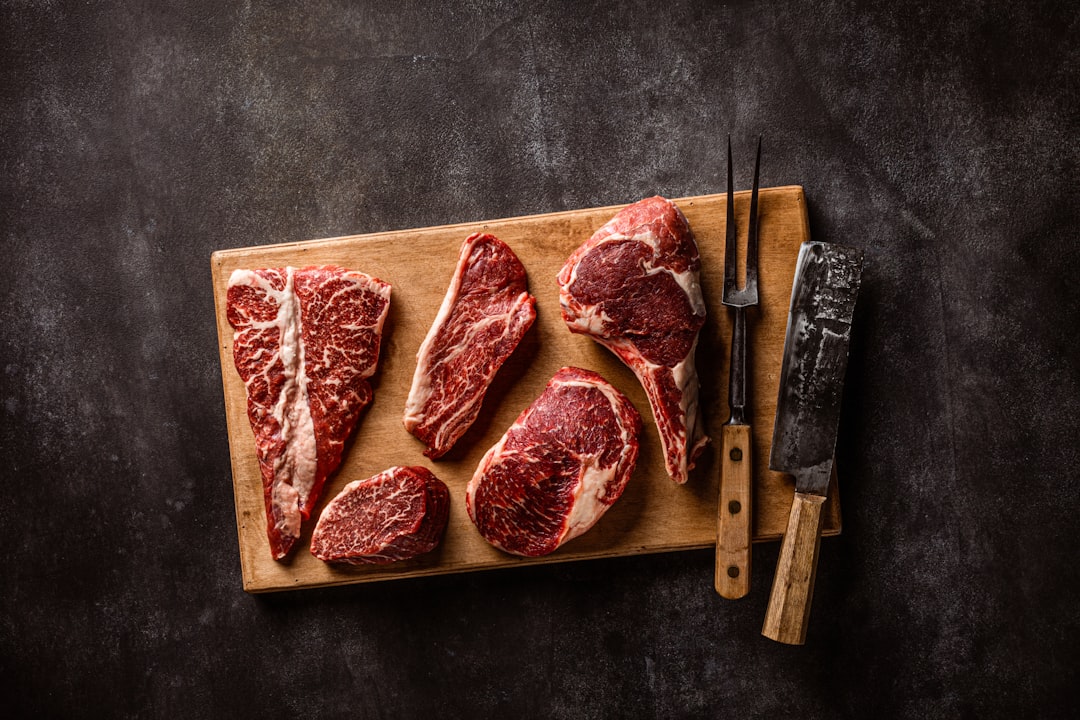
The chuck eye comes from the upper shoulder area and is actually right next to the ribeye, which is why it shares a similar marbling and flavor. Recent market data suggests ribeye steaks typically cost significantly more per pound than chuck eye steaks. If you cook chuck eye steak correctly, it tastes remarkably similar to ribeye, just at a fraction of the cost. The key is understanding that this cut comes from the fifth rib, literally inches away from where ribeye begins.
Flat Iron: Second Only to Filet Mignon in Tenderness
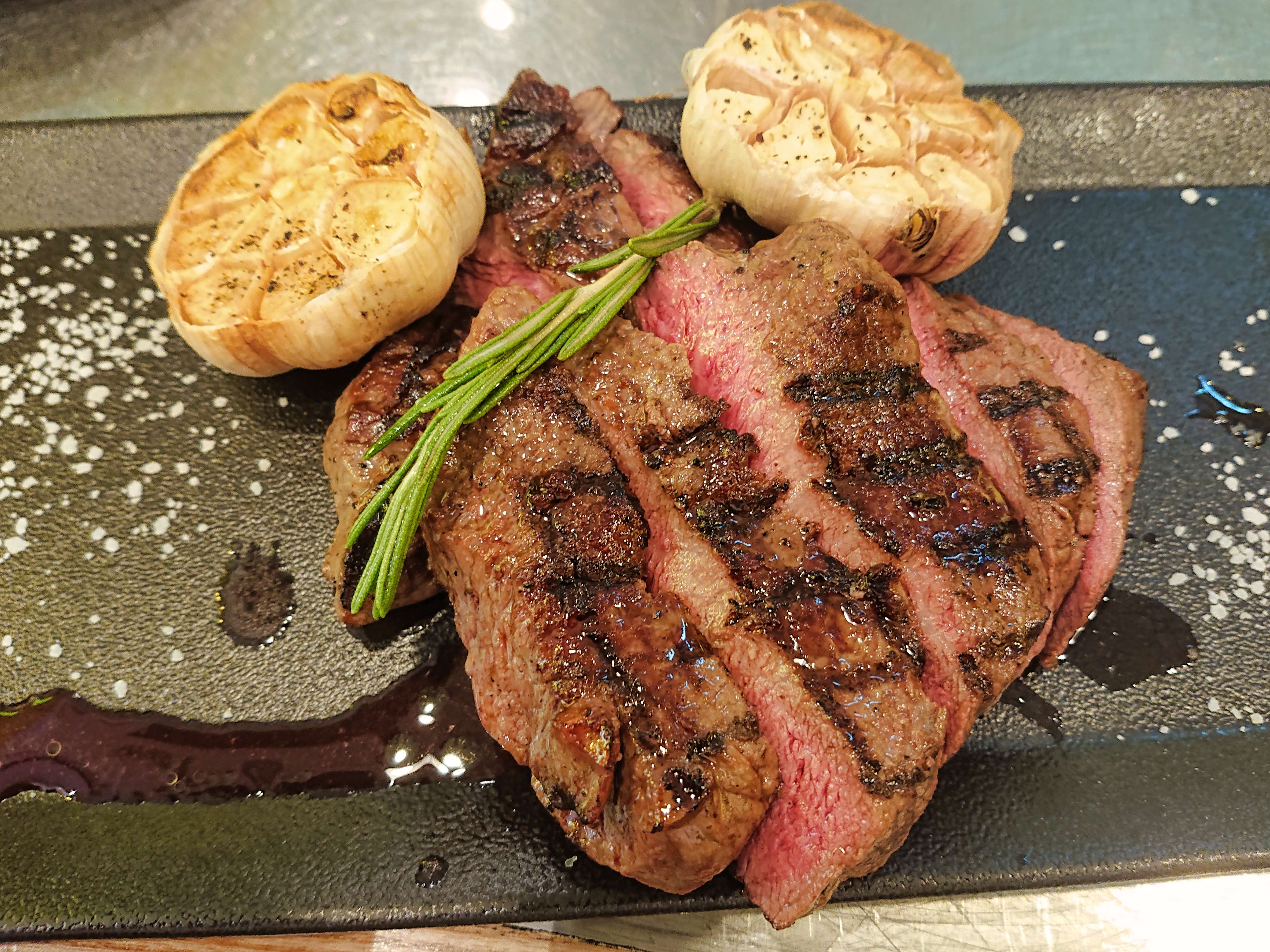
Meat science research indicates that flat iron is among the most tender cuts of beef, often ranking very highly in tenderness studies. Flat iron steaks truly shine as a stand-in for much more expensive cuts like filet mignon or ribeye. The secret to flat iron’s tenderness lies in its marbling – the streaks or flecks of white fat visible when the steak is raw, which not only contributes to the steak’s tenderness but also gives it a savory, beefy flavor that is sometimes lacking in cuts like filet mignon. What makes this cut particularly remarkable is that it comes from the chuck, traditionally considered a tougher region of the cow.
Skirt Steak: The Fajita King with Gourmet Potential
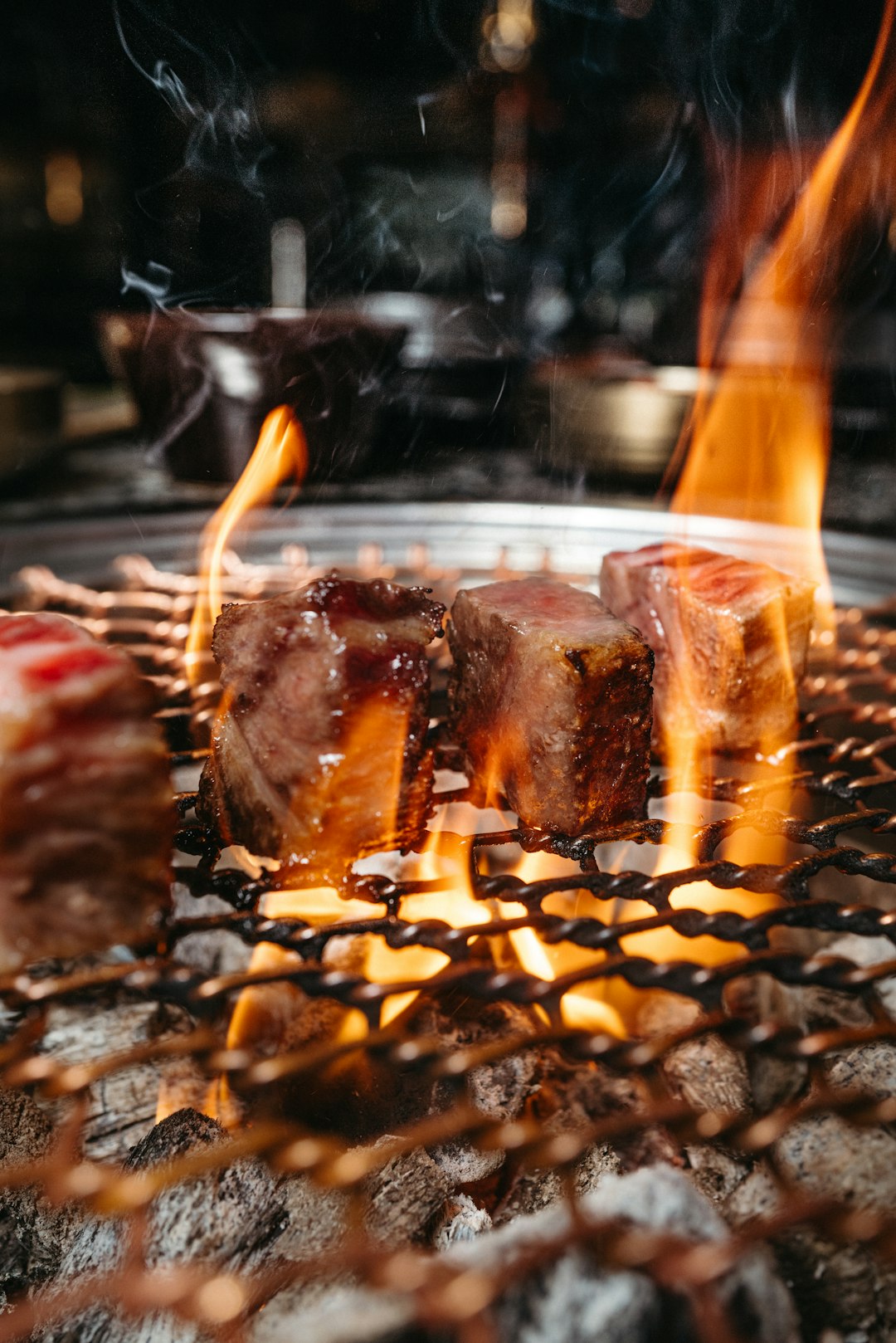
A 12-ounce skirt steak generally costs around $21-22 compared with $45 for the same amount of filet mignon. Skirt steak is great grilled over high heat for a short amount of time and is best served medium rare to medium to maintain the meat’s tenderness. Professional kitchens love this cut because its thin profile and intense beefy flavor make it incredibly versatile. It’s prized for its deep flavor and relatively tender texture when cooked properly, perfect for fajitas, stir fries, or just simply grilling with some salt and pepper.
Hanger Steak: The Butcher’s Secret Treasure
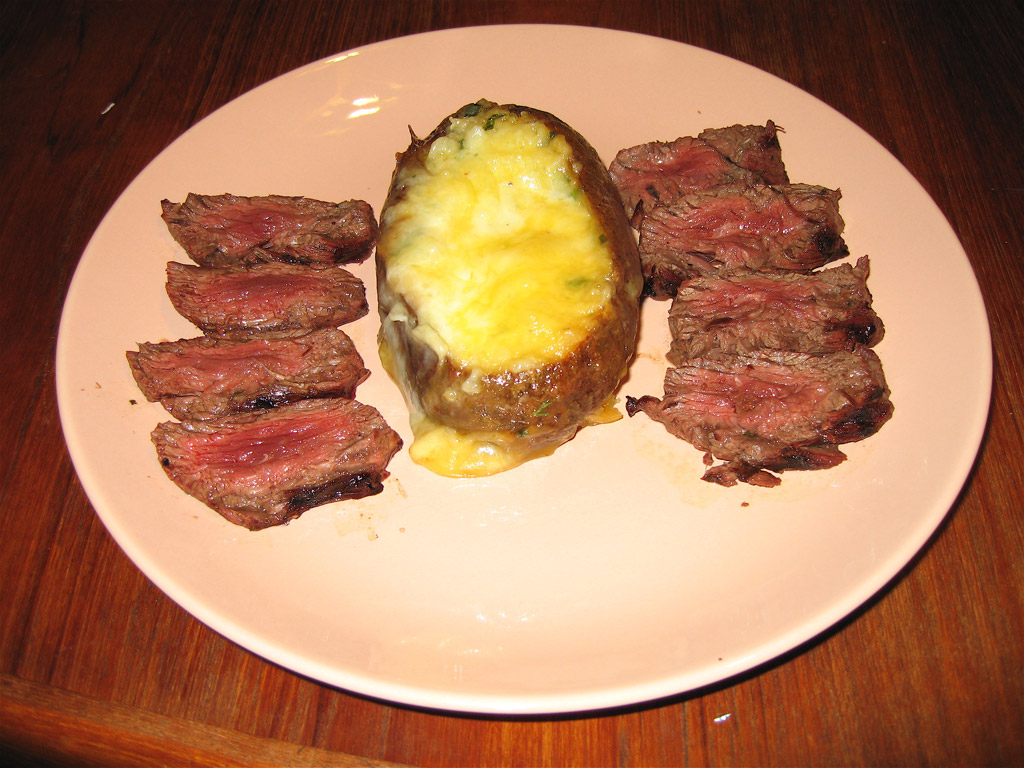
Hanger steak is “also known as the butcher’s steak because they would often keep it for themselves.” Unlike skirt, which is thin and lean, hanger steak is a thicker, juicier cut with an intense, beefy flavor. Collectively, they’re referred to as “bistro” steaks, because frugal French chefs at blue-collar eateries love a bargain cut, and they were the kind of cut that butchers would keep for themselves. This forgotten gem offers the richness that high-end steakhouses charge premium prices for, but smart shoppers can often find it at specialty butcher shops for significantly less.
Bavette (Sirloin Flap): The French Chef’s Favorite
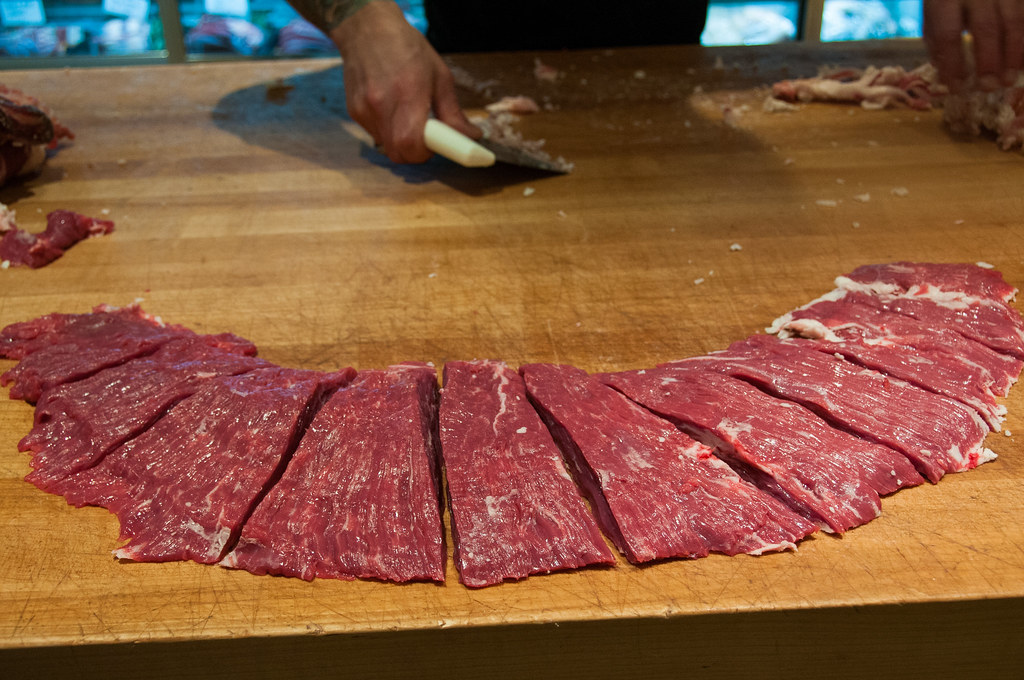
The fact that bavette is loved by chefs tells you all you need to know about this affordable steak cut, blessed with a deeply meaty flavor and a surprisingly tender texture, given its price. Bavette steaks aren’t the cheapest in the world, but when buying from a quality retailer, they’re way more affordable than other cuts, with bavette typically priced lower than premium cuts like ribeye or sirloin at many retailers. Also known as sirloin flap, it comes in a long, flat shape that’s perfect both for grilling in one piece or slicing up and cooking in strips, though it’s a butcher’s cut, meaning you’re less likely to find it outside of butcher’s shops and specialist stores.
Teres Major (Petite Tender): The Filet Impostor
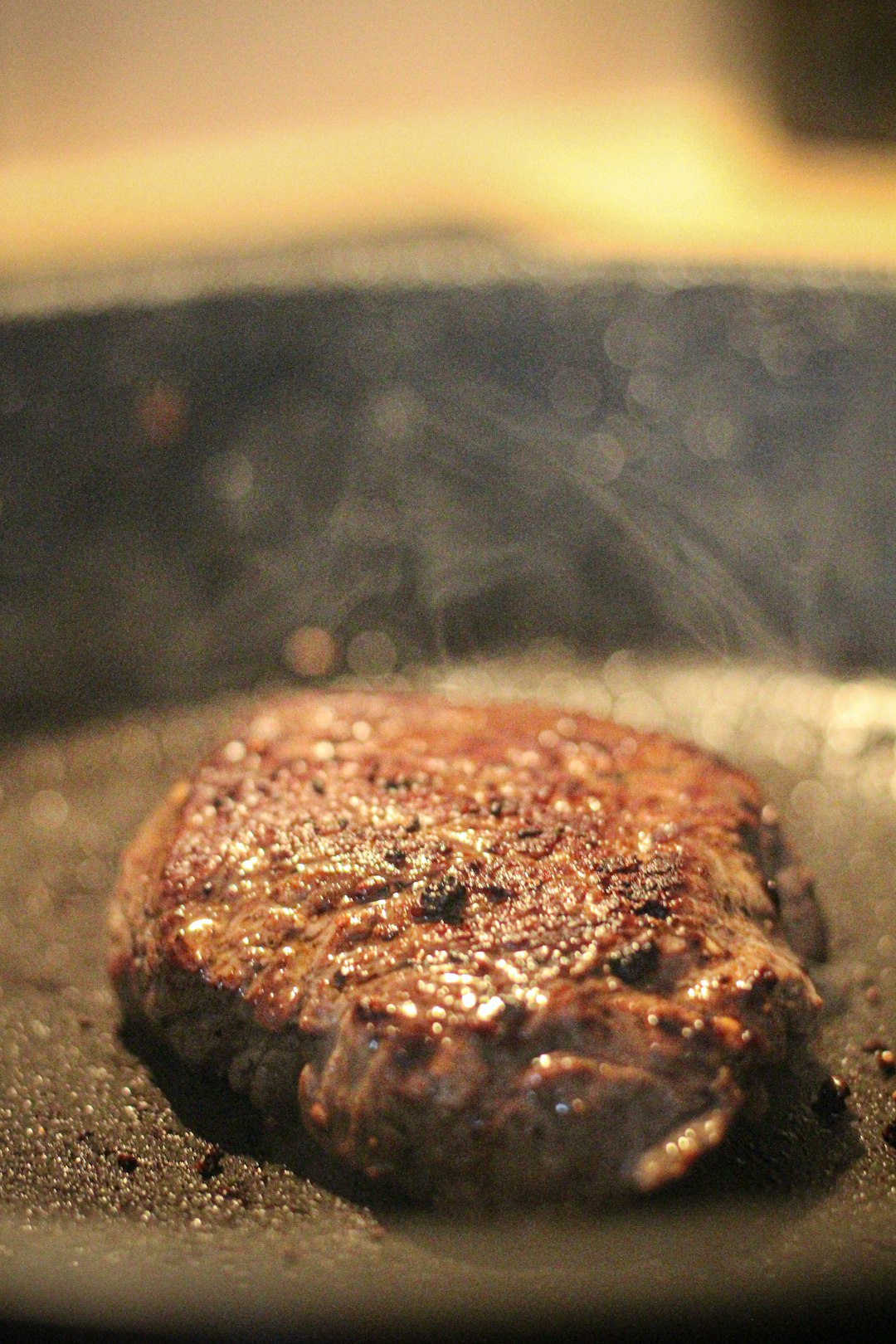
Teres major is an often overlooked cut from the chuck or shoulder section that is comparable in flavor and tenderness with beef filet or tenderloin. When sliced into medallions, it’s pretty much indistinguishable from a filet mignon and just as lean and tender – but at roughly half the price of filet mignon, typically priced at roughly half the cost of filet mignon. It looks just like a tenderloin but is closer in size and proportion to a pork tenderloin, weighing no more than 10 to 12 ounces, making it the right amount of steak for two people to enjoy. Smart diners are discovering this shoulder muscle that delivers premium tenderness without the premium price tag.
What sets these affordable cuts apart isn’t just their price point, but their ability to deliver genuine steak satisfaction when prepared with the right techniques. Knowing what your inexpensive cut needs for the best results is the chef’s secret to making the most out of every cut, and slicing against the grain shortens the muscle fibers and makes the beef easier to chew, making these cheap cuts of beef top-tier. The next time you’re planning a steak dinner, remember that the most expensive option isn’t always the most delicious. Sometimes the best-kept culinary secrets are hiding right there in the meat case, waiting for someone bold enough to give them a try.