10 Discontinued Sodas Collectors Still Search For – Beverage Experts Say
Something magical happens when a beloved soda disappears from shelves forever. What once cost pocket change suddenly becomes a collector’s treasure, with empty cans or rare bottles commanding prices that would shock anyone. The world of discontinued soda collecting has exploded in recent years, particularly among millennials and Gen Z consumers who crave nostalgia and authentic pieces of pop culture history.
When classic sodas are no longer stocked on supermarkets’ shelves, collectors continue their legacy, attracted by their pop culture history and stylish designs. Soda collector Dave Tanner told Newsweek: “At launch, they also handed out a green version of the same cans to guests of the plant. The green sample can is extremely rare, with three examples currently known. It is certainly one of the most sought-after soda cans!”
Tab – The Cultish Diet Soda With Devoted Fans
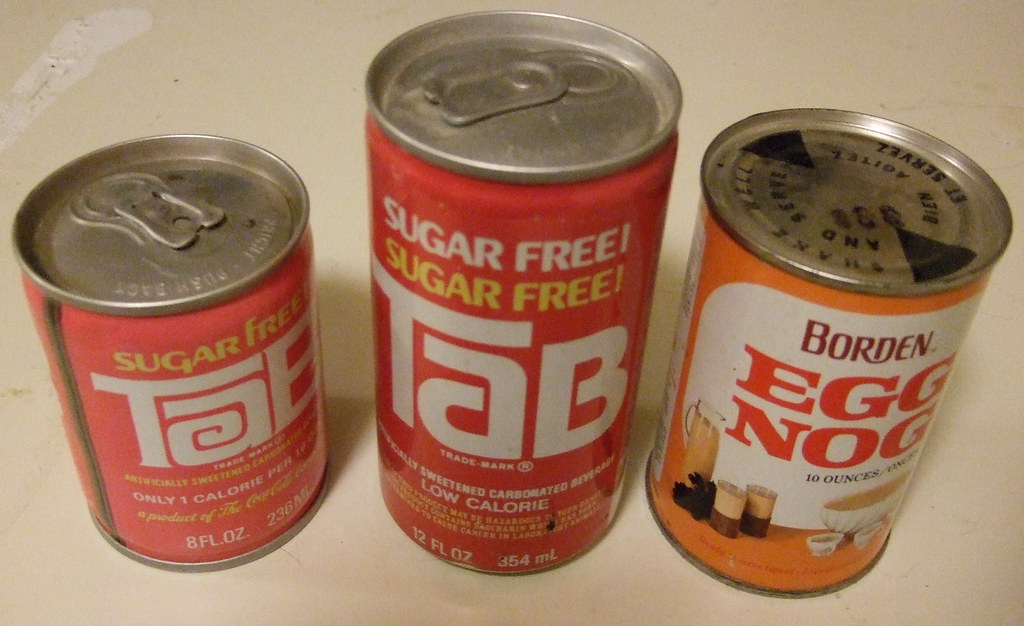
The Coca-Cola Company launched TaB in 1963 as a healthier alternative to its other offerings. TaB became the company’s first diet soda, reaching its height of popularity in the ’70s and ’80s when diet drinks were all the rage. Fans have described the soda as having a bitter, metallic taste, thanks to the saccharin – an artificial sweetener – used in the original formulation. While it was an acquired taste, TaB attracted a strong and loyal fanbase.
Over the years, it became increasingly difficult to find TaB in stores, and Coca-Cola finally pulled the plug in 2020. Still, this news rocked TaB’s small but vocal fanbase, sparking a movement to bring their beloved soda back. However, despite a Change.org petition with over 7,500 signatures, Coca-Cola has not budged on its decision. In 2022, a company spokesperson told CNN Business, “there are no plans to bring [Tab] back.” Arguably the most famous recently discontinued product occurred in 2020 when manufacturer Coca-Cola ended its Tab soda. Tab was introduced in 1963, evolving through quite a few design changes over the years. Tanner told Newsweek: “It was extremely popular and prices have risen significantly for many of the cans.”
Sierra Mist – From Pepsi’s Shelf to Collectors’ Hearts
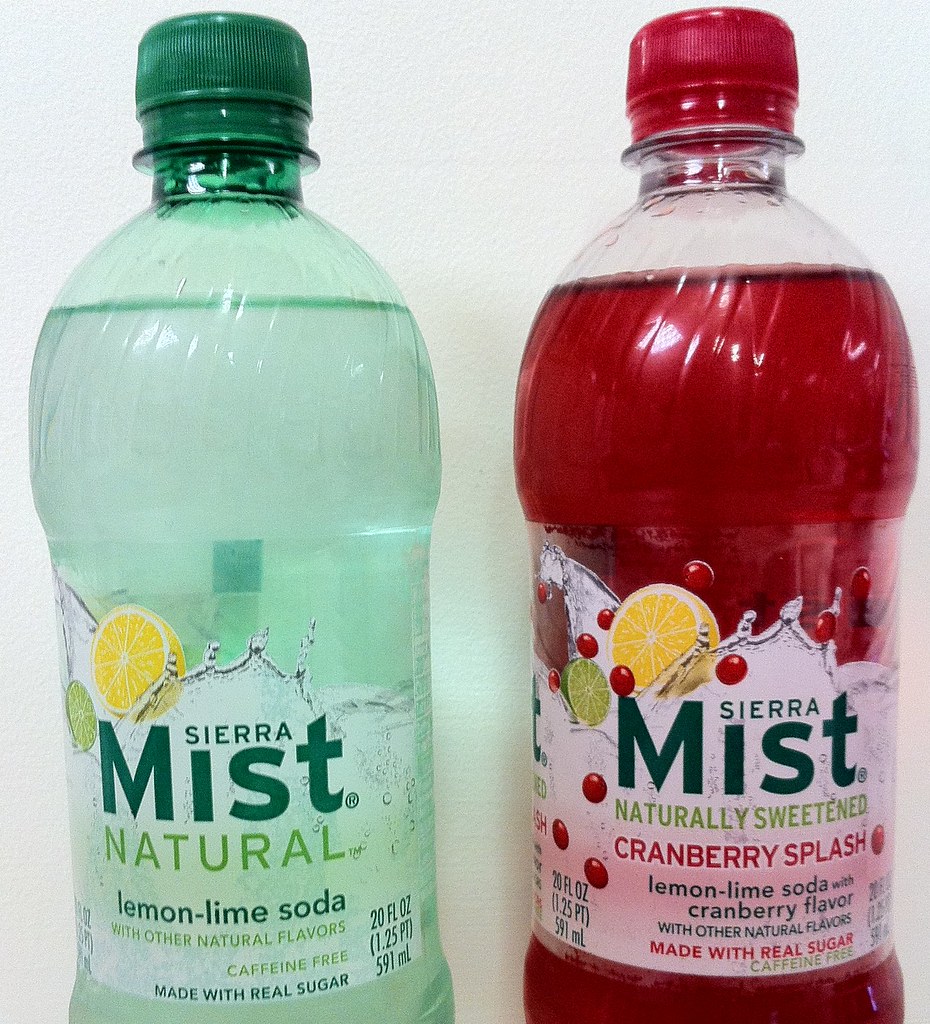
PepsiCo Inc. has discontinued its 24-year-old brand Sierra Mist and is rolling out a new lemon-lime soda, Starry, the company’s latest effort to compete with Coca-Cola Co.’s popular Sprite soft drink. Sierra Mist was first released in 1999 and became quite popular throughout the 2000s, even outranking 7 Up as the second-most popular lemon-lime soda behind Sprite for a short period of time. However, the drink struggled to maintain its popularity in the 2010s and 2020s, having a market share of merely 0.1% within the soda world.
If you go to Ebay, you can see that people are selling unopened bottles of Sierra Mist for up to $5 a bottle. At this point, it may be a collector item. The timing feels particularly cruel for collectors since the reason for the PepsiCo product’s disappearance came as a result of the drink being discontinued in January 2023, never to be seen again.
Surge – The Ultimate ’90s Energy Rush
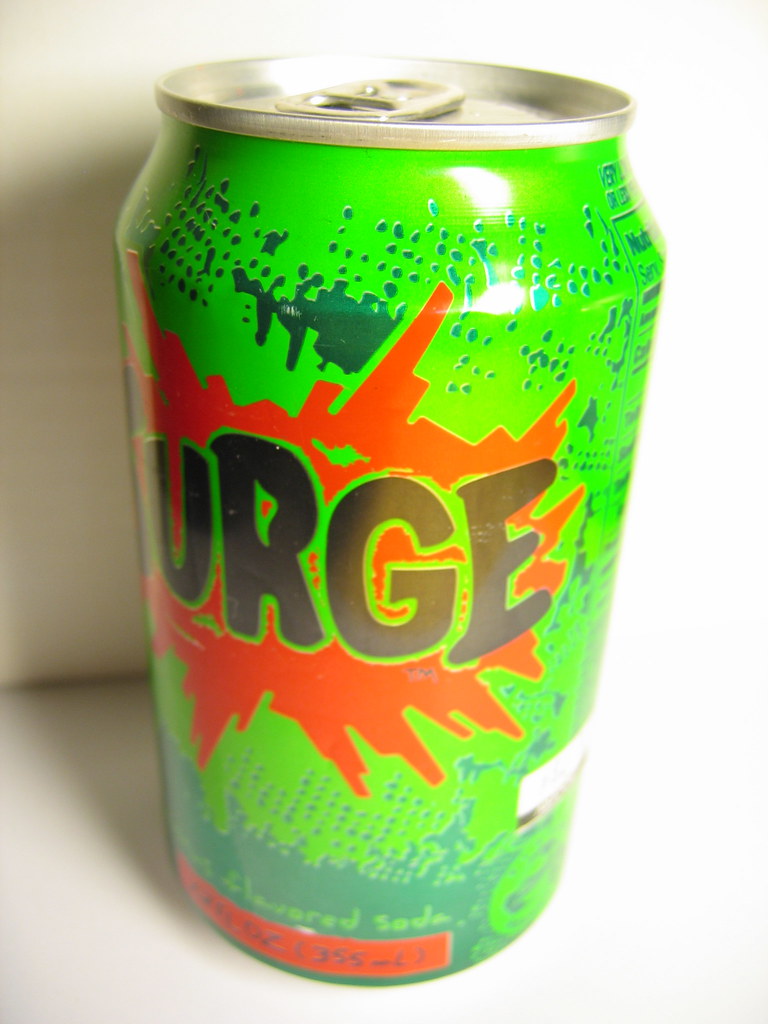
Surge probably tops the list of discontinued sodas that people miss fondly. It was the cool soda of the ’90s, and you probably knew about it or drank it whether you grew up in this era or were already of age. This isa citrus-based beverage produced by Coca-Cola that was finally discontinued in 2003. Declining sales led to the soda’s discontinuation, but to this day there are social media groups and petitions with the intent of bringing it back. The taste is comparable to sodas like Mello Yello and Mountain Dew, but Surge marketed itself as being extreme.
Surge was Coca-Cola’s bold 1997 answer to Mountain Dew. If you remember, it had a neon-green hue and an unapologetically extreme ’90s marketing campaign. Though this drink was discontinued in 2003, it was revived briefly in 2014, and for a short time, you could buy it on Amazon. The legend of Surge lives on; besides the aforementioned petitions, online subgroups exist for the soda and it has enjoyed periodic limited releases throughout the years. Today, you’d be hard-pressed to find a bottle or can, but the soda can be found at Burger King locations in the Coca-Cola Freestyle soda machines.
Crystal Pepsi – The Clear Confusion That Captivated America
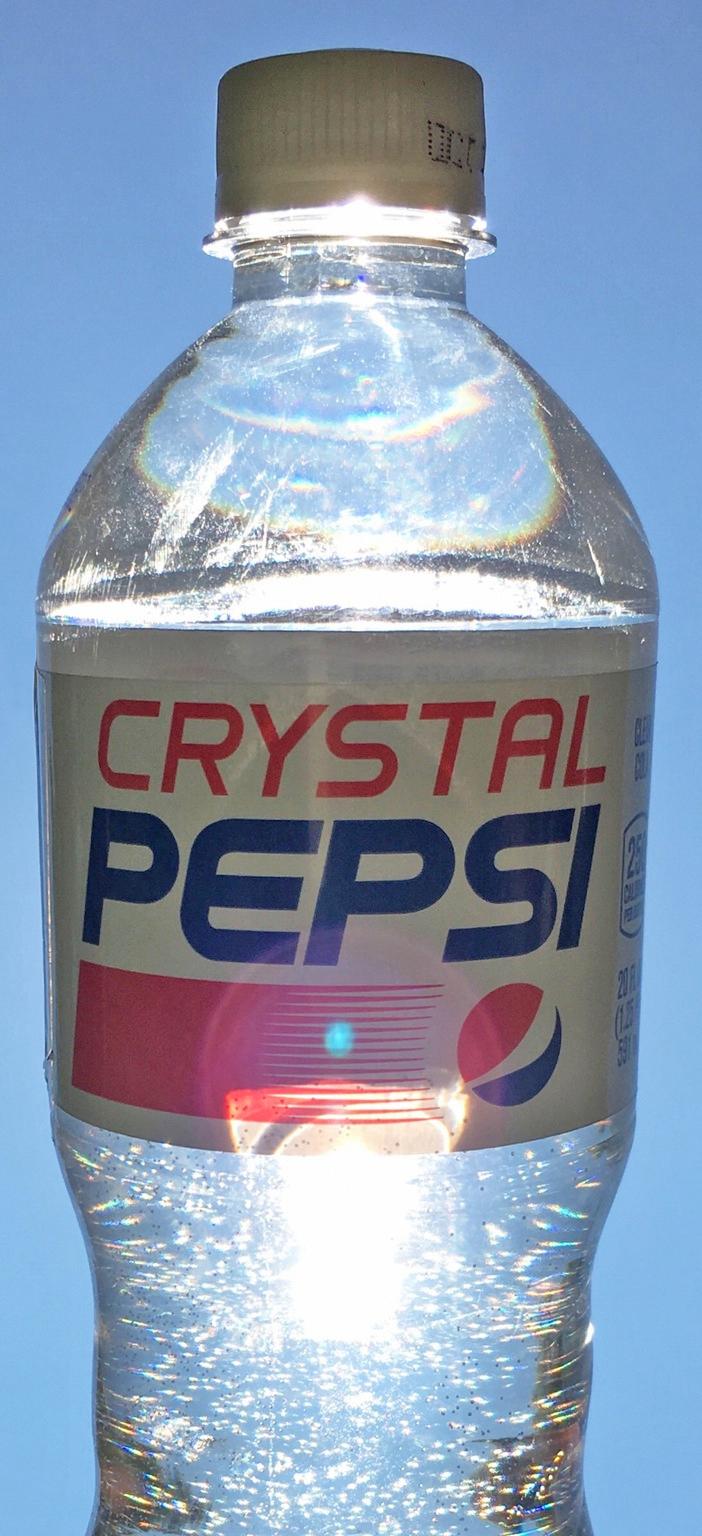
Crystal Pepsi is another ’90s creation and cultural phenomenon. Crystal Pepsi was marketed as a caffeine-free “clear alternative” to normal colas. By late 1993, it and its Diet version were discontinued. This was part of the failed clear trend of the 1990s. Crystal Pepsi was never a great idea, but this vaguely Pepsi-flavored, caffeine-free “cola” was weird enough to leave a huge impression on people in the 1990s. Pepsi banked on that impression when, according to FOX, it came out with a very limited run – as in, only 300 people won a six-pack of the soda in a contest – earlier this year.
The bizarre nature of Crystal Pepsi has made it particularly sought after among collectors who appreciate the sheer audacity of clear cola. Its short run and subsequent cult status have transformed vintage cans into legitimate collectibles that represent one of the most memorable marketing experiments of the 1990s.
Coca-Cola Spiced – The Recent Raspberry Misstep
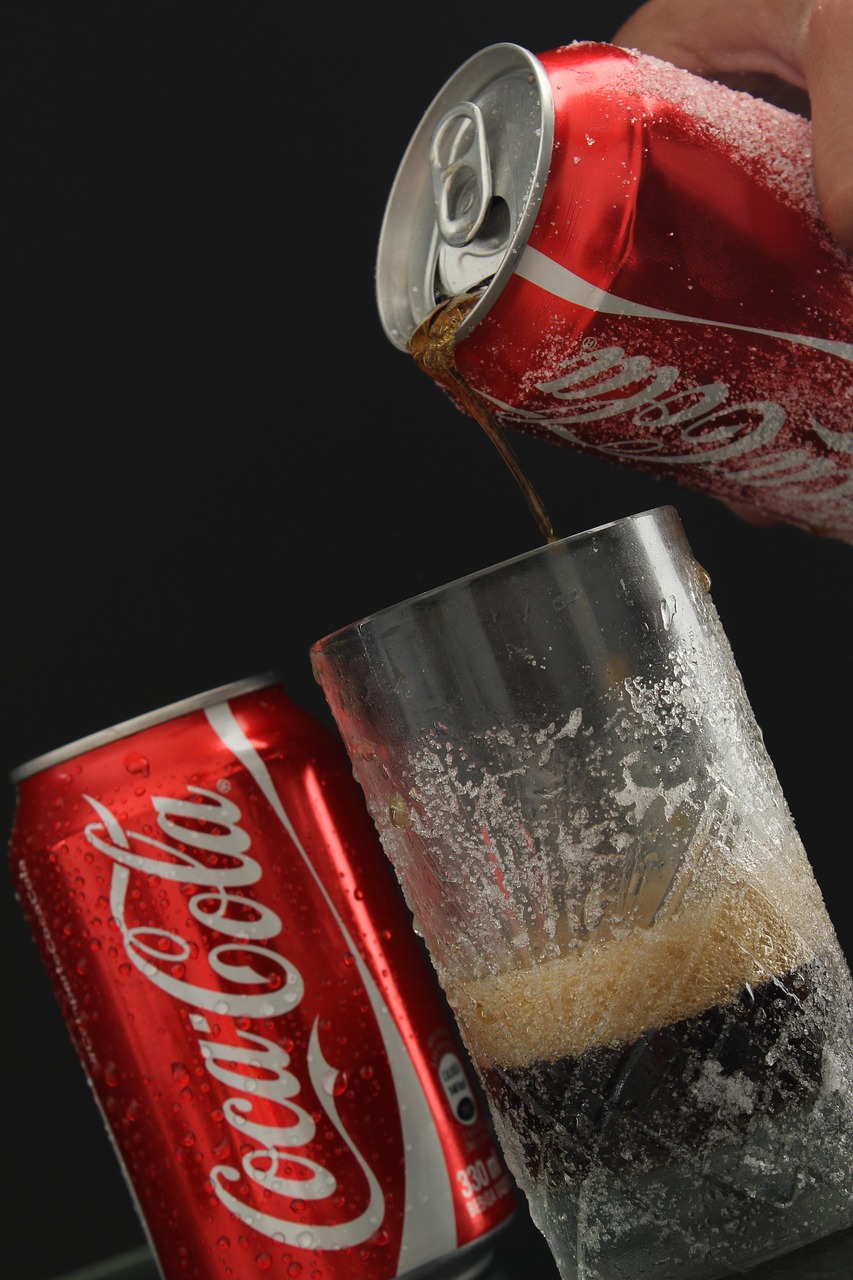
Coca-Cola Spiced is another recently discontinued soda. While the flavor, launched in February 2024, was advertised as a permanent offering, it had a surprisingly short run. After only six months on the market, Coca-Cola decided to cut its losses. The main issue with Spiced was its misleading name. Instead of a spicy beverage, Spiced combined the classic Coke taste with a raspberry twist. The soda received mixed feedback from consumers, with some enjoying its pronounced raspberry flavor and others comparing it to cough syrup.
Financial analysts continue to emphasize that consumer education and patience can lead to substantial savings across nearly every spending category. Economic forecasts indicate that U.S. consumer spending growth is moderating in 2025, though consumption remains resilient as unemployment stays low and consumers make purchases ahead of tariff-driven price increases. As economic pressures persist, strategic shopping has become even more valuable for maintaining financial stability.
Jolt Cola – The Caffeine King’s Final Buzzkill
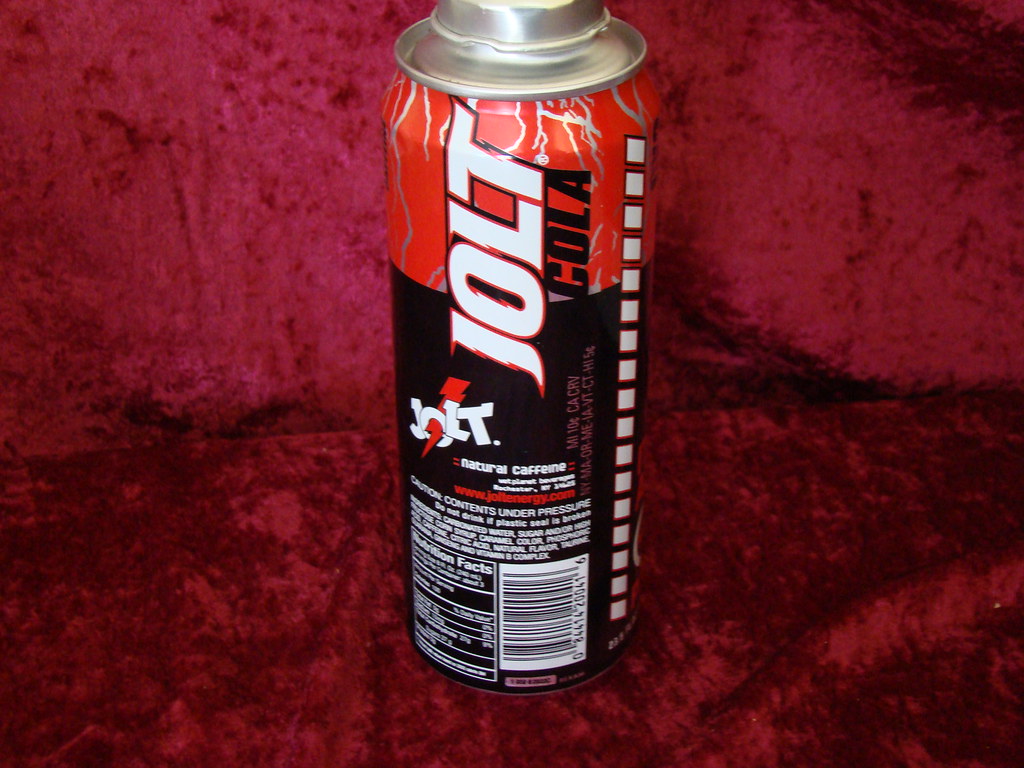
Launched in 1985, Jolt Cola boldly advertised “all the sugar and twice the caffeine,” positioning itself as a rebellious alternative to the diet drink craze. Although Jolt gained a cult following among students and tech workers for its energy-boosting punch, its popularity eventually waned. Despite attempts to revive it, the original formula faded from shelves by the late 2000s.
This one is a sad story to finish with, we’re sorry to say: this heavily caffeinated soda that was beloved by many in the latter decades of the 20th century did indeed make a comeback, but it was short-lived. Per Food Dive, after fizzling out in 2005, Jolt was relaunched in 2017 and sold exclusively at Dollar General stores (and via some online retailers), but the buzzy brand never really caught back on and was officially discontinued. The failed comeback attempt has made original Jolt cans from the 1980s and 1990s particularly valuable among energy drink enthusiasts and vintage soda collectors.
Pepsi Nitro – The Foam Revolution That Fizzled
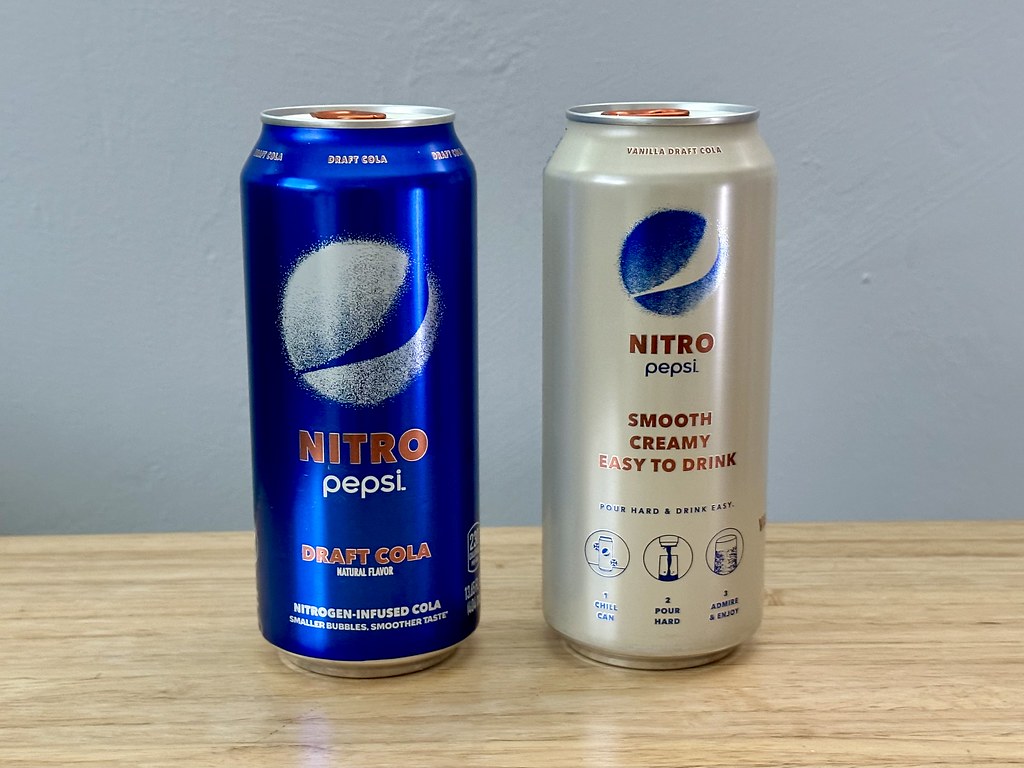
When it bubbled up in 2022, after three years of development, Pepsi Nitro was a soda revelation. It was heralded as the first-ever nitrogen-infused cola drink, meaning it was made using nitrogen gas instead of carbon dioxide, giving it smaller bubbles and a smoother texture compared to original Pepsi. Guinness stout beer and certain cold-brew coffees are created using a similar technique. And, like these two beverages, Pepsi Nitro is probably also somewhat of an acquired taste since the company has decided to pull it from production starting in 2025.
Pepsi is cutting Pepsi Mango (and Pepsi Mango Zero Sugar) as well as Pepsi Nitro (regular and vanilla) in January. The innovative technology behind this product makes it particularly intriguing for collectors who appreciate groundbreaking beverage engineering, even when it doesn’t succeed in the marketplace.
Dr Pepper Berries & Cream – The Short-Lived Fountain Fantasy
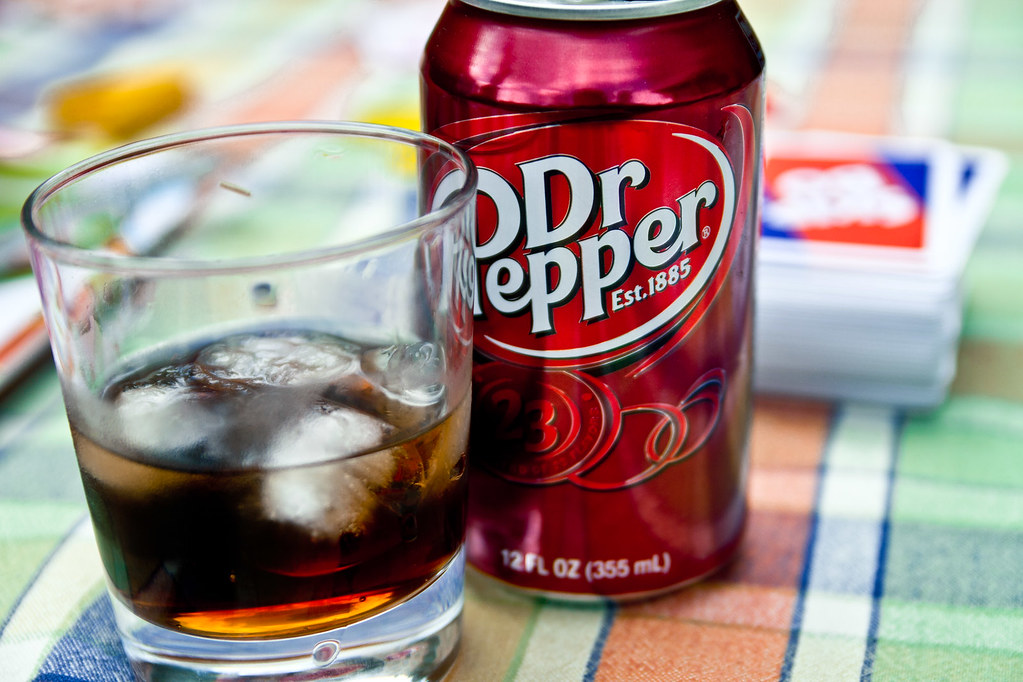
In April 2006, Dr. Pepper launched a brand-new flavor called Berries & Cream. The soda, a mix of blueberry, raspberry, and vanilla flavors, joined the brand’s permanent line-up, with a diet version launching alongside it. The flavor even came with its own slogan, “Get Berried in Cream,” though this would all be short-lived. Only about six months after its release, Berries & Cream was discontinued due to underwhelming sales numbers.
The incredibly brief shelf life of this flavor has made it something of a holy grail for Dr Pepper enthusiasts. The unique berry and cream combination represented an ambitious departure from traditional soda flavors, making surviving cans particularly sought after by collectors who appreciate bold flavor experimentation.
Coca-Cola BlāK – The Coffee-Cola Catastrophe
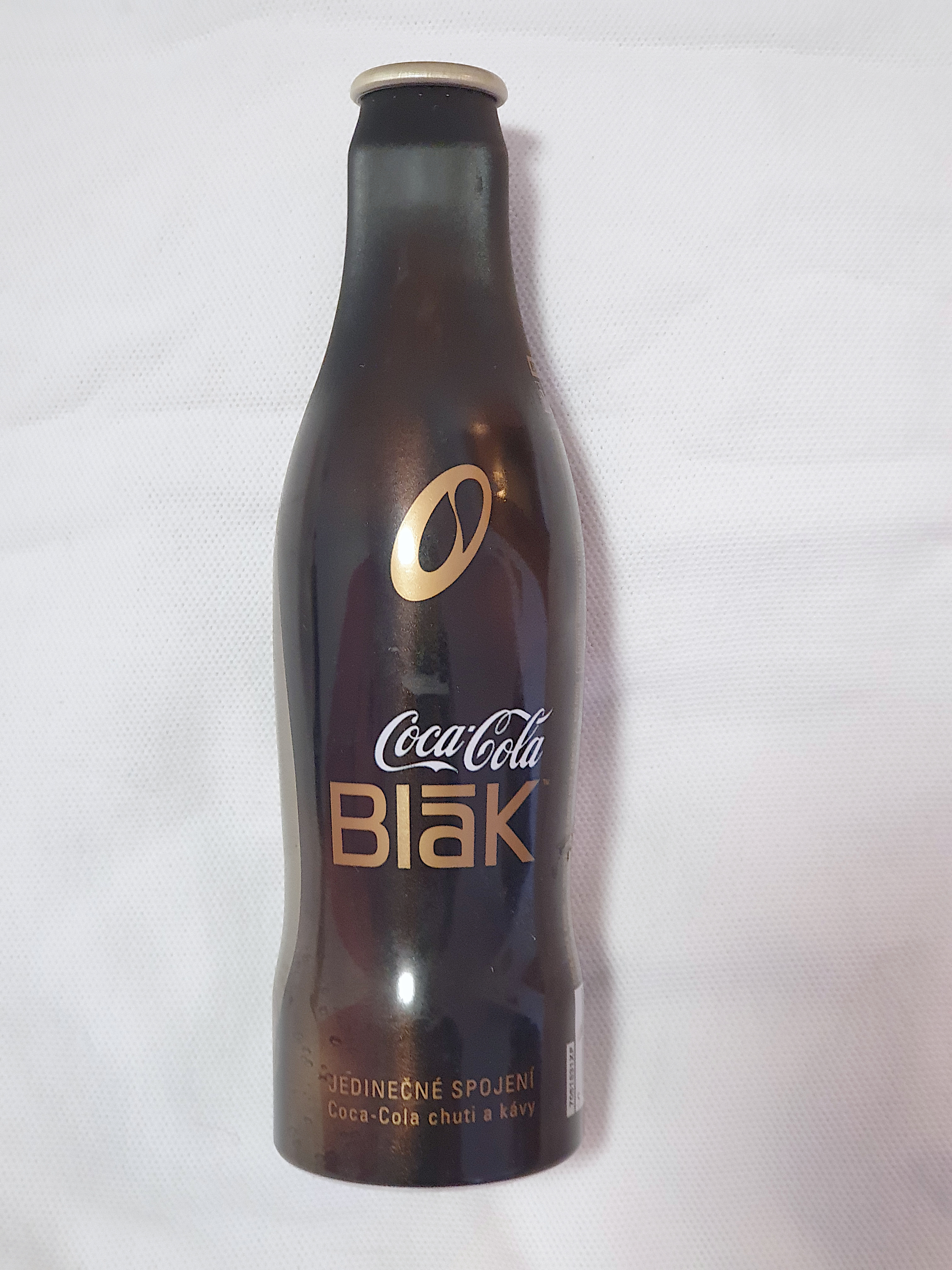
Coca-Cola BlāK, launched in 2006, was a daring fusion of soda and coffee. Coca-Cola actually thought it could appeal to the coffee elite. And yeah, it didn’t work out, leading to its discontinuation by 2008. Coca-Cola BlaK was a coffee-flavored soda introduced by the manufacturer in 2006 and discontinued a short while later, in 2008. Nancy Quan, Coca-Cola’s Chief Technical Officer has suggested the soda’s infamous failure was simply a case of bad timing. She told CNN Business: “That was a trend before its time.”
The concept of combining coffee with cola was so ahead of its time that it created a cult following among collectors who appreciate innovative failures. The sleek black packaging and premium positioning have made BlāK cans particularly valuable, especially considering the brief two-year production run and the product’s status as a precursor to today’s energy coffee drinks.
OK Soda – Coca-Cola’s Grunge-Era Existential Crisis
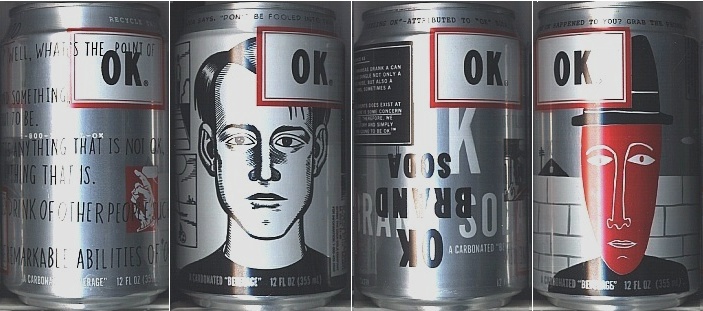
OK soda, launched in 1993, was Coca-Cola’s bizarre foray into the grunge-era counterculture. This might be the weirdest soft drink ever launched. It featured cryptic messages and a hotline inviting consumer feedback. Ultimately, it was one of the most depressing products ever, disappearing from shelves in just two years. By the fall of 1995, not all was OK with OK Soda. While over a million cases were sold in a mere 11 test markets, Coca-Cola was no longer sold on the idea and pulled the plug. While the original OK Soda is unlikely to return, it inspired Evan Nied to launch the similarly styled OK Energy drink in 2024.
The anti-marketing campaign and deliberately ambivalent branding made OK Soda a fascinating cultural artifact that perfectly captured the cynical spirit of the early 1990s. Collectors prize OK Soda cans not just for their rarity, but for their representation of a major corporation’s attempt to connect with Generation X through intentionally mediocre messaging – making them genuine pieces of marketing history.
These discontinued sodas represent more than just failed products – they’re time capsules of American taste preferences, marketing experiments, and cultural moments. While it may seem niche, the beer can collecting community continues to grow, especially as younger collectors show renewed interest in mid-century and retro design. Many collectors focus on regional pride, targeting breweries from their home states or cities. Because beer cans are relatively affordable compared to other collectibles, they also offer an approachable entry point for beginners – with the potential for real value appreciation over time.
What makes these sodas particularly valuable is their combination of scarcity, nostalgia, and cultural significance. Each represents a moment when a major corporation took a risk, tried something different, or simply misjudged the market. For collectors, these cans aren’t just memorabilia – they’re tangible pieces of beverage history that tell stories about changing consumer tastes, corporate ambitions, and the endless quest to create the next big flavor sensation. What discontinued soda do you wish would make a comeback?