Cheap Fish Cuts That Taste Better Than Filet Mignon – Chefs Reveal
The humble fish market holds secrets that most of us completely overlook. While we reach for familiar favorites like salmon or tuna, industry insiders know that some of the most extraordinary flavors swim in far less expensive waters. Professional chefs across the country consistently turn to these budget friendly options, not just to save money, but because they genuinely deliver more complex tastes and textures than their pricier counterparts.
Monkfish: The Poor Man’s Lobster That Actually Tastes Better
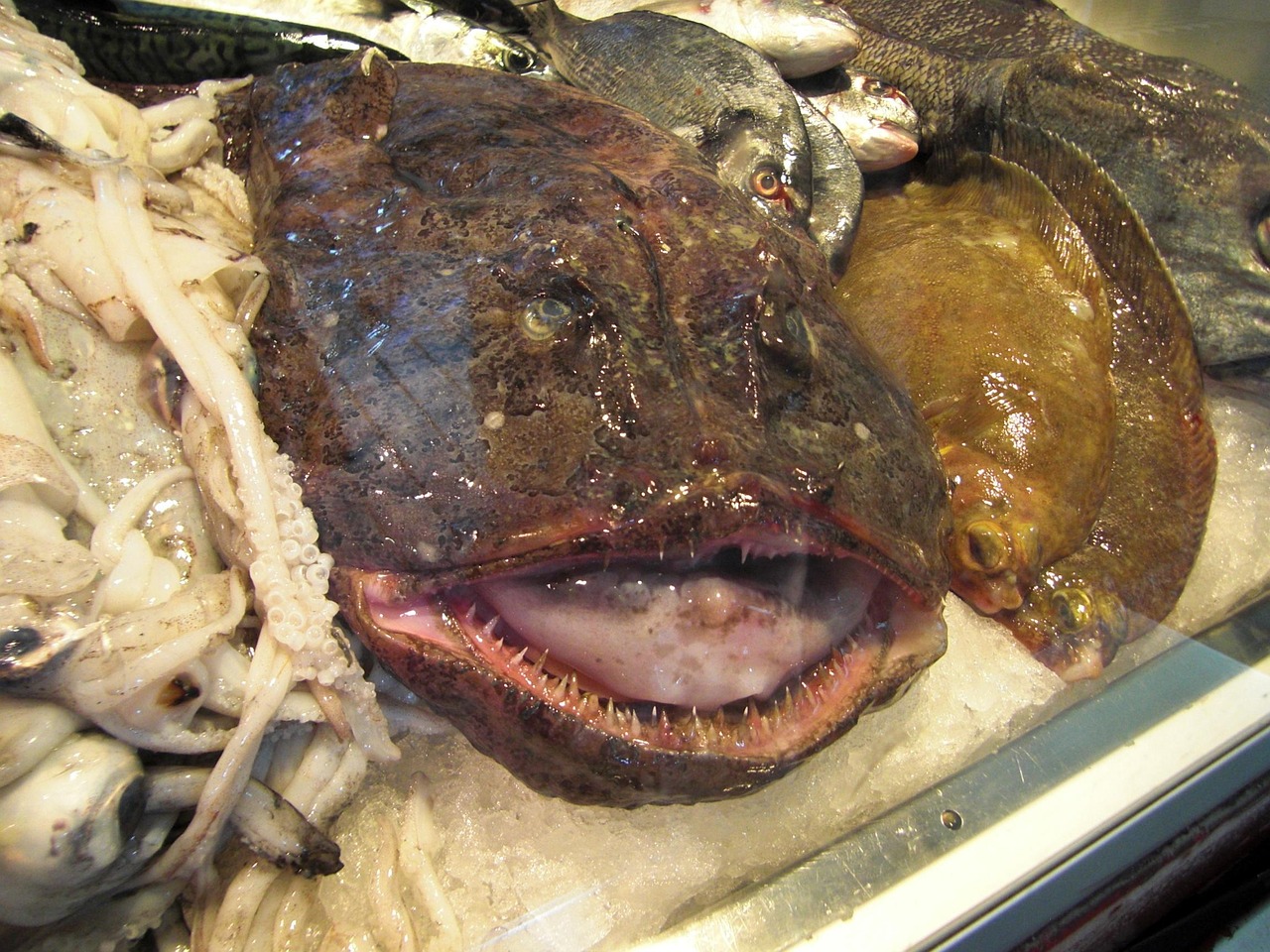
Professional chefs consistently praise monkfish for delivering “texture and flavor akin to lobster tail at typically lower prices.” This remarkably versatile fish absorbs flavors beautifully and offers such exceptional value that executive chefs call it “a good bang for your buck.” Joe Gurrera, owner of premium seafood market Citarella, describes monkfish as having “really sweet and dense flesh, it’s comparable to lobster.” The secret lies in preparation: chefs recommend wrapping monkfish loins in bacon or pancetta and treating them “almost like a fine cut of pork or beef tenderloin.”
Skate Wings: The Sweet Surprise That Crisps Like Heaven
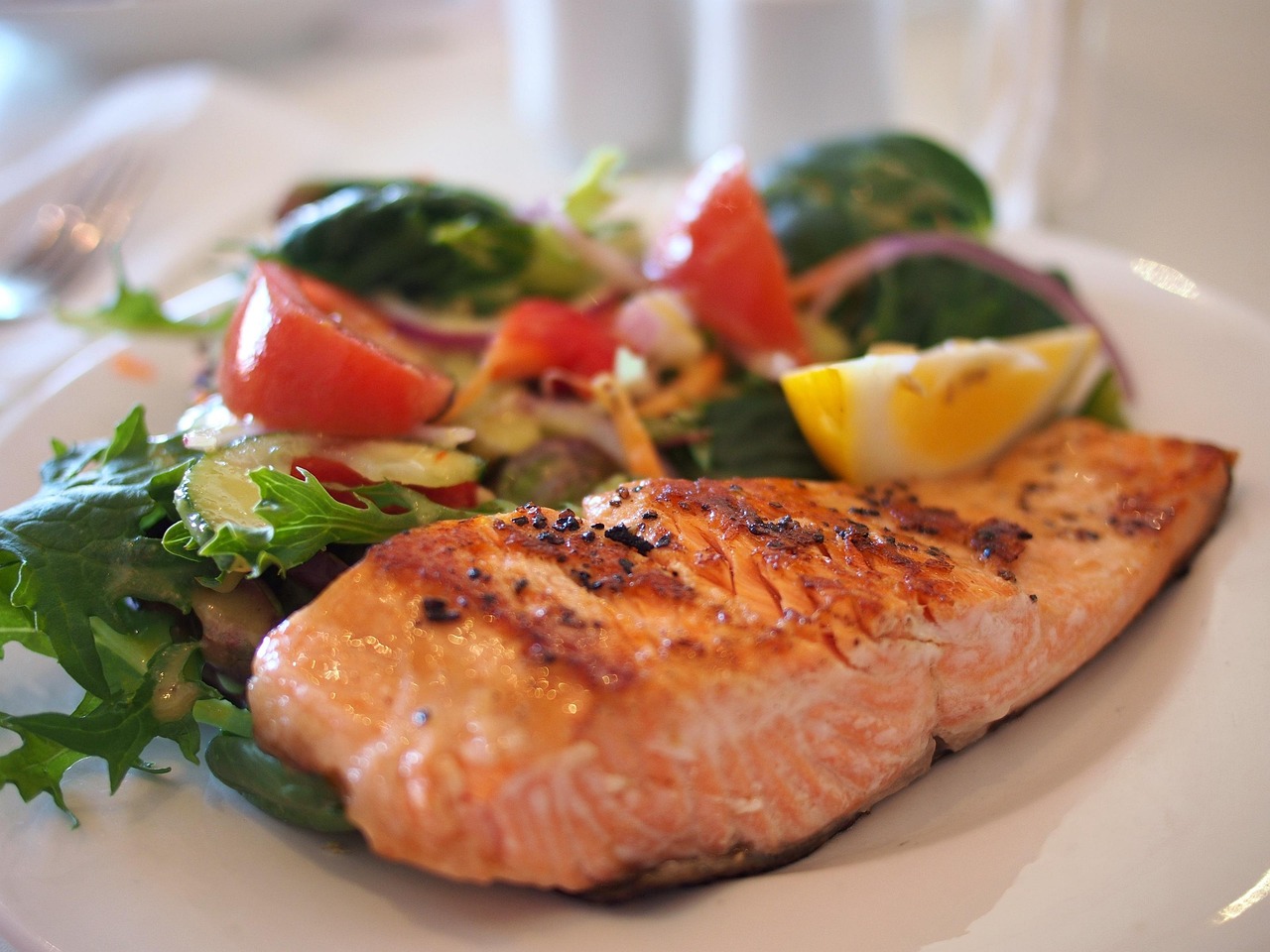
Chef Pano Karatassos calls skate fish “the most underrated” seafood because of its “sweet, scallop-like flavor and the way it crisps in a pan.” He particularly loves “the flaky texture” paired with lemon vinaigrette and capers. Skate wings are actually the wings of a type of ray, garnering attention from restaurants due to their “mild, succulent flavor and flaky texture.” The preparation is surprisingly simple: lightly dredge in flour and pan-sear with oil or butter, though they’re “excellent with toasted almonds or hazelnuts.”
Sardines: The Nutritional Powerhouse Hiding in Plain Sight
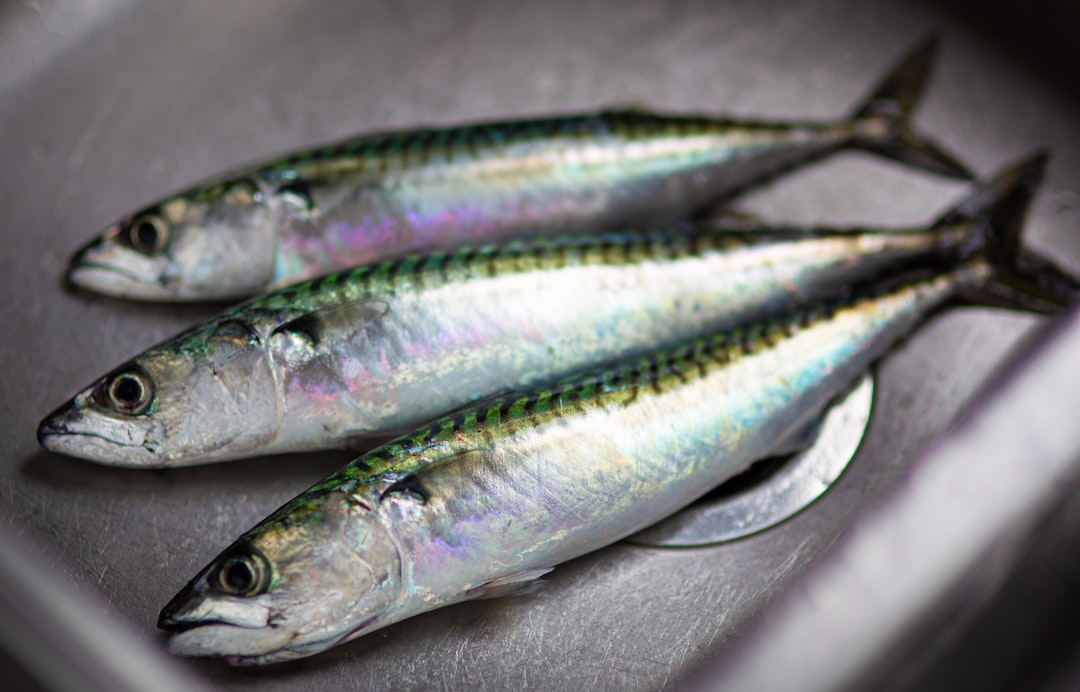
Registered dietitian Julia Zumpano declares “You can’t go wrong with sardines,” noting they provide “approximately 1.2 grams of heart-healthy omega-3s per 3 ounce serving, which is one of the highest levels of omega-3 and the lowest levels of mercury of any fish.” Top Chef finalist Adrienne Cheatham loves grilling fresh sardines with lemon and recommends “preparing fresh sardines by rolling them in flour and frying them whole.” These tiny fish are “one of the most underrated superfoods” offering tremendous “nutritional bang for your buck” while being “packed with flavor, protein and Omega-3 Fatty Acids.”
Bluefish: The Misunderstood Master of Flavor Balance
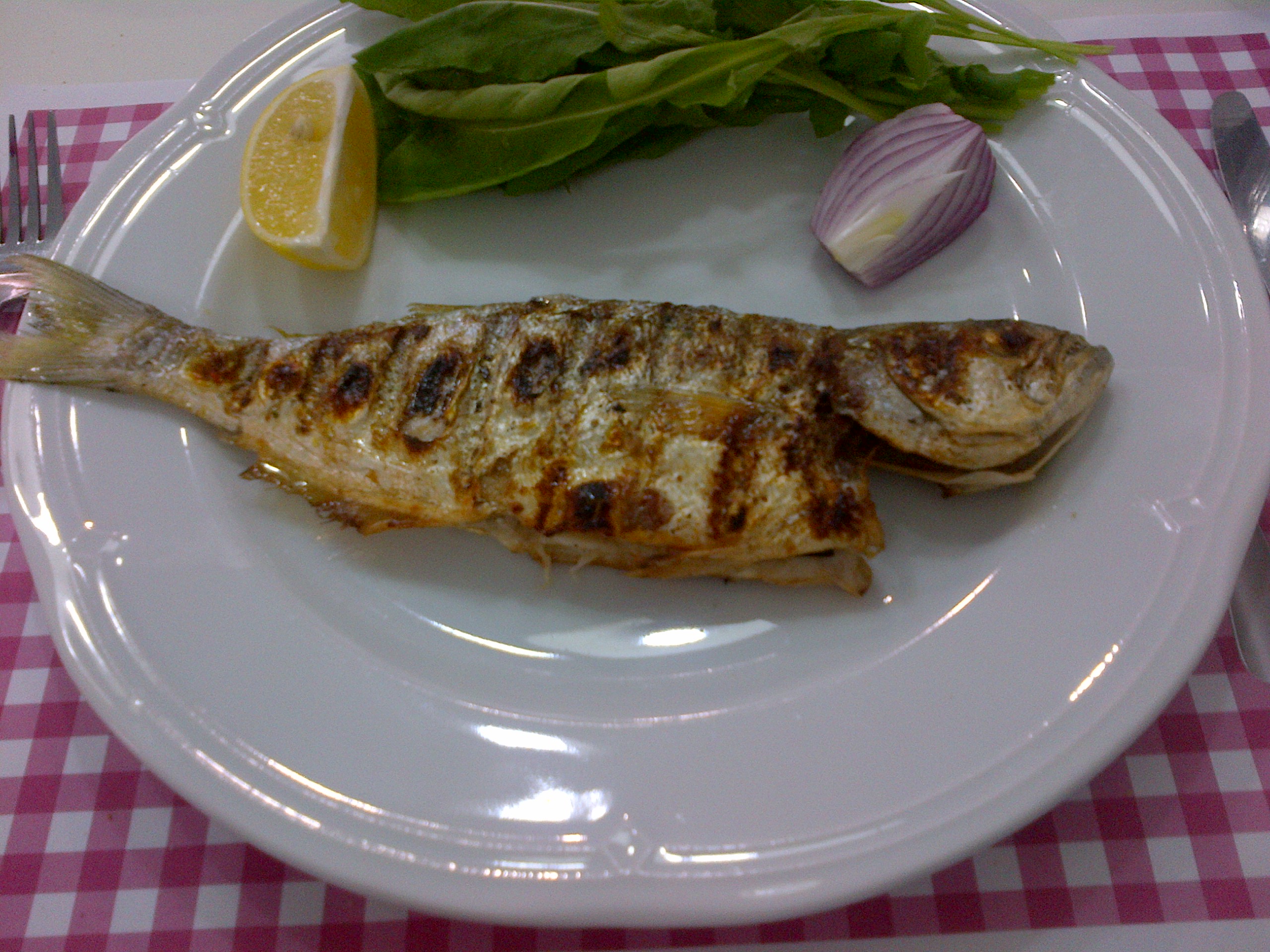
Executive chef Robert Sisca explains that “bluefish is highly underrated” despite its bad reputation for being “overly oily and fishy,” noting that proper preparation at restaurants helps “balance and showcase the uniqueness of the fish.” His techniques include creating “smoked bluefish pate” where “smoking the fish and marinating it” removes fishiness, resulting in “a nice smoky delicate appetizer,” or preparing “bluefish escabeche” which “quickly cooks it in oil and marinates the fish in vinegar.”
Herring: The Omega-3 Champion That Outshines Salmon
Fatty fish like herring provide “around 1.7 grams of omega-3s per 3 ounce serving” and actually “boasts more omega-3 fatty acids than either salmon or tuna.” Herring is “loaded with omega-3 fatty acids, particularly EPA and DHA” plus “a good source of potassium, selenium, iron, protein, and vitamin D” while being “low in mercury.” It “contains less mercury than other omega-3-rich fish” and pairs beautifully “chilled, with a light marinade of white wine vinegar, red onion and dill.”
Mackerel: The Bold Beauty That Demands Attention
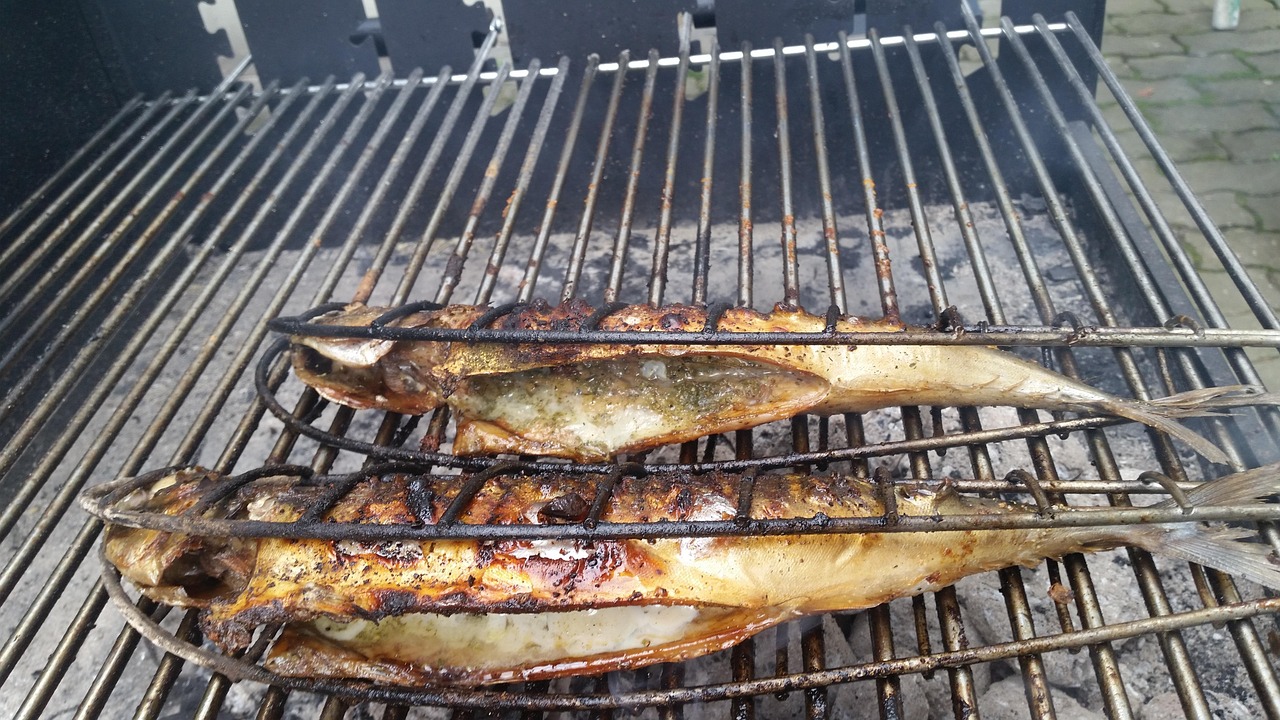
Mackerel offers “not only affordability but also a rich omega-3 content” with its “robust flavor” being “perfect when grilled or smoked.” It’s “widely available and often caught sustainably.” Atlantic mackerel has a “strong flavor” with “velvety soft” flesh and “distinct oily texture,” but chefs recommend “grilling or frying mackerel and serving it with bright acidic foods like pickles” to balance the oiliness. Atlantic and Atka mackerel from Alaska are “high in inflammation-fighting omega-3s and low in mercury,” excellent when “grilled or poached” over salads.
Fish Collars: The Secret Cut Chefs Guard Jealously
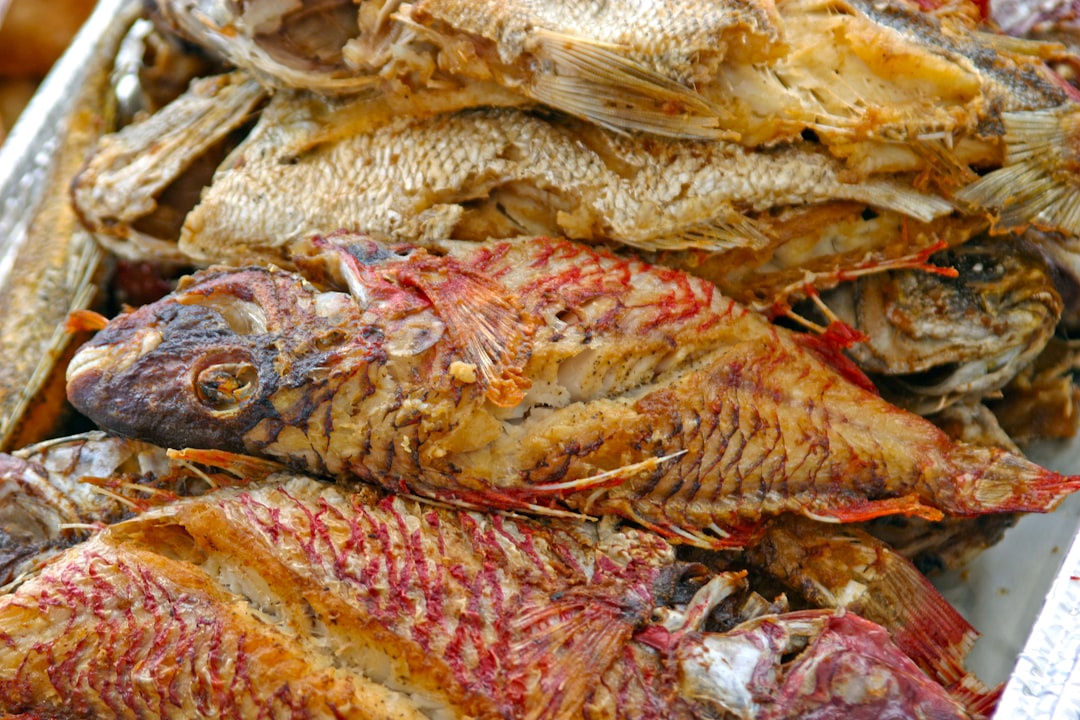
Because premium restaurants often butcher whole fish in-house, some offer specials not available elsewhere – like fish collars (a cut from the clavicle just behind the gills).” Diners rave about collar cuts describing them as having “great flavor profile, extremely tender, fall-off-the-bone with a juicy finish.” These cuts represent the ultimate insider knowledge, transforming what many consider waste into succulent, fatty morsels that rival the most expensive steakhouse offerings.
Rockfish: The West Coast Wonder With Big White Flakes
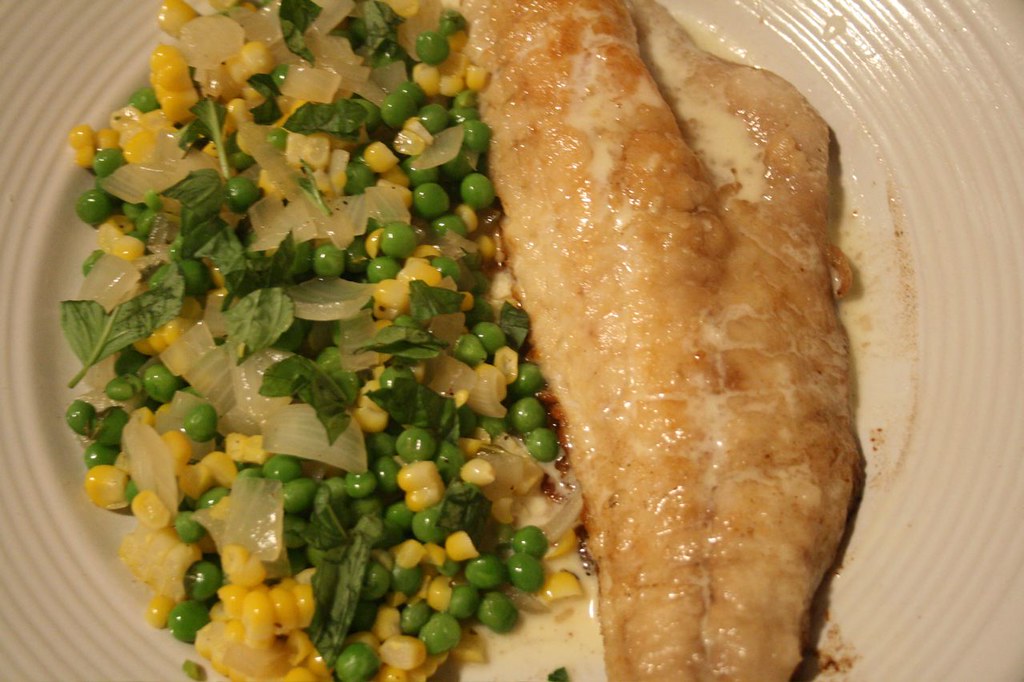
According to seafood expert Kat McCue, “Rockfish is one of the flakiest, most flavorful white fish options from Alaska” and “quite affordable – making it a popular species on the West Coast!” Unlike many white fish, “rockfish has a bold flavor profile.” UK chef Mitch Tonks, who named his restaurant group after this fish, describes rockfish as “slightly oily but with big white flakes” in “a similar price bracket to haddock,” perfect cooked “on the plancha” with spinach and hollandaise sauce.
Catfish: The Southern Secret That Cleans Up Beautifully
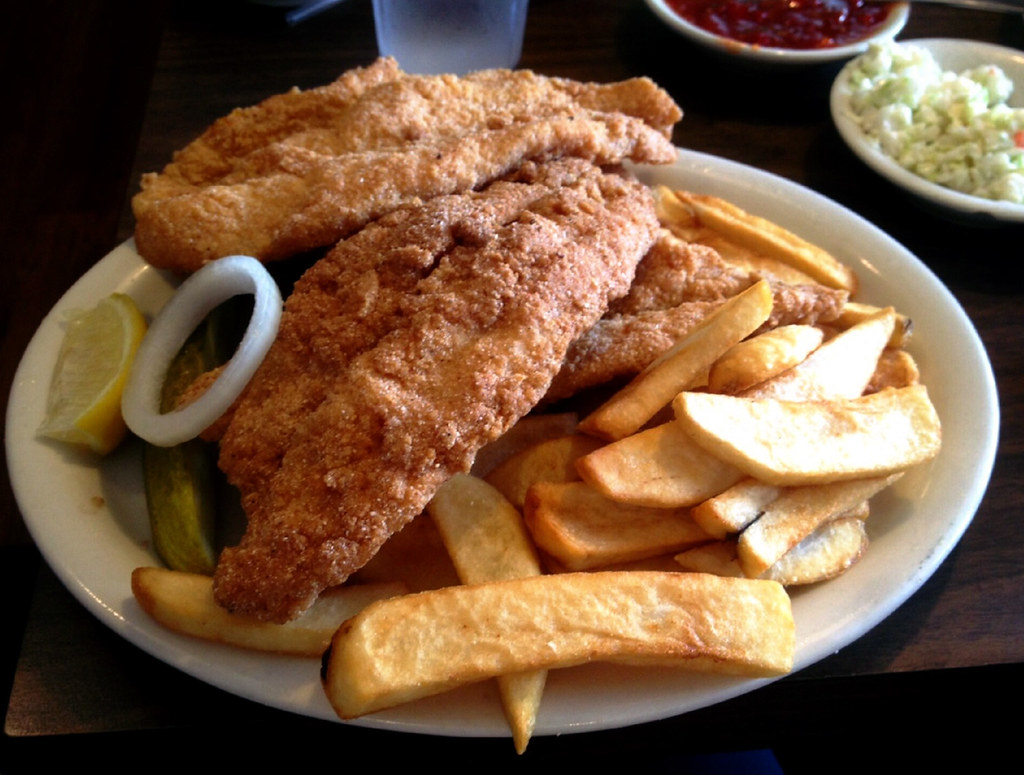
Farmed catfish represents “one of the vibrant and effective types of aquaculture globally from a sustainability and consumer accessibility perspective.” Unlike wild catfish which can taste muddy, “farmed catfish are regarded as having a very ‘clean’ taste” since they’re “raised in a controlled environment.” This “economical choice with a mild flavor and moist texture” excels when fried, “giving it a crispy exterior and tender inside,” while being “readily available and often considered an environmentally sustainable option.”
Hawaiian Kanpachi: The Sustainable Star That Never Disappoints
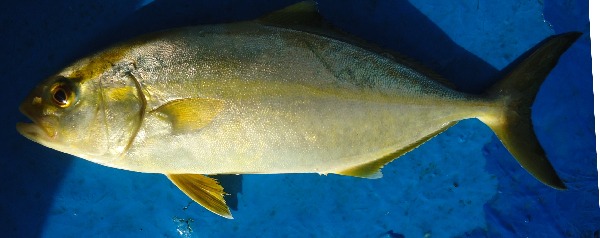
Chef Vitaly Paley explains that “sustainably farmed fish like Hawaiian kanpachi will always be more affordable than targeted wild species like salmon or tuna” while being “very consistent in pricing” with “much more reliable and dependable” supply throughout the year. This versatile fish ensures “you won’t feel like you’re missing out” as it’s “a stunner” whether “raw or cooked,” with “firm, pink flesh” that’s “fantastic as sashimi, sushi, ceviche, poke, or any other raw fish recipe.”
Professional chefs have known these secrets for decades, quietly building their reputations on ingredients that cost a fraction of what diners expect to pay for such exceptional flavors. The next time you visit your local fish market, skip the crowded salmon section and venture into these waters where the real treasures await. What will surprise you most about your first taste?