8 Menu Items Chefs Warn You Should Never Order
Walking into a restaurant should be exciting. The aromas, the ambiance, the promise of a perfectly crafted meal. However, behind those polished menus lie certain dishes that even professional chefs wouldn’t dream of ordering. These industry insiders have seen it all from cramped kitchens to questionable storage practices. Their warnings aren’t about being picky; they’re about protecting your health and your wallet from potentially disastrous dining choices.
Daily Specials: The Weekend’s Leftovers in Disguise
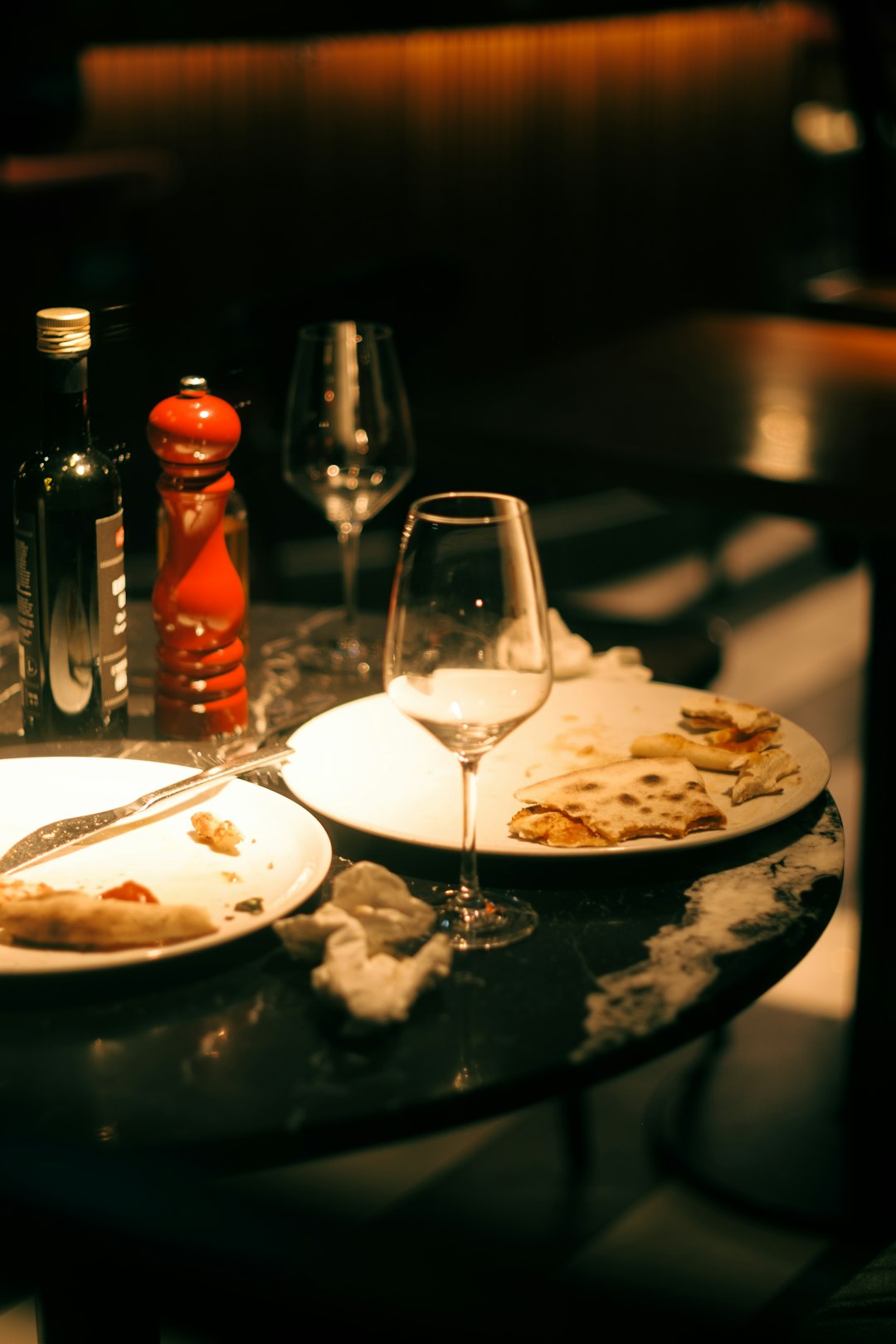
Professional chefs reportedly never order daily specials because restaurants often create them from ingredients about to expire or items they’re trying to clear out faster. Industry professionals understand that ordering specials is essentially code for “the back of the house is trying to get rid of its inventory from the weekend before vendor deliveries arrive.” Rather than risk stale ingredients, smart diners ask servers to recommend dishes made with local ingredients or items that arrived fresh that day.
Soup of the Day: Yesterday’s Mystery Batch
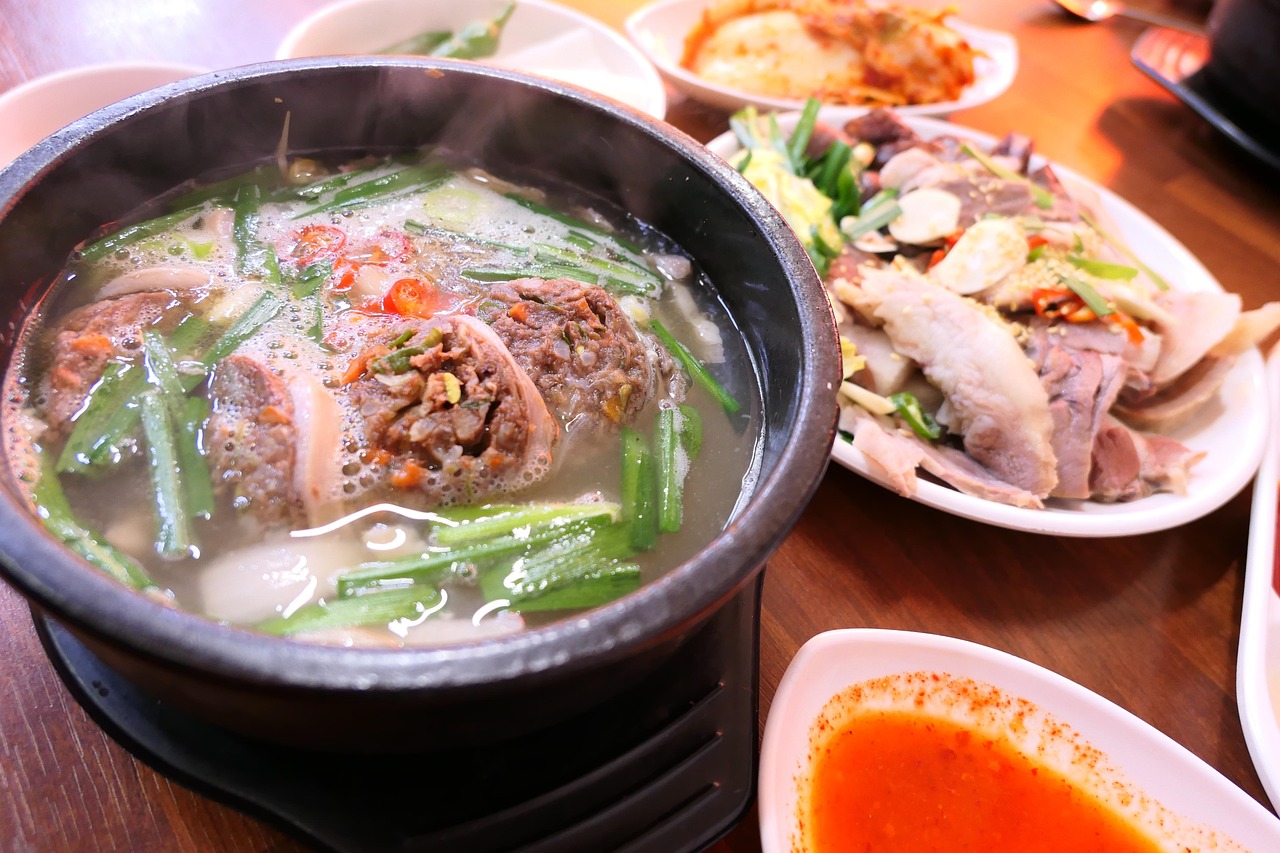
Industry professionals warn against soup du jour because it raises too many questions: “Was it really made today? How long has it been in the steam well?” Even celebrity chef Gordon Ramsay avoids daily soup specials for similar reasons, recommending that diners ask what the soup was yesterday to gauge freshness. The uncertainty around proper cooling procedures and storage time makes it a risky gamble that experienced chefs refuse to take.
Bread Baskets: The Table-Hopping Appetizer
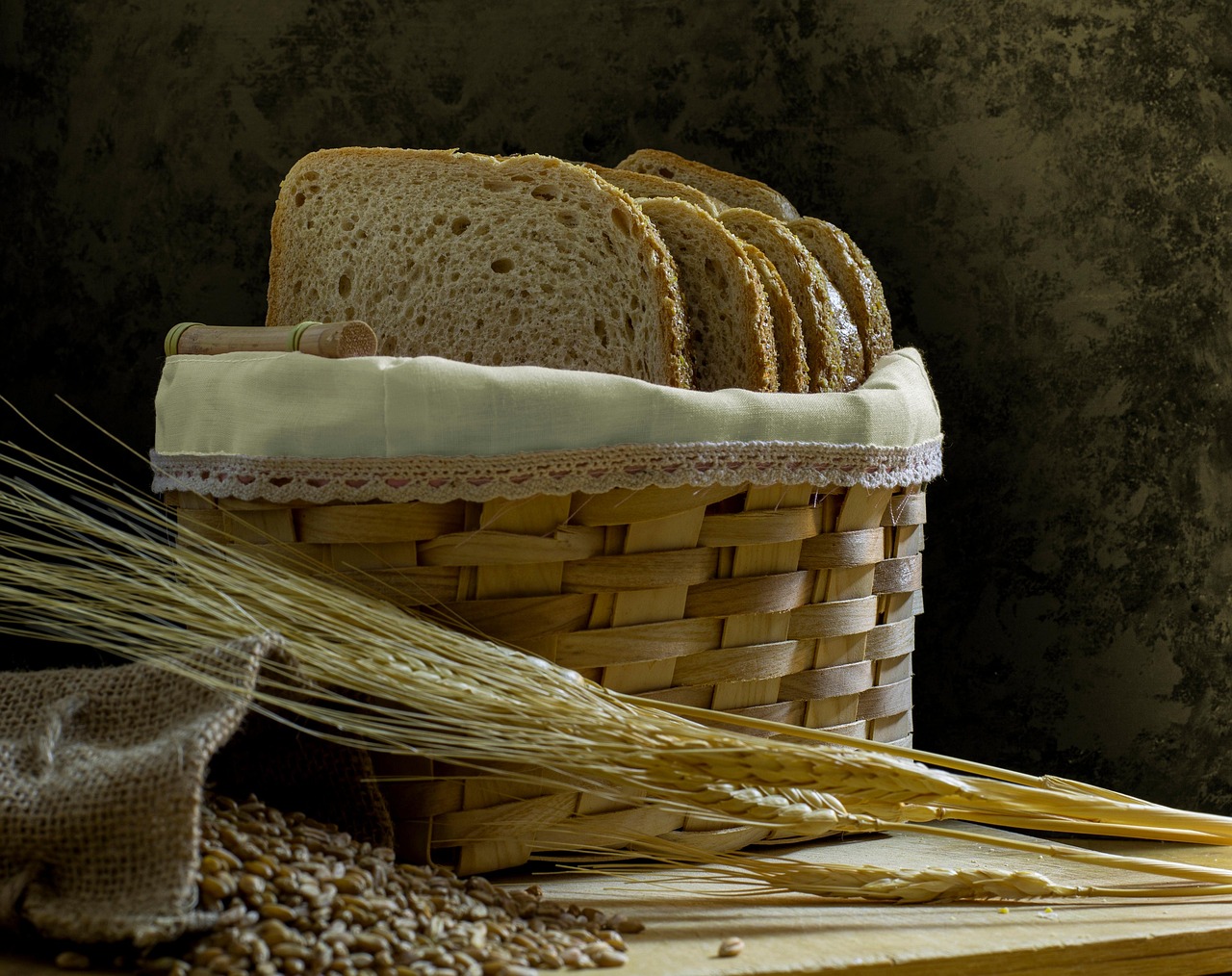
Restaurant servers admit that bread baskets frequently get recycled between tables, especially when low-carb diets leave many baskets barely touched; rushed servers simply “spruce it up” and deliver it to the next table. Author Debra Ginsberg reveals in her book that bread baskets circulate between different tables when unused, meaning your bread may have already been handled by strangers. The unfortunate reality is that the bread in your basket could be leftovers from neighboring tables.
Eggs Benedict: The Bacterial Breeding Ground
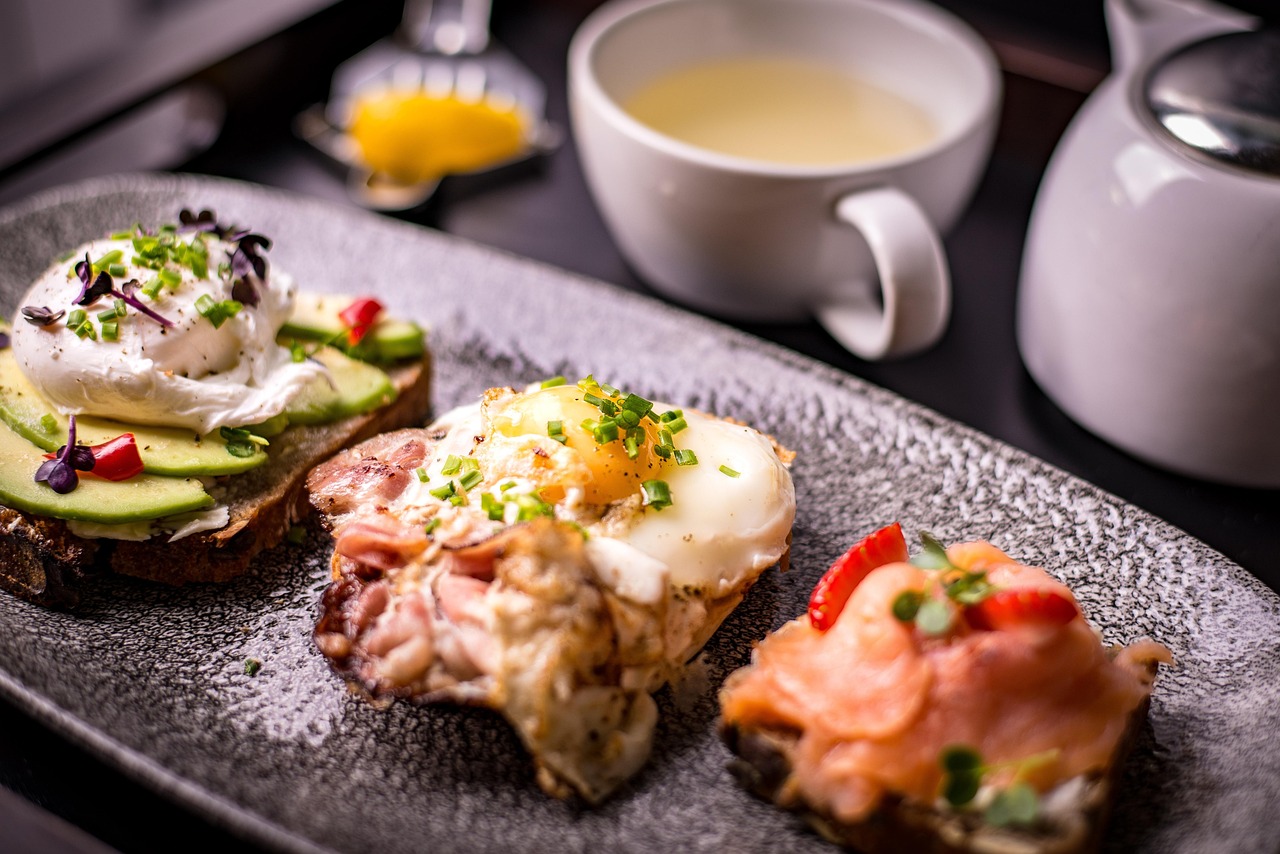
Hollandaise sauce in eggs Benedict poses serious food poisoning risks because the egg yolks aren’t fully cooked and the sauce isn’t kept at temperatures high enough to kill bacteria. Legendary chef Anthony Bourdain famously warned that “bacteria love hollandaise” and “nobody I know has ever made hollandaise to order,” adding that restaurants should replace it every hour to prevent illness. Bourdain also noted that eggs Benedict is the least favorite dish among chefs to prepare, increasing the likelihood of receiving premade, often old sauce.
Fish on Mondays: The Weekend Warrior’s Revenge
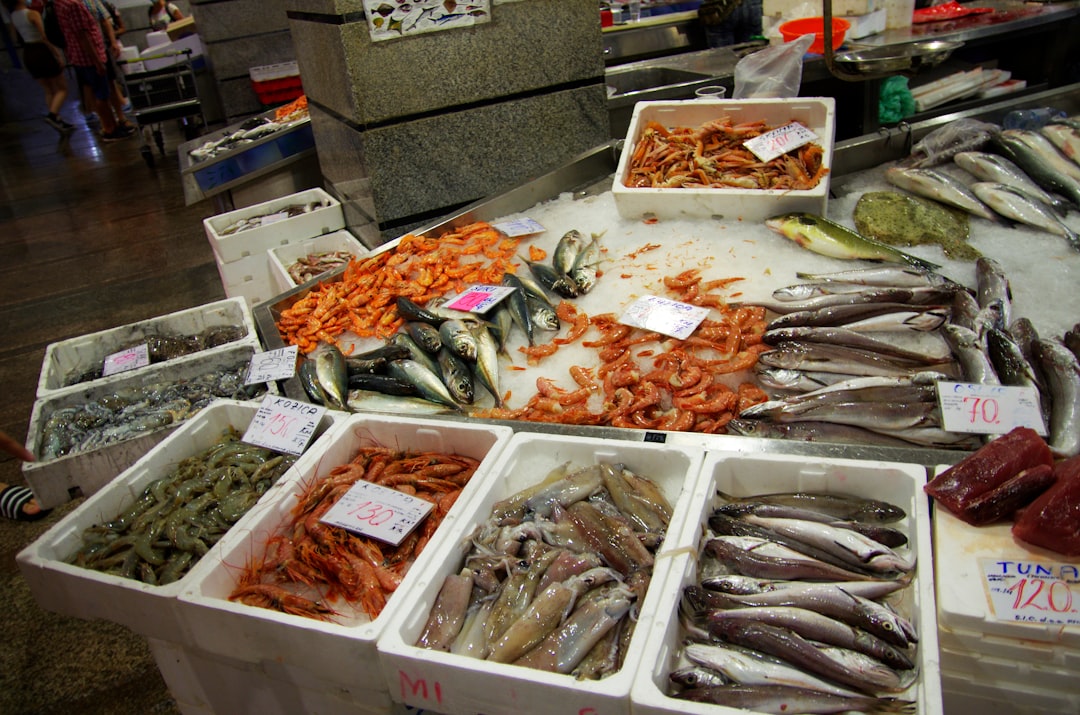
Anthony Bourdain revealed in Kitchen Confidential that Monday’s fish specials often feature fillets that are three days old because most seafood markets close on weekends, leaving Monday fish old and distinctly fishy. Professional chefs know that fresh fish requires daily delivery schedules, making early-week seafood a questionable choice. The timing of seafood deliveries means that by Monday, you’re likely getting Friday’s catch at best.
Anything with “Truffle”: The Great Flavor Deception
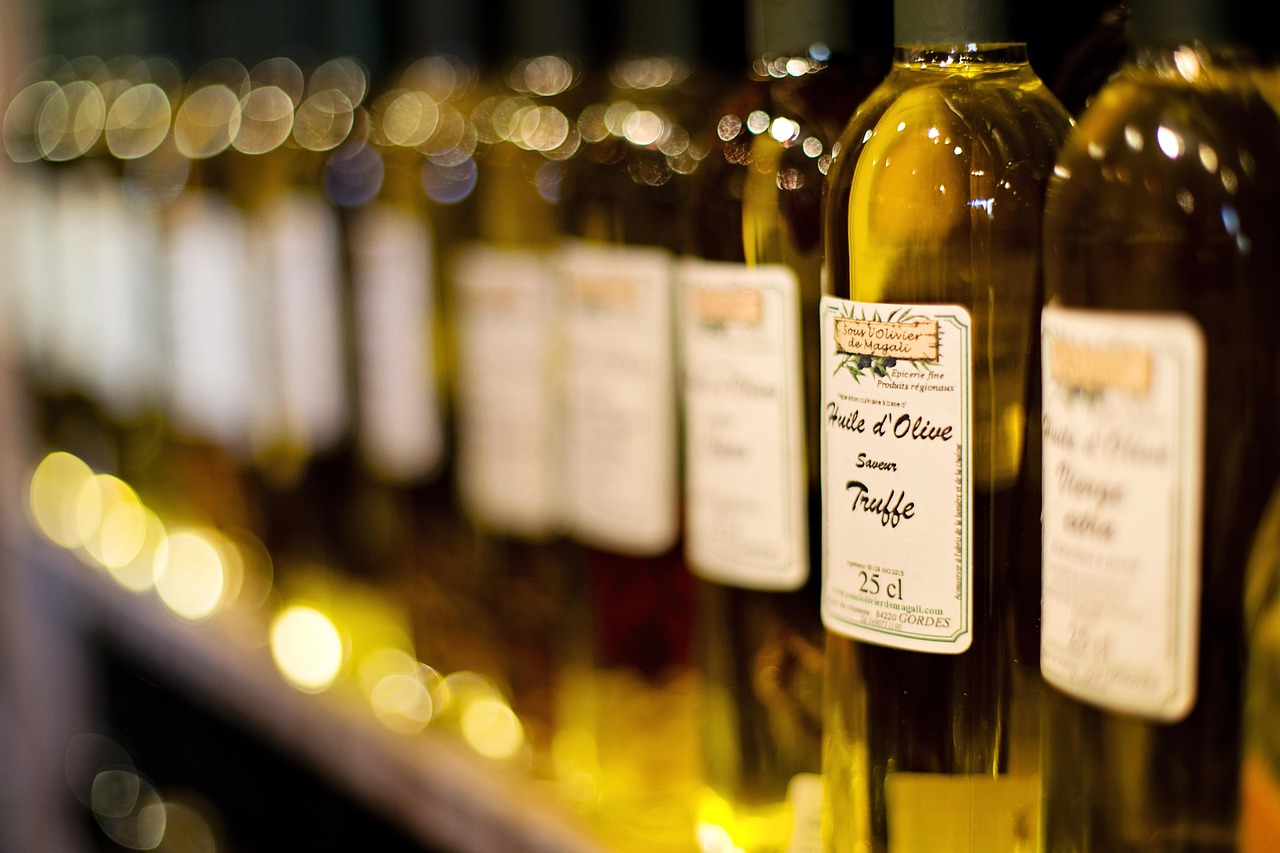
Pastry chefs warn against ordering anything labeled “truffle” because unless you’re at a high-end establishment, it’s usually truffle oil that’s rarely made with actual truffles and aggressively used to justify higher prices. Real truffles are exceptionally rare and expensive, so most restaurants substitute artificially flavored truffle oil that lacks the complex flavors of genuine truffles. This markup strategy preys on diners seeking luxury experiences without delivering authentic ingredients.
Overly Complex Fusion Dishes: The Kitchen Sink Approach
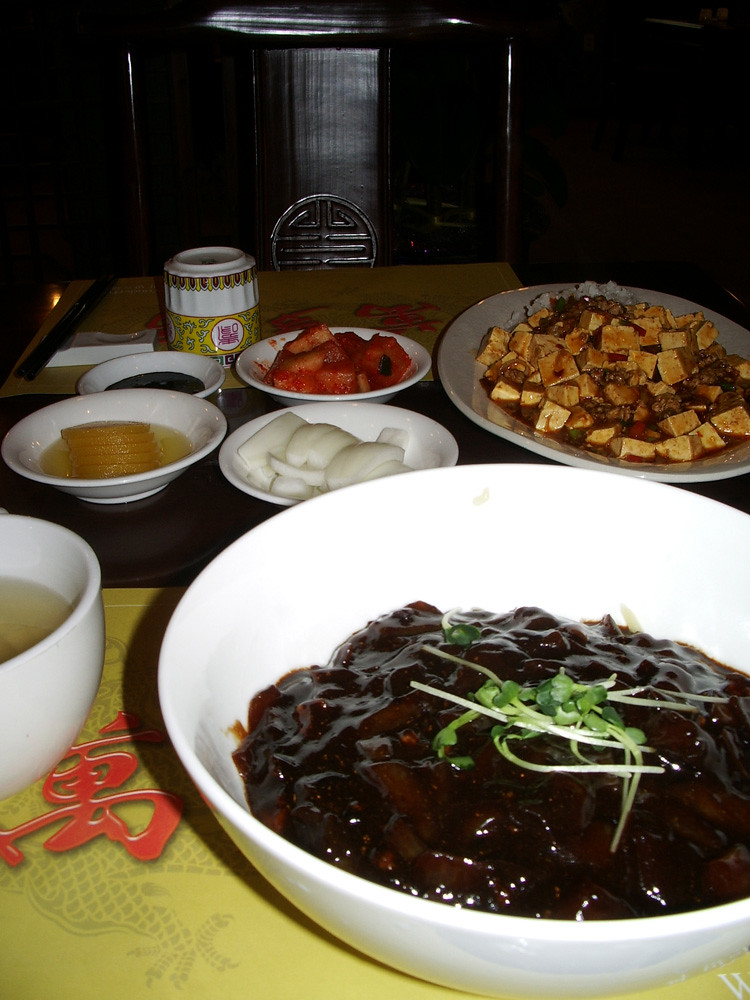
Professional chefs avoid fusion dishes that attempt to combine five different cuisines on one plate because “they often sound exciting on the menu but rarely deliver balance or depth” and feel like they’re “trying too hard.” These complicated creations often mask poor execution behind bold flavor combinations. Smart diners prefer restaurants that execute one cuisine exceptionally well rather than attempting to merge incompatible culinary traditions.
Cheap Steak: The Grade-D Gamble
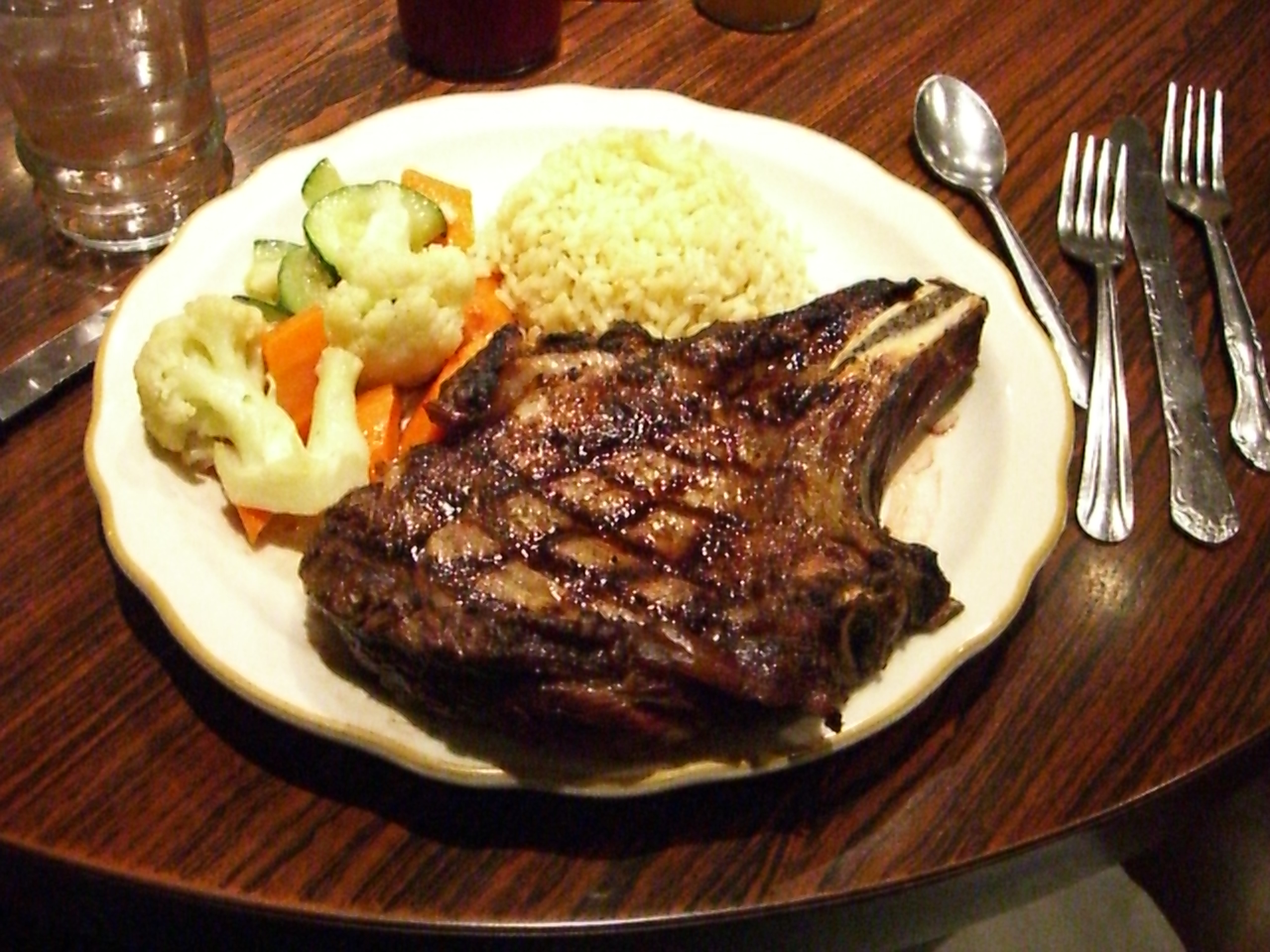
Executive chef Grant Morgan explains that “most of the time, a cheap steak is lower USDA-grade meat” because even restaurants with buying power can’t offset the cost of quality beef. Chef Russell LaCasce warns against twenty-dollar filets, emphasizing that “it’s always worthwhile to pay for great cuts of meat, and you really can taste the difference.” Professional chefs understand that quality beef commands higher prices for good reason, and budget steaks often disappoint discriminating palates.
These chef warnings aren’t about ruining your dining experience; they’re about making informed choices that protect both your health and your hard-earned money. Next time you’re scanning a menu, remember these insider tips and choose dishes that restaurants actually take pride in preparing. What’s your biggest restaurant red flag? Share your thoughts in the comments below.