Global Study Ranks the World’s Top Fruit-Eating Nations
The way people around the world consume fruits reveals fascinating insights into cultural habits, economic conditions, and dietary traditions. New research from leading agricultural organizations shows striking differences between nations when it comes to fruit intake, with some surprising winners and unexpected patterns emerging from the data.
From Mediterranean powerhouses to unexpected European champions, the latest findings paint a complex picture of global fruit consumption habits. These patterns don’t just reflect taste preferences but tell deeper stories about healthcare systems, agricultural policies, and cultural values that shape what ends up on our dinner tables.
Italy Claims the Top Spot with Impressive Numbers
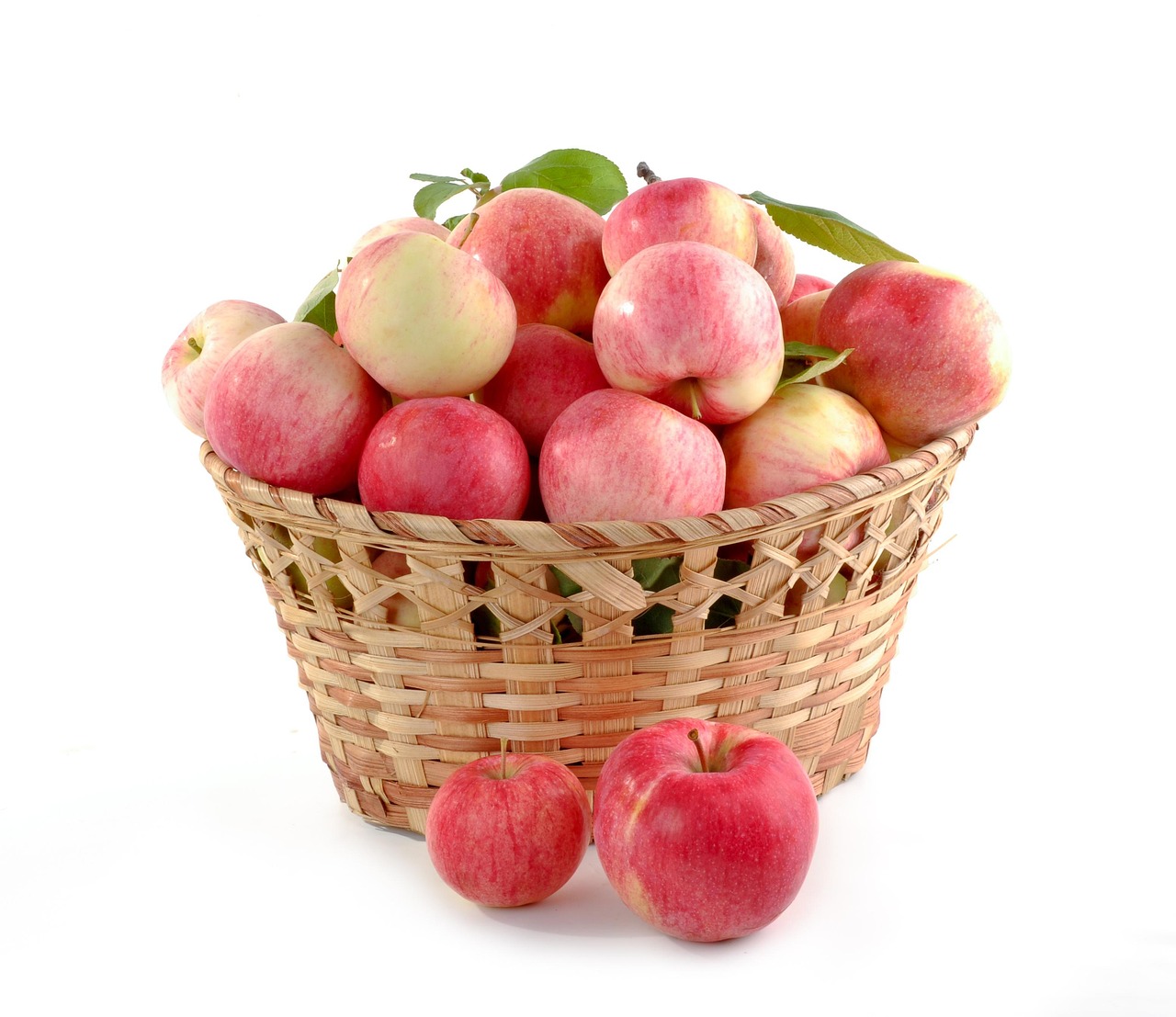
Italy leads global fruit consumption with an astounding 283 kilograms per person annually, according to the latest data from IndexBox. This translates to roughly about three-quarters of a kilogram of fruit consumed daily by the average Italian.
The numbers reflect Italy’s deep-rooted Mediterranean dietary culture, where fresh produce plays a central role in daily meals. Italians eat lots of fruits and vegetables because of the predominant role in the Mediterranean diet, creating a tradition that spans generations.
This consumption pattern isn’t just about individual choice. Some 18.7% of agricultural land in Italy is devoted to organic production, compared to an average of 9.6% in the EU, showing how the country’s agricultural infrastructure supports this fruit-heavy lifestyle.
Turkey’s Strong Second Place Performance
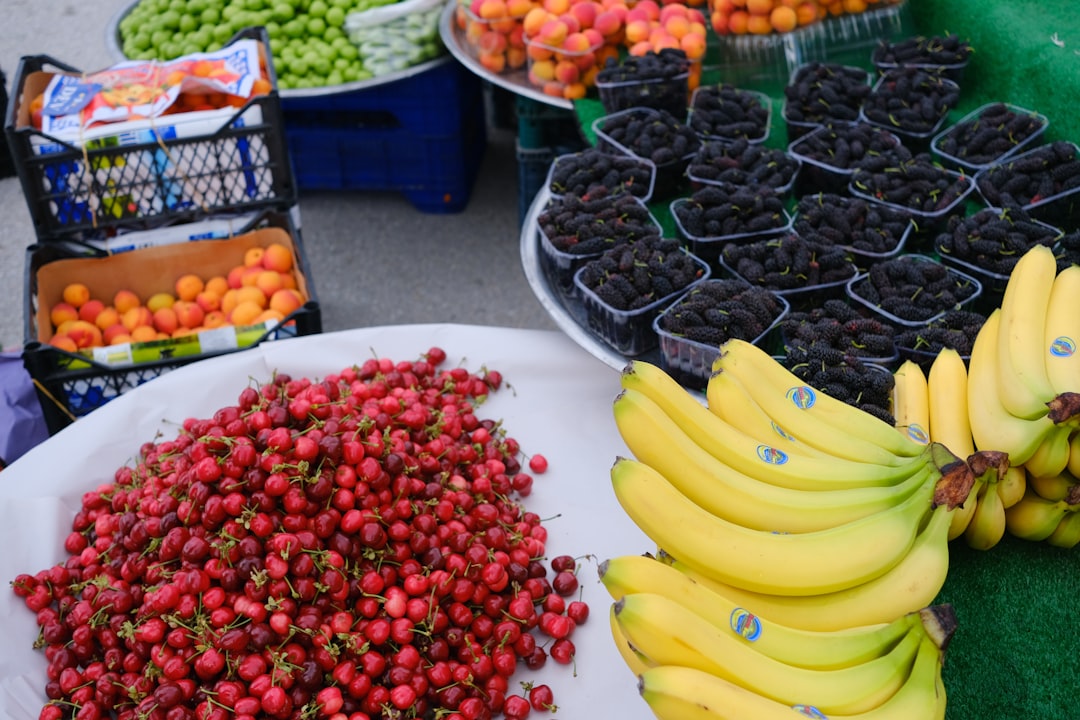
Turkey follows closely behind with 253 kilograms per person, representing one of the highest consumption rates outside of Europe’s traditional fruit-loving nations. This impressive figure reflects Turkey’s unique position bridging European and Middle Eastern dietary traditions.
Turkish fruit consumption benefits from the country’s diverse climate zones, which allow for year-round production of various fruit types. The cultural emphasis on fresh, seasonal eating contributes significantly to these high consumption levels.
The country’s strategic location has historically made it a crossroads for agricultural traditions, blending influences from Mediterranean, Central Asian, and Middle Eastern fruit consumption patterns into a distinctive national appetite.
Brazil Represents the Americas in Third Place
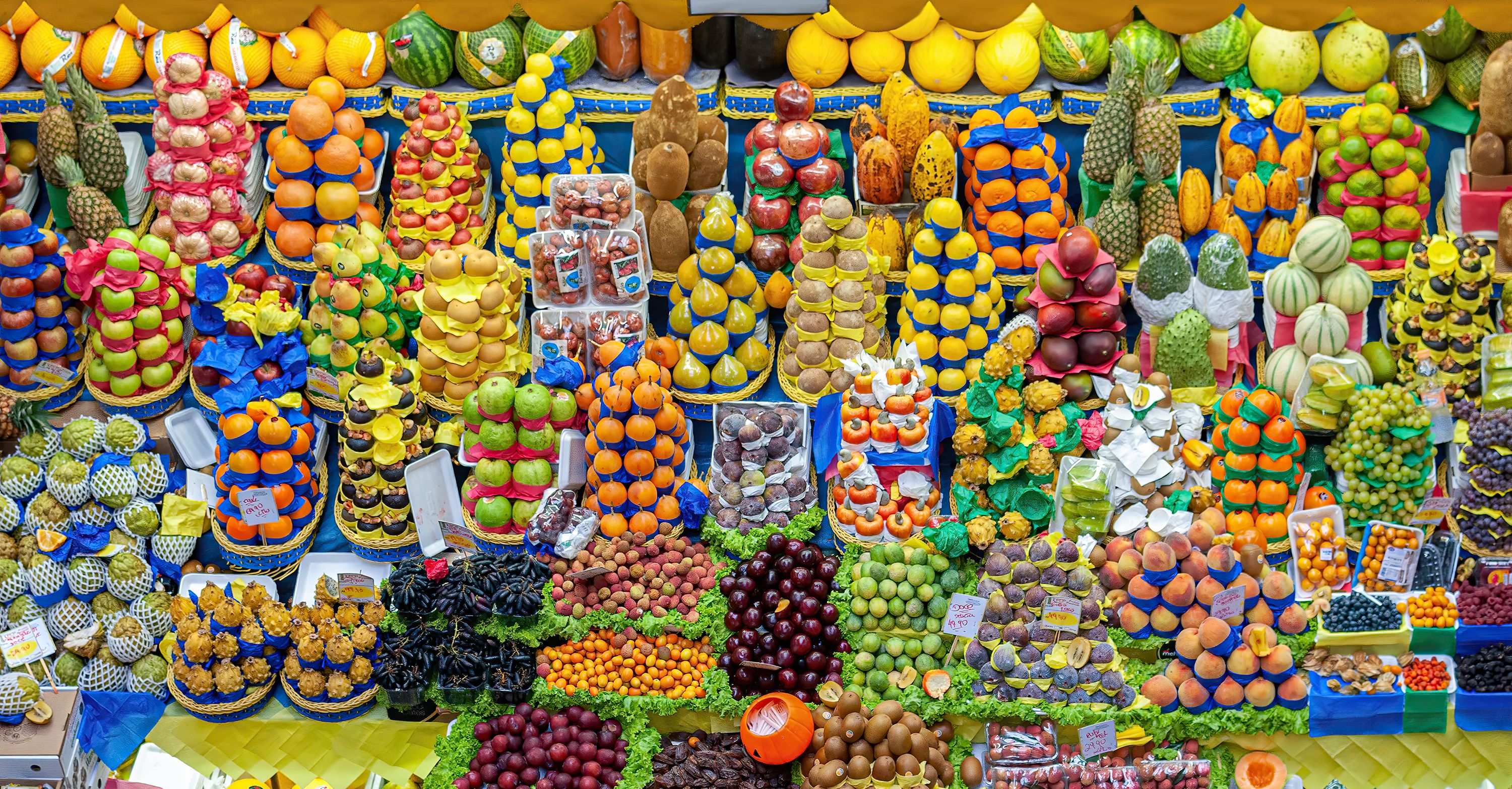
Brazil rounds out the top three with 188 kilograms per person annually, making it the only non-European or non-Mediterranean nation in the leading positions. This achievement reflects the country’s vast tropical fruit production capabilities and cultural preferences.
Brazil’s tropical climate allows for an incredible diversity of native and introduced fruit species. From açaí berries to mangoes, papayas to guavas, the country’s citizens have access to fresh fruits year-round at relatively affordable prices.
The Brazilian diet traditionally incorporates fruit not just as snacks or desserts but as integral components of main meals, contributing to these impressive consumption figures that rival European nations with much longer fruit-eating traditions.
Greece Leads European Fruit and Vegetable Combinations
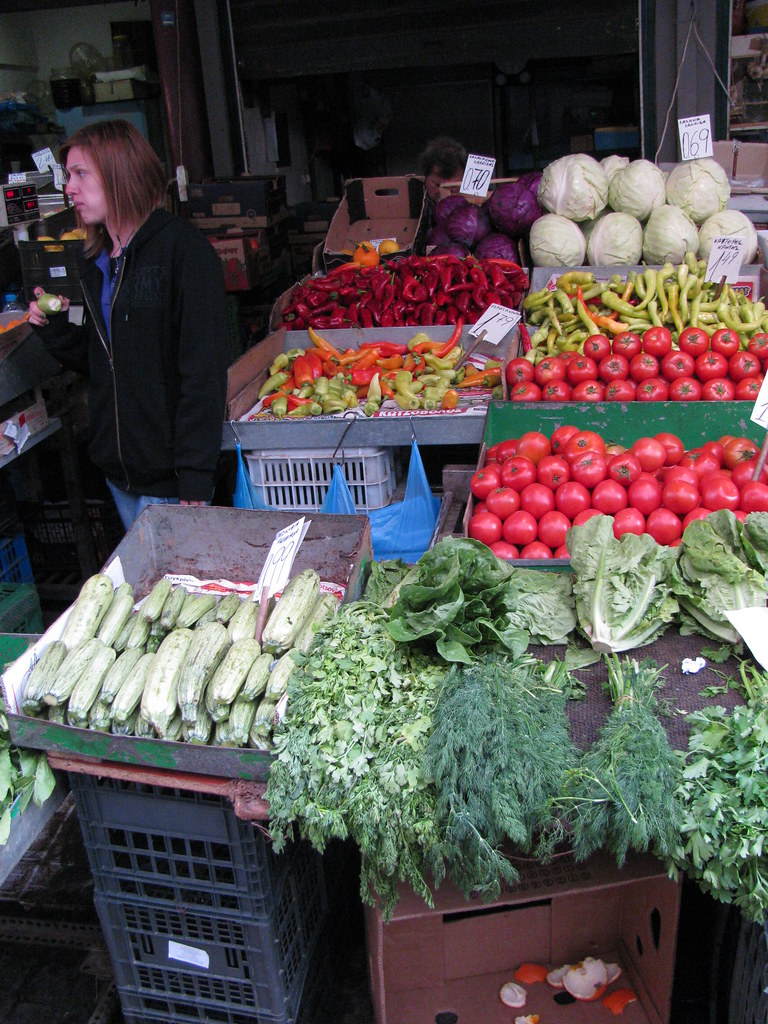
While Italy dominates pure fruit consumption, Greece ranked first at an average of 472 grams per day per capita for combined fruits and vegetables, according to Freshfel Europe’s monitoring data. This represents one of the few nations meeting international health recommendations.
The reason behind this high consumption is simply the traditional Mediterranean diet, explains industry experts. Each person in Greece consumes over 142 kg of fruit, with olives and watermelon the most popular varieties.
Greek consumption patterns reflect ancient dietary traditions that have persisted through millennia. The combination of favorable climate, agricultural practices, and cultural values creates an environment where fruit consumption remains a daily priority.
Belgium’s Surprising High Performance in Northern Europe
Belgium follows with 460 grams per day per capita of fruits and vegetables combined, making it the second-highest consuming nation in Europe. This achievement surprises many who associate high fruit consumption primarily with Mediterranean countries.
Belgium’s performance demonstrates how modern distribution networks and health awareness campaigns can drive consumption even in countries without traditional fruit-growing climates. The nation benefits from its strategic location as a European trade hub.
Neighboring Belgium imports large volumes of fresh fruits and vegetables from the Netherlands, showing how regional cooperation and efficient logistics can overcome geographical limitations to fruit access.
Portugal Maintains Strong Mediterranean Traditions
The Portuguese love for fruit is apparent, as they consume 130.5 kg per capita annually, placing them among Europe’s top consumers. Portugal ranks fourth with 431 grams per day per capita for combined fruits and vegetables.
Portugal’s Atlantic climate and Mediterranean influences create ideal conditions for diverse fruit production. The country’s traditional emphasis on fresh, seasonal eating contributes significantly to these high consumption rates.
Portuguese consumption patterns reflect both domestic production capabilities and cultural preferences that prioritize fresh produce as essential components of daily nutrition rather than luxury items.
Poland Shows Unexpected Northern European Success
Poland achieved 429 grams per day per capita of combined fruits and vegetables, demonstrating that Northern European countries can achieve Mediterranean-level consumption through targeted policies and cultural shifts.
Polish success reflects recent health awareness campaigns and agricultural modernization efforts. As part of promotional campaigns like “One Apple a Day,” dietitian students, fruit growers, and faculty at medical universities have participated in apple consumption awareness events.
The country’s achievement shows how public health initiatives combined with domestic production can significantly impact national consumption patterns, even in countries without traditional Mediterranean dietary cultures.
Romania Rounds Out the European Leaders
Romania completes the list of European countries meeting WHO recommendations with 420 grams per day per capita. This achievement reflects both traditional Eastern European dietary patterns and modern health awareness efforts.
Romanian consumption benefits from the country’s diverse agricultural zones and traditional preservation methods that extend fruit availability throughout the year. Rural traditions of home fruit production contribute to national consumption statistics.
The country’s performance demonstrates how economic development combined with traditional agricultural knowledge can maintain high fruit consumption levels even during periods of economic transition.
China Dominates Global Total Consumption
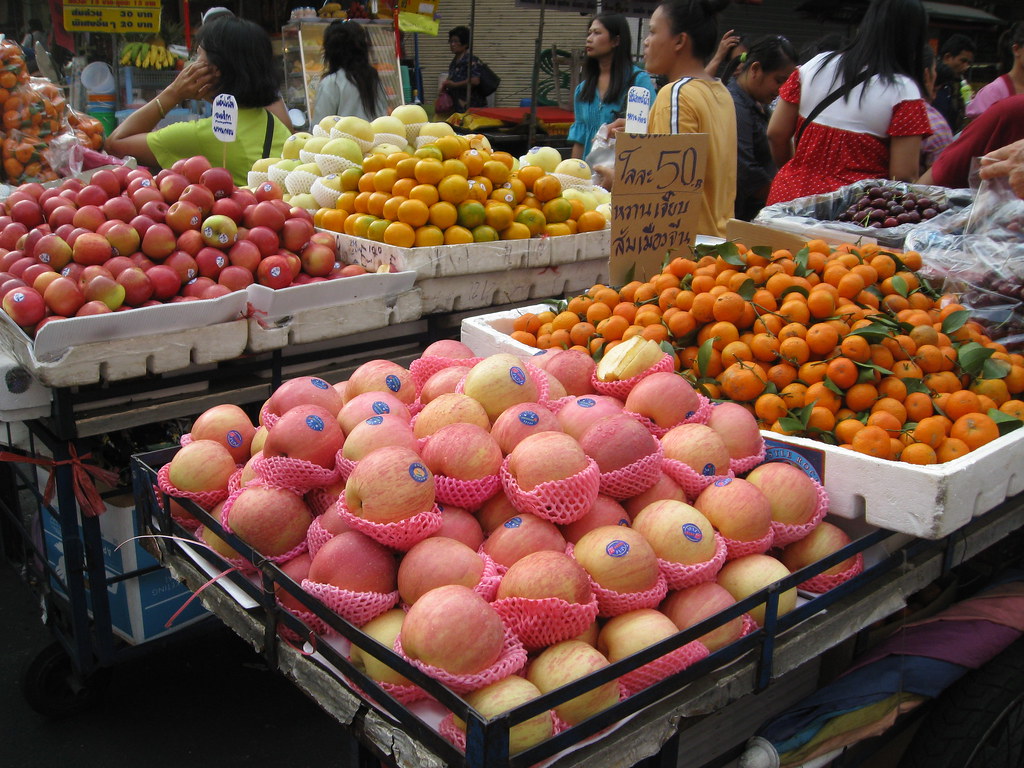
While per capita rankings tell one story, total consumption reveals different patterns. China ranked the highest in fruit consumption with 57,705 kt followed by India and USA, reflecting the impact of population size on global fruit markets.
China remains the largest fruit consuming country worldwide, comprising approximately 28% of total volume. This massive consumption drives global fruit production and trade patterns significantly.
Fruit consumption in China exceeded the figures recorded by the second-largest consumer, India, twofold, highlighting the scale difference between these two population giants and their impact on global fruit markets.
Global Trends Show Mixed Development Patterns
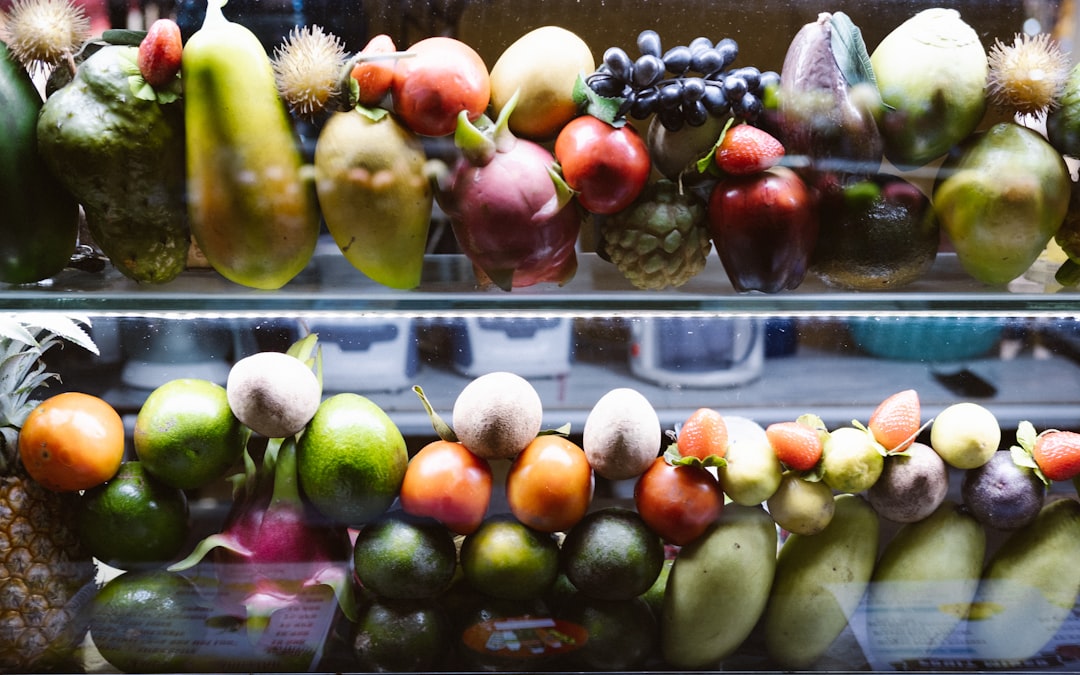
Total fruit consumption reached 229,126 kt in 2021 in the World, which is 5.33% more than in the previous year and 25.0% more than 10 years ago, according to FAO statistics. However, this growth isn’t evenly distributed across all regions.
Economic challenges may be one reason why citizens in some countries are meeting the 400-plus grams recommendation, as people shift toward more affordable plant-based nutrition options during difficult economic periods.
In 2024, after seven years of growth, there was decline in consumption of fruits, when its volume decreased by -0.4% to 935M tons, suggesting that global fruit consumption patterns may be reaching a plateau in some markets.
The data reveals that fruit consumption patterns reflect much more than simple dietary preferences. They mirror economic conditions, cultural traditions, agricultural capabilities, and public health policies that shape how different nations approach nutrition. While some countries achieve remarkable per capita consumption through Mediterranean traditions or targeted health campaigns, others influence global markets through sheer population size and growing middle-class prosperity.