The Healthiest Nuts, Ranked From Least to Most Nutritious
Let’s be real, nuts get a bad rap sometimes. For years, people avoided them because of their high fat content, worried they’d pack on pounds. Here’s the thing though: modern nutrition science has completely flipped that script. Those who consumed nuts seven or more times per week had a 20% lower death rate compared to non-nut eaters. Pretty wild, right? That single stat should make anyone reconsider their stance on these tiny nutritional powerhouses.
The truth is, not all nuts are created equal. Some are absolute selenium superstars, while others shine when it comes to protein or heart-healthy omega-3s. So let’s get into it and rank ten popular nuts , based on their overall health benefits and nutrient density.
10. Macadamia Nuts
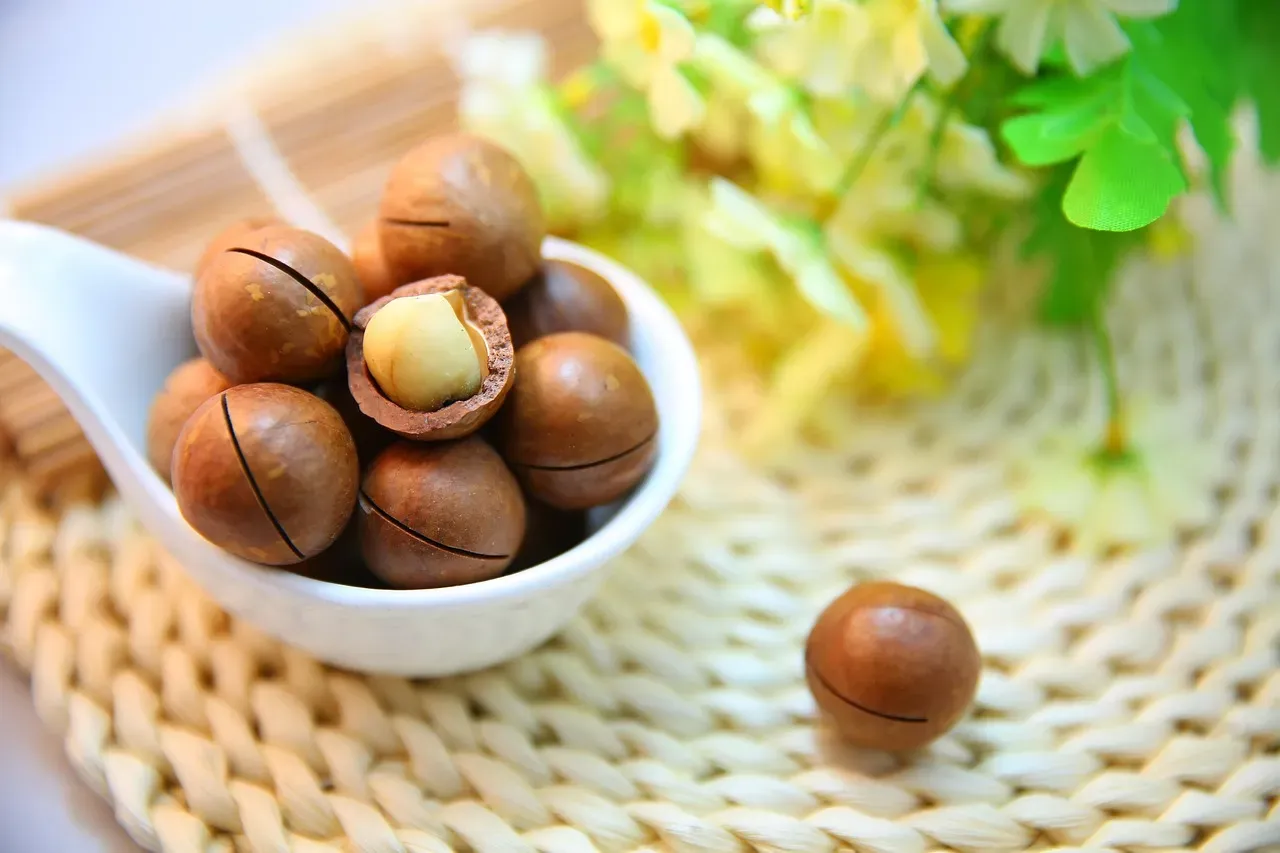
Macadamia nuts have the highest amount, about 200 calories per one-ounce serving, which puts them at the calorie-dense end of the spectrum. Don’t get me wrong, they’re still healthy. They have the greatest levels of healthy monounsaturated fat – almost double that of the runner-up nut, almonds, and the FDA approved a qualified health claim for a 1.5 ounce serving of macadamia nuts and a reduced risk of coronary heart disease, according to 2023 research from Advances in Nutrition. Their buttery richness makes them delicious, yet they offer fewer vitamins and minerals compared to other nuts. They’re kind of like the indulgent option on this list.
9. Pecans

Pecans bring a warm, almost caramel-like flavor that’s hard to resist, especially during the holidays. They’re loaded with antioxidants and pack impressive amounts of monounsaturated fats that fight inflammation. The issue is they’re calorie-heavy like macadamias and don’t quite measure up in terms of protein or essential minerals when stacked against the competition. Think of them as a solid choice but not necessarily your everyday go-to if you’re chasing maximum nutrition per bite.
8. Hazelnuts
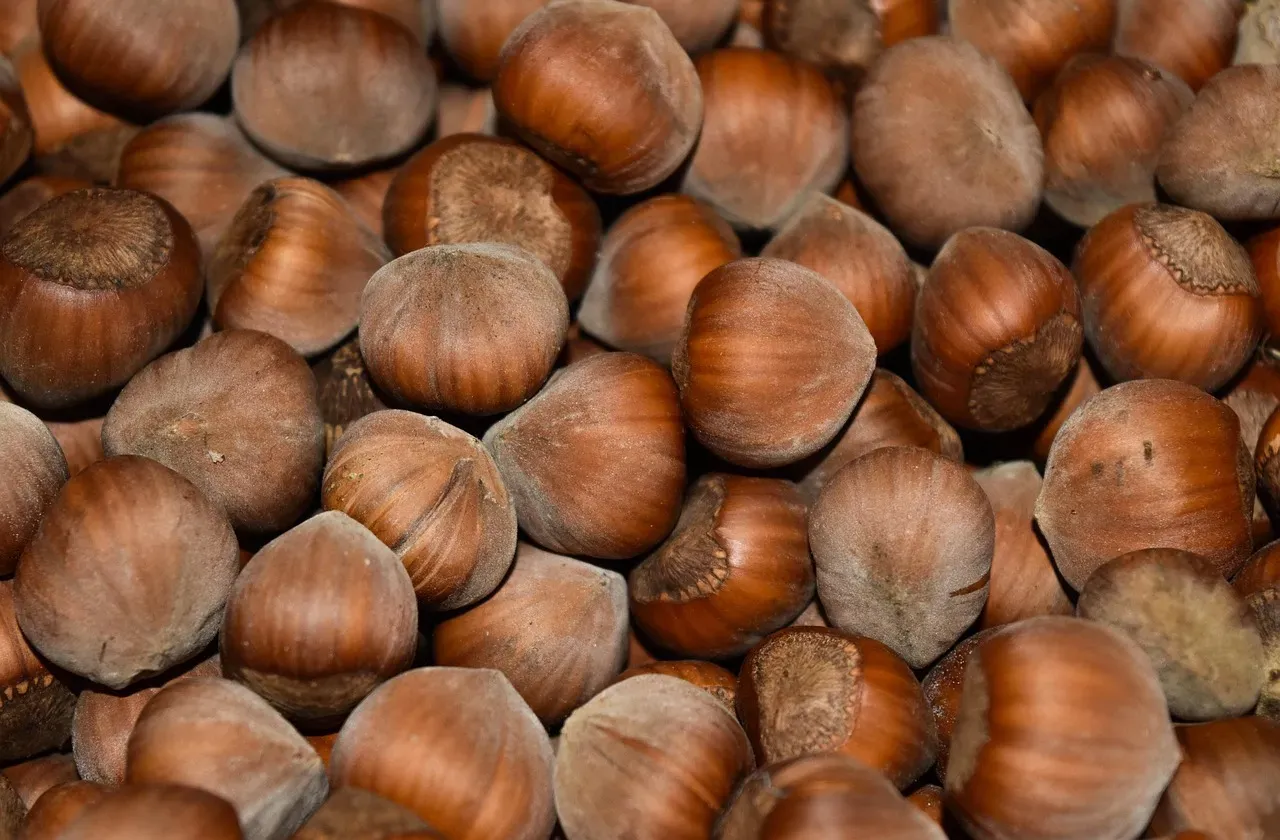
Hazelnuts are one of the healthiest nuts when it comes to reducing the risk of heart disease. A study out of Turkey found that a hazelnut-enriched diet reduced total cholesterol by nearly 8 percent, dropped triglycerides by 7 percent and increased beneficial HDL cholesterol by 6 percent compared to control groups. Hazelnuts are a great source of manganese and copper, two minerals your body desperately needs. Still, they’re slightly lower in protein than some other options, and their vitamin E content, while respectable, doesn’t quite blow away the competition.
7. Peanuts

Okay, technically peanuts are legumes, but everyone treats them like nuts, so here we are. Peanuts boast more protein than most nuts, clocking in at over 7 g per 1-oz serving, making them fantastic for plant-based eaters. A 2025 study published in Antioxidants suggests that eating them might actually help slow down aging at the cellular level. A large Harvard study showed that regular peanut consumption was associated with reduced risks of all-cause mortality and cardiovascular disease. However, peanuts can harbor mold and trigger severe allergies, which knocks them down a few spots despite their affordability and availability.
6. Pine Nuts
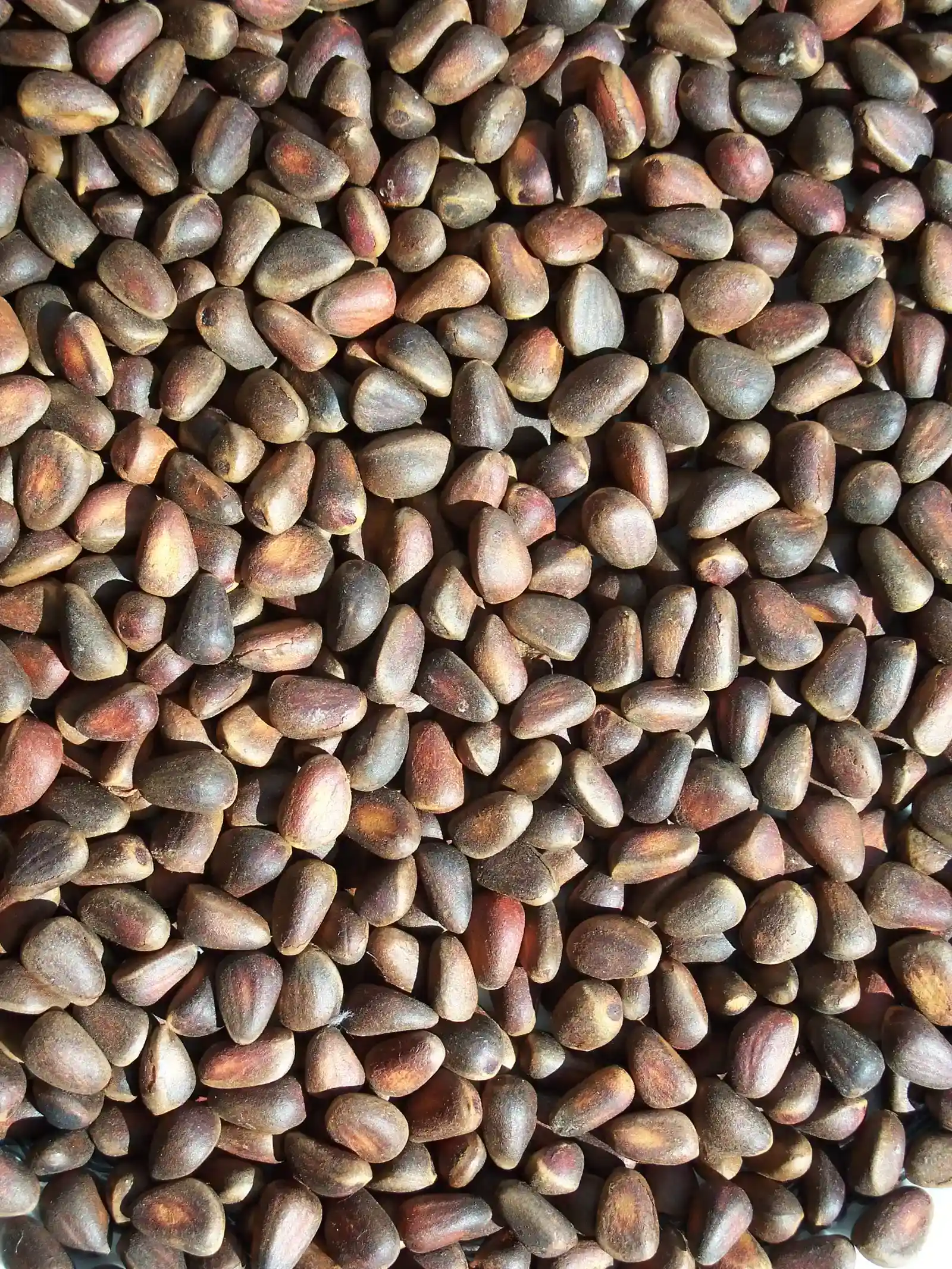
Pine nuts have the highest levels of zinc compared to other nuts, with a serving providing about 22% of the DV for women and 16% for men. A 2025 article published in Scientific Reports says that zinc plays a crucial role in brain health and has anti-inflammatory and antioxidant effects throughout the body. The research found that low zinc levels are associated with a greater risk of stroke. Even more fascinating, a 2023 study in the International Journal of Molecular Sciences showed a rise in satiety hormones such as glucagon-like peptides (GLP-1) in participants eating pine nuts – lowering food intake by an average of 36%. That’s the same hormone targeted by weight-loss medications like Ozempic. The downside? They’re pricey and harder to find.
5. Cashews
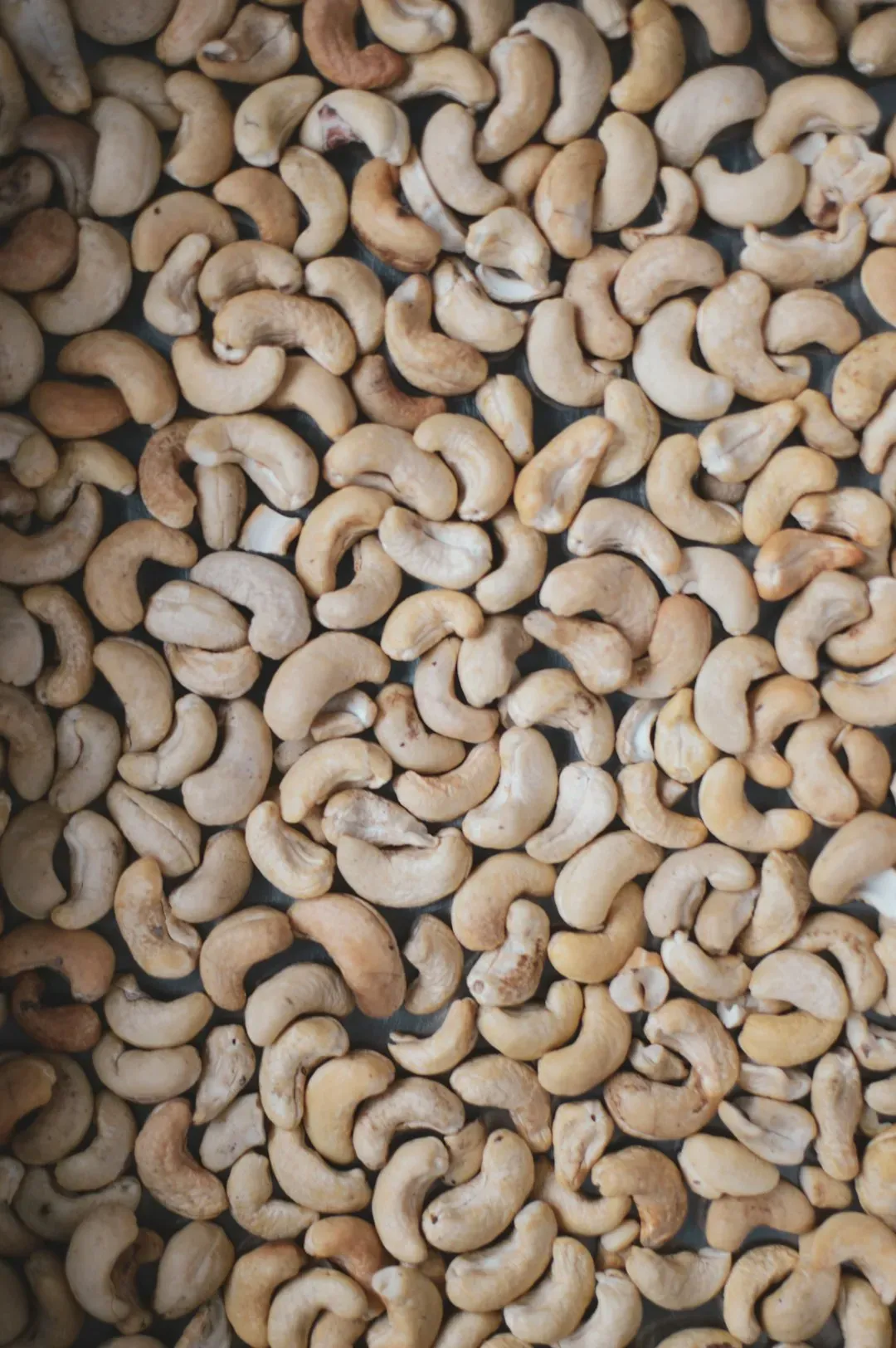
Cashews contain the least amount of total fat per one-ounce serving, followed by pistachios, peanuts, and almonds, making them attractive for calorie-conscious folks. One-third of Americans need to get more iron in their diet, according to 2024 research published in JAMA Network Open – and cashew nuts come with about 2 mg per serving. They’re incredibly versatile too, blending beautifully into creamy sauces and dairy-free cheeses. In a study, people who added cashews to their diet for 28 days experienced reductions in both total and low-density lipoprotein (LDL), aka “bad” cholesterol. Plus, a study in people with Type 2 diabetes showed that eating cashews can benefit insulin levels. People who got 10% of their calories from cashews for eight weeks found that they had healthier insulin levels.
4. Almonds
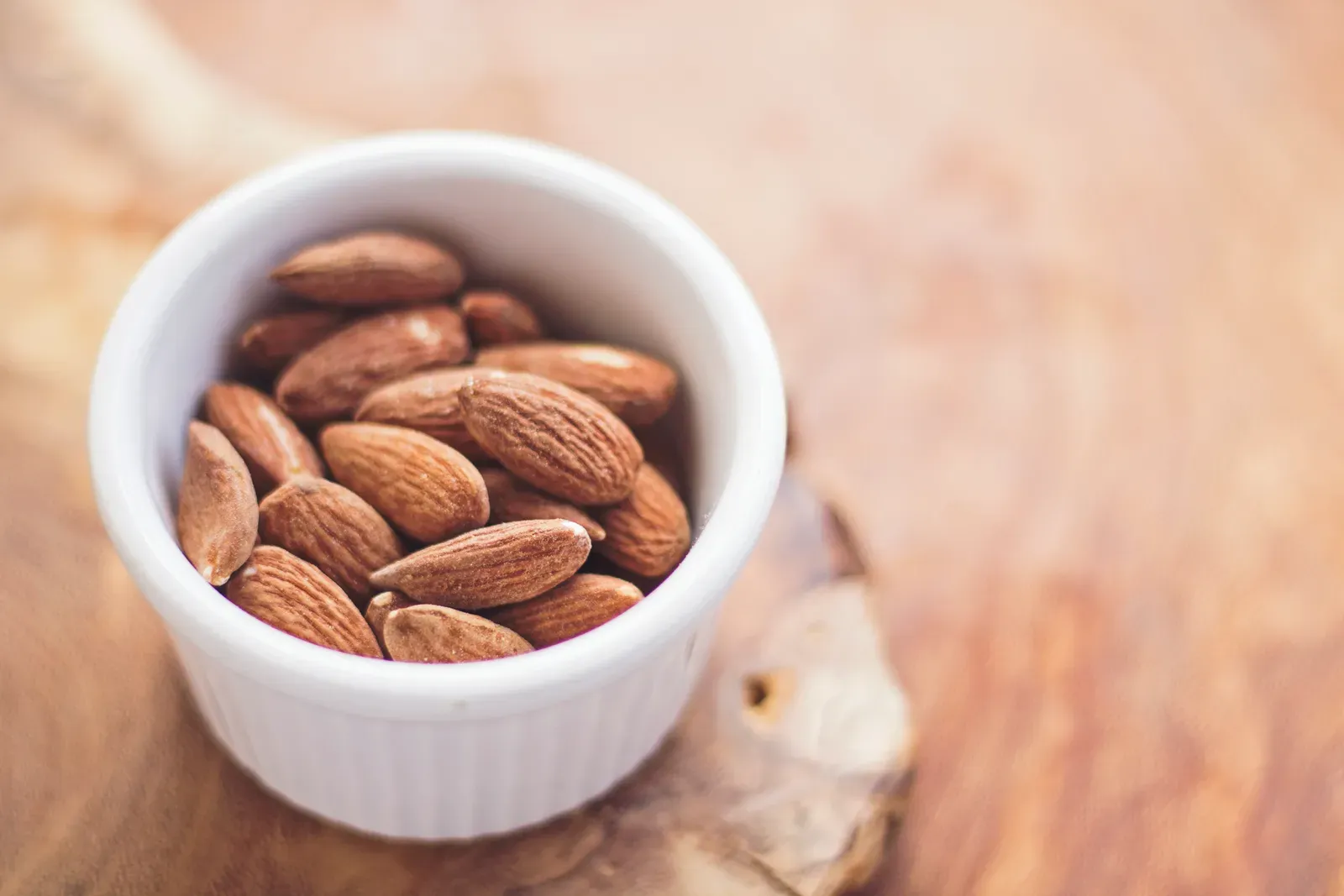
Almonds are basically the poster child for healthy snacking. A 2024 trial demonstrated that consuming 50-84g of almonds daily enhanced antioxidant defenses, reduced inflammation, improved gut health, and helped lower the risk of cardiovascular disease by 13-15%. They’re rich in vitamin E, magnesium, fiber, and calcium, supporting everything from bone health to digestion. One study showed eating almonds every day resulted in a decrease in cholesterol levels and belly fat. Another study showed that increasing almond intake helped improve insulin sensitivity and reduced cholesterol in adults with prediabetes. Honestly, almonds are hard to beat for an all-around nutritional profile, though they’re not the absolute champions.
3. Pistachios
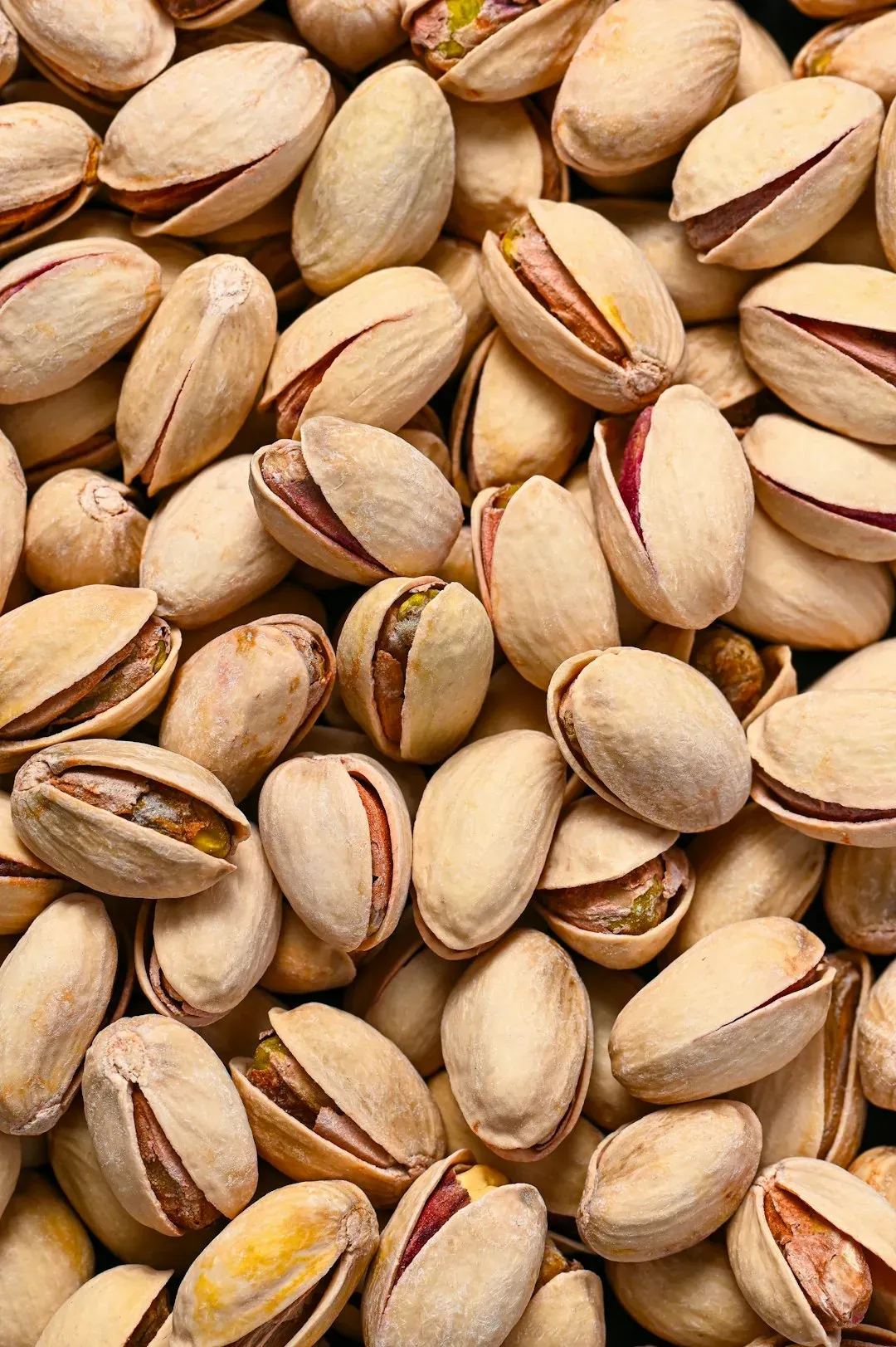
These little green gems are nutritional overachievers. Pistachios are a great source of plant-based protein because they are one of the few plants that contain all nine essential amino acids in adequate quantities. This means that they are a complete protein, which is incredibly rare for plant foods. A 2025 study published in The Journal of Nutrition found that eating pistachios strengthens a part of the eye that protects the retina and reduces the risk of age-related macular degeneration (AMD), a leading cause of vision loss in older adults. Pistachios are a good source of melatonin, which promotes healthy sleep. They’re also lower in calories than most nuts, making portion control easier. If you’re looking for a nut that does it all without breaking the calorie bank, pistachios are your answer.
2. Walnuts
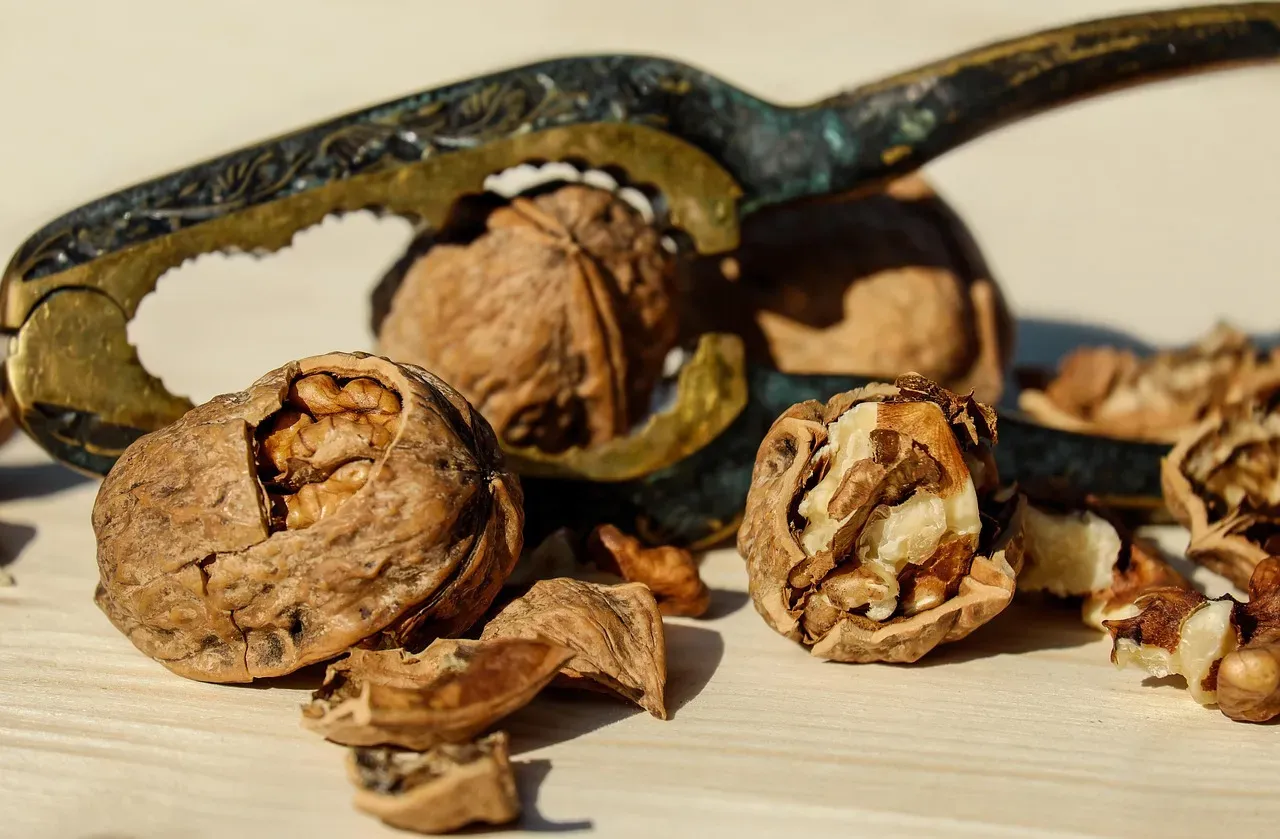
Walnuts contain primarily unstable polyunsaturated fats (72%), a large portion of this is omega-3 (14%). Most Westerners are highly deficient in this important type of fatty acid, and walnuts are one of the few nuts that contain them in any sizeable amount. Hence, walnuts are incredibly healthy. Human and animal research suggests that eating 1–2 ounces (28–57 grams) of walnuts per day may improve brain function and reduce risk factors for dementia, such as heart disease and type 2 diabetes. Walnuts really do seem to take the lead. They have among the highest antioxidant and omega-3 levels, and beat out other nuts in vitro in terms of suppressing cancer cell growth. Just remember to store them properly in the fridge since those delicate omega-3s can go rancid quickly.
1. Brazil Nuts
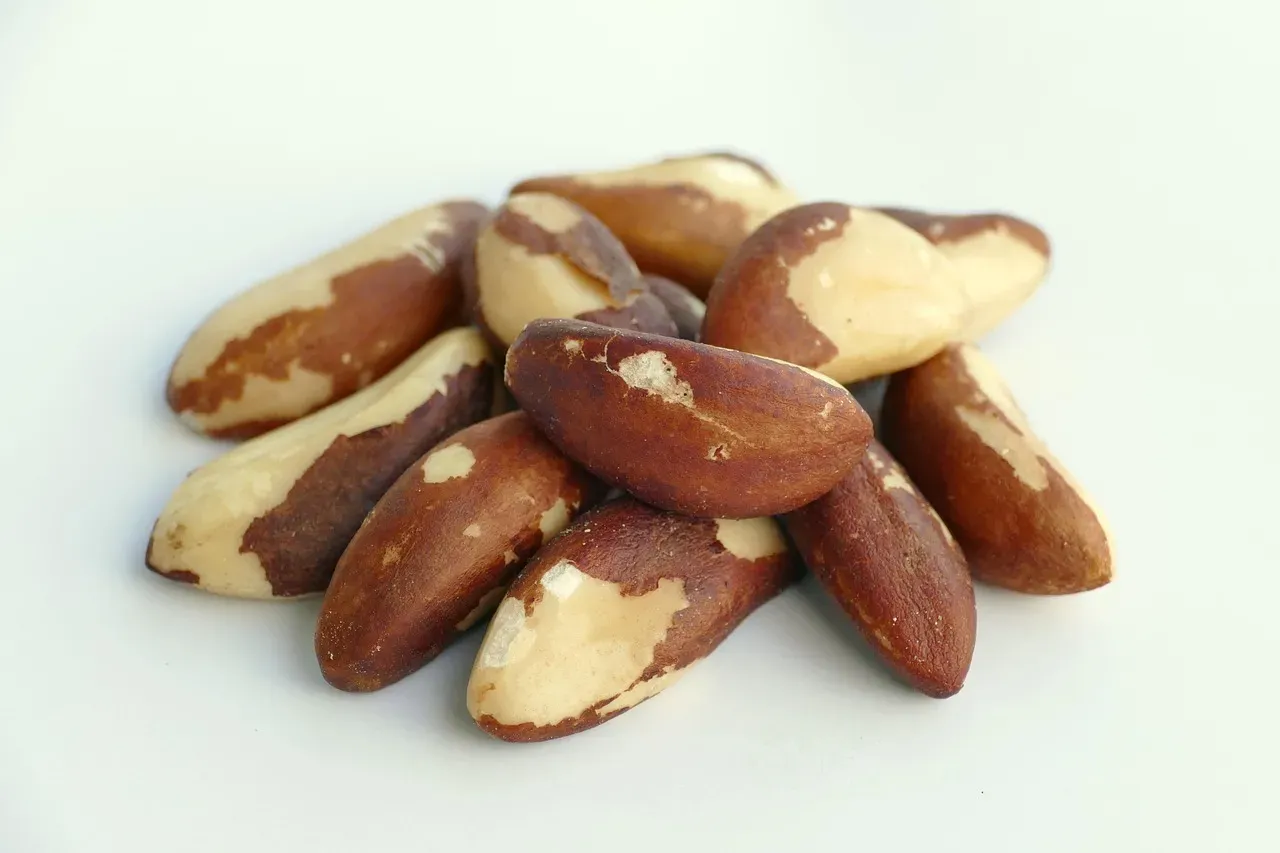
And the winner is Brazil nuts, hands down the most nutrient-dense option on this list. Why? Selenium. Brazil nuts contain very high amounts of selenium (68–91 mcg per nut), and selenium is absolutely critical for thyroid function, immune support, and DNA production. Studies have shown that Brazil nuts can help lower cholesterol levels. Consumption of 2 Brazil nuts daily is as effective for increasing selenium status and enhancing GPx activity as 100 mug Se as selenomethionine, meaning they work as well as supplements. A randomized, controlled pilot trial with older adults who had mild cognitive impairment found that eating one Brazil nut per day for six months increased blood selenium, boosted an antioxidant enzyme in red blood cells (glutathione peroxidase), and led to improvements in verbal fluency and constructional praxis.
The only catch? Doctors advise eating no more than five Brazil nuts a day to avoid potential health risks like selenium toxicity. So moderation is absolutely key here. One or two nuts daily is perfect for most people.
Looking at this ranking, it’s clear that variety matters. Each nut brings something unique to the table, whether it’s protein, healthy fats, minerals, or antioxidants. An intake of 28 g/d nuts compared with not eating nuts was associated with a 21% RR reduction of cardiovascular disease, an 11% risk reduction of cancer deaths, and 22% reduction in all-cause mortality. That’s powerful stuff. Mix up your nut choices throughout the week to maximize benefits. Maybe Brazil nuts on Monday, walnuts on Wednesday, and pistachios for your Friday snack. Your body will thank you for the diversity.
Did any of these rankings surprise you? Which nut is your favorite?