9 Classic Beers From the Past That No Longer Exist
Some beers were legends in their time, commanding bar taps and grocery shelves with the kind of loyalty that seems impossible to imagine now. These weren’t just beverages. They were part of the fabric of American culture, woven into baseball games, backyard barbecues, and Friday nights. Then something changed.
Maybe it was a bad decision at the top. Maybe it was a shift in what people wanted to drink. Either way, these beers vanished from the market, and now they’re little more than memories and collectibles. Let’s look at nine classic American beers that once ruled the scene but are gone for good.
Schlitz: The Beer That Forgot What Made It Famous
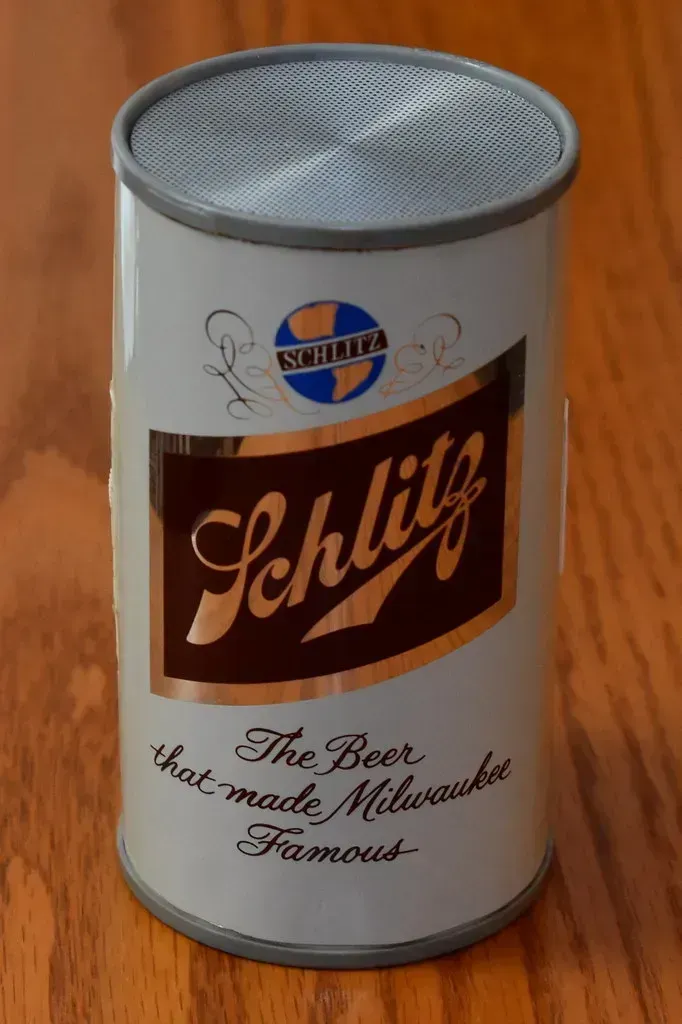
Schlitz was once the largest producer of beer in the United States, a genuine titan that went head to head with Budweiser for decades. In the mid-1970s, after cutting costs by swapping quality ingredients for cheaper ones, Schlitz faced disastrous quality issues and customer complaints, costing the company millions. This came after the brewery cut costs by swapping out quality ingredients for cheaper ones, leading to disastrous quality issues and customer complaints. The company also launched an advertising campaign that was so poorly received it earned the nickname “Drink Schlitz or I’ll Kill You,” alienating customers rather than winning them over. In 1981, with the company hemorrhaging money, labor talks failed, and workers at the historic Milwaukee plant went on strike, marking the final chapter in one of the most spectacular collapses in beer history.
Brown Derby: The Affordable Lager That Hit Six Figures
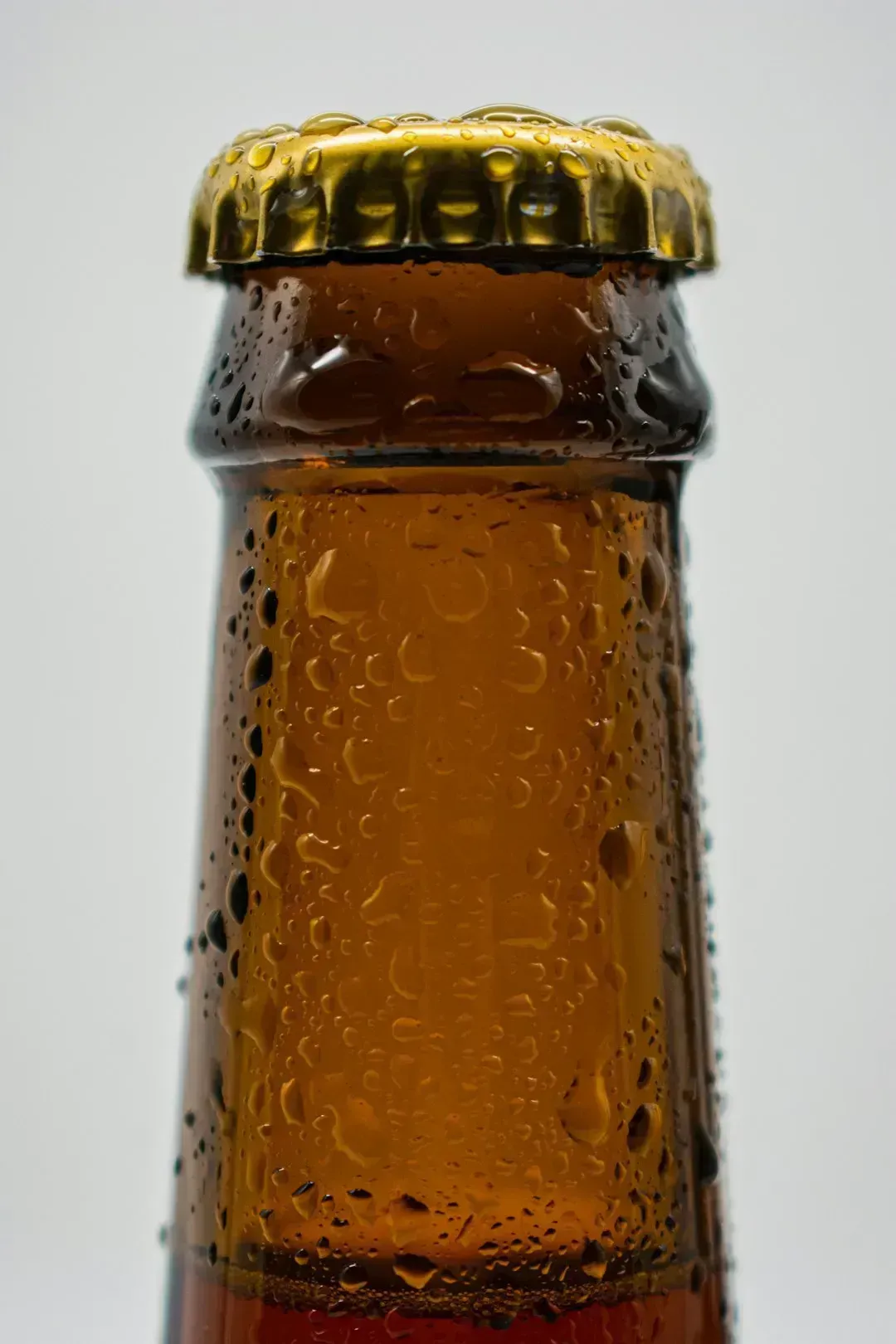
Brown Derby was first produced after prohibition in 1933 for West Coast Grocery, but by the 1950s, it was being exclusively sold in Safeway stores. The low price and quality made it a popular choice among consumers, leading to such high demand that Humboldt Brewing couldn’t keep up with production, so Safeway contracted with different regional breweries over the years to continue production. Despite its success, changes in ownership and market dynamics led to the discontinuation of Brown Derby Lager in the late 1980s. Here’s the thing that blows my mind: Today, original Brown Derby cans are considered collectibles, with some rare designs fetching significant sums at auctions, and in December 2024, one Brown Derby beer can sold at auction for $93,600.
Ballantine: A Legacy Lost to Corporate Shuffling
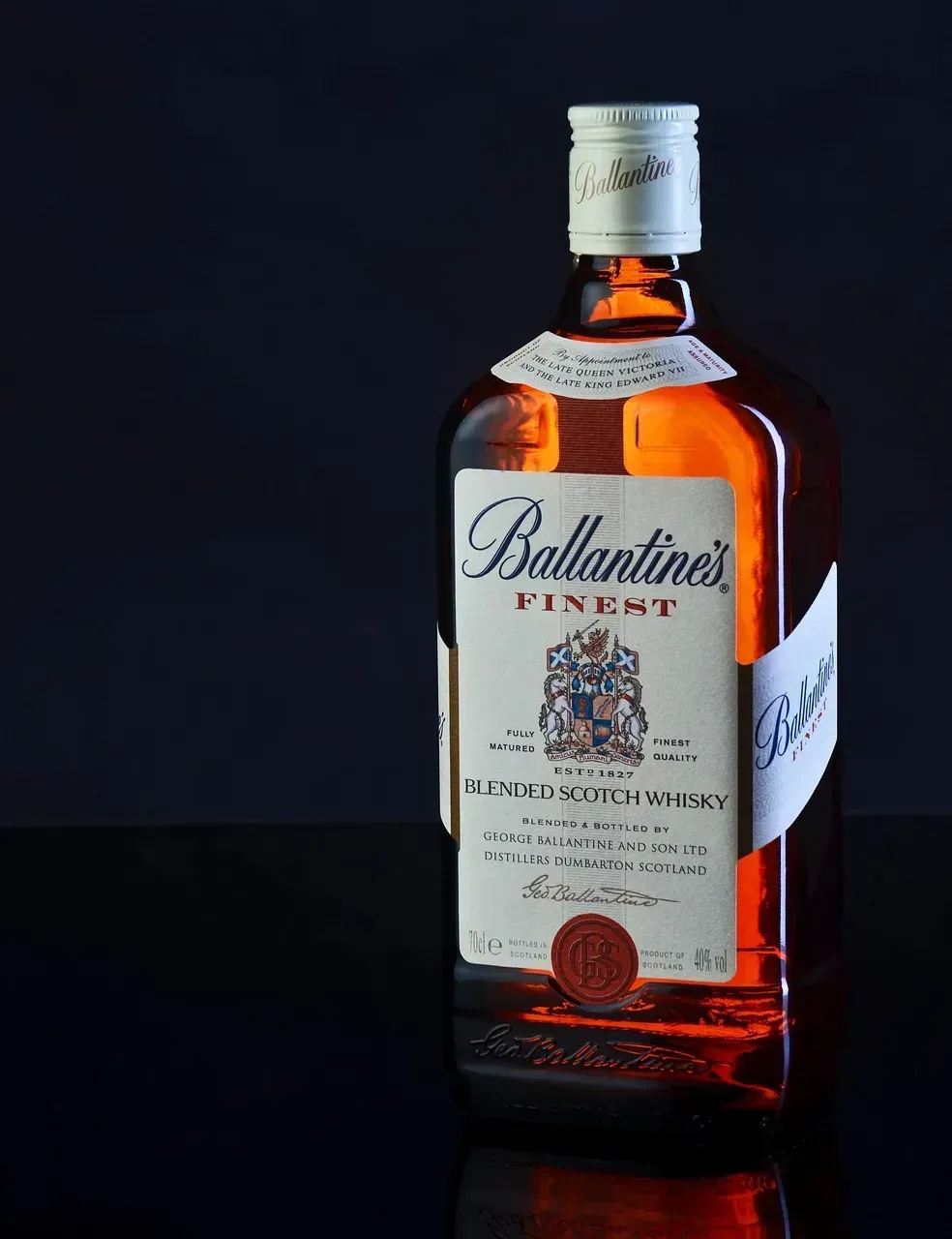
Founded in 1840 in Newark, New Jersey, at its peak in the mid-20th century, it was the third-largest brewer in the United States, trailing only Anheuser-Busch and Schlitz. The company survived Prohibition and thrived for decades, becoming particularly famous for its India Pale Ale. Ballantine Beer enjoyed a high level of success into the early 1960s, however, by the mid-sixties, the brand began losing popularity as it was losing market share to lighter lagers with less alcohol content. They stopped brewing the IPA in 1996, and gradually all of the beers were discontinued with the exception of the flagship Ballantine XXX Ale. Though Pabst eventually revived the IPA in 2014, the original formulations and brewing records were long gone.
Rheingold: Brooklyn’s Pride That Couldn’t Compete Nationally
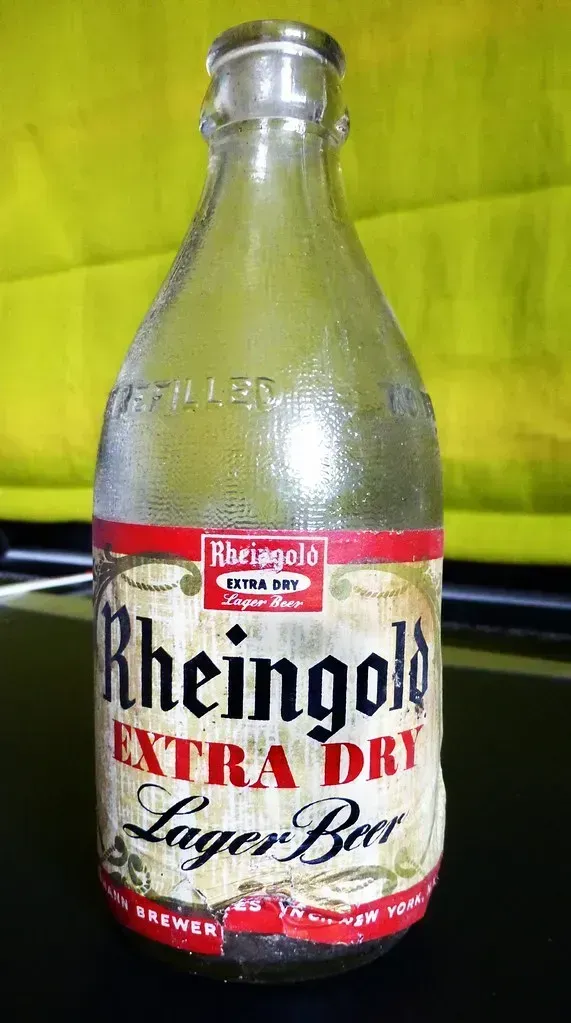
The last bottle of Rheingold was sold in the New York area in 1978, and the huge plant, which had provided so many jobs to Bushwick residents, was torn down in 1981. This Brooklyn brewery had dominated the New York market for generations, even hosting the famous Miss Rheingold beauty contest from 1940 to 1965. The rise of national brewing powerhouses Anheuser-Busch, Miller, and Coors pushed countless local brands, including Rheingold, out of business in the late 1960s and 1970s. Sales of Rheingold Beer have been continued off-and-on by subsequent owners, with two gaps – one in the mid-1990s and another from 2013 through 2023. The brand has been resurrected multiple times since, but it’s never recaptured the glory it once enjoyed.
Schaefer: One Beer Too Many
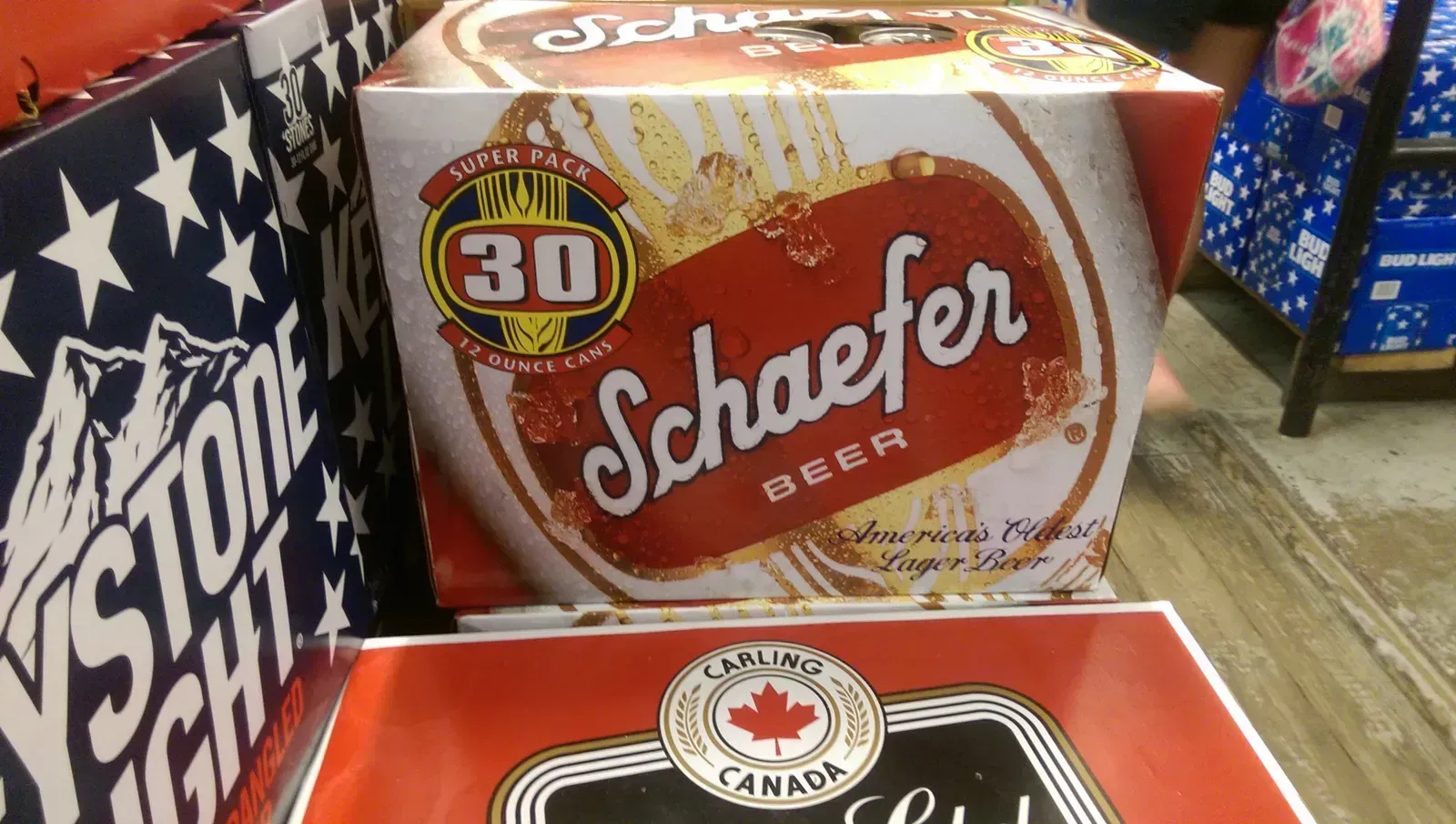
Schaefer Beer is a brand of American beer first produced in New York City during 1842 by the F. & M. Schaefer Brewing Company, and the company relocated to Brooklyn in the early 20th century. Famous for its jingle “Schaefer is the one beer to have when you’re having more than one,” this lager was everywhere in New York for over a century. At the start of 1976, Schaefer ranked as the seventh largest brewery in the nation, with a whopping 25% market share in the city, and its brewery would produce 5.9 million barrels of beer in 1975. But mere days after Rheingold ceased brewing operations, Schaefer announced that its Brooklyn facility would close its doors, citing the high cost of doing business in the city, relocating its brewing to a new highly-automated Allentown, Pennsylvania facility. In 1981, the Schaefer family sold the company to the Stroh Brewery Company, which operated the plant until the company was absorbed by Pabst Brewing Company in 1999.
Bud Dry: The Japanese-Inspired Experiment
Bud Dry was Bud Light’s pale ale cousin and Anheuser-Busch’s answer to Michelob Dry, introduced at a time when dry beers were starting to make a splash in the market, largely influenced by Japanese innovations like Asahi Super Dry, and it first appeared in the United States in April 1990. The dry beer trend was supposed to be the next big thing, offering a crisper, less sweet profile. Bud Dry was a pale lager introduced by Anheuser-Busch in 1990, and it was discontinued in 2010 due to declining sales. Despite its aggressive marketing campaign with the slogan “Why ask why? Try Bud Dry,” American drinkers just weren’t that interested in the Japanese-style approach to brewing.
Meister Bräu: Chicago’s Working-Class Hero
Meister Bräu was born in Chicago in 1891, emerging when the city’s brewing traditions were in full swing, as local brewers developed this robust lager to capture the rich, German-inspired brewing techniques that had been a hit with the growing immigrant communities, offering a distinct, full-bodied flavor with a smooth finish. It was the kind of beer that working-class Chicagoans loved, embodying the spirit and culture of the city. Starting in 1891 in Chicago, it gained local popularity but struggled to gain market share outside the windy city, and the brand and company went belly up, leading to its bankruptcy in 1972. Miller Brewing Company acquired the failed brand and discontinued it, but they reformulated and rebranded it into Meister Brau Lite, and the beer exists in spirit today as Miller Lite.
Pete’s Wicked Ale: The Craft Pioneer That Couldn’t Keep Up
Pete’s Wicked Ale was a brown ale popular in the 90s, known for pioneering the craft beer market and went on to become the second-largest craft beer brand in the US. It helped kick off America’s love affair with craft beer, introducing millions of drinkers to something beyond the standard macro lagers. However, it went down in 2011 due to consumer tastes opting for brown ales less and less in favor of a blossoming craft beer market, and fans frowned upon alterations to the recipe when it was acquired by Gambrinus Company in 1998. Ironically, the very movement Pete’s helped create ultimately left it behind as drinkers moved on to IPAs and other bolder styles.
Anchor Beer: The Craft Casualty of 2023
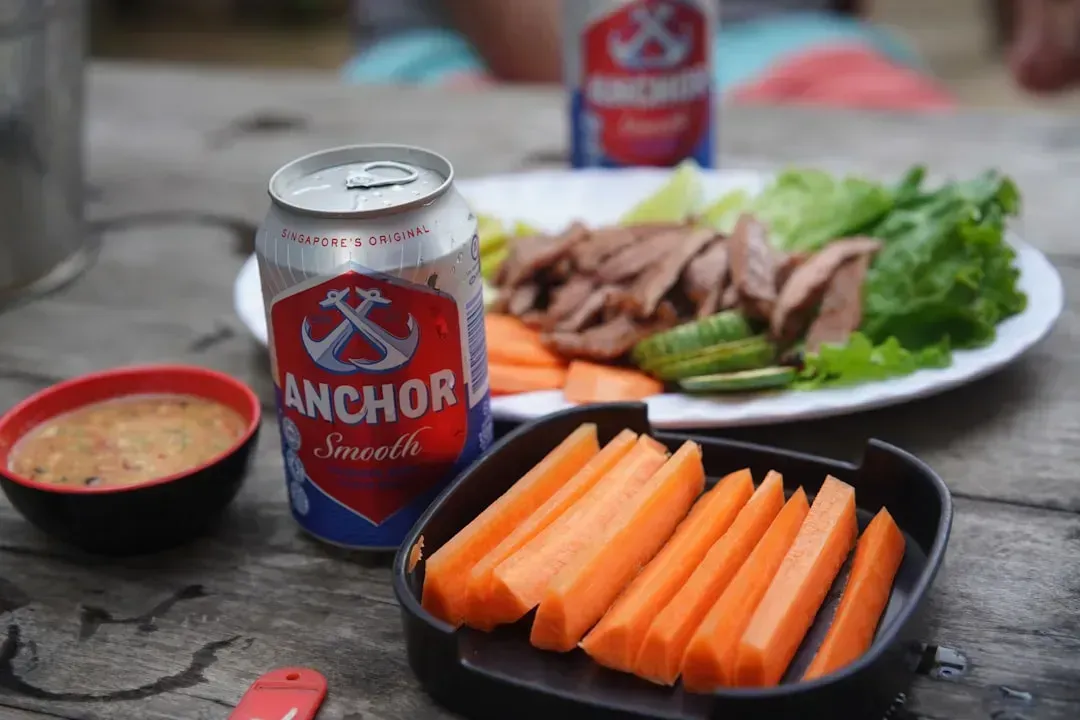
Though Anchor Beer ceased production in 2024, with beers no longer available on store shelves, it serves as a reminder of a time when regional craft breweries were experimenting with flavors that appealed to both traditionalists and new beer drinkers. Shifts in ownership, declining sales post-pandemic, and market pressures led to the closure of Anchor Brewing Company in 2024. This wasn’t some ancient history either. This beer disappeared just two years ago, showing that even respected craft operations aren’t immune to changing tastes and market pressures. It’s a stark reminder that in the beer business, nothing is permanent, no matter how beloved a brand might be.
These beers tell the story of American drinking culture over the last century and a half. Some fell victim to corporate greed, others to changing tastes, and a few to simple bad luck. What’s clear is that brand loyalty only goes so far when the product changes or the competition gets fiercer. Did you have a favorite that didn’t make this list? What would you give to taste one of these lost brews again?