Blacklisted Homes: 8 Features That Make Properties Nearly Impossible to Sell
Picture this: You’ve spent months preparing your home for sale, staged every room perfectly, priced it competitively, and waited for the offers to roll in. Then crickets. Days turn into weeks, and the only visitors are your real estate agent and the occasional curious neighbor. What went wrong? Sometimes it’s not about curb appeal or pricing strategy at all. Certain property features can quietly torpedo your chances of a quick sale, turning eager buyers into cautious skeptics who keep scrolling.
The housing market has always been unpredictable, yet some obstacles remain consistent year after year. In 2025, existing home sales remained stuck at a 30-year low, with sales totaling 4.06 million, essentially flat versus 2024. While factors like elevated mortgage rates and rising prices play a role, specific home features can make an already challenging market even tougher. Let’s be honest, nobody wants to discover their dream renovation is actually a buyer’s nightmare. So what exactly sends potential buyers running for the hills?
Proximity to High-Voltage Power Lines
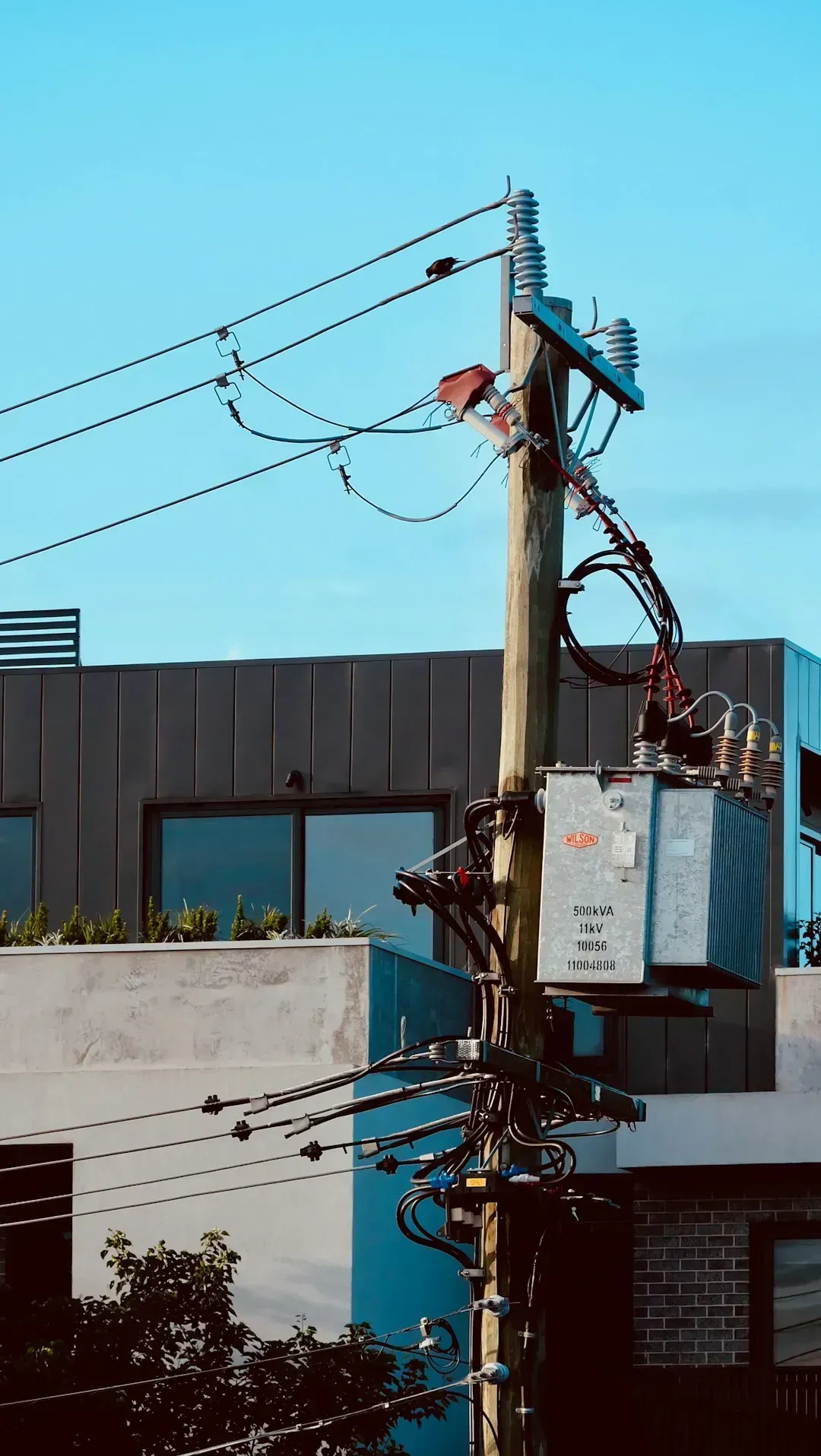
Living near massive electrical towers might not bother you, yet for many buyers, power lines represent an immediate dealbreaker. Properties located within 1,000 feet of transmission lines tend to sell for roughly 18% less than comparable homes. The concerns run deeper than aesthetics alone.
Health worries about electromagnetic fields still linger in buyers’ minds, even though scientific research remains inconclusive. The National Institute of Environmental Health Sciences determined that while EMF exposure cannot be ruled as entirely safe, the scientific evidence of health risks is insufficient to warrant aggressive regulatory concern. Perception matters more than facts when money is on the line.
Beyond health fears, there are practical headaches. You’ll face restrictions on landscaping and construction projects if power lines cross your property. Noise can become an issue too, with some homes experiencing persistent humming sounds. Homes within view of a power line have been found to sell for anywhere from 5% to 20% less, depending on visibility and proximity. Even if you’ve grown accustomed to those towering structures, convincing a buyer they’re harmless is an uphill battle.
Swimming Pools in the Wrong Climate

Pools have significant maintenance needs and may be a buyer dealbreaker, representing safety issues, particularly for families with small children. What seems like a luxury amenity can quickly become a liability during negotiations. The reality is stark: location determines everything.
In warm climates like Florida or Southern California, pools often add value and may even be expected in certain neighborhoods. Yet in cooler regions, they’re frequently viewed as expensive burdens. In cooler climates or price-sensitive markets, a pool can actually reduce buyer demand and lead to lower offers, a conclusion consistent across multiple large-scale studies. The math rarely works in sellers’ favor either.
Installation costs average between forty-four thousand and eighty-six thousand dollars, yet you’ll likely only recover a fraction of that investment. Monthly maintenance runs anywhere from one hundred to three hundred dollars, plus you’ll face higher insurance premiums. Many buyers see a pool and immediately calculate years of weekend chores, chemical balancing, and potential repair costs. If your property is in a colder market, that sparkling blue water might as well be a moat keeping buyers away.
Overly Personalized or Trendy Design Choices
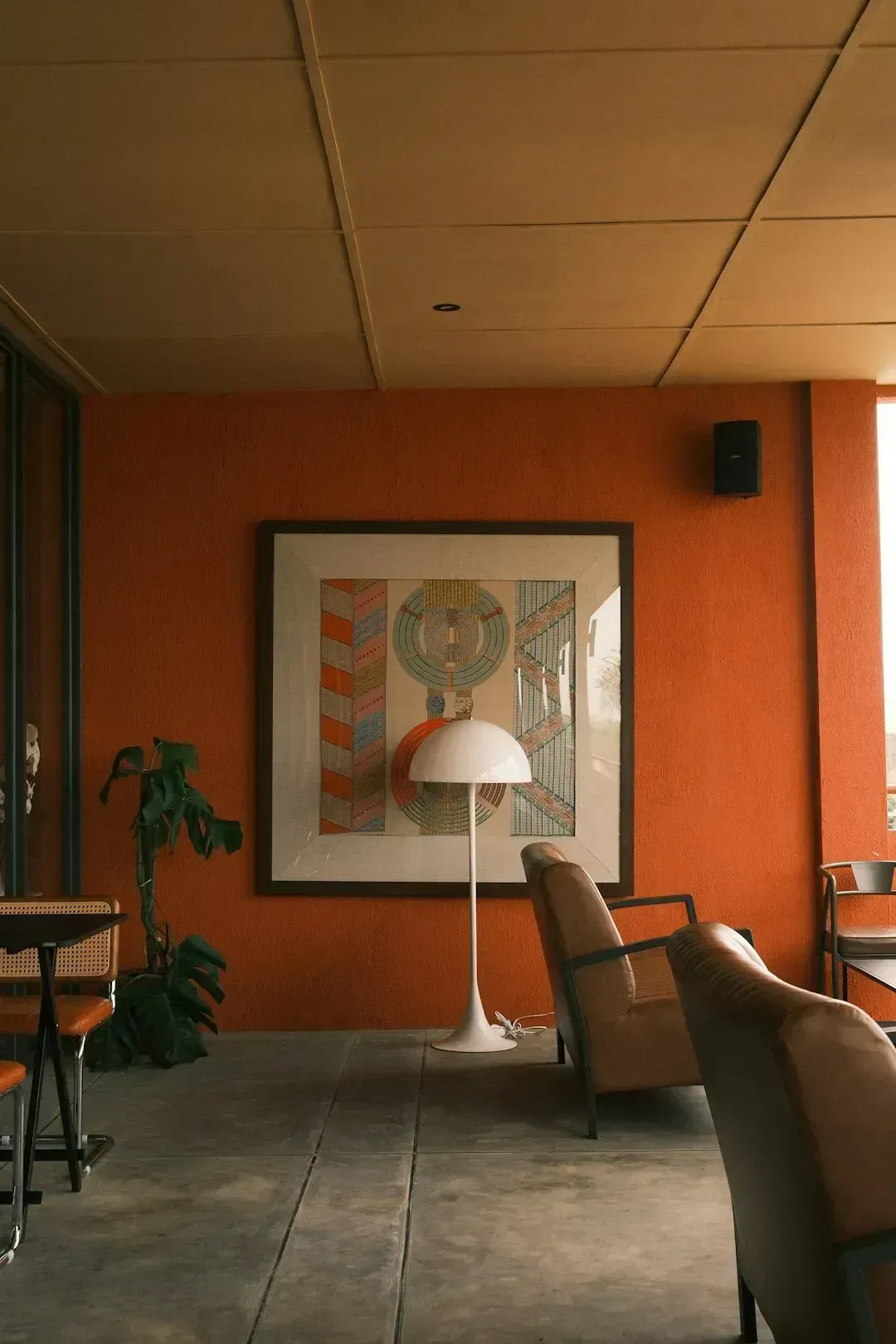
That bold wallpaper on your ceilings? The neon-colored kitchen cabinets? Your custom murals throughout the house? All these creative touches that make your home uniquely yours can make it nearly impossible for buyers to envision themselves living there. Any overly trendy feature with a short design lifespan can represent a hurdle for some buyers, as every aggressive design choice reduces the number of buyers who will ultimately be interested.
Buyers want neutral canvases they can personalize themselves. When they walk through your door and see floor-to-ceiling leopard print or an entirely purple bathroom, they start mentally calculating renovation costs before they even finish the tour. Here’s the thing: what feels like artistic expression to you registers as expensive demolition work to them.
Even currently popular trends can backfire. Today’s farmhouse chic becomes tomorrow’s dated eyesore faster than you’d imagine. Smart sellers stick with timeless, classic design elements that appeal to the broadest audience possible. While wallpaper on ceilings is a hot trend, many clients do not like patterned ceilings, and keeping homes clean with tasteful design empowers homebuyers to picture their own furniture and aesthetic.
Severely Outdated Kitchens and Bathrooms
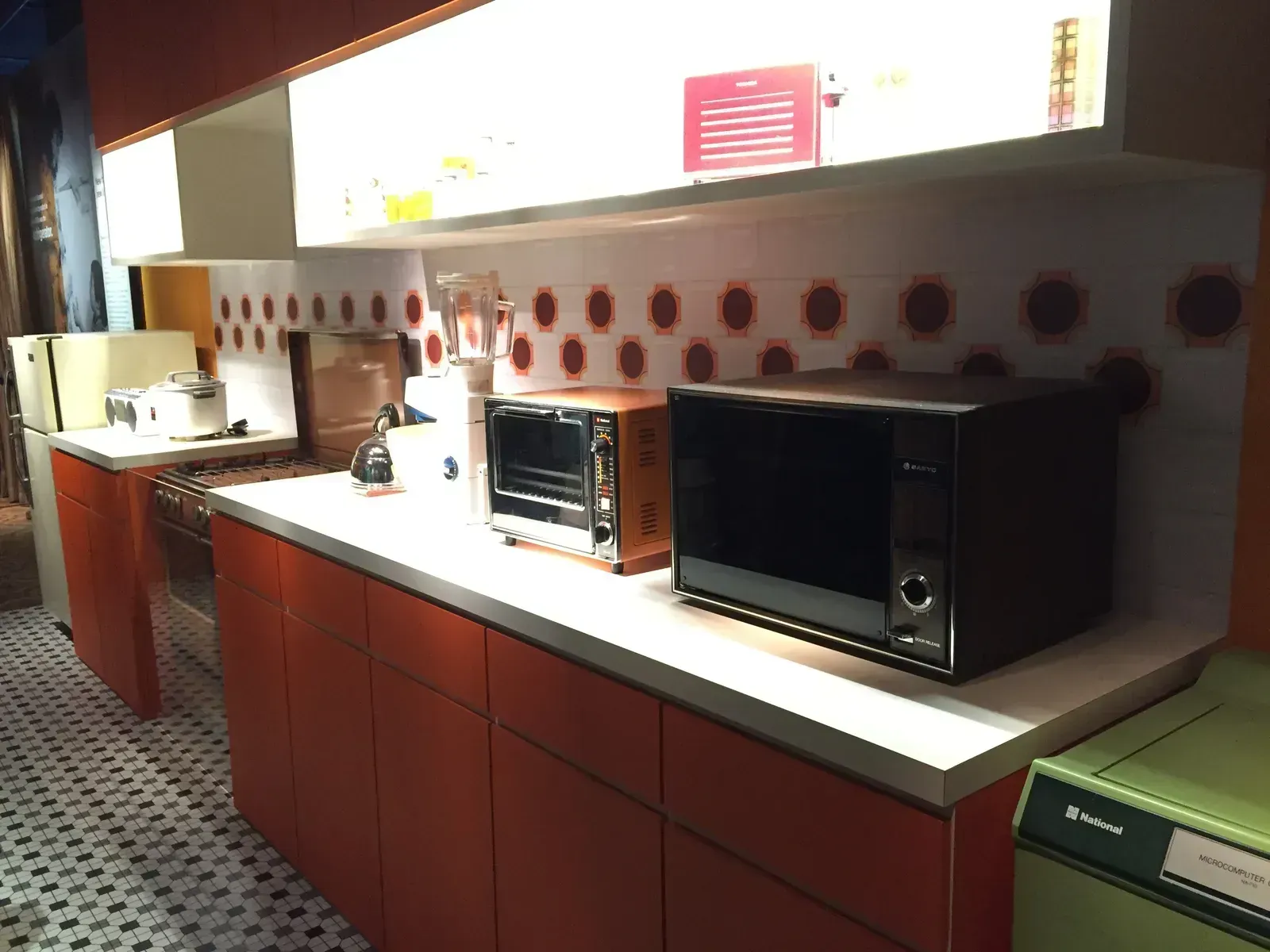
An overly outdated kitchen that is clearly stuck in decades previous is a huge red flag, with outdated cabinets, appliances from 30 years ago, and tile countertops serving as dealbreakers for a majority of homebuyers. Nobody fantasizes about cooking Thanksgiving dinner surrounded by avocado-green appliances from the 1970s.
The kitchen serves as the heart of most homes, and when buyers see one that screams “renovation project,” they either walk away or slash their offer significantly. Same goes for bathrooms with pink tile, harvest gold fixtures, or carpeted floors (yes, carpeted bathroom floors were actually a thing). These spaces signal deferred maintenance and outdated infrastructure throughout the entire property.
Buyers understand that kitchen and bathroom renovations represent some of the most expensive home improvement projects. They’re already doing mental math, subtracting tens of thousands from their offer before they’ve even left your property. A slightly outdated space is forgivable, yet when your home feels like a time capsule, you’ve created a serious obstacle to sale.
Properties Near Cemeteries, Funeral Homes, or Sites of Tragedy

Stigmatized properties carry invisible weight that no amount of staging can eliminate. Whether it’s proximity to a cemetery, location near a funeral home, or worse, a history of violent crime or death within the home itself, these factors create psychological barriers for buyers that are nearly impossible to overcome.
Some states require disclosure of deaths that occurred on the property within a certain timeframe, yet even when not legally required, rumors spread quickly in communities. Buyers research properties extensively online, and any dark history tends to surface during their investigations. The stigma affects marketability regardless of whether buyers consider themselves superstitious.
Even rational buyers hesitate when faced with these situations. They worry about future resale value, difficulty obtaining insurance, or simply feeling uncomfortable in their own home. A majority of homeowners, around 58%, worry a home inspection will reveal problems with their property, yet properties with tragic histories face scrutiny that goes far beyond structural concerns. It’s the one problem you genuinely cannot renovate away.
Excessive Clutter and Poor Storage Solutions
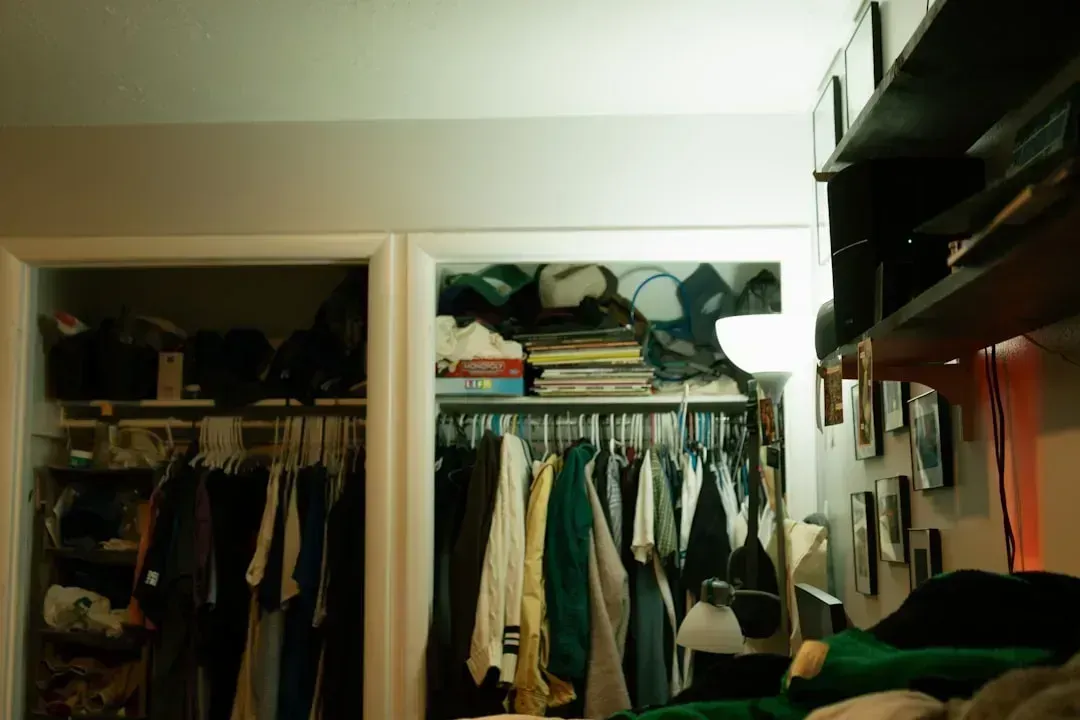
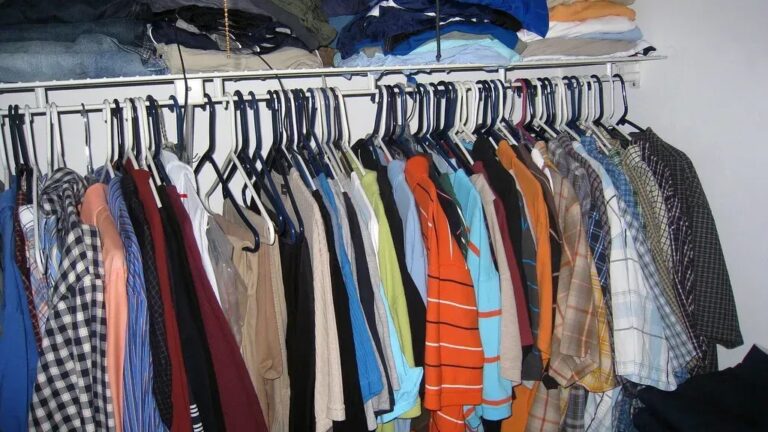
Storage spaces that are overly full and cluttered communicate that there is not enough storage in the home to fit belongings. When buyers open a closet and find it bursting at the seams, they don’t think “the current owners have a lot of stuff.” They think “this house doesn’t have adequate storage.”
Every overstuffed closet, packed garage, and cluttered room sends a subliminal message: this home is too small. Buyers mentally downsize the home’s functional space with every glimpse of chaos. The irony is painful – you might have plenty of storage, yet poor organization makes buyers believe otherwise.
Buyers want to see a house that is going to fit all of their things and that they are going to be able to function in, not struggle with a closet that is too small and feels like it instantly gives them stress daily. Professional stagers understand this psychology intimately, which is why they insist on decluttering before photos or showings. If your home looks cramped and chaotic, buyers won’t stick around long enough to discover its true potential.
Homes Requiring Major Structural or System Repairs

Foundation cracks, sagging rooflines, ancient HVAC systems, or outdated electrical panels – these major repair needs are like waving red flags directly in buyers’ faces. Repairs and home updates are the most commonly cited answer when owners are asked about the most difficult part of selling, with roughly one in five saying so. When buyers spot serious structural or mechanical issues, they either demand massive price reductions or simply move on to the next listing.
In today’s market, buyers are increasingly cautious about taking on fixer-uppers. Getting financing becomes complicated when lenders identify significant issues during inspections. Many loan programs won’t approve mortgages for properties with certain deficiencies, effectively eliminating a huge portion of your potential buyer pool. Cash buyers might consider these properties, yet they’ll negotiate aggressively, knowing you have limited options.
The worst part? Major repairs become exponentially more expensive when delayed. That small foundation crack you’ve been ignoring could be costing you more in lost sale price than the repair would have cost years ago. The stress of selling a home is the most common fear at 42%, followed by the costs of selling, such as repairs and closing costs at 40%. Buyers sense desperation when they see obvious deferred maintenance, and that rarely works in your favor at the negotiating table.
Limited Natural Light and Awkward Floor Plans
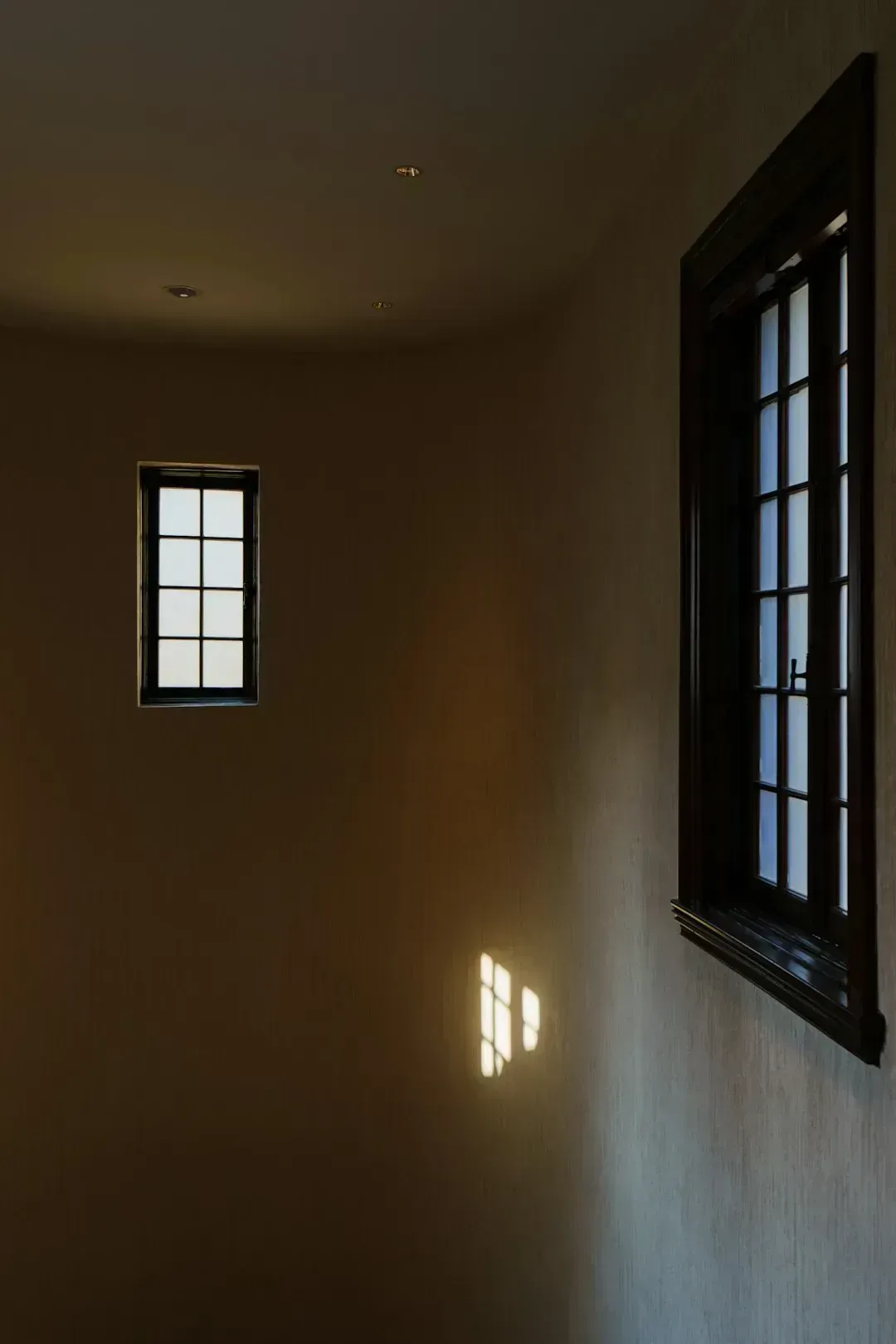
Walk into a home with small windows, low ceilings, and rooms that seem to lead nowhere logically, and you’ll immediately understand why buyers keep scrolling. Natural light has become almost sacred in modern real estate – homes with bright, sun-filled rooms consistently sell faster and for higher prices than their darker counterparts. When your property feels like a cave, buyers notice immediately.
Awkward floor plans present similar challenges. Maybe you have to walk through a bedroom to reach another bedroom, or perhaps your kitchen is completely isolated from living spaces. These layouts might work for your specific lifestyle, yet they alienate the majority of buyers who expect certain flow patterns in a home. Open concept designs have dominated buyer preferences for years now, making choppy, compartmentalized layouts feel dated.
Fixing these issues is rarely simple or cheap. Adding windows requires structural modifications, and reconfiguring floor plans means major renovation work. Sellers often find themselves stuck with these features, forced to price aggressively to compensate for layouts that just don’t work for most people. I think the hardest part is watching buyer after buyer walk through, seeing their enthusiasm fade as they realize the home doesn’t meet their basic functionality requirements.
Noise Pollution and Problematic Neighbors You Can’t Hide

There’s one thing sellers absolutely dread during open houses – a train rumbling past, highway traffic roaring in the background, or a neighbor’s dog going absolutely berserk for twenty straight minutes. Noise pollution is one of those deal-breakers that buyers feel in their gut the moment they step outside, and no amount of staging or fresh paint can cover it up. Studies have shown that homes near busy roads or flight paths can lose anywhere from 5% to 15% of their market value compared to quieter properties nearby. What makes this especially painful for sellers is that there’s essentially nothing you can do about it – you can’t soundproof the entire neighborhood. Problematic neighbors create a similar nightmare scenario. If the house next door is covered in junk cars, has a constantly barking dog, or hosts late-night gatherings every weekend, savvy buyers will notice and walk away fast. Real estate agents are legally required to disclose certain neighbor disputes in many states, which means even trying to hide these issues can backfire spectacularly. Buyers today are also incredibly resourceful – they’ll visit the property multiple times, at different hours, specifically hunting for exactly these kinds of red flags before signing anything.