11 Things Kids Did In The 1970s That Parents No Longer Allow Today
Picture this. Kids roaming the neighborhood on bikes until the streetlights flickered on, no helmets, no GPS trackers, no hovering adults. That was the reality for millions of children growing up in the 1970s, a time when independence was not just encouraged but expected.
Fast forward to 2026, and parenting looks dramatically different. According to Pew Research Center, sixty-six percent of U.S. parents say raising kids is more difficult now than it was two decades ago. The world has changed, regulations have tightened, and frankly, our entire approach to childhood safety has been turned upside down. Let’s dive into the activities that were perfectly normal back then but would get parents side-eyed, or worse, reported today.
Roaming the Neighborhood Completely Unsupervised

Kids in the 1970s would leave the house in the morning and return when they heard a parent’s whistle or when hunger struck. Nobody asked where they were going. Nobody tracked them with a smartphone app. A survey of almost 2000 parents of kids age 5-to-11 in Britain found that most parents aren’t letting their kids play outside, unsupervised, until age 11, even though when they were growing up, they headed out to play at around age 9.
Research shows this shift has been drastic. Environmental and developmental psychologist Roger Hart found a significant reduction in the children’s zones of play, even though the community has the same demographics and crime rate as it did in the 70s. In reality, a child is no more likely to be abducted by a stranger today than he was in the 1970s. Yet fear has reshaped childhood completely.
Riding Bikes Without Helmets
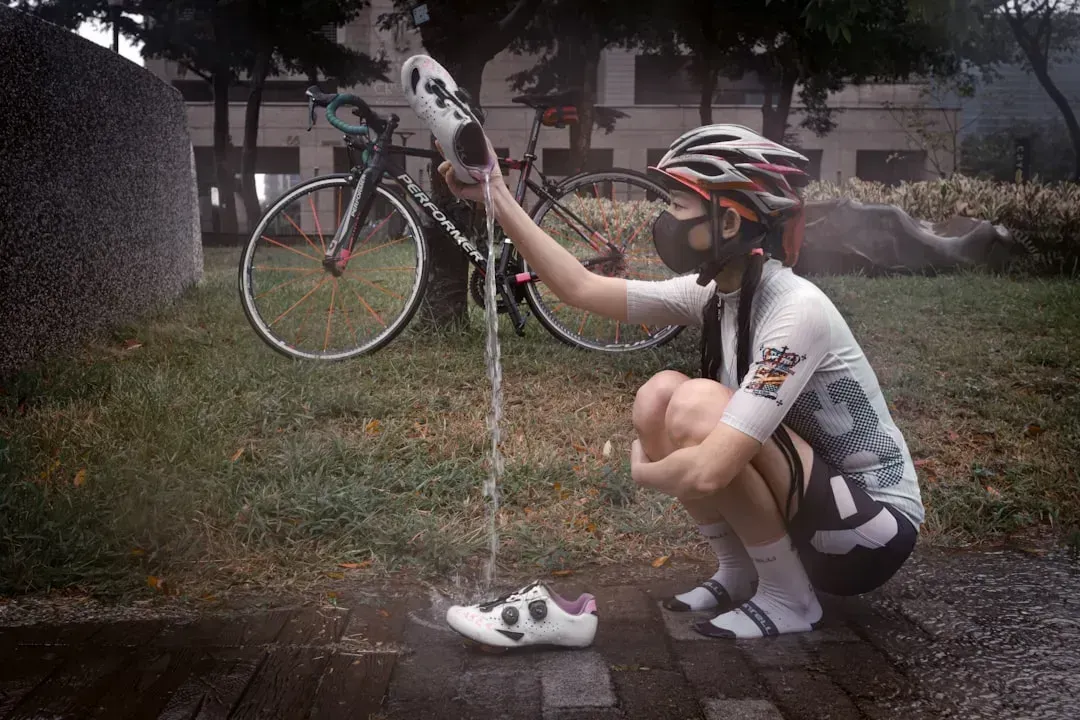
Here’s the thing. Bike helmets barely existed for the general public back in the 1970s. More widespread use of helmets began in the US in the 1970s after many American adults took up cycling during the bike boom of that era. The first commercially successful purpose-designed bicycle helmet was the Bell Biker, a polystyrene-lined hard shell released in 1975.
Kids today are required by law in many places to wear helmets, and parents would be considered reckless for allowing otherwise. The U.S. Consumer Product Safety Commission issued a new federal safety standard for bike helmets that all bike helmets must meet. It’s hard to argue against safety, yet the shift represents a fundamental change in how we perceive risk versus freedom for children.
Riding in Cars Without Seat Belts or Car Seats

Children in the 1970s often rode in the back of station wagons, sprawled across bench seats without a seat belt in sight. Car seats were primitive at best and largely optional. Times have changed dramatically. All states passed legislation between 1977 and 1984 requiring children to be in a child safety seat when in a car.
The transformation wasn’t just about laws. Even though empirical evidence supporting the protective effect of child restraint devices was available in the early 1970s, laws requiring their use were not adopted by all 50 states until 1986. Today, the regulations are so specific they dictate which type of seat a child must use based on age, weight, and height. It’s a far cry from piling five kids into the back without a second thought.
Walking or Biking to School Alone
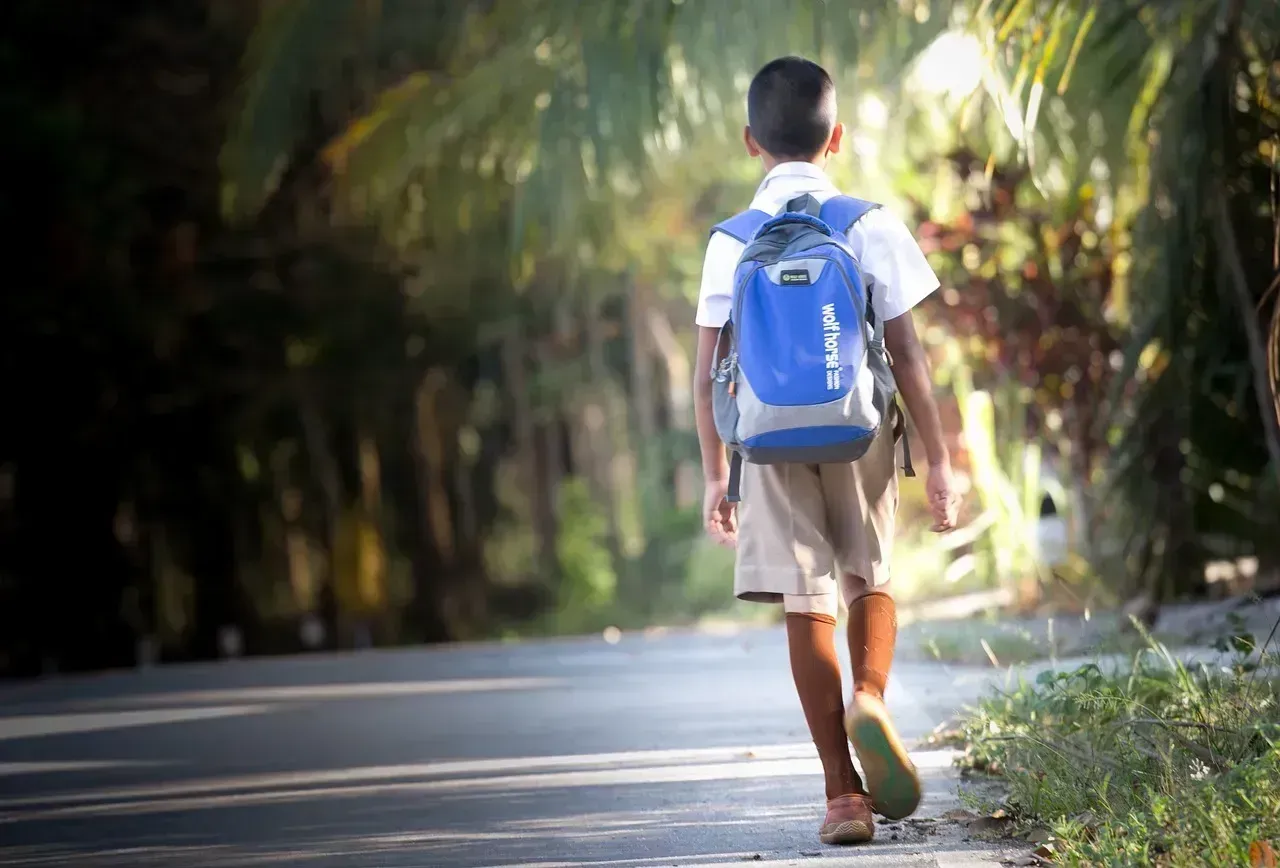
Walking to school alone at age five or six was unremarkable in the 1970s. Kids met up with neighborhood friends along the way, navigated crosswalks, and arrived without parental escort. Today, this practice has all but vanished in many communities.
Stories abound of parents being reported to authorities for allowing children to walk short distances unsupervised. In 2014, a woman was arrested for allowing her nine-year-old to play in the park while she worked. A recent survey of children aged eight to 12 found that indoor play is now the norm, and the distance children are allowed to play from home has shrunk by 90% since 1970. The freedom to navigate the world independently has essentially disappeared for many kids.
Playing Outside Until Dark With No Check-Ins

Summer days in the 1970s meant endless hours outdoors with neighborhood kids building forts, playing tag, or concocting elaborate games. Parents didn’t call every hour to check in because cell phones didn’t exist. Kids just had to be home when the streetlights came on or when they heard that distinctive parent whistle.
Only 6 percent of American children ages 9-13 play outside unsupervised. That statistic is staggering when you consider how normal unsupervised outdoor play was just a generation ago. The average child in America between the ages of six and 17 spends just seven minutes a day in unstructured outdoor play. The digital age and increased parental anxiety have combined to keep kids indoors under constant watch.
Hitchhiking or Accepting Rides From Strangers

Believe it or not, hitchhiking wasn’t uncommon in the 1970s, even among teenagers and young people. For baby boomers who came of age in the 1970s, thumbing was routine. Even people who did not hitchhike themselves certainly knew those who did. It was seen as a practical way to get around, especially for young people exploring or traveling on a budget.
In Poland there were TV advertisements saying it was perfectly safe for children to hitchhike on their own until sometime in the 1970s. Today, the idea of a child accepting a ride from a stranger is unthinkable. As the counterculture waned in the late 1970s and 1980s, hitchhiking lost legitimacy, becoming linked to subversive behavior, crime, and casual drug use.
Using Power Tools and the Stove Unsupervised

Kids in the 1970s learned practical life skills early. Cohorts born in the 1970s were allowed to use the stove alone in fourth to fifth grade and were more at ease with tools. For those born in the 1990s, cooking on the stove and using sharp tools alone didn’t happen until middle school.
This wasn’t neglect. It was considered part of growing up and developing competence. Parents believed kids needed to learn by doing, even if it meant a few minor burns or cuts along the way. The modern approach is far more protective, delaying these milestones by years. Honestly, it makes you wonder if we’re helping kids or hindering them by shielding them from every potential mishap.
Staying Home Alone After School

The term “latchkey kid” emerged in the 1980s, describing children who came home after school to an empty house because both parents worked. This practice became common as more mothers entered the workforce, yet there is very little change across the decades when kids are allowed to stay home alone, with it happening between fourth and fifth grade in almost every cohort.
What has changed is the level of anxiety surrounding it. Today, leaving a child home alone even briefly can invite scrutiny from neighbors or authorities. Laws vary by state, with some setting specific age requirements. The practice hasn’t disappeared entirely, yet it carries far more worry and potential legal risk than it did decades ago.
Playing on Dangerous Playground Equipment
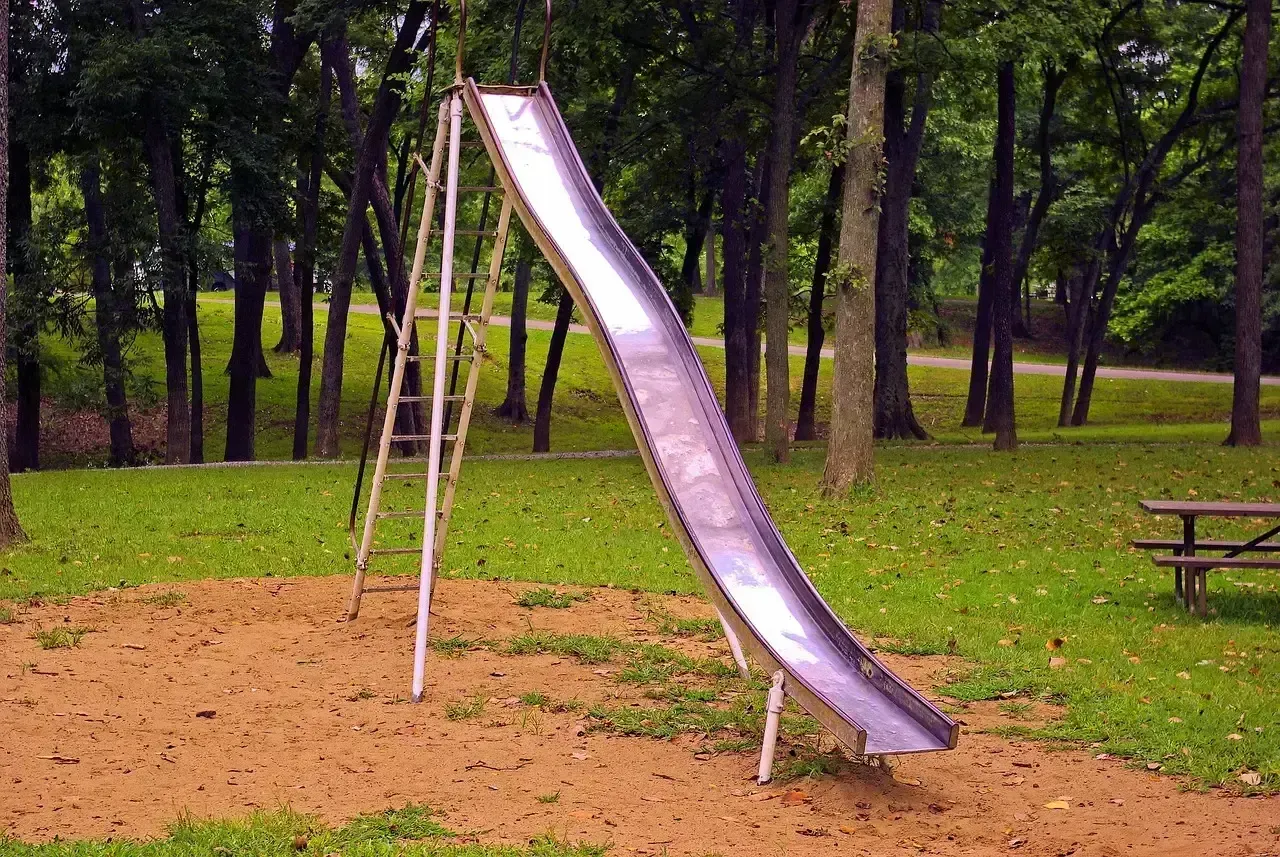
Remember metal slides scorching hot in the summer sun? Or towering jungle gyms over concrete? Playgrounds in the 1970s were designed with little consideration for the inevitable bumps and bruises. Kids climbed high, fell hard, and learned to be more careful next time.
Modern playgrounds are cushioned with rubber mulch, equipment is lower to the ground, and everything is meticulously designed to minimize injury. It’s safer, no doubt, yet some argue it also eliminates the kind of risk-taking that helps children develop confidence and judgment. Children who are kept from moving, exploring and playing have less chance to develop their ability to assess and manage risk independently.
Spending Hours Doing Absolutely Nothing

Boredom was a regular part of childhood in the 1970s. Kids would complain they had nothing to do, and parents would shrug and suggest they figure something out. This forced creativity, problem-solving, and self-reliance.
The systematic removal of unstructured time from children’s lives has changed childhood fundamentally. Back in the ’60s and ’70s, boredom was a regular part of childhood, and kids would invent games or activities to fill time. Today’s children have schedules packed with structured activities, leaving little room for the kind of idle exploration that builds resilience. It is normal and beneficial for children to be bored. Boredom enhances creativity and problem solving, whereas constant input dulls imagination.
Earning Money Through Unsupervised Jobs
Kids in the 1970s started earning money earlier through paper routes, babysitting, or yard work for neighbors. Earlier generations started to earn money in middle school; the last cohort had to wait until high school. These jobs were done independently, without parental supervision, teaching responsibility and financial literacy.
Today, child labor laws are stricter, and parents are far more cautious about allowing children to take on such responsibilities. The concern isn’t entirely unfounded, yet it does mean kids miss out on formative experiences that previous generations took for granted. Working for your own money at age ten built a sense of accomplishment and independence that’s harder to replicate when everything is scheduled and supervised.