What Grandma’s Old Recipes Can Still Teach Us, Study Finds
Your grandmother’s recipe box holds more than just sentimental value. Rooted in the traditions of the 1950s through the 1990s, these recipes offer more than a meal. They evoke memories of family gatherings, grandmothers’ favorite recipes and simpler, more grounded times. Modern nutrition science is now validating what our grandparents instinctively knew about cooking, eating, and healing with whole foods.
When we examine the wisdom embedded in traditional family recipes, fascinating patterns emerge that align with today’s most advanced nutritional research. While our digital world rushes toward convenience, these time-tested cooking methods reveal profound insights about health and wellness that researchers are only beginning to fully understand.
The Science Behind Slow Cooking Methods
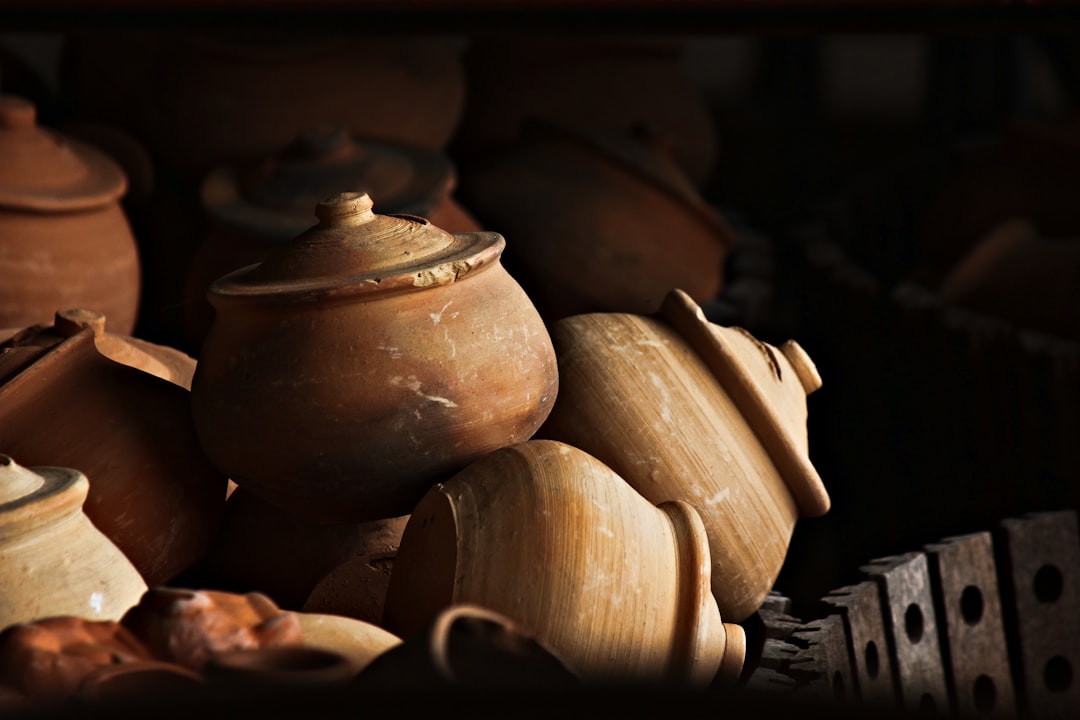
Our grandmothers and their ancestors used earthen pots in order to cook food. Although they were not much aware about the steel or aluminium utensils, pots made of clay (Earthenware) had strong advantages. They add calcium, phosphorus, magnesium and other minerals to the food. Modern research confirms that traditional cooking vessels and slow preparation methods enhance nutrient density in ways that faster alternatives cannot match.
Clay cookware may have alkaline properties that could influence food chemistry, and some research suggests potential health benefits from traditional cooking methods. These findings demonstrate how traditional cookware choices were more sophisticated than we previously understood.
Home Cooking Frequency Matters More Than We Thought
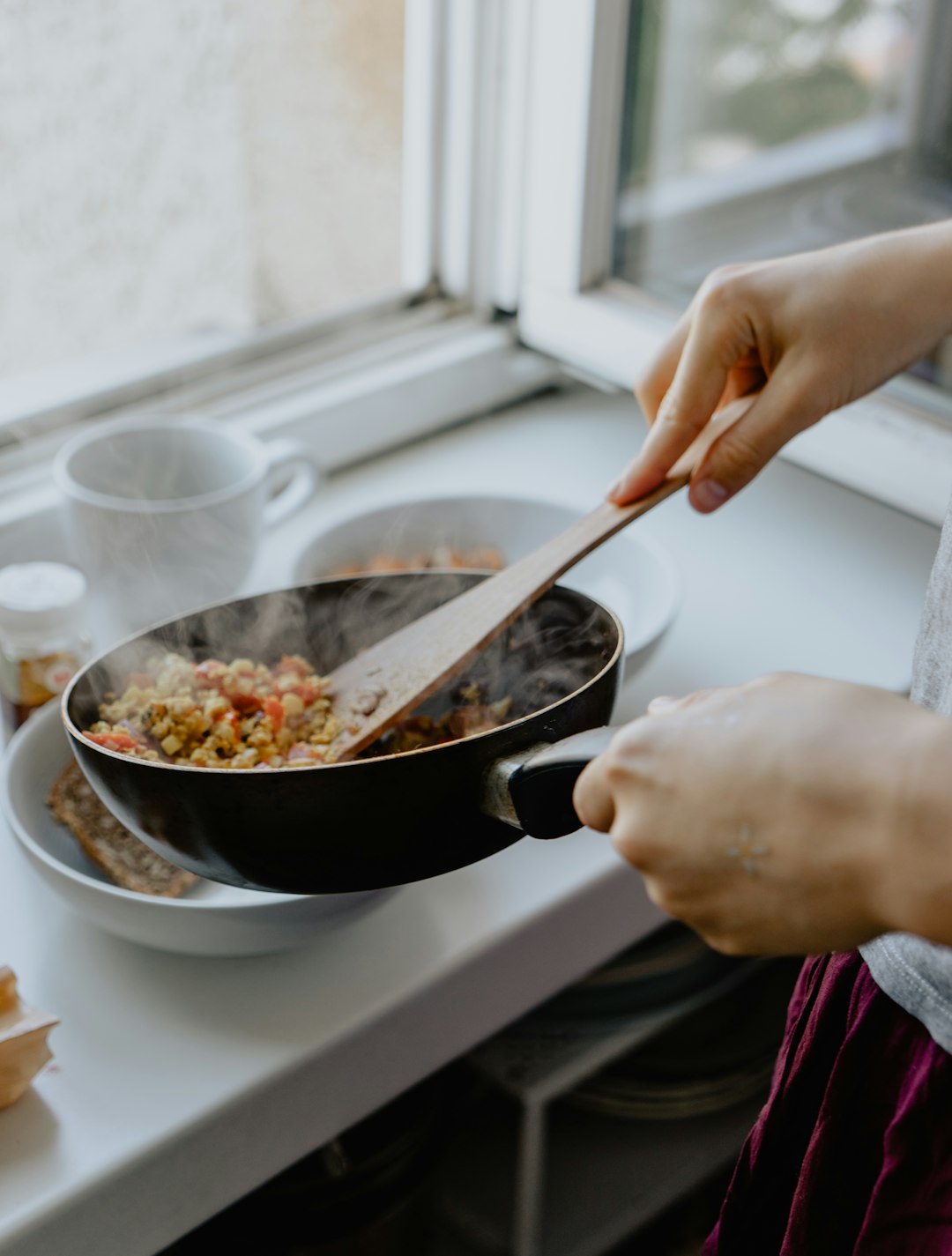
Home food preparation, “cooking,” can be an affordable method for improving diet quality and reducing intake of ultraprocessed foods, 2 important drivers of diet-related chronic diseases. Research suggests that frequent home cooking is associated with lower consumption of calories, fat, and sugar compared to infrequent cooking. Cooking dinner frequently at home is associated with consumption of a healthier diet whether or not one is trying to lose weight.
Regularity is particularly important, given that our findings indicated the greatest potential advantages from consuming home cooked meals were experienced at the highest frequencies of consumption. Infrequent home cooking, such as a weekly Sunday lunch, is unlikely to be of benefit to population health, and cooking habits should be adopted as part of the daily routine. This research shows grandma’s daily cooking routine wasn’t just tradition – it was health optimization.
Traditional Spices Work as Natural Medicine
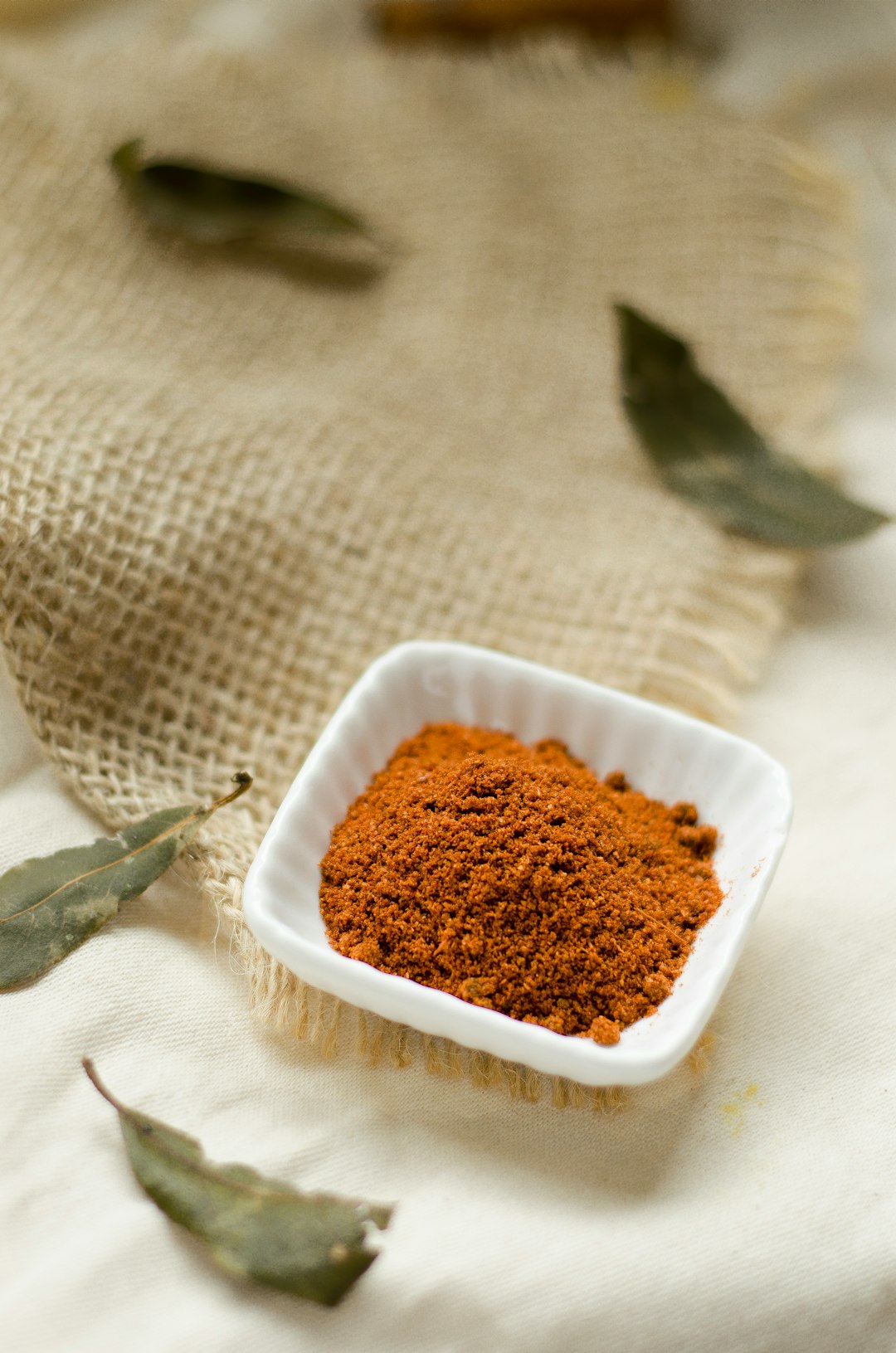
Effect of aromatic herbs and spices present in the Mediterranean diet on the glycemic profile in type 2 diabetes subjects: a systematic review and Meta-analysis. Effect of cinnamon spice on continuously monitored glycemic response in adults with prediabetes: a 4-week randomized controlled crossover trial. Am J Clin Nutr. 2024; 119:649–57. Contemporary studies validate the therapeutic properties of common spices that have been kitchen staples for generations.
Research reveals that traditional spice combinations weren’t arbitrary flavor choices but deliberate health interventions. Inhibition of advanced glycation end-product formation by high antioxidant-leveled spices commonly used in European cuisine. These findings suggest that grandma’s spice rack was essentially her home pharmacy, preventing chronic diseases through daily meals.
The Mental Health Benefits of Cooking from Scratch
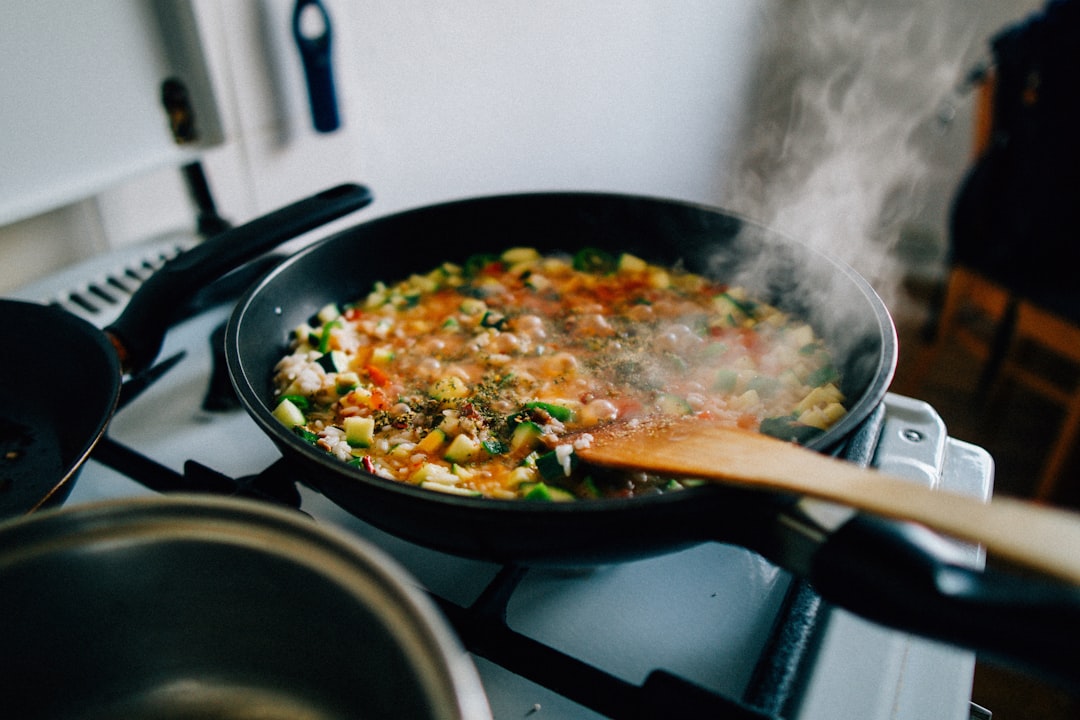
Researchers found those who participated in the program saw significant improvements in general health, mental health and subjective vitality immediately after the program which remained six months after completing the course, when compared to the study’s control group. Improvements in cooking confidence, the ability to easily change eating habits and overcome lifestyle barriers to healthy eating were also reported.
Lead researcher Dr Joanna Rees said the study showed the importance of diet for mental health. “Improving people’s diet quality can be a preventive strategy to halt or slow the rise in poor mental health, obesity and other metabolic health disorders,” she said. The therapeutic act of cooking itself appears to offer psychological benefits beyond the nutritional value of the food produced.
Intergenerational Knowledge Transfer Still Matters
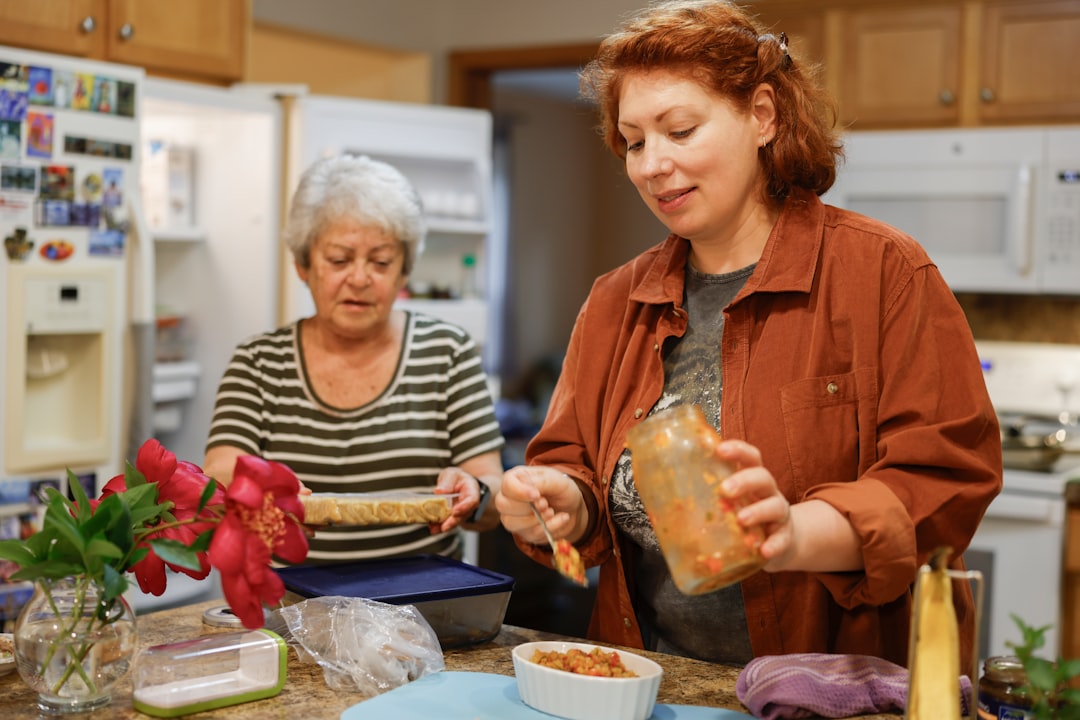
Studies have found proximity has an impact on dietary behaviours for children, specifically in intergenerational homes with the parents and children, for grandparents who raise their grandchildren, and grandparents as caregivers when parents are working. One qualitative study found that grandmothers and mothers greatly influence the food choice in the household, and that the grandparents and children even shared a relationship concerning dietary behaviours.
Especially in the non-western Majority World, where Elders are both highly respected and responsible for transmitting their knowledge to younger generations, there is extensive anecdotal evidence of Grandmothers’ role in health promotion and healing. However, due to Eurocentric and reductionist views of families and communities, in the extensive past research on maternal, child and adolescent health issues across Africa, Asia, Latin America and the Middle East, and in Indigenous societies in North America, Australia and New Zealand, scant attention has been given to the role of Grandmothers. This research gap is finally being addressed as scientists recognize the value of traditional knowledge.
Culturally-Tailored Foods Outperform Generic Diets
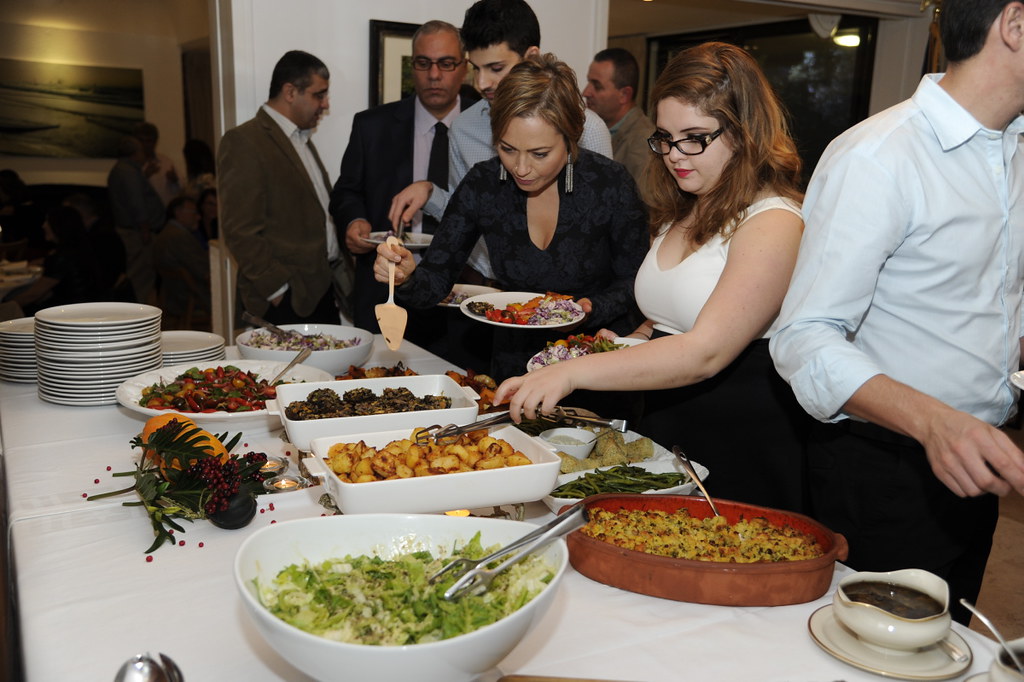
Oftentimes, individuals are advised to follow plant-based diets for health benefits and are provided information on the “#1 Best Diet Overall” – a Mediterranean diet. While this diet does have many benefits, there is a need for cultural-tailoring, as not all individuals are able to follow this type of diet for various reasons.
In addition, every culture has healthy foods with many of them connecting individuals across generations. Many different strategies were used to culturally tailor the interventions; common examples included translating materials into the native language of participants and including community members in designing and implementing the studies. Research demonstrates that traditional family recipes often provide better health outcomes than standardized dietary recommendations.
The Nostalgic Recipe Revival Is Actually Evidence-Based
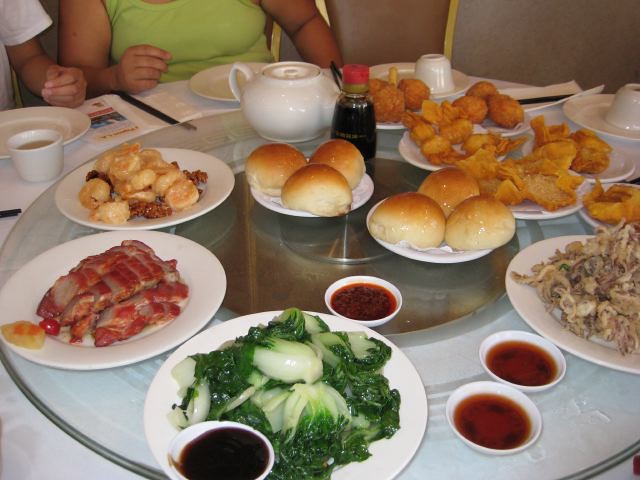
“Grandma’s recipes are all about comfort and nostalgia,” says Heidi Bruaw, founder of the vintage recipe site Real Life of Lulu. “My most popular recipes in 2024 were for simple favorites, like a chocolate milkshake and a classic fudge.” However, this trend extends far beyond mere sentimentality.
For instance, a classic tuna noodle casserole plays another role: besides being a convenient weeknight dinner, it symbolizes resilience and familial connection. And sourdough bread, which has recently seen a resurgence, continues to captivate bakers with its hands-on preparation and deep roots in history. These comfort foods serve multiple functions – nutritional, emotional, and social – that modern processed alternatives cannot replicate.
Traditional Preservation Methods Beat Modern Processing
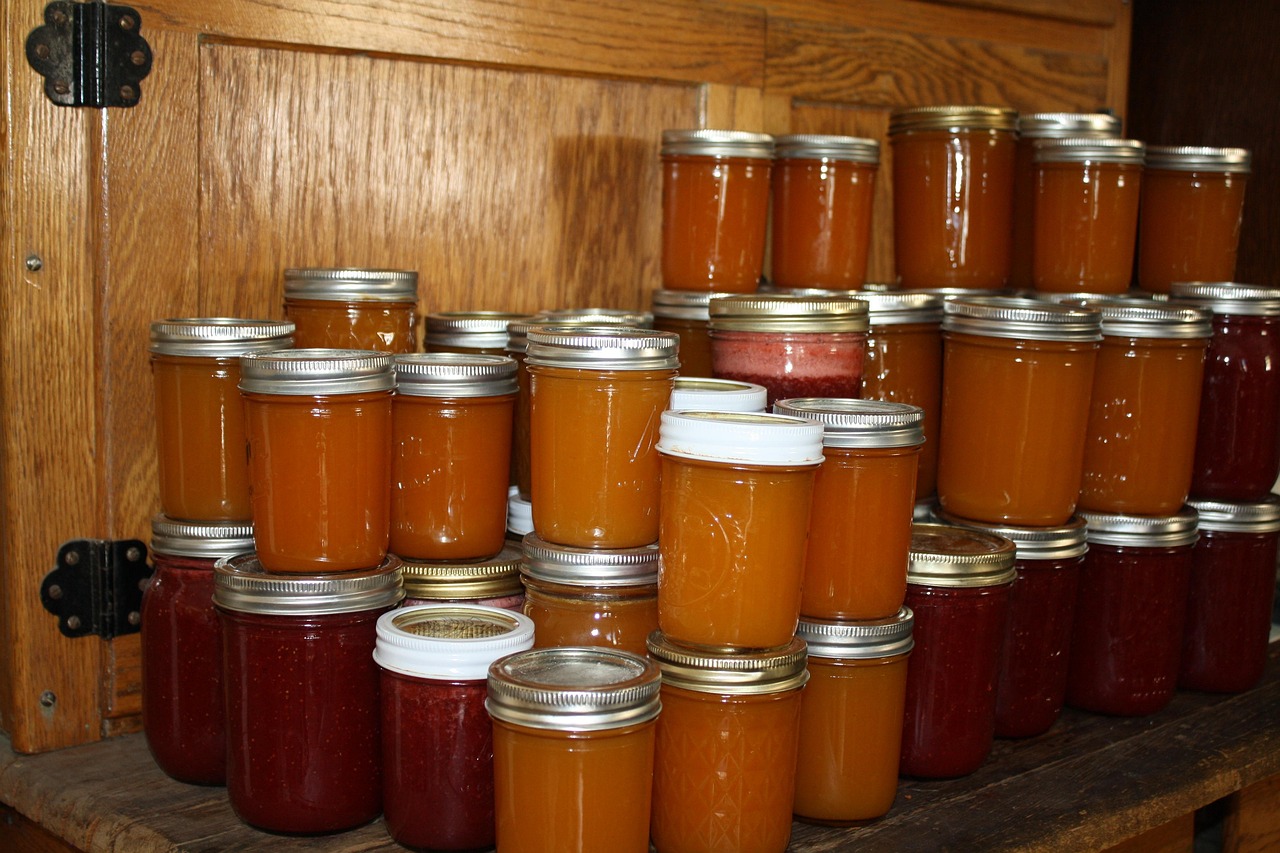
As lifestyles modernize, there’s a global shift away from traditional foods – those that have been the cornerstone of cultures and provided balanced nutrition for generations. Traditional diets in various parts of the world have been carefully honed to use locally available ingredients, providing essential nutrients adapted to the needs of the population.
Ancient preservation techniques like fermentation, dehydration, and salt-curing created nutrient-dense foods that often surpass their fresh counterparts in specific vitamins and beneficial compounds. These time-tested methods naturally enhanced bioavailability and extended shelf life without the chemical additives common in modern food production.
Diet Quality Improves Dramatically with Traditional Patterns
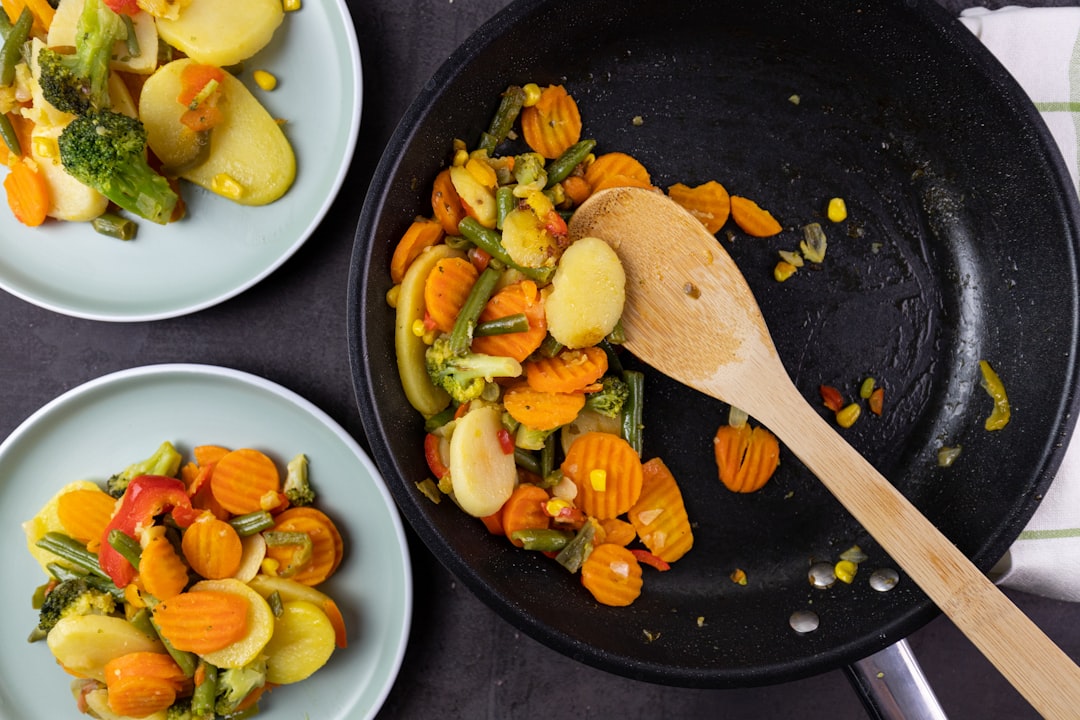
In a large population-based cohort study, eating home cooked meals more frequently was associated with better dietary quality and lower adiposity. In a large population-based cohort study, eating home cooked meals more frequently was associated with better dietary quality and lower adiposity.
Eating home cooked meals more frequently was associated with greater adherence to DASH and Mediterranean diets, greater fruit and vegetable intakes and higher plasma vitamin C, in adjusted models. Those eating home cooked meals more frequently showed increased fruit and vegetable consumption compared to less frequent home cooks. These improvements occur naturally when following traditional cooking patterns rather than relying on dietary supplements or processed health foods.
Time-Tested Remedies Find Scientific Support
Traditional home remedies that seemed like folklore are now receiving scientific validation. Star anise (Illicium verum): chemical compounds, antiviral properties, and clinical relevance. doi: 10.1002/ptr.6614 Research is documenting the therapeutic properties of common household ingredients that grandmothers have used medicinally for centuries.
Simple kitchen ingredients like garlic, ginger, and honey demonstrate measurable health benefits that pharmaceutical companies are now trying to replicate in synthetic forms. Garlic and cardiovascular disease. doi: 10.1046/j.1523-5408.2000.00043.x The traditional practice of using food as medicine represents a sophisticated understanding of nutrition that modern medicine is only beginning to appreciate fully.
The wisdom embedded in our grandmothers’ recipes represents more than culinary tradition – it’s a comprehensive health system that modern science is finally catching up to understand. Our results support previous research indicating putative benefits from home cooked meals, suggesting that public health promotional messages should advocate for cooking at home as a positive approach for improving diet and health. These time-tested approaches to food preparation, ingredient selection, and meal planning offer proven strategies for better health that no processed food or supplement can replace.
What would your grandmother think about these scientific validations of her kitchen wisdom?