8 Most Expensive Countries for Groceries – and 2 of the Cheapest, Data Shows
The global grocery landscape reveals stark contrasts in food pricing that can make or break household budgets worldwide. While some families spend hundreds weekly on basic necessities, others manage to feed entire households for what many would consider the cost of a single restaurant meal. Recent data shows these price differences aren’t just minor variations, they represent completely different economic realities that impact millions of people daily. Whether you’re planning an international move or simply curious about how your grocery bill compares globally, these numbers might surprise you.
US Virgin Islands – The Caribbean Price Shock
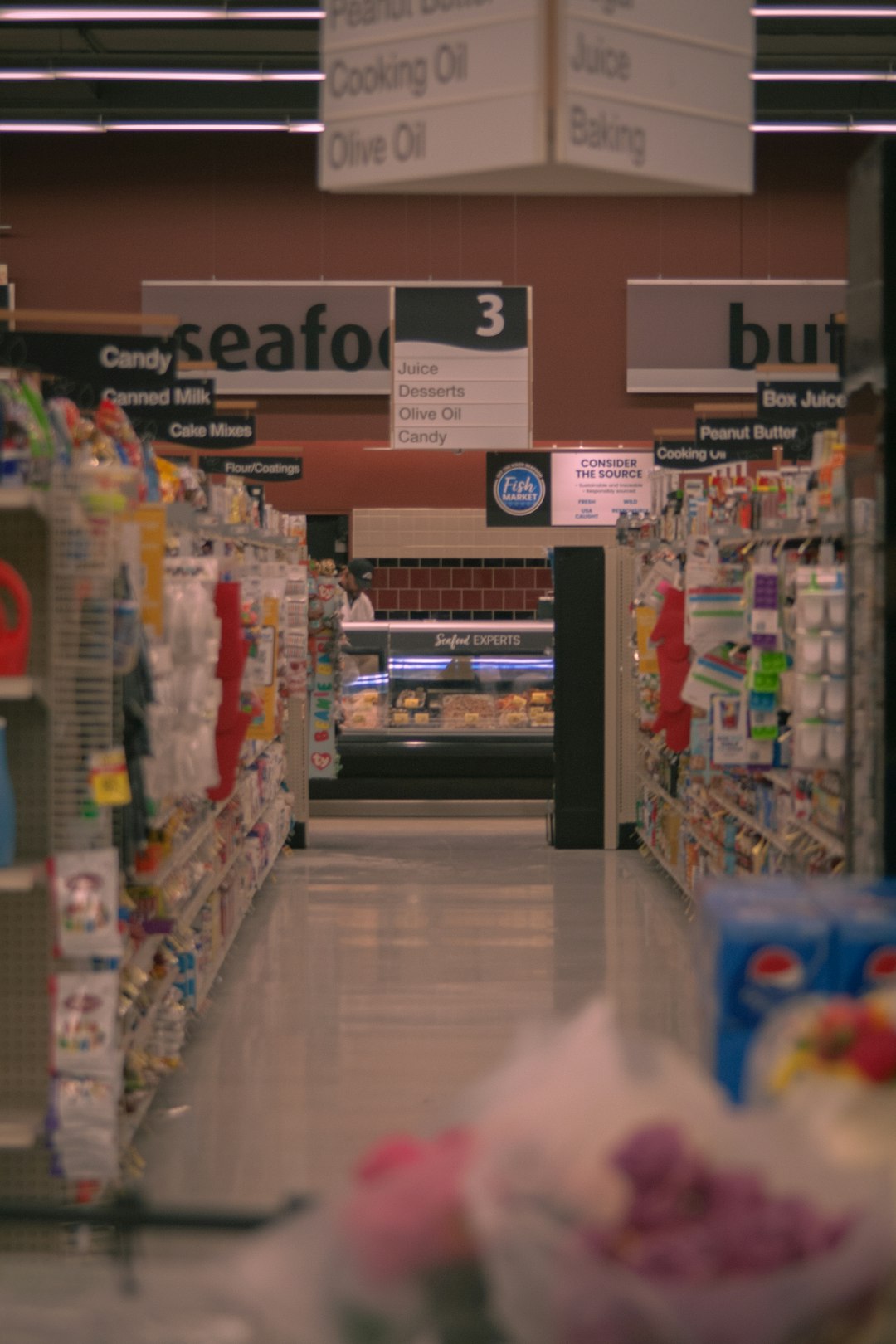
According to recent data, among the most expensive territories for food shopping worldwide is the US Virgin Islands, with grocery costs significantly above global averages. This Caribbean paradise extracts a heavy price from residents and visitors alike when it comes to basic necessities. The combination of high real estate prices and strong wages are among the key drivers behind expensive grocery costs. Living in this tropical haven means paying more than double what you’d spend in many developed nations for the same basket of goods.
Switzerland – Alpine Prices That Peak High
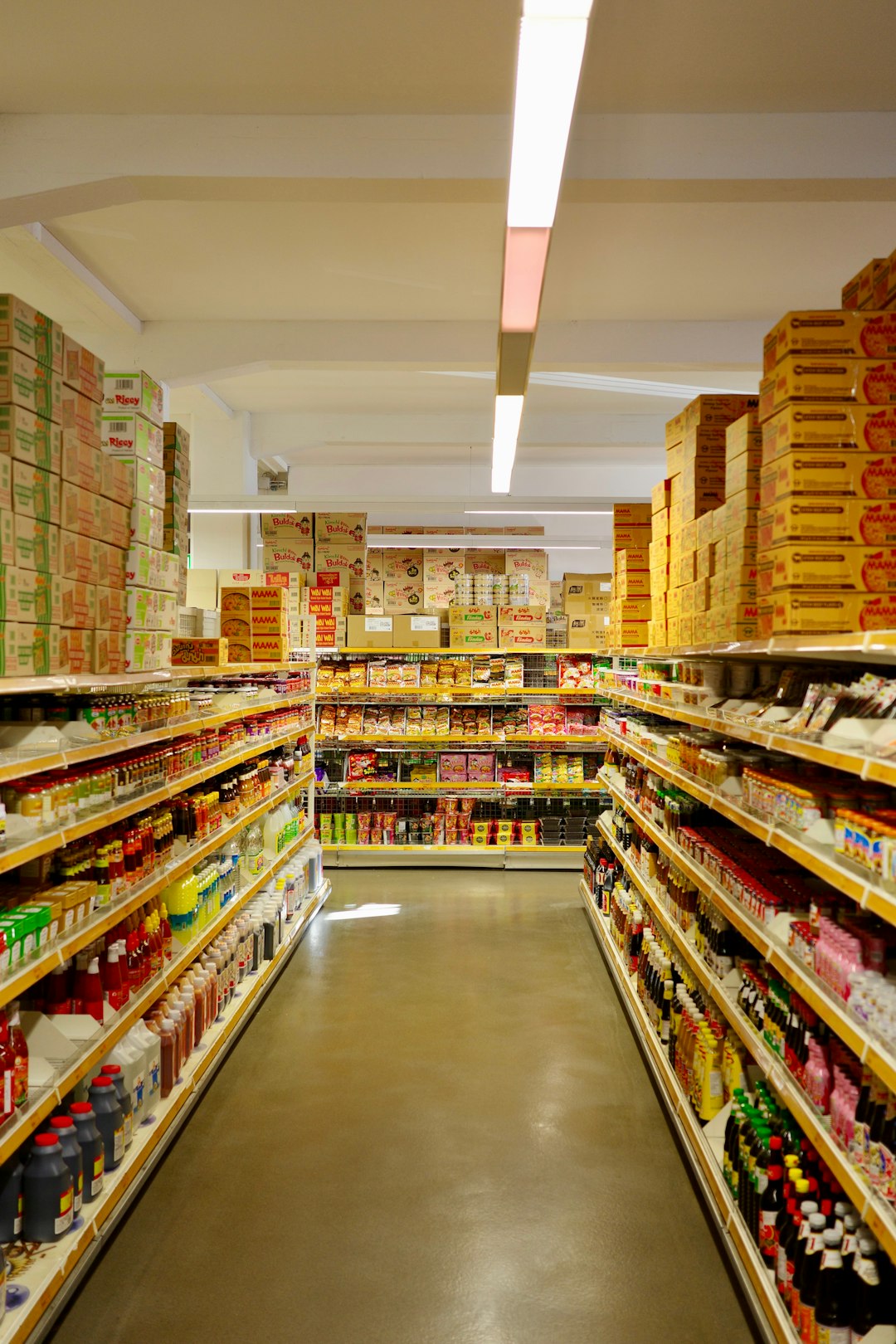
Switzerland tops the global grocery rankings with a grocery index of 103.1, cementing its reputation as one of the world’s priciest destinations. Switzerland is home to two of the top three most expensive cities for grocery prices, with Geneva seeing prices 5% higher than in New York City. The country’s strong currency, high wages, and strict import regulations create a perfect storm for elevated food costs. Swiss residents have grown accustomed to these eye-watering prices, though many still cross borders to neighboring countries for major shopping trips.
Iceland – Nordic Necessity Premium
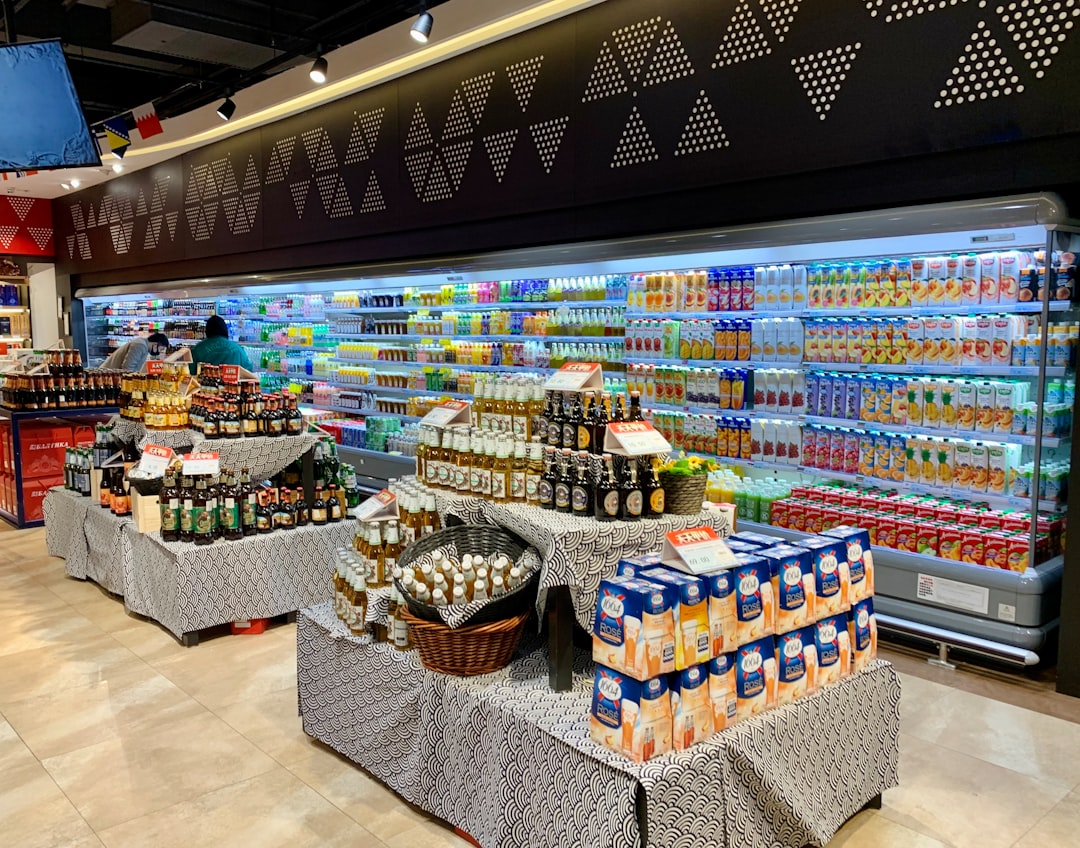
Iceland rounds out the top three with a grocery index of 90.3, reflecting the challenges of importing food to this remote Nordic island. The country’s isolated location means most fresh produce and processed foods must travel thousands of miles before reaching store shelves. Transportation costs, import duties, and limited local production combine to drive prices skyward. Despite these challenges, Iceland maintains high living standards, though residents often joke about the cost of basic items like vegetables during winter months.
The Bahamas – Island Paradise With Mainland Prices Plus
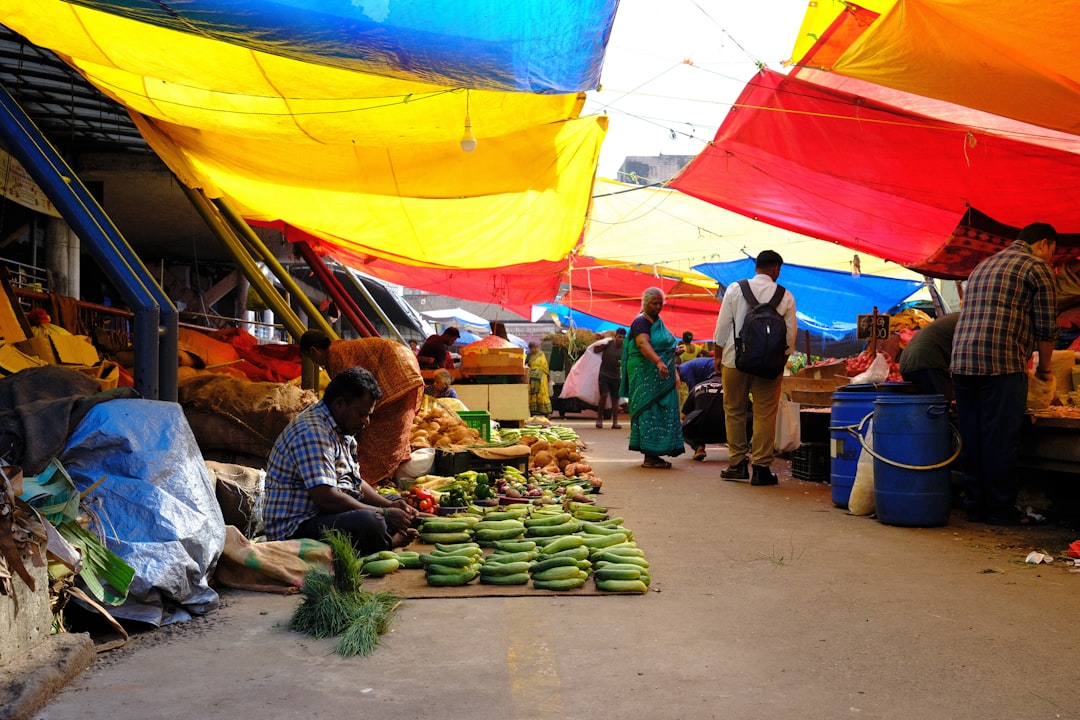
The Bahamas registers a grocery index of 79.1, making everyday shopping a significant expense for both residents and the millions of tourists who visit annually. The island nation imports roughly ninety percent of its food, creating dependency on international supply chains that drives costs higher. Hurricane seasons add another layer of complexity, as storms can disrupt imports and create temporary shortages that spike prices even further. Bahamian families often budget carefully for grocery shopping, treating it as a major household expense rather than a routine activity.
Hong Kong – Dense Population, Dense Prices
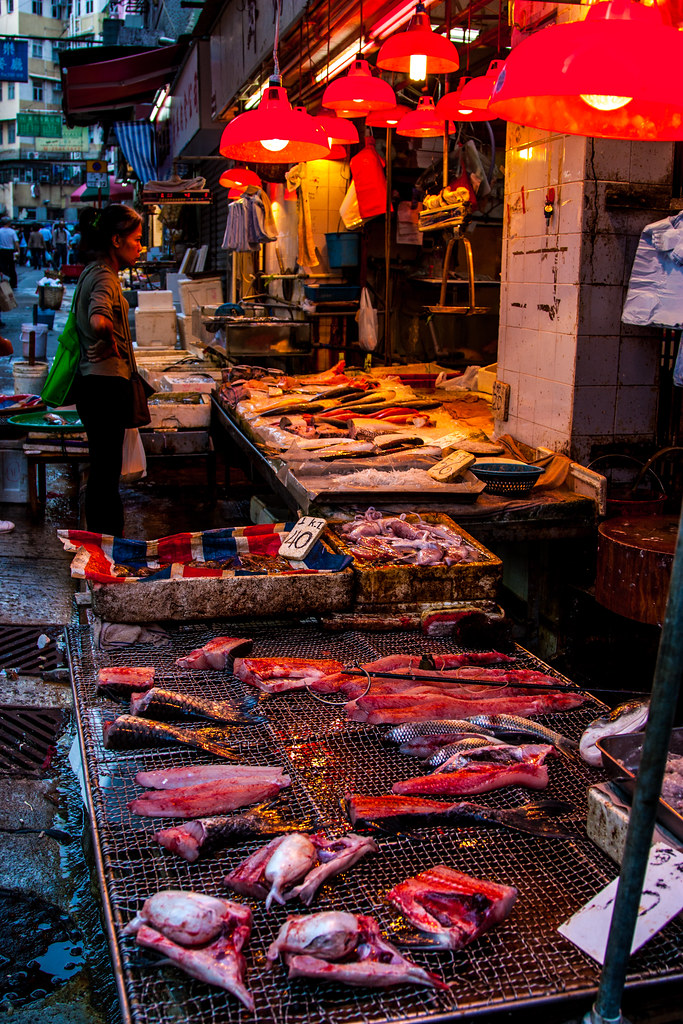
Hong Kong’s grocery index hits 75.9, reflecting the realities of feeding eight million people in one of the world’s most densely populated territories. Property prices have fallen over the past few years, but rents have generally risen along with groceries, dining out, and other expenses. Limited space for large supermarkets means smaller stores with higher overhead costs dominate the market. The territory’s reliance on mainland China for fresh produce, combined with its status as a major financial center with high operational costs, keeps food prices elevated across all categories.
Barbados – Caribbean Costs That Don’t Match the Breeze
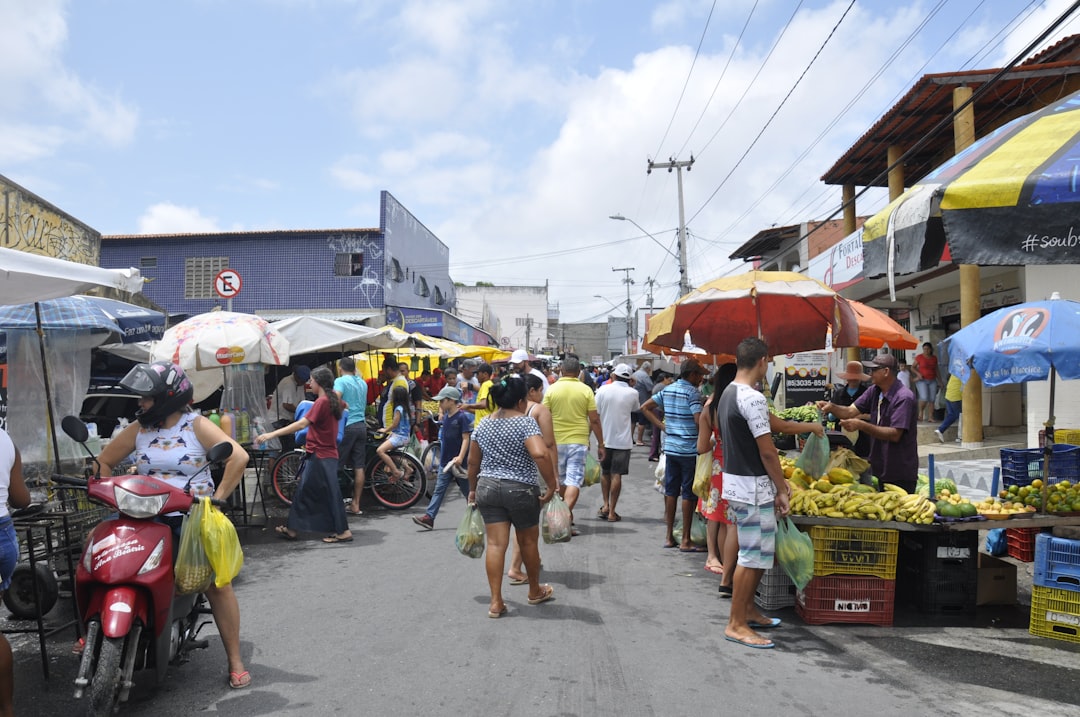
Barbados shows a grocery index of 78.1, placing significant strain on household budgets across this Caribbean nation. The island imports nearly everything from overseas, creating vulnerability to global supply chain disruptions and currency fluctuations. Local production covers only a fraction of food needs, leaving residents at the mercy of international markets. Tourism demand also inflates prices, as hotels and restaurants compete with local families for the same imported goods, driving up costs for everyone.
Norway – Scandinavian Standards Come at Scandinavian Costs
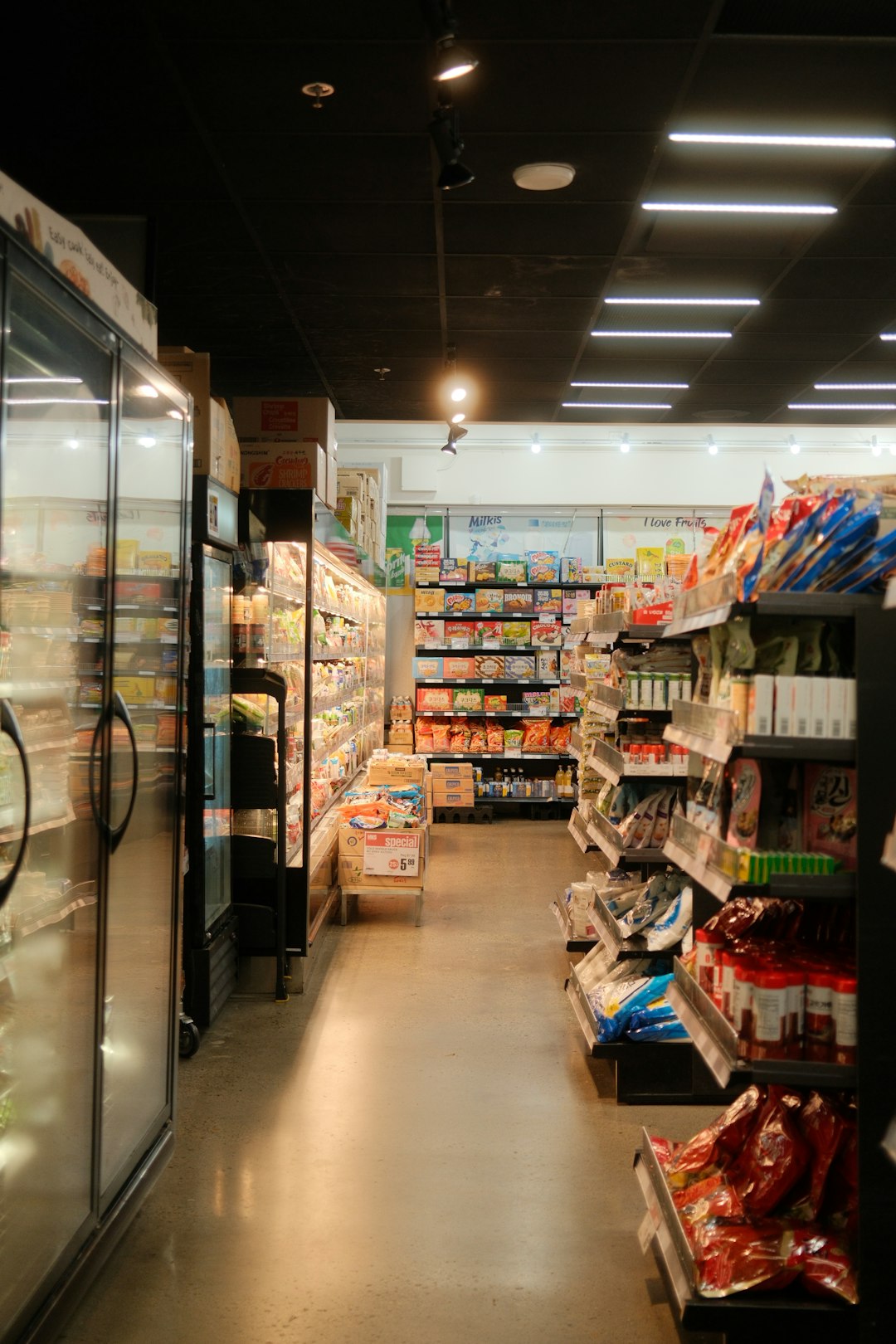
Norway’s grocery index stands at 71.9, reflecting the country’s high standard of living and comprehensive welfare state. The Norwegian government maintains strict agricultural protections and high import tariffs to support domestic farmers, directly translating to higher consumer prices. Additionally, the country’s wealth from oil exports has created an economy where high prices are somewhat offset by correspondingly high wages. Norwegian shoppers often cross into Sweden or Denmark for bulk purchases, taking advantage of lower prices just across the border.
Singapore – City-State, City Prices
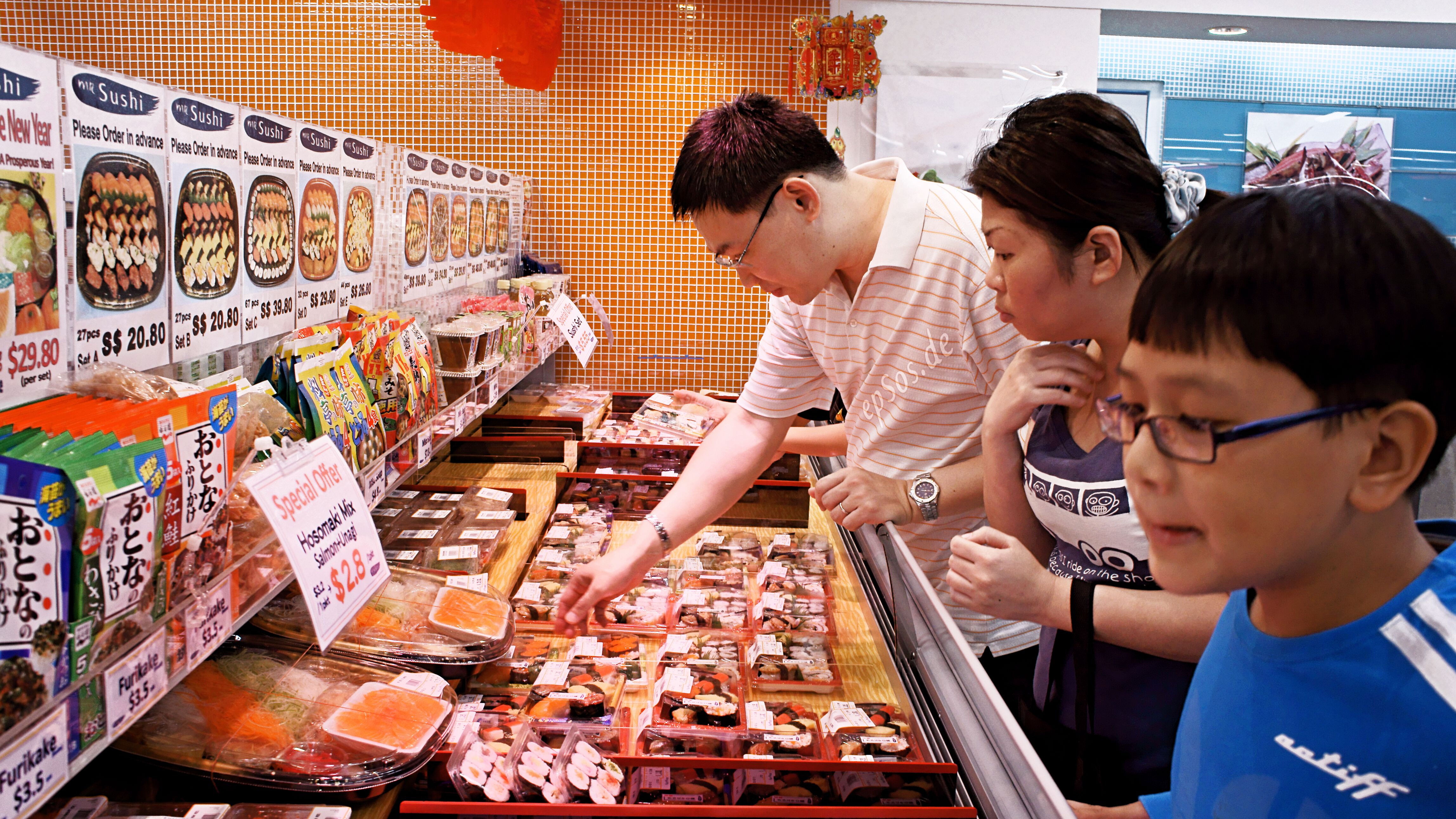
Singapore’s grocery index reaches 70.8, making food shopping a considerable expense in this prosperous city-state. Food inflation in Singapore hit a post-pandemic peak of 8.1% in February 2023, but it’s been steadily falling and now stands at 1%. A trip to the supermarket today is considerably more expensive than before the pandemic. The country imports over ninety percent of its food, relying heavily on neighboring Malaysia and other regional partners. Land scarcity and high operational costs mean grocery stores operate on thin margins while passing expenses to consumers.
Algeria – Where Government Subsidies Keep Shelves Affordable
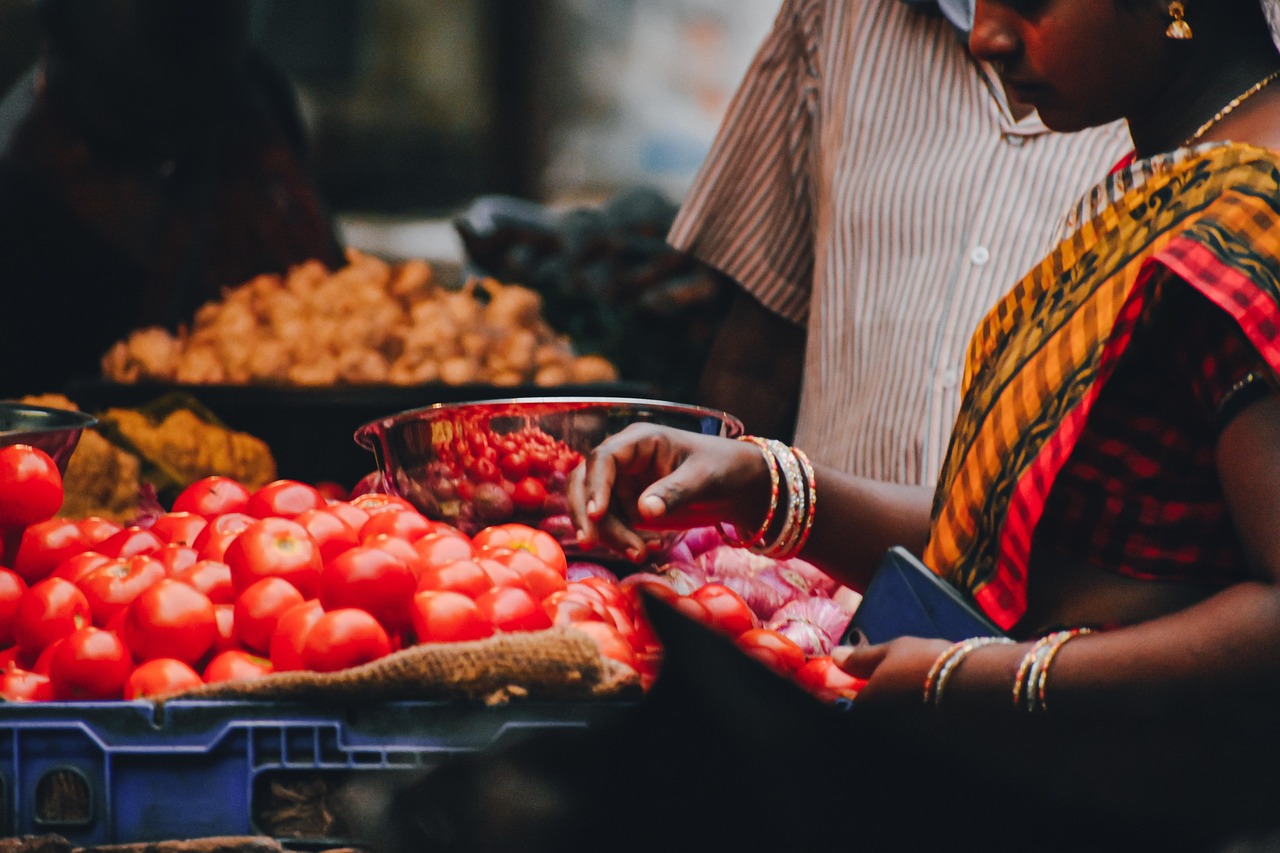
Algeria emerges as one of the most cost-effective countries for shopping, primarily attributed to a longstanding government policy initiated since its independence in 1962. The subsidization of food using revenues from oil and gas has been a key strategy employed by the Algerian government. This sustained policy has played a crucial role in keeping food prices considerably lower, contributing to Algeria’s status as one of the cheapest countries to shop. Oil wealth directly translates into affordable groceries for Algerian families, creating a stark contrast with global trends.
Egypt – Nile Valley Bargains That Stretch Every Dollar
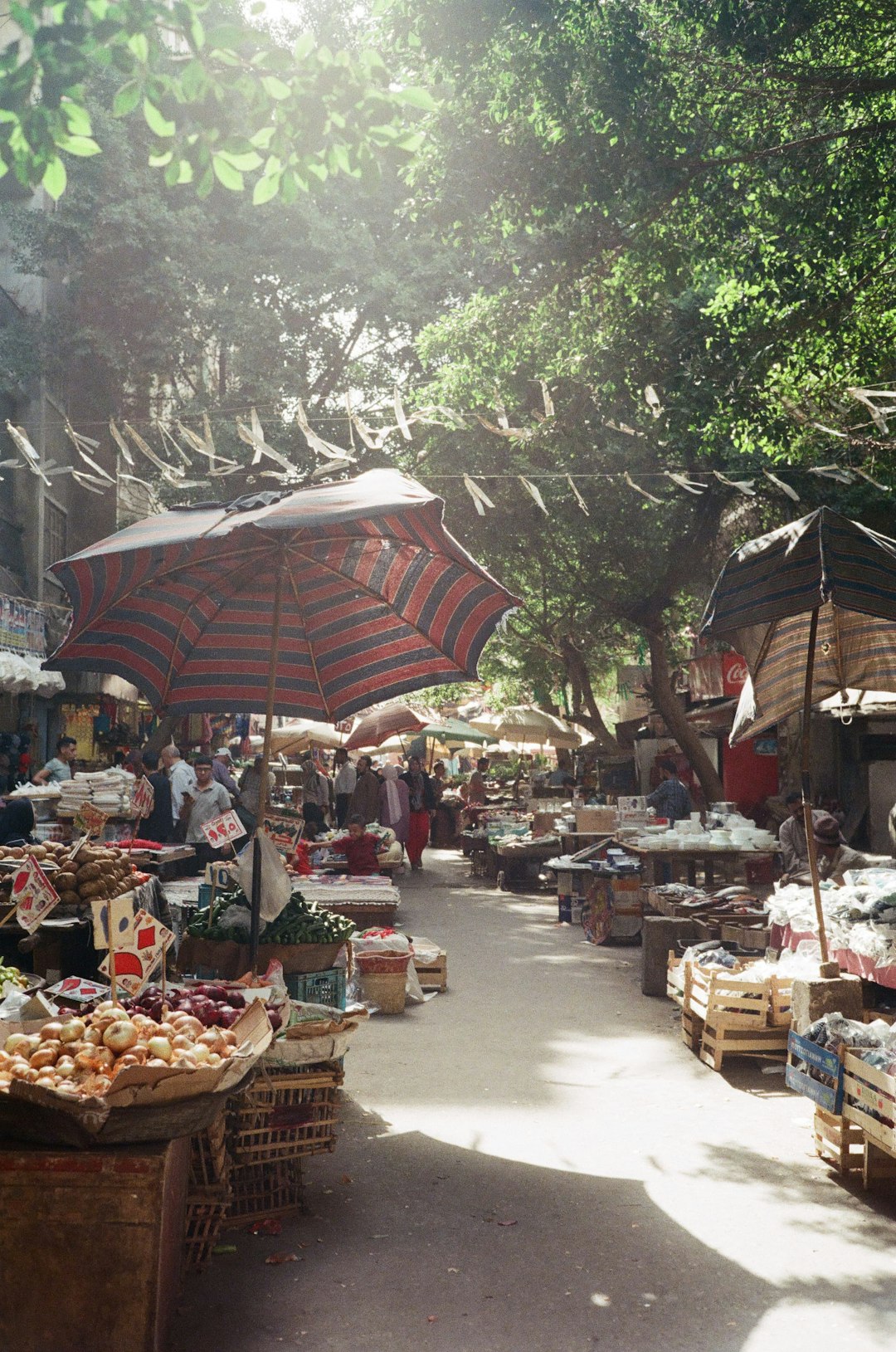
Egypt consistently ranks among countries with the lowest food prices globally, with the price for Egypt being amongst the lowest compared to other nations. Cairo has the lowest score at just 20 points. This means the grocery basket in New York costs five times that of Cairo. The country’s agricultural base along the Nile River, combined with government subsidies on basic staples like bread and cooking oil, helps keep food costs remarkably low. Egyptian families can fill their shopping carts with fresh produce, grains, and proteins for what many Western families might spend on a single meal out.
The dramatic differences in global grocery prices reflect complex economic, geographic, and policy factors that shape daily life for billions of people. From the US Virgin Islands where a simple shopping trip can cost more than many people’s weekly salaries, to Egypt where families feast on fresh foods for pennies on the dollar, these variations highlight the vast inequalities in our interconnected world. What strikes you most about these price differences?