The World’s Most Sustainable Food Systems – Ranked by Global Report
Global hunger affects over 670 million people despite producing enough food for everyone on Earth. Although the world produces enough food to nourish 8.2 billion people, 673 million individuals dealt with hunger at some point during 2024. Meanwhile, sustainable food systems represent not just an environmental imperative but an economic opportunity, with the global sustainable food market projected to reach USD 4.0 billion by 2034 from USD 2.0 billion in 2024. Recent comprehensive assessments from multiple international organizations reveal which nations lead the charge in building food systems that can feed their populations without destroying the planet.
Sweden Claims the Crown of Food System Excellence
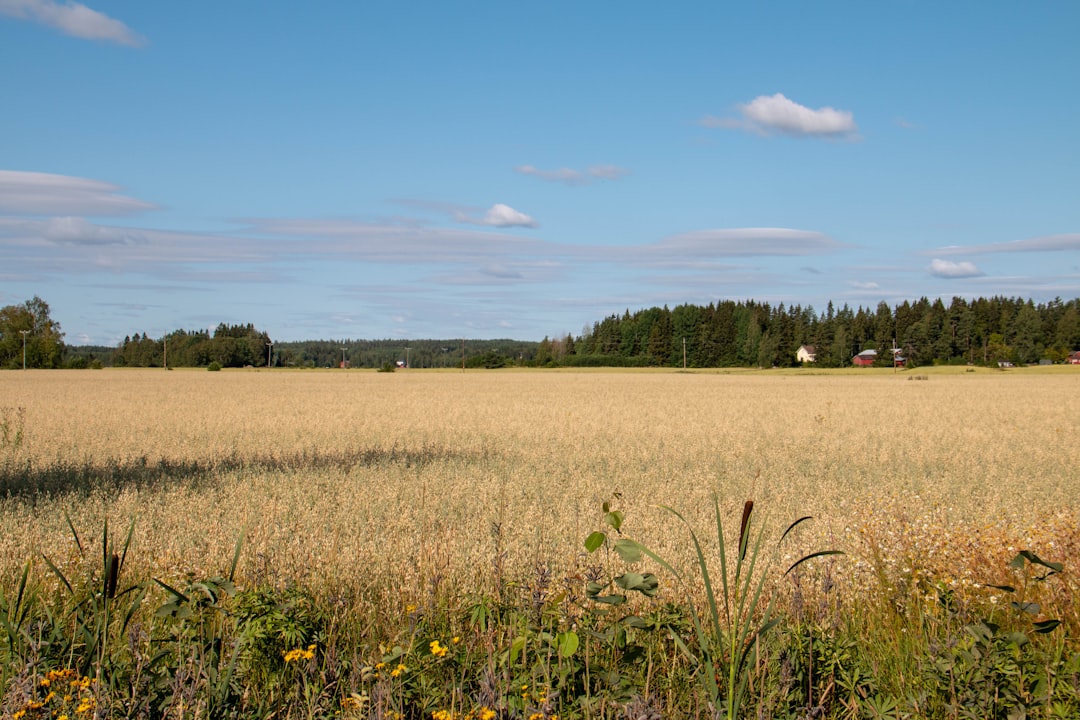
In the 2021 FSI rankings, Sweden ranked second with a score of 67.1/100, following Finland which topped the charts at 67.4/100. The Nordic nation’s success stems from comprehensive waste management strategies and innovative agricultural practices. The country excelled in managing food loss and waste (76/100), with above-average scores in distribution-level loss, food waste, and policy responses to food waste. Its policies include measures like requiring supermarkets to donate unsold food to charities and committing to reduce food waste by 50% by 2025. Sweden’s agricultural sector demonstrates remarkable efficiency through circular production methods that transform waste into resources.
The Netherlands Leads Through Innovation and Efficiency
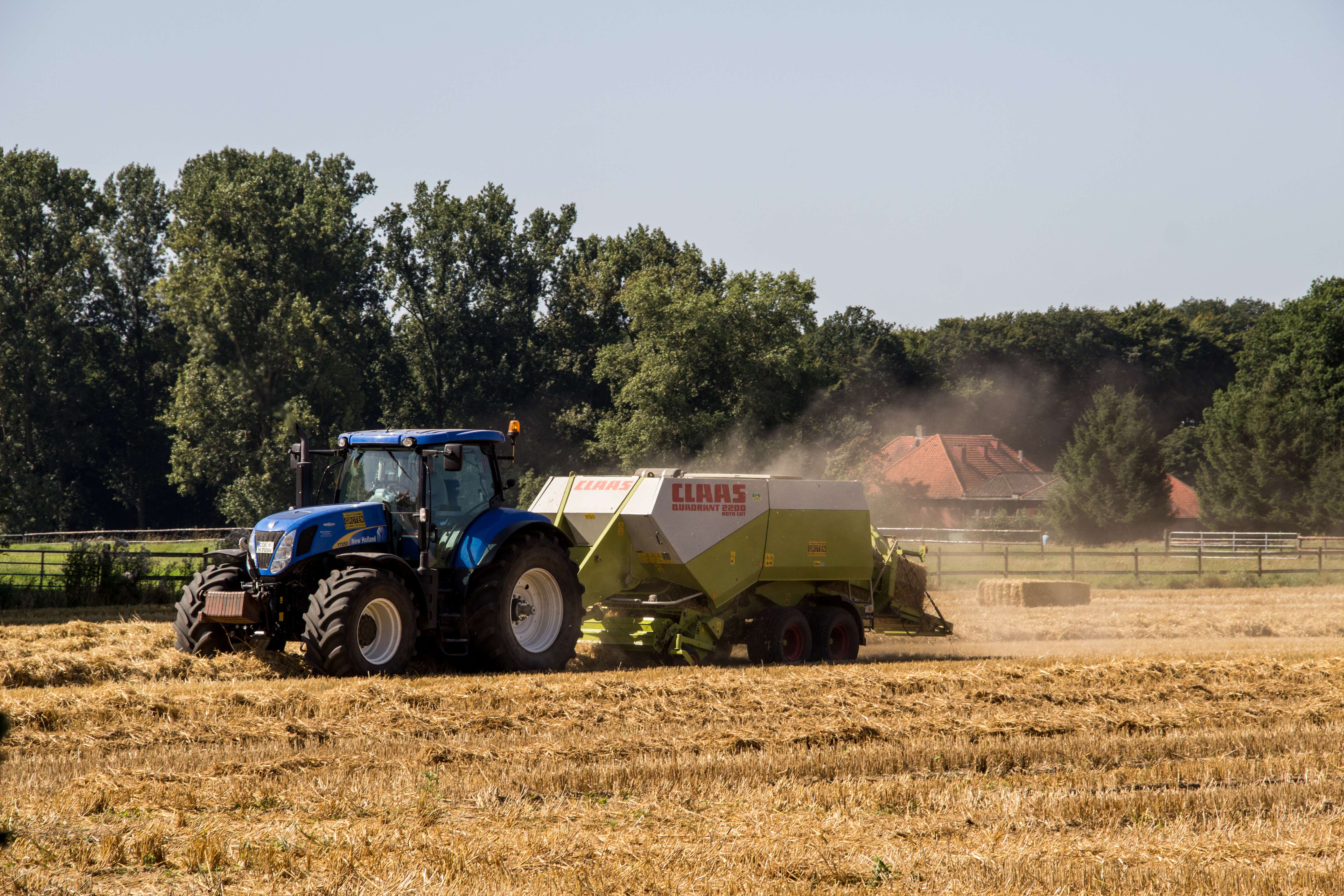
The U.S., Denmark, France and the Netherlands rank as the most food-secure countries in the world. The Netherlands particularly excels in technological advancement and precision agriculture techniques. The Netherlands boasts a GFSI score of 80.1, with policies aimed at fostering agricultural growth to mitigate rural poverty. The country’s small geographic footprint forces innovative approaches to maximize agricultural output while minimizing environmental impact. Dutch greenhouse technologies and vertical farming systems serve as models for other nations seeking sustainable intensification.
Finland Balances Environmental Protection with Food Security
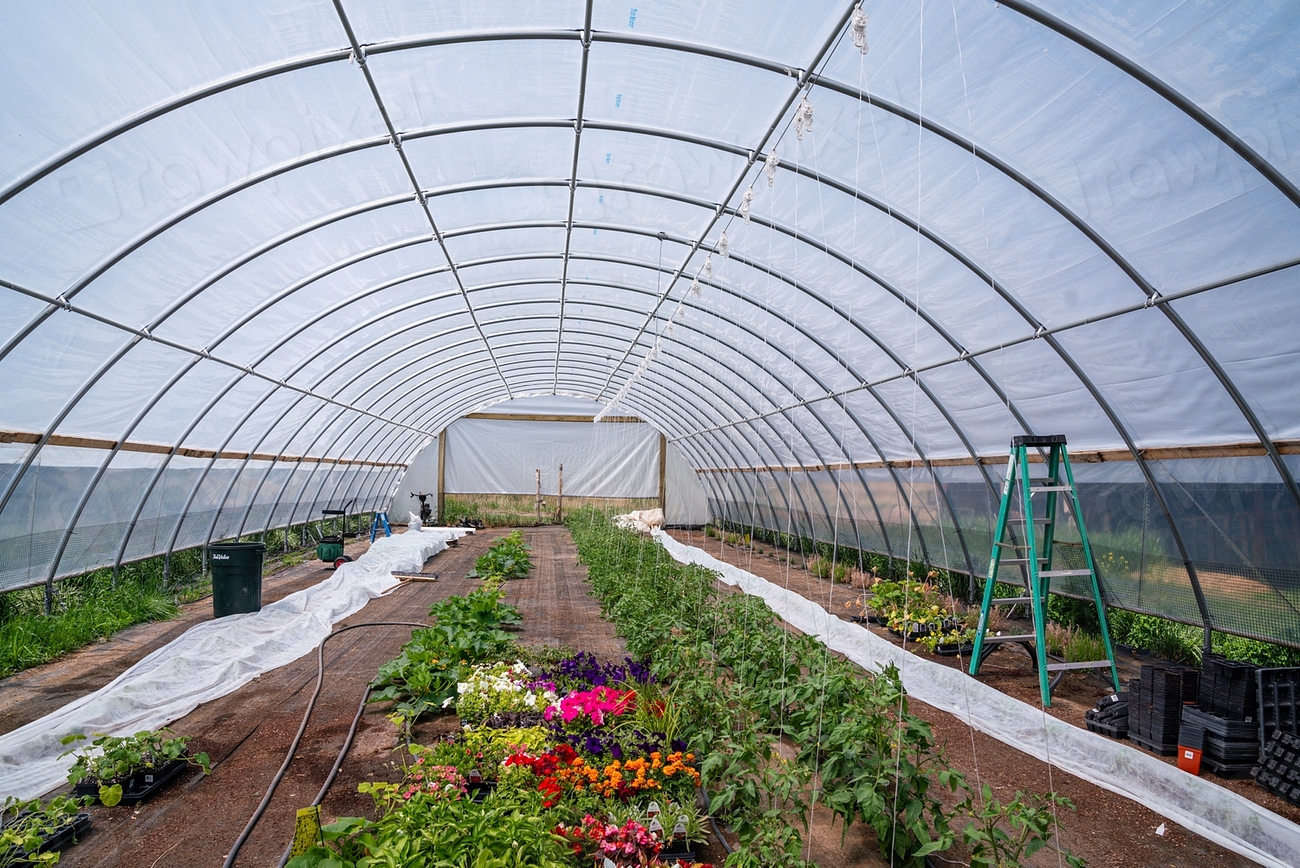
Finland ranks number 1 on the SDG Index, followed by Sweden (#2), Denmark (#3), Germany (#4), and France (#5). Finland’s approach emphasizes sustainable agriculture practices that work harmoniously with its vast forest ecosystems. The FSI shows that countries performing best in the sustainable agriculture pillar include Finland, Estonia, Austria, Tanzania and Sweden. The nation’s cold climate demands energy-efficient growing methods and seasonal crop rotation systems. Finland demonstrates that Northern countries can achieve food sustainability through careful resource management and climate-adapted farming techniques.
Denmark Pioneers Climate-Smart Agricultural Policies
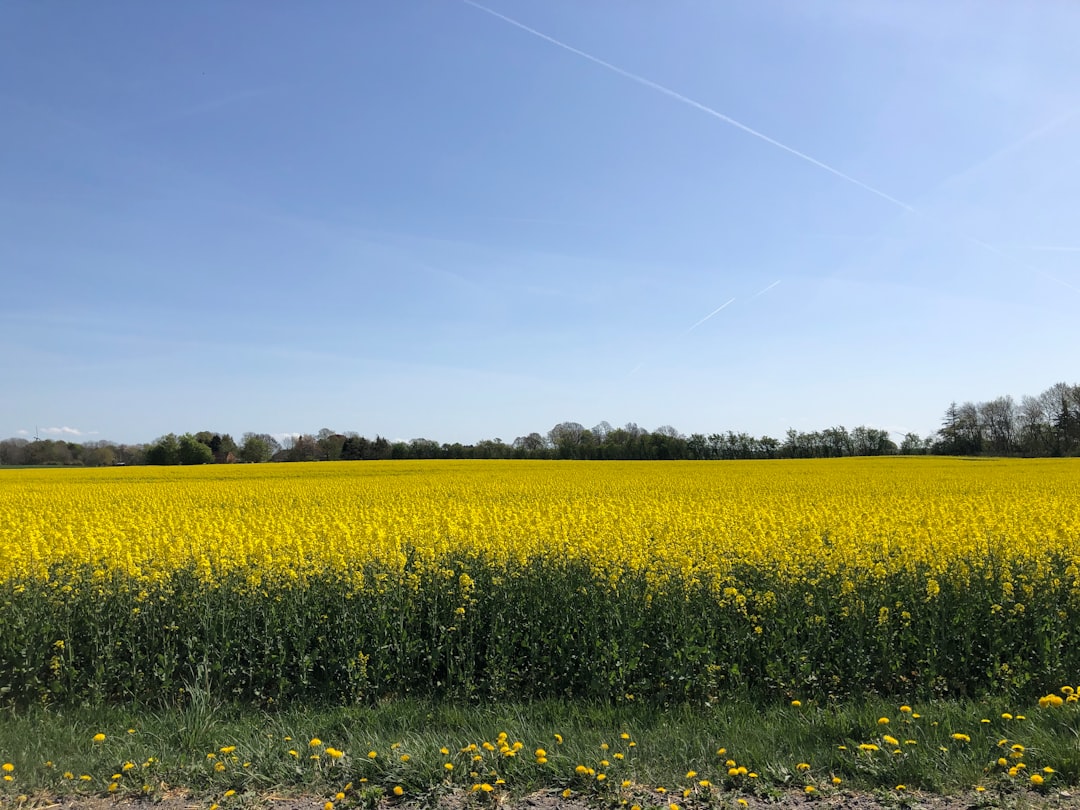
Japan, Sweden, Denmark, France and China are the top five performing countries for nutritional challenges, according to the index. Denmark consistently appears in top rankings across multiple sustainability metrics, particularly excelling in nutritional quality and agricultural adaptation. The country’s agricultural sector successfully balances livestock production with environmental stewardship through strict emissions regulations. Danish farmers lead in implementing precision agriculture technologies that reduce chemical inputs while maintaining high yields. Their integrated approach to food system planning connects producers directly with consumers through shortened supply chains.
France Combines Tradition with Sustainable Innovation
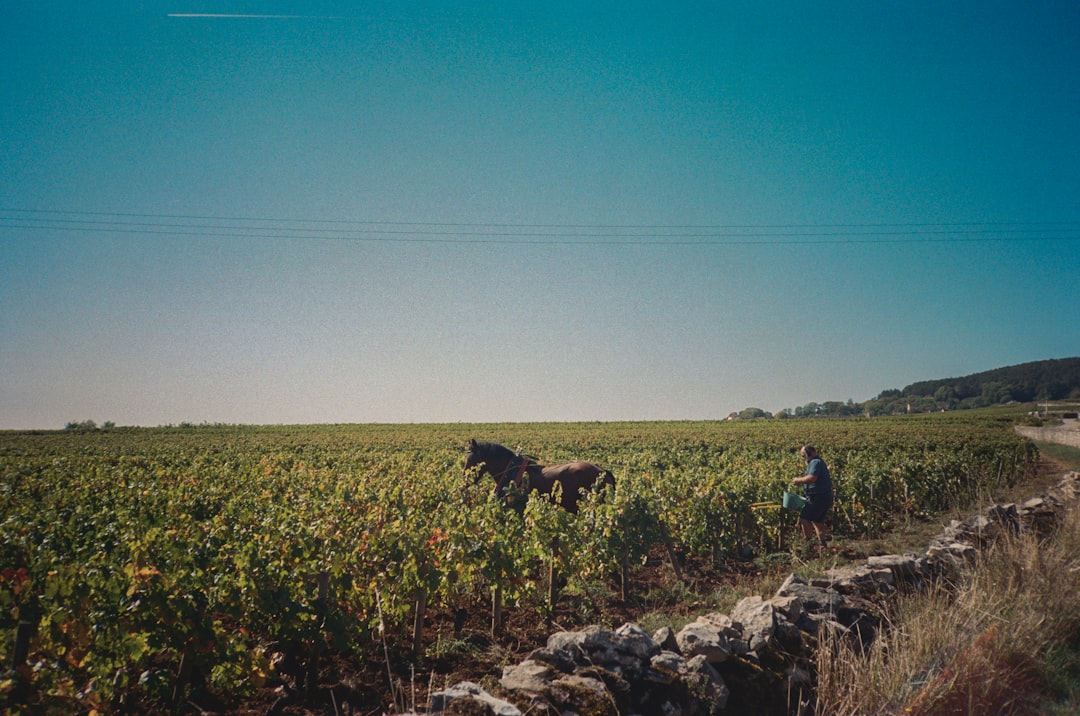
According to various sustainability indices, France consistently ranks among the top performers alongside countries like Finland, Sweden, the Netherlands, and Denmark. France’s food system excellence builds on centuries of agricultural tradition enhanced by modern sustainability practices. The nation’s diverse climate zones allow for varied crop production that reduces dependency on imports. French agricultural policies emphasize quality over quantity, supporting smaller farms that maintain biodiversity. The country’s strong regulatory framework ensures food safety while promoting environmentally friendly farming methods that preserve soil health and water resources.
Canada Masters Large-Scale Sustainable Agriculture
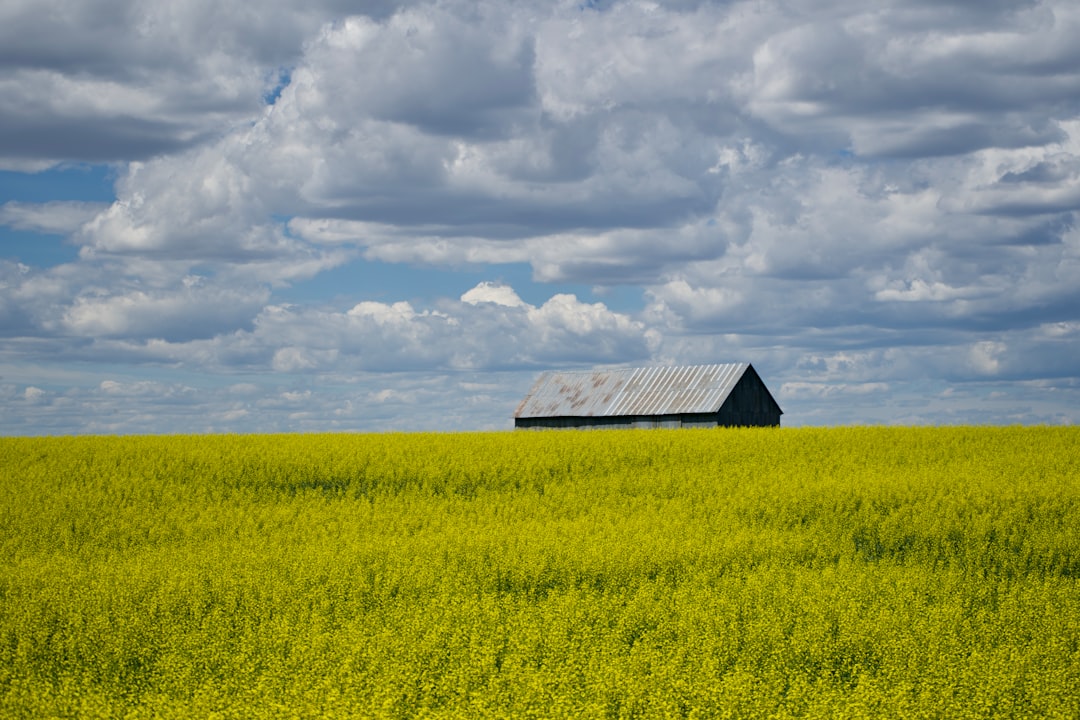
According to the FSI, within the food loss and waste pillar, the top five performing countries include Canada, Italy, Germany, Japan and the Netherlands. Canada’s vast agricultural lands require sophisticated management systems to achieve sustainability at scale. The country excels in grain production while implementing conservation practices that protect prairie ecosystems. Canadian farmers increasingly adopt no-till farming methods that preserve soil carbon and reduce erosion. Despite struggling with food insecurity affecting 18% of its population, linked to broader social issues such as poor mental health, Canada maintains strong overall sustainability scores through effective agricultural policies.
Japan Achieves Efficiency Despite Limited Land Resources
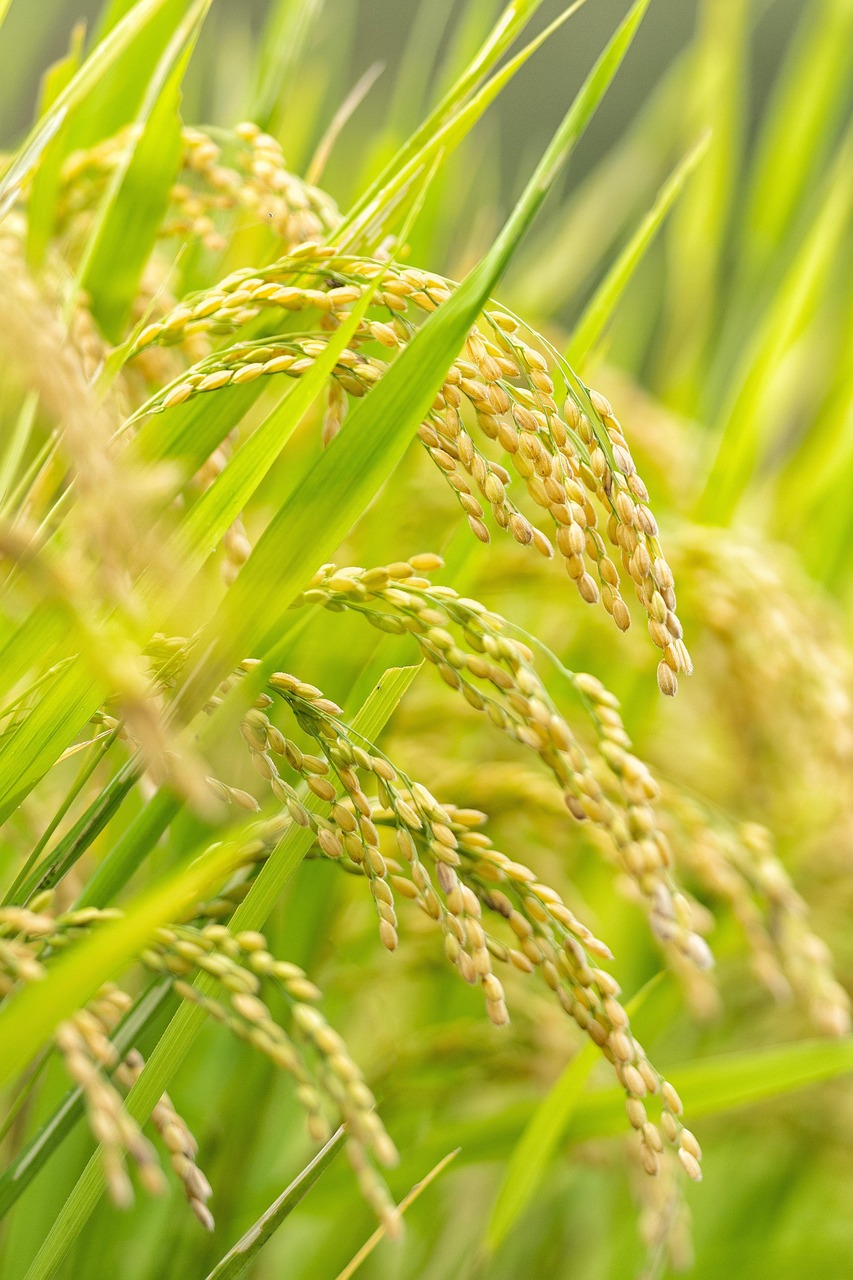
Japan represents a unique model of sustainable food systems operating within severe land constraints. Japan, importing 40% of its food, emphasizes the importance of food availability and access, while Sweden is noted for having one of the most sustainable food systems. The nation compensates for limited arable land through highly efficient production methods and minimal food waste. Japanese agricultural practices emphasize precision and resource optimization that maximizes yields from small plots. Their integrated food system includes sophisticated logistics networks that ensure efficient distribution from farm to consumer.
Germany Leads in Organic Agriculture and Policy Integration
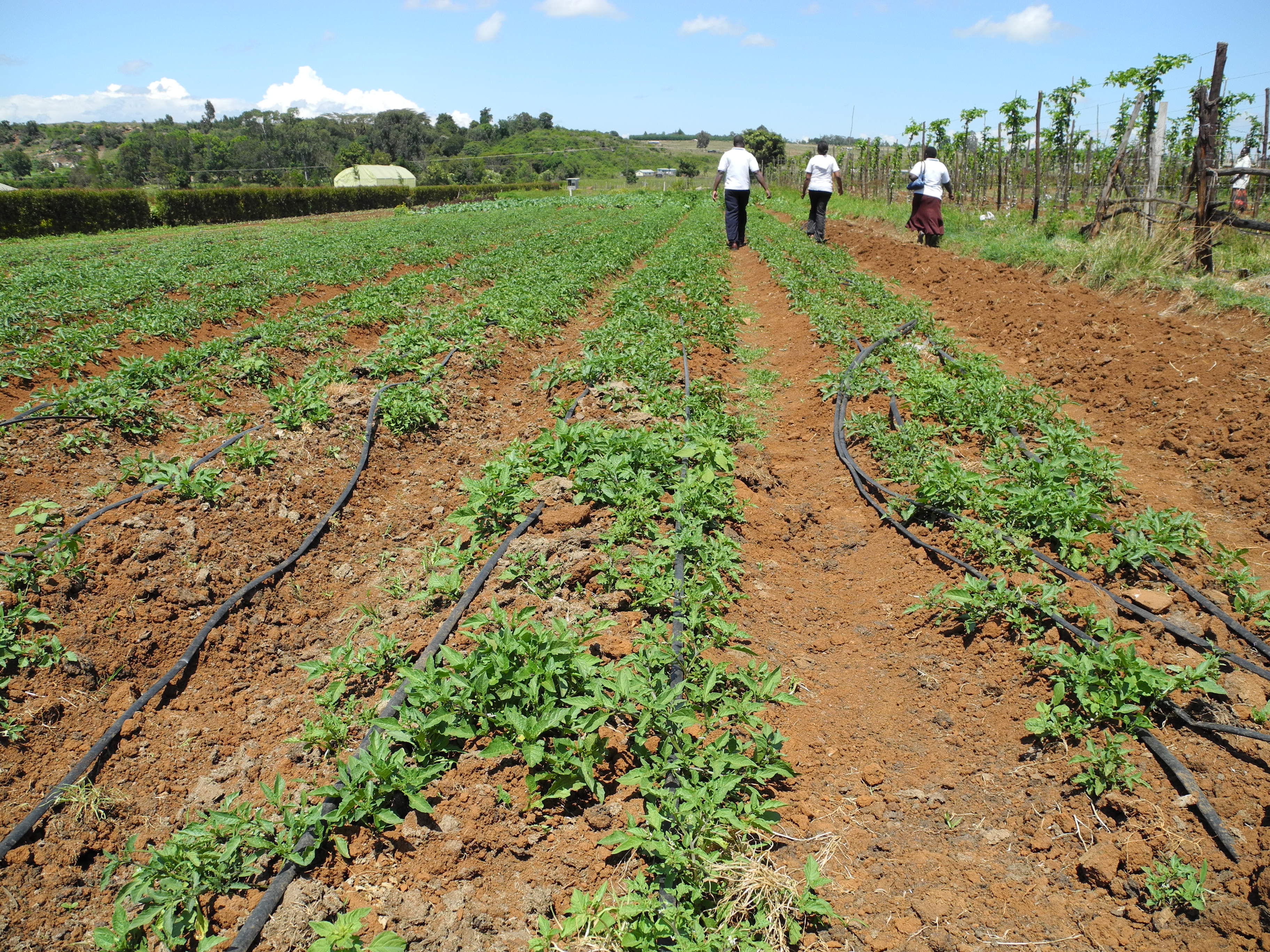
According to the FSI, within the food loss and waste pillar, the top five performing countries include Canada, Italy, Germany, Japan and the Netherlands. Germany’s commitment to organic farming and renewable energy in agriculture sets global standards for sustainable food production. The country supports small and medium-sized farms through policies that encourage biodiversity conservation. German agricultural research institutions develop new technologies that reduce environmental impact while maintaining productivity. Their comprehensive approach integrates food system sustainability with broader climate action goals.
Italy Excels in Traditional Sustainable Practices
Italy demonstrates how traditional Mediterranean agriculture can meet modern sustainability standards. According to the FSI, within the food loss and waste pillar, the top five performing countries include Canada, Italy, Germany, Japan and the Netherlands. The nation’s diverse regional food systems preserve local varieties and traditional farming methods that naturally support biodiversity. Italian agricultural policies protect small-scale producers while promoting quality certification systems. The country’s emphasis on seasonal eating and local food networks reduces transportation emissions and supports rural communities.
Emerging Champions Face Significant Sustainability Challenges
According to Economist Impact, there continues to be major gaps in policy to build sustainable agricultural systems in countries around the world. Less than 50 percent of all countries in the FSI are mainstreaming climate change into their agricultural policies and only 36 percent are prioritising agriculture in their Nationally Determined Contributions. Many developing nations struggle with basic food security while attempting to build sustainable systems. The average cost of a healthy diet reached USD 4.46 (PPP) per person per day in 2024, putting balanced, diverse foods out of reach for many low-income households. Globally, about 2.6 billion people could not afford a healthy diet in 2024. These affordability challenges prevent widespread adoption of sustainable practices in regions where they’re most needed.
The rankings reveal clear patterns in successful sustainable food systems. Leading countries combine strong governance, technological innovation, and comprehensive policy frameworks that address environmental protection alongside food security. This growing disparity underscores the need to address persistent barriers such as food affordability, flavor, and accessibility to accelerate the much-needed shift towards healthy and sustainable diets. Success requires sustained investment in agricultural research, infrastructure development, and social support systems that make nutritious food accessible to all citizens. What’s most striking is how these top performers prove that environmental sustainability and food security can work together rather than against each other.