Study Reveals the Nations Most Dependent on Food Imports
The global landscape of food dependency has taken on new urgency in 2025, with rising geopolitical tensions and climate challenges making food security a critical concern worldwide. Countries across the globe are grappling with the harsh reality that their domestic production simply cannot meet population demands, leaving them vulnerable to external shocks and supply chain disruptions.
Eritrea Leads with Alarming Food Import Dependency
Eritrea leads the list, with approximately 43% of its merchandise imports consisting of food. This figure highlights the nation’s heavy reliance on external sources for its food supply, driven by challenges in local agricultural production and limited resources. The Horn of Africa nation has struggled with persistent drought conditions and limited arable land, making domestic food production extremely challenging. High food import percentages often correlate with economic disparities, geopolitical conflicts, and climate-related challenges. Developing nations with limited access to agricultural technology or infrastructure tend to rely heavily on food imports.
Yemen and Sierra Leone Face Compounded Challenges
Countries like Yemen (approximately 29%) and Sierra Leone (approximately 26%) experience compounded challenges due to conflict and instability, which have disrupted domestic agricultural capabilities and left them reliant on imports to meet their populations’ food needs. Yemen’s ongoing civil war has devastated agricultural infrastructure, while Sierra Leone continues to recover from decades of political instability. These nations showcase how conflict can quickly transform countries from food producers to food importers. The disruption of farming activities and displacement of rural populations has created a desperate reliance on international food assistance and imports.
Small Island Nations Struggle with Geographic Limitations
For small island nations such as Kiribati, Sao Tome and Principe (31.8%), and Samoa (31%), geographic limitations and insufficient arable land make self-sufficiency nearly impossible. These nations face unique challenges that make food independence almost unattainable through conventional agriculture. Limited landmass, poor soil quality, and vulnerability to climate change create perfect storm conditions for food insecurity. Small island developing states must rely heavily on imported staples while focusing their limited agricultural capacity on specific crops suited to their climate.
Japan’s Staggering Sixty Percent Food Import Dependency
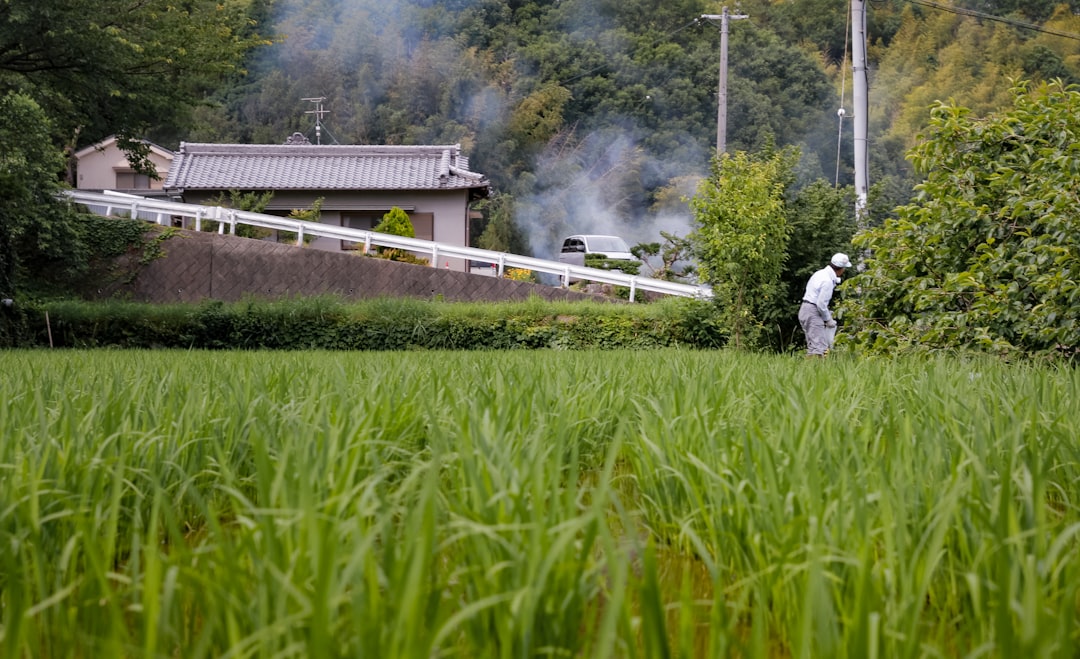
Japan’s low food self-sufficiency ratio has become a pressing issue, with the country with a food self-sufficiency rate of about 38%. As the world’s third-largest importer of agriculture and food products, Japan faces significant food security challenges. Japan’s food import dependency ratio was 62% in 2020 Japan maintains emergency food stockpiles equivalent to about 2.3 months of consumption Japan’s government aims to raise food self-sufficiency rate to 45% by 2030 Japan has established bilateral food supply agreements with 13 countries The country’s mountainous terrain leaves only a small percentage suitable for farming, forcing reliance on global food markets for survival. The government is concerned about the dramatic decline in domestic food production, which as the self-sufficiency ratio has remained around 38% in recent years if significant policy changes are not implemented. Japan’s officials pointed out that the self-sufficiency ratio for agricultural production will fall to 37% by 2045 if the country does not introduce significant policy changes.
Singapore Imports Ninety Percent of Food Supply
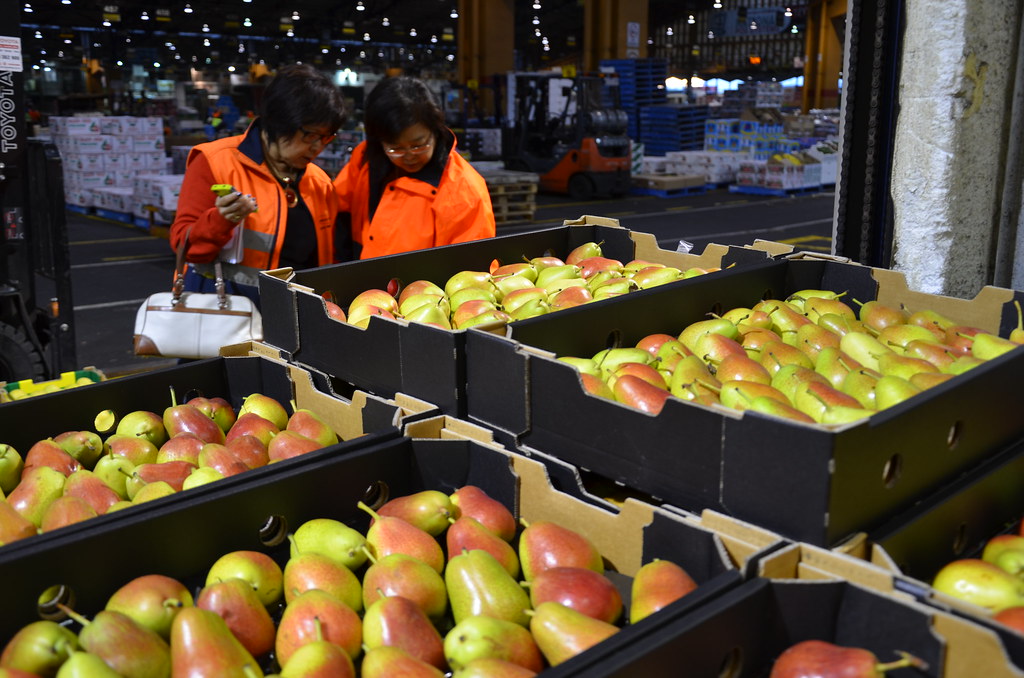
As a result, Singapore imports 90% of its food supply and has a wide variety of supplier countries in order to achieve its food security; Singapore is ranked as among the most food secure in the world. Over 90% of Singapore’s food comes from some 170 countries and regions. Despite this massive dependency, Singapore has turned its vulnerability into strength through strategic diversification.
Congo and Equatorial Guinea’s Resource Paradox
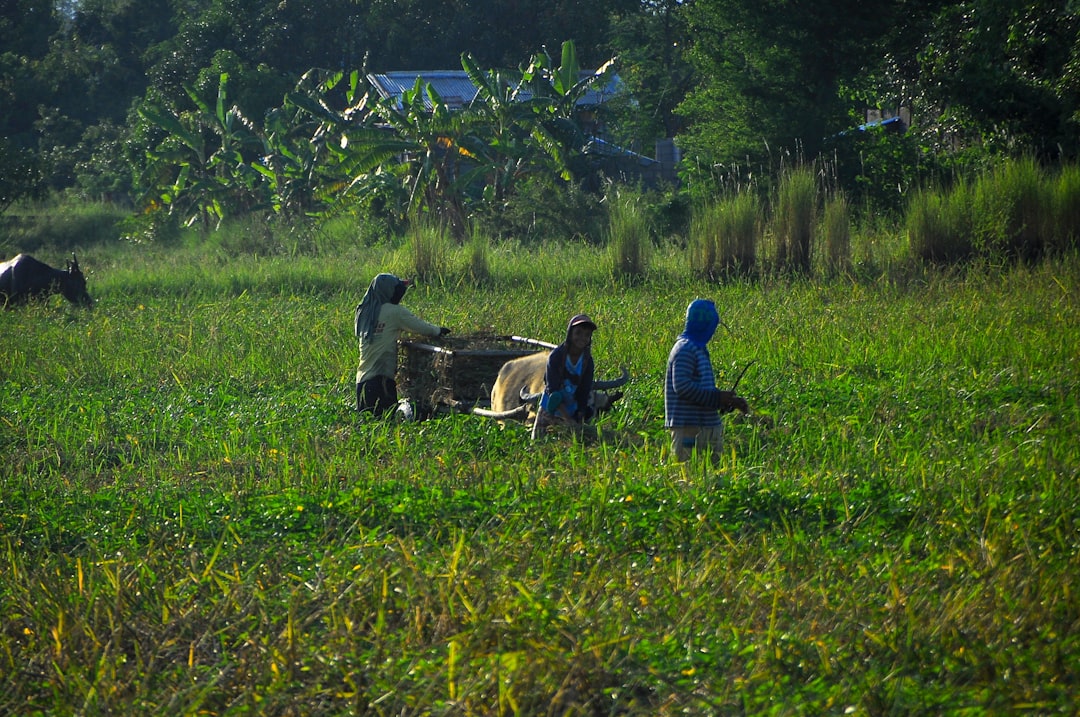
Other countries on the list, like Congo and Equatorial Guinea, showcase the paradox of abundant natural resources yet underdeveloped agricultural sectors, resulting in high import dependencies. These African nations possess vast mineral wealth and natural resources, yet their agricultural sectors remain underdeveloped and unable to feed their populations. Poor infrastructure, limited investment in farming technology, and focus on resource extraction have left agricultural development as an afterthought. The result is countries rich in oil and minerals but dependent on foreign nations for basic food supplies.
Iceland Displays Highest Values Among OECD Nations
Iceland displays the highest values. In this article, we aim to advance the literature on food security by examining the persistence of food imports in a group of 20 OECD nations. Iceland’s unique geographic position and harsh climate conditions make agricultural production extremely challenging, forcing heavy reliance on imports. The steady stream of tourists increases demand for all sorts of imported products, foodstuffs included. The country’s tourism boom has further increased demand for imported foods as visitors expect international cuisine options.
Africa’s Wheat Import Crisis Deepens
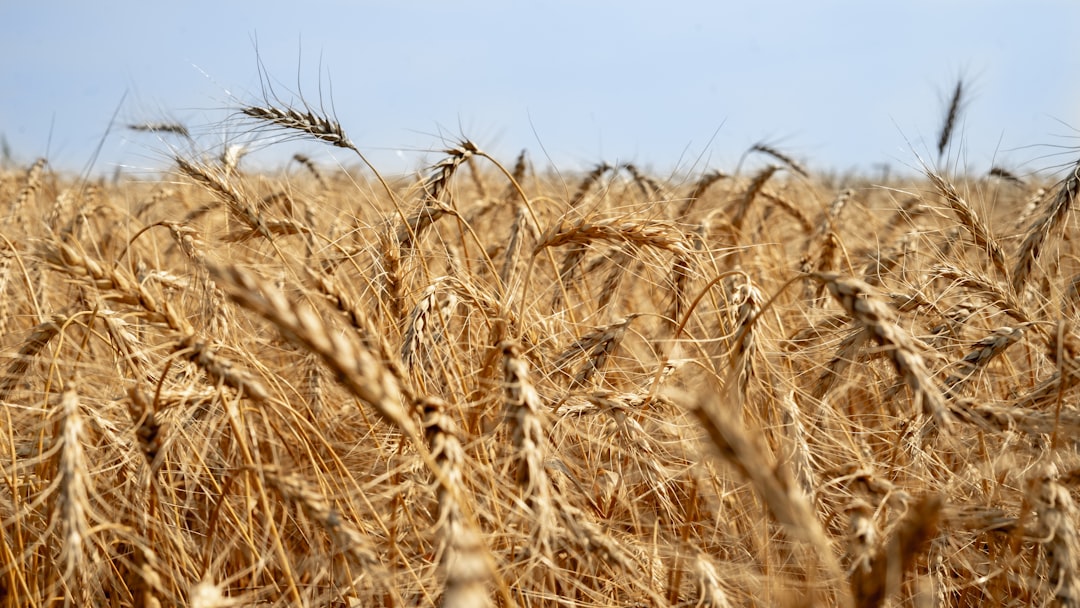
Overall, high global food prices are expected to level and begin to drop in 2025.89 In 2020, some 25 countries, especially from Africa, were reliant on Russian and Ukraine for at least 50% of their wheat imports. For countries including Benin, Eritrea and Somalia, dependence was at 100% (Figure 6). The war in Ukraine has exposed the extreme vulnerability of African nations to supply shocks from major wheat exporters. North Africa is the largest wheat-importing region in the world. Wheat imports in 2023-24 reached the highest level in seven years due to a record-setting drought. This dependency has created a food security crisis that extends far beyond the immediate conflict zone.
Climate Change Amplifies Global Food Vulnerability
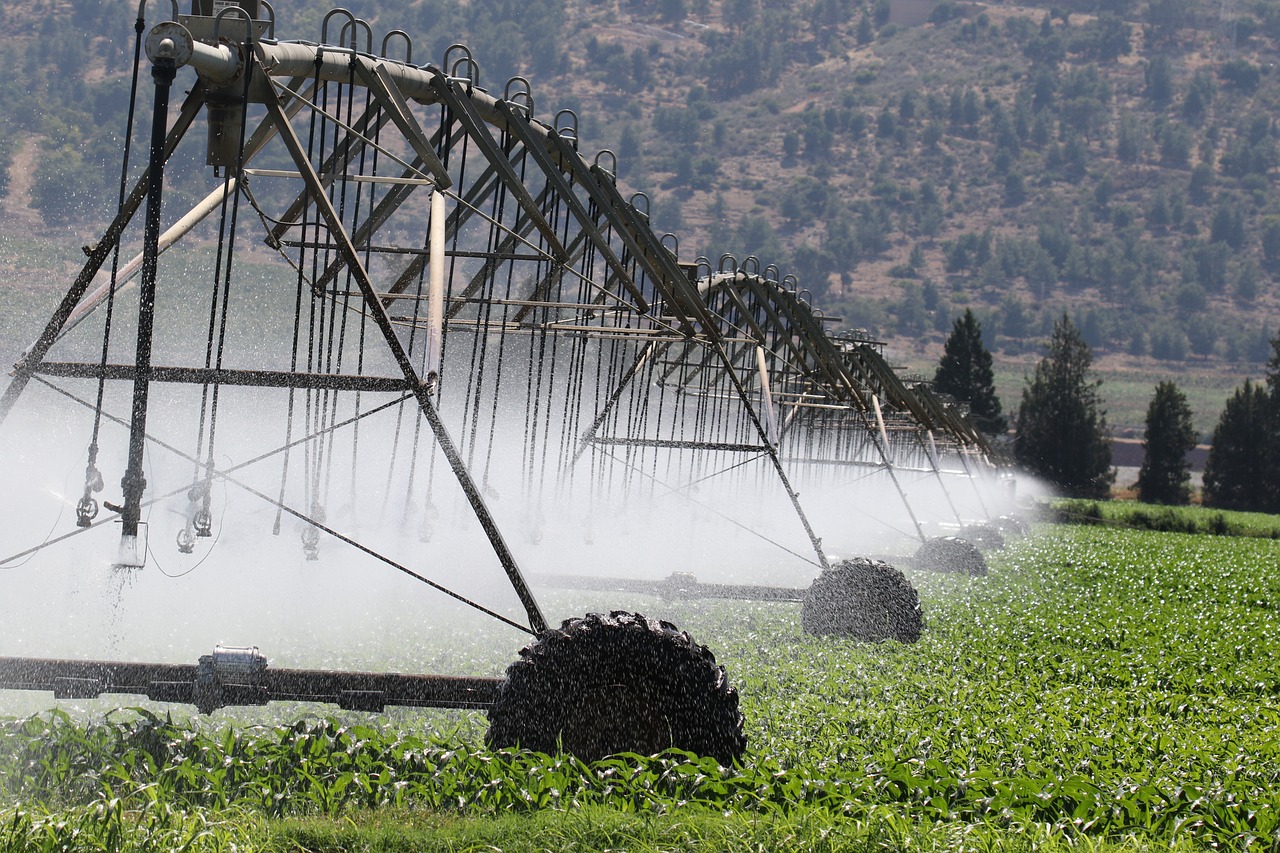
As climate change increases the likelihood of extreme weather events that can adversely affect agricultural production5,25, understanding the role of international trade as a mitigating factor or, on the contrary, as a source of local and global vulnerability is of paramount importance. The effects of climate change are occurring sooner than initially projected in regions such as Africa, Asia and Oceania, as evidenced by recurring droughts and flooding. Rice production is particularly vulnerable to climate change, and in the long run, wheat will also experience declines, forcing the relocation of production to higher elevation or the farming of alternative crops. Rising temperatures and erratic weather patterns are making traditional farming increasingly difficult across multiple regions.
Future Projections Show Increasing Global Food Dependency
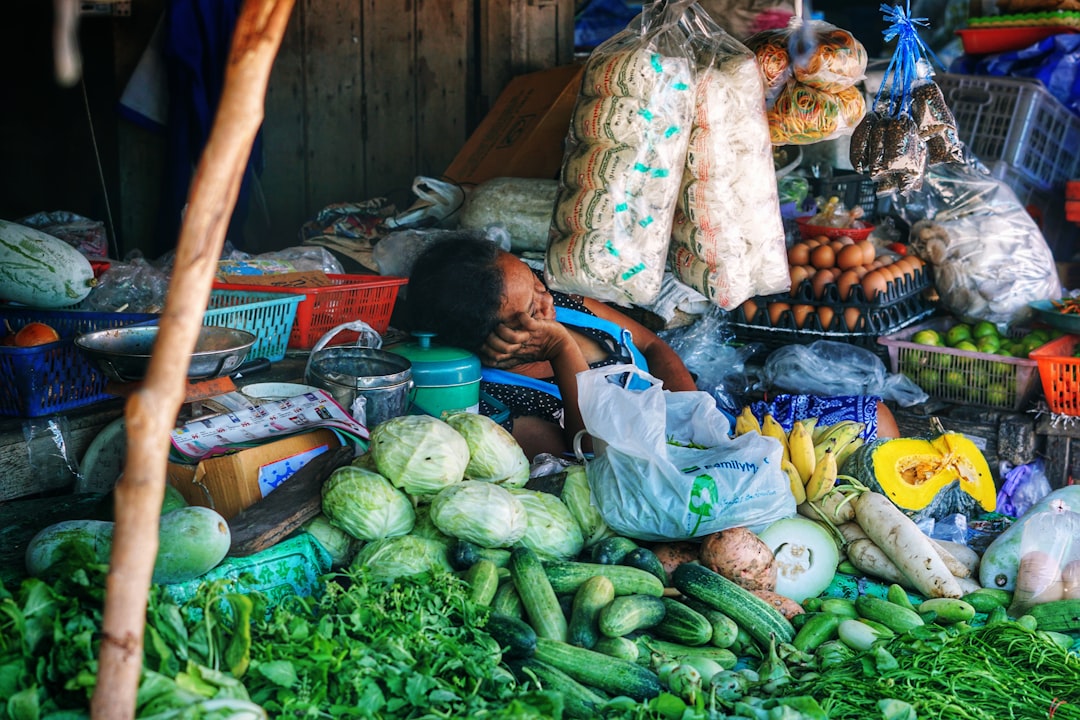
By 2050, growing populations are expected to increase global reliance on food imports. A comprehensive study conducted by Marianela Fader of Potsdam Institute for Climate Impact Research shows that population pressures will push many nations to make maximizing their domestic food production capacity a top priority. In general, the world’s developing regions are going to increasingly depend on cereal imports, both in absolute terms and as a proportion of their total consumption.