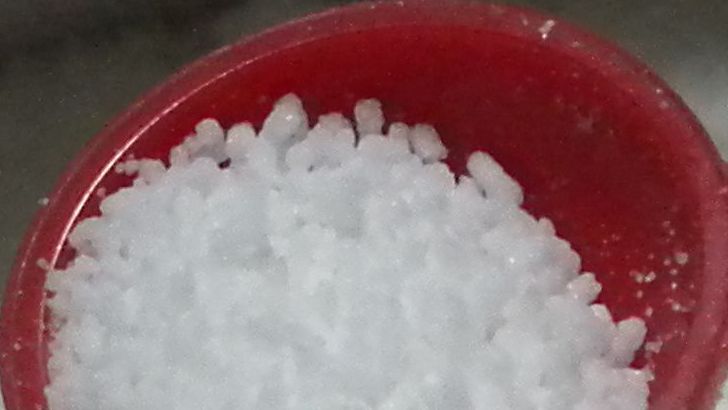
Why You Should Never Eat Rice Left Sitting at Room Temperature (The Fried Rice Syndrome)
What Exactly Is Fried Rice Syndrome?

Let’s be real, you’ve probably left rice sitting on your counter more times than you can remember. Fried rice syndrome is food poisoning caused by a bacterium known as Bacillus cereus, and honestly, it’s more common than most people realize. “Fried rice syndrome” originated from the first reported case of B. cereus contamination in a Chinese restaurant’s fried rice dish, but the problem goes way beyond just one type of cuisine. This microscopic troublemaker doesn’t discriminate.
This microscopic germ likes to live on starchy foods like rice and pasta, but it can set up shop on nearly any food. The thing is, this bacteria is incredibly sneaky because it forms spores that can survive cooking. Think you’re safe because you heated your leftovers? Think again.
The Science Behind the Bacteria That Survives Cooking

B. cereus is problematic because it produces a type of cell called a spore, which is very resistant to heating. These spores are basically like tiny sleeping warriors that wake up when conditions are perfect. Even when you think you’ve killed everything by boiling or frying your rice, these spores laugh in the face of heat.
Unlike common foodborne bacteria like Salmonella and E. coli, cooking or reheating your food won’t protect you from a Bacillus cereus infection because the toxins are heat-resistant and the spores can also survive cooking or digestion. Here’s the kicker: once rice cools down and sits at room temperature, those dormant spores germinate and start producing toxins. These spores can survive higher temperatures, including your microwave or a quick fry on the stovetop.
How Quickly Can This Bacteria Make You Sick?

B. cereus causes a self-limiting, diarrheal illness caused by heat-resistant enterotoxin proteins, and an emetic illness caused by the deadly toxin named cereulide. The symptoms you experience depend on which type of toxin gets you. It’s hard to say for sure, but the emetic type hits fast and hard.
Symptom onset is generally within 30 minutes to 6 hours of consuming rice or starchy foods left at room temperature, even after being reheated. The diarrheal type takes a bit longer. Symptom onset is usually within 6 to 15 hours of eating food left at room temperature for more than 2 hours. Either way, your body is going to let you know something went terribly wrong with that leftover meal.
The Shocking Death That Made Headlines
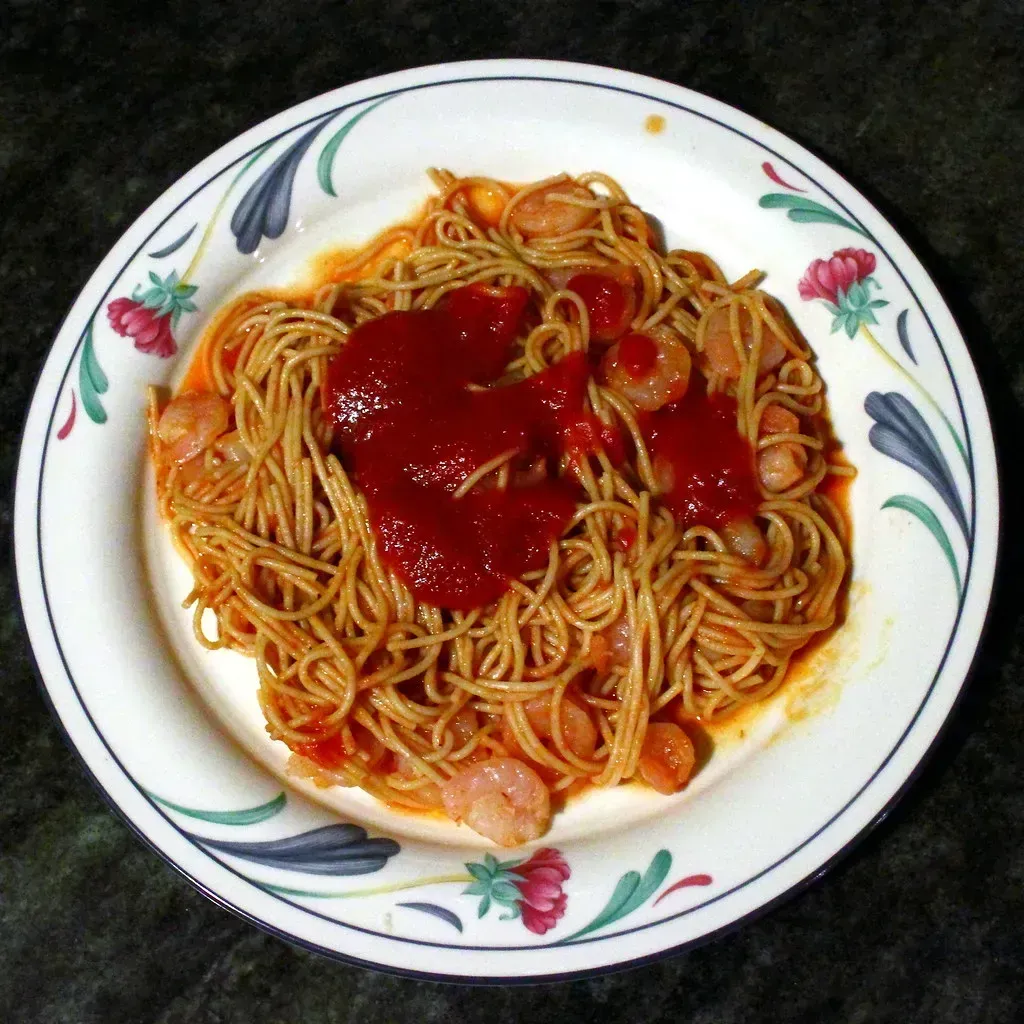
The 20-year-old college student died after reportedly eating spaghetti that he cooked, left out of the fridge, and then reheated and ate five days later. Yeah, five days sitting on the counter at room temperature. Shortly after reheating and eating the pasta, he became ill with severe vomiting and gastrointestinal symptoms. The next morning, the otherwise healthy young man was found dead. An autopsy revealed he had acute liver failure, and testing revealed large amounts of a bacteria called Bacillus cereus in the pasta.
This tragic case from 2008 resurfaced on social media and honestly shocked a lot of people who regularly eat leftovers. While extreme cases like this are rare, they serve as a stark reminder. The pasta had been contaminated with such high levels of the bacteria that it overwhelmed his system completely.
How Common Is Bacillus Cereus Food Poisoning Really?
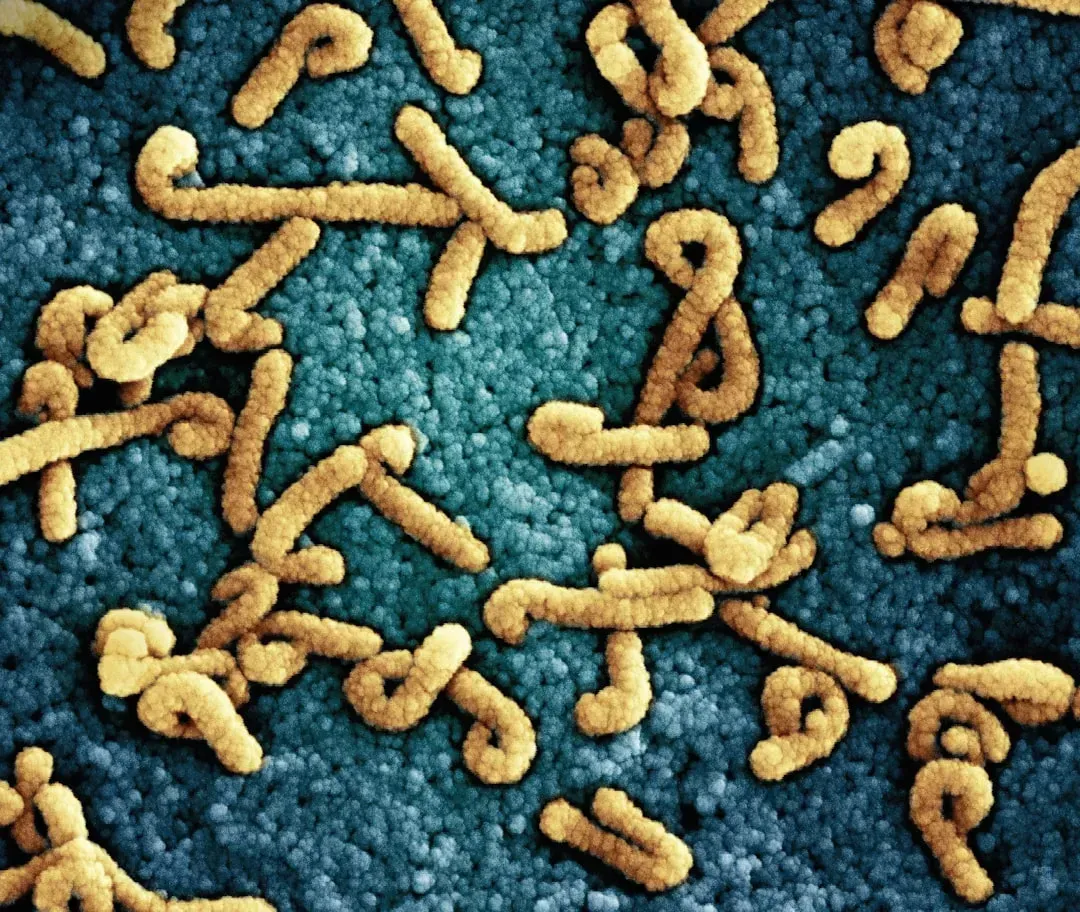
About 63,400 cases of B. cereus occur each year in the United States, though many cases go unreported because symptoms are usually mild. The Centers for Disease Control and Prevention estimates Bacillus cereus causes 63,000 annual cases of foodborne illness in the United States and only 20 hospitalizations. So while it’s definitely not the deadliest food poisoning out there, it’s far from uncommon.
A bilingual search spanning 50 years identified 266 relevant studies on global B. cereus infection, encompassing 6,135 cases. The global mortality rate for B. cereus infection is 0.9%. Food poisoning cases account for 94.31% of the total infections, with a mortality rate of 0.05%. Most people recover on their own within roughly about a day, but vulnerable populations like children and the elderly face higher risks.
The Danger Zone Temperature Range You Need to Know
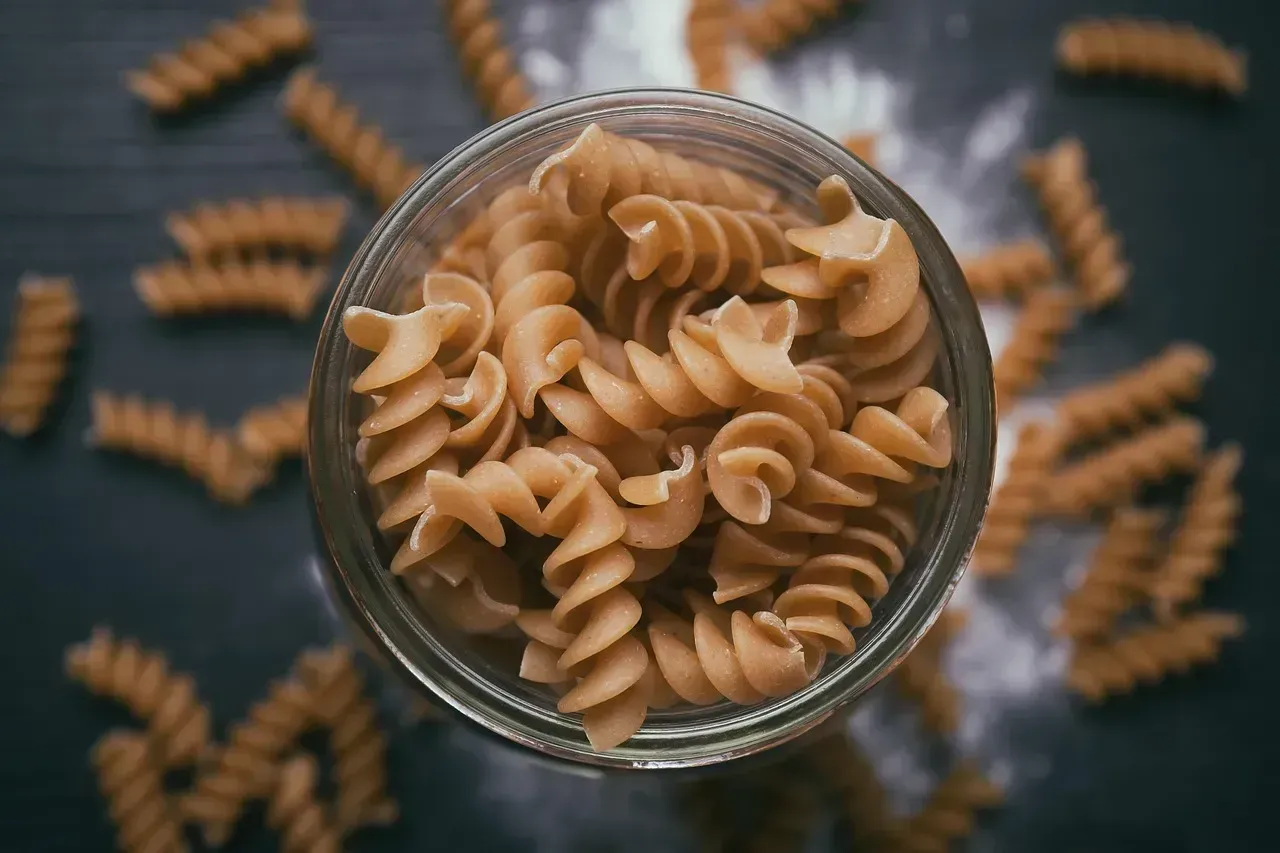
Bacillus cereus thrives in pre-cooked starchy foods, like rice and pasta, and optimal growth occurs between 40 degrees and 140 degrees Fahrenheit, which food safety experts call the danger zone. This temperature range is basically paradise for bacteria to multiply rapidly. In the food safety temperature danger zone of 40-140°F, the amount of bacteria can double every 20 minutes so time is definitely of the essence.
Room temperature falls smack in the middle of this danger zone. When you leave cooked rice sitting out while you finish other meal prep or forget about it altogether, you’re basically creating a bacterial breeding ground. The warmer the environment, the faster these microorganisms reproduce and pump out toxins.
Why Rice Is Particularly Vulnerable to Contamination
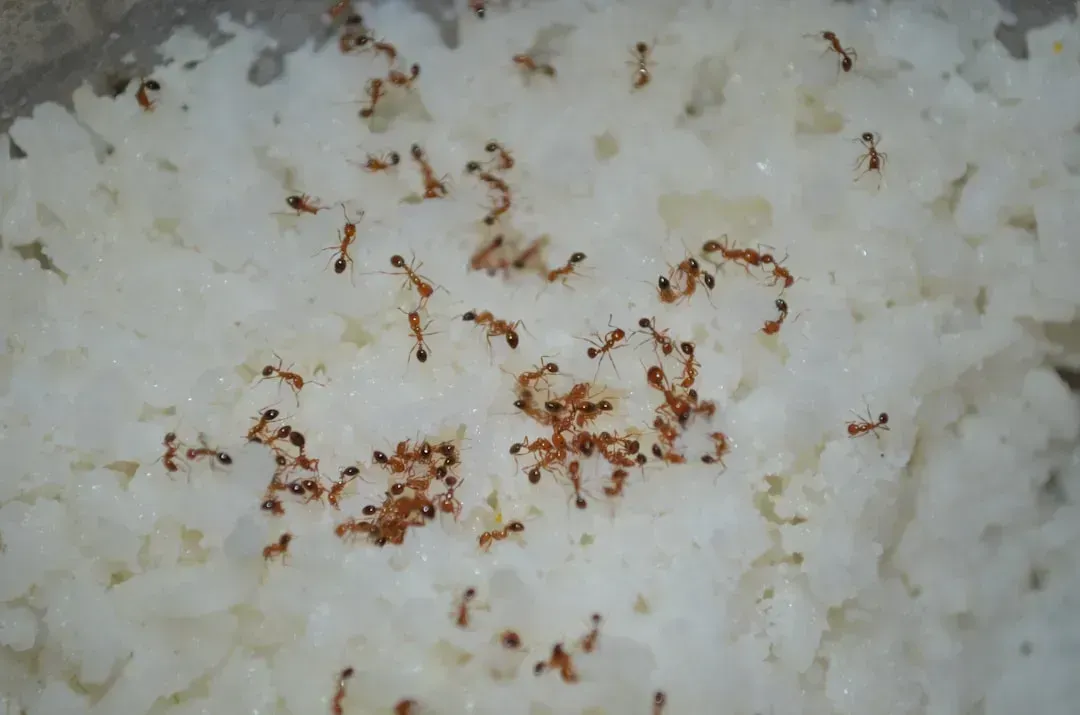
Rice was recognized as the highest-risk food category for B. cereus-associated food poisoning, with 43 reported incidents in research spanning multiple decades. There’s a specific reason rice gets singled out. The process of cooking rice, leaving it out and then reheating it creates a perfect environment for this germ. Rice is a bunch of tiny pieces, so it has more surface area than something like a steak.
Rice, as a consequence of their cultivation, harvesting, and handling, is often contaminated with spores of Bacillus cereus, a ubiquitous microorganism found mainly in the soil. These spores are present before you even bring the rice home from the store. Cooking activates them rather than destroying them, and then the cooling period provides ideal conditions for growth.
What Symptoms Should You Watch Out For?

The symptoms hit differently depending on which syndrome you’re dealing with. You can expect nausea, cramps and lots of barf. The bacteria can also cause severe diarrhea if it multiplies in your intestine and produces toxin. Either way, you’ll be spending a lot of time in the bathroom. Not exactly how anyone wants to spend their day.
The symptoms of infection with B. cereus include diarrhoea and vomiting. In fact, there are two types of B. cereus infection: one is normally associated with diarrhoea, and the other with vomiting. Most people with food poisoning recover within 24 hours, though you’ll feel absolutely miserable during that time. If symptoms persist beyond a couple of days or you develop a high fever, it’s time to seek medical attention.
Recent Cases That Should Make You Think Twice
In 2018, B. cereus was involved in a total of 98 reported outbreaks among members’ states of the European Union. The impact of those numbers is clearer by saying that those represented the 1.9% of total outbreaks in the European Union, with 1539 people affected with 111 hospitalizations and 1 death. These aren’t just old statistics from decades past.
A recent incident in Iran, where two children fell critically ill after consuming leftover rice, underscores the urgency of raising awareness about this issue. The rice had been stored at room temperature for several hours, allowing the bacteria to proliferate. Both children developed severe symptoms, including vomiting, diarrhea, and dehydration, requiring immediate medical attention. Cases like these continue to emerge worldwide in 2025.
The Two-Hour Rule That Could Save Your Life
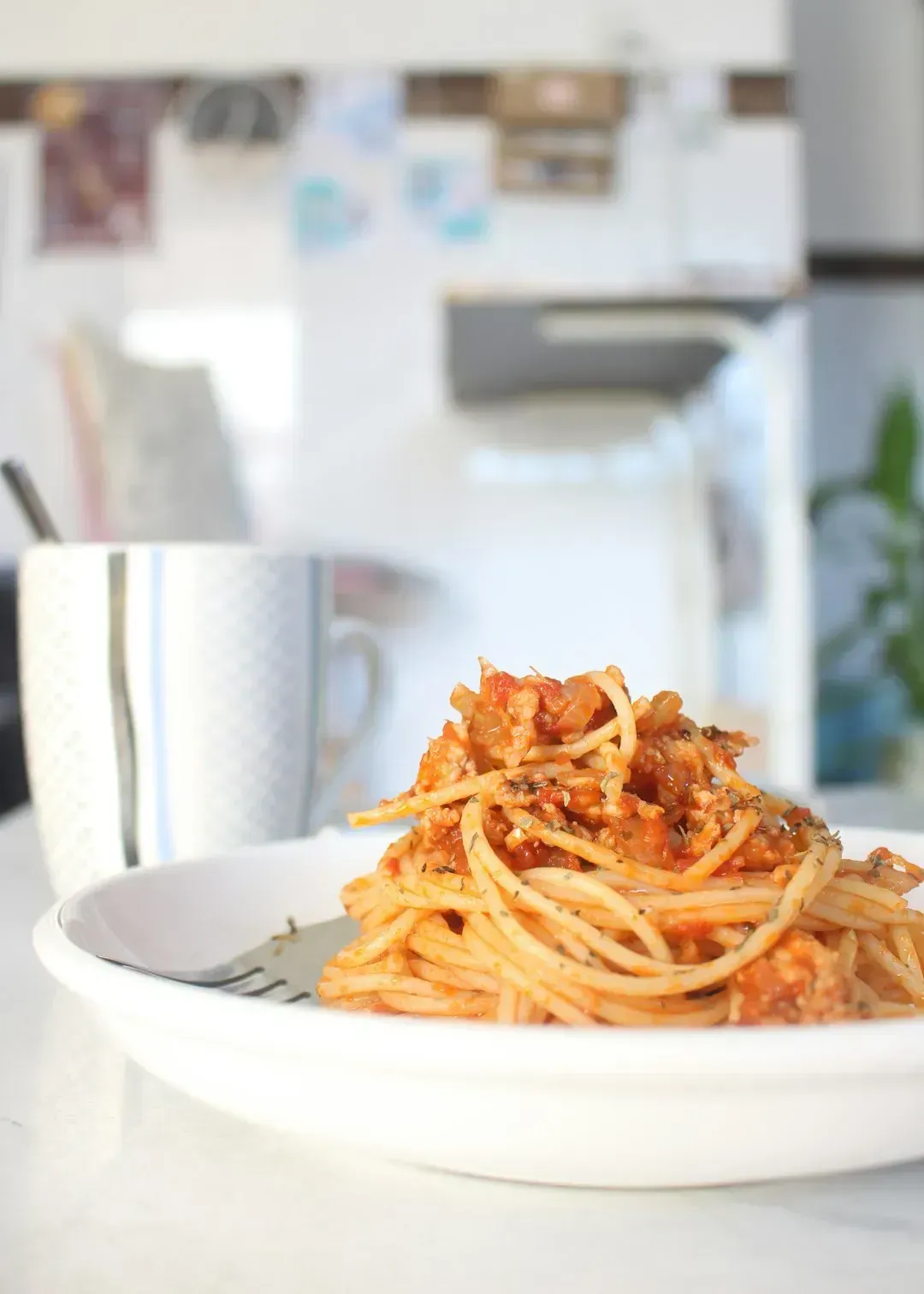
The United States Department of Agriculture says that cooked food should not be left at room temperature for more than two hours, and this guideline exists for very good reasons. After cooking rice, other grains, and pasta, you should refrigerate them within 2 hours. That time frame drops to 1 hour if the grains have been out at 90°F, like during a summer picnic or outdoor event.
Cool as soon as possible after cooking. When cooling, the targets you want to hit are from 135 degrees F to 70 degrees F within 2 hours and then down to refrigeration temperature (41 degrees F) within 4 more hours. Breaking rice into smaller containers helps it cool faster and more evenly, which limits bacterial growth significantly.