Why Some “Healthy” Foods Aren’t What They Seem
Walk down any supermarket aisle and you’ll find the word “healthy” plastered across packaging in every direction. Low-fat. Natural. Whole grain. Plant-based. These labels are designed to feel reassuring, and for the most part, shoppers trust them. The problem is that the gap between how a food is marketed and what it actually contains can be surprisingly wide.
Nutrition science has grown considerably more nuanced in recent years, and what the research keeps revealing is that the health food category is full of impostors. Some of them are genuinely surprising. Others, in hindsight, seem almost obvious. Either way, it’s worth taking a closer look at what’s really in the foods we’ve been reaching for out of habit or good intention.
Granola Bars: The Candy Bar in Disguise
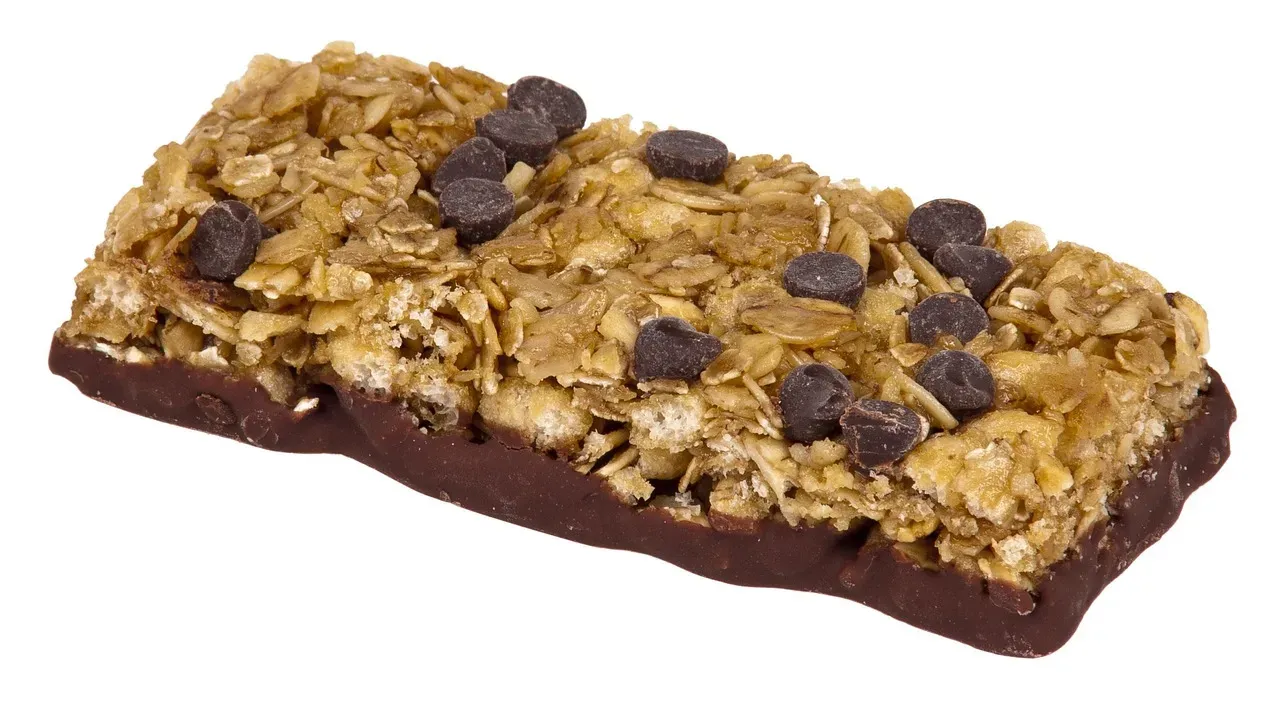
Granola bars are widely considered a convenient and healthy snack, but added sugars, calories, and artificial flavors can significantly diminish the health quality of many of them. The packaging tends to feature images of oats, nuts, and honey, giving the impression of something wholesome and minimally processed. That impression is often misleading.
In some cases, granola bars can be a good source of fiber and protein, but some contain as much sugar, carbs, and calories as candy bars. Many popular bars have as much sugar as a cookie, often hiding under names like “brown rice syrup” or “tapioca syrup.” Reading the ingredient list rather than trusting the front of the packaging is the only real way to know what you’re actually eating.
Flavored Yogurt: A Probiotic Promise Gone Wrong
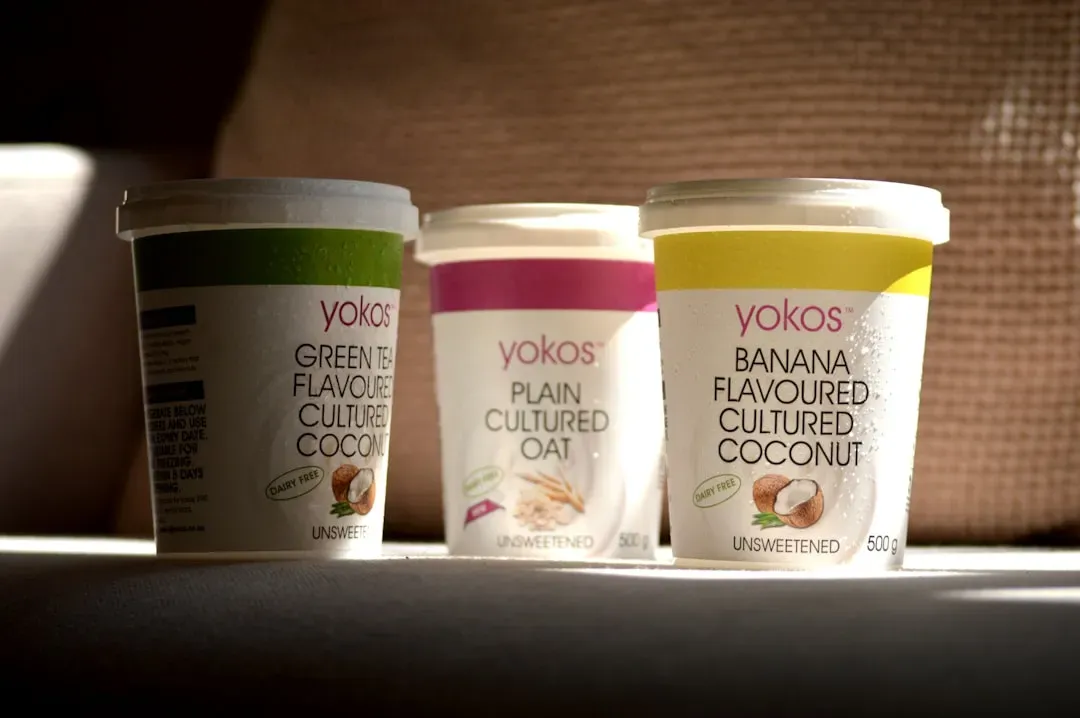
Yogurt has earned a place in the health food hall of fame since it’s one of few foods naturally high in probiotics, the so-called good bacteria that protect your gut flora. Not all yogurt is good for you, though, and the frozen variety isn’t all that different from ice cream. The same concern extends to the flavored varieties lining supermarket shelves.
Many flavored yogurts are loaded with sugar, artificial sweeteners, and artificial flavorings. Research shows that organic yogurts can average around 13 grams of sugar per cup, which is a substantial portion of the daily sugar limit recommended by health authorities. Plain Greek yogurt, ideally without any fruit or flavor additions, remains the more reliable option in this category.
Fruit Juice: More Sugar Than You’d Expect

Both soda and 100% fruit juice pack around 110 calories and 20 to 26 grams of sugar per cup. Research consistently shows a link between sugary drinks and a higher risk of type 2 diabetes, metabolic syndrome, high blood pressure, and heart disease, as well as a higher risk of premature death. This makes fruit juice far less of a health drink than most people assume.
The process of juicing removes an important component of whole fruits: fiber. Though we can’t digest fiber, it’s essential to a healthy diet. Fiber slows the process of sugar absorption and helps maintain stable blood sugar levels. Compared with eating whole fruit, the sugars in juice are digested and released into your bloodstream faster, causing blood glucose levels to spike and triggering the body to pump out large amounts of insulin, which can prompt fat storage and increase the risk of type 2 diabetes.
Veggie Chips: Vegetables in Name Only

While many veggie chips aren’t a bad choice, they can be unhealthy depending on the brand and the ingredients. When you look at the actual ingredients list, rice or corn is usually the first ingredient listed. The “veggie” part of the name often refers to little more than powdered vegetable byproducts mixed into a starch base.
Rather than actual sticks of raw vegetables such as carrots and celery, you’re getting powdered, processed vegetables. Many of the vitamins, minerals, and fiber get removed, which is one of the main benefits of eating pure vegetables. Compared to potato chips, some varieties of veggie chips may have similar amounts of sodium, fat, and calories. The colorful packaging does a lot of heavy lifting that the nutrition facts panel simply doesn’t back up.
Trail Mix: Healthy Ingredients, Unhealthy Results
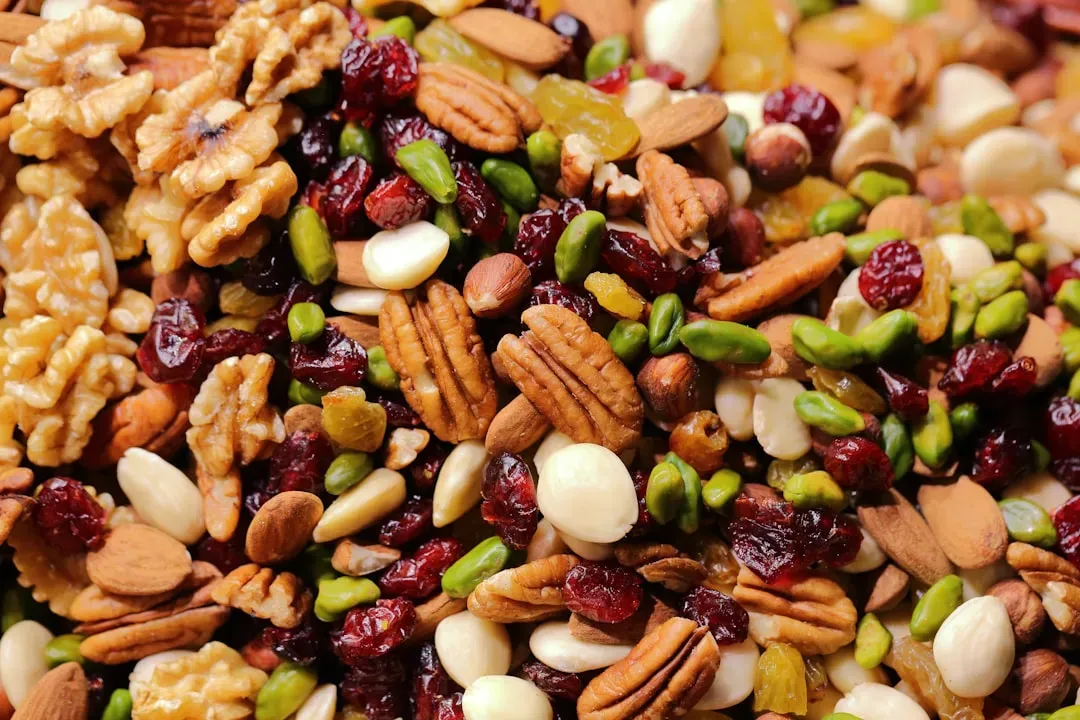
Nuts, seeds, dried fruits – it seems like it would be hard to go wrong. It turns out trail mix can also have lots of added sugars, or it’s just a way to disguise chocolates in a healthy way. Many store-bought trail mix varieties are high in sugar, sodium, and calories. The difference between homemade and commercial trail mix can be enormous.
Some commercial mixes may also contain unhealthy saturated fats from added oils, making them calorie-dense. And even if you can see the grains or seeds, the product can still be highly processed. If you’re building a genuinely nutritious trail mix, the ingredients list should be short, free of added sweeteners, and free of chocolate-coated candies marketed as fruit.
Oat Milk: Not as Clean as It Looks

Nearly every oat milk option has a significantly higher amount of carbs than its counterparts like almond milk, coconut milk, and cashew milk. Depending on the brand, one cup of unsweetened oat milk can have as many as 17 grams of carbs, and a large portion of those carbs are starch. For people watching blood sugar or carbohydrate intake, this distinction matters quite a bit.
Since oats don’t naturally contain fat, most brands are pumped full of seed oils such as canola oil and sunflower oil, though this isn’t always obvious from the ingredient label. Oat milk can still be a reasonable choice for some people, but it’s worth approaching it with the same label-reading habit you’d apply to any packaged product, rather than assuming it’s automatically a clean alternative to dairy.
The Ultra-Processed Food Problem: Broader Than You Think
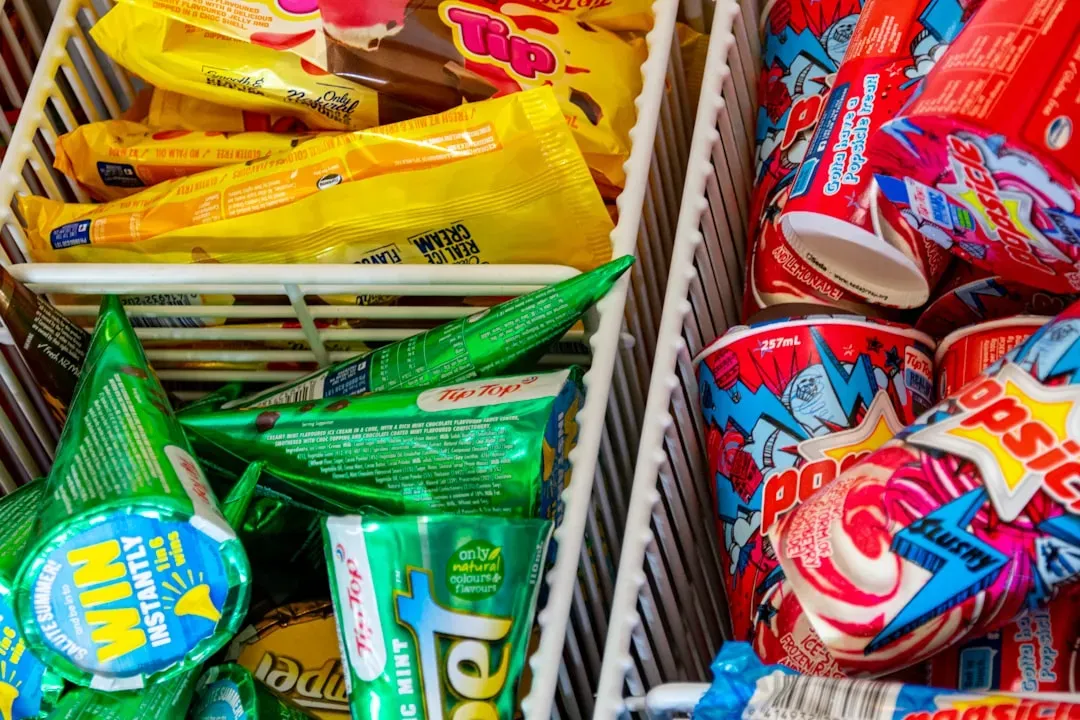
A 2024 umbrella review of 45 meta-analyses including almost 10 million people found that diets high in ultra-processed foods are linked to 32 health conditions, including obesity, type 2 diabetes, cardiometabolic diseases, many cancers, gastrointestinal disorders, asthma, anxiety, depression, cardiovascular events, and all-cause mortality. The scale of that finding is hard to ignore.
What makes this complicated is that ultra-processed foods aren’t always easy to identify. Prepackaged whole grain breads, many yogurts, instant oatmeal, and jarred pasta sauces are all ultra-processed foods, but have lower levels of saturated fats and added sugars while still containing a plethora of nutrients that help reduce disease risk. Research published in 2025 found that nearly two in five Americans incorrectly believe all processed foods are unhealthy, which shows just how muddled the public understanding of this category has become.
The “Health Halo” Effect in Marketing
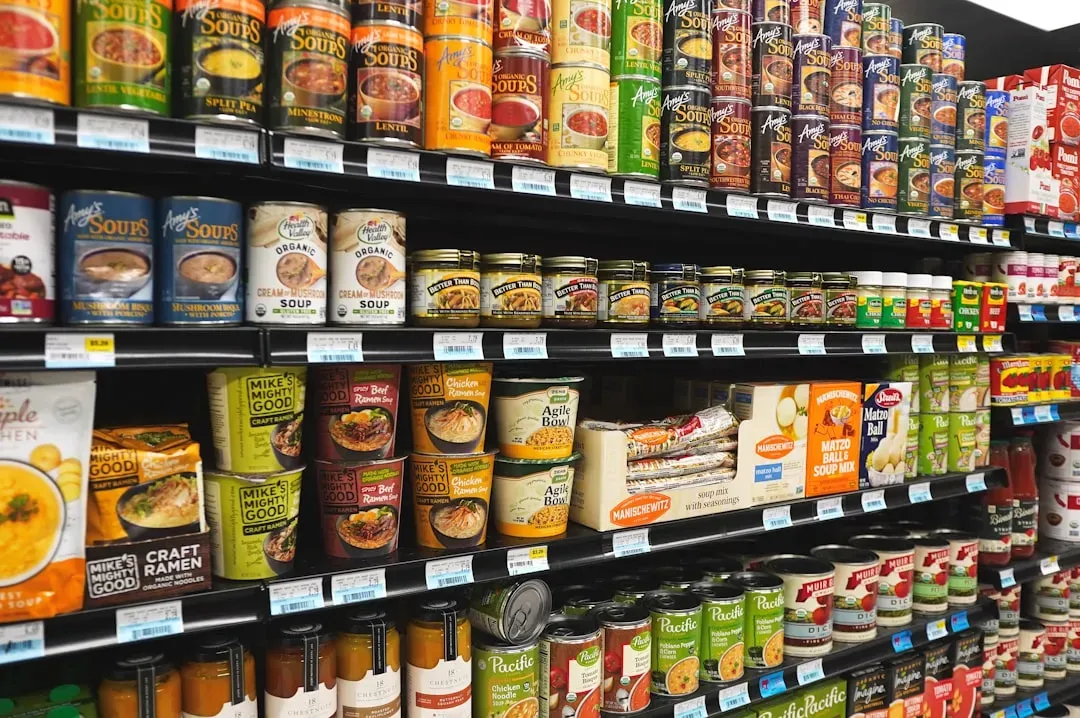
Some packaged foods make claims like low-sugar, high-fiber, plant-based, or organic that seem to suggest healthfulness. Dietitians say these items are sometimes not actually nutritious. Many of these terms give the packaged food a health halo, but when you look closer at the ingredient list and nutrition facts panel, it may reveal that it is not a nutritious choice after all.
When shopping for prepackaged foods, many are marketed as “better for you” even though they may actually contain high amounts of added sugar, sodium, unhealthy fats, and a long list of artificial ingredients. That’s why it’s always important to check nutrition labels, and moderation is also key. A 2024 survey found that only about 2 in 100 pieces of nutrition information on a popular social media platform was accurate, making independent label-reading more important than ever.
Sports Drinks and Diet Sodas: The Wellness Drink Trap
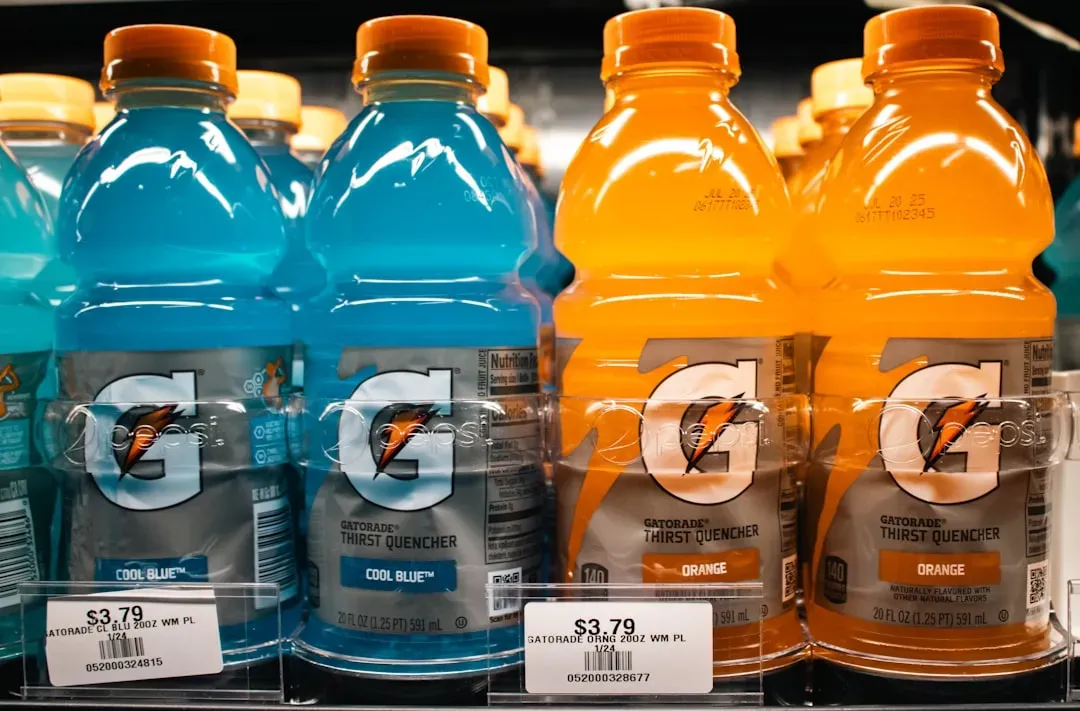
While companies market sports drinks as ways to boost workouts, these beverages are unnecessary for most people. Many sports beverages contain a shocking amount of sugar. For example, a 20-ounce bottle of Orange Gatorade contains 34 grams of added sugar. That’s roughly the equivalent of pouring eight teaspoons of sugar into a bottle of water.
Although sports drinks are designed to give athletes carbohydrates, electrolytes, and fluid during high-intensity workouts lasting an hour or more, for everyone else they’re just another source of calories and sugar. Diet versions don’t necessarily solve the problem either. Research suggests that diet soda may contribute to health issues by altering brain responses to food and increasing the desire for highly palatable, calorie-dense foods like sweets. The idea that switching to a diet drink automatically represents a healthy choice is one of the more persistent nutrition myths around.
What Actually Helps: Reading Labels Without the Noise

If you’ve never closely examined a food label in the grocery store, it contains valuable information about the processed food you’re considering. Reading the ingredients list puts you in charge of your food choices. Food packaging is often filled with colors, images, catchphrases, and deceptive marketing messages. The real information is almost always on the back, not the front.
The 2025 to 2030 Dietary Guidelines for Americans prioritized whole foods like fruits, vegetables, and protein over their highly-processed counterparts. That’s a reliable framework for cutting through the noise. The healthiest foods rarely need a label at all, and the ones that do are worth a few extra seconds of scrutiny before they land in your cart.