Experienced Servers Notice These 8 Red Flags When You Open the Menu
You sit down, the menu lands in your hands, and the whole evening still feels full of promise. What could go wrong, right? Here’s the thing: the moment that menu hits your fingers, the most experienced servers in the room have already started reading signals you’d never think to notice. They’ve seen it all, hundreds of times over.
It’s not just about what’s on the menu. It’s the physical condition, the structure, the sheer size of the thing, and even what’s missing. The menu is arguably the most revealing document in any dining room. Once you learn to look at it the way a seasoned pro does, you really can’t un-see it. Let’s dive in.
1. The Menu Is Visibly Dirty or Worn Out
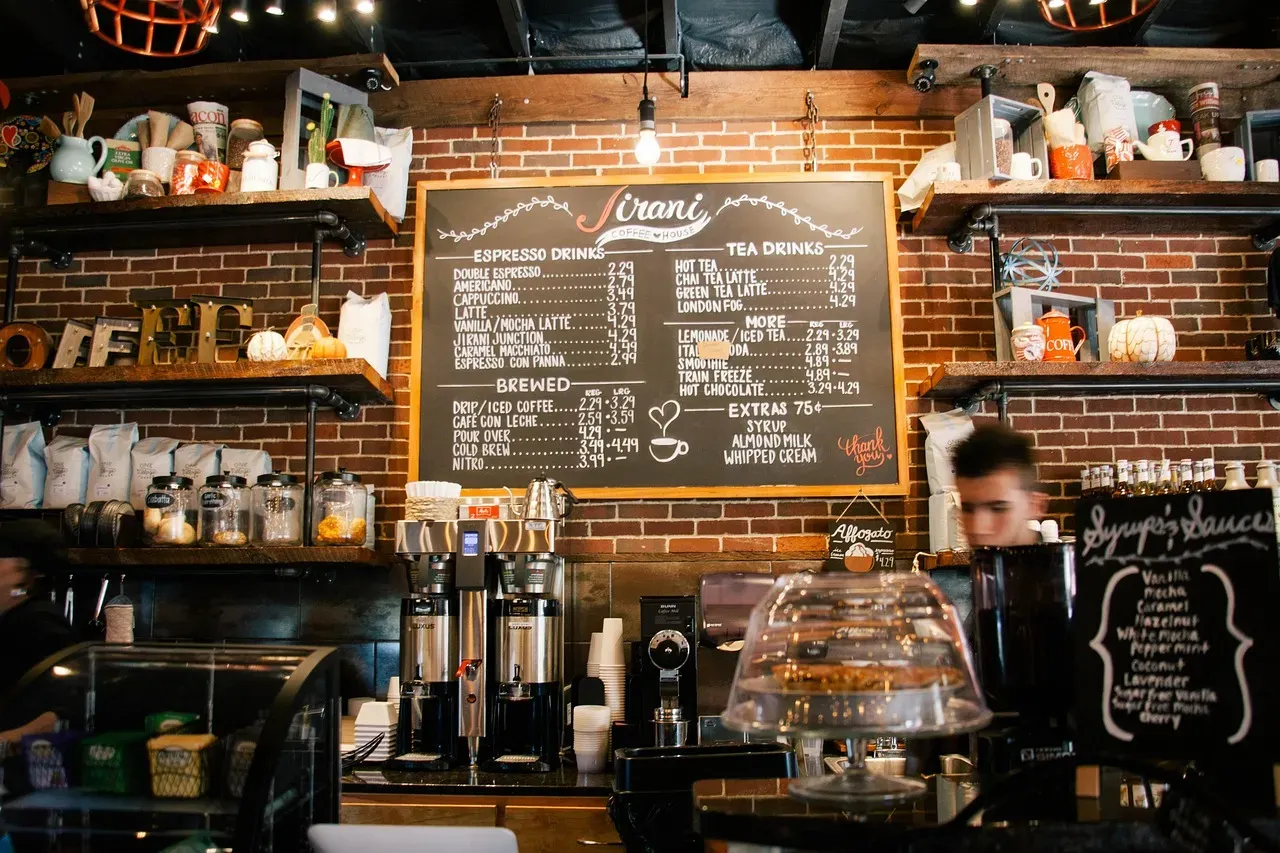
Honestly, this one hits different when you’re the one handing that menu over. The first thing you hold in your hand can wave a red flag immediately. Experienced observers note they can often predict the upcoming experience based on the menus they’re offered, saying that torn, worn, or dirty menus tell you the waitstaff isn’t adequately trained, or the manager doesn’t pay attention to the restaurant environment.
Menus with bread crumbs, food stains, and spilled sauces signal they’re not cleaned regularly, and if the staff isn’t paying attention to this detail, they may be missing even bigger things. Think about it like this: the menu is the first physical object a guest interacts with. It’s the handshake of the dining room.
The actual physical menu can tell you a lot about a restaurant. Experienced chefs always check menus to see if they’re clean and cared for or reused without a second thought to their appearance. Dirty or beaten-up menus are a bad sign – this is the kind of small factor that might signal greater problems in a restaurant. If the staff doesn’t care about the little things, it may follow that the larger issues aren’t important to them either.
Sticky or unclean menus can actually be breeding grounds for bacteria, and grimy surroundings such as dirty floors or walls can reflect overall negligence towards cleanliness. A dirty menu is, effectively, a dirty window into kitchen standards.
2. The Menu Is Enormous and Spans Every Cuisine Imaginable
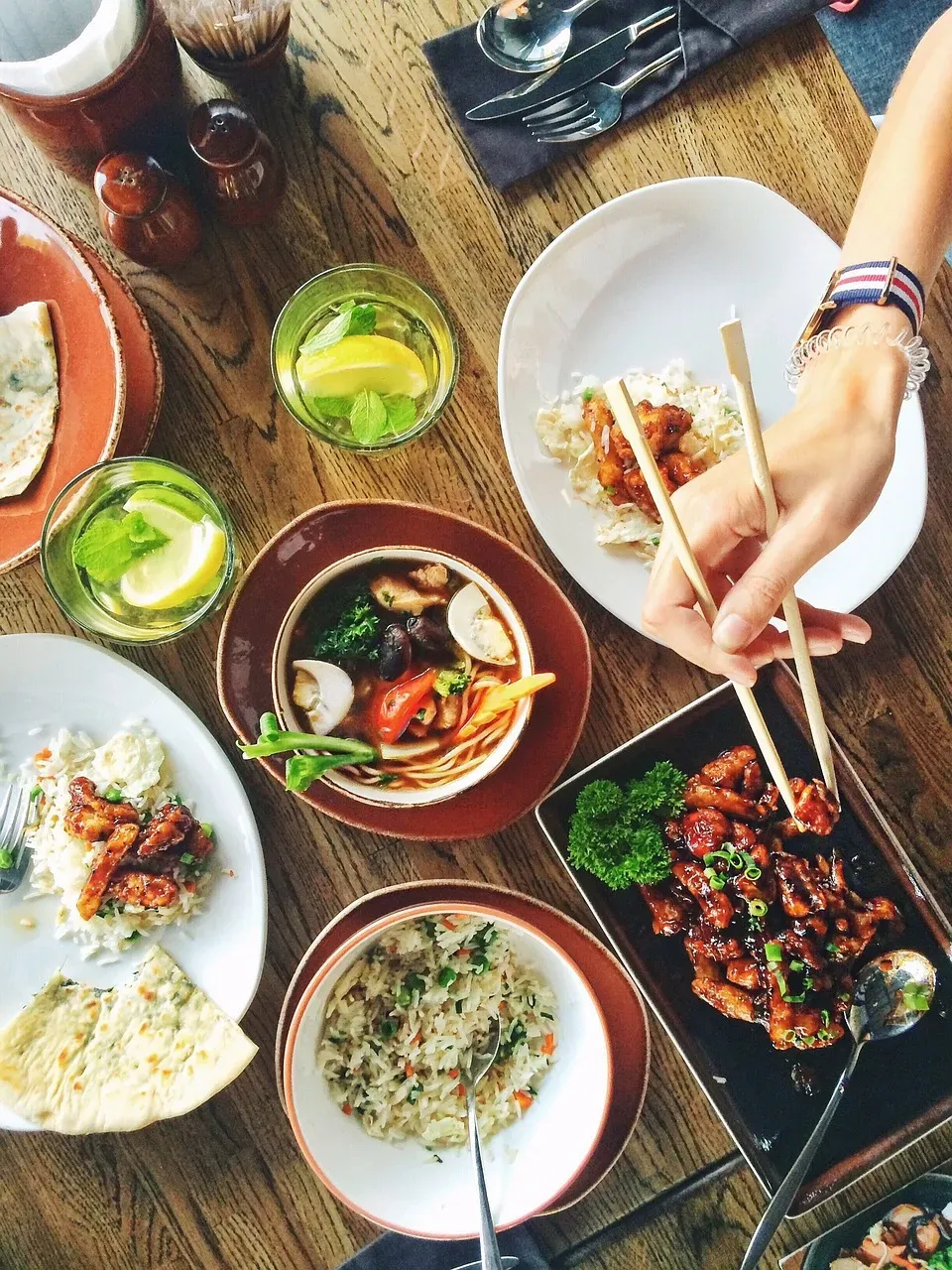
When it comes to menus, less is more. If a restaurant has a menu that’s ten pages long and spans Italian food to Indian to Chinese, that’s a big red flag. With so many dishes across so many different types of cuisine, it’s a clear sign that a restaurant hasn’t mastered any of them. It’s also a red flag for food freshness and safety.
If there are a hundred dishes, you have to ask when the last time somebody ordered the same meal you’re ordering was. If you choose a dish that doesn’t have a lot of turnover, it might be made with old ingredients that have been sitting around in the back. That’s a genuinely unsettling thought when you’re considering the linguine.
Experienced executive chefs put it simply: “If the menu reads like a small novel, I’m already wary.” The preference leans toward short, focused menus because you can actually nail every dish. A massive menu is less a sign of abundance and more a sign of ambition without discipline – like a chef trying to sprint in ten directions at once.
If the menu shows no point of view or tries to please every type of diner, you’re looking at food that will be mediocre at best. Dishes that don’t seem like they belong on the menu can be a red flag. If you go to an Italian restaurant and see that they also serve Indian dishes, you might wonder how authentic either cuisine actually is.
3. There Are No Standout or Signature Dishes
If you want to go to a great restaurant, looking at the menu can tell you a lot. When the dishes don’t have any standout touches, you might be in for a disappointing meal. Rather than a dish that’s worth the money, you might go home having eaten a disappointing dinner and wishing you’d stayed in and cooked.
A menu should function as a tour guide of the best signature items and those with the highest gross margin. It should highlight those dishes that take guests on a tour of the items and elements that make a restaurant stand out from its competitors. When that spark is missing, experienced servers know before the food ever arrives that the night might fall flat.
I think this is one of the most underrated signals of a struggling kitchen. A restaurant that has nothing to say through its menu has no voice in the dining room either. Consumer surveys consistently show that diners’ overriding need is for something new and memorable on menus, with a significant share actively looking for more newness and uniqueness each year.
4. The Menu Design Looks Outdated and Cluttered
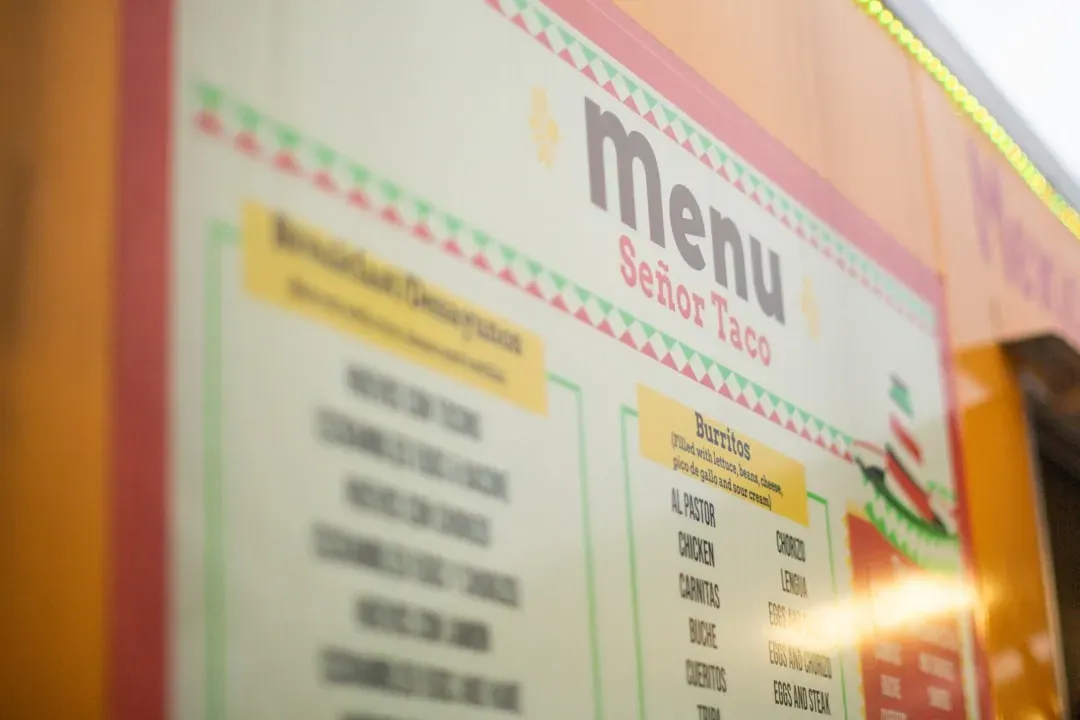
It’s not just the state and cleanliness of menus that matters. The design also matters enormously. Menu design and engineering is an art, and if the menu is half-baked, so will the kitchen’s execution. This is partially aesthetic, but it also speaks of wider problems in a restaurant.
The design of the menu carries real weight. If it’s visually outdated, cluttered, has a poor color scheme, or lacks visual hierarchy, it gives a bad impression straight away. Experienced servers read this signal fast. An owner who hasn’t invested in something as basic as a readable layout probably hasn’t invested much elsewhere either.
A faded menu says updates are overdue. Prices probably lag costs, dishes might be retired in spirit, and seasonal items are stuck in a different season. When the paper looks tired, the kitchen often mirrors it. It’s like showing up to a job interview in a suit from fifteen years ago. The message is clear, even if no one says it out loud.
5. Specials Are Being Pushed With Suspicious Urgency
You may notice your server pushing the chef’s special with unusual enthusiasm, which can be suspicious. While specials are sometimes genuine chef creations, it could also be a way to dispose of ingredients that are about to expire. If your server is overly insistent, consider ordering something else.
Let’s be real: most servers know what the specials really mean when they’re being pushed hard. A daily special born from creativity is one thing. A special that’s being sold with a little too much energy at the end of a Friday service tells a different story entirely. The average restaurant loses anywhere from four to ten percent of the food they purchase to food waste. Managing that waste sometimes ends up on the specials board.
Experienced floor staff pick up on when a special has been “engineered” rather than inspired. The kitchen is trying to move something out before it turns. It happens in even good restaurants, but the frequency of that pressure – and the intensity behind it – is the real tell. If three servers mention the same special unprompted within five minutes, you’ll know.
6. Prices on the Menu Feel Wildly Inconsistent
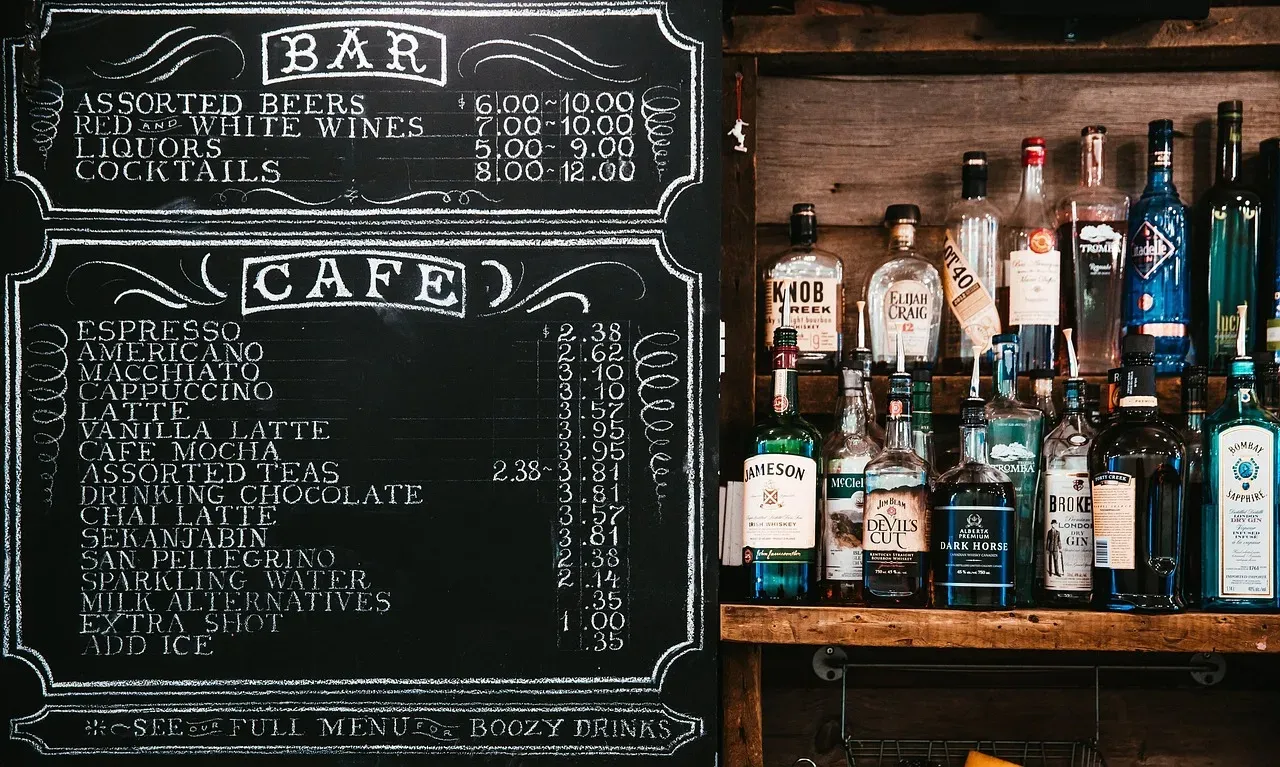
According to a 2024 TouchBistro report, roughly half of Americans say that menu price hikes impact their ordering decisions in a restaurant. Experienced servers see the confusion on guests’ faces every single service. When prices seem random, disconnected from portion size, or oddly high on basic items, it signals something deeper is off with how the business is run.
According to Expert Market’s research, the vast majority of restaurant operators say rising ingredient costs are having a serious impact on their profits, and more than half said they’ve had to raise menu prices to offset wage increases. That’s real pressure, and it often shows up as erratic pricing on a menu rather than a clean, transparent structure.
According to the same report, nearly half of businesses said tariffs have directly led to increased menu prices for customers, and tariffs have been attributed to an increase in ingredient and supply costs, with a notable share saying supply chain volatility is a major obstacle. A menu that looks like it was priced by three different people on three different days is often the visible result of those pressures – and a server who’s been around will recognize it immediately.
7. The Menu Offers No Allergen or Dietary Information
For those with allergies or dietary restrictions, it’s important to observe how your server reacts upon mentioning your food restriction. If they seem annoyed, dismissive, or even unsure about the ingredients, you have to take that sign seriously. Restaurants that can’t properly accommodate common dietary needs often have poor communication systems and may not take food safety seriously.
The absence of clear allergen information isn’t just a branding issue or a customer service headache – it’s a direct pathway to significant legal liability. The risk isn’t just an incorrect price; it’s an outdated allergen declaration. A menu with zero allergen transparency in 2026 is genuinely hard to justify. The standards are well established and widely known.
In an era where consumers are more health-conscious than ever and regulations demand transparency, providing nutrition information has moved from a marketing advantage to a compliance issue. It’s not enough to “guesstimate” calorie counts or make vague health promises. Every claim a restaurant makes must have a reasonable basis. A blank space where that information should live is a loud signal to experienced servers that management isn’t paying close enough attention to the details that matter most.
8. Items Are Listed That No One Ever Orders
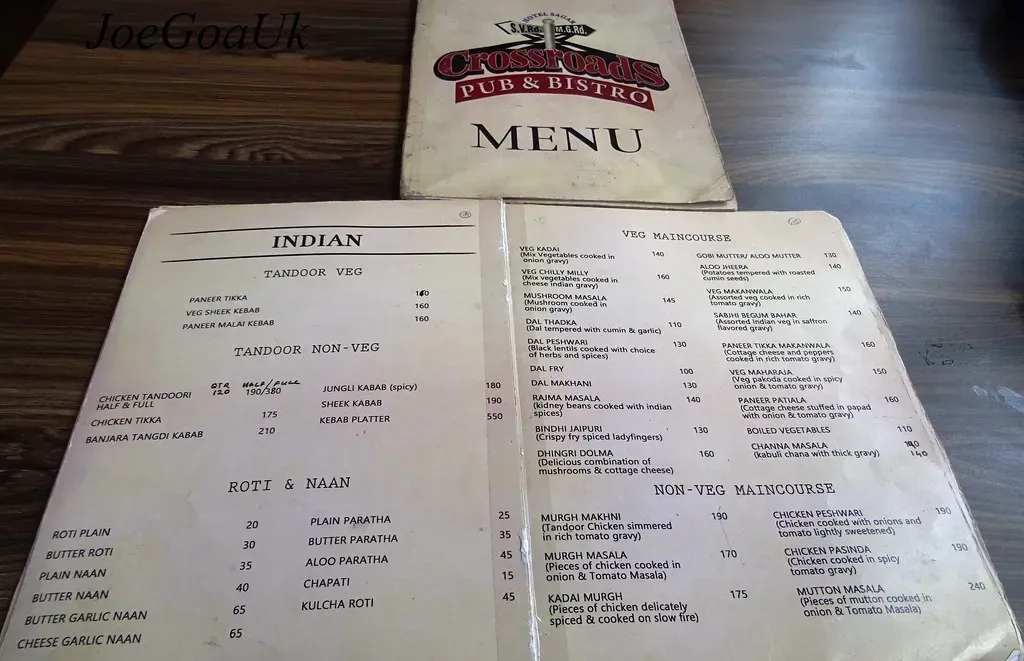
Without a crowd and without regular ordering patterns, food turnover slows and freshness suffers. Experienced servers know which dishes haven’t moved in weeks. Menus that list obscure, high-maintenance items with zero demand in a mid-range casual restaurant are a quiet problem nobody talks about openly.
Think of it this way: every item on a menu needs prep, ingredients, and storage. A dish that rarely gets ordered means its core ingredients are sitting around far longer than they should. That’s not a theory, it’s just kitchen math. The menu is the single most important piece of marketing collateral for any restaurant. Cluttering it with items that never move shows a lack of editorial discipline that bleeds directly into the kitchen.
Menus should evolve with feedback and supply. If the lamination is peeling and the font screams last decade, expect the food to follow suit. Fresh thinking rarely lives on a faded page. Servers who have worked in the industry for years develop an almost instinctive eye for these ghost dishes. They’ve heard the kitchen groan when a table finally orders one of them – because now someone has to figure out where that ingredient actually is.