Chef Confessions: 9 Home Cooking Habits That Ruin Flavor
Most people think that bad cooking comes down to a bad recipe. Honestly, that’s rarely the case. The real culprits are the small, invisible habits that quietly drain flavor from your food before it ever reaches a plate. Chefs see it constantly, and most of them will tell you the same thing: home cooks are their own worst enemy in the kitchen.
The good news? These mistakes are completely fixable. You don’t need a culinary degree or a professional kitchen to cook food that genuinely tastes great. You just need to understand what you’re doing wrong. Be prepared to nod along, because there’s a good chance you’re guilty of at least a few of these. Let’s dive in.
1. Overcrowding the Pan and Killing the Sear
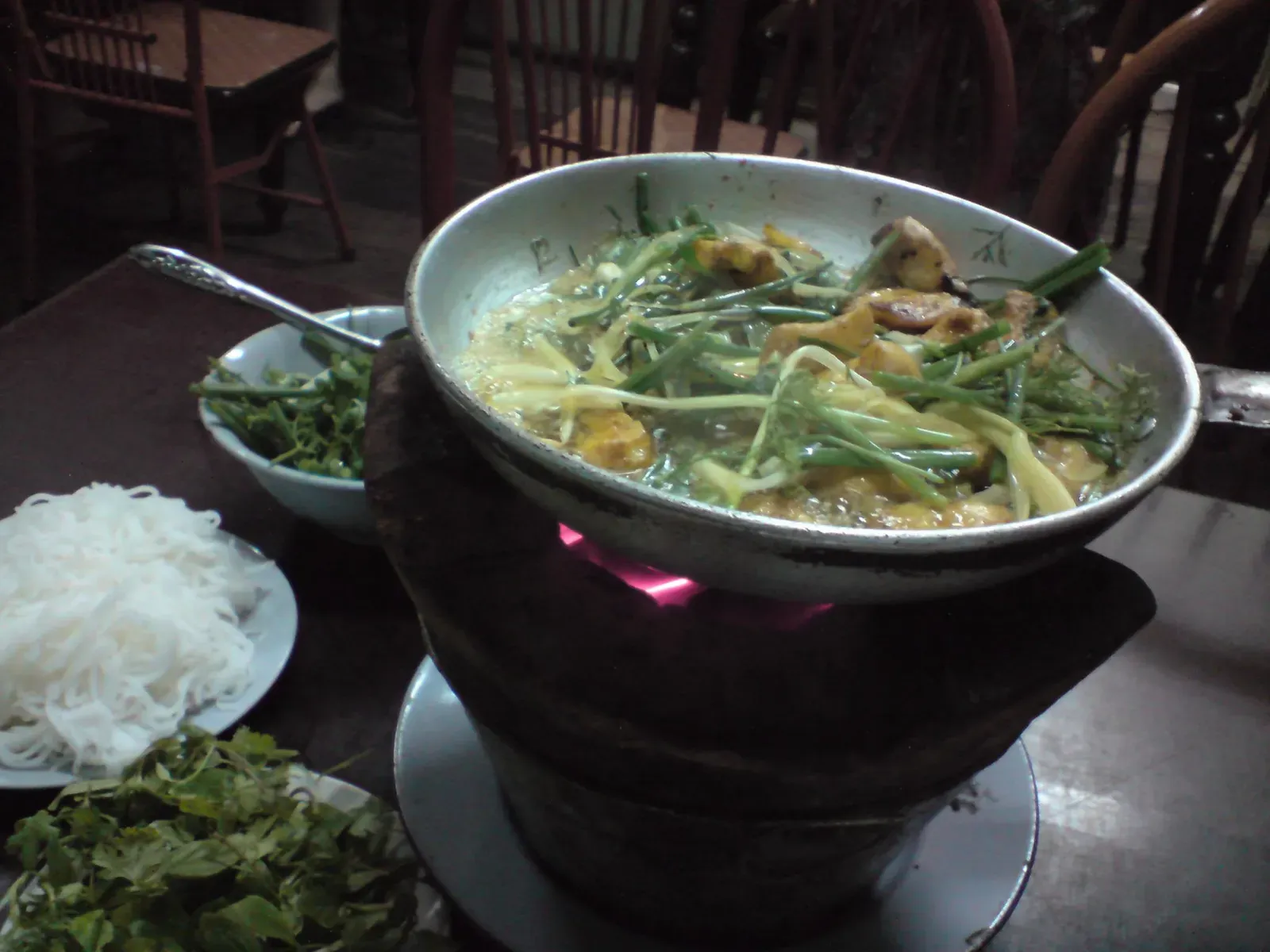
This one is probably the most widespread kitchen crime committed every single night in homes everywhere. Overcrowding the pan happens when too many ingredients are placed in the pan at once, which leads to uneven cooking because the ingredients don’t have enough space. It also hinders the browning process, as the ingredients release moisture and fail to achieve a desirable sear or crispness.
Here’s the science behind it. In a process known as the Maillard reaction, amino acids react with sugars under high temperatures to produce the brown coloring common to deliciously cooked meats. The goal is a good sear, and you won’t get it when your pan is overcrowded. Lots of meat on the pan means lots of moisture is released and the temperature drops drastically – evaporation can’t happen fast enough, and you end up stewing the meat instead of searing it.
The Maillard reaction is responsible for the many colors and flavors when meats are browned or seared – think roast beef, crispy chicken, smashed burgers, or steak – as well as the golden brown on french fries and the umami flavor of caramelized onions. That’s a lot of flavor to throw away just by rushing things.
When a pan is packed with ingredients, there’s no room for the moisture released from the food to escape as steam. Instead of evaporating, it clings to the food and the pan, causing ingredients to steam rather than brown, which prevents the rich flavor and appealing texture that comes from caramelization. The fix is simple: cook in batches. It takes a little more patience, but the difference in flavor is night and day.
2. Seasoning Only at the End
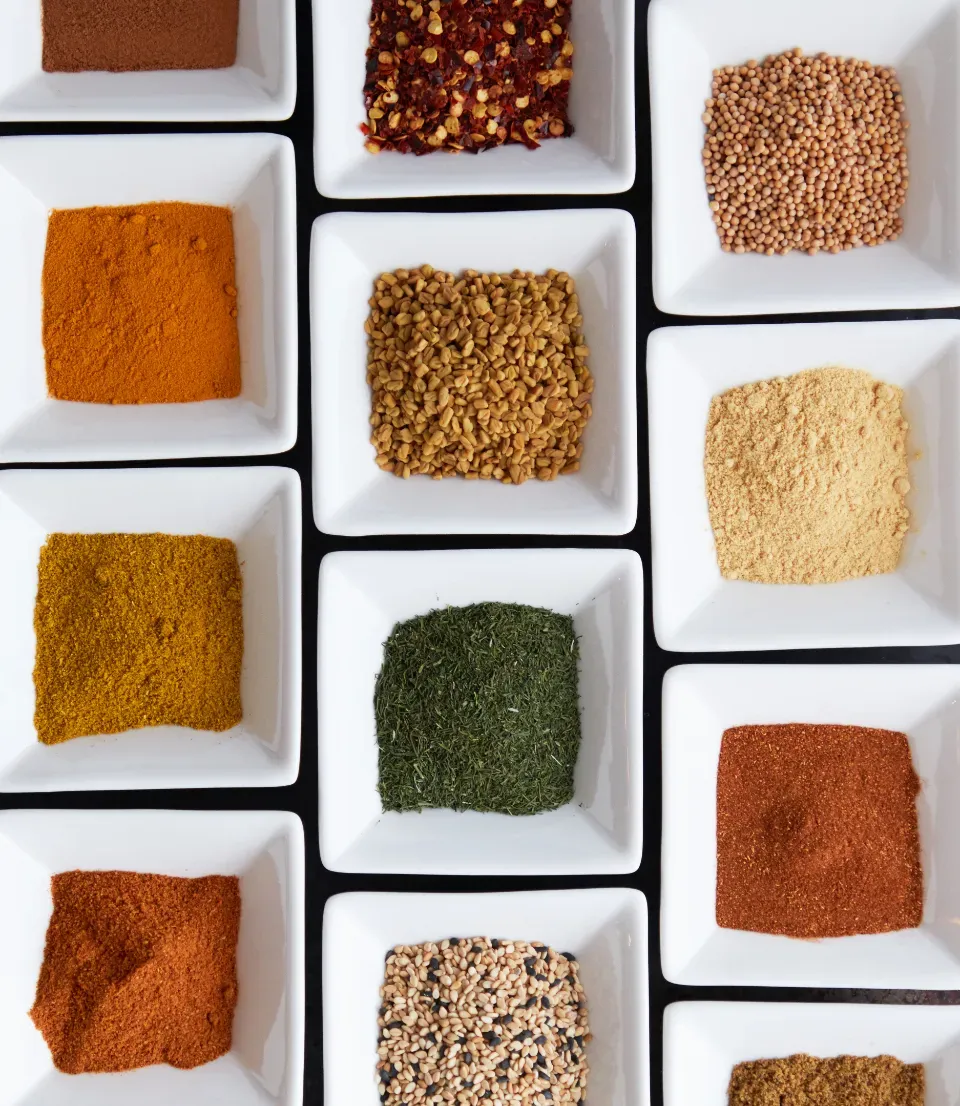
Almost every home cook does this. Salt and pepper go on at the very end, like an afterthought, and then people wonder why their food tastes flat no matter how much they add. If you’re only seasoning food at the end of cooking, you’re making one of the most common salt mistakes. Some people have heard that salt is bad for you and should be used sparingly, while others read a recipe that says “add salt and pepper to taste” and think that means adding it only at the end.
Seasoning before and during cooking allows salt to penetrate ingredients, draw out natural moisture, and enhance their inherent flavors. In some cases you might want to salt or marinate ingredients before cooking, as well as adding salt as you cook – tasting regularly so you don’t overdo it. This way, proteins absorb seasoning, vegetables release sugars and caramelize better, and aromatics bloom as they heat.
Always season your vegetables when you add them to the pan – this prevents over-seasoning at the end and makes the flavor profile even better than if you only seasoned at the end. You really should be seasoning throughout your cooking process. Your food will taste way better and you might find you don’t need to use as much of it.
Think of it like painting a wall. One thin coat at the very end will never give you the depth or richness that multiple layered coats build over time. Flavor works the same way.
3. Not Resting Meat Before Cutting
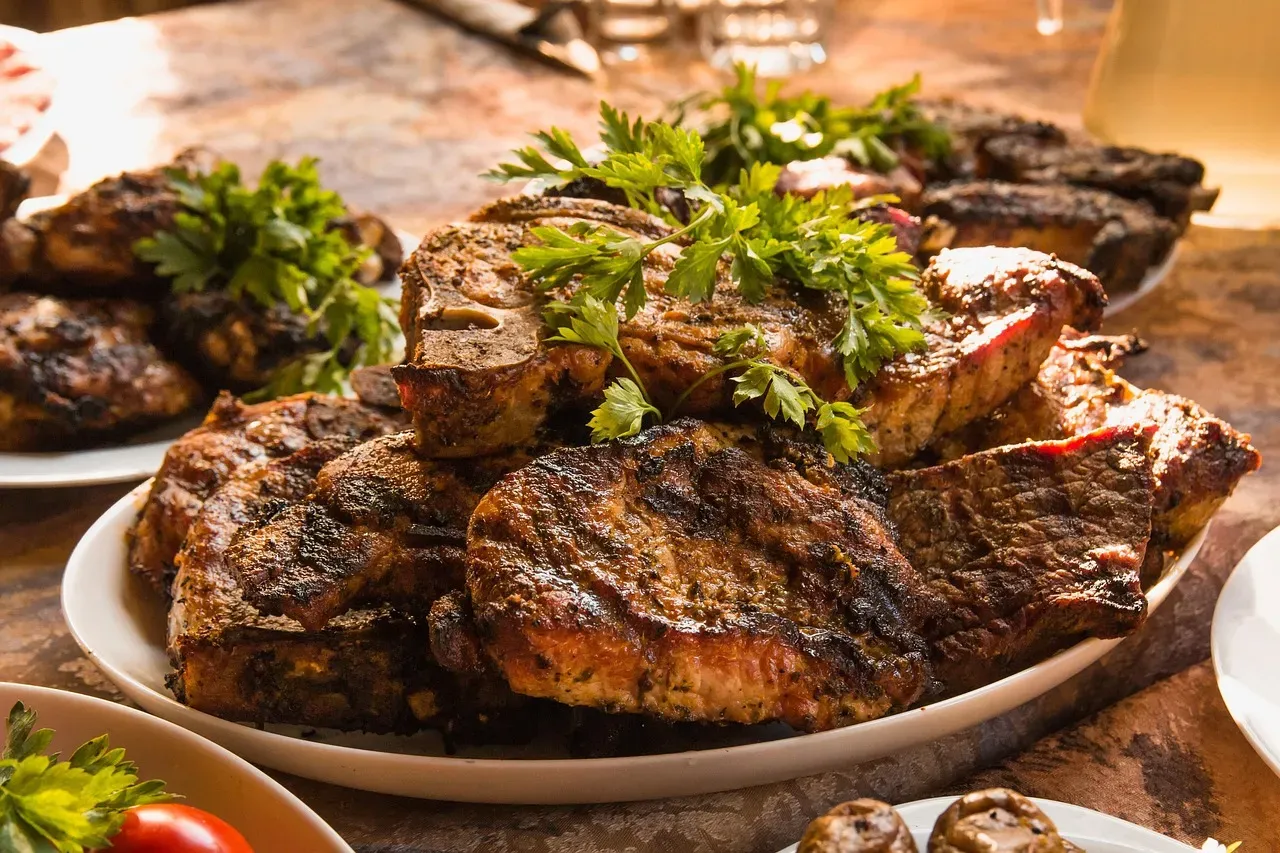
You just cooked a beautiful steak or roasted a chicken to golden perfection. You’re hungry, it smells incredible, and you slice right into it. All those gorgeous juices pool across the cutting board, gone forever. If you immediately slice into the muscle fibers, exposing them to cooler air, the juices will drain out. It is estimated that roughly 15 to 20 percent of the flavor goes out with the juice. Simply dipping the meat in the juice as you eat will not place it back in the fibers where it belongs – the meat is permanently ruined.
When red meat and poultry are heated, their muscle fibers contract, squeezing out some of the liquid within the fibers, which then moves into the spaces between the fibers. When meat is piping hot, those juices have a thin consistency and gush readily out where the muscle is cut. Allowing cooked meat to rest lets the juices cool so that the dissolved gelatin and any fat they contain firms up a little, making the juice more viscous so more of it stays within the muscle – resulting in meat that tastes less dry and more tender and flavorful.
Just a 10-minute rest helps keep the flavorful juices in the meat rather than spilled across your cutting board. If you allow the meat to rest just 10 minutes, it could mean a notable decrease in juices lost to the cutting board. That’s a significant flavor return for literally doing nothing at all.
4. Burning the Garlic
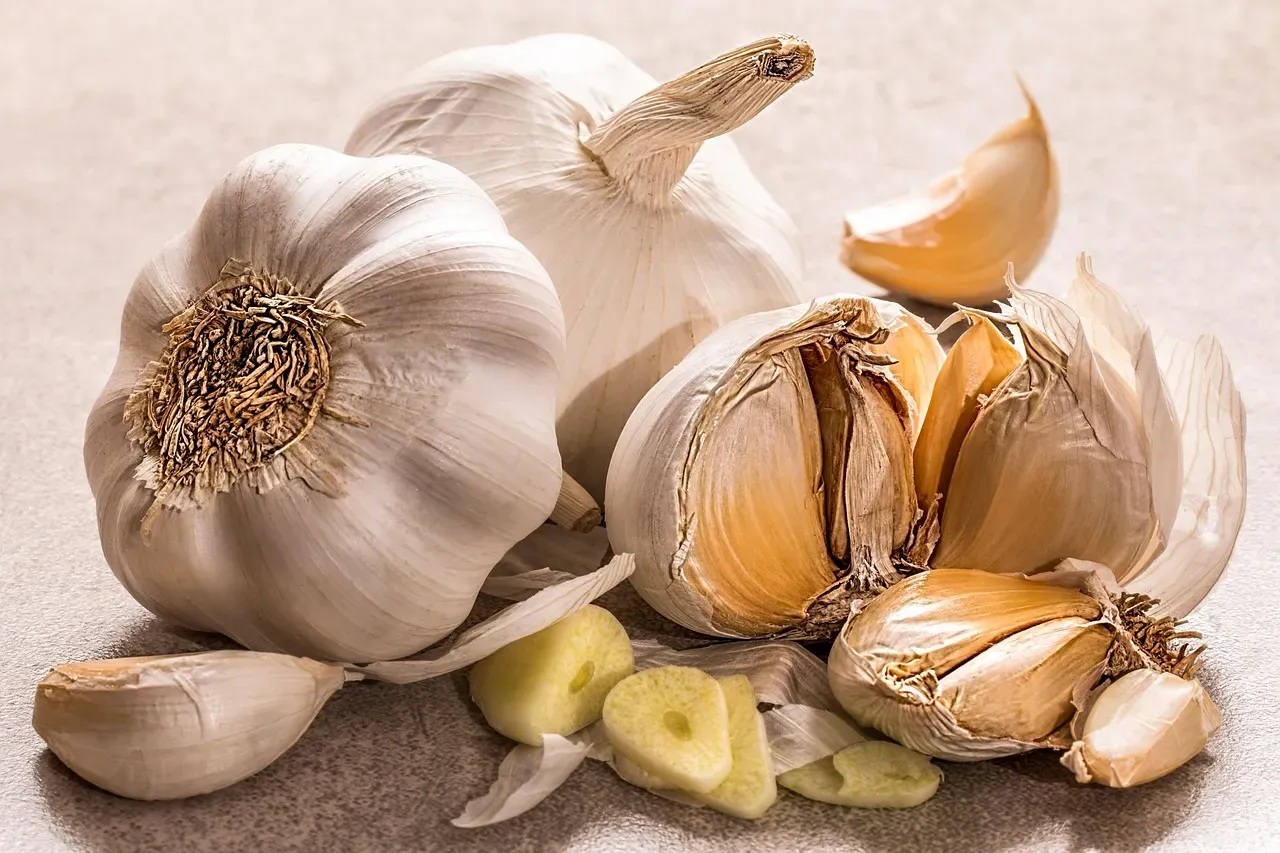
Garlic is one of the most powerful flavor tools in any kitchen. It can elevate a dish from ordinary to extraordinary in about 60 seconds. The problem is, those 60 seconds are exactly how long it takes to completely destroy it. The lower water content in garlic means that it burns significantly faster than onions or other vegetables you might use as a base. While some ingredients taste good when deeply browned, garlic ends up tasting bitter and acrid and can totally ruin a meal if it’s overcooked.
Many people put garlic in at the start of cooking along with the onions, but it only takes a few minutes to cook. In almost every recipe where you need to sauté onions and garlic, the instructions say to put them in together – but that’s how you burn the garlic and destroy the dish.
If you ever need to fry garlic on its own for a recipe, it’s best to start it in a cold pan with oil, let it cook low and slow, and stir it constantly to keep it from burning. Treat garlic gently. Add it later than you think. Let it perfume the oil without scorching, and it will reward you enormously.
5. Using the Wrong Cooking Oil
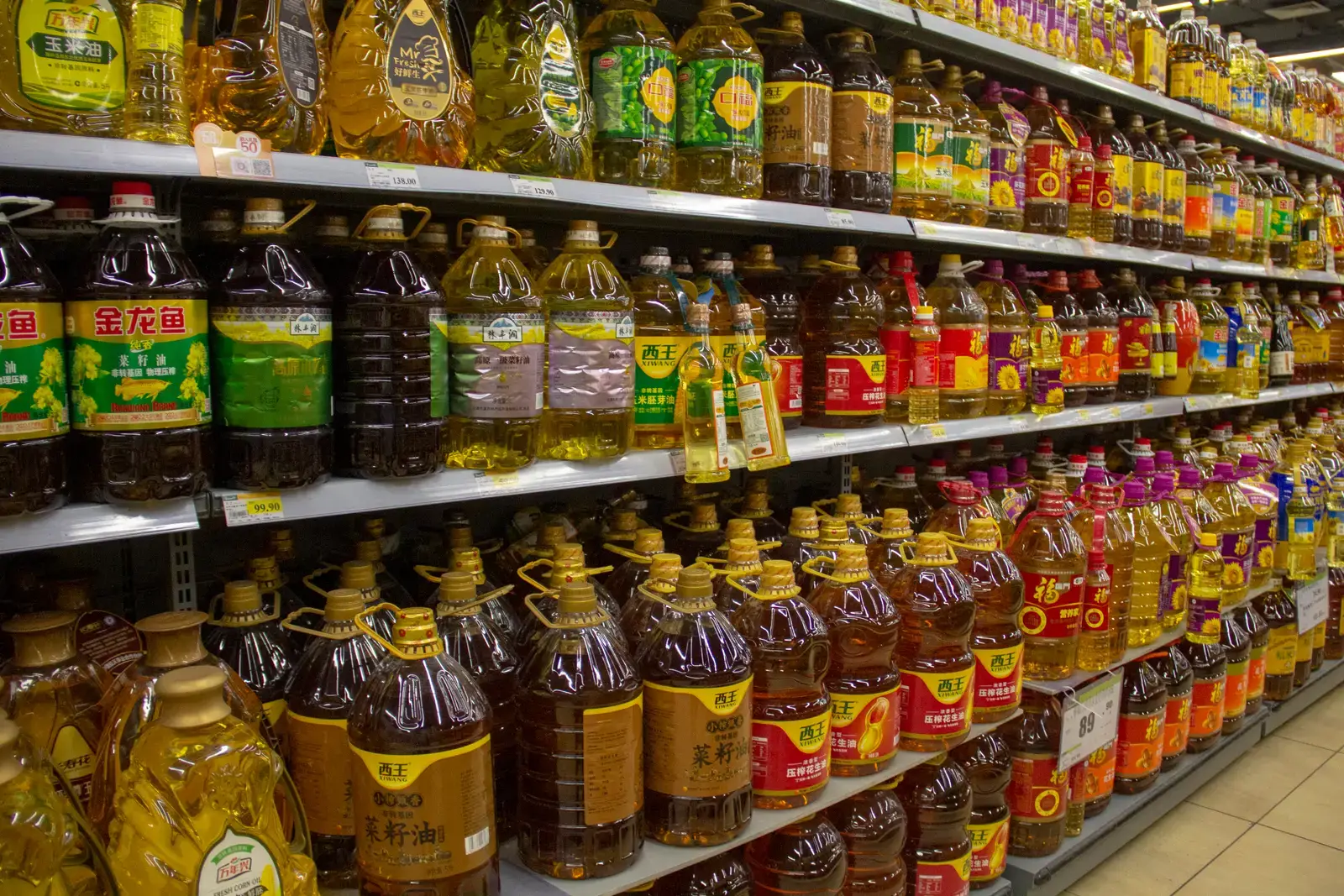
Most people grab whatever bottle is closest and pour it in the pan, completely unaware that this single decision can compromise an entire dish. Different cooking methods require different types of oils with specific smoke points and flavor profiles. Using the wrong oil can result in unpleasant flavors, smoking, and even the production of harmful compounds. For high-heat cooking methods like stir-frying or pan-searing, it’s best to use oils with high smoke points such as avocado oil or grapeseed oil.
The smoke point is the temperature at which an oil begins to smoke and oxidize, breaking down into free fatty acids. When an oil starts to smoke it will impart a burnt, bitter flavor thanks to a substance released called acrolein. During this process, harmful compounds called polar compounds may also be released as a byproduct of the breakdown of that oil.
All those tasty flavor molecules burn at temperatures below the smoke point of the oil itself and cause bad flavors before the oil starts to smoke. Extra virgin olive oil has a lower smoke point than “light” olive oil, which has had many of those tasty compounds removed – making light olive oil better for many cooking tasks.
Don’t waste expensive olive oil on high-heat cooking. The flavor compounds break down above 375°F. Save good olive oil for finishing or drizzling instead. Think of your oils as tools, not just generic grease – each one has a job it does brilliantly, and a job it does terribly.
6. Moving the Food Too Much in the Pan
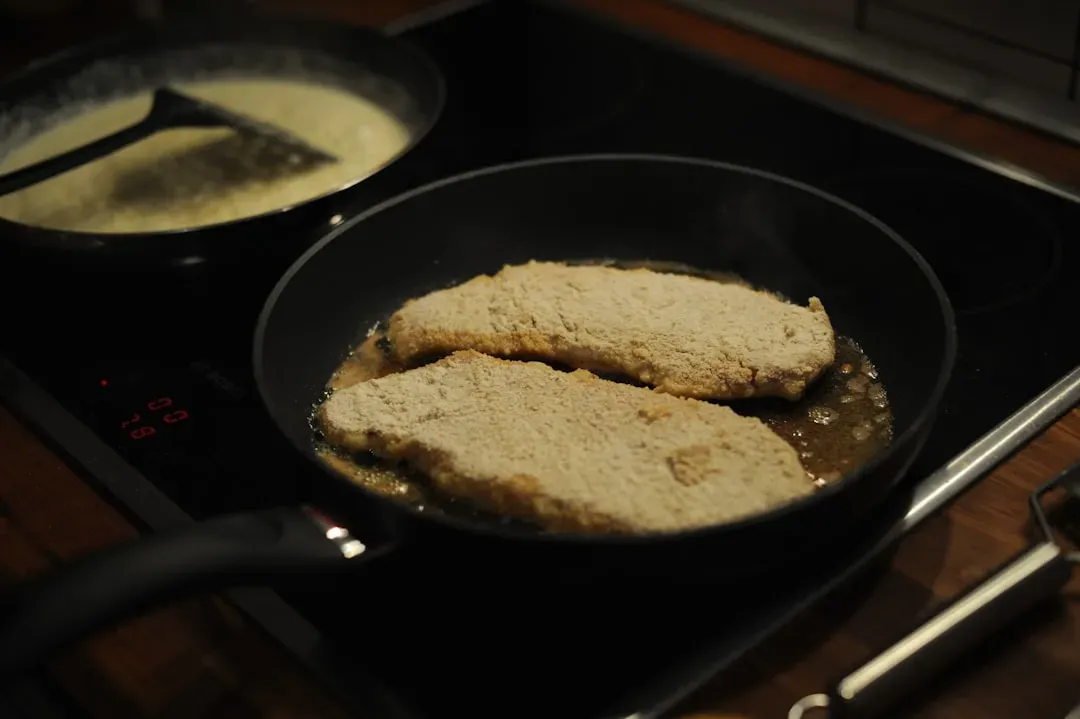
There’s something deeply satisfying about stirring and tossing food around the pan. It feels productive. It feels like you’re actively cooking. Let’s be real though – you’re actually undoing all the work. Tossing food around the pan every few seconds won’t make it cook faster – in fact, it won’t. When you’re cooking, leave the food in contact with the pan and allow it to cook. Leaving the food in the pan and only moving it on occasion will help it enrich ingredient flavors, textures, and that golden brown color everyone is after.
Moving food too soon prevents proper browning. Let food cook undisturbed for at least 2 to 3 minutes before flipping or stirring. The contact between a hot pan surface and the ingredient is exactly what triggers the Maillard reaction that creates all those deep, roasted flavors. Break that contact and you break the reaction.
A helpful rule is to leave the food in the pan until it naturally releases by itself – then you can turn it. It works, producing a well-flavored and correctly cooked result. Food will tell you when it’s ready to move. Learn to wait for that signal instead of forcing it.
7. Not Tasting as You Cook
This might sound obvious, but it’s one of the most consistently skipped steps in home cooking. People follow a recipe like a sacred text, measure everything out, and never once dip a spoon into the pot to see how things are actually going. The most common mistake is probably not tasting the food as you cook. Neglecting to taste throughout the cooking process can lead to dishes being under-seasoned, over-seasoned, or lacking in flavor balance. Tasting allows you to identify adjustments that need to be made and ensures that the final dish is delicious and well-balanced.
A recipe has steps you’re supposed to follow for a reason: flavor development. If you add your ingredients out of order or fail to check in, you risk ruining the dish. For example, a lot of herbs like parsley and chives are added towards the end of the cooking process because they tend to lose their flavor the longer they cook.
I think of tasting while cooking the same way a musician tunes their instrument mid-performance. It’s not a sign of uncertainty – it’s a sign of care. A dish can drift wildly off course in just a few minutes, and your palate is the only instrument that catches it in time.
8. Cooking Meat Straight From the Fridge
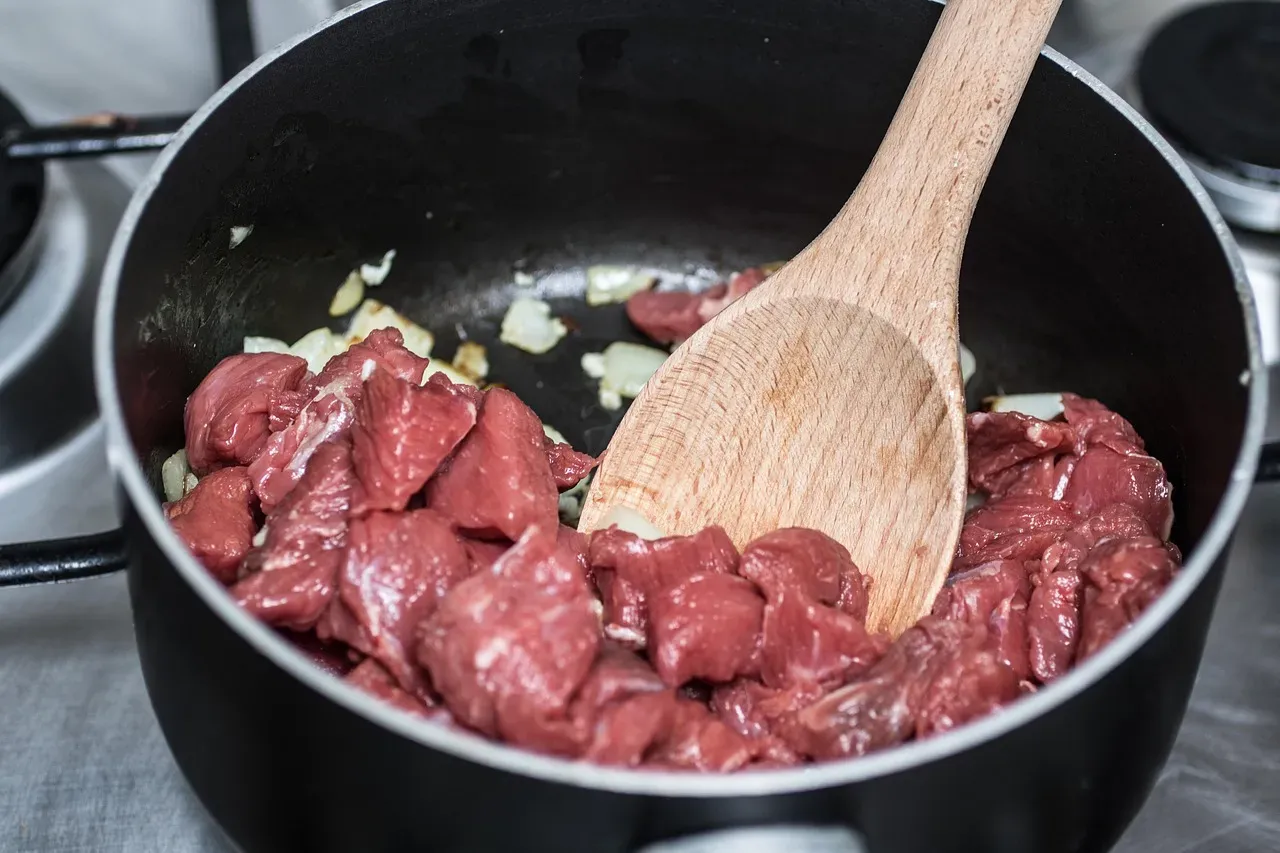
This one surprises people. You pull a thick steak or a chicken breast directly from the cold fridge and slap it straight onto a screaming-hot pan. Within seconds, the outside starts cooking aggressively while the center remains ice cold. The result is uneven cooking – overdone on the outside, underdone inside – and the texture suffers badly. Cooking a steak directly from the fridge means that once it hits the hot pan, the fibers in the meat go into shock, tense up, and result in a tough steak.
Properly resting meat before cooking is essential to ensure even cooking and retain moisture and flavor. In a busy kitchen, skipping this step can cause juices to escape and result in a dry or unevenly cooked protein. The same principle applies at home just as much as in a professional kitchen.
Letting meat sit at room temperature for 20 to 30 minutes before cooking helps the heat penetrate evenly from edge to center. It’s one of those absurdly easy habits that professionals never skip and home cooks almost always do. A little patience before the pan pays dividends on the plate.
9. Adding Too Much Water to Vegetables
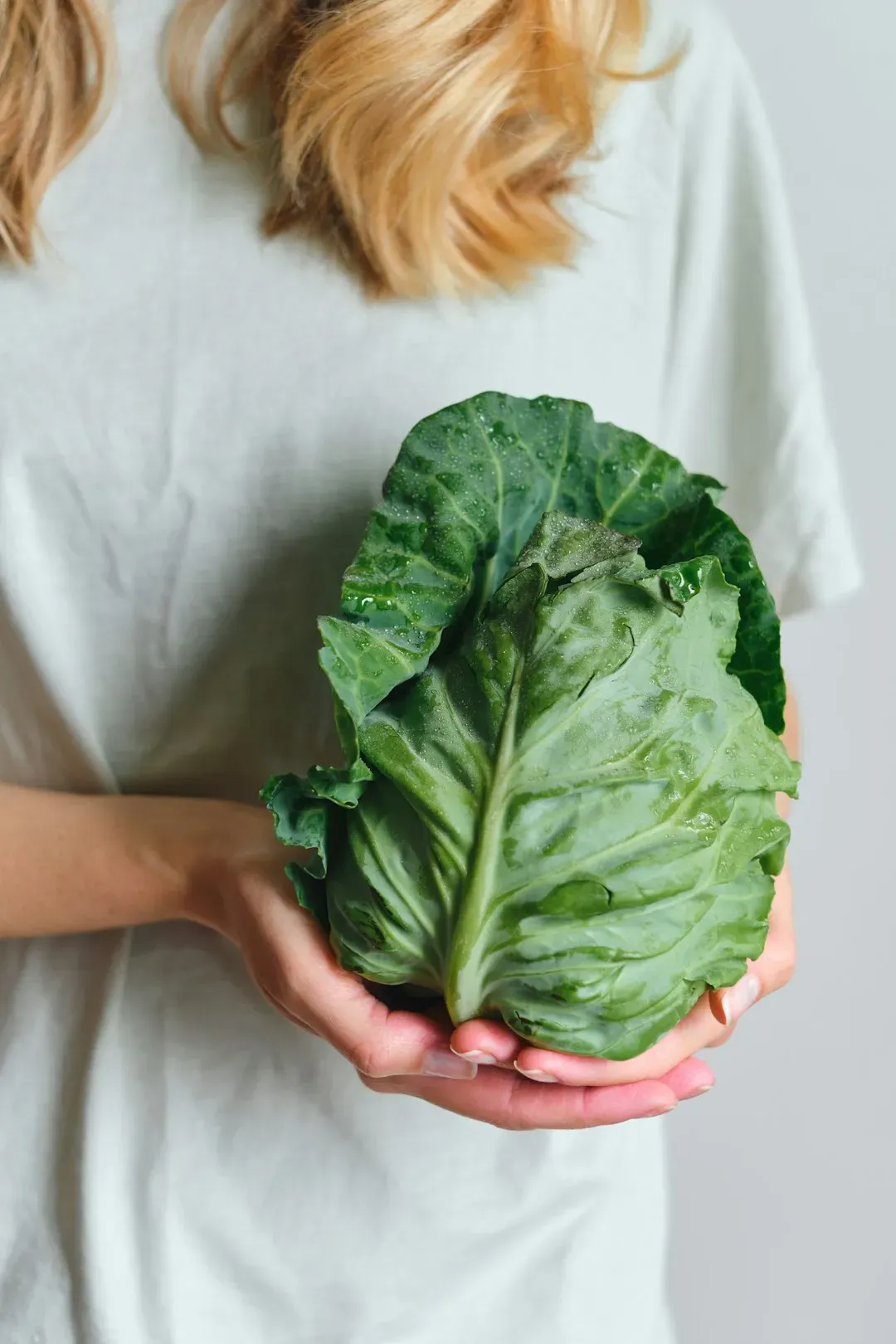
Home cooks often add water to vegetables while cooking, thinking it helps them along. It actually does the opposite. A very common mistake is cooking vegetables with too much water. While it may seem logical to add water when cooking vegetables, excessive water can lead to the leaching of valuable nutrients and flavors. Instead of boiling or submerging vegetables in water, it is better to use methods such as steaming, stir-frying, or roasting, as these techniques help to retain the natural flavors, colors, and nutrients of the vegetables.
Have you ever pulled a tray of roasted vegetables out of the oven only to find them soft and pale instead of golden and crisp? Or cooked a batch of mushrooms that ended up steamed and soggy? The culprit might be simple: overcrowding combined with trapped moisture. Water is the enemy of caramelization, full stop.
Certain vegetables with high water content such as eggplant, zucchini, peppers, and cabbage give off quite a bit of moisture. In order to avoid stewing and allow browning to take place, allow enough space in the pan for the moisture to escape. For a large quantity, cooking in batches works best. Think of vegetables as having an inner ocean waiting to escape. Your job is to give it a way out, not trap it in.