Top 9 Countries Tightening Entry Rules for U.S. Travelers in 2026
International travel just got a lot more complicated. If you hold a U.S. passport and have travel plans this year, there is a real chance you will land at a border checkpoint with outdated assumptions about what you need. Rules that were comfortable and familiar for decades are quietly being rewritten, country by country, in ways that catch even experienced travelers off guard.
Some of these changes involve new digital authorization systems. Others involve biometric data collection, tighter visa scrutiny, or formal restrictions tied to diplomatic tensions. What they all share is a single bottom line: showing up with just your blue passport is no longer always enough. Here is what is actually happening in 2026, backed by verified sources.
1. United Kingdom: No ETA, No Boarding
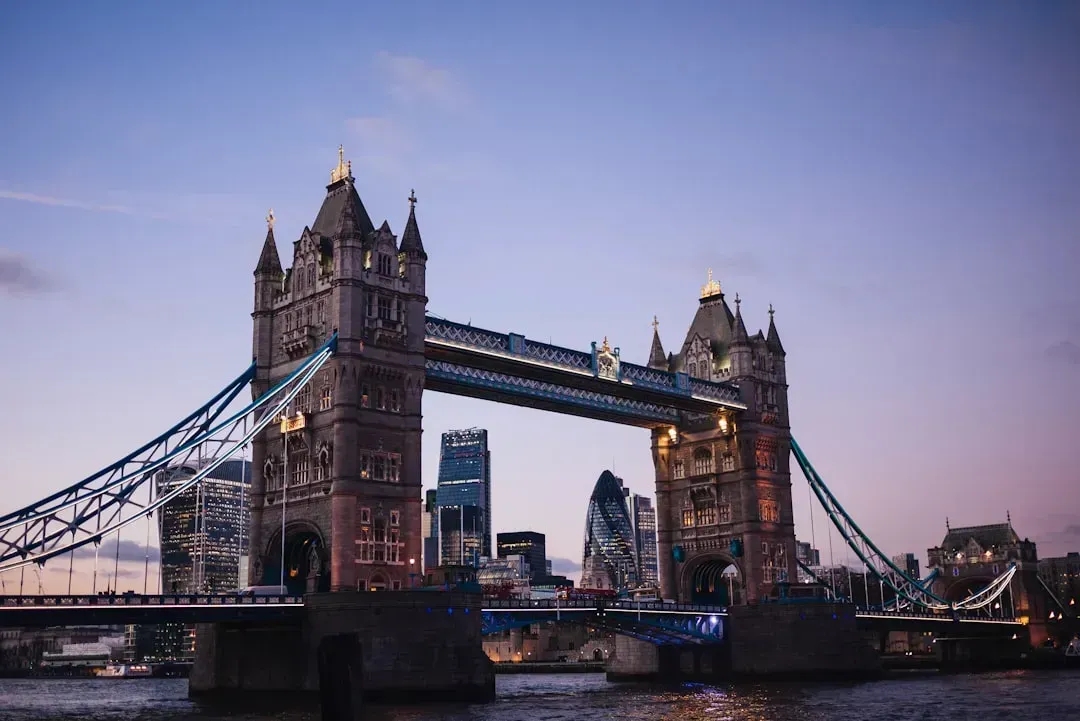
This one hit fast and hit hard. The United Kingdom began strict pre-travel checks for its Electronic Travel Authorisation (ETA) on February 25, 2026, and most visa-free visitors, including U.S. citizens, must now have approval before boarding a flight, train, or ferry. That is not a soft guideline – it is a hard gate at the airline counter.
The ETA became a hard requirement on February 25, 2026, meaning travelers need the £16 digital permission approved before they travel, or they risk being denied boarding at check-in. Think of it as the UK’s version of the American ESTA system – same idea, different country, and a lot of Americans simply did not see it coming.
The UK Electronic Travel Authorization is valid for two years from the date of approval, and during this period U.S. citizens can enter the UK multiple times without needing to reapply, as long as each visit complies with the permitted stay duration of typically up to six months per visit. Travelers transiting through the UK to another destination are also required to get an ETA. So even a quick London layover with a passport check now requires prior digital clearance.
2. Schengen Zone (EU): The ETIAS System Is Coming Late 2026
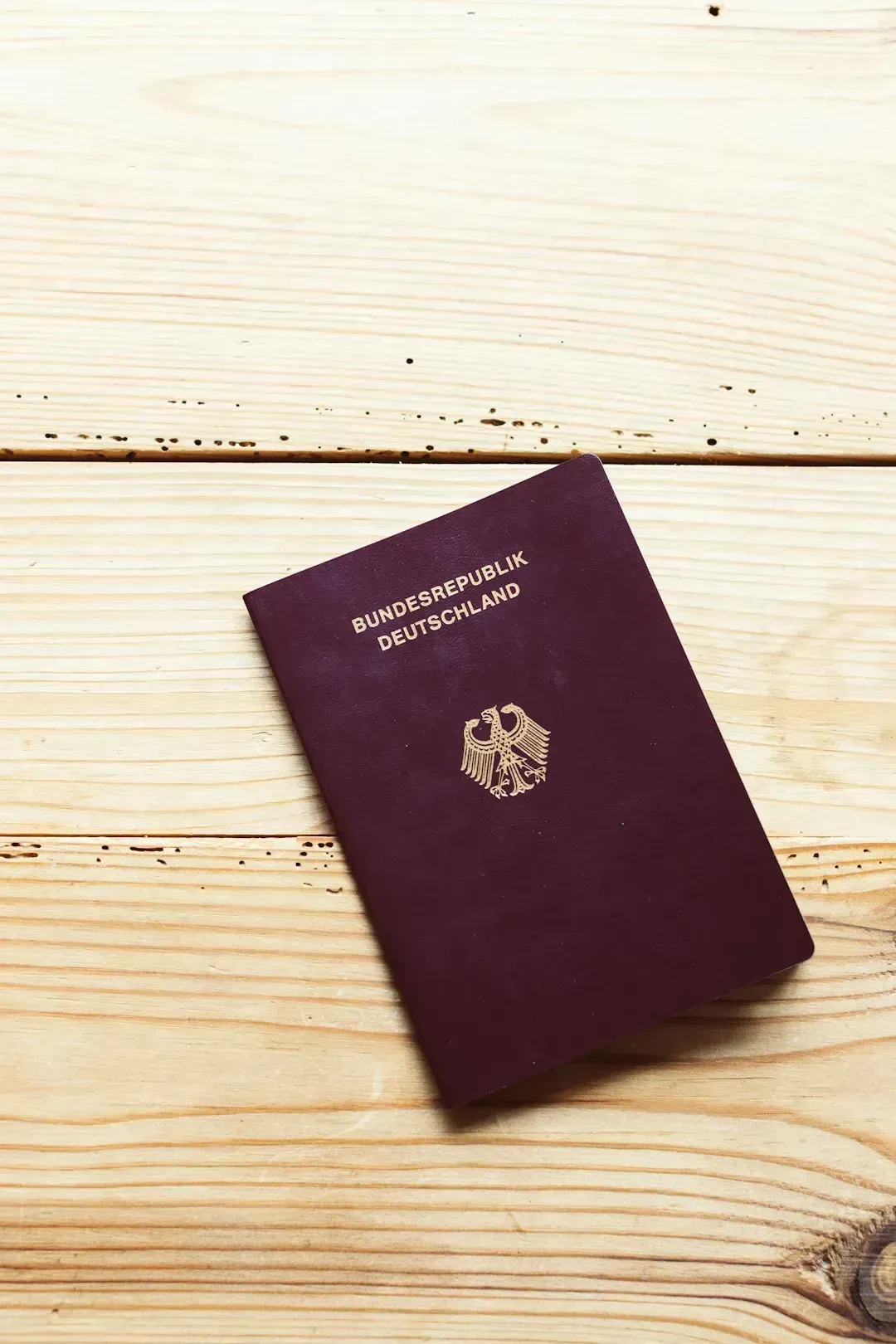
Europe has been teasing this change for years. Multiple delays later, it is finally happening. The European Union will introduce ETIAS (European Travel Information and Authorization System), launching in late 2026, which will require travelers from over 60 visa-exempt countries to obtain authorization before entering 30 Schengen nations. Americans are squarely on that list.
ETIAS is mandatory for all visa-exempt countries, including the United States, and it will take effect in the final quarter of 2026, after which point, travelers will be denied entry at the border if they do not have their authorization. This is not a visa. It is a pre-screening system, and honestly, it mirrors what the U.S. has required of visitors from many countries for years.
ETIAS costs €20, roughly about $23.50, for travelers ages 18 to 70 and is valid for three years. Most applications are processed within minutes, but sometimes additional documents or an interview are required, which could delay the process up to 30 days. Spontaneous last-minute trips to Paris or Rome will require a bit more advance planning from now on.
3. EU Entry/Exit System (EES): Biometrics at Every Schengen Border
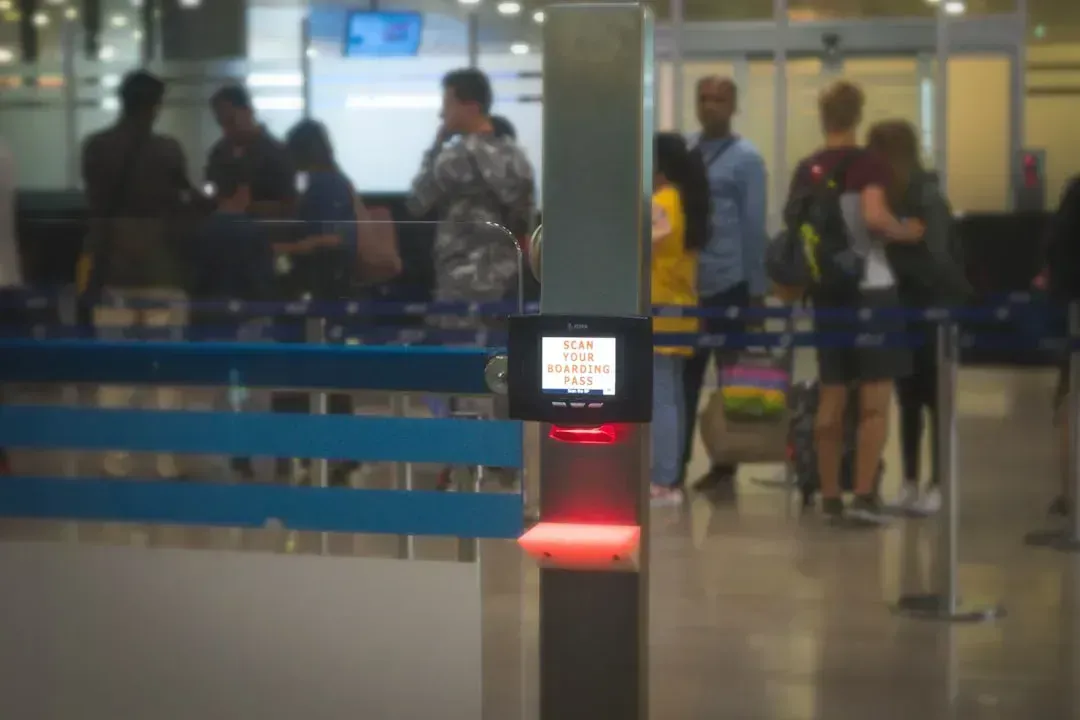
Separate from ETIAS, and already in motion, the EU’s Entry/Exit System is another layer of tightening that U.S. travelers are walking into right now. The new requirements include the enhanced Entry/Exit System (EES), which began in October 2025 and is fully rolling out in April 2026, replacing manual passport stamps with digital biometric checks across the Schengen Area.
All non-EU visitors, including Americans and Brits, will have their fingerprints, facial images, and passport data recorded during their first entry, and that information will be saved to track travelers’ movement across the Schengen zone. If you ever overstayed your 90-day Schengen allowance in the past, authorities will now detect it immediately on your next arrival.
Once EES is fully active, overstaying your Schengen allowance will be much easier for authorities to detect. Honestly, this is less about punishing normal tourists and more about catching chronic overstayers – but it does mean that every American entering Europe will now be biometrically registered. That is a significant shift from the old ink-stamp era.
4. Venezuela: Partial Entry Ban Cuts Off U.S.-Bound Venezuelans, With Ripple Effects

Venezuela’s relationship with the United States has been deteriorating for years, and the entry rules now reflect that starkly. According to the official proclamation basis, Venezuela lacks a competent or cooperative central authority for issuing passports or civil documents, does not have appropriate screening and vetting measures, has historically refused to accept back its removable nationals, and had a B-1/B-2 visa overstay rate of nearly ten percent.
Partial entry restrictions continue, halting the issuance of and entry with immigrant visas and nonimmigrant visas including new visitor, student, and exchange visitor visas for Venezuela. For U.S. travelers attempting to visit Venezuela, the State Department’s long-standing Level 4 “Do Not Travel” advisory remains in force, citing crime, civil unrest, and arbitrary detention risks.
The practical reality is that Venezuela has become one of the most difficult countries in the Western Hemisphere for any American to visit safely or legally with reliable documentation support. It is hard to say for sure how this evolves diplomatically, but the policy will be reviewed every 180 days, allowing countries to be added or removed based on their compliance with U.S. security standards.
5. Cuba: Tightened Access on Both Sides
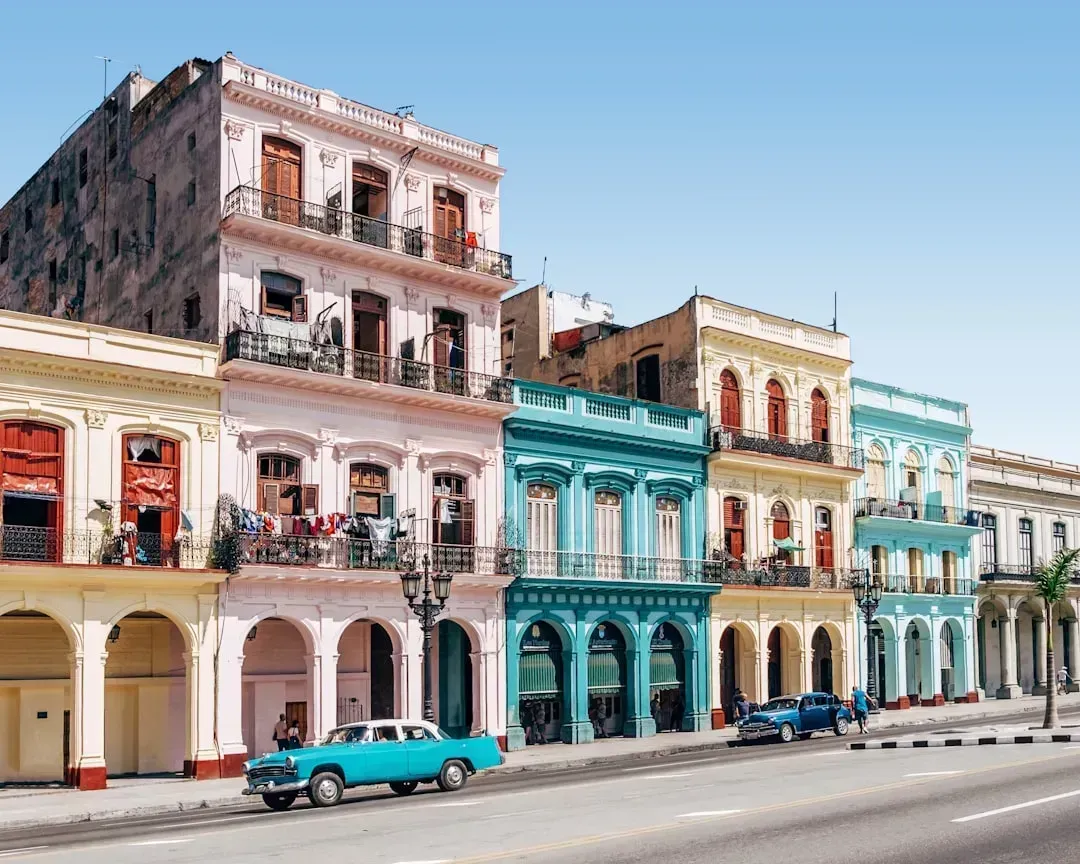
Cuba was already a complicated destination for Americans before 2026. Now it is even more so. The proclamation continues partial restrictions on nationals from Cuba, including Burundi, Togo, and Venezuela, under the expanded travel framework. This directly affects Cuban diaspora families in the U.S. trying to visit relatives, and it indirectly creates a chilling atmosphere around the entire U.S.-Cuba travel corridor.
For Americans wanting to travel to Cuba, the situation is equally thorny. The U.S. Treasury’s Office of Foreign Assets Control (OFAC) still requires that American travelers fall under one of specific licensed categories – general tourism remains technically prohibited under U.S. law. The categories include family visits, journalism, religious activities, and educational exchanges, among others, but enforcement and scrutiny have intensified.
The proclamation’s expanded restrictions will significantly impact family-based immigration, employment-based petitions, and student and exchange programs for nationals of listed countries. Cuba sits squarely in this landscape, and the dual-sided squeeze – from Washington on outbound American travelers and from the entry restrictions on Cubans – makes the island one of the most complex bilateral travel situations in the world right now.
6. Nigeria: A Major Diplomatic Flashpoint

Nigeria’s inclusion in the tightened entry framework drew significant attention. The country most heavily impacted by the new restrictions is Nigeria; over the last decade, Nigerians received an average of 128,000 immigrant and nonimmigrant visas on an annual basis, and nearly all of these visas will now be restricted, blocking legal immigration from the most populous country in Africa.
According to the proclamation, radical Islamic terrorist groups such as Boko Haram and the Islamic State operate freely in certain parts of Nigeria, which creates substantial screening and vetting difficulties, and Nigeria had a B-1/B-2 visa overstay rate of approximately five and a half percent and an F, M, and J visa overstay rate of nearly twelve percent.
From the American traveler’s perspective, visiting Nigeria in 2026 means navigating a State Department Level 3 “Reconsider Travel” advisory, coupled with an increasingly strained diplomatic environment between the two countries. Let’s be real: this is not a country where casual tourism was common for most Americans, but business travelers, journalists, and family visitors are caught in a genuinely difficult position.
7. Iran: Full Entry Ban, No Exceptions for Most
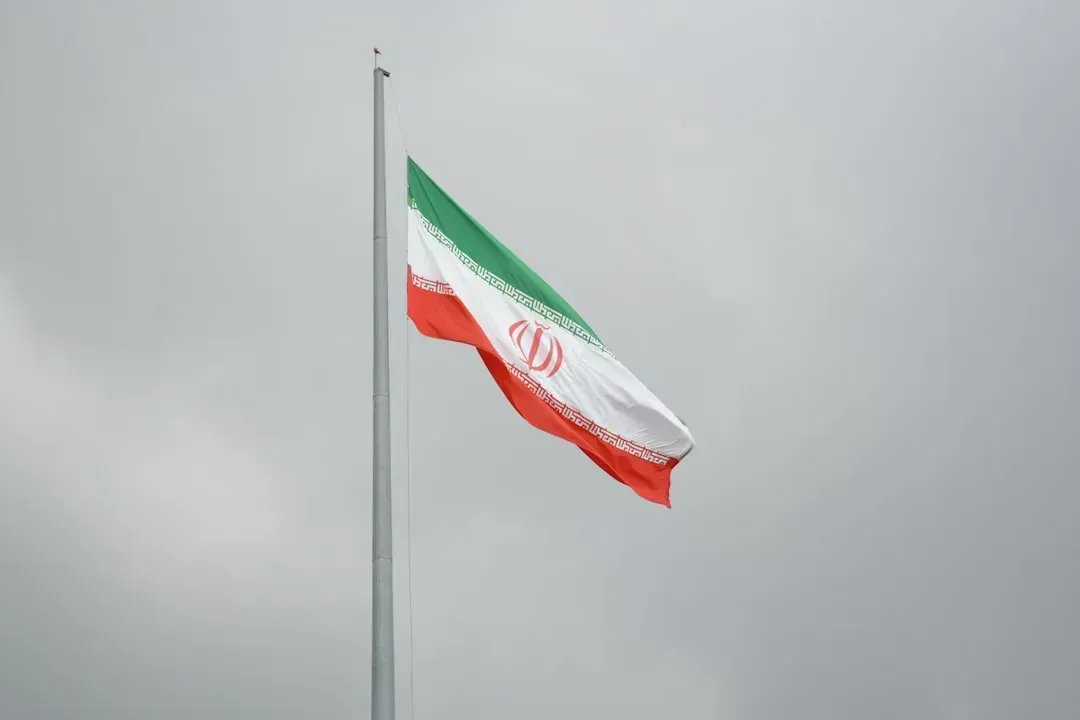
Iran has been under some form of U.S. entry restriction since 2017, but 2026 marks perhaps the strictest version yet. Entries of immigrants and nonimmigrants from Iran are fully suspended, placing it alongside Afghanistan, Burkina Faso, Burma, Chad, Republic of the Congo, Equatorial Guinea, Eritrea, Haiti, Laos, Libya, Mali, Niger, Sierra Leone, Somalia, South Sudan, Sudan, Syria, and Yemen under the full ban.
As of January 1, 2026, the following categorical exceptions previously available under earlier proclamations for nationals subject to the suspension on entry are no longer available: immediate family immigrant visas, and adoption visas. This removal of family-based exceptions is genuinely new and has caused significant concern among Iranian-American families separated across borders.
For Americans trying to visit Iran – which was never straightforward – U.S. passport holders have faced extreme difficulty for years. Iran does not recognize dual U.S.-Iranian nationality for entry purposes, and the State Department maintains a Level 4 “Do Not Travel” advisory citing the risk of wrongful detention. The diplomatic deep freeze between Washington and Tehran shows no sign of thawing in 2026.
8. Syria: Complete Closure, No Path In

Syria represents perhaps the clearest case of a country that has tightened access to nearly zero from both directions. The December 2025 proclamation imposed full travel restrictions on citizens and nationals of Syria, among other newly added countries, effective January 1, 2026. That means no tourist visas, no business visas, and no student visas for Syrian nationals entering the United States.
For Americans considering travel to Syria, the picture is equally bleak. The State Department has maintained its highest-level travel warning for Syria for years, citing ongoing armed conflict, terrorism, civil unrest, kidnapping, and the risk of arbitrary arrest. The proclamation cites national security concerns and the need to ensure proper vetting procedures as the primary justifications for these expanded restrictions.
Syria is, practically speaking, one of the most dangerous and least accessible destinations on the planet for American passport holders right now. The legal restriction on entry for Syrian nationals going to the U.S. is the formal side of a much larger bilateral breakdown that has been building for well over a decade. There is no realistic path to normalization in the near term.
9. Senegal and Côte d’Ivoire: New Restrictions With a World Cup Twist

Here is the one that really made headlines for an unexpected reason. Two of the newly banned countries, Senegal and Côte d’Ivoire, qualified for the 2026 FIFA World Cup, which will mostly be held in the United States, meaning that any fans of those countries who do not have valid visas as of January 1, 2026 are barred from getting them and unable to attend the games in person. That is a remarkable situation – a global sporting event hosted on American soil, with participating nations barred from sending their supporters.
According to the Overstay Report, Senegal had a B-1/B-2 visa overstay rate of approximately four percent and an F, M, and J visa overstay rate of over thirteen percent. These figures were cited as part of the official justification for inclusion in the restricted list. For Americans visiting either country, both Senegal and Côte d’Ivoire require attention to updated State Department advisories, particularly around regional security spillover from neighboring Sahel conflict zones.
Visa applicants from partially restricted countries should expect longer processing times, more rigorous scrutiny, and a higher likelihood of denial. That cuts both ways: it slows down Senegalese and Ivorian nationals trying to reach the U.S., and it creates a tense diplomatic backdrop that may influence consular treatment of American visitors in return. Family reunification will become more difficult because siblings and adult children from affected nations will no longer qualify for immigrant visas.