Ordering These 10 Menu Items Could Be Irritating Fellow Diners
We’ve all been there. You’re finally seated at a restaurant you’ve been looking forward to all week, the ambiance is just right, and then someone at the next table places an order that throws a wrench into the whole experience. Honestly, it’s rarely intentional. Most people simply don’t realize that certain menu choices ripple outward, affecting the comfort, senses, and patience of everyone seated nearby.
The truth is, dining out is inherently a shared social space. Going out to eat is a favorite activity for many, offering a break from daily routines and a chance to explore new flavors. Certain behaviors and ordering choices can disrupt this experience, impacting not just one table but the entire dining room. So what exactly gets under people’s skin? Let’s dive in.
1. Extremely Pungent Fish Dishes
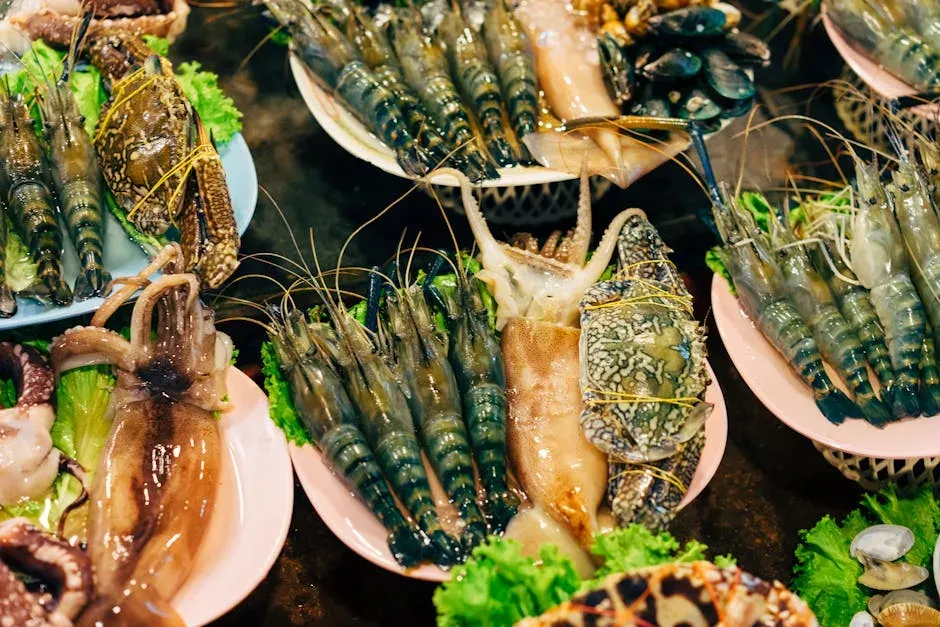
Strong-smelling seafood dishes are probably the single most invasive menu choice a diner can make in a shared space. Think fermented fish sauce preparations, heavily spiced whole fish, or dishes made with notoriously powerful ocean flavors. The scent travels across the room effortlessly, whether you want it to or not.
The scents a restaurant emits can make or break the experience. Tempting aromas from a tomato sauce simmering on the stove can take a dinner from ho-hum to heavenly. Meanwhile, noxious odors can send potential diners directly to the cafe next door. It’s one thing when the kitchen produces those smells. It’s quite another when they drift directly from the table next to yours throughout your entire meal.
2. Extremely Crunchy Foods Ordered in Quiet Settings
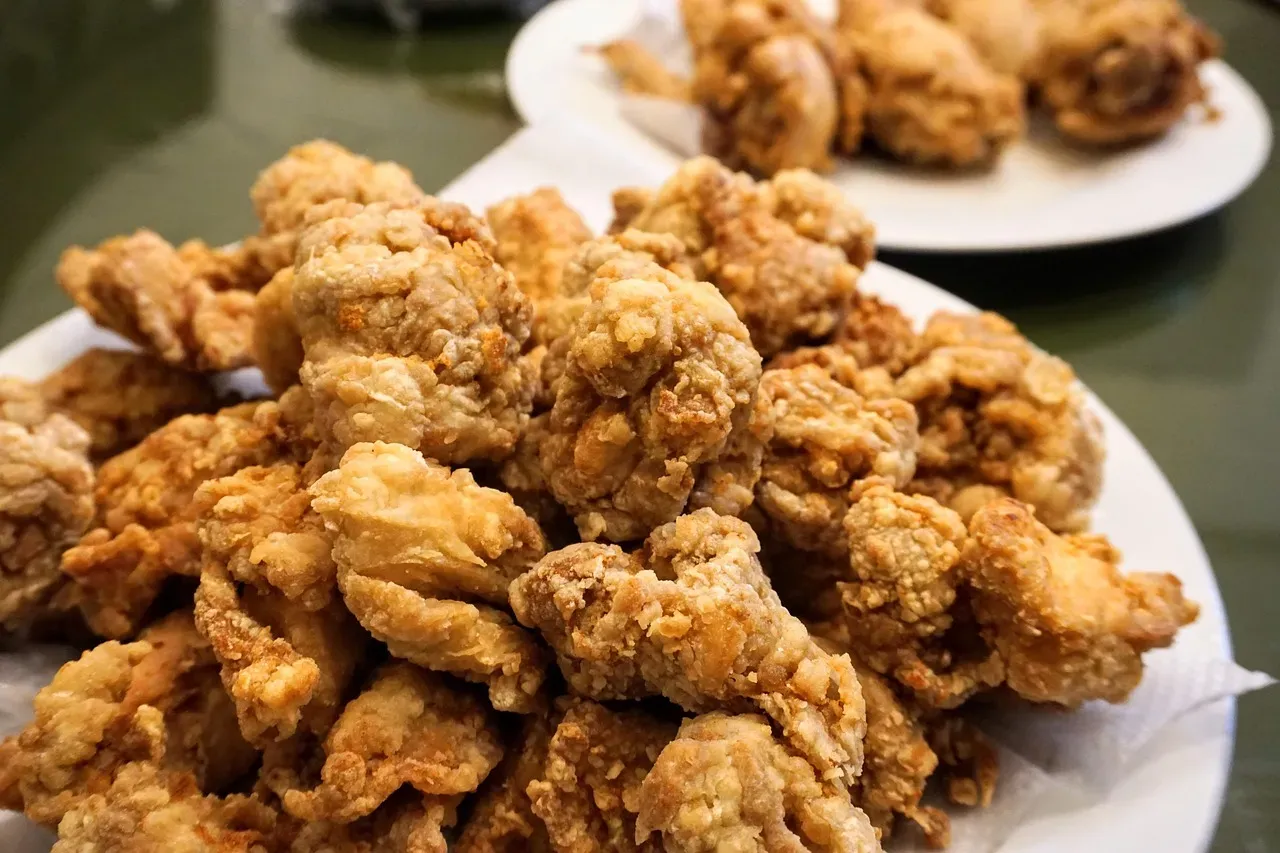
Let’s be real. A bag of chips at home is perfectly fine. But ordering a plate of fried whole-shell prawns, deep-fried pork rinds, or aggressively crunchy nachos in a hushed fine-dining environment? That’s a different story entirely. The sound carries, especially in smaller or quieter restaurants.
In many Western cultures, loud chewing or slurping is seen as a major faux pas. It can be distracting to other diners and can even make some people feel physically uncomfortable. Noisy eating, slurping, and making noise with cutlery are habits that can be perceived as rude and unpleasant. The food itself is innocent, but the context really does matter.
3. Over-Modified Orders With Endless Substitutions

You know the type. The order that begins with the dish as written on the menu and then gets rebuilt from scratch: no sauce, different protein, extra this, remove that, can you add something not on the menu? Some of the most divisive customer behaviors include asking for multiple modifications to a menu item, and it’s easy to see why fellow diners and kitchen staff alike find it frustrating.
Last-minute changes to large party orders throw the kitchen into disarray. This is especially challenging during peak dining hours. Effective communication between the dining party and the restaurant staff can minimize disruptions. It slows everything down for neighboring tables waiting for their own food, and it can visibly stress out the server for the duration of the meal.
4. Sharing Plates That Require Constant Server Attention

Sharing dishes can be a wonderful concept. However, ordering a sprawling array of tapas, small plates, or grazing dishes in a busy restaurant turns your server into a full-time personal attendant. Every few minutes there’s another request, another clarification, another round of tiny plates arriving at the table. This is fine in a dedicated tapas bar. In a conventional restaurant, it backs everything else up.
As etiquette expert Jodi R.R. Smith of Mannersmith Etiquette Consulting put it, eating is the only biological necessity we sometimes do as a social function. We have to eat to stay alive. But we’re supposed to be eating in a way that enhances, rather than distracts from, other guests’ dining experience. When your ordering style monopolizes the server, other tables inevitably suffer.
5. Very Spicy Dishes That Generate Table-Side Drama
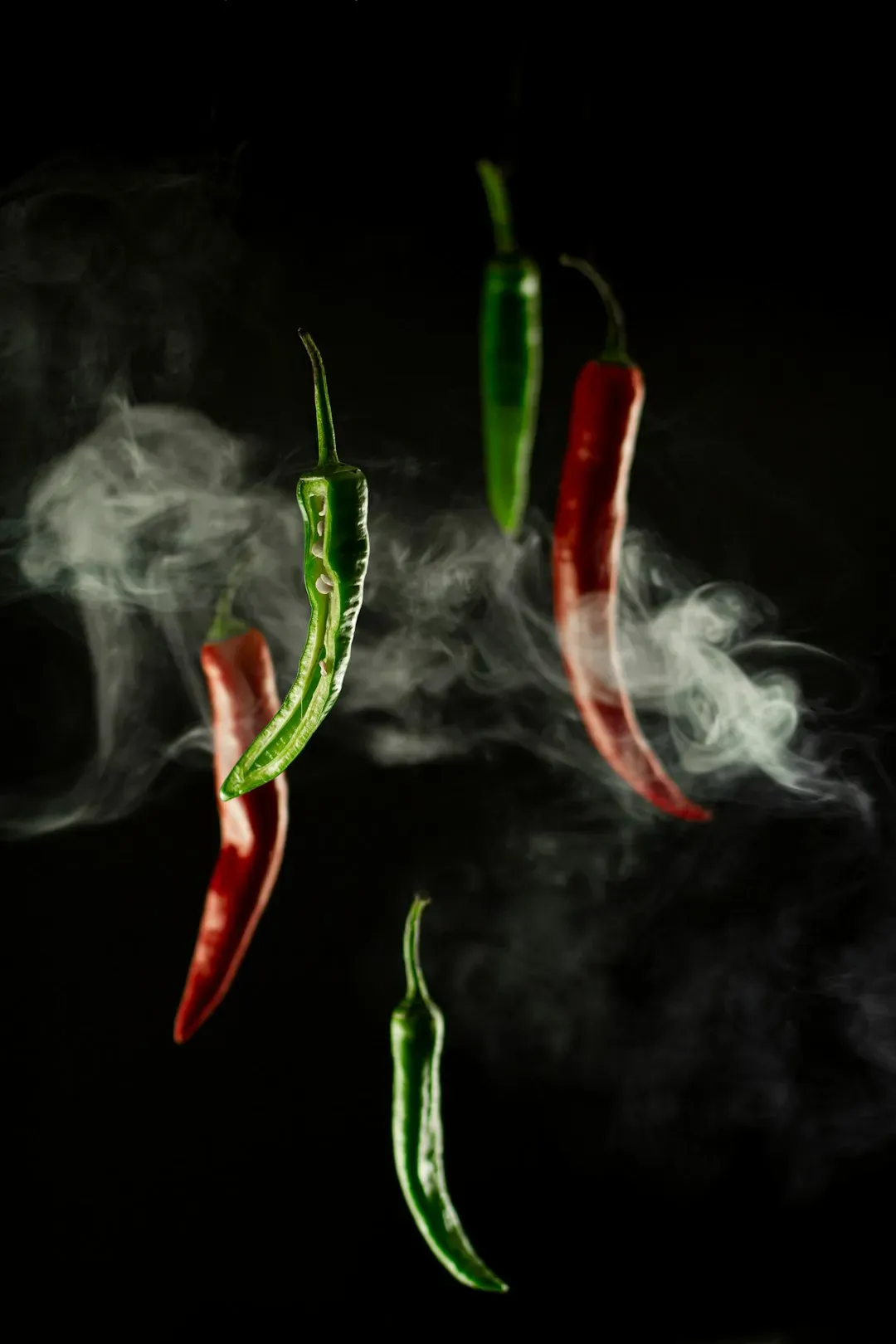
Here’s the thing: spicy food is fantastic and there’s no reason to avoid it. The issue arises when someone orders the restaurant’s most aggressively hot dish, underestimates it completely, and then spends the rest of the meal coughing, gasping, reaching for water and bread repeatedly, and narrating the experience loudly to the whole table. It becomes a spectacle. An exhausting one.
Certain behaviors can disrupt the dining experience, impacting not just one table but the entire dining room. From loud conversations that cut through the quiet to phones ringing at full volume, how we behave in restaurants affects the atmosphere. A dramatic heat response, however genuine, has a surprisingly similar effect. It pulls everyone’s attention involuntarily, sometimes for the entire duration of the meal.
6. Food Ordered to be Photographed Extensively
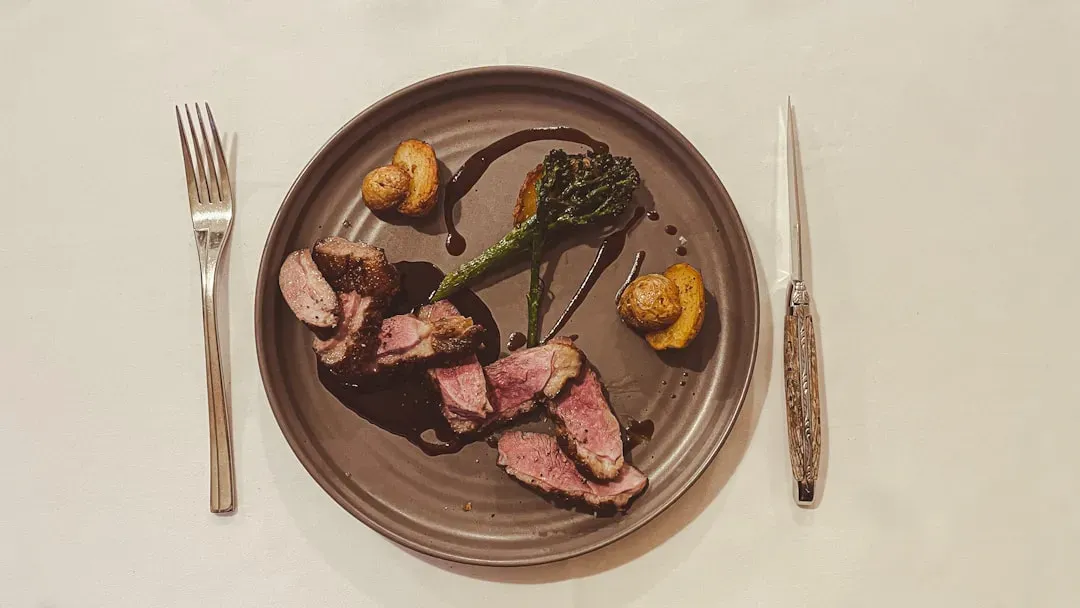
Food pictures on a menu influence the order decisions of nearly three in four diners. So it makes sense that people want to capture what arrives at their table. The problem begins when an entire course sits untouched for five or more minutes while someone arranges the lighting, repositions the plate, and shoots from six different angles – all while the food cools down and the table next to them wonders why the server is hovering awkwardly nearby.
This is increasingly common in casual dining environments. Research shows that roughly four in five diners feel that disruptive behavior from others can ruin their meal. Photography of food is largely accepted by fellow Americans, but the extended production around it tests everybody’s patience. Think of it like a brief snapshot versus directing a full photo shoot mid-service.
7. Dishes That Require Tableside Preparation or Flames
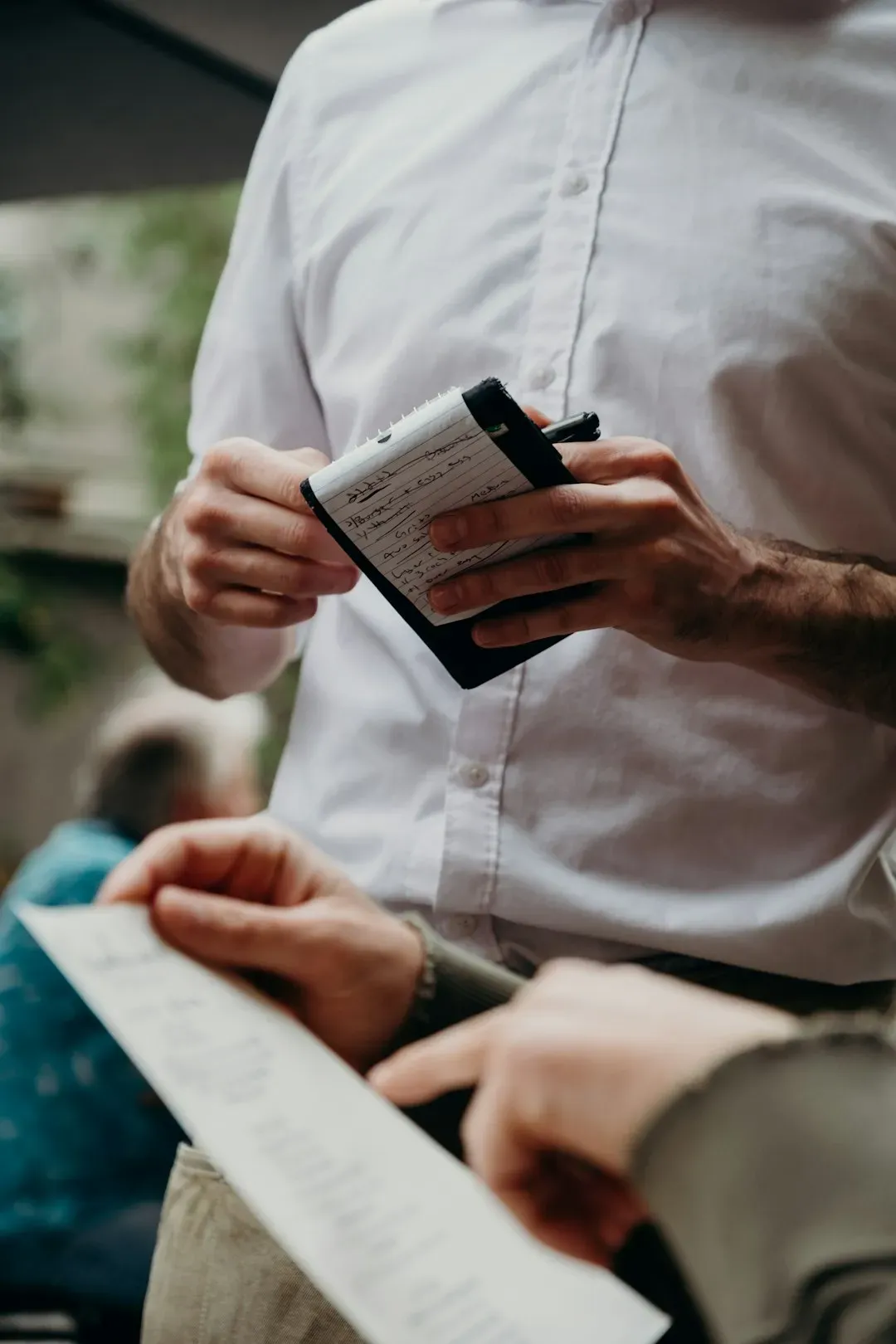
Ordering anything that involves tableside flames, extensive assembly, or the arrival of theatrical extra equipment is genuinely exciting for the person who ordered it. For the table two feet away, it means a server blocking their view, unexpected heat nearby, and the general disruption of something being lit or cooked right beside them. Fondue, flambéed desserts, and DIY hot pots can all fall into this category.
I think the excitement of it all is understandable, but there’s a very real spatial element most diners ignore. Loud interactions and disruptions can make any dining experience less enjoyable, not just for your table but for everyone around you. Restaurants typically aim to create a pleasant and relaxed atmosphere where people can converse comfortably. If something disrupts the ambiance, it can easily spread. It’s important to keep the overall experience at a level where everyone can enjoy their meal without feeling like they’re part of your event.
8. Ordering the Most Indecisively and Taking Extremely Long
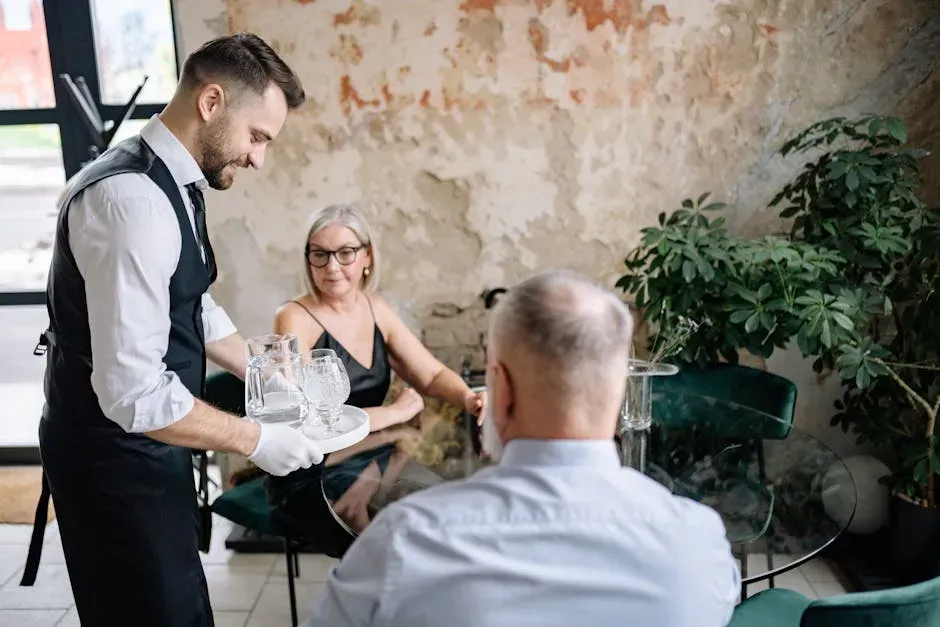
Menu indecisiveness is rampant, with nearly four in five Americans having a difficult time deciding what to order. That’s a very relatable statistic. The problem is when it crosses into spending fifteen minutes interrogating the server about every single dish on the menu while other tables wait for the same server to take their order. On average, Americans invest about nine minutes figuring out what they want to eat once seated at a restaurant.
Some of the most divisive behaviors include taking too long to decide what to order. At the surface it sounds trivial, but in practice it creates a bottleneck that delays service for everyone nearby. If you know you’re an indecisive diner, it honestly pays to look at the menu beforehand. Surveys found that half of American diners who review the menu beforehand have already decided what to order before arriving. Simple solution, real impact.
9. Off-Menu or Highly Customized “Secret Menu” Requests
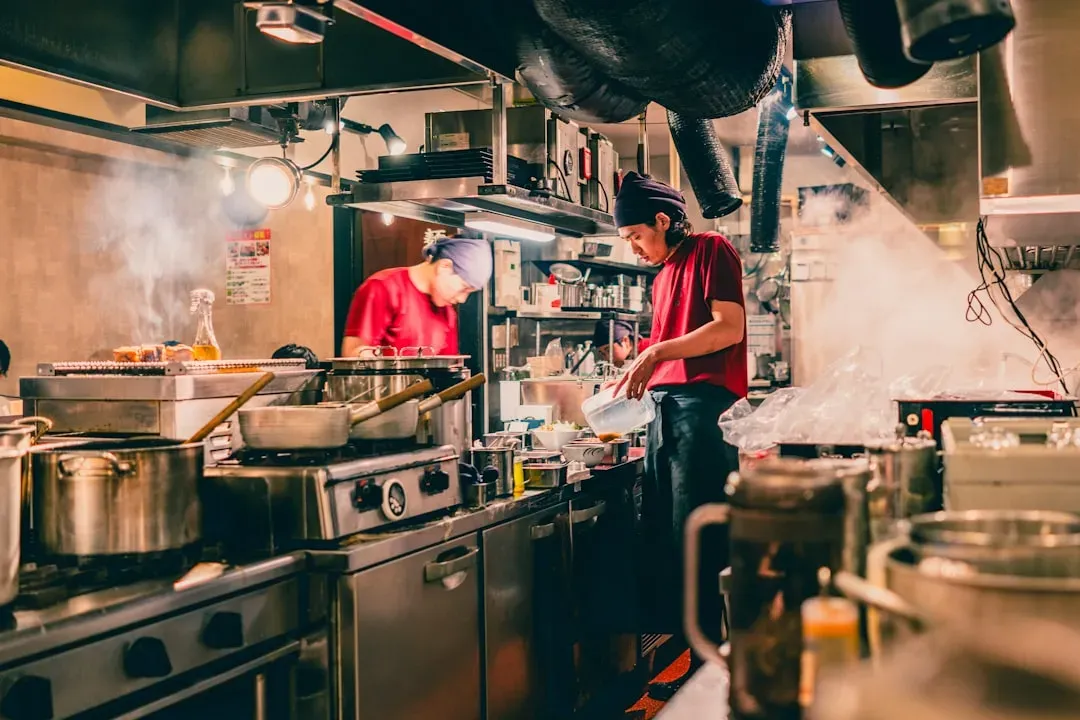
Ordering something that doesn’t exist on the menu might feel clever or cool in the moment, but behind the scenes it creates real chaos. The kitchen has prepped for the items on the menu. Suddenly introducing a dish that requires improvisation during a busy service period slows everything down and frequently delays not just your order, but every other order in that service window.
It’s one thing to ask the kitchen to hold the tomatoes, substitute cauliflower for asparagus, or put your salad dressing on the side. It’s quite another to describe a dish that isn’t on the menu at all and expect the same quality and timing as everything else. Manners are not robotic, nor are they set in stone. It is up to the individual to pause to assess the atmosphere and then adjust their behavior to fit the situation. That principle applies directly here.
10. Refusing to Pay for a Dish Already Eaten
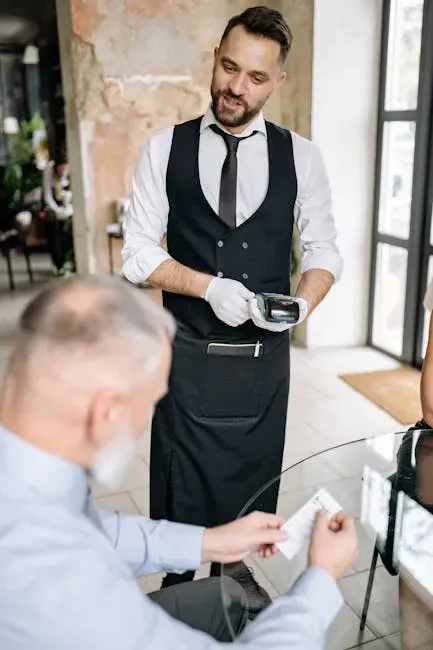
This one stings a little because it’s the most socially disruptive entry on the list. About nine in ten Americans say the most annoying thing you can do at a restaurant is refuse to pay for a meal that you ate but didn’t like. When someone at a table stages a loud dispute about a meal they’ve already consumed, every diner within earshot becomes an uncomfortable spectator. The drama ripples outward quickly.
At least eight in ten Americans think it’s unacceptable for diners to refuse to pay for a dish they ate but didn’t like, allow their children to roam freely, debate menu prices, stay past closing time, and snap their fingers to get a waiter’s attention. These aren’t fringe opinions. They represent the broad social consensus of diners who simply want the same thing: a calm, enjoyable meal. Causing a scene over a dish you already ate ranks at the very top of behaviors that make the entire room uncomfortable.
Next time you’re sitting down to eat, it’s worth taking a moment to think beyond your own table. The choices we make in shared dining spaces land not just on our own plates, but on everyone else’s experience too. What do you think – have you ever been on the receiving end of any of these? Tell us in the comments.