The Subtle Art of Balancing Flavor Without Overcomplicating
Most home cooks have had that moment where a dish tastes like something is missing, but they can’t quite name what. They add more salt, then more herbs, then a pinch of this and a splash of that, and somehow it ends up feeling muddier than before. The instinct to keep adding is understandable, but it usually works against the cook.
Flavor balance isn’t about complexity. It’s about the relationship between a small set of fundamental forces that have been working together in cuisines across the world for centuries. Understanding those forces, rather than chasing more ingredients, is what separates a genuinely good dish from one that just tastes busy.
The Five Tastes: The Blueprint You Already Have
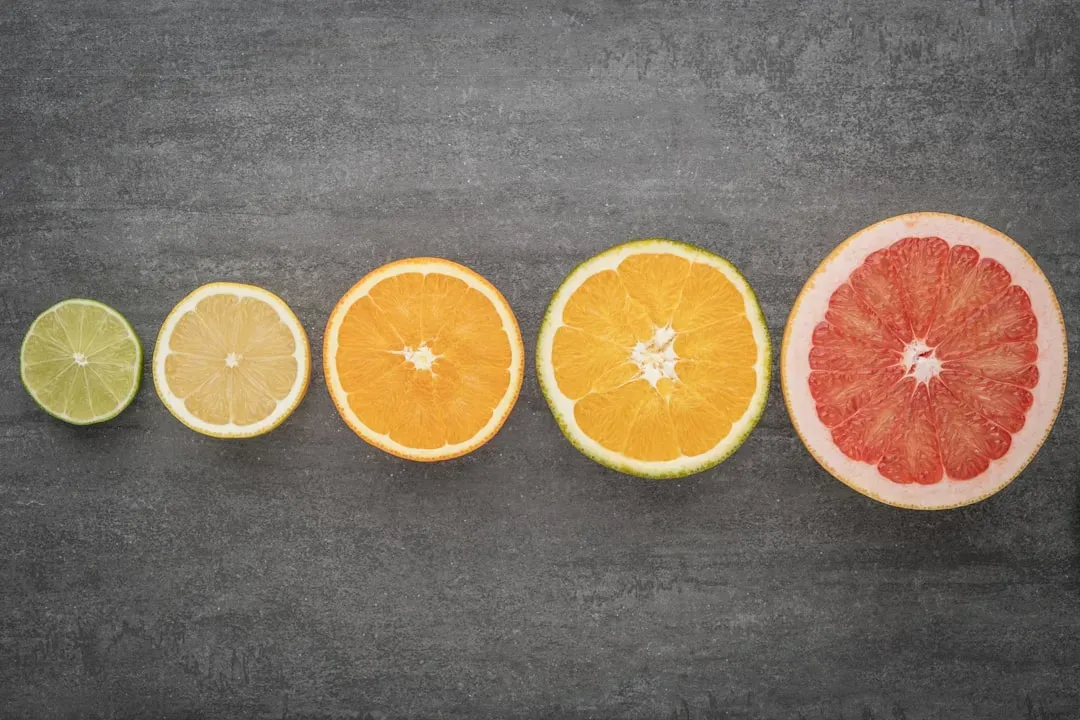
The five basic tastes, which are sweet, sour, salty, bitter, and umami, are messages that tell us something about what we put into our mouths, so we can decide whether it should be eaten. This isn’t just biology textbook trivia. It’s the actual foundation of how every dish you’ll ever cook is perceived. The brain reads these signals and assembles them into something we experience as flavor.
Every dish begins with these five basic tastes, and mastering how these elements interact is crucial to creating balance. The good news is that once you internalize this map, you stop second-guessing and start adjusting with purpose. Although the sense of taste has been viewed as a nutritional quality control mechanism, the human experience of ingesting food is the interaction of all five senses.
Why Salt Does Far More Than Make Food Salty
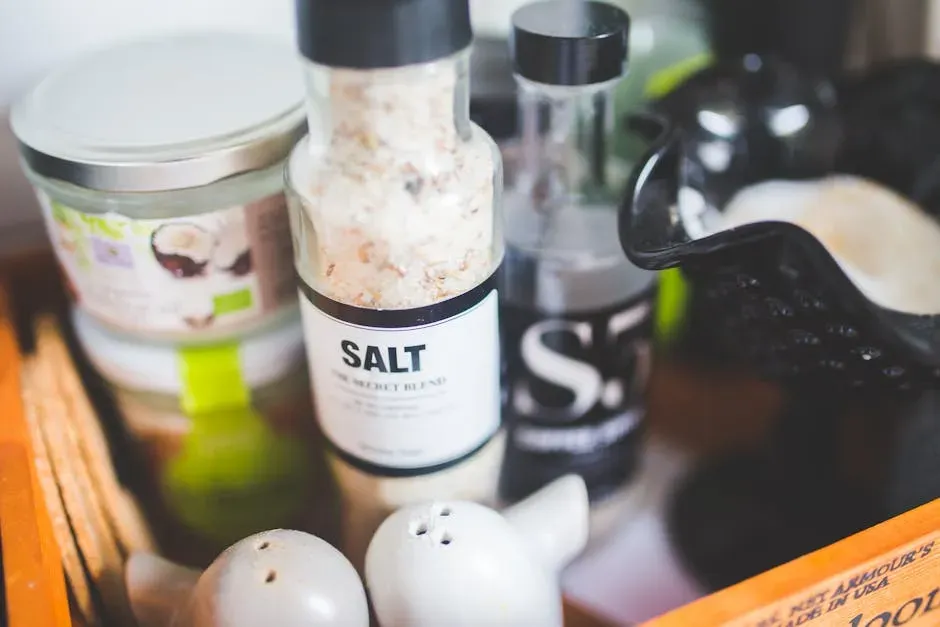
Adding salt does more than make food taste salty. It also enhances sweetness and suppresses bitterness. This is a distinction that changes how most people season. Salt isn’t just a flavor in itself. It’s a modifier that reshapes the prominence of every other flavor already in the dish.
Salt boosts umami’s natural depth, and adding salt early in the cooking process allows flavors to really mingle and develop. Think of it as allowing the ingredients time to get acquainted. Salt does not make food salty. It makes food taste more like itself. That reframe alone can shift how you approach every recipe.
Acid: The Element That Wakes a Dish Up

Acid is one of the five basic tastes, alongside sweet, salty, bitter, and umami, but it’s the one that ties everything together. When used with fat, it cuts through richness, making dishes feel lighter and more balanced. A squeeze of lemon over roasted fish, a splash of vinegar stirred into a stew, a spoon of pickle brine over a heavy soup. These tiny gestures make an enormous difference.
Every cuisine uses acid to shape flavor in its own way. Italian cooking draws on tomatoes, wine, and balsamic vinegar. Indian cuisine balances rich spices and ghee with yoghurt, tamarind, and citrus. Middle Eastern food uses lemon and sumac on grilled meats and grains. Japanese cuisine uses rice vinegar and pickled ginger to refresh the palate. Mexican cooking uses lime to enhance everything from avocado to grilled meats. The detail changes. The principle stays the same.
Fat as a Flavor Vehicle, Not Just a Richness Agent

From a flavor perspective, fats carry and amplify both fat-soluble flavors and aromatic compounds, adding depth and complexity to culinary creations. Fat doesn’t just make food feel rich. It is literally the medium through which many flavor compounds travel from the pan to your palate. Without it, those flavors simply don’t reach you at the same intensity.
Because fat coats the tongue, it keeps flavors in contact with taste buds longer. That coating also prevents acidity, spice, and bitterness from making too much of an impact. This is why a dollop of yogurt alongside a fiercely spiced dish doesn’t just cool things down. It physically extends the gentler flavors and softens the aggressive ones. Fats subdue flavor and create depth in a recipe, and they can add comfort, richness, and a wonderful mouthfeel.
Umami: The Quiet Force Behind Depth

Umami, one of the five basic tastes, was identified in 1908 by Japanese scientist Dr. Kikunae Ikeda. While savoring a bowl of boiled tofu in kombu dashi, he became convinced that there was another basic taste altogether different from sweet, salty, sour, and bitter. That discovery, though it took decades to reach Western kitchens, is now central to how professional chefs think about building depth.
Umami amplifies depth, making it a key component in dishes like Caesar salad, mushroom and truffle risotto, and meat beef broths. Foods such as aged cheese, miso, soy sauce, tomatoes, and slow-cooked meats are all naturally high in it. Enhancing umami makes vegetables and plant proteins more enjoyable to eat, which is why a spoonful of miso stirred into a vegetable broth can suddenly make it feel substantial and satisfying rather than thin.
Bitterness: The Underrated Counterpoint

Of the five basic flavors, bitterness is almost always the unsung hero. Having a sophisticated understanding of bitterness transforms cooking. You can add contrast, balance sweetness, and add surprise and complexity. Most home cooks either ignore it entirely or treat it as a problem to fix. Experienced cooks use it intentionally.
Bitterness helps desserts taste more refined and layered, and bitter ingredients like Campari make cocktails stand out. You also see this principle at play with burnt caramel and even charred Brussels sprouts. The key is proportion. The key to using bitter well is to use it quite sparingly, as it’s so easy to perceive by the tongue that it can easily overwhelm. A light char on a vegetable, a sliver of dark chocolate in a sauce. That’s usually enough.
The Role of Aroma and Texture in What We Call Flavor
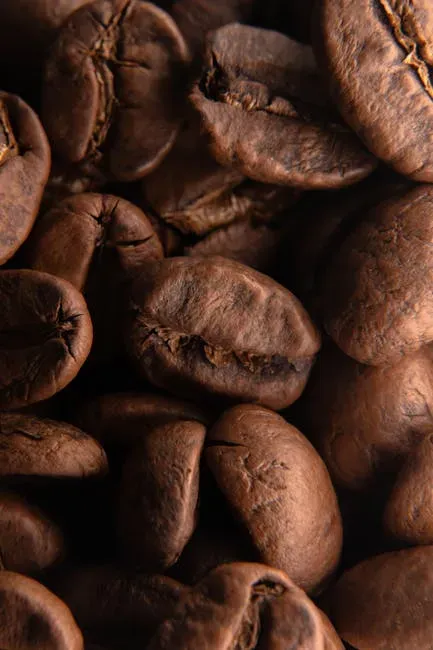
Up to roughly four-fifths of what we experience as taste actually comes from smell. This makes aroma one of the most powerful and often overlooked tools in a cook’s flavor arsenal. When food is chewed, volatile aromatic compounds are released and travel up to the nasal cavity, where olfactory receptors interpret them. This process, called retronasal olfaction, creates the complex layers of flavor we perceive.
The texture of food plays a crucial role in flavor perception. Creamy, crunchy, chewy, or silky textures can completely change how we experience a dish. Great flavor combinations can be ruined by poor texture pairings. Consider contrasting textures such as crispy with soft, and crunchy with creamy when designing dishes. The palate needs contrast to stay engaged. A bowl of the same texture throughout, however well-seasoned, tends to flatten the eating experience.
Complementary Versus Contrasting: Two Paths to Harmony
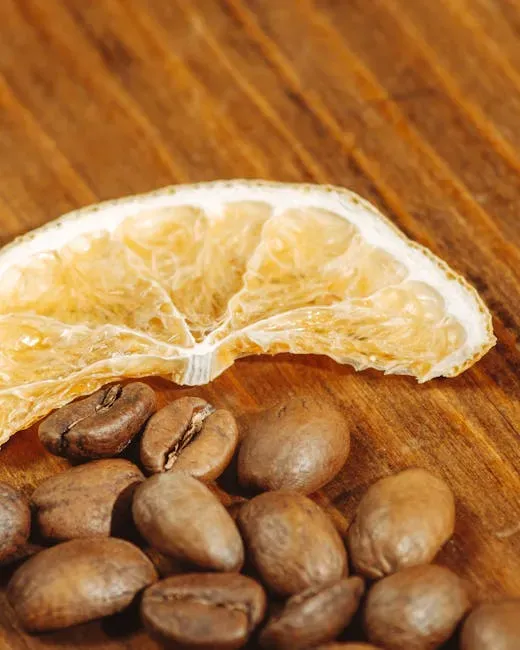
When it comes to combining flavors, chefs use two main approaches: complementary pairings and balancing pairings. Complementary flavor pairing is about finding ingredients that share similar flavor compounds or enhance each other’s best qualities. This approach is why tomatoes and basil work so well together. They share many of the same aroma compounds.
Balancing is about using opposing flavors to create harmony. This approach recognizes that some tastes counteract others in pleasing ways: fat mellows spice, and acid cuts richness. Neither approach is superior. The choice depends entirely on what the dish needs. When building flavors, aiming for about seventy percent foundation ingredients, twenty percent supporting ingredients, and ten percent accent ingredients ensures balance while still allowing distinctive flavors to shine.
The Practical Fixes: Rescuing an Imbalanced Dish
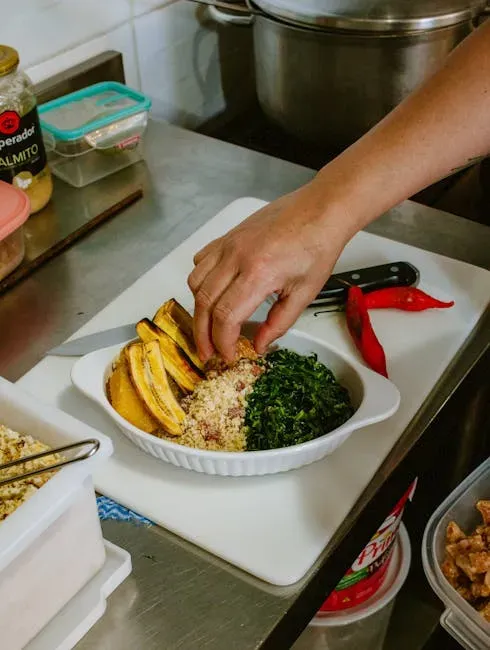
If you’ve ever wondered why your food tastes flat, heavy, or almost there but not quite right, the issue usually comes down to imbalance. When you understand how to balance salt, fat, acid, and heat, you gain the power to fix any dish in real time. This is one of the most freeing realizations a cook can have. A dish isn’t ruined. It’s just waiting for the right adjustment.
The logic is direct: if the dish is too salty, add acid or balance with sweetness. If it’s too sweet, add acid to brighten it or bitterness to draw down the sweetness. If it’s too sour, add sweetness or richness such as cream or butter. If it’s too bitter, add fat to soften it or balance with sweetness. These corrections aren’t guesswork. They follow the same logic as the original five-taste framework, applied in reverse.
Knowing When to Stop: The Case Against Overcomplicating
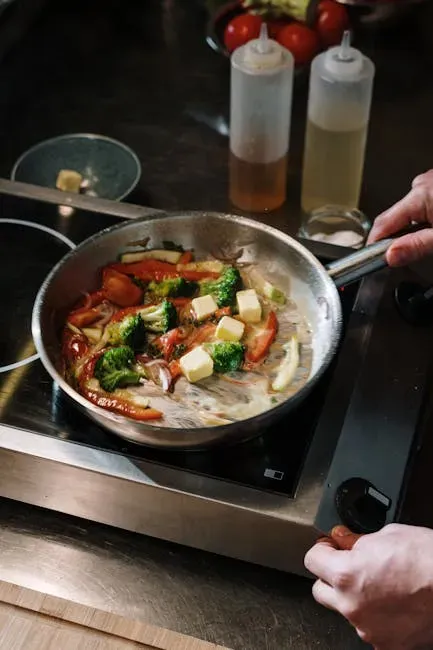
Don’t smother your main ingredient in other flavors. The goal is to enhance the flavor, not drown it out. This is perhaps the hardest lesson for enthusiastic cooks to absorb. More spices, more sauces, more layers don’t always mean more flavor. Sometimes they mean less clarity and less of whatever made the dish appealing in the first place.
Balancing not just flavor types but also their intensities is crucial. A strongly flavored ingredient needs equally strong partners or it will dominate. The goal isn’t to hit all five tastes in every dish. It’s to let the main ingredient speak clearly, supported by a few well-chosen companions. Flavor is personal, but it follows patterns. Start practicing how to cook with balance and soon you’ll know when to reach for salt versus vinegar, sugar versus spice. That instinct, once developed, becomes the most reliable tool in any kitchen.