If Your Grandma Cooked in the ’60s, You’ll Remember These 7 Classic Meals
The smell of bubbling casseroles, the sight of perfectly molded Jell-O salads, and the comforting heft of a big slice of meatloaf smothered in ketchup glaze. These were the hallmarks of 1960s home cooking, a decade when convenience met tradition in the most unexpected ways. If your grandmother ruled the kitchen during this era, chances are you grew up with dishes that wouldn’t quite pass muster in today’s farm-to-table food scene.
Yet there was something undeniably special about the way she cooked. The 1960s emphasized convenience and efficiency as more women entered the workforce, creating a culinary landscape where canned soup became haute cuisine and gelatin transformed into an art form. Let’s journey back to Grandma’s kitchen, where these seven iconic meals held court at dinner tables across the country.
Meatloaf With That Signature Ketchup Glaze
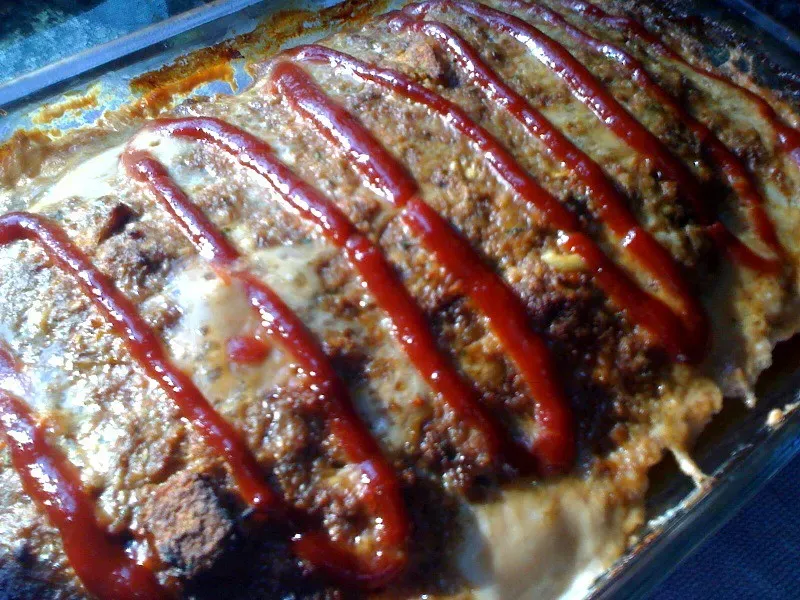
Meatloaf showcased the era’s love for hearty, comforting meals, with ground beef, pantry staples, and a thick layer of tangy ketchup glaze making it the undisputed king of weeknight dinners. Grandma probably had her own secret recipe, maybe with breadcrumbs soaked in milk or a dash of Worcestershire sauce that gave it just the right punch. The beauty of this dish was its simplicity paired with pure satisfaction.
What made meatloaf so beloved wasn’t just the taste. It was dependable, inexpensive, and could feed a crowd without breaking the bank. Homemade meatloaf served with buttery mashed potatoes became a meal families requested over and over, creating memories that lasted generations.
Tuna Noodle Casserole That Brought Everyone Together
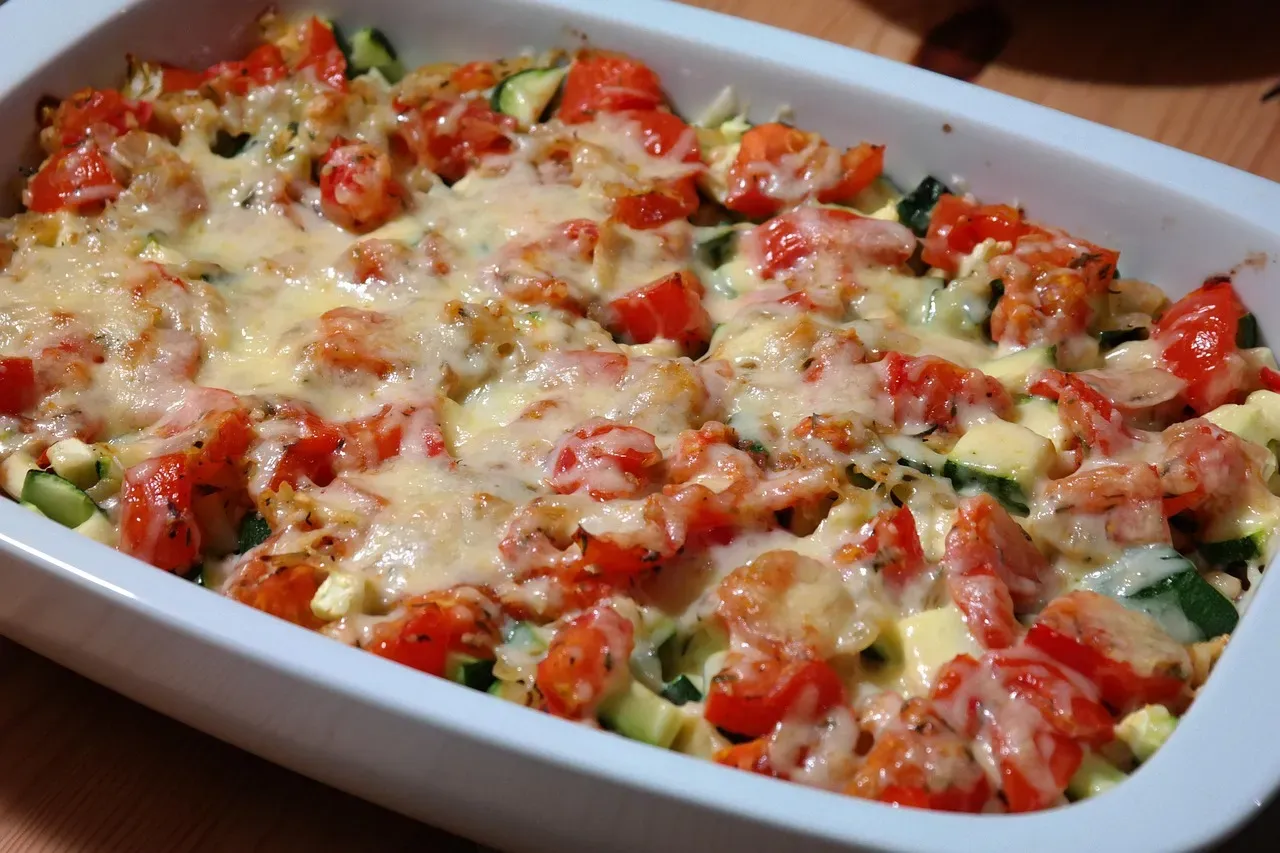
Tuna noodle casserole combined pasta, condensed soup, and peas, crowned with crumbled potato chips for that irresistible salty crunch. This one-dish wonder epitomized everything the 1960s kitchen stood for: practicality, comfort, and a little bit of culinary creativity with canned goods. Honestly, the crispy chip topping was often the most fought-over part of the meal.
Classic casseroles could be prepared ahead of time and popped into the oven when needed, making them a practical choice for busy families. Your grandmother knew this trick well, assembling the dish in the afternoon while managing a dozen other household tasks, then sliding it into the oven just before dinner.
Jell-O Salads in Every Color Imaginable
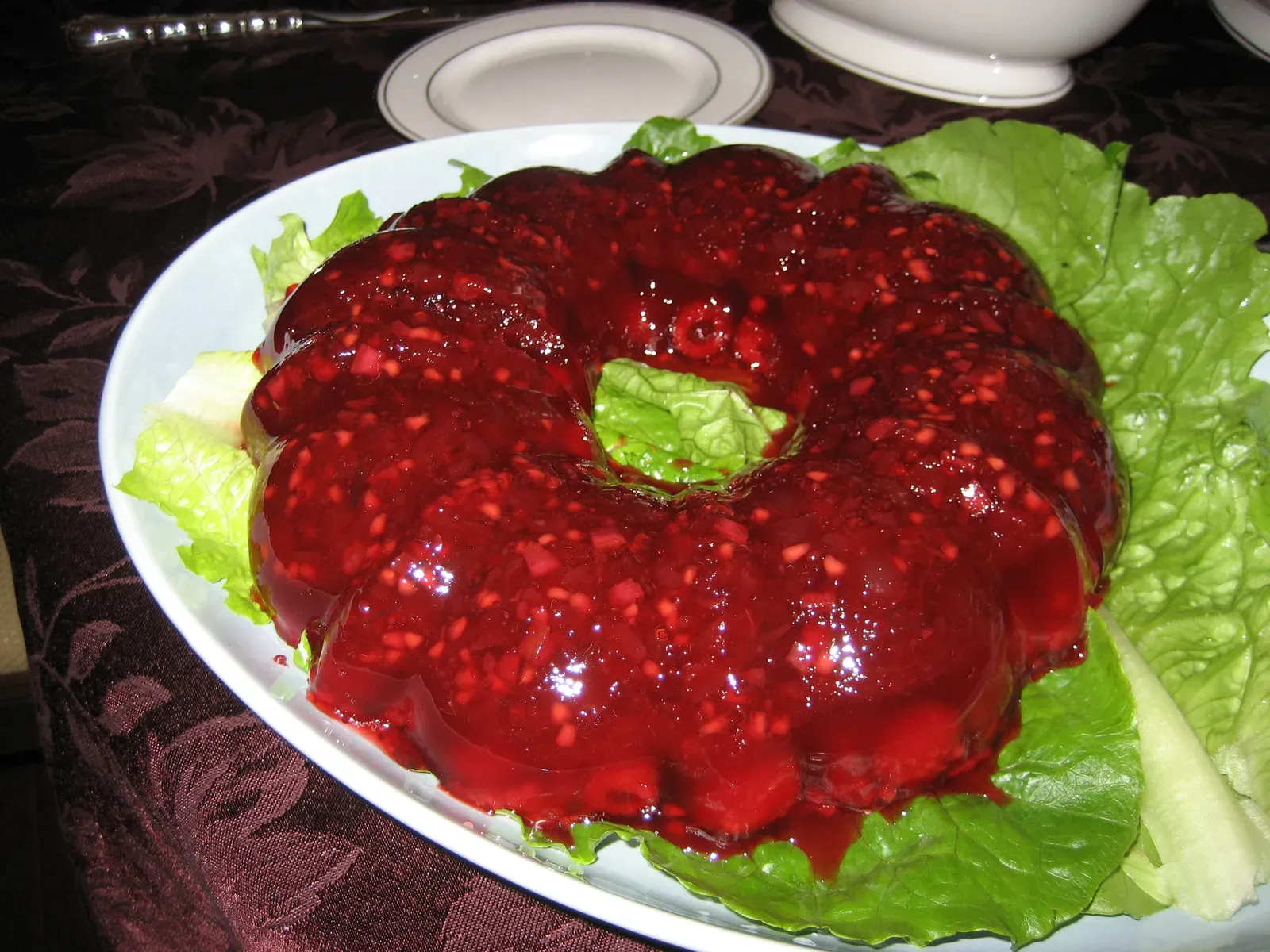
Here’s where things got interesting. Jell-O salads featured gelatin-based creations with an array of ingredients from fruit to vegetables, and sometimes marshmallows and nuts, with vibrant colors and playful combinations that made them fun additions to any meal. Some combinations seemed downright bizarre by today’s standards, like lime Jell-O studded with shredded carrots or cottage cheese suspended in a wobbly orange ring.
Jell-O continued its domination in the 1960s, with newer and stranger desserts and salads encased in gelatin molds. These jiggly creations showed up at every potluck, holiday gathering, and Sunday dinner, their jewel-toned translucence catching the light like edible stained glass. Whether they qualified as salad or dessert remained an eternal debate.
Salisbury Steak That Wasn’t Really Steak
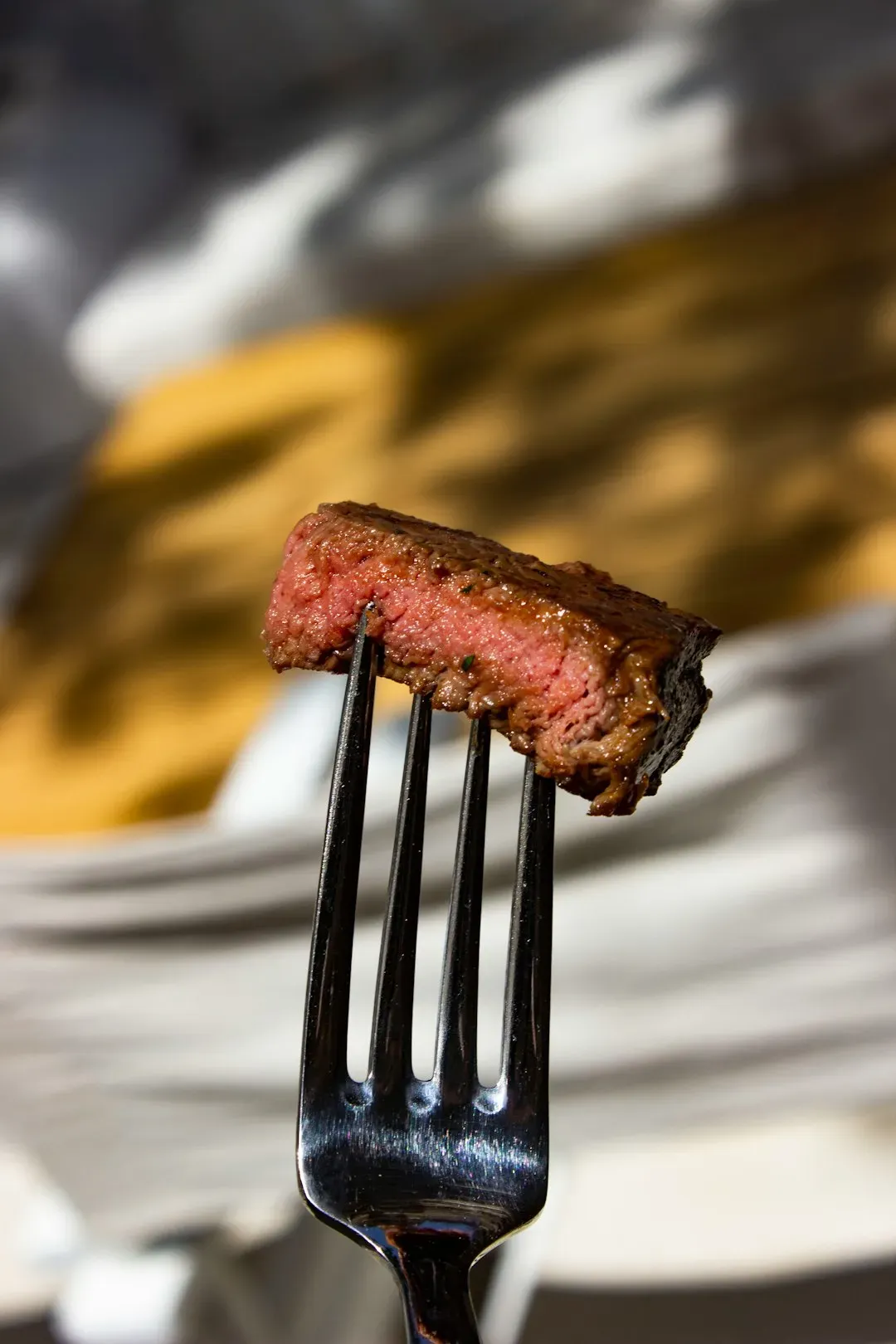
Salisbury steak featured ground beef patties seasoned with onion and breadcrumbs, smothered in rich gravy thickened with Worcestershire sauce, served alongside a mountain of mashed potatoes. It was comfort food masquerading as something fancier, bringing a touch of diner nostalgia straight to suburban dinner tables.
Popularized by TV dinners, Salisbury steak was for people who wanted fast food without leaving home, and despite its suspicious texture, it stayed strong. Grandma’s homemade version was leagues better than those foil-tray meals, though. The gravy alone could make you forget you were eating glorified hamburger patties.
Chicken à la King That Felt Fancy
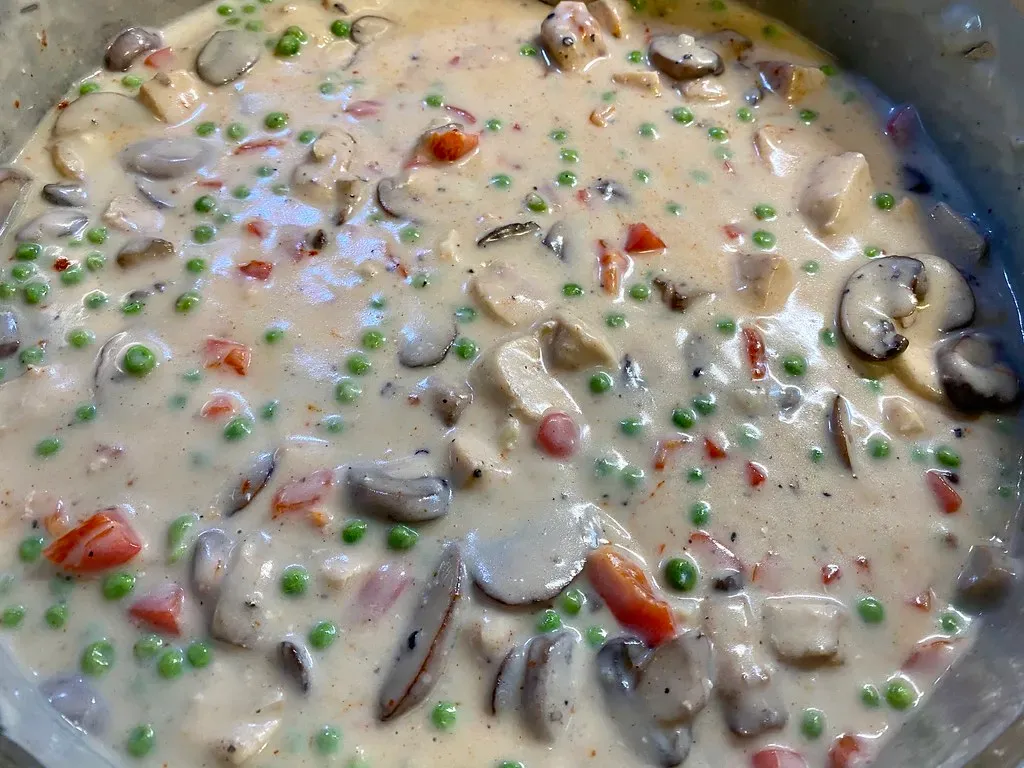
Chicken à la King appeared on over 300 menus from the 1910s to the 1960s in the New York Public Library archives, proving its staying power as a beloved dish. The dish consisted of diced cooked chicken, mushrooms, and pimientos in a creamy sauce, often with sherry, served over toast, and was elegant and vaguely French but easy to make with everyday ingredients.
When Grandma served this at ladies’ luncheons or special family dinners, everyone felt like they were dining at a proper restaurant. The creamy sauce coating tender chicken pieces, punctuated by colorful pimiento strips, made this dish visually appealing and utterly delicious. Some grandmothers went all out and served it in puff pastry shells, transforming a weeknight meal into something truly memorable.
Green Bean Casserole With Those Crispy Onions
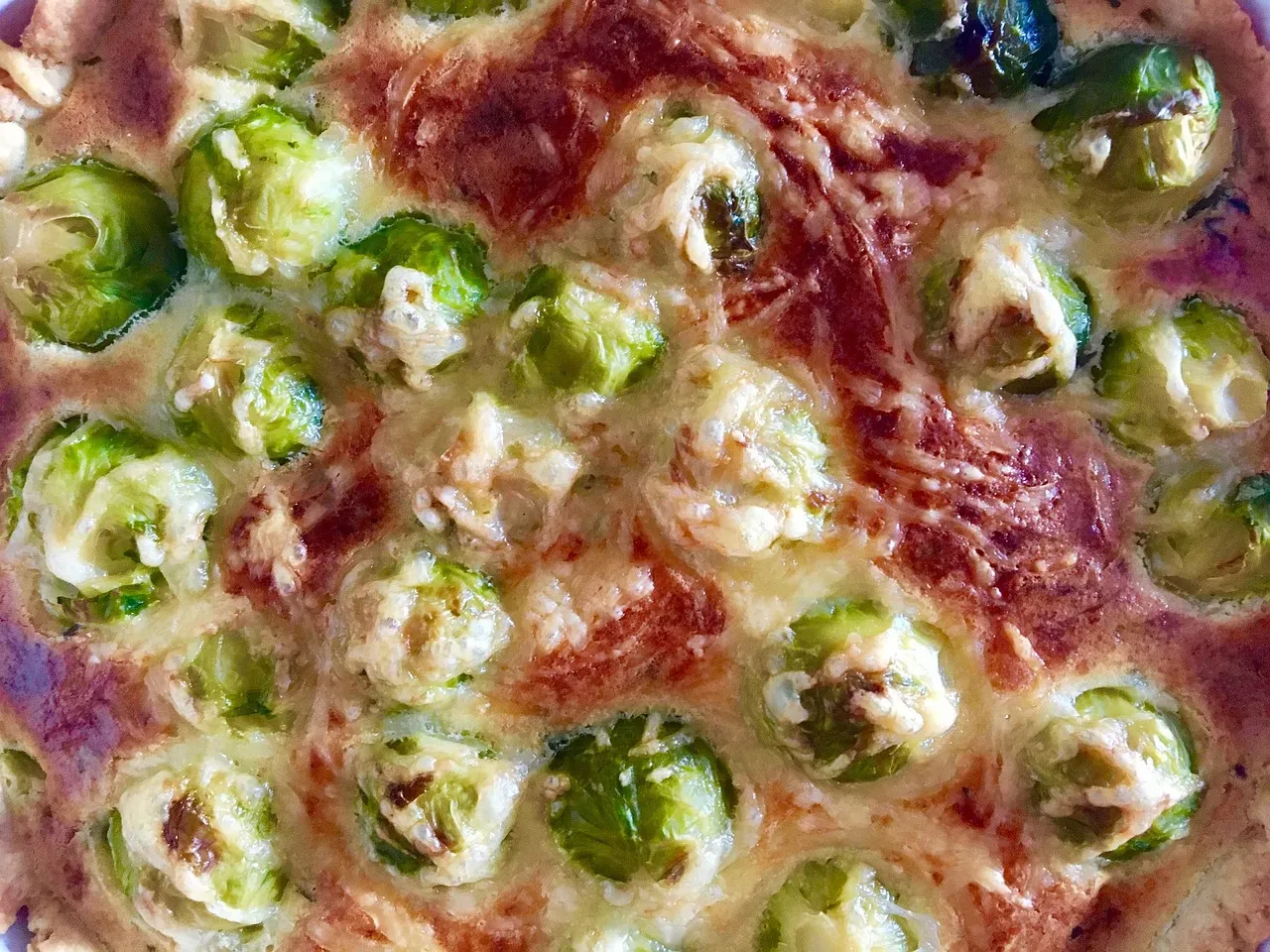
Green bean casserole combined green beans, mushroom soup, and fried onions, with mushy texture underneath and crunchy on top, becoming the veggie dish that arrived uninvited to every Thanksgiving yet somehow earned its place. Nobody asked for it initially, but over time, people realized they actually loved it.
The simplicity was the selling point. A can of green beans, a can of condensed cream of mushroom soup, and those iconic French fried onions from a can created magic in a casserole dish. Casseroles were staples of ’60s cooking, offering a simple yet satisfying way to feed a family, combining ingredients with a creamy or cheesy sauce, then baking until bubbly and golden.
Ambrosia Salad That Confused Everyone
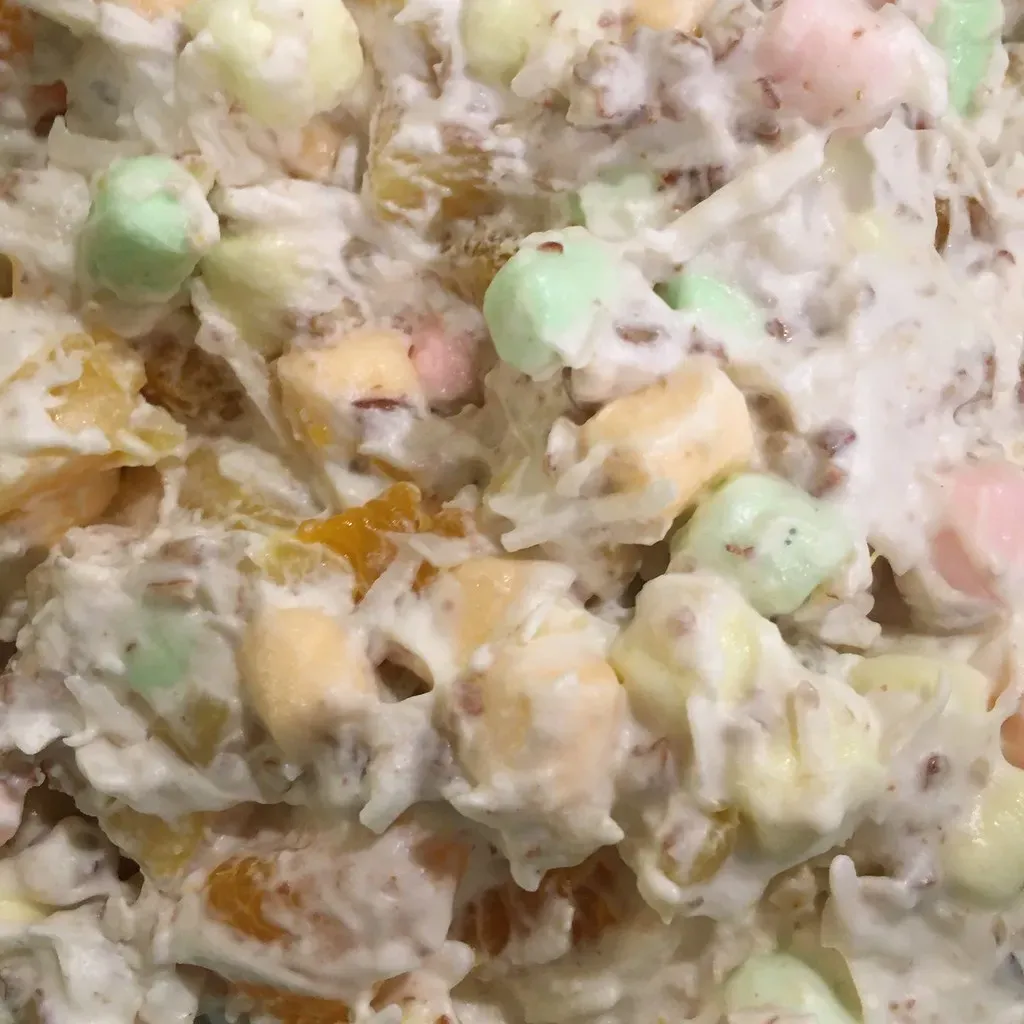
Ambrosia salad combined oranges, coconut, marshmallows, and Cool Whip in a pastel-hued medley that blurred the line between side dish and dessert. Was it healthy fruit salad or a sugary treat? The answer depended entirely on who was serving it and what course it appeared during the meal.
James Beard award-winning cookbook writer Nathalie Dupree, in her 80s, fondly remembers chopping oranges for her family’s holiday ambrosia as a child, and likes it best closest to its original form without marshmallows or creamy dressing. Yet many grandmothers embraced the fully loaded version, piling on maraschino cherries, mini marshmallows, and whipped topping until the original fruit barely peeked through. The result was pure nostalgia in a bowl, sweet and creamy and utterly of its time.
These seven dishes defined an era when cooking balanced tradition with the exciting new world of convenience foods. Grandma navigated this changing culinary landscape with grace, serving meals that brought families together around the dinner table night after night. The dishes might seem quaint or even peculiar now, but they represented something important: home, comfort, and the love she poured into feeding her family. Did your grandma make any of these classics? Which one brings back the strongest memories for you?