Forgotten Vegetables: 5 Ancient Crops That Vanished From Modern Agriculture
Have you ever walked through a supermarket produce aisle and wondered if something’s missing? Modern grocery stores offer a dazzling array of vegetables, yet they represent only a tiny fraction of what humans once cultivated. Across centuries and continents, countless crops that nourished ancient civilizations have quietly disappeared from our plates.
Modern food systems are very dependent on just a handful of commodity crops, leaving behind a rich agricultural heritage. Industrial agriculture favors high-yield crops that can be easily stored, transported, and processed, which led to replacing diverse local foods with monocultures like wheat, corn, and soy. These forgotten vegetables weren’t inferior or unpalatable; many simply couldn’t compete in an age demanding efficiency over diversity. Let’s dive into five ancient crops that once graced dinner tables from Rome to medieval Britain, yet vanished into the shadows of agricultural history.
Skirret: The Sweet Root That Lost to the Potato
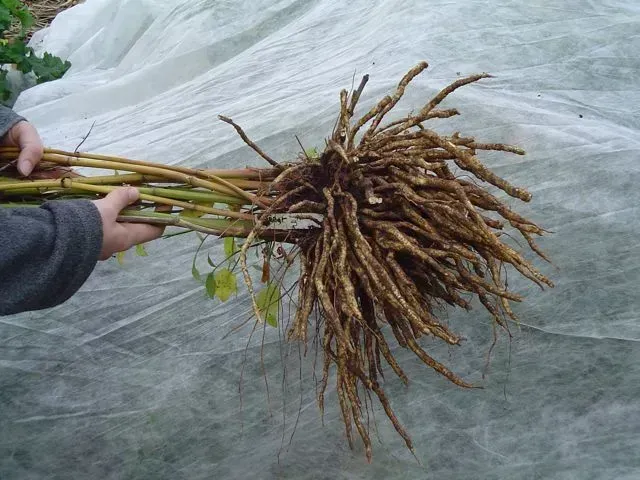
Skirret is a perennial plant of the family Apiaceae sometimes grown as a root vegetable. Its Danish, Dutch and German names translate as ‘sugar root,’ and it has a cluster of bright white, sweetish, somewhat aromatic roots, each approximately 15 to 20 centimeters in length. This ancient crop was a staple across medieval Europe, particularly beloved by Tudor aristocrats who baked it into elaborate pies. Before sugar from sugar cane and sugar beets became popular, skirret was a major source of sweetness for Europeans. The plant’s downfall? It began to lose favour in the 17th century possibly because the popularity of the recently introduced potato, which has a similar texture but is less fiddly to prepare, began to rise.
Here’s the thing: skirret wasn’t just tasty; it was genuinely difficult to work with. This vegetable is difficult to find, as it is a low yield crop, and hence has never been viable as a commercial crop. Each plant produces multiple thin roots that require careful harvesting and painstaking preparation. Honestly, once settlers discovered the humble potato with its chunky, easy-to-peel tubers, skirret’s days were numbered.
Salsify and Scorzonera: The Oyster Plant Twins
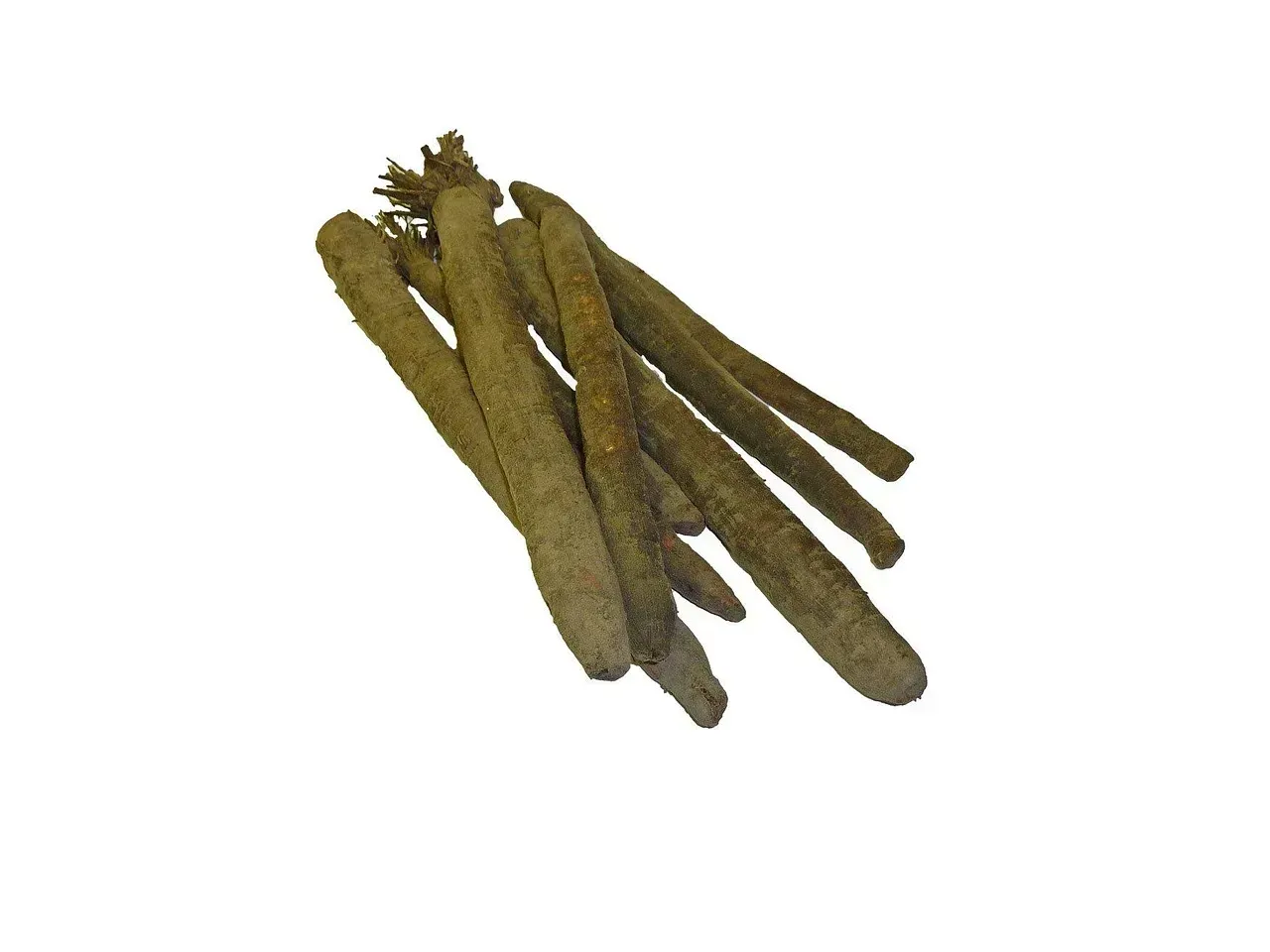
Salsify tastes a bit like an oyster and is often referred to as a vegetable oyster or oyster plant, while scorzonera is a black-skinned root vegetable with white flesh that resembles salsify and is sometimes called black salsify or Spanish salsify. These two root crops from the daisy family dominated European vegetable gardens for centuries. Salsify has historical significance as it was cultivated for culinary purposes, with mentions in classical texts such as those of Pliny the Elder, and people started to grow it for culinary use in Europe in the 16th century, primarily in France and Italy.
In 1612, François Gentil described Spanish salsify as the best root which can be grown in gardens, and by 1683, the use of the root as a garden vegetable is recorded in England. Yet these remarkable vegetables have virtually vanished from mainstream cultivation. When modern refrigeration and shipping techniques made the storage of perishable foods easy, salsify fell out of favor. Belgium, France and the Netherlands are the world’s largest producers of black salsify, with significant amounts also produced in Germany, but you’d be hard-pressed to find either variety in most North American grocery stores today. Their oyster-like flavor, while prized by gourmands, simply couldn’t compete with the mass appeal of carrots and parsnips.
Silphium: The Plant Romans Harvested to Extinction
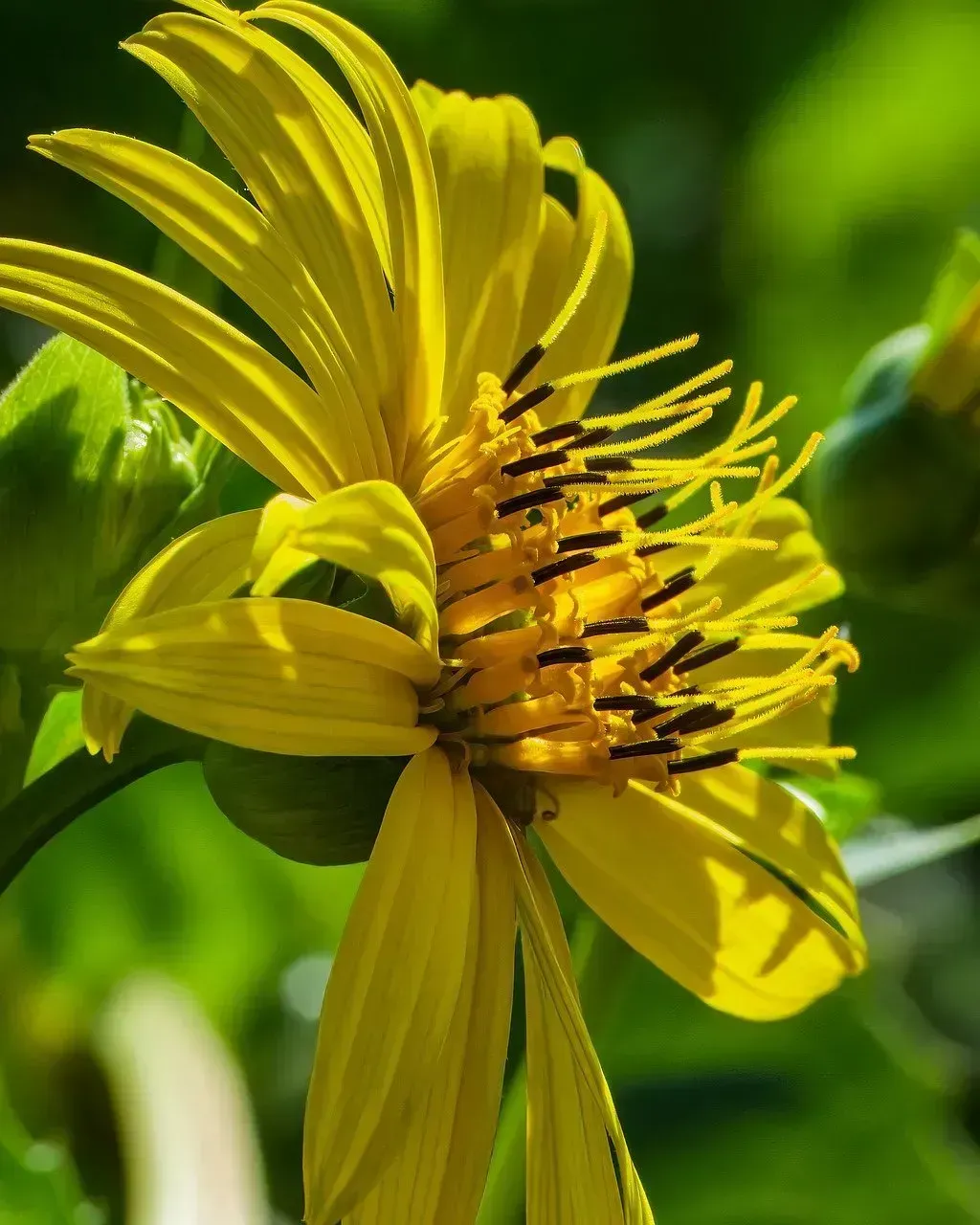
Silphium is an unidentified plant that was used in classical antiquity as a seasoning, perfume, aphrodisiac, and medicine, and was an essential item of trade from the ancient North African city of Cyrene. It was sung about by Roman poets and singers, who considered it equivalent to its weight in gold. This mysterious herb grew wild in a remarkably narrow region along the Libyan coast and became so economically crucial that Cyrene stamped its image on their currency.
The disappearance of silphium is considered to be the first extinction of a plant or animal species in recorded history, with overgrazing combined with overharvesting long cited as the primary factors that led to its extinction. However, recent research has challenged this notion, arguing instead that desertification in ancient Cyrenaica was the primary driver of silphium’s decline. Let’s be real: when demand outstrips supply and cultivation proves impossible, extinction becomes inevitable. There’s a glimmer of hope though. A researcher at Istanbul University suspects the Ferula drudeana that grows on Mount Hasan is the elusive ancient plant, as it has similarities with the silphion plant which line up with old botanical texts and images on ancient Greek coins.
Alexanders: The Roman Celery Replaced by Modern Varieties
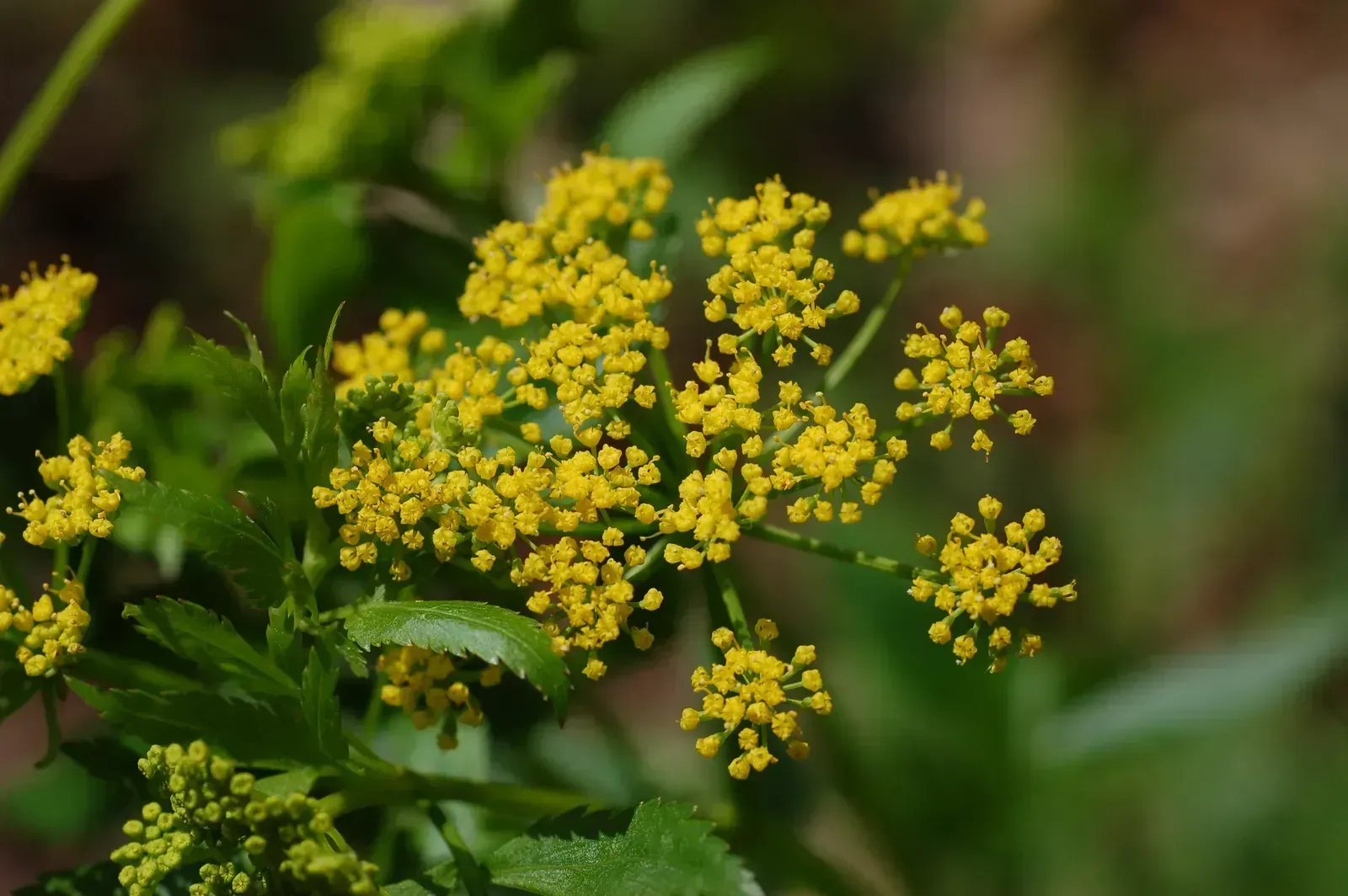
Alexanders is an edible flowering plant of the family Apiaceae which grows on waste ground and in hedges around the Mediterranean and Atlantic coastal regions of Europe, and was formerly widely grown as a pot herb. Introduced by the Romans, Alexanders was once grown as a garden herb and culinary vegetable throughout Britain. Every part of this versatile plant was edible: roots, stems, leaves, flowers, and seeds. Alexanders was widely grown by the Romans who introduced it into western and central Europe including the British Isles, and it was an important vegetable used in many dishes in much the same ways as celery or lovage; it fell out of favour in the 19th century after the development of modern forms of celery.
It fell out of favour in the 18th century after celery started being mass produced to replace wild herbs and vegetables. The plant’s pungent, somewhat bitter flavor couldn’t match the milder taste of cultivated celery varieties that emerged during the agricultural revolution. Still, scientific papers from the last decade often refer to Alexanders as the lost or forgotten vegetable, and recent studies have argued for its recognition on both a nutritional and medical level. It turns out we may have abandoned a nutritional powerhouse for mere convenience.
Good King Henry: The Poor Man’s Asparagus
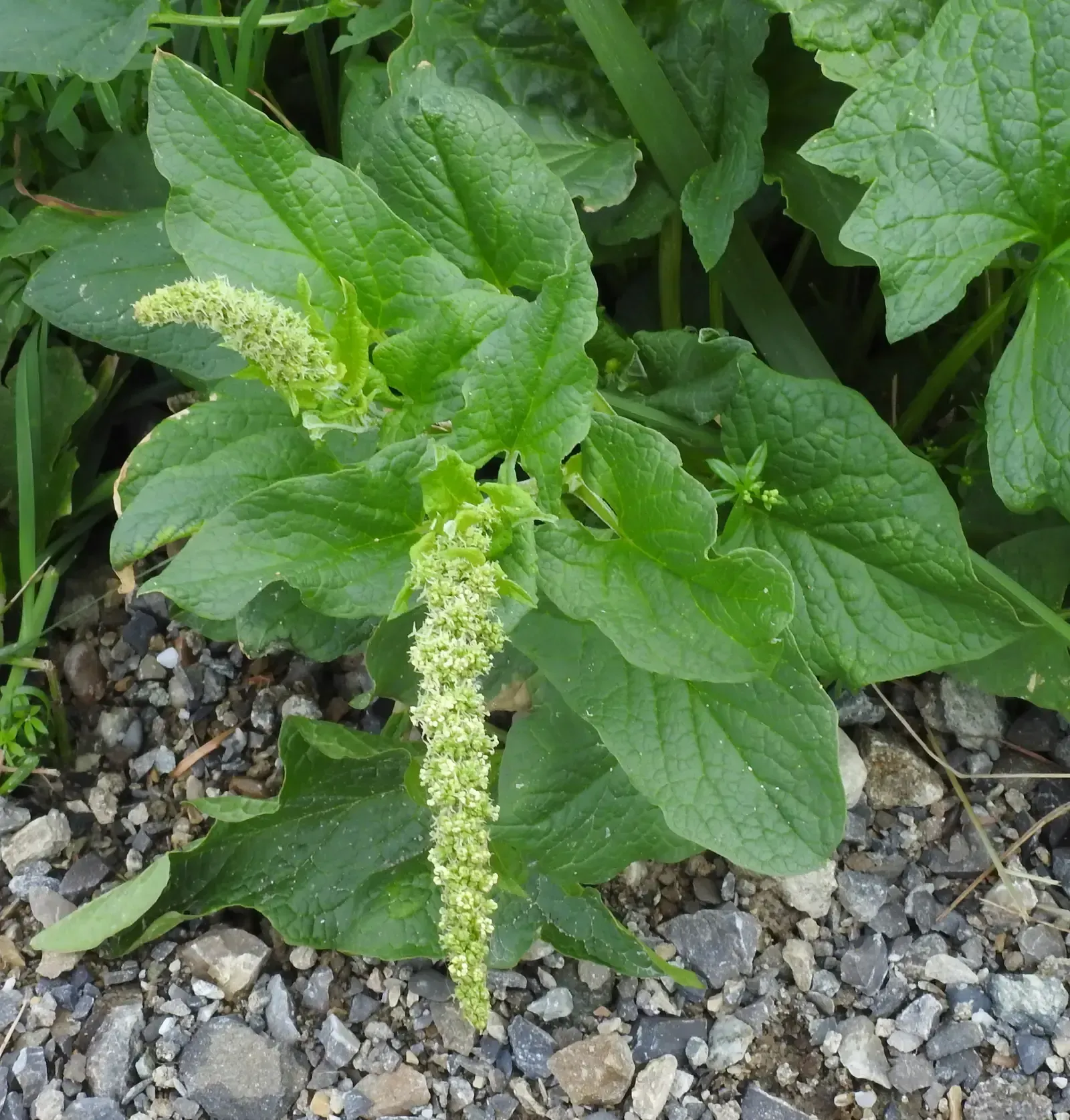
Often called poor-man’s asparagus or Lincolnshire spinach, Good King Henry thrived with little care and returned year after year, making it a dependable source of fresh greens in a time when vegetables were scarce outside the growing season; it was a common part of the diet in the British Isles for centuries, only to fade from common use in the modern era as spinach and other greens rose in popularity. This hardy perennial once adorned gardens across Europe, valued for its resilience and versatility. Good King Henry is a hardy spinach alternative once widely eaten in Europe.
The vegetable earned its regal moniker to distinguish it from “bad” Henry, a poisonous lookalike. The leaves have a bitter, earthy flavor, and to mellow it out before eating they can be rubbed with salt and cooked to yield a taste reminiscent of spinach but with a deeper, more rustic undertone; while the young leaves can be boiled or sautéed, the tender shoots that sprout in spring can be blanched and served like asparagus. Yet as agriculture evolved and commercial spinach cultivation expanded, this once-essential green was gradually pushed aside. Neglected cultivars and forgotten landraces pose great potential for the establishment of sustainable, resilient, and long-lasting food and nutrition security; even in the UK, a partial diversification of food systems to lesser-known crops would elevate home production, stimulate local and medium-sized agriculture, create jobs and revive forgotten culinary and societal heritage.
These five vegetables represent just a fraction of the agricultural biodiversity we’ve lost. Climate change, soil degradation, and food security concerns are pushing scientists and farmers to reconsider these forgotten crops. Although many argue that the stability of food supply is dependent on modern commodity crops, some also argue that partial diversification of food systems with neglected and underutilised crops is sensible. Perhaps it’s time we looked backward to move forward, rediscovering the flavors and resilience our ancestors once cherished. What treasures might still be hiding in medieval texts and old monastery gardens, waiting for a second chance?