Sardinia’s “Maggot Cheese” and Other Forbidden Foods You Can’t Legally Bring Through Customs
Picture this. You’re traveling through Italy, exploring Sardinia’s rugged mountain villages, and someone offers you a taste of local cheese. You lean in, ready to savor the island’s culinary heritage, then notice something moving. Wriggling, actually. Live maggots crawl across the creamy surface, occasionally launching themselves several inches into the air. Welcome to casu marzu, one of the world’s most notorious forbidden foods.
What makes some foods illegal to carry across borders while others sail through customs without question? The answer involves disease prevention, endangered species protection, and occasionally some genuinely stomach churning food preparation methods. Let’s explore the foods that customs agents will confiscate on sight.
Casu Marzu: The Maggot Cheese That’s Illegal Almost Everywhere
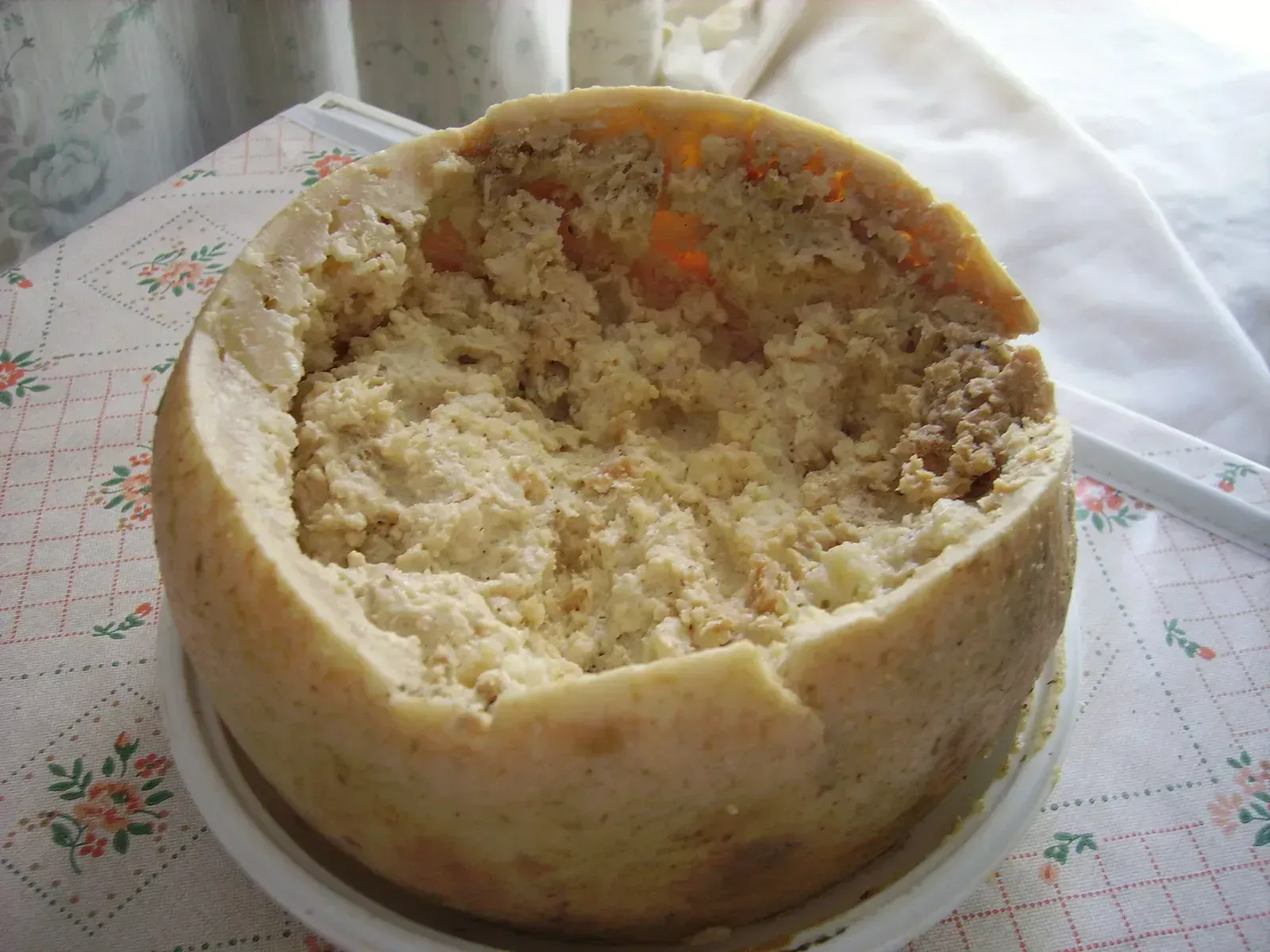
This Sardinian sheep milk cheese has been banned by the European Food Safety Authority, making it illegal to buy or sell throughout the EU, and Italian authorities prohibit it across the European Union. In 2009, Guinness Book of World Records recognized this traditional product as the world’s most dangerous cheese. Despite being protected as a traditional Sardinian product, selling casu marzu could get you a fine of roughly fifty thousand euros in Italy.
Cheese fly larvae are deliberately introduced to pecorino cheese, where their digestive action breaks down fats, and when eggs hatch, the larvae begin to eat through the cheese. When finished, a casu marzu cheese contains maggot numbers in the thousands. Because the larvae in the cheese can launch themselves distances up to six inches when disturbed, diners hold their hands above the sandwich to prevent the maggots from leaping.
Haggis: Scotland’s National Dish Banned Since 1971
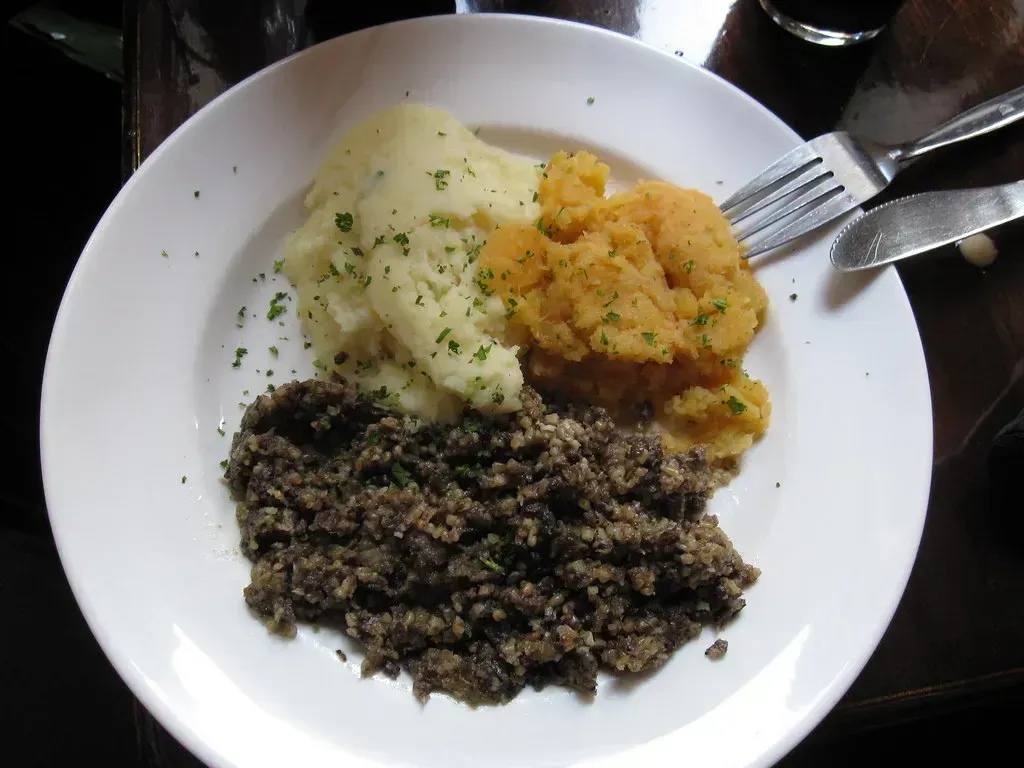
Haggis has been banned in the United States since 1971 when American food safety regulations announced they do not allow sheep’s lung as an ingredient. This savory pudding is made from a sheep’s heart, liver, and lungs, mixed with spices, onions, and oatmeal, then stuffed in a casing made from a sheep’s stomach. Things got even more complicated when the import of British lamb was banned in 1977 due to the possibility of communicable diseases.
Although representatives from Great Britain have been urging US officials to lift the import ban since at least 2014, the prohibition on sheep lungs remains in place. Still, the practical obstacles remain substantial. Haggis imported to Canada since 2017 has lacked that lung ingredient, yet sales have been robust nonetheless.
Raw Milk: The Underground Dairy Movement
At the federal level, the United States Food and Drug Administration bans the interstate sale or distribution of raw milk, requiring all milk sold across state lines to be pasteurized. Although FDA regulations prohibit interstate sale of unpasteurized milk for human consumption, roughly 30 states allow raw milk sales within their borders with varying restrictions. The interstate trade in raw milk is illegal because of the risk of serious illness from drinking unpasteurized milk.
Failure to declare food products at US air, sea and land border entry points can lead to fines and penalties reaching ten thousand dollars, according to CBP. The CDC has stated that consuming raw milk can lead to diarrhea, vomiting, and possibly death, as raw milk is basically a host for all sorts of nasty stuff such as listeria, E.coli, and salmonella. Despite these known dangers, enthusiasts still seek it out. In Washington and many other places across the country, raw milk is being transported across state lines and openly sold to enthusiastic customers, and the Food and Drug Administration is doing nothing to stop it, a lapse in enforcement that has taken on new significance as the H5N1 bird flu virus has spread to at least 46 dairy cow herds in nine states.
Bushmeat: The Wildlife Disease Vector
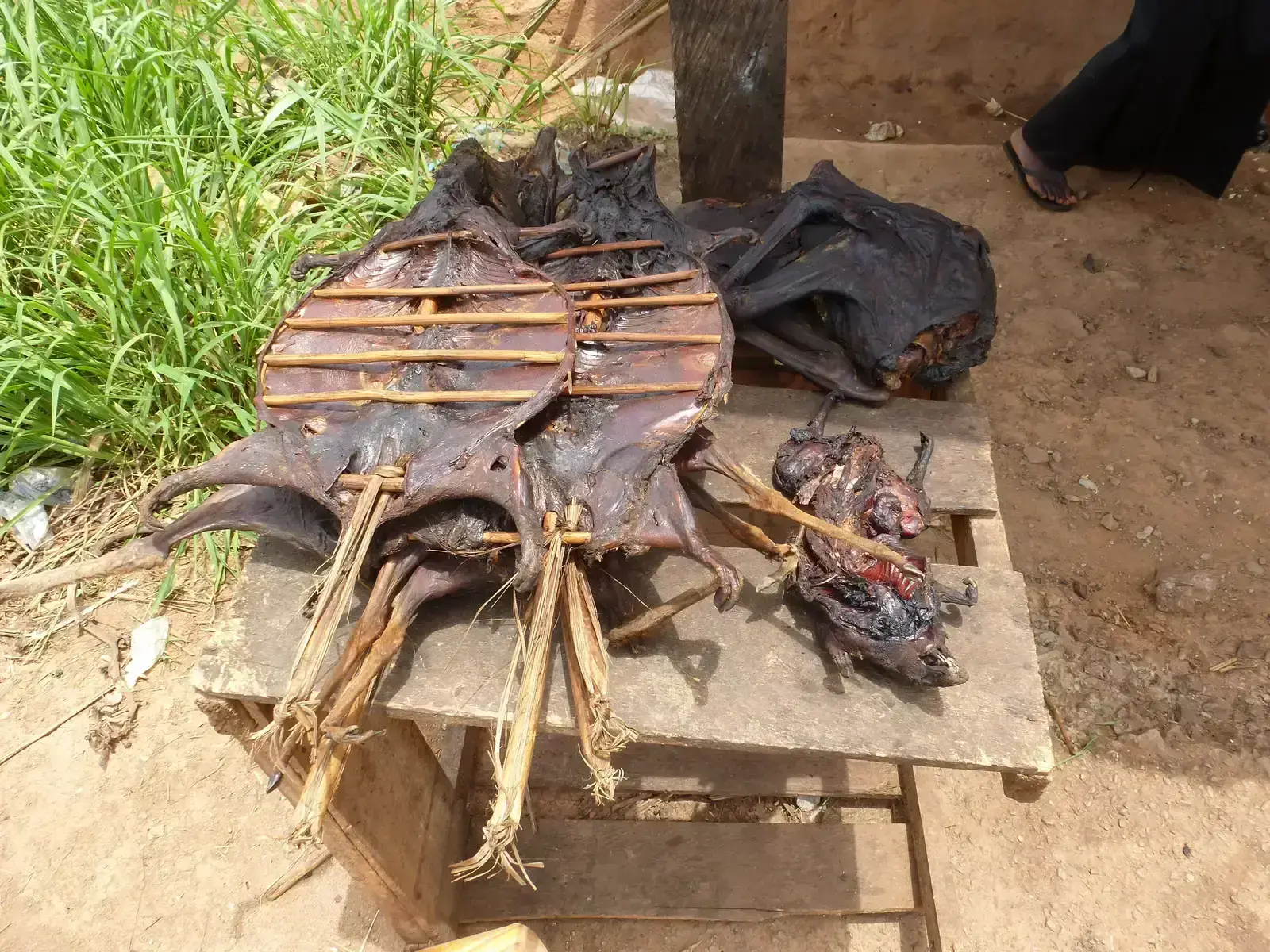
Examples of prohibited items are bush meat, and almost anything containing meat products, such as bouillon or soup mixes, is not admissible. Bushmeat is a general term that refers to wild animal meat sourced from reptiles, mammals, birds, and amphibians whose natural habitat includes wetlands, jungles, and savannahs, including anything from bat to wild boar to giraffe to snake to elephant.
Despite the bans, illegal bushmeat trading is still a problem in America, and from 2009 to 2013, United States Customs Agents confiscated thousands of bushmeat items ranging from fruit bats to monkeys. The CDC notes that generally, Ebola is not spread by food, but in Africa human infections have been associated with hunting, butchering, and processing meat from infected animals. You don’t even need to consume it for exposure. The illegal import of ape meat can trigger outbreaks of Ebola and other deadly diseases in the United States.
Unpasteurized European Cheeses Under 60 Days
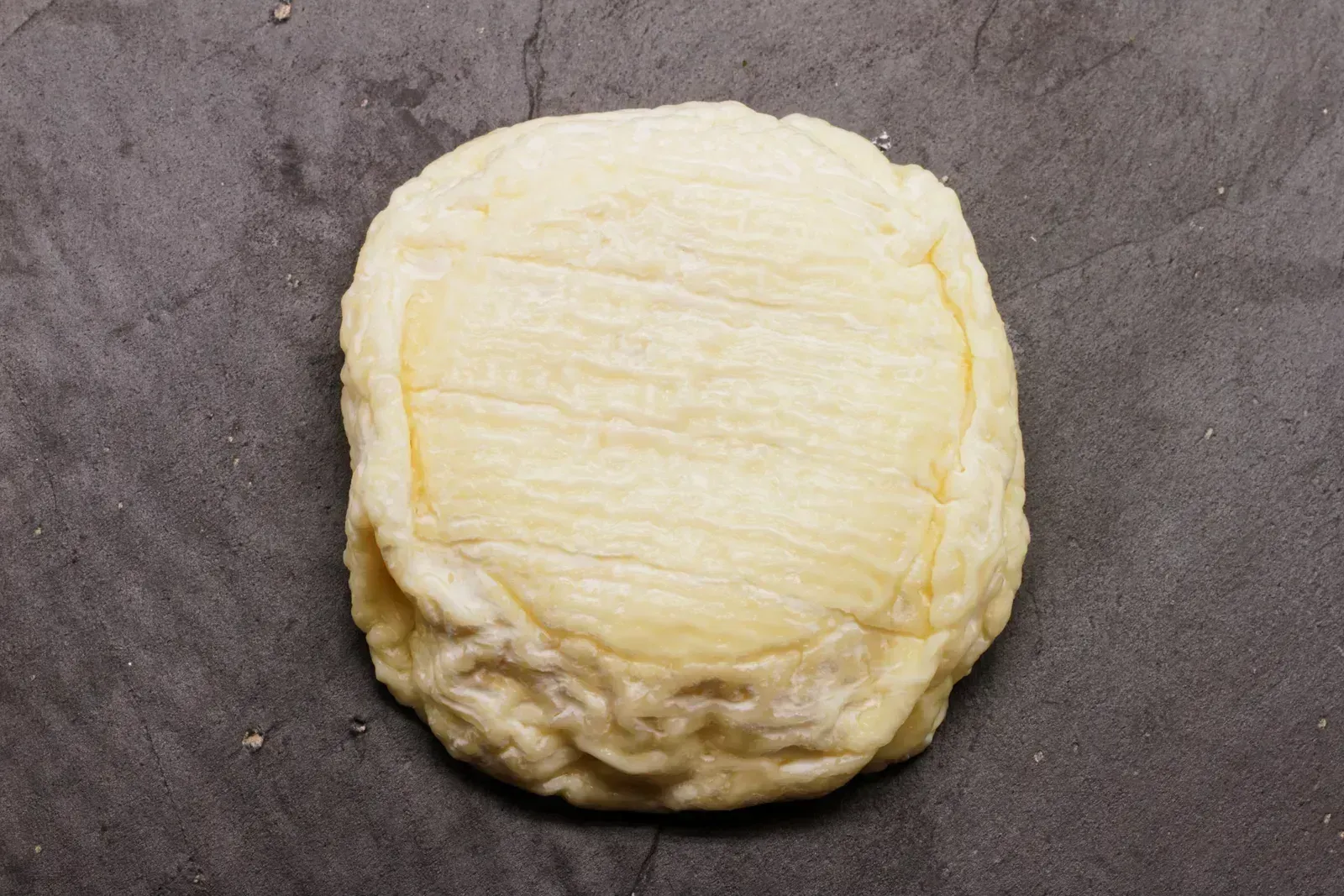
The United States takes a strong stance against unpasteurized dairy products being sold, meaning a lot of cheeses popular in Europe are forbidden here, with only cheeses aged for more than 60 days or fresh cheeses made with pasteurized milk allowed for import. This is due to the cheese being made from unpasteurized, raw milk, and being under 60 days old.
This means that delicious cheeses like Camembert and authentic brie cannot be sold within America’s borders. If you’re flying to the States and planning to bring a gift for your host, don’t be tempted to travel with soft French cheeses, as Bleu de Gex, Brie de Meaux, and Roquefort are made from unpasteurised milk which is illegal in the USA. Because Mont d’Or is made with unpasteurized milk, it can’t be sold in the United States, and by French AOC certification law, it cannot be made from pasteurized milk.
Fugu: The Pufferfish Roulette
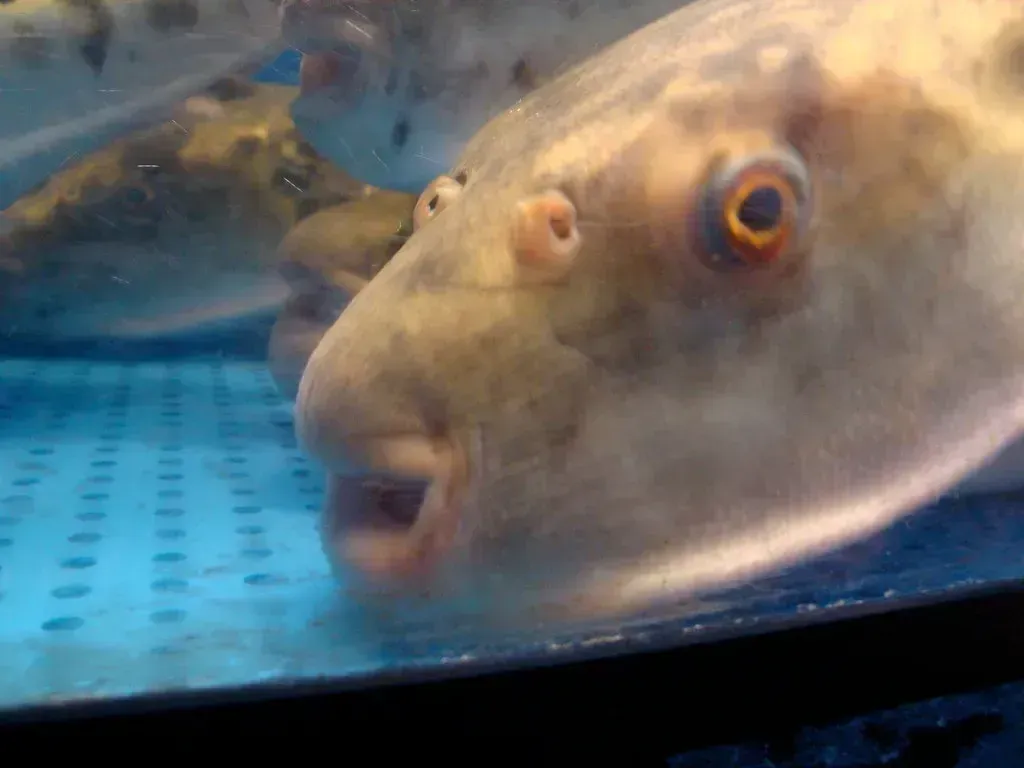
Although parts of the fish contain an often lethal neurotoxin called tetrodotoxin, its availability in the United States is highly regulated, and the Japanese government licenses specially trained fish cutters to process and prepare puffer fish, with the fish only brought into the United States by one approved importer for special occasions two or three times each year. The FDA warns that fugu may contain the potent and deadly toxins tetrodotoxin and/or saxitoxin which can cause severe illness and death, with these central nervous system toxins being more deadly than cyanide.
The only legal way of getting fugu in the US is to import ready-to-serve prepared fugu from Japan. Because American chefs do not undergo any kind of certification process, the agency warns that restaurants and fish markets should not sell pufferfish unless they’ve purchased it from that one very specific importer. One mistake in preparation means certain death. There’s no antidote.
Fresh Fruits and Vegetables: The Mediterranean Fruit Fly Lesson
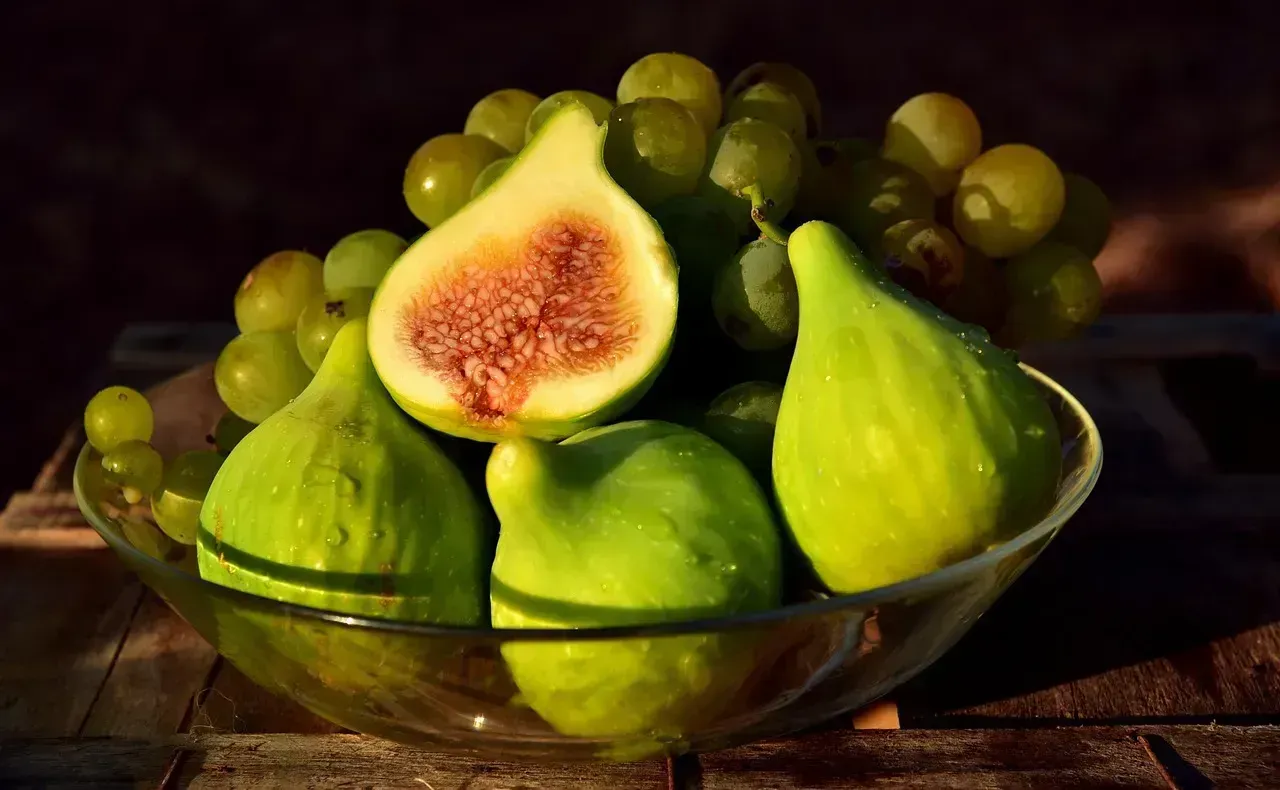
Nearly all fresh and frozen fruits and vegetables are prohibited from entering the US due to risks of pests and diseases, some of which can survive in frigid temperatures, according to the US Department of Agriculture. Fresh fruits and vegetables are banned because they can harbor insects, fungi, and bacteria that attack plants grown stateside.
The mid 1980s horror show of a Mediterranean fruitfly infestation resulting from one traveler’s illicit orange is cited as the reason for the bans, with the feds and California authorities spending more than one hundred million dollars to get the Medfly under control. Travelers bringing food products into the US can inadvertently introduce foreign pests and food borne diseases into the country, which can have a devastating effect on agriculture and the environment. Even the fruits and vegetable snacks provided on an airplane or cruise ship should be left behind.
Pork Products: The Swine Disease Barrier
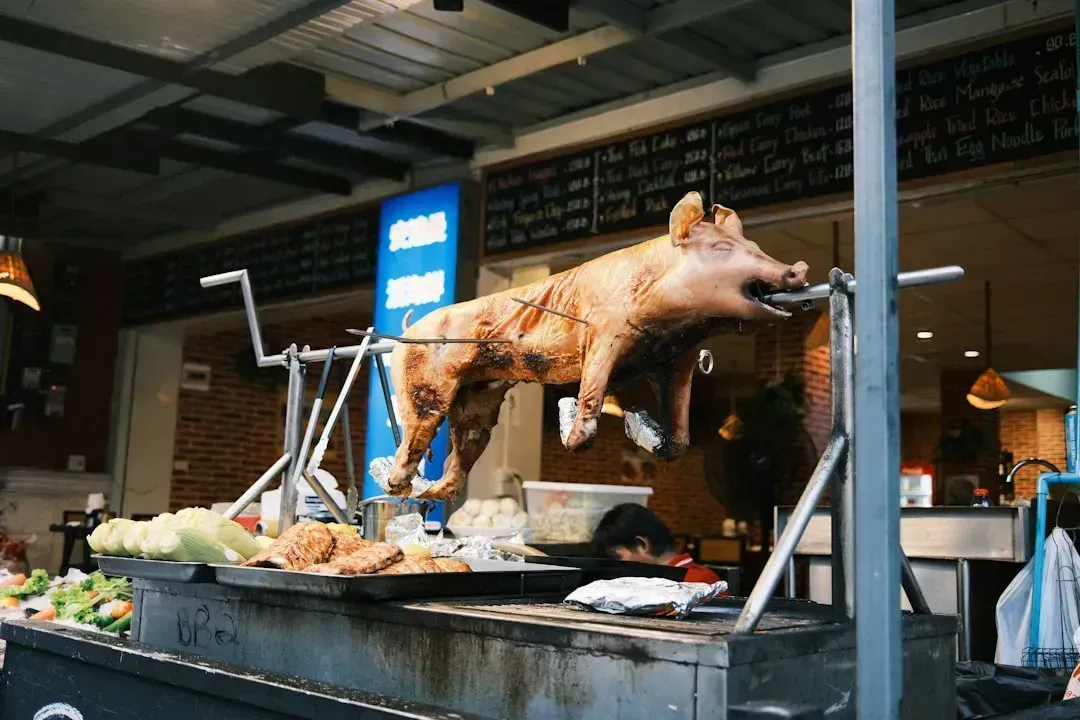
Almost all pork products are banned unless imported commercially through a process that ensures their safety, with safety having more to do with swine diseases than being safe to eat, as APHIS bans beef imports from countries with foot and mouth disease or mad cow disease, pork is banned to keep the American herds safe. You can bring back fresh chilled or frozen, cooked, cured, or dried meat from regions certified safe, but you may have to prove it really comes from the safe region, which can require a lot of documentation, which in practice means commercial packaging stating the country of origin.
Most meat, poultry, milk and egg products are either banned or restricted in the US, with rules depending on the country of origin and what livestock diseases are prevalent in the region. Think twice before packing that Spanish jamón in your suitcase. Last month, a passenger traveling from Indonesia to Darwin Airport in Australia was fined nearly two thousand dollars after two egg and beef sausage McMuffins along with a ham croissant were found in their luggage after Australian authorities had imposed tough new biosecurity measures following a foot and mouth disease outbreak in Indonesian livestock.
Kinder Surprise Eggs: The Toy Inside Dilemma

Kinder Surprise Eggs are beloved around the world for their combination of chocolate and a hidden toy, but in the United States they’re banned due to a 1938 law against embedding non food items completely within food products, as they pose a choking hazard. This has led to many a disappointed child and parents at US customs, with these chocolate treats leading to hefty fines if they’re found in your luggage.
The fascination with Kinder Eggs remains strong, evidenced by the legal sale of a modified version called Kinder Joy, where the toy is separate from the chocolate. It’s a bit absurd when you think about it. The same country that allows firearms permits draws the line at chocolate eggs with plastic toys. Yet here we are.
Declaration Requirements: What You Must Know
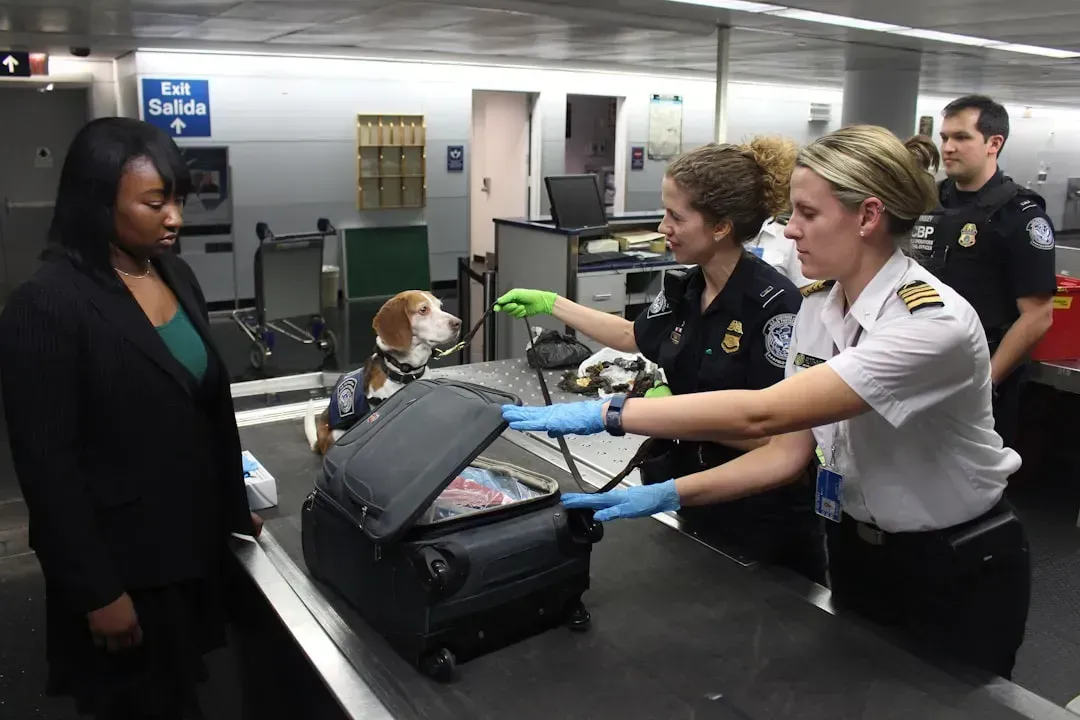
All travelers entering the United States are required to declare meats, fruits, vegetables, plants, seeds, soil, animals, as well as plant and animal products including soup or soup products they may be carrying, and the declaration must cover all items carried in checked baggage, carry on luggage. Failure to claim what you’re bringing in can result in up to ten thousand dollars in fines and penalties.
Border officials conducted 630,150 positive passenger inspections in 2021 according to statistics released by US Customs and Border Protection, and issued thousands of penalties and violations to travelers who failed to declare prohibited agriculture items. The bottom line is that whatever the regulations say, the CBP agents have total discretion to allow food to enter the country or to keep it out. Honesty really is the best policy at customs. Even if your grandmother’s homemade sausage seems harmless, declare it.
The world of forbidden foods reveals fascinating tensions between cultural tradition, public health, and international trade. Some bans make perfect sense when you consider disease transmission risks. Others seem overly cautious or culturally biased.
Last year, border officials discovered 264 pests at US ports of entry, including a Saunders 1850 butterfly larvae found in pineapples from Costa Rica, with the larvae feeding on plants and legumes, considered an invasive pest mainly found in Amazonian tropical rainforest, and introducing it in the US ecosystem could be detrimental to the agriculture industry. That single intercepted pest potentially saved millions in agricultural damage.
So before you pack that artisanal cheese or exotic fruit in your suitcase, check the regulations. Your taste for adventure shouldn’t come with a five figure fine or a potential disease outbreak. Have you ever had something confiscated at customs? What was it?