Prohibition-Era Cookbooks: How Alcohol Bans Transformed American Home Cooking
When the 18th Amendment took effect in January 1920, America’s drinking culture didn’t disappear. It shifted into kitchens, speakeasies, and cookbooks. The Noble Experiment, as supporters called it, ended up reshaping American home cooking in ways nobody anticipated, from the rise of finger foods to creative ingredient substitutions that still influence recipes today.
Here’s the thing most people miss. This wasn’t just about bootleggers and bathtub gin. It fundamentally changed what ordinary Americans cooked and ate at home every single day for thirteen years.
The Wine Brick Revolution That Fooled Nobody
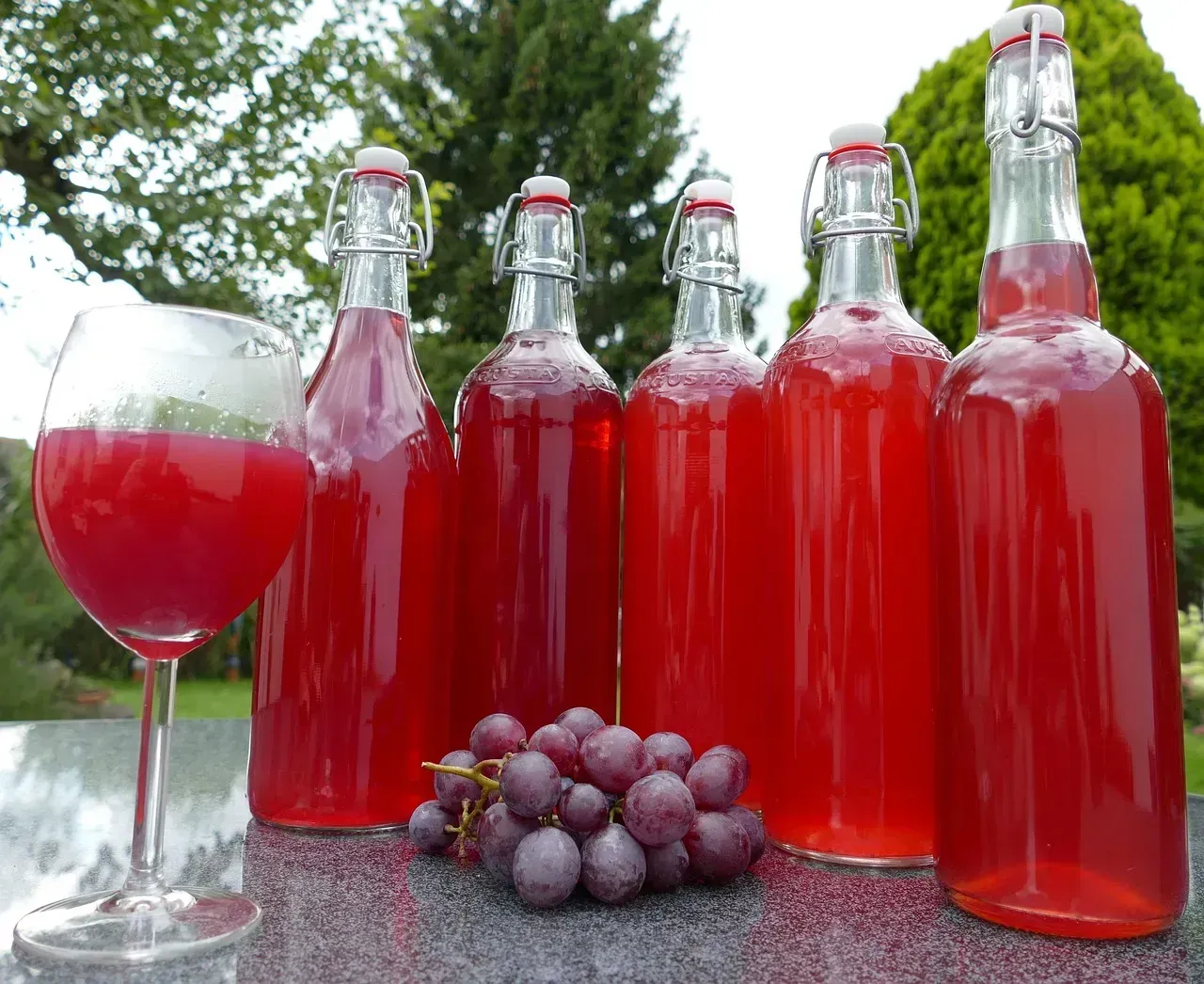
Vintners created “wine bricks” from concentrated grape juice that consumers could dissolve and ferment at home, with packages marked with warnings for non-alcoholic consumption only. The packaging instructed buyers not to leave the jug in a cool cupboard for 21 days, or it would turn into wine. Everyone knew what this really meant.
By 1925, grape brick sales had skyrocketed, with over 30 million gallons of juice accidentally fermenting into wine each year, and California vineyards expanded by roughly 700 percent during Prohibition. Demand for grapes rose dramatically since fewer winemakers remained to supply them, pushing prices from about ten dollars per ton before Prohibition to a shocking $375 by 1924. That’s an increase you can barely wrap your head around.
The wine from grape bricks was often harsh and overly tannic since they were made from leftover grape skins, stems, and seeds. Still, people didn’t care much about balanced palates when legally buying alcohol meant risking jail time.
Cookbook Authors Played a Clever Game With Recipes
Cookbooks handled alcohol differently during the 1920s, with some continuing to list recipes calling for small amounts of beer, wine and liquor as ingredients, others noting substitutions, and still others omitting the ingredient completely. Grape juice sometimes replaced wine, and there was an increase in the use of alcohol-based flavorings like vanilla, lemon, and almond extracts.
The 1923 edition of Fannie Merritt Farmer’s The Boston Cooking School Cook Book listed 2 tablespoons brandy in a recipe for rich coffee cake. Other authors took different approaches. Let’s be real, the culinary community wasn’t entirely willing to abandon traditions built over centuries just because politicians decided alcohol was suddenly immoral.
A study of cookbooks and etiquette manuals suggests that middle-class women, who were eager recruits to the prohibition cause, were apparently still serving liquor in their recipes and with meals, while patent medicines with high alcohol content were being consumed unknowingly. The irony is almost delicious.
Finger Foods and Cocktail Parties Became American Traditions
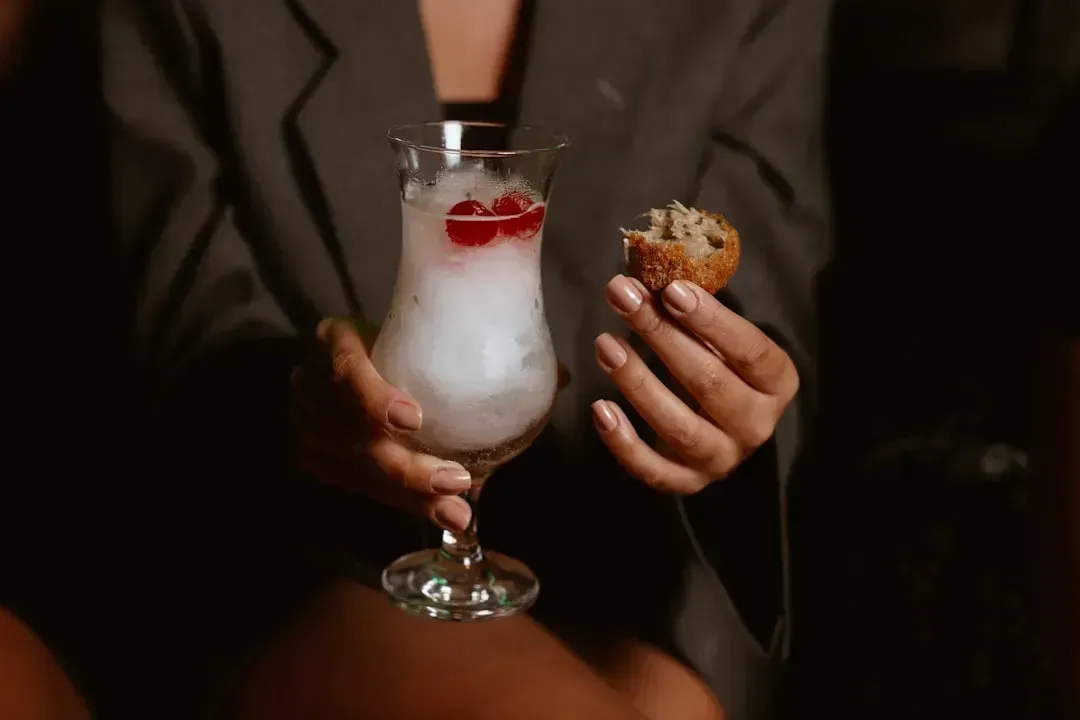
As saloons closed during the first decade of Prohibition, the number of restaurants in the country tripled, and eating patterns changed with the rise of quick meals. The cocktail hour was born as Americans increasingly began drinking at home in response to Prohibition. Home entertaining fundamentally changed because people couldn’t just meet at the local bar anymore.
The rise of intimate cocktail parties at home led to the popularization of an increasingly wide array of finger foods, including lobster canapés, caviar rolls, crabmeat cocktails, shrimp patties, oyster toast, jellied anchovy molds, radish roses, devilled eggs and savory cheese balls. Before that time, most dinner parties started exactly on time, and appetizers or cocktails were served at the dinner table once everyone was seated.
Even after the 1933 repeal of the 18th Amendment, the practice of serving finger foods at restaurants, bars and cocktail parties lived on and quickly became a popular American culinary tradition. We still see this influence at parties today.
Speakeasies Introduced Italian Food to Mainstream America
Prohibition had tremendous impact on eating habits and helped introduce Italian food to the masses, as Italians who opened speakeasies by the thousands became the main recourse in time of trial, exposing whole hoards of Americans regularly to Italian food. Think about it. Before Prohibition, Italian cuisine was largely confined to immigrant communities.
Americans had previously overcooked pasta, added extra flour, and smothered it in baking dishes with store cheese, but Prohibition changed all that. The food served in these underground establishments, with Mama cooking and Papa making wine in the basement, created a cultural bridge. Honestly, it’s hard to imagine American food culture without this accidental culinary diplomacy.
The advent of national prohibition stripped away liquor profits, shifting emphasis to low-price, high-volume food service, and more people ate out than ever before. Restaurants had to survive somehow, so food quality and variety became their competitive edge.
The Lasting Legacy on Modern American Kitchens

Looking back from 2025, it’s fascinating how those thirteen dry years left permanent marks on American cooking. Nearly one in two Americans are trying to drink less alcohol in 2025. We’re experiencing another shift in drinking culture, though thankfully without government mandates this time.
The rise of modern non-alcoholic beverages mirrors what happened during Prohibition, except now it’s driven by health consciousness rather than legal restrictions. Non-alcoholic beverages grew from about 0.1 percent of total alcohol sales in 2018 to about 0.2 percent in 2022, and the non-alcoholic drinks category is expected to grow to $30 billion by 2025.
Prohibition taught American home cooks to be creative and adaptable. Those wine bricks and clever cookbook substitutions showed that culinary traditions don’t simply vanish when laws change. They evolve, adapt, and sometimes create entirely new traditions in the process. The cocktail party, the finger food platter, mainstream Italian American cuisine – all have roots in that era when Americans had to get inventive about eating and drinking.
What’s your take on how historical restrictions shape modern food culture? Would today’s home cooks be as resourceful if faced with similar challenges?