5 Local American Dishes You Probably Haven’t Tried Before
Let’s face it, when you think American food, your mind probably goes straight to burgers, pizza, hot dogs. Classic stuff, right? The thing is, scattered across the United States are these wonderfully strange and totally authentic regional dishes that rarely make it beyond state lines. Some have cult followings in their hometowns.
Others barely exist outside a fifty-mile radius. These aren’t trendy fusion creations cooked up for Instagram. They’re honest, decades-old recipes rooted in immigrant traditions, born from necessity, or simply the result of someone getting creative with local ingredients. Honestly, they deserve way more attention than they get.
Scrapple – Pennsylvania’s Breakfast Mystery Meat
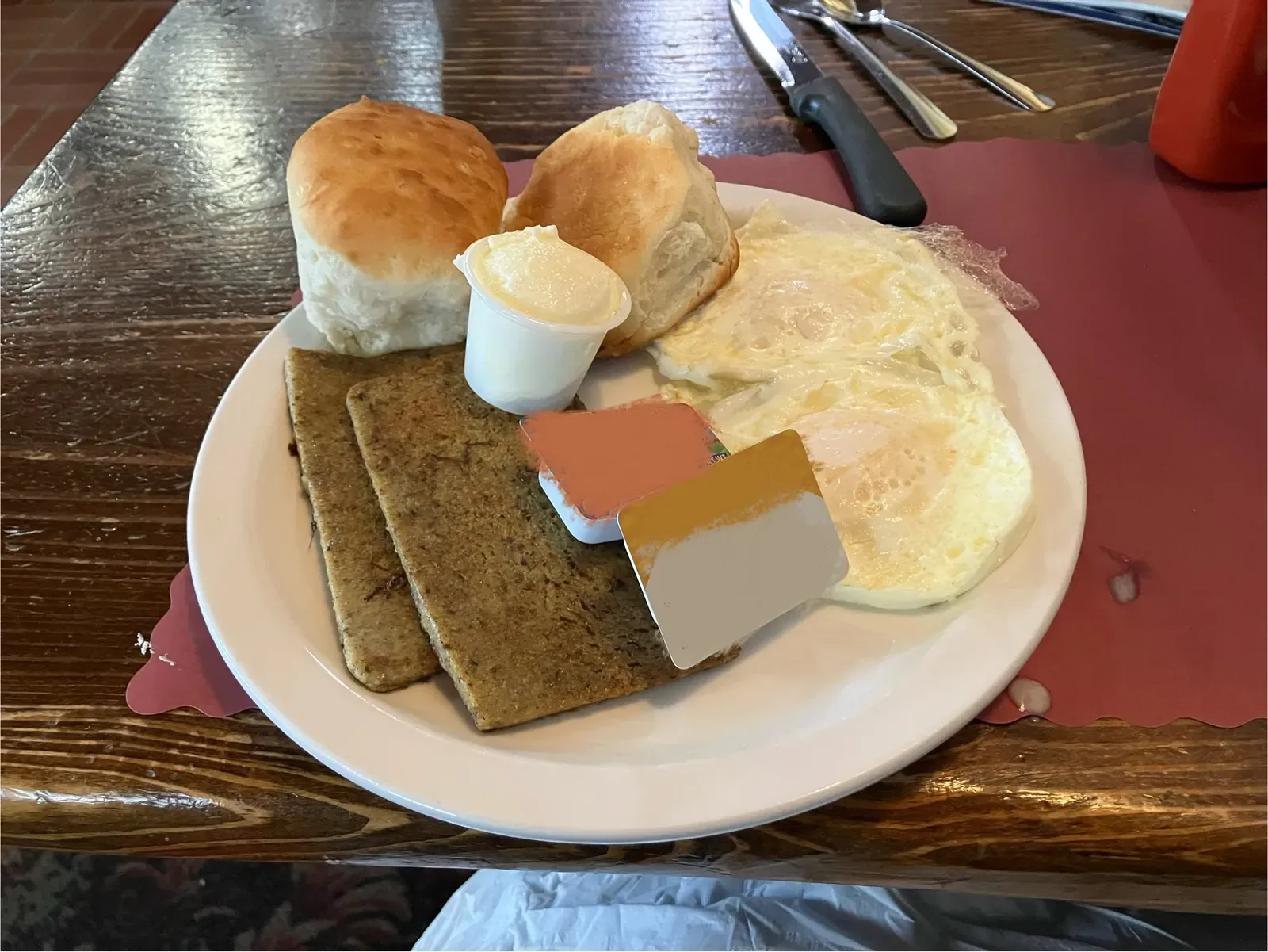
Scrapple is a Pennsylvania Dutch tradition made from fried pork scraps mixed with cornmeal, wheat flour, and spices, primarily eaten by the Mennonites and Amish. Picture this: hog offal like the head, heart, liver, and trimmings are boiled with bones to make broth, then the meat is reserved and cornmeal is boiled in that broth to create a mush. The first recipes were created by German colonists who settled near Philadelphia and Chester County in the 17th and 18th centuries.
It gets sliced and pan-fried until crispy on the outside. You can serve it plain or with sweet or savory condiments like apple butter, ketchup, maple syrup, honey, or mustard. The name itself comes from using meat “scraps” that would otherwise go to waste. Scrapple is primarily eaten in the southern Mid-Atlantic areas including Delaware, Maryland, South Jersey, Pennsylvania, Virginia, North Carolina, and Washington, D.C.
Goetta – Cincinnati’s Oat-Based Sausage Loaf
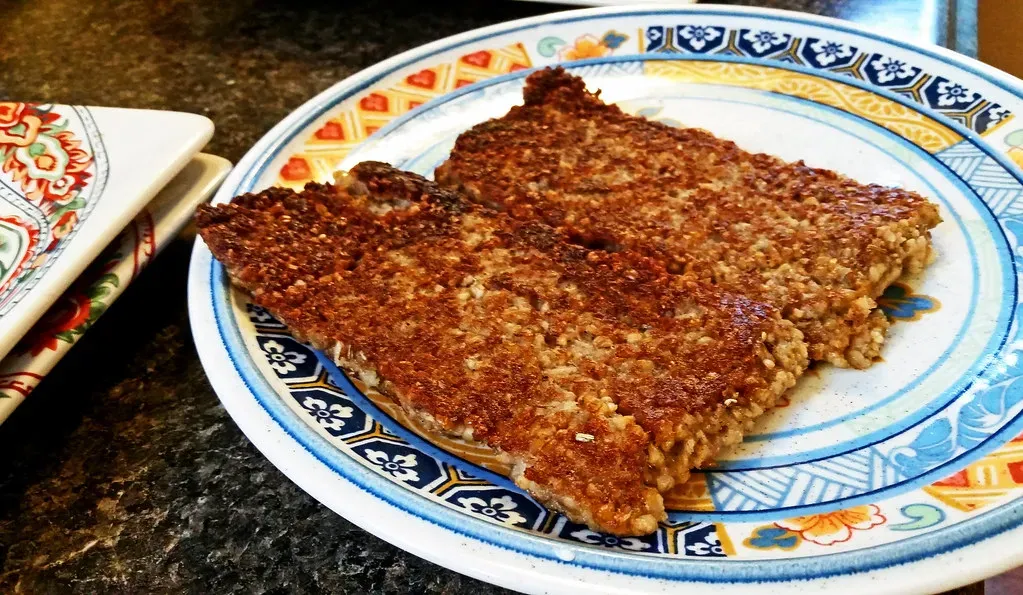
Goetta is a mixture of ground meat, steel-cut oats, and spices that Cincinnati has been frying up since German immigrants brought the recipe over in the 19th century, pronounced “get-uh”. Here’s the thing about goetta: it’s not quite sausage, not quite meatloaf. The loaf blends ground pork and beef with steel-cut oats and spices, then gets sliced and fried until crisp on the outside and soft within, brought over by German immigrants as a frugal way to stretch meat.
The oats give it a texture that’s simultaneously crispy and tender when pan-fried, and Cincinnatians slice it thick and serve it alongside eggs or get creative with goetta burgers and sandwiches. Cincinnati residents are passionate enough about this stuff to hold an annual Goettafest. The city celebrates with Goettafest, where more than dozens of vendors dream up new ways to showcase the dish. Unlike scrapple, goetta’s defining feature is those chewy, nutty oats.
Fry Sauce – Utah’s Pink Condiment Obsession
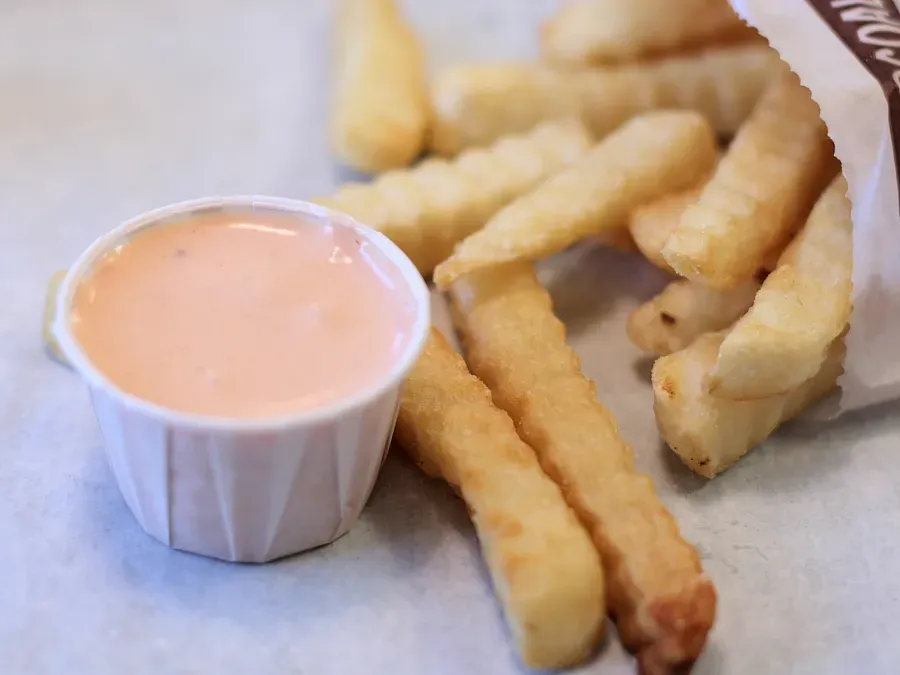
The simple mayonnaise and ketchup-based dipping sauce can be found throughout Utah as an accoutrement to french fries and has become one of Utah’s most famous foods. I know it sounds too basic to be interesting. In its basic version, fry sauce is nothing more than ketchup and mayonnaise mixed together, traditionally one part ketchup to two parts mayonnaise. Don Carlos Edwards used a pink sauce at his restaurant between 1941 and 1943, and also at the first Arctic Circle restaurant in Salt Lake City which opened in 1950, which later became known as fry sauce.
Yet here’s where it gets weird. Nearly every single American fare restaurant in Utah carries fry sauce, and even global chains like McDonald’s and Burger King stock their own fry sauce to meet the demand. When the Olympics came to Salt Lake City in 2002, the official set of commemorative pins included a fry-sauce-shaped pin. Fry sauce is nearly as popular in neighboring Idaho where it’s served with finger steaks, and Oregon and Washington aren’t strangers to fry sauce either, with Arctic Circle operating in Utah, Idaho, Nevada, and Arizona. The simplicity is the genius, honestly.
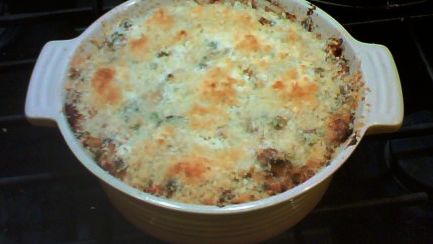
Stuffies – Rhode Island’s Stuffed Quahog Clams
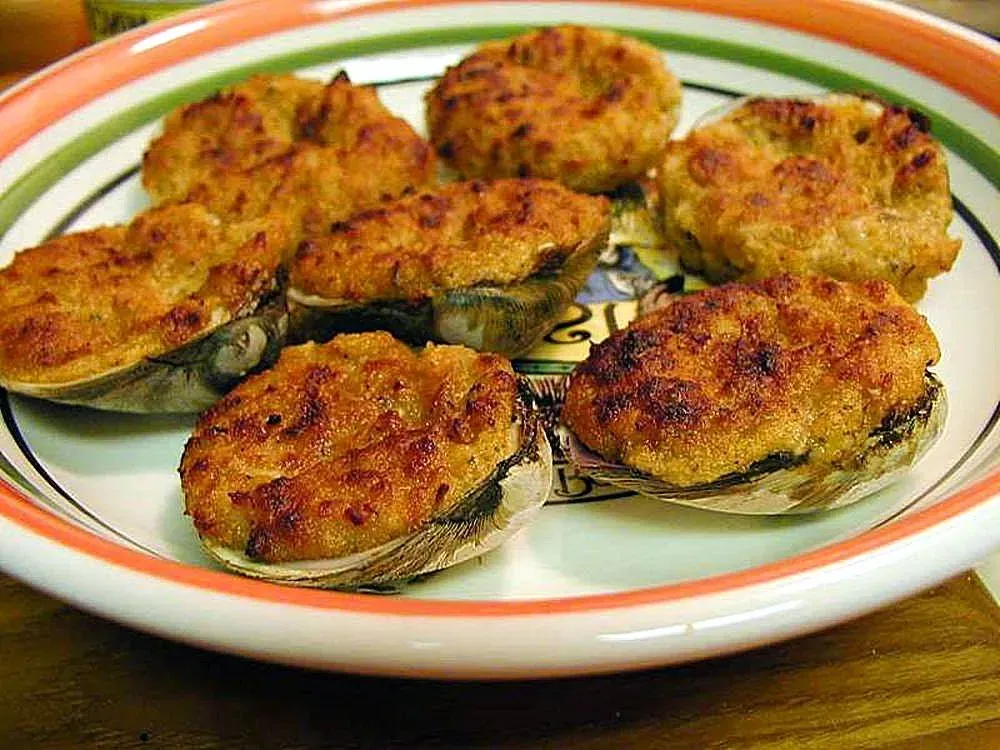
Stuffies reflect Rhode Island’s Portuguese-American influence, blending local seafood with bold savory flavors, and are a fixture at backyard cookouts, beach concession stands, and seafood shacks along the coast. Think of them as clam shells transformed into edible bowls. The local quahog clams get chopped up and mixed with breadcrumbs, chouriço sausage, peppers, and spices, then stuffed back into the shells and baked until golden.
They’re best eaten with a squeeze of lemon and maybe a dash of hot sauce, ideally while sitting by the water. Stuffies capture the spirit of Rhode Island’s fishing heritage and tight-knit communities where recipes are passed down through families and guarded like treasures, and to locals they’re a true symbol of summer. You won’t find these on many menus outside New England, which feels like a crime against seafood lovers everywhere.
Seattle-Style Teriyaki – The Pacific Northwest’s Japanese-American Creation
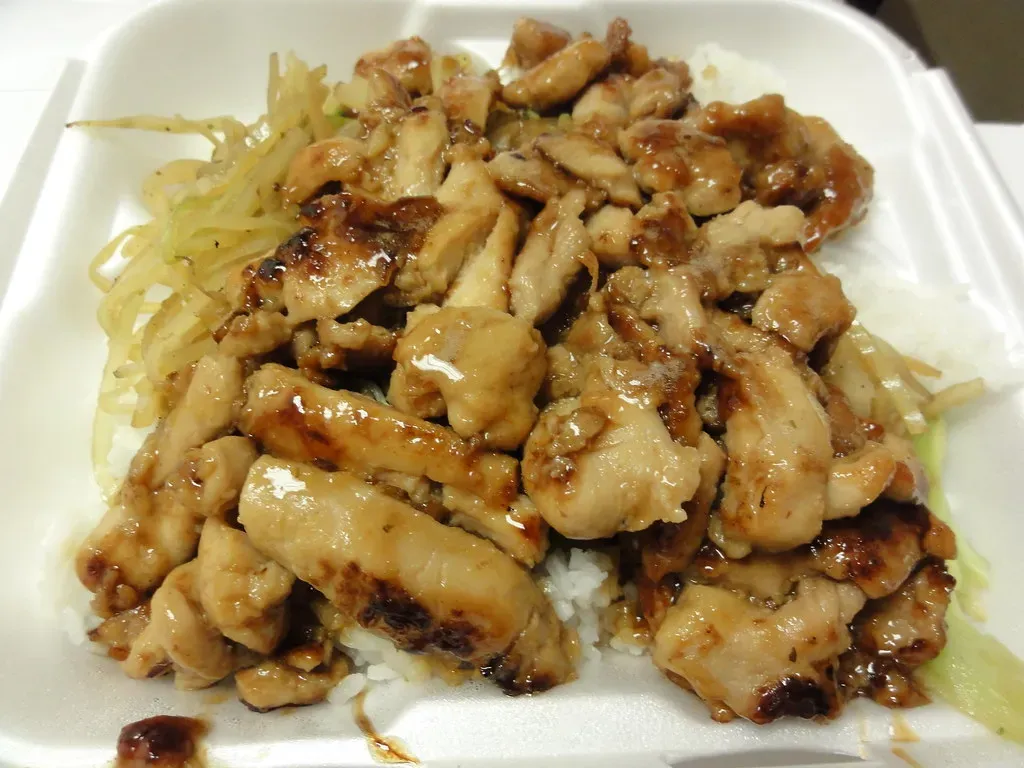
The region’s robust Japanese-American community ushered in plenty of the nation’s food traditions, which is why teriyaki became popularized in the 1970s. This isn’t your typical thick, sticky teriyaki sauce from a bottle. Seattle-style sauce is much thinner in consistency than other national brands that are far more thick and sticky. You can typically find the dish served in a three-compartment clamshell container, along with rice and an iceberg lettuce salad.
The ingredients are simple, but it’s the double dose of marinating the chicken and then adding teriyaki sauce on top of chargrilled chicken that makes this a flavor overload. Seattle has hundreds of these small teriyaki joints, often family-run, serving this specific style that’s become part of the city’s identity. It’s fast food that actually respects the ingredients and your taste buds at the same time.
These five dishes prove that America’s best food stories aren’t always the ones that went national. Sometimes the most interesting flavors stay local, passed down through generations, celebrated at neighborhood festivals, and fiercely defended by the people who grew up eating them. Each one tells a story about immigration, resourcefulness, and community identity. What would you try first?