Do You Have a $2K Quarter? Inspect This 2004 Coin Before You Use It
Picture this: you’re counting your pocket change and discover a quarter that could be worth thousands. Sounds like a collector’s dream, right? Yet Wisconsin state quarters that came out in 2004 are exactly that kind of hidden treasure. The catch is that only certain ones carry this hefty value, and you need to know what to look for.
These aren’t your typical quarters. The backs of all of those quarters show a wheel of cheese, a cow, and an ear of corn, but the valuable ones have something particularly special going on with the corn. It’s a tiny mark that separates loose change from a serious payday, and collectors everywhere are still on the hunt.
The Famous Extra Leaf Error That Changes Everything
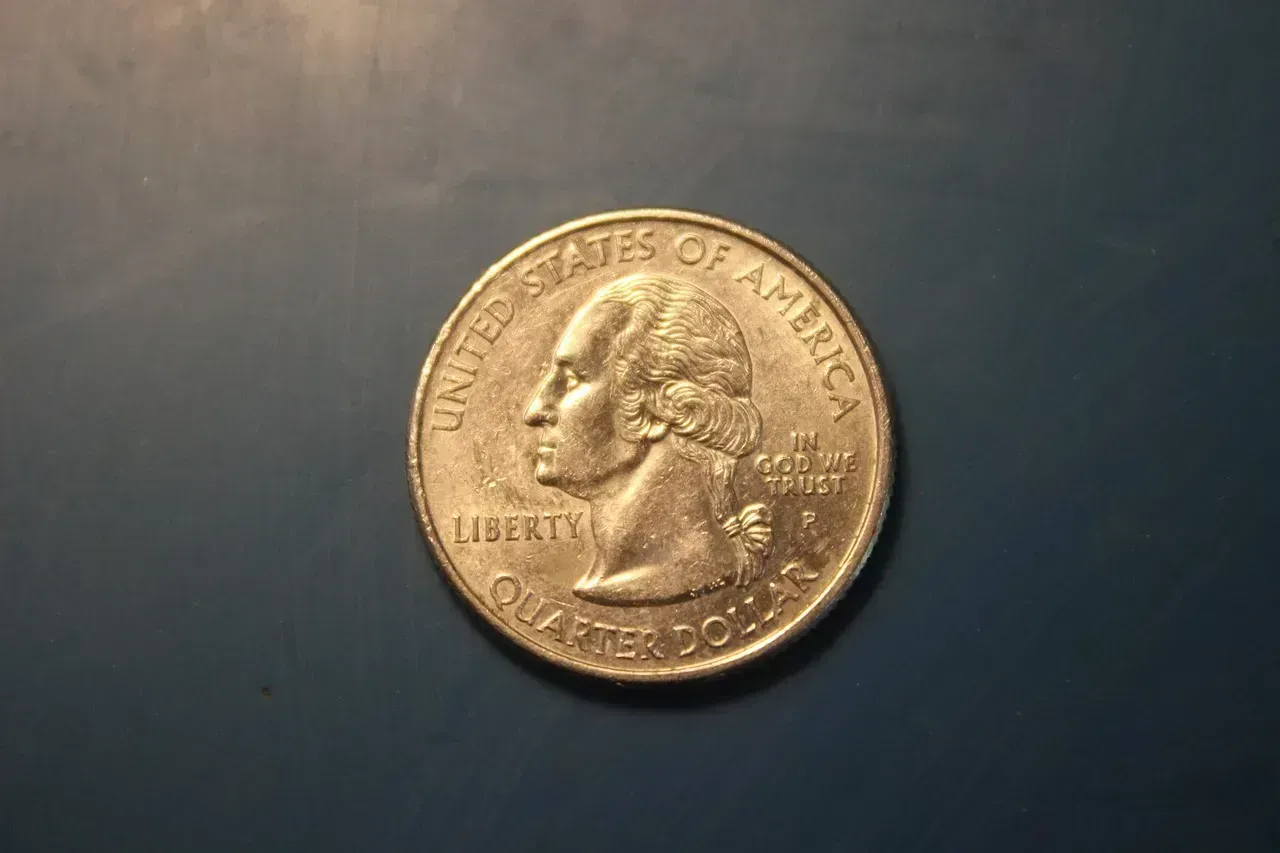
The mistake is an extra “leaf” on the corn, and it’s this small detail that transforms an ordinary quarter into something extraordinary. Think about it like finding a typo in a first edition book, except this typo is stamped on metal and circulating in your local supermarket. According to CoinHub, there’s a high extra leaf on the corn and one of these coins with a mint state of 66 recently sold for $2,530, though most transactions fall somewhere between roughly one hundred to three hundred dollars.
Some Wisconsin quarter errors were found with an “extra cornstalk leaf” – either pointing down (“Low Leaf”) or pointing up (“High Leaf”). The origin story is fascinating. The normal cause would be metal shavings accidentally lodged in the die, creating a gouge from the coin striking action. Yet some experts remain skeptical about this purely accidental explanation, with theories swirling about intentional die tampering at the Denver Mint.
Understanding the High Leaf vs. Low Leaf Varieties
Here’s where things get specific. High Leaf: The extra leaf appears above the original, closer to the top of the stalk. This version is rarer and more valuable. The High Leaf variety typically commands a premium in the collector market. USA Coin Book Estimated Value of 2004-D Wisconsin 50 States and Territories Quarter (Extra Leaf High Variety) is Worth $91 in Average Condition and can be Worth $205 to $278 or more in Uncirculated (MS+) Mint Condition.
The Low Leaf version sits differently. Low Leaf: The extra leaf is positioned lower, near the base of the stalk. It is less rare and slightly less valuable but also sought after by collectors. Still, don’t underestimate it. USA Coin Book Estimated Value of 2004-D Wisconsin 50 States and Territories Quarter (Extra Leaf Low Variety) is Worth $55 in Average Condition and can be Worth $146 to $215 or more in Uncirculated (MS+) Mint Condition.
There were two different varieties discovered for the “Wisconsin Extra Leaf Quarters.” One of them being the “Low Leaf” variety, which is the most common of the two. The second variety is the “High Leaf” variety, which is the scarcer of the two. The scarcity factor is real, making authentication absolutely crucial before you celebrate.
How to Identify the Error on Your Quarter
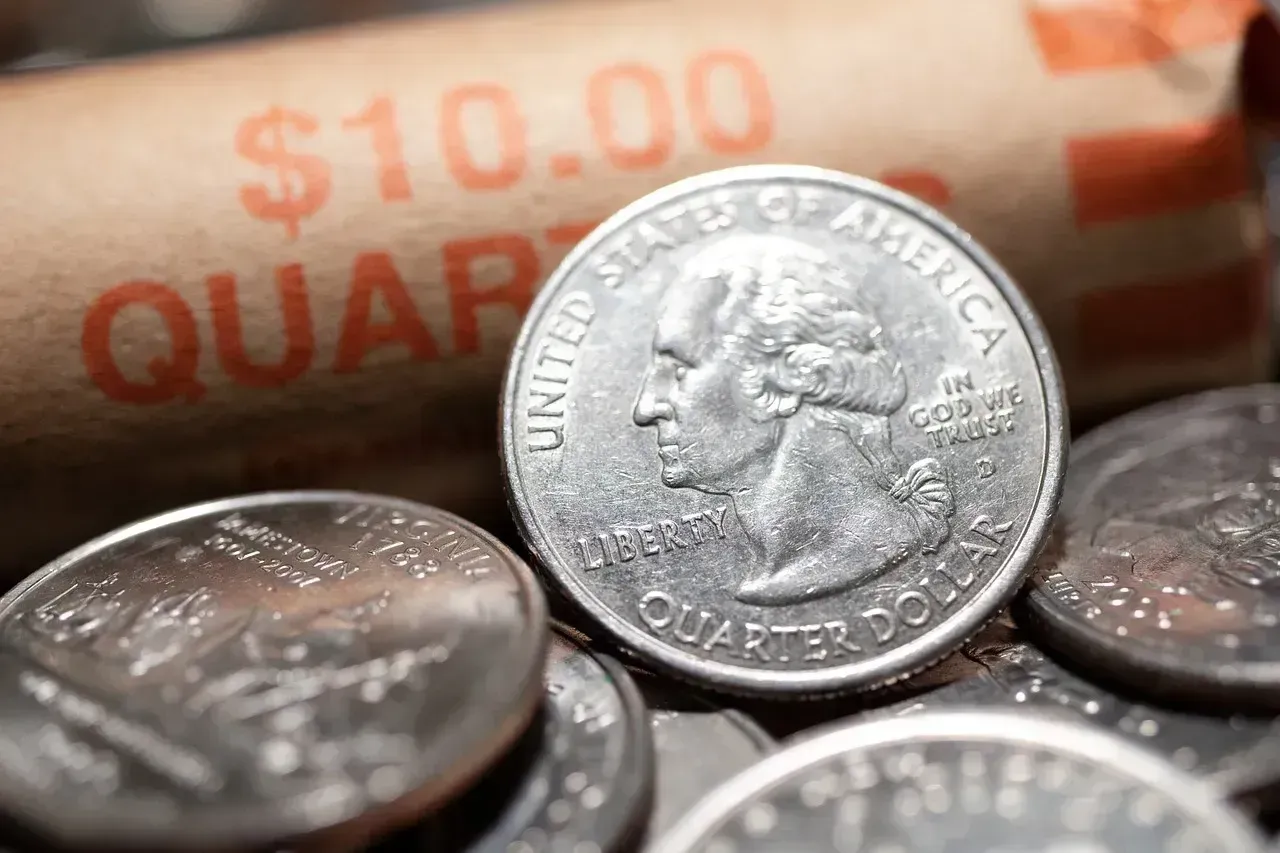
So you’ve got a 2004 Wisconsin quarter in your hand. Now what? First things first: All Extra Leaf quarters are 2004-D (Denver Mint). If the coin has a “P” (Philadelphia) mintmark or none at all, it’s not one of the recognized varieties. This immediately narrows your search, saving you from examining every single Wisconsin quarter you encounter.
Before turning to advanced tools, start with a careful visual inspection of the reverse side of the coin. The extra leaf should appear near the bottom of the stalk, either higher or lower than the main leaf in the design. Grab a magnifying glass or use your smartphone’s camera zoom. Natural light helps tremendously when you’re hunting for subtle details like this.
The extra leaf looks like a small raised bump or extension near the corn’s lower leaves. It won’t be perfectly shaped like the other design elements because, remember, it was never supposed to be there in the first place. Evidence for this includes the fact that these “leaves” fall far short of proper design definition, are awkwardly placed, and lack proper definition.
The Discovery Story and Where These Coins Were Found
This variety was discovered late in December 2004 by Robert Ford. Immediately, the coins broke the news and people all over the country were out searching for them. The numismatic community went into a frenzy almost overnight. Coin hunters descended on banks, requesting rolls of quarters in hopes of striking it rich.
Later, it was confirmed that most coins were being found only in the Tucson and San Antonio areas. This geographic concentration suggested that specific batches from the Denver Mint were distributed to particular regions. Estimates from dealers and grading services suggest the following: Likely 20,000 to 50,000 coins of each variety exist. Most were discovered in circulation throughout the Southwest U.S. and Midwest, with the highest concentration in Arizona and Texas.
The excitement was palpable. Families made weekend adventures out of bank hopping, searching through hundreds of rolls. Some lucky individuals reportedly found multiple error coins in single bank-wrapped rolls, though such discoveries became increasingly rare as word spread and collectors snatched them up.
Current Market Value and What Collectors Are Paying
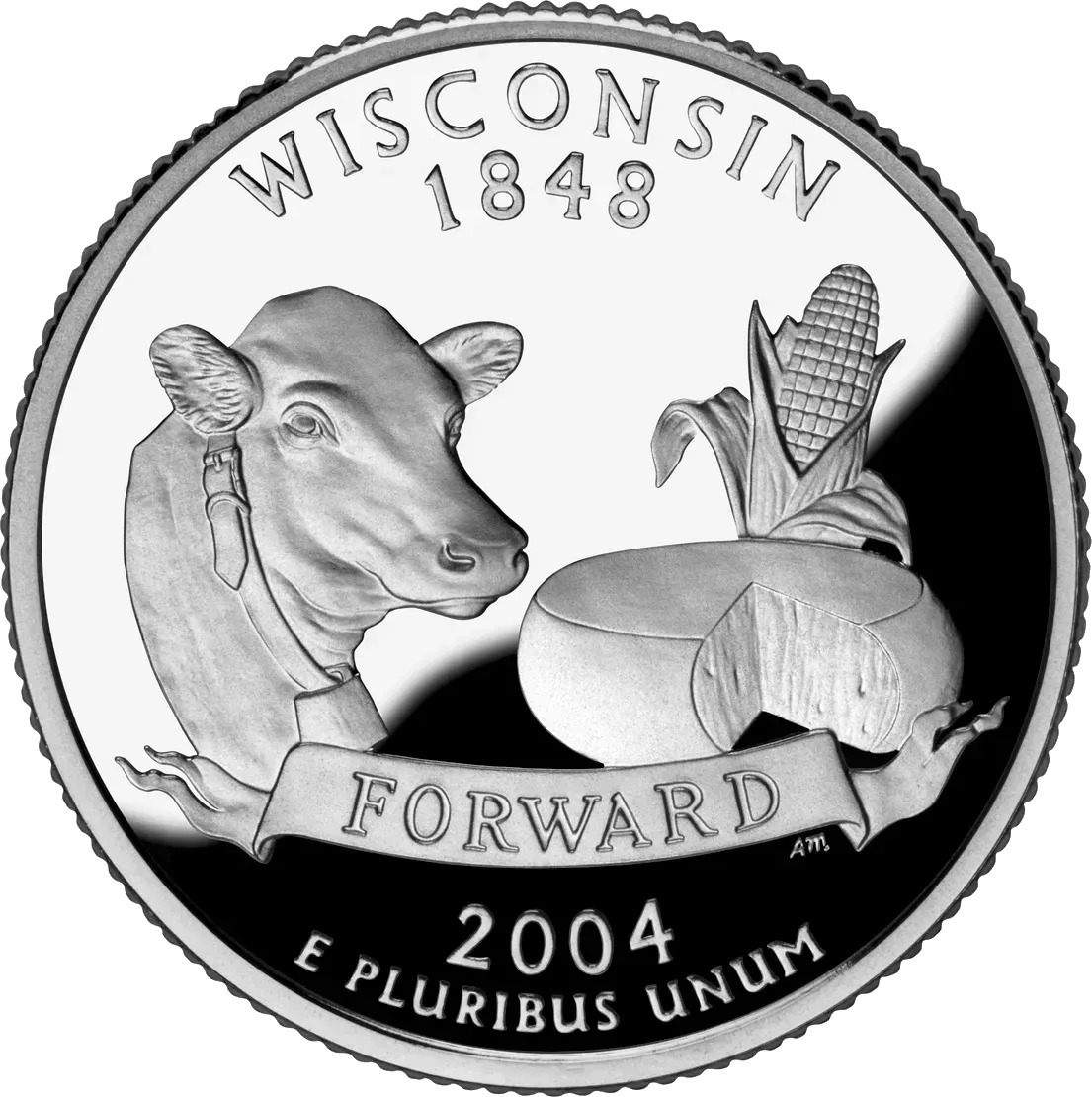
Let’s talk numbers, because that’s what really matters when you’re holding what might be a valuable coin. In 2006, a collector paid $2,530 for a 2004-D Wisconsin quarter with a high leaf error while another paid $6,000 in 2020 for a 2004-D Wisconsin quarter with a low leaf error. Those are the headline prices that get everyone excited.
Realistically, though, condition matters enormously. A circulated example with wear and tear won’t fetch anywhere near those amounts. 2004-D Wisconsin State Quarter Extra Low Leaf Value in mint state is worth $55 in almost uncirculated AU55 (worn) and will be worth $75 or more if they grade MS63. 2004-D Wisconsin State Quarter Extra High Leaf Value in mint state is worth $100 in almost uncirculated AU55 (worn) and will be worth $100 or more if they grade MS63.
For instance, in MS 65 (the grade at which NGC has certified the most coins from each variety), the Extra Leaf High has an NGC Price Guide value of $270 vs. $160 for the Low Leaf variety. Professional grading makes a massive difference in both authentication and final sale price. Services like PCGS and NGC provide credibility that buyers demand for higher-priced transactions.
It’s honestly thrilling to think that such modern coins can carry this kind of premium. These aren’t ancient Roman coins or rare 1800s silver dollars. They’re quarters that were minted during most readers’ lifetimes, still floating around in cash registers and coin jars. The value comes purely from that manufacturing quirk, that unintended extra leaf that nobody was supposed to see.