With the Penny Fading Away, Here’s What You Should Do With All Those Coins in Your Jar
That jar full of coins sitting on your dresser? It’s about to become a lot more interesting. several banks had ceased distributing the coins to retailers. The Treasurer of the United States, Brandon Beach, stamped the last penny after 232 years of its production by the US Mint on Wednesday, at an event held at the minting facility in Philadelphia.
The penny’s departure isn’t exactly shocking when you consider the economics behind it. According to the U.S. Mint’s 2024 Annual Report, producing and distributing a single penny costs 3.69 cents, nearly four times its face value. In 2024, the Treasury incurred a seigniorage loss of $85.3 million on penny production. That’s like burning cash, but slower.
So what does this mean for the millions of Americans who have coins gathering dust? Pennies are rarely recirculated back into the economy after they being issued and given as change. Americans tend to store them in jars or use them for decoration, requiring the Mint to produce significant volumes each year to compensate. Now’s the time to figure out what to do with them before they become purely nostalgic keepsakes.
Take Your Coins to Your Bank or Credit Union
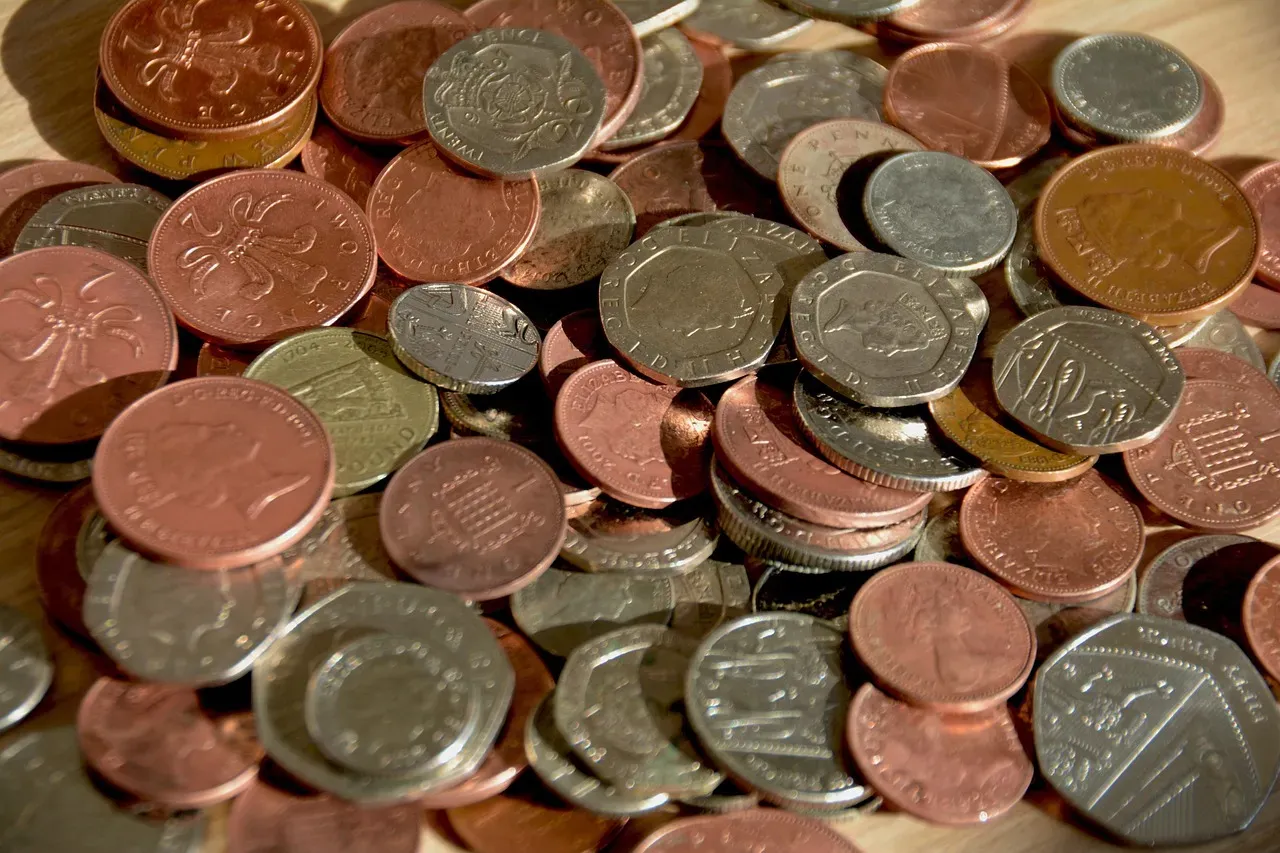
Let’s be real: your local bank is probably the smartest move if you want to keep every cent. Free coin-counting machines are primarily available at local community banks and credit unions for their customers. Major national banks no longer offer them. This is honestly where most people should start.
Most banks offer free coin exchange services to account holders, though you may need to roll coins yourself. Self-service coin-counting machines are more commonly found at local banks and credit unions than at national banks. Some places like Wells Fargo will take rolled coins without charging you anything. Banks that have free coin exchange services include Bank of America, Wells Fargo, U.S. Bank, Citibank, Capital One, Chase, Citizens Bank, PNC Bank, TD Bank, and more. Credit unions can also be a great option for exchanging coins without a fee.
Here’s the thing though: you’ll probably need to do some legwork. More often, you’ll be able to take advantage of manual counting and sorting by bank tellers, usually with pre-rolled coins. Banks often give out free coin wrappers for customers to use. You’ll sort your coins into pennies, nickels, dimes and quarters and then wrap them yourself. It’s tedious, sure, but you’re essentially getting paid for your time by avoiding fees elsewhere.
Use a Coinstar Machine (But Be Strategic About It)
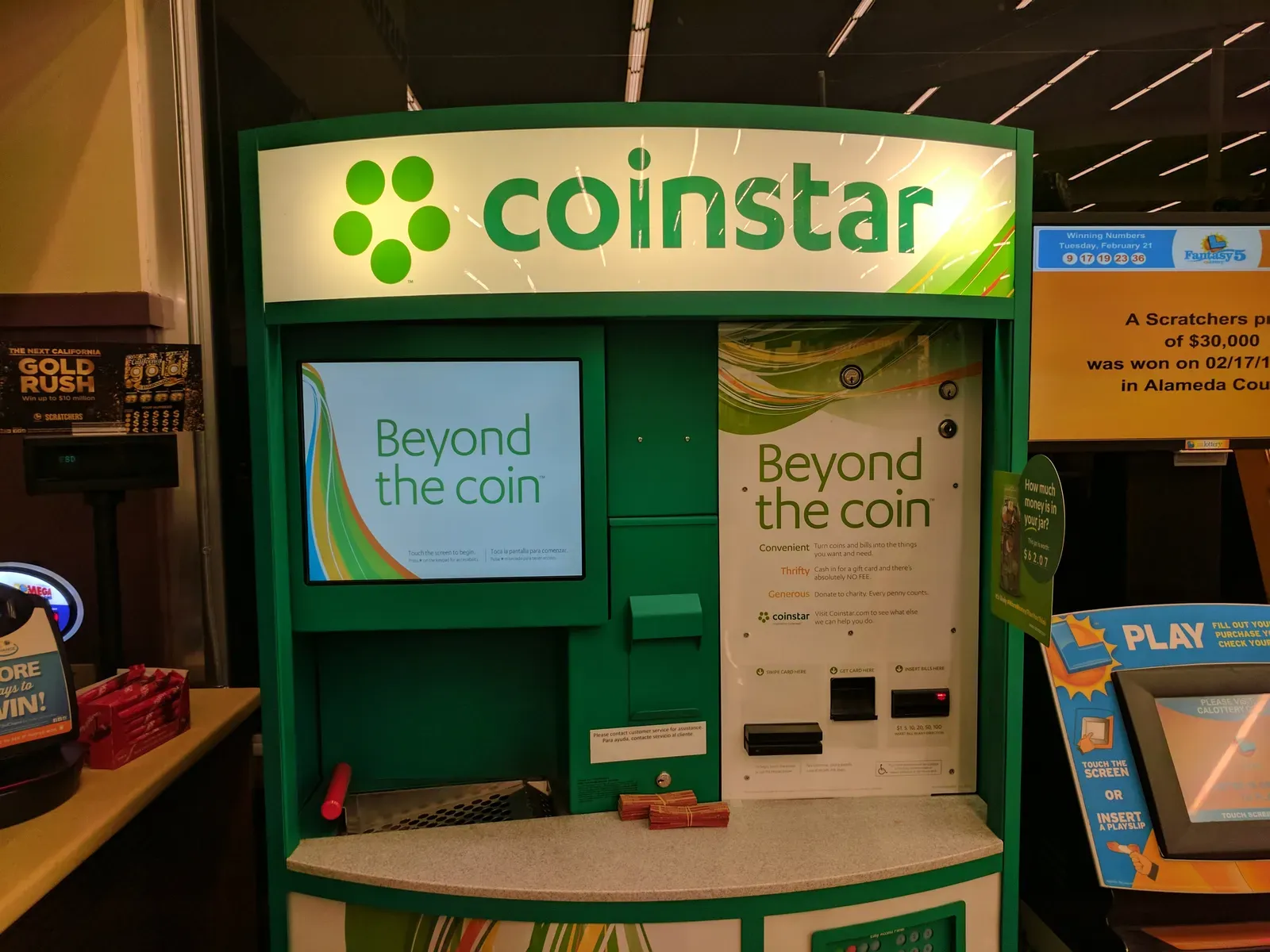
You’ve seen those bright green machines at grocery stores. They’re convenient, I’ll give them that. Coinstar’s fee is currently set at 11.9 percent of the value of the coins you’re exchanging. That’s nearly $12 for every $100 in coins you feed to the machine. For turning coins into a cash voucher at a Coinstar kiosk, the fee is typically up to 12.9% plus a $0.99 transaction fee of the total coin value, though this can vary by location. That stings a bit.
But here’s where it gets interesting. There’s no fee to convert your coins into electronic gift card vouchers. Coinstar limits how much change you can swap out for a gift card so it pays to know what the limits are for each one. If you redeem the $100 in coins in the form of electronic gift cards, Coinstar does not take any fees out of the transaction.
Think about where you already spend money. If you’re a regular at Starbucks or you shop at certain retailers anyway, why not convert your coins into gift cards for those places? You can also donate your coins to a charity through Coinstar, which is also a no-fee option and may be tax-deductible. The machine suddenly becomes a lot more appealing when you’re not hemorrhaging roughly about one-eighth of your money.
Roll Them Yourself and Avoid All Fees
I know this sounds old-fashioned. Rolling coins feels like something your grandparents did. Yet it remains one of the absolute best ways to preserve every penny of value. If your bank requires you to roll your coins, don’t let that stop you. This is the classic, guaranteed way to exchange coins for bills at any bank.
Our research confirmed that coin wrappers are provided for free by all banks, regardless of customer status. These color-coded paper wrappers are used to roll coins in specific quantities, typically 40 to 50 coins for denominations of 25 cents or less. The process is straightforward. Pennies go in groups of fifty cents, nickels in two-dollar rolls, dimes in five-dollar rolls, and quarters in ten-dollar bundles.
Let me be honest with you: this takes time. If you’ve got kids, make them help. Get the kids to count their jars of loose change and roll the coins themselves! It becomes a lesson in patience and math, and suddenly your Saturday afternoon project becomes surprisingly productive. The reward? You keep absolutely everything you counted.
Spend Them at Self-Checkout Machines
This one’s a bit unconventional but surprisingly effective. This is a clever trick for cashing in smaller amounts of change without needing a bank. A lot of self-checkout kiosks at grocery stores and retailers like Walmart or Target have trays for accepting coins as payment. You can pay for a small item using your change and the machine will give you the rest back in bills. For example, if you have $15 in coins, you can buy a $1 drink and the machine will dispense $14 in cash.
It’s genius in its simplicity. You’re essentially using the grocery store as your personal coin exchange. The machine doesn’t judge you for feeding it thirty-seven pennies and a handful of nickels. Just make sure nobody’s waiting behind you, because the stares can get uncomfortable.
This method works best for moderate amounts of change. If you’re hauling in a five-gallon bucket, maybe reconsider. Still, for those times when you’ve accumulated enough coins to be annoying but not enough to warrant a bank trip, self-checkout is your friend.
Consider QuikTrip or Smaller Regional Options

Here’s something most people don’t know about. QuikTrip is a convenience store and gas station chain that often allows you to cash your coins for free. Depending on the location, QuikTrip may or may not charge service fees for coin exchanges. QuikTrip’s coin exchange program is a great option for those who need to cash coins quickly without the hassle of becoming a bank member. They do this because there is a shortage of coins, and they are in need of coins.
The coin shortage has created an unusual situation where some businesses actually want your loose change. It’s hard to say for sure how long this’ll last, but right now certain regional chains are happy to take those coins off your hands. Local casinos are another place that can have coin counting machines, and good to know the ones near you are free! Some casinos in specific regions offer free coin counting too.
Your best bet is calling ahead. Policies change, locations vary, and what’s true at one branch might not apply to another. Spending five minutes on the phone can save you from lugging a heavy jar of coins across town only to discover they charge a fee or don’t offer the service at all.
The penny may be fading into history, but those coins still hold real value. Whether you choose the free route through your bank, the convenient path via Coinstar gift cards, or the DIY approach of rolling them yourself, you’ve got options. The penny remains legal tender. That jar isn’t just loose change anymore; it’s a small financial opportunity waiting to be claimed. What’s your move going to be?