8 Old-Fashioned Manners Experts Say No Longer Make Sense
Ever wonder why some social rules feel more like relics than helpful guidelines? We all grew up learning certain courtesies, but honestly, a lot of those traditional manners no longer fit the world we live in today. Society has shifted, technology has changed how we communicate, and the lines between what’s polite and what’s just plain outdated have blurred considerably. Many Americans think people are ruder now than before the pandemic, which shows we’re all trying to figure out what good manners really mean in 2025. Here’s the thing: the fundamental goal of making others feel comfortable hasn’t changed, but many old-school rules create more awkwardness than they solve. Let’s be real – some manners need a serious update.
Men Always Paying the Bill
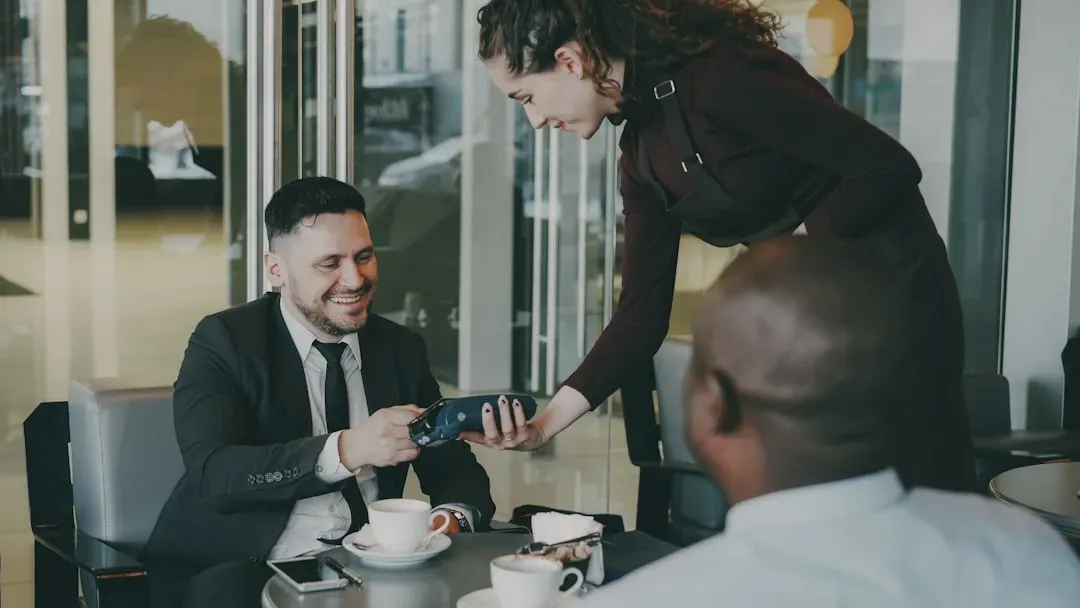
Gone are the days of men being obligated to pay for the meals of the women with whom they dine, as going Dutch is entirely appropriate, particularly when two equals mutually make a plan, with the rule now being that whoever does the inviting pays for the meal. Think about it – in a world where women are CEOs, doctors, and breadwinners just like men, why should the check automatically land in front of the guy? Traditional gender norms are no longer relevant, as restaurants increasingly offer gender-neutral service, with servers commonly asking if diners want separate checks or simply placing the check in the middle of the table. This shift isn’t about rejecting kindness; it’s about recognizing that financial courtesy shouldn’t be dictated by what’s between your legs.
Women Remaining Seated During Introductions

A generation ago there were only a few exceptions to the rule that a lady never stood up to shake hands or while being introduced, but today, especially in a business setting, a woman should always rise to the occasion of meeting or saying hello. Staying seated while someone approaches you? That just reads as disinterest now. It wasn’t all that long ago that it was proper etiquette for a man to stand when greeting a woman entering the room, but nowadays, standing up is proper etiquette whenever anyone greets anyone, with the body language of standing sending a signal that you’re eager to greet that person. Standing to greet someone – regardless of your gender – shows respect and engagement. It’s a small gesture that makes a huge difference in how you’re perceived.
Waiting for a Woman to Extend Her Hand First

Back in Victorian times, men literally couldn’t shake a woman’s hand unless she offered it first. Seriously. It used to be that a man has no right to take a lady’s hand until it is offered, and as recently as 2000, some etiquette guides stated that the woman should offer her hand first. That rule has officially died. Today, a man does not need to wait for a woman to offer her hand before he extends his, and whether you are a man or a woman, always remember to shake hands. The ladies first etiquette rule is diminishing in many aspects today, with The Etiquette School of New York suggesting that in modern business settings, everyone should be free to shake hands with anyone, while outside of business settings, inclusivity and mutual respect now lead the way. A firm handshake is about connection, not gender politics.
Strict Formal Dress Codes for Work

Remember when showing up to the office meant suits and ties for men, and conservative dresses or skirts for women? Yeah, those days are mostly over. A 2023 Gallup poll found that a mere 3% of U.S. workers now wear business professional attire, while a combined 72% wear either business casual or casual street clothes to work. Professionalism is now judged more on your work and ideas than on the crispness of your shirt, with being clean, well-fitting, and appropriate for the venue being the new sign of respect. The shift toward comfort and authenticity means you can finally wear what makes you feel like yourself while still commanding respect. That said, pajamas at a client meeting are still a no-go – context matters.
Never Discussing Money
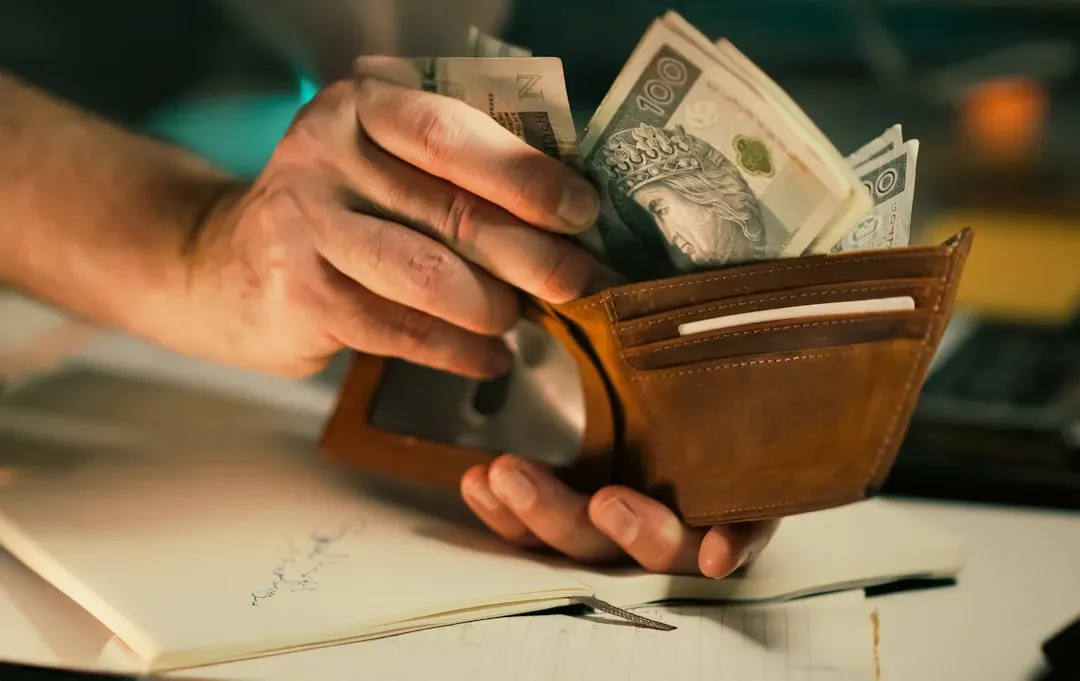
Younger generations openly discuss salaries to fight for equal pay, share student loan balances to crowdsource repayment strategies, and talk about the cost of living to make informed decisions, and this isn’t seen as rude but as smart, with the modern approach being about collaboration rather than bragging. Our parents and grandparents treated money talk like it was taboo, almost shameful. Honestly, that silence only benefits those who want to keep wages unequal and opportunities hidden. Transparency about finances helps everyone navigate a tough economy, advocate for fair pay, and make smarter life decisions. It’s not about flashing your wealth – it’s about building collective knowledge and refusing to let outdated shame keep you from the information you need.
Formal Titles and Last Names Only

Even though America has traditionally been less formal with titles than many other places, it was still considered good manners to address people, particularly those in a higher position, as Mr. or Ms. or Sir or Ma’am, but general codes of conduct do not require such formality in most situations anymore. Sure, there are still contexts where calling someone Dr. Smith or Professor Jones makes sense, but in most everyday interactions? First names work just fine. As an adult you’re safe to call someone you’ve just met by their first name, though this advice is specific to the United States. The shift toward casual address reflects a more egalitarian society where hierarchy matters less than mutual respect. Still, if someone asks you to use their title, honor that request – modern etiquette is about flexibility, not rigidity.
Ladies First at All Times

Holding a door open or offering a seat are kind gestures, but tying them to gender is outdated, with rules like ladies first rooted in the medieval code of chivalry, which was originally more about establishing rules for violent knights than romance, and these gender-based scripts can feel condescending today. I know this one ruffles some feathers, but hear me out. The modern swap is to replace gendered chivalry with situational kindness, with courtesy being a human trait, not a male one. Men are no longer the only gender expected to give up a seat for someone, hold a door for others to pass through, or help carry cumbersome items if able, as this applies to anyone. Hold the door for whoever’s behind you. Offer your seat to someone who needs it more. Be kind because you’re a decent human, not because of someone’s chromosomes.
You Must Send Wedding Gifts Within a Year
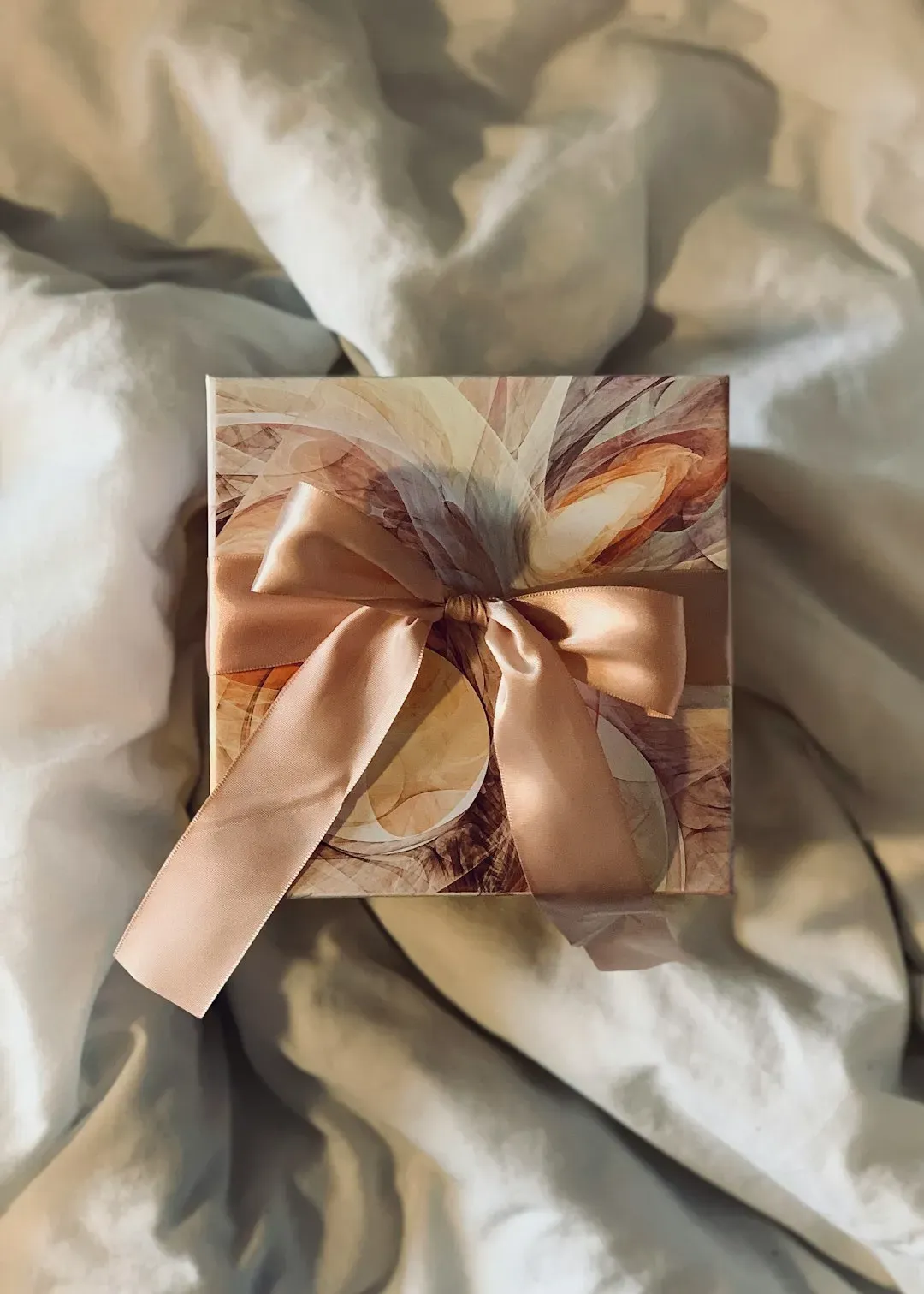
Traditional etiquette rules once permitted waiting up to a full year after a wedding to send a gift, and why that was isn’t even clear to etiquette experts, but nowadays, it’s proper to send a wedding gift within a month or sooner after the wedding. Imagine waiting twelve months to acknowledge someone’s marriage – by that point, they’ve probably forgotten you were even at the ceremony. Wedding invitation etiquette has officially gone digital, with more couples moving to email and digital invitations, and couples appreciate that responses are easier to track while emailing saves on costs, making this a win-win. Modern life moves fast, and wedding etiquette has caught up. Send that gift promptly, respond to invitations on time, and show you care when it actually matters.
Letting go of these old rules isn’t a sign that society is becoming ruder but rather a sign that we’re becoming more thoughtful, moving away from performing politeness based on rigid, outdated scripts and toward practicing genuine consideration tailored to the situation at hand. The core principle remains unchanged: treat people with respect and make them feel comfortable. Emily Post said it best: manners are a sensitive awareness of the feelings of others, and if you have that awareness, you have good manners, no matter what fork you use. So ditch the outdated rules that no longer serve anyone, embrace flexibility, and focus on what really matters – genuine human connection. What outdated manner do you secretly wish would disappear? Let us know in the comments.