Why Butchers Won’t Buy Ground Beef from Major Big-Box Retailers
Pre-Ground Mystery Meat Raises Red Flags
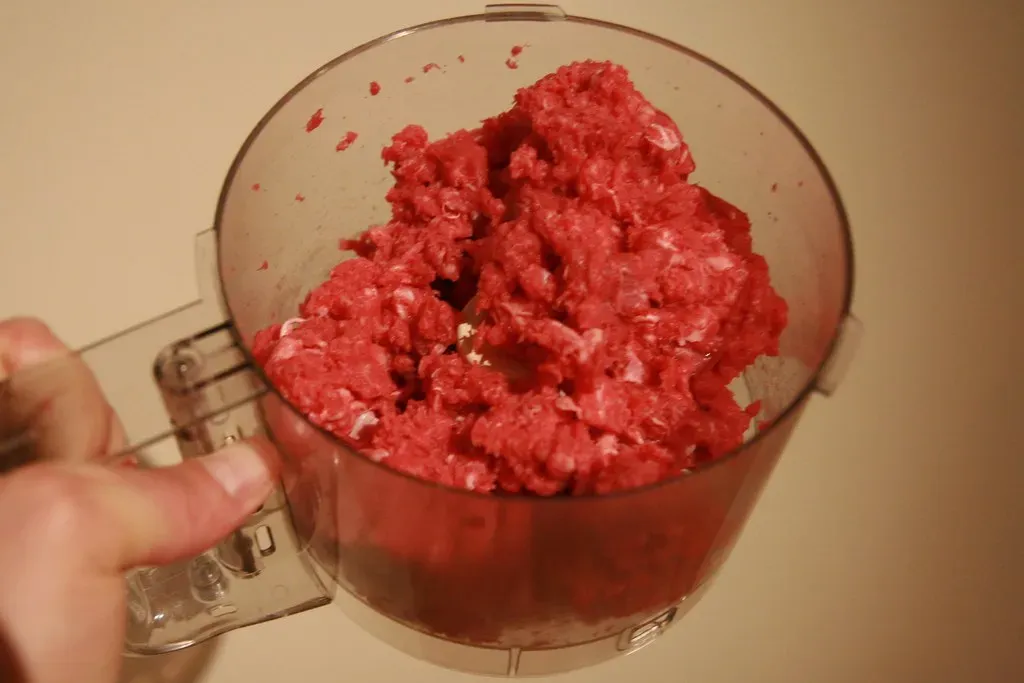
Professional butchers like Luis Mata avoid purchasing ground beef from grocery store counters because these products often come pre-ground from large processing facilities, where contamination risks are significantly higher. Store-bought ground beef typically arrives pre-ground directly from slaughterhouses, where various cuts are mixed together, compromising flavor and quality. The key issue here is transparency. When butchers grind their own meat, they know exactly which cuts are going into the mix. With big-box store ground beef, it’s a different story entirely.
Case-Ready Beef Dominates Store Shelves
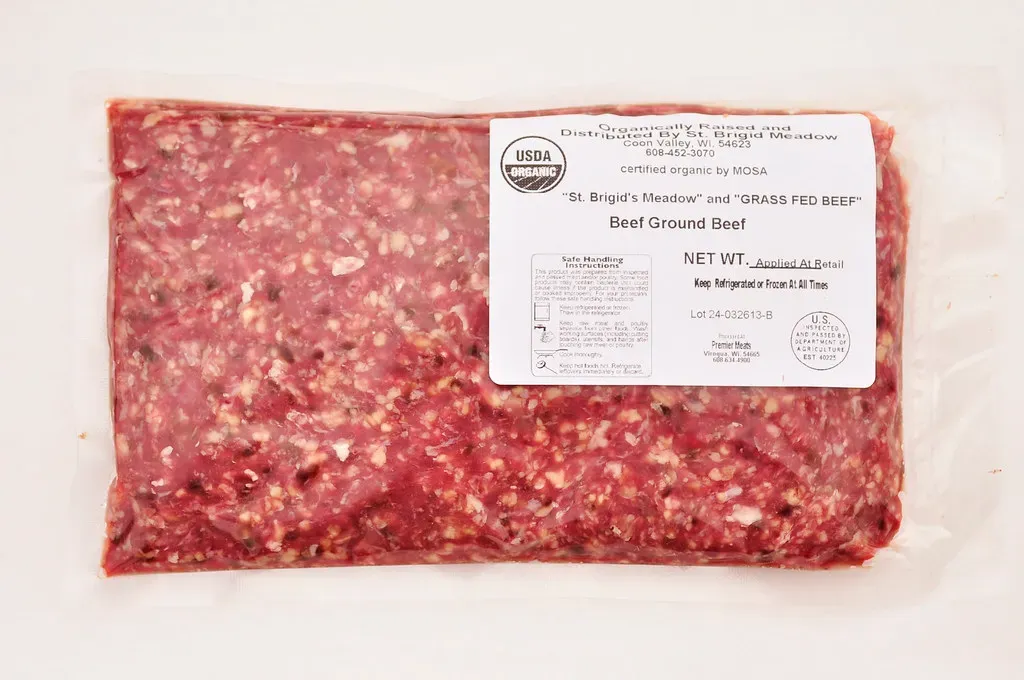
Many grocery stores now purchase case-ready ground beef, which arrives prepared and packaged by suppliers before shipping, rather than hiring in-store butchers to prepare it fresh, a trend developing since the turn of the millennium. Walmart embraces case-ready ground beef because it’s much cheaper and simpler for stores, as the meat arrives pre-ground and already packaged for sale. This saves money on labor, sure. Yet, it also means nobody at the store level actually knows what went into that package.
Fat Content Games and Quality Control Issues
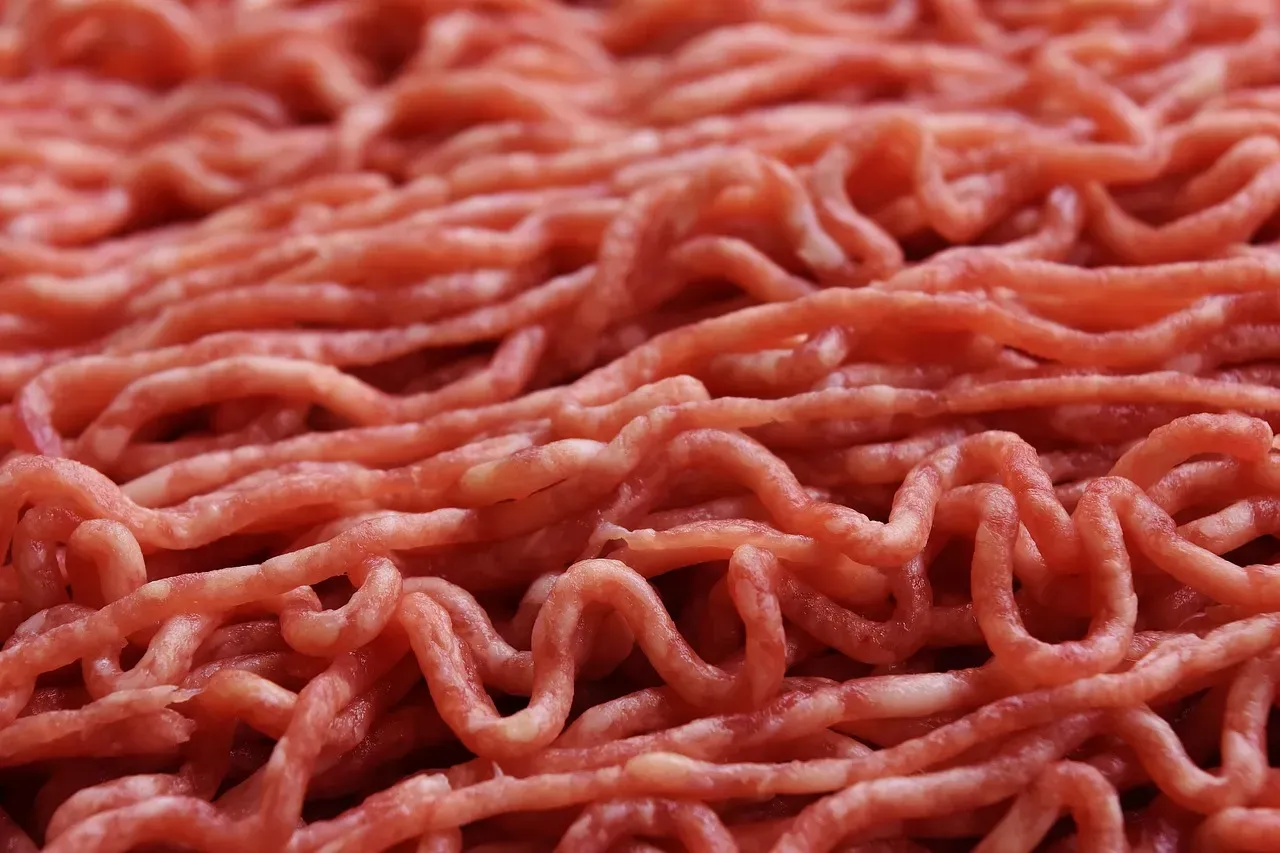
Quality butchers grind their own meat using trimmings from premium muscles, allowing them to control both quality and fat content to ensure a superior product. Customers frequently report that store-bought meat discolors soon after purchase and often has higher fat content than advertised, spoiling well before the expiration date. Think about it. If you’re buying ground beef labeled as lean, you expect lean meat. With big-box retailers, though, that’s not always what you’re getting. When you buy ground beef from a butcher, you know exactly what you’re getting, and the butcher can probably even tell you which cut it came from.
The Contamination Factor Nobody Talks About
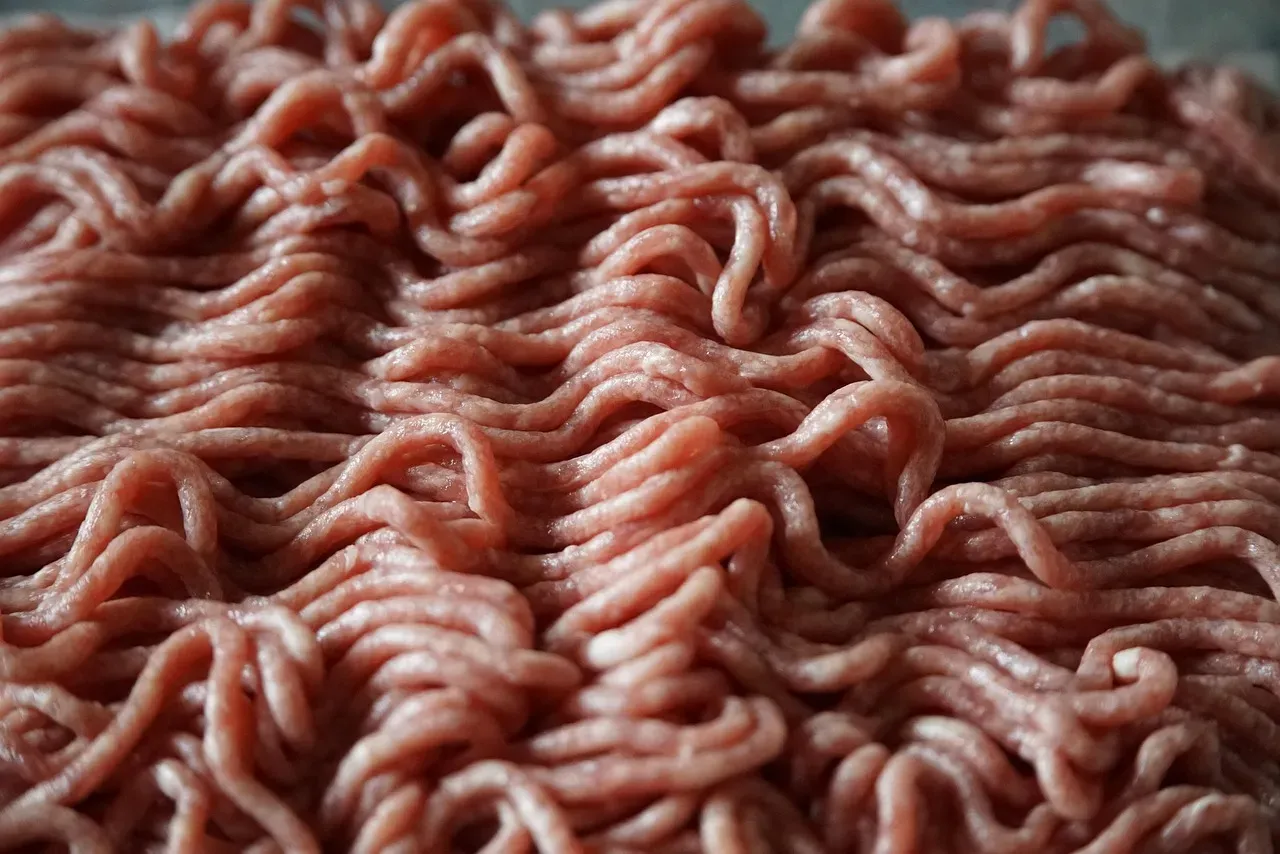
Ground beef from large processing facilities carries significantly higher contamination risks that can cause foodborne illness, and these issues have led to widespread recalls across vast geographic regions. Here’s the thing about grinding meat. The moment you grind it, you’re taking any surface bacteria and mixing it throughout the entire batch. With ground beef, bacteria like E. coli and Salmonella that may live on the outside of meat get mixed into the center and won’t be killed unless the internal temperature reaches at least 160°F. Large-scale facilities process enormous quantities, which means if something goes wrong, thousands of pounds of contaminated meat hit store shelves across multiple states.
Additives and Preservatives You Didn’t Order
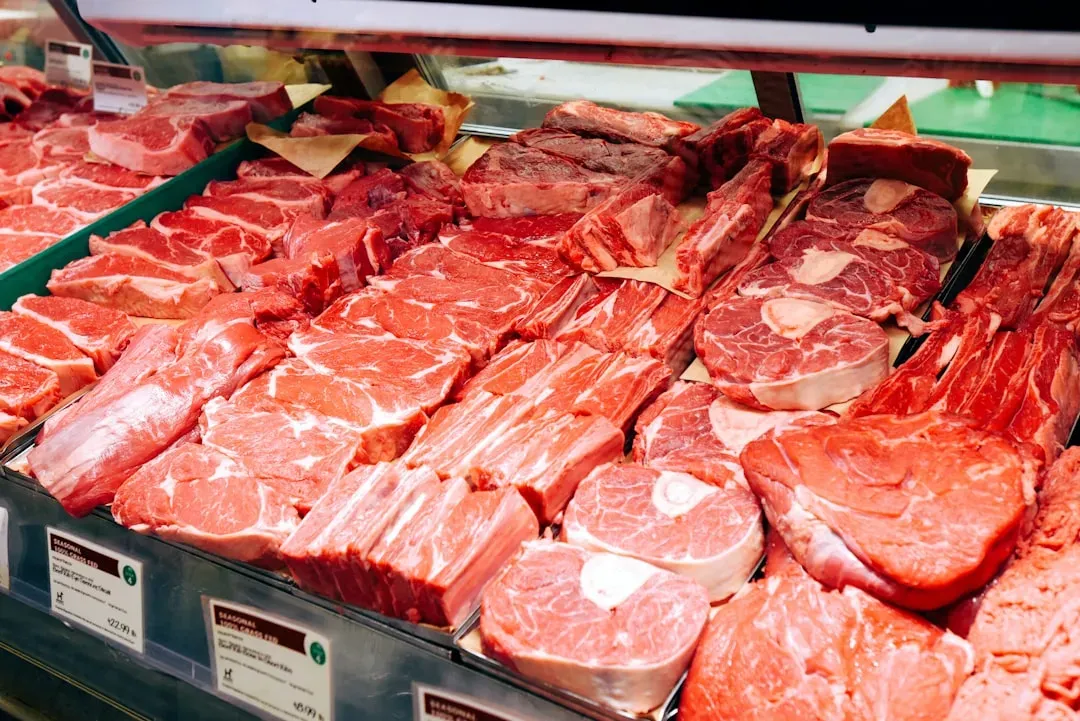
At grocery stores without in-house butchers, even ground beef and steaks can contain preservative solutions that are added when meat is processed to extend shelf life, as pre-cut meat shipped from several states away wouldn’t have much shelf-life left otherwise. Professional butchers know this secret. Most factory meat is sterilized with corn-derived citric acid wash during butchering, and retailers use dye to make beef look more appealing and fresh to customers. The reality? You might think you’re buying pure beef, yet you’re actually getting a chemistry experiment.
The Pink Slime Controversy That Never Went Away
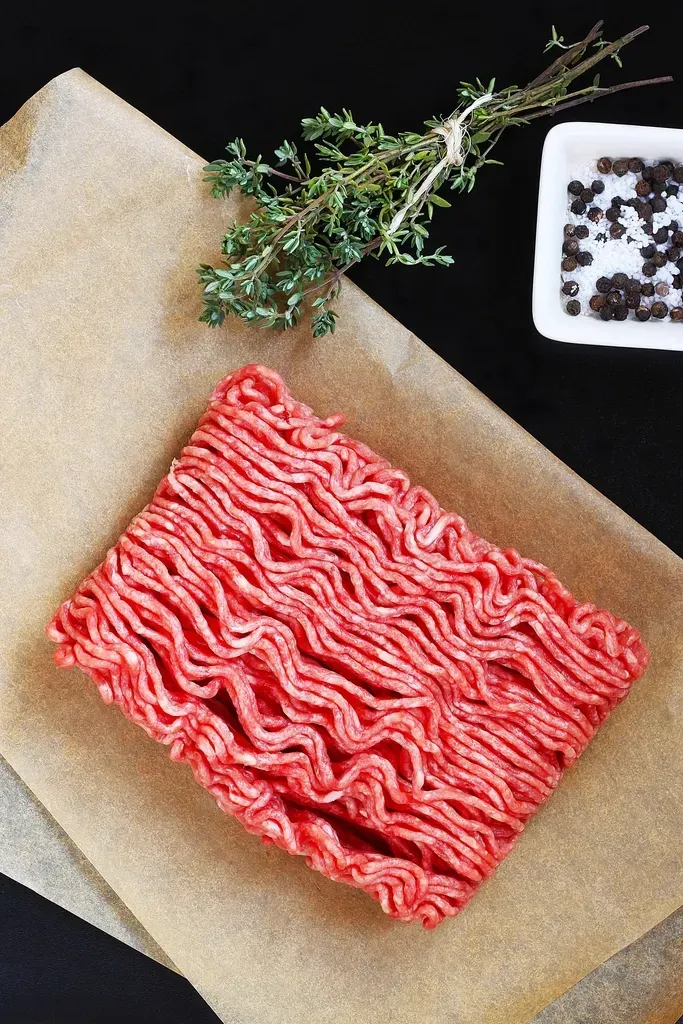
In March 2012, approximately 70% of ground beef sold in US supermarkets contained lean finely textured beef, also known as pink slime. Pink slime is a meat by-product used as filler in ground beef, produced by exposing beef trimmings paste to ammonium hydroxide or citric acid to kill bacteria. In December 2018, lean finely textured beef was reclassified as “ground beef” by the USDA Food Safety and Inspection Service. So technically, stores can now sell this product without special labeling. Most butchers refuse to touch it because they consider it a quality issue, not just a safety concern.
Freshness Isn’t What It Seems
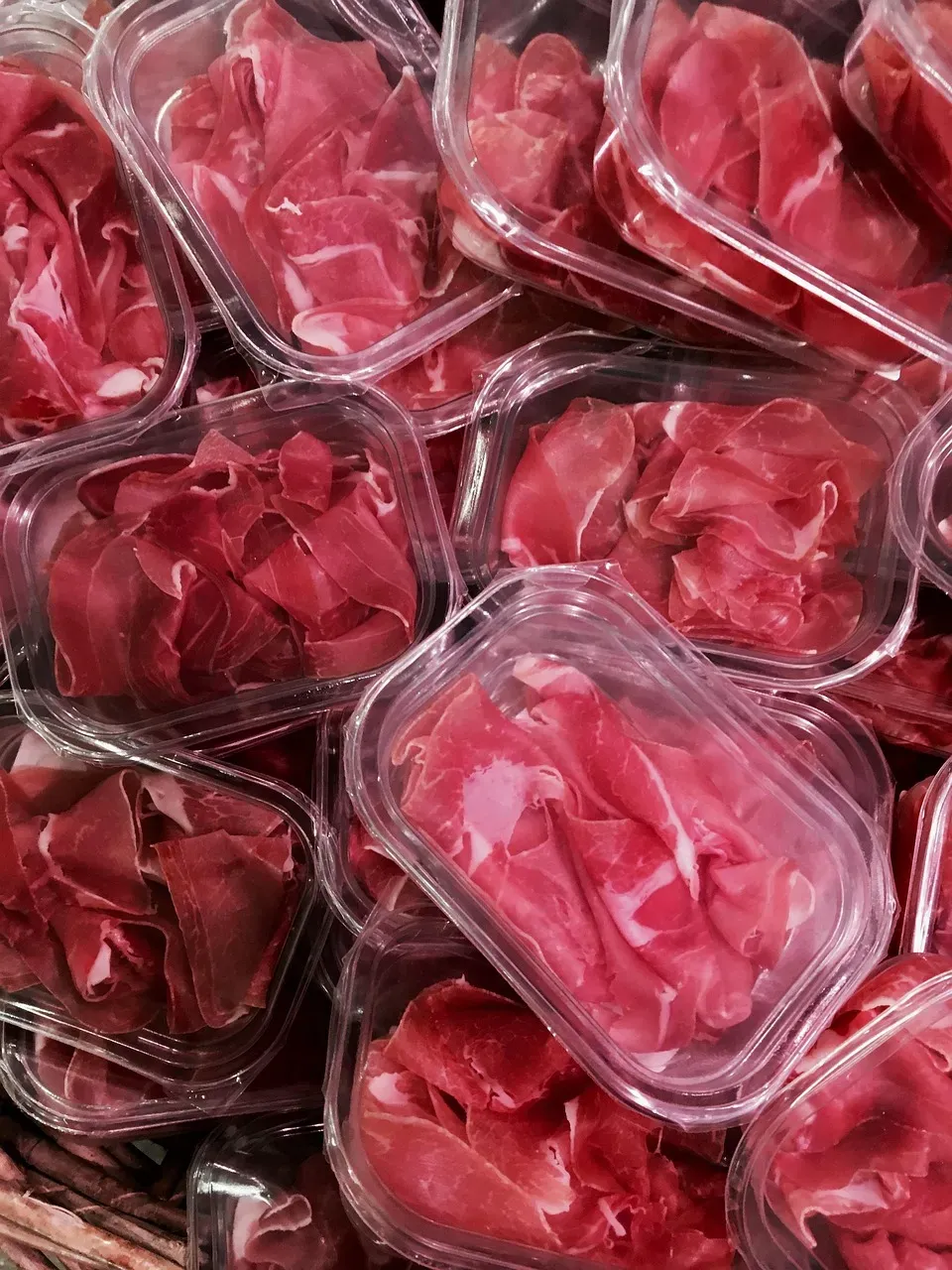
It’s fairly common for processors to gas beef prior to packaging to give it a bright red color, which hides older meat and makes it seem fresh even when it might have been in a freezer then stuffed in a truck for several weeks. Products from larger processors often use modified atmosphere packaging with a blend of nitrogen, oxygen, and carbon dioxide that allows meat to maintain a bright-red color. Professional butchers see through this trick immediately. At butcher shops, meat is often cut right in front of customers, and most butchers take care to provide the highest grades of meat rather than offering lower quality cuts.
Price Doesn’t Equal Value
Walmart’s ground beef isn’t exactly cheap, often retailing at over six dollars per pound. In July 2025, the average ground beef price reached a record $6.25 per pound according to the USDA’s Economic Research Service, up from the previous record of $6.12 in June. Industry experts predict ground beef could reach ten dollars per pound by the third quarter of 2026. With prices climbing that high, butchers argue that buying quality ground beef from a trusted source makes even more sense. You’re paying premium prices anyway, so why not get premium quality?
Mechanical Separation and Beef Processing Methods
Mechanically separated meat is produced by forcing pureed or ground meat under high pressure through a sieve to separate bone from tissue, resulting in a blend primarily consisting of tissues not generally considered meat along with a smaller amount of actual muscle tissue. Since 2004, mechanically separated beef has been prohibited for human consumption in the United States due to concerns about bovine spongiform encephalopathy, or mad cow disease. Still, the fact that this process was once standard in the industry tells you everything you need to know about how far big retailers will go to maximize profits.
Supply Chain Unknowns Create Professional Skepticism
Chain stores either bring in 60-pound cases of coarse pre-ground beef at different fat levels and add trimmings in-house, or present pre-packaged ground beef designed to look store-made, with the second option becoming more prevalent due to Food Safety Modernization Act tracing requirements making it easier to buy from elsewhere than report which cuts go into the product. Imported beef coming into the US is typically low quality, lean processing grade beef used in hot dogs, lunchmeats, and similar products. Professional butchers build their reputations on knowing their sources. Big-box retailers can’t make that same promise, which is exactly why butchers stay away.