5 Home Features Once Popular but Now Rejected by Today’s Buyers, Realtor Surveys Show
Walking through a home that once defined luxury now feels like stepping into a time capsule. What used to make buyers swoon now makes them reach for their renovation budget calculator. The housing market has shifted dramatically, and certain features that were must-haves a decade ago have become deal-breakers today.
Let’s be honest, homes evolve alongside how we actually live in them. From the middle of 2024 through the middle of 2025, the market continued to show extremely limited housing inventory, meaning buyers are pickier than ever about what’s worth their investment. The median buyer age reached a record 59, while first-time buyers dropped to a historic low of 21% of the market, and these buyers know exactly what they want. Recent realtor surveys and housing studies reveal stark changes in what people value when hunting for their dream home. The features making buyers walk away might surprise you.
Popcorn Ceilings

Real estate agents spoke to for research revealed not a single one has had a buyer who was happy to see a popcorn ceiling, with most buyers and agents actively despising them. These textured nightmares were everywhere between the 1950s and 1980s, originally installed to hide imperfections and supposedly dampen sound. Today? They’re viewed as relics that immediately date a home.
Modern buyers tend to associate popcorn ceilings with an older, less-maintained home, with this perception especially pronounced among younger buyers who prioritize clean, updated aesthetics. Removing popcorn ceilings can have a very positive ROI, potentially around 70-80%, according to real estate professionals. The bigger concern? Many of these ceilings contain asbestos, which buyers know means expensive professional removal. It’s hard to say for sure, but the moment someone walks into a showing and sees that cottage cheese texture overhead, you can practically hear their mental offer price dropping.
Open Floor Plans Without Definition
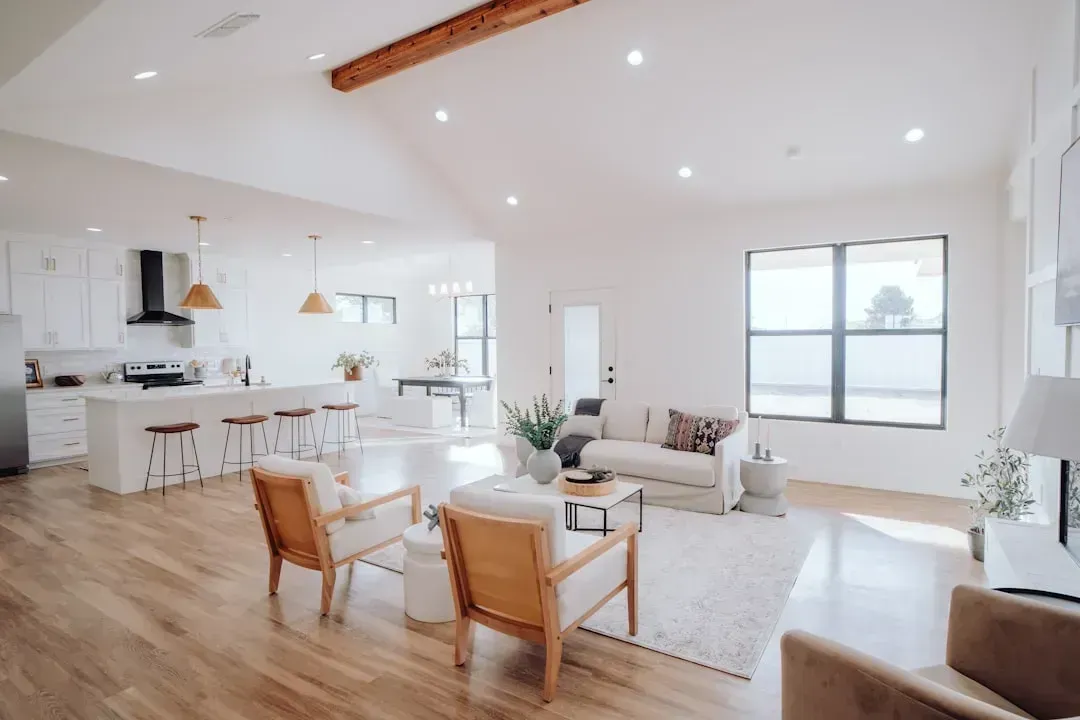
Here’s the thing about open floor plans: they had dominated for decades, but the tide turned. Once all the rage in the design world, open layouts were being phased out in 2024. Homeowners rediscovered the value of closed floor plans, which provided distinct rooms for specific purposes – like a dedicated home office, playroom, or dining room – bringing a sense of order and functionality back to the home.
The 2020 pandemic changed everything. People discovered they needed privacy for Zoom calls, separate spaces for kids doing remote learning, and defined areas that didn’t echo every kitchen noise into the living room. Open floor plans are losing their charm as people crave more privacy, with home offices and multi-functional spaces becoming essential, making cozy and segmented layouts preferred. Still, this doesn’t mean completely walled-off rooms are back. Buyers want flexibility, something between the extremes. The sweet spot seems to be broken-plan layouts that maintain some openness while creating distinct zones.
Wall-to-Wall Carpeting
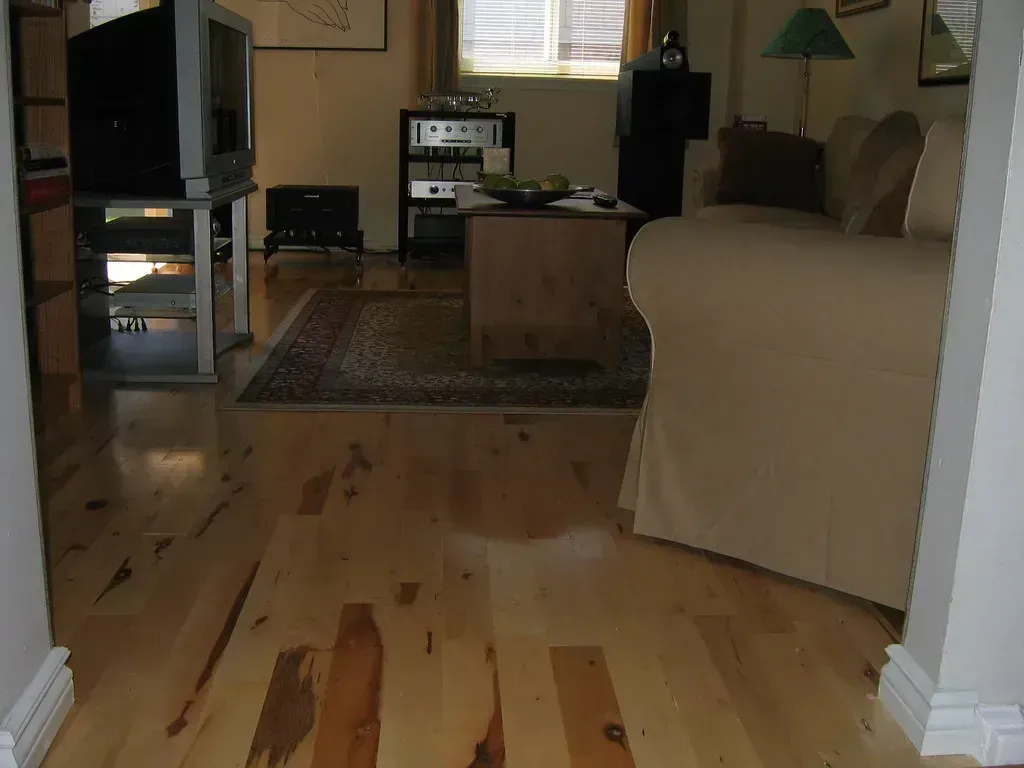
Remember when every room had plush carpeting? Those days are over. Carpeting throughout the home has become one of the fastest-declining features among modern buyers. Hardwood, luxury vinyl plank, and tile have taken over as preferred flooring choices for multiple reasons.
Buyers worry about what’s lurking beneath that carpeting. Is it hiding damaged floors? Trapping allergens? Harboring smells from previous owners’ pets? A full quarter of homeowners are still choosing hardwood as the de facto flooring for their kitchen upgrades, with hardwood being beautiful, durable, and versatile, coming in tons of different colors and finishes to suit any style. Carpeting just feels dated now, especially in kitchens, bathrooms, or high-traffic areas where it was once common. Today’s buyers want easy-to-clean surfaces that look fresh and modern. Honestly, the only place carpet still gets a pass is in bedrooms, and even there, many people prefer the look of area rugs over hardwood.
Formal Dining Rooms
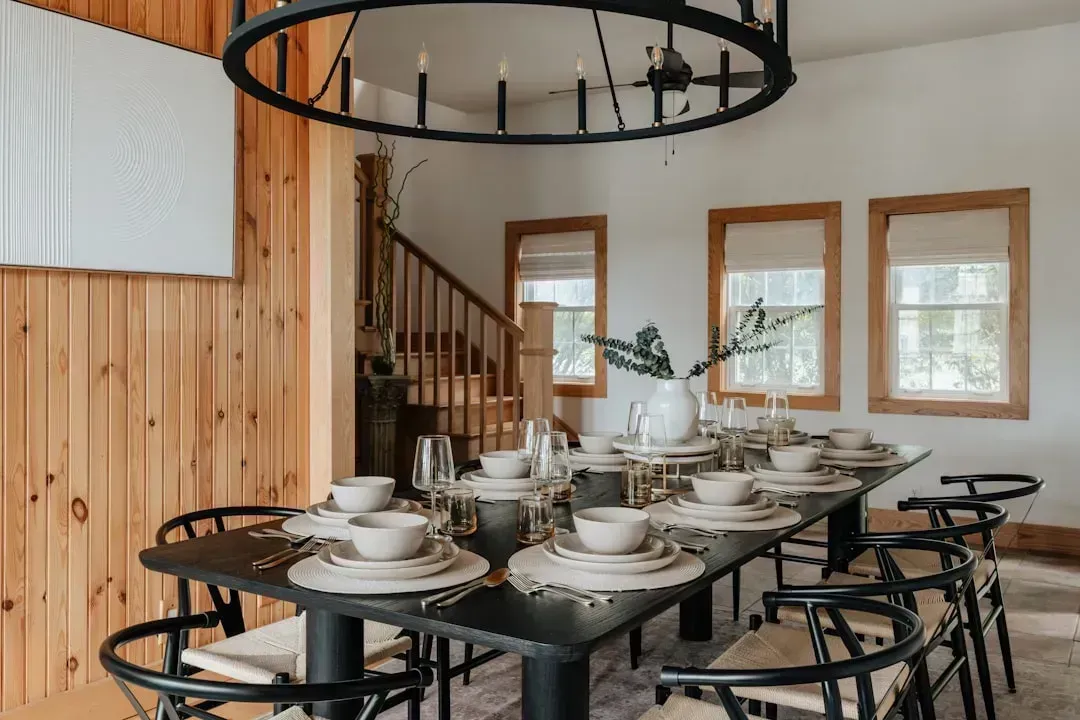
Among all buyers, convenience to friends and family are top neighborhood factors, while convenience to the home buyer’s job has continued to decline incrementally and is now at 31%, down from 52% in 2014. This shift in priorities extends to how people use space inside their homes. Formal dining rooms, once considered essential in any respectable home, now sit empty most of the year.
The reality is that families eat differently now. Casual dining at kitchen islands or breakfast nooks has replaced stuffy dinner parties in separate rooms. Buyers see formal dining rooms as wasted square footage that could be converted into home offices, playrooms, or expanded living areas. Those double doors leading to a chandelier-lit room with a table nobody uses? That’s prime real estate going to waste. Roughly speaking, most homebuyers these days would rather have flexible, multi-use spaces than a room reserved for Thanksgiving dinner. The trend reflects broader changes in how we socialize and work from home.
Matching Furniture Sets and Overly Coordinated Looks
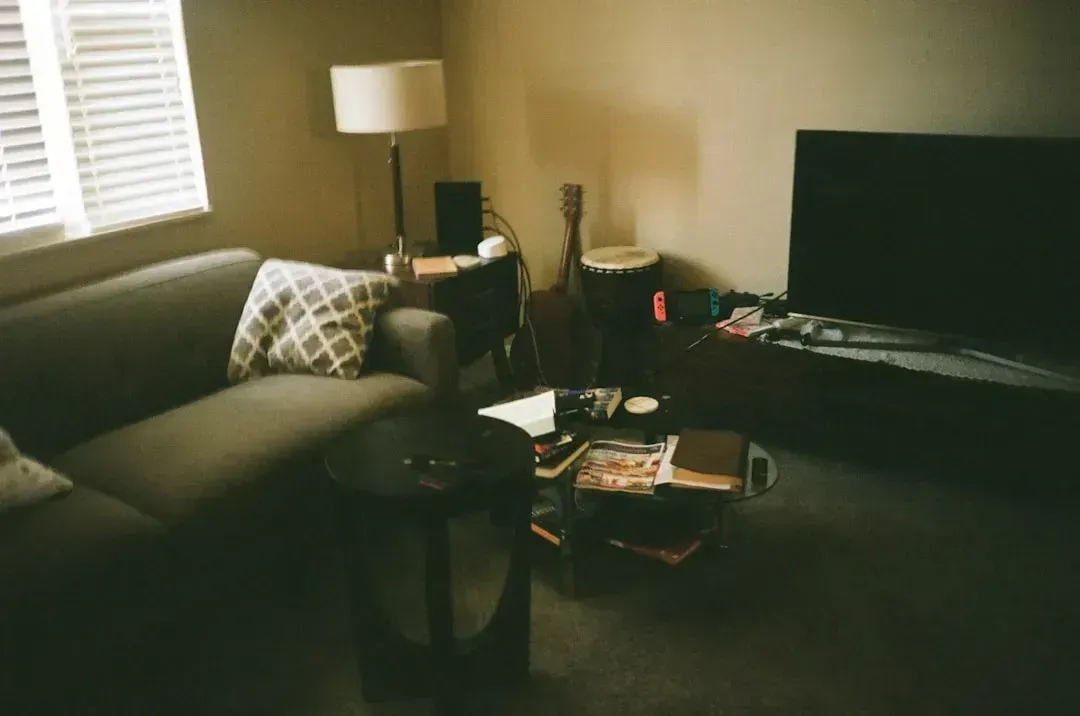
This one surprised me at first, but it makes total sense once you think about it. Matching furniture sets are a thing of the past, with buyers saying goodbye to the uniformity of sets and welcoming the mix and match trend. While technically about decor rather than built-in features, this shift reveals what buyers expect from homes themselves: character, not cookie-cutter uniformity.
The overuse of tan, white, and gray are making spaces feel bland, uninspired and ordinary, with lack of smart home and eco-friendly features, popcorn ceilings, and matchy-matchy furniture sets being sure-fire signs of an outdated look. Homes staged with everything perfectly coordinated actually turn buyers off. They want to see personality, curated collections, and spaces that feel authentic rather than showroom-sterile. In 2024, creating an inviting space by blending different furniture styles and decor pieces embraces the “collected” style, using carefully curated finds from antique stores, thrift shops, and flea markets. For sellers, this means that overly neutral, beige-everything homes lacking character no longer work in their favor.
Think about walking through homes recently. Which ones stick in your memory? Probably not the ones that looked like every single decision was made by the same interior designer on the same Tuesday afternoon. Today’s buyers want homes that can evolve with their tastes, not spaces that demand everything match perfectly or look out of place.