The Truffle Oil Deception: Why Chefs Claim You’re Paying Premium Prices for Scented Oil
Walk into any upscale restaurant and chances are you’ll spot dishes drizzled with truffle oil commanding hefty price tags. Those truffle fries might cost triple the regular version, pasta gets an instant upgrade, and suddenly pizza becomes a luxury item. It’s hard to blame diners for ordering these dishes, honestly. The allure of truffles is powerful.
Yet here’s the uncomfortable truth sitting at the center of all those fancy plates. Most commercial truffle oil contains no actual truffles but instead uses manufactured aromatic compounds like 2,4-dithiapentane combined with an oil base. That expensive drizzle coating your meal likely never came near a truffle in its entire existence. Welcome to one of the food industry’s most profitable cons.
The Chemical Trick Behind That “Truffle” Aroma
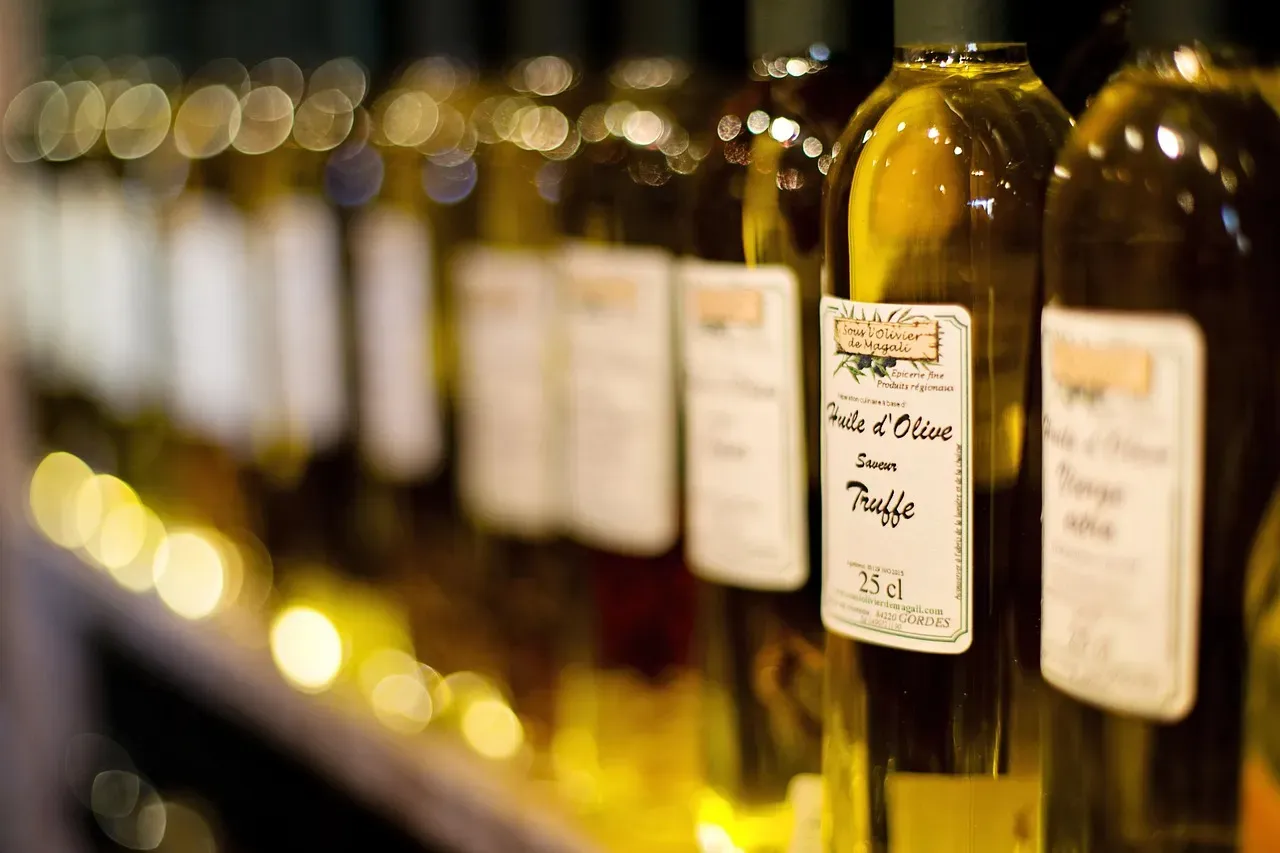
Originally, truffle oil was high-quality olive oil infused with black or white truffles, but today most of the stuff is made synthetically with ingredients like 2,4-dithiapentane, an aromatic molecule that gives truffles their distinctive smell. Think about that for a second. The very thing you’re paying premium prices for is essentially perfume mixed with cooking oil.
The compound 2,4-dithiapentane is industrially prepared by acid-catalyzed condensation of methyl mercaptan with formaldehyde, and while it’s found as an aromatic component in some truffle varieties, the synthetic version flooding supermarket shelves comes from laboratories, not forests. This chemical is also the main aromatic compound in foot odor, bad breath, and flatulence, as well as in Camembert cheese and real truffles. Appetizing, right?
Here’s what really gets me. There are no regulations regarding the labeling of 2,4-dithiapentane, and it can legally be called truffle aroma, truffle flavor, truffle concentrate, or similar terms, even though it’s not extracted from truffles. Manufacturers can slap “truffle” on the label while filling bottles with chemically scented oil, and it’s completely legal. The system itself enables the deception.
Why Celebrity Chefs Are Speaking Out

Gordon Ramsay pulled no punches when discussing this ingredient on MasterChef. In 2011, he called artificial truffle oil “one of the most pungent, ridiculous ingredients ever known to a chef”. Anthony Bourdain went even further, stating “Let it be stated here, unto forever and eternity, truffle oil is not food”. Martha Stewart? She described it as synthetic and fake, calling it “a hideous thing” and stating that truffle oil is one of the few ingredients that doesn’t belong in anyone’s kitchen.
These aren’t snobbish elitists gatekeeping ingredients. The professionals understand something crucial that most diners don’t. Chef Daniel Patterson wrote that truffle oil’s one-dimensional flavor is changing common understanding of how a truffle should taste. When millions of people encounter synthetic truffle oil before ever experiencing real truffles, their palate gets conditioned to accept the fake as authentic.
The synthetic product gives customers the idea that truffles have an intense gas-like aroma, and it falsely represents a product that has nothing to do with truffles while putting restaurateurs who try to work honestly in an unfavorable position. If a chef uses real truffles with their subtle, complex flavor, naive guests might think they’re being cheap.
The Price Markup Nobody Talks About
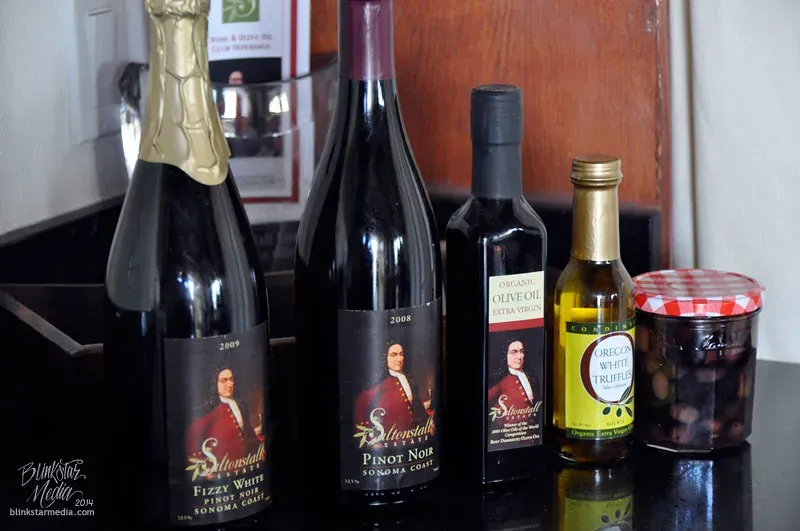
Let’s discuss the elephant in the room. Money. When truffle oil became popular during the 1980s it was marketed as a rare luxury item, but the fact that this oil had never been near a truffle in its life was conveniently overlooked since it could be produced for a few cents, poured into a fancy bottle, and sold for upwards of forty dollars. That’s not a markup. That’s highway robbery dressed up in gourmet packaging.
Fries in San Francisco cost eight dollars, but add truffle oil and call them truffle fries for eighteen dollars; a mac and cheese in Delhi goes from four hundred rupees to twelve hundred rupees with truffle oil added. These bottles are marked up roughly twelve hundred percent compared to plain olive oil, essentially becoming little more than aromatized snake oil.
Truffles are very expensive and highly sought-after, so truffle oil is a clever workaround from an economic point of view, allowing manufacturers and restaurants to charge truffle-level prices for a product that contains very little of it. The profit margins are astronomical because production costs are minimal while consumer perception of value remains high.
When Lawsuits Couldn’t Stop The Scam
Monini North America was sued in 2017 for selling white truffle flavored olive oil that contained no truffles, and Urbani Truffles USA faced similar allegations, with plaintiffs arguing these bottles were little more than aromatized snake oil. Consumers finally pushed back against the deception, armed with DNA analysis and righteous anger.
The outcome? The Monini case was tossed and the dismissal upheld on appeal because the label said “flavored,” meaning no reasonable consumer should have expected actual truffles inside a fifteen-dollar bottle. Think about that legal reasoning for a moment. Courts essentially ruled that consumers should assume products labeled as truffle-flavored contain zero actual truffle.
In May 2017, a class action lawsuit was brought against Sabatino North America LLC, the largest truffle product manufacturer in the United States, alleging deceptive labeling, although a DNA analysis confirmed their truffle oil does not contain any actual truffle DNA. Yet the industry rolls on, bottles flying off shelves, restaurants charging premium prices for synthetic compounds.
How To Spot Real Truffle Oil (If It Even Exists)
Genuine truffle oil will list real truffles as an ingredient, but if the label only mentions truffle aroma or truffle flavor, it’s likely a synthetic product. High-quality truffle oils typically fall within the price range of fifteen to twenty-two dollars for a one hundred milliliter bottle, and you should be wary of options priced significantly lower as they may compromise on quality.
Still, even price doesn’t guarantee authenticity anymore. Research demonstrated that most commercial truffle oils, whether claiming to contain natural or synthetic flavors, showed concentrations of 2,4-dithiapentane markedly higher compared to those obtained by extraction of fruiting bodies in oil. Scientists can literally measure the difference between oils made with real truffles versus laboratory chemicals.
Real truffle oil may have small pieces of truffle suspended in the oil, and authentic truffle oil has a complex earthy aroma and nuanced flavor profile, whereas synthetic truffle oil often has a strong one-dimensional smell. Your nose can be your best defense if you know what to look for. Real truffles smell earthy and subtle. Synthetic versions smell overpowering and almost gasoline-like.
The truffle oil phenomenon reveals something deeper about modern food culture. We’ve created an entire market based on the illusion of luxury rather than genuine quality. Restaurants profit enormously by adding cheap synthetic oil to dishes and calling them gourmet. Manufacturers laugh all the way to the bank selling petroleum-derived compounds as culinary treasures. Meanwhile, real truffle hunters and farmers watch their craft get devalued by imposters.
Next time a menu offers truffle-anything for a premium price, pause. Ask questions. Check if they’re using real truffles or synthetic oil. Better yet, save your money for the rare occasions when you can experience actual truffles. Your wallet and your taste buds will thank you. What’s your take on this whole truffle oil situation? Have you been fooled by the fancy drizzle?