10 Ingredients Europe Has Banned but Are Still Allowed in U.S. Snack Foods
Ever wonder why the candy and chips you grew up eating taste different when you buy them overseas? It’s not just your imagination. Europe and the United States have significantly different approaches to food safety, with the European Union banning several food additives due to potential health risks while the FDA still permits them. These ingredients are often hiding in plain sight, lurking in the snacks lining grocery store shelves from coast to coast.
Let’s be honest, nobody wants to think their favorite treats might contain questionable chemicals. The reality is that many substances deemed too risky for European consumers remain perfectly legal in American products. Most Americans likely don’t realize how many additives they’re eating that European regulators shun, and according to experts, it’s “almost certainly” making them sick. Here’s what you need to know about what’s really in your snack foods.
Potassium Bromate: The Bread Improver with Cancer Links
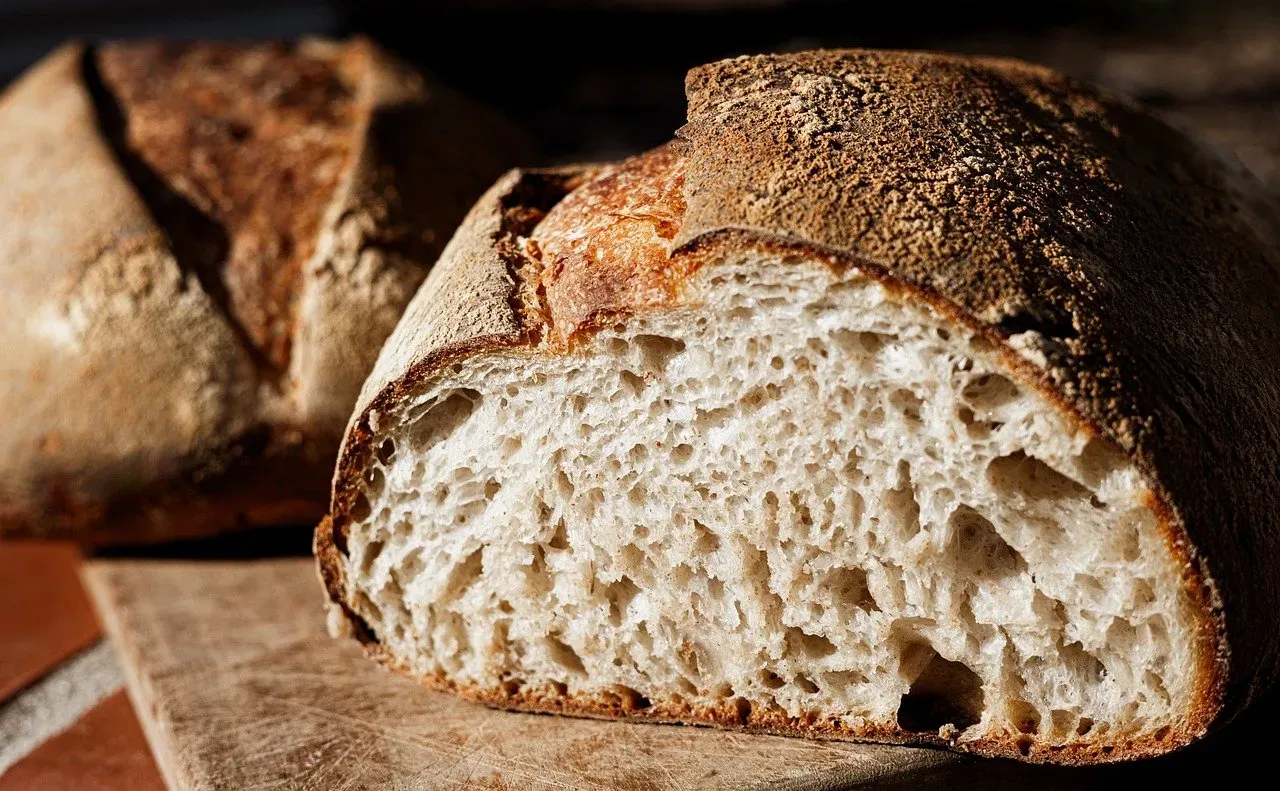
Potassium bromate is banned in the U.K. and many other countries around the world, including Canada, Brazil, and Argentina, but allowed in the U.S. in certain quantities, and it has been linked to cancer in humans as well as gut problems. This dough conditioner helps bread rise higher and gives it that perfect texture bakeries love. In 1999, the International Agency for Research on Cancer categorized potassium bromate as “possibly carcinogenic to humans,” and it has been banned as a food additive in Europe since 1990, in Canada since 1994, and in India since 2016.
The food industry argues that baking converts potassium bromate into harmless potassium bromide. Tests in the U.K. found that potassium bromate remains detectable after baking, with all six unwrapped breads and seven out of 22 packaged breads tested having measurable levels. The Environmental Working Group has identified over 200 products that contain potassium bromate, including Gomez flour tortillas, Hy Vee blueberry crisp and Hanover baked sourdough soft pretzels. That morning toast might contain more than you bargained for.
Brominated Vegetable Oil: The Citrus Drink Stabilizer
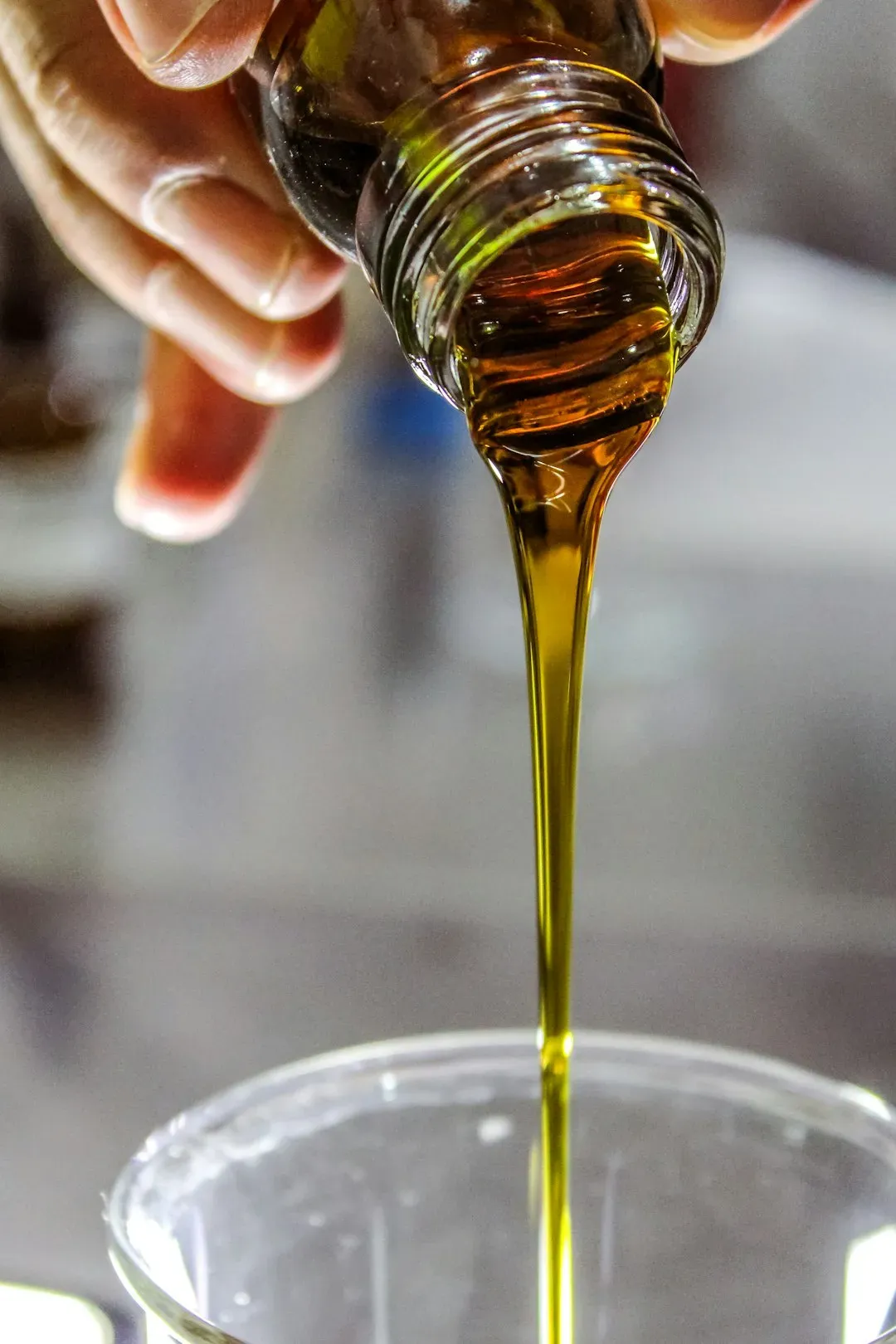
BVO is a vegetable oil that is modified with bromine, and as authorized, it was used in small amounts, not to exceed 15 parts per million, as a stabilizer for fruit flavoring in beverages to keep the citrus flavoring from floating to the top. BVO has been banned from drinks sold in Europe and Japan for years. The chemical contains bromine, the same element found in flame retardants, which should give anyone pause.
In May 2022, the FDA published a study showing that oral exposure to BVO is associated with increased tissue levels of bromine and that at high levels of exposure the thyroid is a target organ of potential negative health effects in rodents. In July 2024, the FDA revoked regulations allowing the use of BVO in food, following a proposal made in November 2023, concluding that the intended use of BVO in food is no longer considered safe after the results of studies found the potential for adverse health effects in humans. Still, products containing it may remain on shelves during the transition period.
Artificial Food Dyes: The Rainbow of Risks
Several artificial food colorings that are banned in the EU are still allowed in the US, including Blue 1, Blue 2, Green 3, Red 3, Red 40, Yellow 5, and Yellow 6, appearing in many foods including Skittles, Doritos, Pop Tarts, Gatorade, Lucky Charms, Tostitos Queso, Pillsbury Crescent Rolls, and Little Debbie’s snacks. Walk into any American convenience store and you’ll find these vibrant colors everywhere.
Though technically not banned outright in Europe, the regulations are stricter. The EU requires that foods containing certain synthetic food dyes bear a warning label stating “may have an adverse effect on activity and attention in children,” specifically for foods with synthetic dyes like Yellow No. 5, Yellow No. 6 and Red No. 40. The California Environmental Protection Agency’s Office of Environmental Health Hazard released a report in 2021 concluding that synthetic food dyes are associated with adverse neurobehavioral outcomes in children. Meanwhile, the FDA still classifies these dyes as safe for general use.
Red Dye No. 3: Decades of Delayed Action
Red dye 3 has been banned from use in topical drugs and cosmetics since 1990, when the FDA found that the additive causes cancer in animals. Here’s the thing that makes no sense: it was removed from makeup and skin products over three decades ago, yet remained in food products Americans eat daily. According to Thomas Galligan, principal scientist on additives at The Center for Science in the Public Interest, “The clearest example of FDA failure is the food dye Red 3,” noting that “FDA, itself, determined in 1990 causes cancer when eaten by animals, but in 2024, it is still authorized for use in food today”.
The FDA finally announced plans to ban Red 3 from food in 2025. Red dye 3 is technically still allowed in the food supply until July 15, 2027, at which point it will be officially banned. That means for years after it was proven harmful, this cancer-causing dye continued coloring candies, baked goods, and other treats aimed at children.
BHA and BHT: Preservatives with Troubling Track Records
Butylated hydroxyanisole and butylated hydroxytoluene are synthetic preservatives added to processed foods to extend shelf life and prevent fats and oils from spoiling, found in many pantry staples. These antioxidants are everywhere in the American food supply. These additives are banned in the EU but not in the U.S., and animal studies suggest that high doses of BHA and BHT may increase the risk of several different cancers.
BHA and BHT are preservatives linked to cancer and endocrine disruption, making them a no-go in Europe, yet the US still allows them in processed foods like cereals, chips, and snack cakes. BHA and BHT are endocrine disruptors meaning that they can alter the normal function of your hormones, especially thyroid hormones, and lead to disease, with the IARC listing BHA as a class 2B carcinogen, “possibly carcinogenic to humans”. The problem is that these chemicals are cheap and effective at keeping food fresh, which keeps them on manufacturer ingredient lists despite the concerns.
Azodicarbonamide: The Yoga Mat Chemical in Your Bread

Azodicarbonamide is banned in the UK and the European Union. This whitening agent and dough conditioner might sound unfamiliar, but you’ve probably consumed it if you’ve eaten packaged bread or rolls recently. Azodicarbonamide is a preservative added to baked goods and other foods as a dough conditioner and bleaching agent, and when exposed to heat during bread baking, it degrades into semicarbazide, a known carcinogen that has been shown to cause tumors in animal studies, which is why it is not permitted for use as a food additive in Europe.
The chemical is also used in manufacturing yoga mats and shoe soles, which earned it the nickname “yoga mat chemical.” When consumed, azodicarbonamide can break down into semicarbazide, a compound classified as a potential carcinogen, and studies conducted on animals have shown that semicarbazide can cause tumors, while the EHSO claims that ADA can induce asthma, other respiratory symptoms, and skin sensitization. I know it sounds crazy, but the same substance that makes rubber flexible is considered acceptable in American bread.
Titanium Dioxide: The Whitening Agent Under Scrutiny
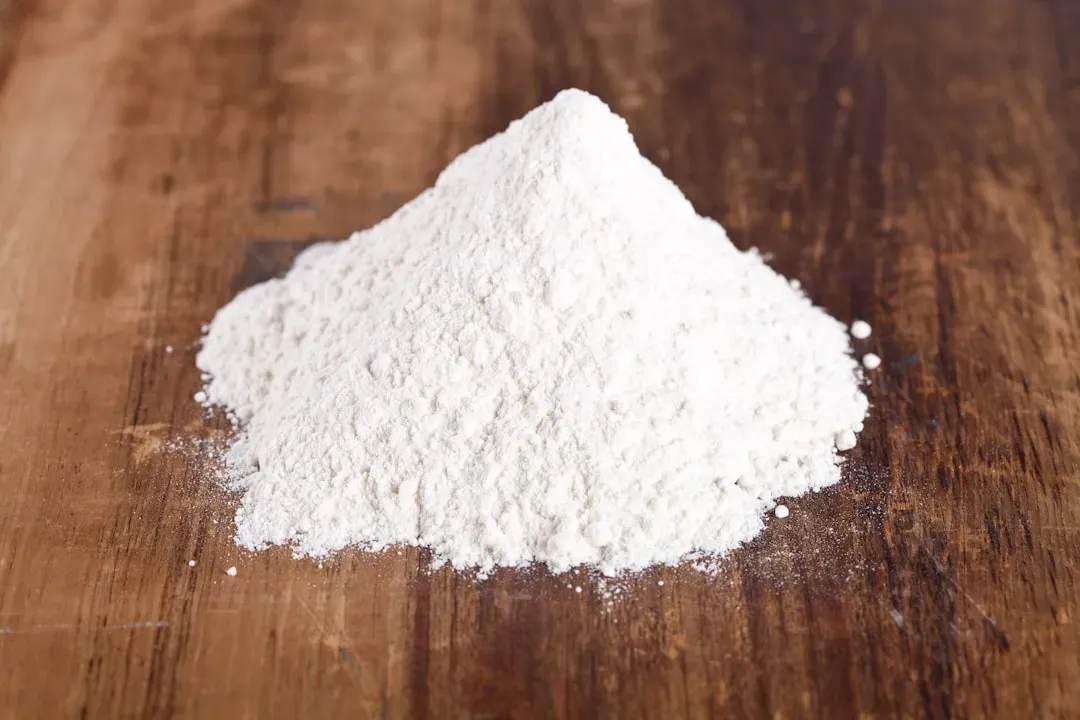
Titanium dioxide was banned by the European Food Safety Authority last year because of concerns about potential connections to cancer, but the FDA has not taken any action on titanium dioxide following the EFSA assessment. This additive is used to make foods whiter and brighter. In the U.S., it’s still found in many confections, including Sour Patch Kids watermelon candies, Hostess chocolate cupcakes and Hostess powdered Donettes, Friendly’s cake singles birthday cake ice cream, Zweet sour belts, and Skittles.
According to Melanie Benesh, vice president of governmental affairs at Environmental Working Group, “A chemical that builds up in the body and could harm the immune and nervous systems should not be in candies and treats marketed to children”. The compound accumulates in tissues over time, raising questions about long-term exposure from regular consumption. On ingredient labels, titanium dioxide often hides behind vague terms like “artificial color” or “added color,” making it harder for consumers to spot.
Propylparaben: The Hormone-Disrupting Preservative
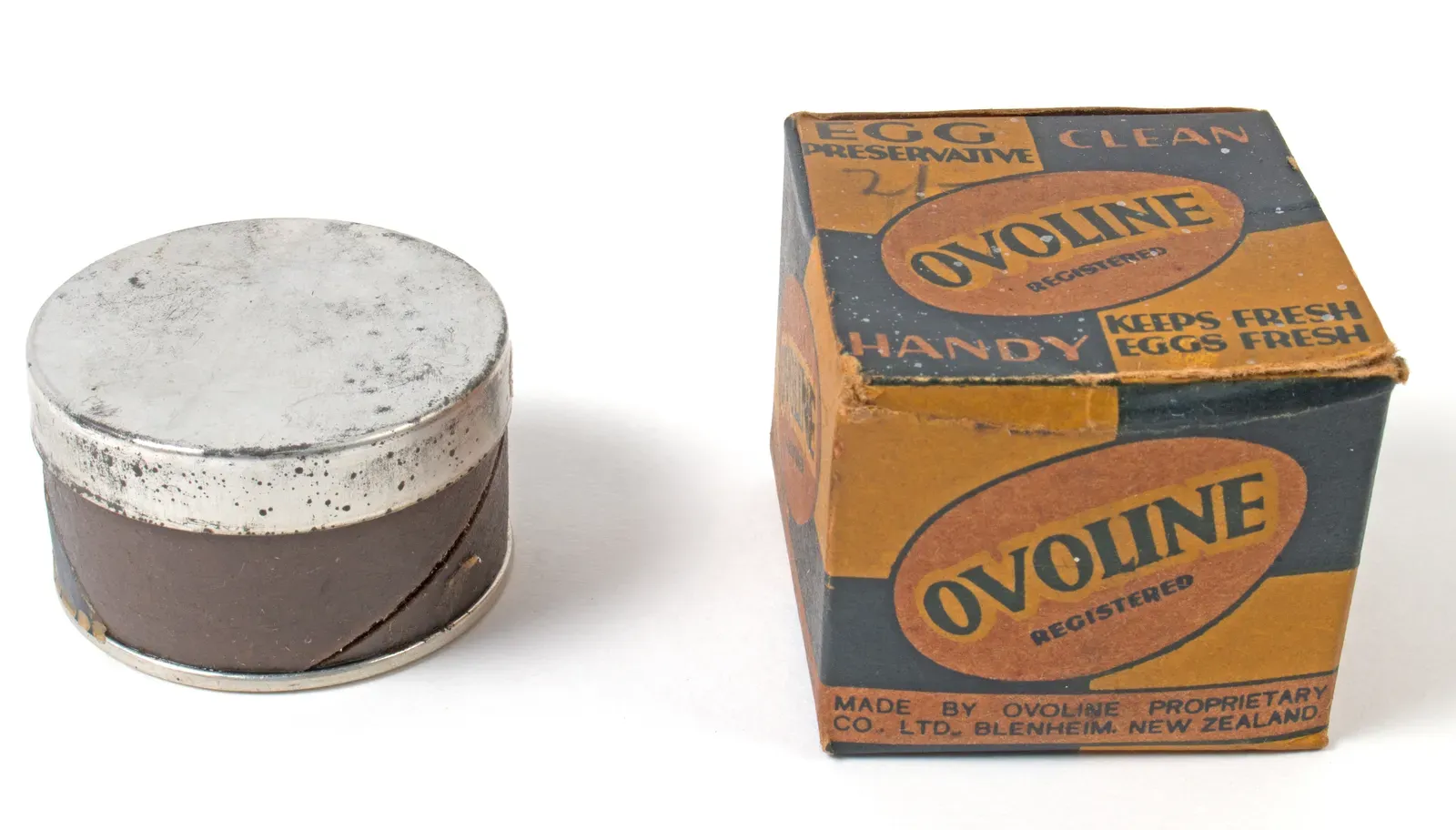
Added to products to extend their shelf life, propylparaben is linked in animals to hormone disruption, and since 2006, it’s been illegal to use it as a food additive in Europe. This preservative appears in various packaged foods to prevent spoilage. Animal studies have shown that propylparaben may affect male sex hormones, and in a 2002 study, researchers found that it significantly lowered sperm counts in rats, while Cornell University research indicated that exposure to parabens may also be linked to breast cancer.
In the U.S., it’s a listed ingredient in bread and bakery products, including Chi-Chi’s white corn tortillas and red decorating icing from Great Value, Walmart’s generic brand. The fact that a chemical banned in Europe for nearly two decades remains in American baked goods should raise some eyebrows. It’s particularly concerning given the research suggesting it interferes with reproductive health.
Olestra: The Fat Substitute with Unpleasant Side Effects
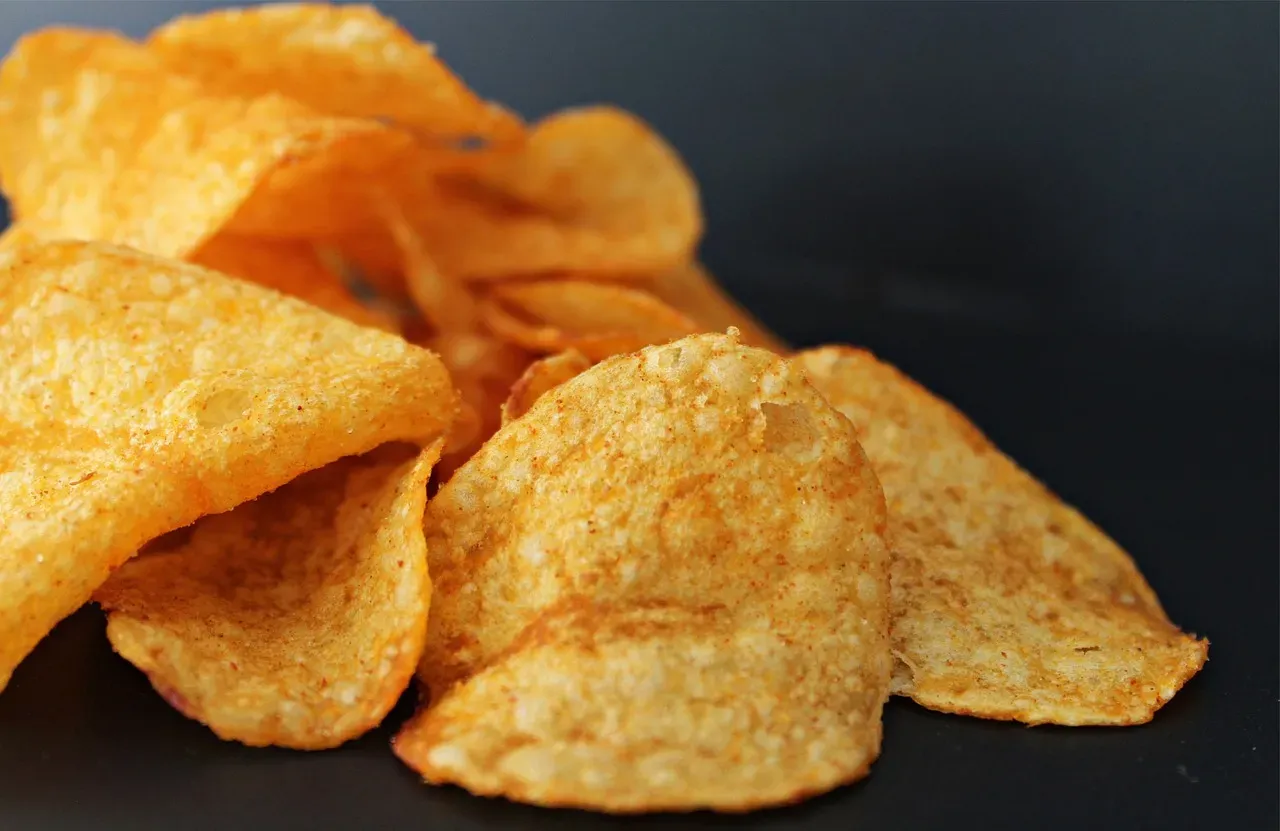
Olestra, a fat substitute that causes gastrointestinal distress in many consumers, is banned in Europe but allowed in the US, often found in fat-free snack foods. Introduced in the 1990s as a calorie-free alternative to fat, olestra seemed like a dream come true for dieters. Marketed as a fat substitute, Olestra is found in many reduced-fat products and snack foods, and it has been known to cause gastrointestinal issues and may interfere with the absorption of essential vitamins.
The side effects became so notorious that products containing olestra once carried warning labels about potential digestive problems. These warnings mentioned everything from loose stools to more urgent bathroom visits. Despite these uncomfortable effects and vitamin absorption concerns, olestra remains legal in American snack chips marketed as healthier alternatives to regular fried versions.
Synthetic Growth Hormones: The Dairy Controversy
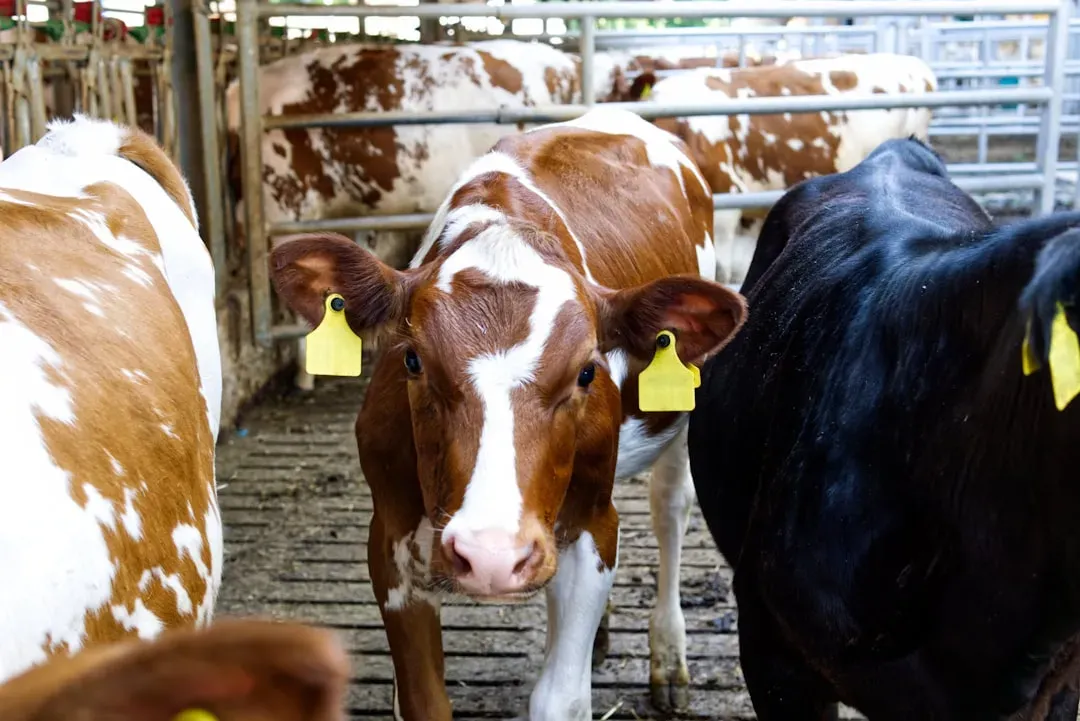
The animal drug ractopamine, which is administered to animals on U.S. farms to fatten cattle, turkeys, and pigs before slaughter, is banned in Europe along with bovine growth hormone, which the U.S. dairy industry uses to increase milk production in animals, though FDA says both of the animal drugs are safe to use. These hormones boost production efficiency in livestock farming. rBST can cause health issues in dairy cows, including udder infections and reproductive problems, though it is currently allowed in the U.S..
Europe banned these growth hormones decades ago based on animal welfare concerns and potential health impacts. Many American dairy brands now advertise products from cows not treated with these hormones, responding to consumer demand. Still, unless your milk or dairy products specifically state they’re hormone-free, there’s a good chance they come from treated animals.